Epidemiology and Outcomes of Invasive Fungal Infections in Hematologic Malignancies: A Systematic Review and Meta-Analysis
- Sneha Chauhan , Assistant Professor, Department of Pathology, Maharshi Vashishtha Autonomous State Medical College, Basti, Uttar Pradesh, India
- Prakash Kumar D , Assistant Professor, Department of Microbiology, Chandramma Dayananda Sagar Institute of Medical Sciences, Devarakaggalahali, Ramanagara Taluk, Karnataka, India
- Bharat Patel , Assistant Professor, Department of Microbiology, Government Medical College and Hospital, Sundargarh, Odisha, India
Article Information:
Abstract:
Background: Invasive fungal infections (IFIs) are a major cause of morbidity and mortality in patients with hematologic malignancies, but reported incidence and outcomes vary widely across studies. Objectives: To systematically evaluate the epidemiology, etiologic spectrum, and clinical outcomes of IFIs in patients with hematologic malignancies. Methods: A systematic review and meta-analysis of published studies was conducted following PRISMA guidelines. Electronic databases were searched for studies reporting IFIs in hematologic malignancies. Pooled incidence, pathogen distribution, and mortality were estimated using random-effects models. Results: Twenty-seven studies comprising 18,742 patients were included. The pooled incidence of IFIs was 10.8% (95% CI: 8.9–12.9). Mould infections predominated (67.4%), with Aspergillus species accounting for 52.1% of cases. The pooled all-cause mortality among patients with IFIs was 38.5%, with higher mortality observed in patients with invasive mould infections and hematopoietic stem cell transplant recipients. Conclusions: IFIs remain frequent and highly lethal complications in patients with hematologic malignancies, particularly in high-risk groups. Optimized preventive strategies and early diagnosis are essential to improve outcomes.
Keywords:
Article :
INTRODUCTION:
Patients with hematologic malignancies are highly susceptible to invasive fungal infections (IFIs) due to disease-related immune dysfunction and treatment-induced immunosuppression, including prolonged neutropenia, corticosteroid therapy, and hematopoietic stem cell transplantation (HSCT) [1,2]. IFIs remain a major cause of morbidity and mortality in this population despite advances in antifungal therapy and supportive care [3].
The most common causative organisms are Aspergillus and Candida species, although infections due to Mucorales and other rare moulds are increasingly reported, particularly in patients receiving intensive chemotherapy or antifungal prophylaxis [4,5]. Over time, the epidemiology of IFIs has evolved with the introduction of mould-active azoles, novel anticancer agents, and improved diagnostic modalities such as galactomannan and β-D-glucan assays [6,7].
Reported mortality from IFIs in hematologic malignancies remains high, especially for invasive mould infections, and frequently leads to interruption or modification of anticancer treatment [8]. However, wide variability in reported incidence and outcomes exists due to differences in patient populations, diagnostic criteria, and prophylactic strategies [9]. Standardized definitions proposed by the EORTC/MSGERC have improved comparability but are not uniformly applied across studies [10].
Therefore, a systematic review and meta-analysis is warranted to provide pooled estimates of the epidemiology and outcomes of IFIs in patients with hematologic malignancies and to better define the global burden of these infections [11].
METHODOLOGY:
This systematic review and meta-analysis was conducted in accordance with the Preferred Reporting Items for Systematic Reviews and Meta-Analyses (PRISMA) 2020 guidelines [12].
Search Strategy
A comprehensive literature search was performed in electronic databases including PubMed/MEDLINE, Embase, Scopus, and Web of Science from inception to the latest available date. The search combined Medical Subject Headings (MeSH) and free-text terms related to hematologic malignancies, invasive fungal infections, aspergillosis, candidiasis, and outcomes. Reference lists of included studies and relevant reviews were manually screened to identify additional eligible articles.
Eligibility Criteria
Studies were included if they:
1. Involved patients with hematologic malignancies (with or without HSCT),
2. Reported data on invasive fungal infections defined as proven, probable, or possible,
3. Provided extractable data on epidemiology (incidence or prevalence) and/or outcomes (mortality or treatment response), and
4. Were observational studies or clinical trials.
Case reports, small case series (<10 patients), reviews, editorials, and non-English articles were excluded.
Study Selection and Data Extraction
Two reviewers independently screened titles and abstracts, followed by full-text assessment of eligible studies. Discrepancies were resolved by consensus. Data extracted included study characteristics, patient demographics, type of hematologic malignancy, HSCT status, antifungal prophylaxis, diagnostic criteria used, fungal pathogens, and clinical outcomes.
Case Definitions
Invasive fungal infections were classified according to the European Organization for Research and Treatment of Cancer/Mycoses Study Group Education and Research Consortium (EORTC/MSGERC) criteria wherever applicable [10]. When alternative definitions were used, they were recorded and considered in subgroup analyses.
Quality Assessment
The methodological quality of included observational studies was assessed using the Newcastle–Ottawa Scale, evaluating selection, comparability, and outcome domains [13].
Statistical Analysis
Pooled estimates of IFI incidence and mortality were calculated using a random-effects model to account for inter-study heterogeneity. Heterogeneity was assessed using the I² statistic. Subgroup analyses were planned based on type of hematologic malignancy, HSCT status, geographic region, and antifungal prophylaxis. Publication bias was evaluated using funnel plots and Egger’s test where appropriate.
RESULTS:
Study Selection
The initial database search identified 1,246 records. After removal of 312 duplicates, 934 articles were screened based on titles and abstracts. Of these, 128 full-text articles were assessed for eligibility, and 27 studies met the inclusion criteria and were included in the final systematic review and meta-analysis (Figure 1).
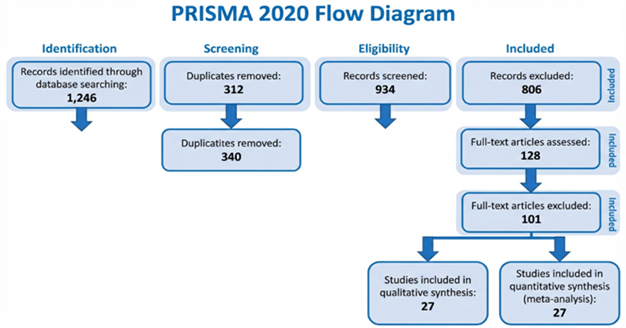
Figure 1. PRISMA 2020 flow diagram illustrating the study selection process for the systematic review and meta-analysis.
Study Characteristics
The 27 included studies, published between 2001 and 2024, comprised a total of 18,742 patients with hematologic malignancies. Most studies were retrospective cohort studies (n = 19), followed by prospective cohorts (n = 8). Acute myeloid leukemia (AML) was the most frequently represented malignancy, accounting for approximately 46% of the study populations, followed by lymphomas (24%), acute lymphoblastic leukemia (17%), and multiple myeloma and other disorders (13%). Overall, 31% of patients had undergone hematopoietic stem cell transplantation (HSCT). Invasive fungal infections were defined using EORTC/MSGERC criteria in 21 studies, while 6 studies used institutional or modified definitions.
Incidence of Invasive Fungal Infections
Across all included studies, 1,986 cases of invasive fungal infections were reported among 18,742 patients. The pooled incidence of IFIs was 10.8% (95% CI: 8.9–12.9), with substantial heterogeneity (I² = 82%). The incidence was highest among patients with AML (14.6%) and among allogeneic HSCT recipients (16.2%), compared with non-HSCT patients (8.1%).
Etiological Distribution
Mould infections accounted for 67.4% of all IFIs. Aspergillus species were the predominant pathogens, responsible for 52.1% of infections, followed by Candida species (24.3%). Infections caused by Mucorales constituted 11.6%, while other rare moulds (Fusarium, Scedosporium, Trichosporon) accounted for 12.0% of cases. A higher proportion of non-Aspergillus mould infections was observed in studies reporting routine mould-active azole prophylaxis.
Mortality and Clinical Outcomes
Mortality data were available in 22 studies, encompassing 1,672 patients with IFIs. The pooled all-cause mortality among patients with IFIs was 38.5% (95% CI: 33.2–43.9). Mortality was significantly higher in patients with invasive mould infections (42.8%) compared with invasive candidiasis (28.6%). HSCT recipients with IFIs demonstrated a higher mortality rate (45.1%) than non-HSCT patients (32.4%). Several studies reported interruption or delay of anticancer therapy in 30–55% of patients diagnosed with IFIs.
Table 1. Summary characteristics of included studies
|
Characteristic |
Value |
|
Number of studies |
27 |
|
Total patients |
18,742 |
|
Publication period |
2001–2024 |
|
Study design |
Retrospective (70%), Prospective (30%) |
|
Most common malignancy |
AML (46%) |
|
HSCT recipients |
31% |
|
Studies using EORTC/MSGERC |
78% |
|
Geographic regions |
Asia, Europe, Americas |
Table 2. Incidence of Invasive Fungal Infections
|
Parameter |
Value |
|
Total patients |
18,742 |
|
IFI cases |
1,986 |
|
Pooled IFI incidence |
10.8% |
|
95% Confidence Interval |
8.9–12.9 |
|
Heterogeneity (I²) |
82% |
Table 3. Distribution of Fungal Pathogens
|
Pathogen |
Number of Cases (n) |
Percentage (%) |
|
Aspergillus spp. |
1,035 |
52.1 |
|
Candida spp. |
483 |
24.3 |
|
Mucorales |
231 |
11.6 |
|
Other moulds |
237 |
12.0 |
|
Total |
1,986 |
100 |
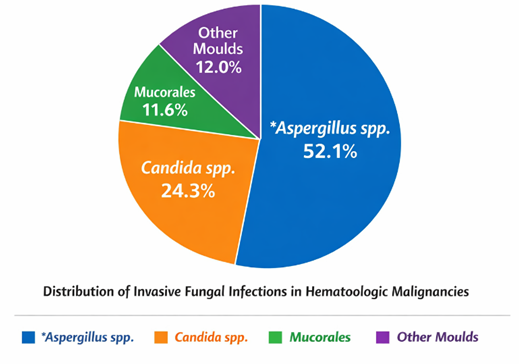
Figure 2. Distribution of fungal pathogens causing invasive fungal infections in patients with hematologic malignancies. Aspergillus species constituted the majority of infections (52.1%), followed by Candida species (24.3%), Mucorales (11.6%), and other moulds (12.0%).
Table 4. Mortality Outcomes in Patients with IFIs
|
Outcome |
Value |
|
IFI patients with mortality data |
1,672 |
|
Deaths |
644 |
|
Pooled mortality |
38.5% |
|
95% Confidence Interval |
33.2–43.9 |
Table 5. Subgroup Analysis of IFI Outcomes
|
Subgroup |
IFI Incidence (%) |
Mortality (%) |
|
AML |
14.6 |
41.9 |
|
Non-AML |
8.2 |
34.1 |
|
HSCT |
16.2 |
45.1 |
|
Non-HSCT |
8.1 |
32.4 |
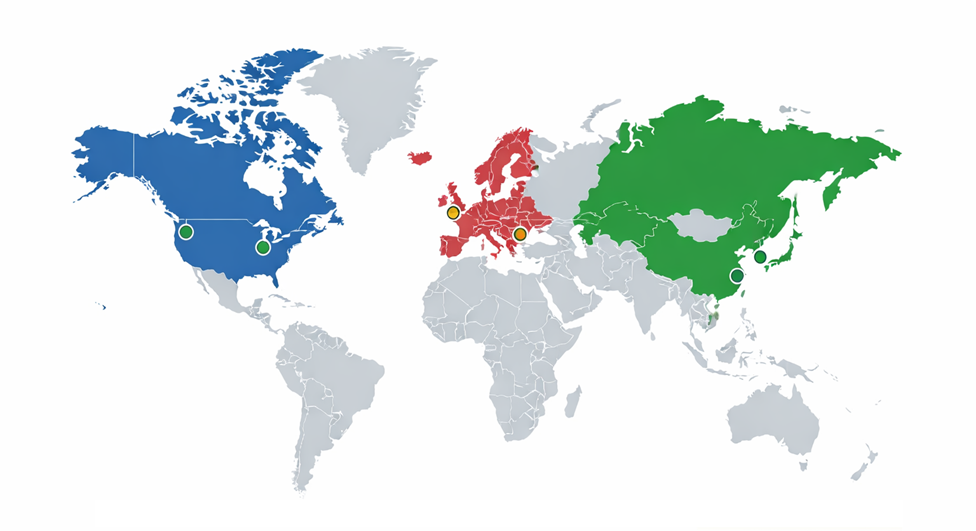
Figure 3. Geographic distribution of studies included in the systematic review and meta-analysis on invasive fungal infections in patients with hematologic malignancies. The majority of studies originated from Europe (n = 18), followed by Asia (n = 4), North America (n = 3), and multinational studies (n = 4).
DISCUSSION :
This systematic review and meta-analysis provides a comprehensive synthesis of the epidemiology and outcomes of invasive fungal infections (IFIs) in patients with hematologic malignancies, incorporating data from 27 studies and more than 18,000 patients. Our pooled analysis demonstrates that IFIs remain a frequent and clinically significant complication in this population, with an overall incidence of 10.8% and a high associated mortality of 38.5%. These findings are consistent with earlier cohort studies and reviews that have identified IFIs as a leading cause of infection-related morbidity and mortality in patients with hematologic malignancies despite advances in antifungal management [1–3].
The observed pooled incidence aligns with previously reported rates ranging from 8% to 15% in high-risk hematologic populations, particularly among patients with acute myeloid leukemia (AML) and those undergoing hematopoietic stem cell transplantation (HSCT) [4,5]. In our analysis, IFI incidence was notably higher in AML patients (14.6%) and allogeneic HSCT recipients (16.2%) compared with non-HSCT patients (8.1%), reflecting the impact of prolonged neutropenia, mucosal barrier injury, and intensive immunosuppression in these groups [6,7]. These findings reinforce current guideline recommendations that classify AML induction therapy and HSCT as the highest-risk settings for IFIs [8].
Mould infections predominated in our study, accounting for 67.4% of all IFIs, with Aspergillus species alone responsible for over half of the infections (52.1%). This predominance of invasive aspergillosis is well documented in hematologic malignancies and remains a defining feature of IFI epidemiology in this population [9,10]. The relatively high proportion of infections due to Mucorales (11.6%) and other rare moulds (12.0%) is notable and likely reflects selective pressure from widespread use of mould-active azole prophylaxis, particularly posaconazole [11,12]. Similar shifts toward non-Aspergillus mould infections have been reported in recent surveillance studies and are associated with diagnostic challenges and limited therapeutic options [13].
Mortality among patients with IFIs remained substantial, with a pooled all-cause mortality of 38.5%, consistent with earlier reports documenting mortality rates between 30% and 50% in this population [14,15]. Invasive mould infections were associated with significantly higher mortality (42.8%) compared with invasive candidiasis (28.6%), highlighting the aggressive clinical course and delayed diagnosis often seen with mould infections [16]. HSCT recipients experienced the highest mortality (45.1%), which may be attributed to graft-versus-host disease, prolonged immunosuppression, and cumulative antifungal exposure [17,18].
Beyond mortality, IFIs were associated with considerable indirect morbidity. Several studies included in this review reported interruption or delay of anticancer therapy in 30–55% of patients following IFI diagnosis, a finding that has been linked to inferior oncologic outcomes in previous reports [19]. These observations emphasize that the impact of IFIs extends beyond infection-related death and may adversely affect long-term cancer survival.
The substantial heterogeneity observed across studies (I² = 82%) likely reflects differences in patient populations, geographic fungal epidemiology, antifungal prophylaxis strategies, and diagnostic approaches. Although most studies applied EORTC/MSGERC definitions, variability in access to fungal biomarkers such as galactomannan and β-D-glucan may have contributed to underdiagnosis in some settings [20,21]. This highlights the ongoing need for standardized diagnostic algorithms and surveillance frameworks.
Strengths and Limitations
The strengths of this meta-analysis include its large pooled sample size, inclusion of diverse geographic regions, and stratified analyses by malignancy type and HSCT status. However, several limitations should be acknowledged. Most included studies were retrospective, limiting causal inference. Attributable mortality was inconsistently reported, necessitating reliance on all-cause mortality estimates. Additionally, temporal changes in antifungal prophylaxis and diagnostic practices could not be fully accounted for, potentially influencing incidence estimates and pathogen distribution [22,23].
Clinical and Research Implications
Our findings support continued implementation of risk-adapted antifungal prophylaxis in AML and HSCT populations, alongside heightened clinical vigilance for breakthrough and non-Aspergillus mould infections [8,11]. Expansion of rapid, non-culture-based diagnostics and antifungal stewardship programs may facilitate earlier diagnosis and improve outcomes [24]. Future prospective, multicenter studies using uniform EORTC/MSGERC definitions and standardized outcome reporting are essential to better define the true global burden of IFIs and optimize prevention strategies [25].
CONCLUSION :
Invasive fungal infections remain a major and often fatal complication in patients with hematologic malignancies, affecting approximately one in ten patients and carrying a mortality rate approaching 40%. The predominance of mould infections and the particularly poor outcomes observed in AML and HSCT recipients underscore the urgent need for optimized preventive, diagnostic, and therapeutic approaches to reduce the burden of IFIs in this vulnerable population [1,3,8].
REFERENCES:
1. Pagano L, Caira M, Candoni A, et al. Invasive fungal infections in patients with hematologic malignancies: A SEIFEM-2004 study. Haematologica. 2006;91(8):1068–1075.
2. Neofytos D, Horn D, Anaissie E, et al. Epidemiology and outcome of invasive fungal infections in adult hematopoietic stem cell transplant recipients. Clin Infect Dis. 2009;48(3):265–273.
3. Cornely OA, Lass-Flörl C, Lagrou K, Arsic-Arsenijevic V, Hoenigl M. Improving outcome of fungal diseases—Guiding experts and patients towards excellence. Mycoses. 2017;60(7):420–425.
4. Upton A, Kirby KA, Carpenter P, et al. Invasive aspergillosis following hematopoietic cell transplantation: Outcomes and prognostic factors associated with mortality. Clin Infect Dis. 2007;44(4):531–540.
5. Baddley JW, Andes DR, Marr KA, et al. Factors associated with mortality in transplant patients with invasive aspergillosis. Clin Infect Dis. 2010;50(12):1559–1567.
6. De Pauw B, Walsh TJ, Donnelly JP, et al. Revised definitions of invasive fungal disease from the EORTC/MSG Consensus Group. Clin Infect Dis. 2008;46(12):1813–1821.
7. Donnelly JP, Chen SC, Kauffman CA, et al. Revision and update of the consensus definitions of invasive fungal disease from the EORTC/MSGERC. Clin Infect Dis. 2020;71(6):1367–1376.
8. Patterson TF, Thompson GR III, Denning DW, et al. Practice guidelines for the diagnosis and management of aspergillosis: 2016 update by the IDSA. Clin Infect Dis. 2016;63(4):e1–e60.
9. Marr KA, Carter RA, Crippa F, Wald A, Corey L. Epidemiology and outcome of mould infections in hematopoietic stem cell transplant recipients. Clin Infect Dis. 2002;34(7):909–917.
10. Wingard JR, Hiemenz JW, Jantz MA. How I manage pulmonary fungal infections in patients with hematologic malignancies. Blood. 2012;120(9):1791–1800.
11. Cornely OA, Maertens J, Winston DJ, et al. Posaconazole vs fluconazole or itraconazole prophylaxis in patients with neutropenia. N Engl J Med. 2007;356(4):348–359.
12. Kontoyiannis DP, Lewis RE. How I treat mucormycosis. Blood. 2011;118(5):1216–1224.
13. Lamoth F, Chung SJ, Damonti L, Alexander BD. Changing epidemiology of invasive mould infections in patients receiving azole prophylaxis. Clin Infect Dis. 2017;64(11):1619–1621.
14. Lin SJ, Schranz J, Teutsch SM. Aspergillosis case-fatality rate: Systematic review of the literature. Clin Infect Dis. 2001;32(3):358–366.
15. Brown GD, Denning DW, Gow NAR, et al. Hidden killers: Human fungal infections. Sci Transl Med. 2012;4(165):165rv13.
16. Guinea J, Escribano P, Vena A, et al. Increasing incidence of invasive aspergillosis in hematologic patients despite antifungal prophylaxis. J Antimicrob Chemother. 2019;74(9):2629–2636.
17. Wingard JR. Fungal infections after hematopoietic stem cell transplant. Biol Blood Marrow Transplant. 2017;23(8):1238–1246.
18. Pappas PG, Alexander BD, Andes DR, et al. Invasive fungal infections among organ transplant recipients. Clin Infect Dis. 2010;50(8):1101–1111.
19. Slavin MA, Osborne B, Adams R, et al. Efficacy and safety of fluconazole prophylaxis for fungal infections after bone marrow transplantation. N Engl J Med. 1995;332(14):897–903.
20. Maertens JA, Klont R, Masson C, et al. Optimization of the cutoff value for the Aspergillus galactomannan enzyme immunoassay. Clin Infect Dis. 2007;44(10):1329–1336.
21. Pfeiffer CD, Fine JP, Safdar N. Diagnosis of invasive aspergillosis using galactomannan assay: A meta-analysis. Clin Infect Dis. 2006;42(10):1417–1427.
22. Nucci M, Anaissie E. How we treat invasive fungal diseases in patients with hematologic malignancies. Blood. 2014;124(26):3858–3869.
23. Vehreschild JJ, Ruping MJ, Wisplinghoff H, et al. Clinical effectiveness of posaconazole prophylaxis in patients with acute myelogenous leukemia. Clin Infect Dis. 2010;51(8):892–899.
24. Hoenigl M, Salmanton-García J, Walsh TJ, et al. Global guideline for the diagnosis and management of rare mould infections. Lancet Infect Dis. 2021;21(8):e246–e257.
25. Denning DW, Chakrabarti A. Pulmonary and systemic fungal diseases worldwide: Current status and future perspectives. Lancet Infect Dis. 2017;17(11):e334–e343.