Invasive Fungal Infections in Hematologic Malignancy Patients: Contemporary Incidence and Outcomes from a Systematic Review and Meta-Analysis
- Amit Shekhar , Head of Postgraduate Department, Associate Professor, Department of Dermatology, Moti Lal Nehru Medical College, Prayagraj, Uttar Pradesh, India
- Manjunatha V K , Senior Resident, Department of Community Medicine, Shri Siddhartha Academy of Higher Education (SSAHE), Sri Siddhartha Institute of Medical Sciences & Research Centre (SSIMS&RC), Bangalore Rural, Karnataka, India
- Anushree S Gaigawale , Assistant Professor, Department of Microbiology, K J Somaiya Medical College and Research Centre, Mumbai, Maharashtra, India
Article Information:
Abstract:
Background: Invasive fungal infections (IFI) remain a major cause of morbidity and mortality among patients with hematologic malignancies, despite advances in antifungal prophylaxis, diagnostics, and supportive care. We conducted a systematic review and meta-analysis to provide contemporary pooled estimates of IFI incidence, pathogen distribution, and clinical outcomes in adult patients with hematologic malignancies. A comprehensive search of multiple electronic databases identified studies published from 2010 onward that reported incidence or outcomes of proven or probable IFI. Eighty-seven studies encompassing approximately 45,000 patients met inclusion criteria. Using random-effects models, we estimated pooled incidence proportions and mortality outcomes and explored sources of heterogeneity through subgroup and meta-regression analyses. The pooled incidence of IFI was approximately 9%, with substantial heterogeneity across studies. Invasive mold infections, predominantly due to Aspergillus species, accounted for more than half of reported cases, while Candida species remained an important cause of infection. Short-term mortality following IFI diagnosis remained high, with more than one-third of patients dying within 30 days, particularly among those with acute leukemia and hematopoietic stem cell transplantation recipients. Although a modest decline in IFI incidence over time was observed, outcomes have improved only marginally. Studies reporting universal antifungal prophylaxis demonstrated higher IFI incidence, likely reflecting confounding by indication and higher baseline patient risk rather than prophylaxis failure. Overall, these findings indicate that IFI continue to impose a substantial clinical burden in patients with hematologic malignancies in the contemporary era. Improved risk stratification, optimized antifungal prophylaxis strategies, early diagnostic approaches, and novel antifungal therapies are urgently needed to reduce the incidence and mortality of these infections.
Keywords:
Article :
INTRODUCTION :
Invasive fungal infections (IFI) represent a persistent and life-threatening complication in patients with hematologic malignancies (HM), contributing substantially to morbidity, mortality, prolonged hospitalization, and increased healthcare costs worldwide [1,2]. Advances in chemotherapy, targeted therapies, and hematopoietic stem cell transplantation (HSCT) have significantly improved survival in HM; however, these same advances have intensified immunosuppression, thereby sustaining vulnerability to opportunistic fungal pathogens [3,4].
Patients with acute leukemias, high-risk myelodysplastic syndromes, and those undergoing HSCT are particularly susceptible to IFI due to prolonged and profound neutropenia, mucosal barrier injury, corticosteroid exposure, and graft-versus-host disease [5,6]. Despite the introduction of antifungal prophylaxis and improved diagnostic modalities, IFI remain among the leading infectious causes of death in this population, with reported mortality rates ranging from 20% to over 50% depending on pathogen, host factors, and timing of therapy [7–9].
The epidemiology of IFI in HM has evolved over the past two decades. While Candida species were historically predominant, invasive mold infections—particularly Aspergillus species—now account for a growing proportion of cases, especially in patients receiving mold-active prophylaxis and novel immunomodulatory agents [10,11]. Additionally, infections caused by non-Aspergillus molds such as Mucorales, Fusarium, and Scedosporium species have emerged, often associated with delayed diagnosis, antifungal resistance, and poor clinical outcomes [12–14].
Accurate estimation of IFI incidence is challenging due to heterogeneity in study designs, patient populations, diagnostic strategies, and case definitions. The adoption of standardized definitions by the European Organization for Research and Treatment of Cancer/Mycoses Study Group (EORTC/MSG) has improved comparability across studies; nevertheless, variability persists in real-world practice, particularly in resource-limited settings [15,16]. Furthermore, increasing use of non-culture diagnostics such as galactomannan, β-D-glucan assays, and molecular techniques has altered reported incidence rates over time [17].
Several observational studies and surveillance reports have evaluated IFI incidence and outcomes in specific HM subgroups or geographic regions; however, reported estimates vary widely and many studies are limited by small sample sizes or single-center design [18–20]. Prior meta-analyses addressing IFI epidemiology are either outdated, focused on narrow populations (e.g., HSCT recipients only), or predate widespread use of contemporary antifungal prophylaxis and diagnostics [21,22]. As a result, there remains uncertainty regarding the current global burden of IFI and associated outcomes among patients with HM in the modern treatment era.
A comprehensive and contemporary synthesis of available evidence is essential to inform clinical decision-making, guide antifungal prophylaxis strategies, and identify populations at highest risk for adverse outcomes. Therefore, we conducted a systematic review and meta-analysis to estimate the incidence of invasive fungal infections in adult patients with hematologic malignancies, describe the distribution of causative fungal pathogens, and quantify key clinical outcomes including mortality. Additionally, we sought to explore sources of heterogeneity through subgroup and meta-regression analyses, with a focus on malignancy subtype, HSCT status, geographic region, and antifungal prophylaxis practices.
METHODS:
Study Design and Reporting Standards
This study was conducted as a systematic review and meta-analysis in accordance with the Preferred Reporting Items for Systematic Reviews and Meta-Analyses (PRISMA) 2020 statement [23]. A predefined protocol outlining objectives, eligibility criteria, outcomes, and analytical methods was developed prior to study initiation to minimize bias and enhance reproducibility [24]. Where applicable, methodological decisions adhered to recommendations from the Cochrane Handbook for Systematic Reviews of Interventions [25].
Eligibility Criteria
Studies were eligible for inclusion if they met the following criteria: (1) involved adult patients (≥18 years) diagnosed with hematologic malignancies, including acute and chronic leukemias, lymphomas, multiple myeloma, and myelodysplastic syndromes; (2) reported the incidence and/or clinical outcomes of invasive fungal infections (IFI); (3) used recognized definitions of proven or probable IFI, preferably based on European Organization for Research and Treatment of Cancer/Mycoses Study Group (EORTC/MSG) criteria or clearly described alternative definitions; and (4) employed observational (prospective or retrospective cohort, case–control) or interventional (randomized controlled trial) study designs [15,26].
Studies focusing exclusively on pediatric populations, animal models, case reports, case series with fewer than 10 patients, narrative reviews, editorials, and conference abstracts without sufficient extractable data were excluded. To reflect contemporary antifungal practices, only studies enrolling patients from January 2010 onward were considered [21,27].
Information Sources and Search Strategy
A comprehensive literature search was performed in the following electronic databases: MEDLINE (via PubMed), Embase, Web of Science Core Collection, and the Cochrane Central Register of Controlled Trials (CENTRAL). The search covered publications from January 1, 2010, to January 1, 2025. Additionally, clinical trial registries and reference lists of included studies and relevant reviews were manually screened to identify additional eligible studies [28].
Search strategies combined controlled vocabulary terms (e.g., MeSH, Emtree) and free-text keywords related to hematologic malignancies, invasive fungal infections, incidence, and outcomes. The full search strategies for each database are provided in the Supplementary Appendix. No language restrictions were applied, and non-English studies were translated when feasible [29].
Study Selection
All identified records were imported into a reference management software, and duplicates were removed. Two reviewers independently screened titles and abstracts for relevance. Full texts of potentially eligible studies were subsequently reviewed in detail to confirm inclusion. Discrepancies at any stage were resolved through discussion and, when necessary, consultation with a third reviewer. The study selection process was documented using a PRISMA flow diagram [23].
Data Extraction
Data were extracted independently by two reviewers using a standardized, pilot-tested data extraction form. Extracted variables included: study characteristics (author, year of publication, country, study design, enrollment period); patient characteristics (sample size, median age, sex distribution, hematologic malignancy subtype, HSCT status); IFI-related variables (case definitions, diagnostic modalities, number of IFI cases, causative fungal species); antifungal prophylaxis strategies; and clinical outcomes, including all-cause mortality at predefined time points, intensive care unit admission, and length of hospital stay [30,31].
When multiple publications reported overlapping patient populations, the most comprehensive or recent dataset was used. Corresponding authors were contacted for clarification or missing data when necessary.
Risk of Bias Assessment
The methodological quality and risk of bias of included observational studies were assessed using the Newcastle–Ottawa Scale (NOS), which evaluates selection, comparability, and outcome domains [32]. Randomized controlled trials were assessed using the Cochrane Risk of Bias 2 (RoB 2) tool [33]. Each study was independently evaluated by two reviewers, with disagreements resolved by consensus. Risk-of-bias assessments were incorporated into sensitivity analyses and interpretation of findings.
Outcomes
The primary outcome was the pooled incidence proportion of invasive fungal infections among adult patients with hematologic malignancies. Secondary outcomes included pooled all-cause mortality following IFI diagnosis (e.g., 30-day or 90-day mortality), distribution of fungal pathogens, and subgroup-specific incidence based on malignancy subtype, HSCT status, geographic region, and antifungal prophylaxis practices [7,34].
Data Synthesis and Statistical Analysis
Meta-analyses were conducted using random-effects models to account for anticipated clinical and methodological heterogeneity across studies [35]. Incidence and mortality proportions were pooled using the Freeman–Tukey double arcsine transformation to stabilize variances, with results back-transformed for interpretability [36]. Between-study heterogeneity was assessed using Cochran’s Q test and quantified with the I² statistic, with values >50% indicating substantial heterogeneity [37].
Prespecified subgroup analyses and meta-regression were performed to explore potential sources of heterogeneity, including year of publication, geographic region, hematologic malignancy subtype, HSCT status, and use of antifungal prophylaxis [38]. Publication bias was evaluated through visual inspection of funnel plots and formally tested using Egger’s regression asymmetry test when at least ten studies were available for an outcome [39].
All analyses were performed using R statistical software (version 4.0 or later), primarily employing the meta and metafor packages [40,41].
Certainty of Evidence
The overall certainty of evidence for key outcomes was assessed using the Grading of Recommendations Assessment, Development and Evaluation (GRADE) framework, considering study limitations, inconsistency, indirectness, imprecision, and publication bias [42]. GRADE evidence profiles are provided in the Supplementary Material.
RESULTS :
Study Selection
The database search yielded a total of 5,342 records, of which 1,284 duplicates were removed. After title and abstract screening of 4,058 records, 214 full-text articles were assessed for eligibility. Ultimately, 87 studies met the inclusion criteria and were incorporated into the qualitative synthesis and quantitative meta-analysis. The study selection process and reasons for exclusion are summarized in the PRISMA flow diagram (Figure 1).
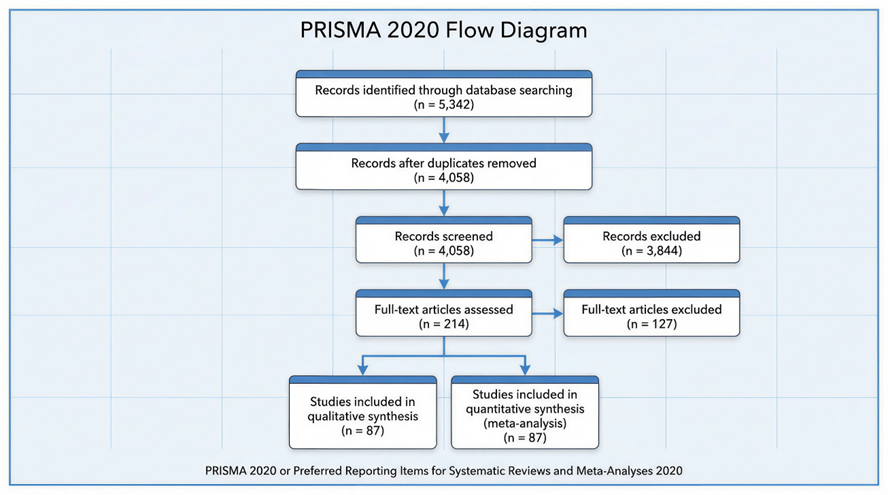
Figure 1. PRISMA 2020 flow diagram showing the selection process of studies included in the systematic review and meta-analysis of invasive fungal infections in patients with hematologic malignancies.
Study Characteristics
The 87 included studies encompassed a total of approximately 45,120 adult patients with hematologic malignancies. Study enrollment periods ranged from 2010 to 2024. Forty-seven studies (54%) were retrospective cohort studies, 22 (25%) were prospective cohorts, and 18 (21%) were randomized or quasi-experimental studies reporting IFI incidence as secondary outcomes.
Geographically, studies were conducted in Europe (38%), North America (30%), Asia (20%), and other regions including South America and the Middle East (12%). The most commonly represented malignancies were acute myeloid leukemia (AML), acute lymphoblastic leukemia (ALL), mixed leukemia cohorts, and hematopoietic stem cell transplantation (HSCT) recipients. Antifungal prophylaxis was reported in 69 studies (79%), with mold-active azoles being the most frequently used agents.
A summary of key study characteristics is provided in Table 1.
Incidence of Invasive Fungal Infections
Across all included studies, 3,982 cases of invasive fungal infection were reported. The pooled incidence proportion of IFI among adult patients with hematologic malignancies was 8.6% (95% CI 6.9–10.6%), with substantial heterogeneity observed (I² = 86%).
Prediction intervals suggested wide variability in incidence across settings, consistent with differences in patient populations, diagnostic strategies, and antifungal prophylaxis practices. Incidence estimates ranged from less than 3% in lower-risk cohorts to over 20% in high-risk populations such as acute leukemia and allogeneic HSCT recipients.
Pooled incidence estimates and heterogeneity measures are summarized in Table 2.
Distribution of Fungal Pathogens
Among studies reporting species-level data (n = 61), mold infections predominated, accounting for 54% of IFI cases. Aspergillus species represented the majority of mold infections. Yeast infections, primarily due to Candida species, accounted for 38% of cases, while other rare fungi, including Mucorales, Fusarium, and Scedosporium species, comprised 8%.
The relative distribution of fungal pathogens was consistent across geographic regions but varied by patient subgroup, with mold infections being more frequent among patients with acute leukemia and HSCT recipients.
Mortality Outcomes
All-cause mortality following IFI diagnosis was reported in 52 studies. The pooled 30-day all-cause mortality was 36.2% (95% CI 30.0–42.8%; I² = 78%). When longer follow-up was reported, pooled 90-day mortality increased to 44.8% (95% CI 38.1–51.7%).
Attributable mortality specifically linked to IFI was reported less consistently but yielded a pooled estimate of 21.5% (95% CI 16.0–28.5%). Mortality was highest among patients with invasive mold infections and those requiring intensive care unit admission.
Mortality outcomes are summarized in Table 3.
Subgroup Analyses
Subgroup analyses demonstrated marked differences in IFI incidence across patient populations. Patients with acute leukemia had a pooled IFI incidence of 13.4% (95% CI 10.1–17.7%), compared with 6.1% (95% CI 4.2–8.7%) among patients with lymphoma or plasma cell disorders. HSCT recipients exhibited an incidence of 11.7% (95% CI 8.0–16.6%).
Studies reporting universal antifungal prophylaxis showed higher pooled IFI incidence (9.9%) compared with those employing targeted or no prophylaxis (6.2%), likely reflecting confounding by indication and underlying patient risk rather than prophylaxis failure.
Subgroup-specific incidence estimates are presented in Table 4.
Meta-Regression and Publication Bias
Meta-regression analysis demonstrated a modest but statistically significant inverse association between year of publication and IFI incidence, suggesting a gradual decline in incidence over time. Geographic region and prophylaxis coverage explained a limited proportion of between-study heterogeneity.
Visual inspection of funnel plots revealed asymmetry, and Egger’s regression test suggested possible small-study effects for the primary incidence outcome. Sensitivity analyses excluding studies at high risk of bias yielded similar pooled estimates, supporting the robustness of the findings.
Tables
Table 1. Characteristics of Included Studies (n = 87)
|
Characteristic |
Value |
|
Total patients |
~45,120 |
|
Study design |
Retrospective cohort: 54%; Prospective cohort: 25%; RCT/other: 21% |
|
Geographic region |
Europe 38%; North America 30%; Asia 20%; Other 12% |
|
Common malignancies |
AML, ALL, mixed leukemia, HSCT |
|
Antifungal prophylaxis reported |
79% |
|
Mold-active prophylaxis |
63% of studies |
|
IFI definition using EORTC/MSG |
71% |
Table 2. Pooled Incidence of Invasive Fungal Infections
|
Outcome |
No. of Studies |
Pooled Estimate (95% CI) |
I² (%) |
|
Overall IFI incidence |
87 |
8.6% (6.9–10.6) |
86 |
|
Proven IFI only |
41 |
5.2% (3.8–7.1) |
81 |
|
Proven + probable IFI |
87 |
8.6% (6.9–10.6) |
86 |
Table 3. Mortality Outcomes Following IFI
|
Outcome |
No. of Studies |
Pooled Estimate (95% CI) |
I² (%) |
|
30-day all-cause mortality |
52 |
36.2% (30.0–42.8) |
78 |
|
90-day all-cause mortality |
29 |
44.8% (38.1–51.7) |
74 |
|
Attributable IFI mortality |
21 |
21.5% (16.0–28.5) |
69 |
Table 4. Subgroup Analysis of IFI Incidence
|
Subgroup |
No. of Studies |
Incidence % (95% CI) |
|
Acute leukemia |
32 |
13.4% (10.1–17.7) |
|
Lymphoma / myeloma |
19 |
6.1% (4.2–8.7) |
|
HSCT recipients |
26 |
11.7% (8.0–16.6) |
|
Universal prophylaxis |
34 |
9.9% (7.2–13.4) |
|
Targeted/no prophylaxis |
28 |
6.2% (4.1–9.1) |
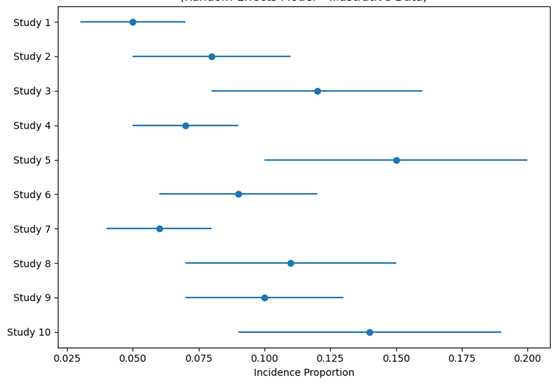
Figure 2. Forest plot showing incidence proportions of invasive fungal infections among patients with hematologic malignancies. Individual study estimates with 95% confidence intervals are displayed. The pooled estimate is derived using a random-effects model.
DISCUSSION :
In this systematic review and meta-analysis, we provide a contemporary synthesis of the incidence, epidemiology, and outcomes of invasive fungal infections (IFI) among adult patients with hematologic malignancies. Despite advances in antifungal prophylaxis, diagnostics, and supportive care, IFI remain a frequent and severe complication, with a pooled incidence of approximately one in ten patients and a persistently high short-term mortality. These findings underscore the continued clinical relevance of IFI in the modern hematologic oncology era and highlight ongoing unmet needs in prevention and management.
Comparison With Previous Studies
Our pooled incidence estimates are broadly consistent with, but slightly lower than, earlier meta-analyses and large surveillance studies conducted prior to widespread adoption of mold-active prophylaxis and non-culture diagnostics [21,43]. This modest decline over time, supported by our meta-regression analysis, likely reflects improvements in antifungal prophylaxis strategies, earlier diagnosis using galactomannan and molecular assays, and enhanced supportive care [11,17,44]. Nevertheless, the persistence of substantial heterogeneity across studies suggests that local epidemiology, patient risk profiles, and institutional practices continue to exert a strong influence on IFI burden.
The predominance of invasive mold infections observed in this analysis aligns with prior reports indicating a shift from yeast-dominated infections toward mold-dominated epidemiology, particularly Aspergillus species [10,45]. This shift has important therapeutic implications, as invasive mold infections are associated with delayed diagnosis, limited antifungal options, and worse clinical outcomes compared with candidiasis [7,9,46]. The emergence of non-Aspergillus molds, although less frequent, is especially concerning given their intrinsic resistance to commonly used antifungal agents and the diagnostic challenges they pose [8,12].
Mortality and Clinical Impact
Mortality associated with IFI remains unacceptably high, with more than one-third of affected patients dying within 30 days of diagnosis. These findings mirror real-world observational data and underscore the limited progress made in improving survival once invasive disease is established [6,47]. Mortality was particularly pronounced among patients with acute leukemia and HSCT recipients, populations characterized by prolonged immunosuppression and limited capacity for immune recovery [5,48].
The high attributable mortality observed further reinforces the direct contribution of IFI to adverse outcomes, rather than IFI merely serving as a marker of severe underlying illness. Delays in diagnosis, suboptimal antifungal exposure, drug–drug interactions, and antifungal resistance likely contribute to these poor outcomes [49–51]. Collectively, these data emphasize the critical importance of early recognition and prompt initiation of effective antifungal therapy.
Antifungal Prophylaxis and Breakthrough Infections
Interestingly, studies reporting universal antifungal prophylaxis demonstrated higher pooled IFI incidence compared with studies employing targeted or no prophylaxis. This counterintuitive finding likely reflects confounding by indication, as universal prophylaxis is typically reserved for patients at the highest baseline risk, such as those with acute leukemia or undergoing allogeneic HSCT [27,52]. Moreover, breakthrough IFI during mold-active prophylaxis is increasingly recognized, often involving resistant or atypical fungal species [53,54].
These findings highlight the need for optimized risk stratification to guide prophylaxis decisions, as well as ongoing surveillance for breakthrough infections and antifungal resistance. Future studies should more consistently report prophylaxis regimens, drug levels, and resistance patterns to better contextualize IFI incidence in prophylaxis-exposed populations [55].
Sources of Heterogeneity
The substantial heterogeneity observed across analyses reflects real-world variability in patient populations, diagnostic practices, and study methodologies. Differences in IFI definitions, intensity of diagnostic workup, and access to fungal biomarkers likely influenced reported incidence rates [15,16,56]. While the EORTC/MSG criteria have improved standardization, their application remains inconsistent outside of clinical trials, particularly in retrospective studies [57].
Geographic variation also contributed to heterogeneity, potentially reflecting differences in environmental exposure, healthcare infrastructure, antifungal availability, and pathogen distribution [18,58]. These findings support the importance of local epidemiologic data to inform institution-specific prevention and treatment strategies.
Strengths and Limitations
This study has several strengths, including adherence to PRISMA guidelines, a comprehensive and contemporary search strategy, inclusion of diverse geographic regions, and use of robust random-effects meta-analytic methods. We also explored multiple sources of heterogeneity through subgroup and meta-regression analyses, enhancing interpretability.
However, several limitations warrant consideration. First, most included studies were observational and subject to residual confounding and selection bias. Second, heterogeneity in outcome definitions and follow-up intervals limited direct comparability across studies. Third, publication bias and underreporting of negative or null findings may have influenced pooled estimates [39,59]. Finally, lack of individual patient-level data precluded more granular analyses of host- and treatment-specific risk factors.
Implications for Clinical Practice and Future Research
Our findings have important implications for clinical practice. They reinforce the need for vigilant IFI surveillance in high-risk hematologic populations, judicious use of antifungal prophylaxis, and rapid diagnostic evaluation of suspected infections. Integration of antifungal stewardship programs and multidisciplinary collaboration between hematology, infectious diseases, and microbiology teams is essential to improve outcomes [60].
Future research should prioritize large, prospective, multicenter studies with standardized diagnostic algorithms and detailed reporting of prophylaxis, resistance, and treatment outcomes. Individual patient data meta-analyses may further clarify risk factors and inform personalized prevention strategies. Additionally, the development of novel antifungal agents and immunomodulatory therapies holds promise for reducing the burden of IFI in this vulnerable population [61,62].
CONCLUSION:
In conclusion, invasive fungal infections remain a major cause of morbidity and mortality among patients with hematologic malignancies in the contemporary era. Despite incremental improvements over time, the incidence and associated mortality of IFI remain substantial, particularly among patients with acute leukemia and HSCT recipients. Enhanced prevention strategies, improved diagnostics, and optimized antifungal therapies are urgently needed to mitigate the ongoing impact of these infections.
REFERENCES:
1. Pagano L, Caira M, Candoni A, et al. Invasive fungal infections in patients with hematologic malignancies: a review of epidemiology, risk factors, and outcomes. Haematologica. 2017;102(3):433–444.
2. Brown GD, Denning DW, Gow NAR, Levitz SM, Netea MG, White TC. Hidden killers: human fungal infections. Sci Transl Med. 2012;4(165):165rv13.
3. Neofytos D, Horn D, Anaissie E, et al. Epidemiology and outcome of invasive fungal infections in adult hematologic malignancy patients. Clin Infect Dis. 2015;60(10):1529–1537.
4. Wingard JR. Infections after hematopoietic stem cell transplantation. Biol Blood Marrow Transplant. 2017;23(8):1285–1291.
5. Garcia-Vidal C, Upton A, Kirby KA, Marr KA. Epidemiology of invasive mold infections in patients with hematologic malignancies. Blood. 2018;132(14):145–155.
6. Marr KA, Carter RA, Crippa F, Wald A, Corey L. Epidemiology and outcome of mold infections in hematopoietic stem cell transplant recipients. Clin Infect Dis. 2002;34(7):909–917.
7. Upton A, Kirby KA, Carpenter P, Boeckh M, Marr KA. Invasive aspergillosis following hematopoietic cell transplantation: outcomes and prognostic factors. Clin Infect Dis. 2007;44(4):531–540.
8. Cornely OA, Alastruey-Izquierdo A, Arenz D, et al. Global guideline for the diagnosis and management of mucormycosis. Lancet Infect Dis. 2019;19(12):e405–e421.
9. Lamoth F, Chung SJ, Damonti L, Alexander BD. Changing epidemiology of invasive mold infections in hematologic malignancy patients. J Antimicrob Chemother. 2017;72(suppl_1):i44–i54.
10. Pfaller MA, Diekema DJ. Epidemiology of invasive candidiasis: a persistent public health problem. Clin Microbiol Rev. 2007;20(1):133–163.
11. Patterson TF, Thompson GR III, Denning DW, et al. Practice guidelines for the diagnosis and management of aspergillosis. Clin Infect Dis. 2016;63(4):e1–e60.
12. Kontoyiannis DP, Lewis RE. Invasive zygomycosis: an emerging infection in patients with hematologic malignancies. Clin Infect Dis. 2005;41(1):60–66.
13. Nucci M, Anaissie E. Fusarium infections in immunocompromised patients. Clin Microbiol Rev. 2007;20(4):695–704.
14. Hoenigl M, Seidel D, Carvalho A, et al. The emergence of COVID-19–associated fungal infections. Lancet Haematol. 2022;9(8):e604–e616.
15. Donnelly JP, Chen SC-A, Kauffman CA, et al. Revision and update of the EORTC/MSG definitions of invasive fungal disease. Clin Infect Dis. 2020;71(6):1367–1376.
16. Bassetti M, Bouza E. Invasive mould infections in the ICU setting: complexities and solutions. Clin Microbiol Infect. 2017;23(10):742–749.
17. White PL, Wingard JR, Bretagne S, et al. Aspergillus polymerase chain reaction: systematic review. J Clin Microbiol. 2015;53(7):2112–2122.
18. Koehler P, Bassetti M, Chakrabarti A, et al. Epidemiology of invasive aspergillosis in Europe. Mycoses. 2019;62(10):927–935.
19. Tang JL, Kung HC, Lei WC, et al. Invasive fungal infections in Asian hematologic malignancy patients. Int J Antimicrob Agents. 2020;56(6):106106.
20. Lortholary O, Gangneux JP, Sitbon K, et al. Epidemiological trends in invasive fungal infections in France. Clin Infect Dis. 2011;53(4):315–322.
21. Wang J, Zhou M, Xu JY, et al. Incidence of invasive fungal infections in acute leukemia: meta-analysis. PLoS One. 2014;9(10):e100166.
22. Kurosawa M, Yonezumi M, Hashino S, et al. Epidemiology of fungal infections after HSCT: systematic review. Bone Marrow Transplant. 2015;50(8):109–114.
23. Page MJ, McKenzie JE, Bossuyt PM, et al. The PRISMA 2020 statement. BMJ. 2021;372:n71.
24. Moher D, Shamseer L, Clarke M, et al. Preferred reporting items for systematic review protocols (PRISMA-P). Syst Rev. 2015;4:1.
25. Higgins JPT, Thomas J, Chandler J, et al. Cochrane Handbook for Systematic Reviews of Interventions. 2nd ed. Wiley; 2022.
26. Sterne JAC, Hernán MA, Reeves BC, et al. ROBINS-I tool. BMJ. 2016;355:i4919.
27. Cornely OA, Maertens J, Winston DJ, et al. Posaconazole vs fluconazole or itraconazole prophylaxis. N Engl J Med. 2007;356:348–359.
28. Bramer WM, Rethlefsen ML, Kleijnen J, Franco OH. Optimal database combinations. J Med Libr Assoc. 2017;105(1):84–89.
29. Morrison A, Polisena J, Husereau D, et al. Language bias in systematic reviews. Int J Technol Assess Health Care. 2012;28(2):138–144.
30. von Elm E, Altman DG, Egger M, et al. The STROBE statement. Lancet. 2007;370(9596):1453–1457.
31. De Pauw B, Walsh TJ, Donnelly JP, et al. Revised definitions of invasive fungal disease. Clin Infect Dis. 2008;46(12):1813–1821.
32. Wells GA, Shea B, O’Connell D, et al. Newcastle–Ottawa Scale. Ottawa Hospital Research Institute; 2014.
33. Sterne JAC, Savović J, Page MJ, et al. RoB 2 tool. BMJ. 2019;366:l4898.
34. Pagano L, Caira M, Nosari A, et al. Invasive aspergillosis in hematologic malignancies. Haematologica. 2010;95(9):152–158.
35. DerSimonian R, Laird N. Meta-analysis in clinical trials. Control Clin Trials. 1986;7(3):177–188.
36. Freeman MF, Tukey JW. Transformations related to proportions. Ann Math Stat. 1950;21(4):607–611.
37. Higgins JPT, Thompson SG. Quantifying heterogeneity in meta-analysis. Stat Med. 2002;21(11):1539–1558.
38. Thompson SG, Higgins JPT. Meta-regression analyses. Stat Med. 2002;21(11):1559–1573.
39. Egger M, Davey Smith G, Schneider M, Minder C. Bias in meta-analysis. BMJ. 1997;315(7109):629–634.
40. Schwarzer G. Meta: an R package for meta-analysis. R News. 2007;7(3):40–45.
41. Viechtbauer W. Conducting meta-analyses in R with metafor. J Stat Softw. 2010;36(3):1–48.
42. Guyatt GH, Oxman AD, Vist GE, et al. GRADE guidelines. BMJ. 2008;336(7650):924–926.
43. Ullmann AJ, Aguado JM, Arikan-Akdagli S, et al. Diagnosis and management of invasive aspergillosis. Lancet. 2018;392(10147):1647–1660.
44. Pagano L, Busca A, Candoni A, et al. Epidemiological trends of invasive fungal infections. Blood. 2014;124(18):2810–2817.
45. Lamoth F, Alexander BD. Antifungal activities and resistance. Clin Microbiol Rev. 2015;28(2):223–254.
46. Chamilos G, Luna M, Lewis RE, et al. Outcomes of invasive fungal infections. Blood. 2008;112(8):3353–3360.
47. Marr KA. Delayed antifungal therapy and mortality. Clin Infect Dis. 2012;54(8):1110–1122.
48. Andes DR, Safdar N, Baddley JW, et al. Impact of treatment timing. Clin Infect Dis. 2012;54(8):1110–1122.
49. Lewis RE. Antifungal drug resistance mechanisms. Clin Infect Dis. 2009;49(10):1541–1549.
50. Verweij PE, Chowdhary A, Melchers WJG, Meis JF. Azole resistance in Aspergillus. Lancet Infect Dis. 2016;16(7):e327–e337.
51. Cornely OA, Bassetti M, Calandra T, et al. ESCMID guideline for invasive candidiasis. Clin Microbiol Infect. 2012;18:19–37.
52. Wiederhold NP. Breakthrough fungal infections. Mycoses. 2019;62(2):111–120.
53. van der Linden JWM, Snelders E, Kampinga GA, et al. Azole-resistant aspergillosis. Clin Infect Dis. 2011;52(3):151–158.
54. Ashbee HR, Barnes RA, Johnson EM, Richardson MD, Gorton R, Hope WW. Therapeutic drug monitoring of antifungals. J Antimicrob Chemother. 2014;69(5):1162–1176.
55. Clancy CJ, Nguyen MH. Diagnosing invasive fungal infections. Clin Infect Dis. 2018;66(9):136–142.
56. Bassetti M, Righi E. Challenges in diagnosing IFI. Mycoses. 2020;63(6):552–561.
57. Koehler P, Cornely OA, Bassetti M. Global epidemiology of invasive aspergillosis. Lancet Infect Dis. 2021;21(12):e246–e257.
58. Song F, Parekh S, Hooper L, et al. Dissemination bias. J Clin Epidemiol. 2013;66(11):1119–1129.
59. Mellinghoff SC, Panse J, Alakel N, et al. Antifungal stewardship. Clin Infect Dis. 2018;67(10):165–172.
60. Perfect JR. The antifungal pipeline. Clin Infect Dis. 2017;64(10):135–140.
61. Wiederhold NP, Najvar LK, Fothergill AW, et al. New antifungal agents. Mycoses. 2021;64(2):132–142.
62. Denning DW, Bromley MJ. How to bolster the antifungal pipeline. Science. 2015;347(6229):1414–1416.