Synthesis, Interpretation And Screening Of Some Heterocyclic Compounds For Nootropic Activity
- Shabana Tamboli , Ph. D. Research Scholar, Department of Pharmaceutical Sciences, Faculty of Pharmacy, Dr. A. P. J. Abdul Kalam university, Indore, MP, India
- Amit Modi , Principal & Professor College of Pharmacy, Dr. A.P.J. Abdul Kalam university, Indore, MP, India
Article Information:
Abstract:
Background: Coumarins are a class of heterocyclic compounds containing oxygen as a member of the heterocyclic ring. They are widely used for their antioxidant, antibacterial, anti-inflammatory, antifungal, antiviral, anti-HIV and anticancer activities. [1-10] Coumarins can exhibit antioxidant activity, which may contribute to neuroprotection and cognitive enhancement.[1] Nootropic drugs literally mean drugs that act on the mind.[22] Nootropic drugs increase glucose uptake into anaesthetised brain.[23] The purpose of this study is to develop new heterocyclic derivatives containing nitrogen, sulphur and oxygen moiety with increased pharmacological activities. The derivatives are synthesized by conventional method. The structures of the newly synthesized compounds are confirmed from IR and 1HNMR and Mass spectra. [1,2,20] The derivatives are screened for their anti-oxidant activity by Hydroxyl radical scavenging assay and Nootropic activity. The present studies focus on heterocycles in the treatment of various chronic diseases such as Alzheimer’s disease, Dementia and Memory related functions. Objectives: The present study is designed to assess the antioxidant and reactive oxygen species (ROS) scavenging activities of Coumarins. The compounds are assessed for their memory learning. The compounds are also assessed for their anti-microbial activity. Materials and Methods: The evaluation of antioxidant properties is determined by Hydrogen Peroxide Scavenging Activity and 1,1-diphenyl-2-picrylhydrazyl (DPPH) assay. Results: Among the tested compounds, the maximum antioxidant activity is recorded in the coumarins having OH group. The compounds also showed significant Nootropic activity. Conclusion: This study suggests coumarins contain different potential antioxidant compounds capable of scavenge different types of free radicals. The study also reveals that the compounds show significant anti-bacterial activity.
Keywords:
Article :
INTRODUCTION :
Nowadays modernization in human lifestyle may affects various common habits of humans which may increase heavy burden on common people thinking abilities and may cause stress situation. Memory is critical to both human survival and personal identity. Various situations may affect common people daily routine and may cause heavy burden on families financially and such situations may cause mental disturbance to human being. Overstressed people may suffer from various ulcerative diseases.
Nootropics are also known as smart drugs or Cognition enhancers. A nootropic is a substance that has been proven to improve cognition and support healthy brain function. These compounds can be naturally occurring, like Brahmi and Ginkgo biloba, or synthetic, such as piracetam and modafinil. A variety of agents, such as cholinergic, serotonergic, dopaminergic, and antioxidant drugs, fall into this category. They probably act by altering the levels of neurotransmitters, hormones, and enzymes that are available to the brain, through improvement of brain’s oxygen supply or stimulation of nerve. Piracetam, 2-pyrrolidinoneacetamide (Merck Index, X edition, page 1080, no. 7363) is a compound described in Belgian patent no. 667906 (Union Chimique Beige) as central stimulant. For its action at cerebral level on glucose metabolism as well as, especially, in increasing acetylcholine release, Piracetam is considered the parent compound of nootropic drugs and it is used in therapy in the treatment of cerebral efficiency disorders, particularly in elderly patients.[7]
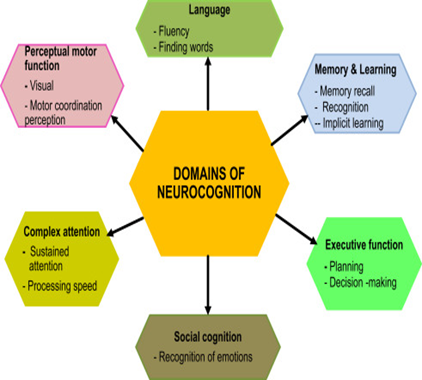
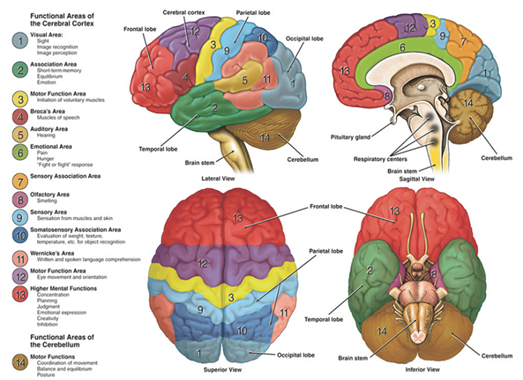
In the discovery of new, effective, medicinally important heterocyclic compounds, the present study is basically focused on nitrogen-sulphur heterocycles of potential therapeutic interest, especially with thiazole, thiazine, pyrimidine, morpholine and piperazine heterosystems, benzothiazines, pyrazole-benzothiazines, morpholine-benzothiazines, piperazine-benzothiazines and pyrimidine-benzothiazoles, mainly due to their unique structural features, which enable them to exhibit a number of biological and pharmacological activities. Due to a novel mode of action, a broad spectrum of activity, lesser toxicity towards mammalian cells, and suitable profiles towards humans have triggered. The antioxidant capacities of novel heterocyclic compounds, including the compounds acting either by prevention of formation or catalysed decomposition of per-oxynitrite anion (ONOO-), namely the per-oxynitrite decomposition catalysts or as superoxide (O2-‾)-scavengers which are the functional mimetics of superoxide dismutase (SOD) enzymes (SODm), as well as the derivatives of 6-nitro-3,4-methylenedioxyphenyl-N-acylhydrazone (LASSBio-881) or γ-butyrolactone (LPP1, BM113, BM113A, BM138 and BM138A) are also discussed as potent and promising future heterocyclic analgesics.[9]
MATERIALS AND METHODS:
In this study the pharmacological evaluation of novel derivatives is carried out for nootropic activity. All reagents are used as received from commercial sources without purification. Resorcinol, Ethyl acetoacetate, conc. Sulphuric acid, Piperidine (catalytic grade), Benzaldehyde and its substituted derivatives are obtained from Dr. A.P.J. Abdul Kalam College of Pharmacy. All chemicals used are of L.R. grade. The experimental protocol is approved by Institutional Animal Ethics Committee (IAEC) with Ref. APJ/IAEC/2023/12 and care of animals according to CPCSEA guidelines with food and water and under hygienic conditions.
List of drugs used in the present study are Piracetam (UCB India Pvt. Ltd.) and Scopolamine (Cadila Healthcare Ltd., India) dissolved in distilled water. The newly synthesized compounds are dissolved in Corn oil and administered orally.
CHEMISTRY:
Melting points of the newly synthesized compounds are determined with a Veego electronic melting point apparatus (model VMP-D).1HNMR spectra are recorded with the aid of BRUKER AVANCEV II 400 NMR spectrometer in DMSO as solvent and TMS as internal standard, Chandigarh. The IR spectra of compounds are recorded on a SHIMADZU Happ-Ganzel spectrometer at 4cm-1 frequency. The mass spectra are obtained on WATERS QTOF MICROMASS (LC-MS). Progress of reaction is monitored by Thin Layer Chromatography (TLC) using glass plates pre-coated with Silica Gel-G.
To A mixture of 1 gm. Of compound and 3.5ml of 33% NaOH solution a test tube, 2.5 ml of chloro
acetic acid solution is added and heated gently on boiling water bath for an hour. After cooling the mixture is cooled and diluted with 10 ml of water and acidified to Congo red with dil. HCl. It is extracted with 10 ml of ether. The ethereal extract is ished with 2.5 ml of sodium carbonate solution and acidified with dil. HCl to Congo red. The aryl oxy acetic acid derivatives which separate out are collected and are recrystallized from aq. Ethanol. Melting points of newly synthesized compounds are determined and are recorded uncorrected. [7]
IR spectrum interpretation data:
2-[2-oxo-4(4-methoxystyryl)-2H-chromen-7-yl] oxy acetic acid, 3317cm-1(CH=CH), 2993cm-
1(C-H), 1672 cm-1 (C=O), 1511cm-1(C=C), 3025cm-1(OCH3).
1H NMR Spectrum interpretation:
1H NMR Spectrum interpretationof2- [2-oxo-4(4-methoxy styryl)-2H-chromen-7-yl] oxy acetic acid (3c). 6.5-7.5δ ppm [m, 1H, C-H (Ar-H)], 3.7δ ppm [s,3H, C-H (methyl)],6.8δ ppm [d,2H, C-H(ethylene)], 8.7δ ppm [s,1H, OH (carboxylic)], 4.7δ ppm [d, 2H, C-H(methylene)].
Mass Spectra:
Mass Spectra of 2-[2-oxo-4-styryl-2H-chromen-7-yl] oxy acetic acid. 328(100%) M+1Peak, Molecular weight is found to be 328 which is almost equal to calculated molecular weight 322.
BIOLOGICAL SCREENING:
ANTI-OXIDANT ACTIVITY:
a) Hydrogen Peroxide Scavenging Activity:
A solution of hydrogen peroxide (40 mM) is prepared in phosphate buffer (pH 7.4). Different concentrations ((250, 500, 750 and 1000 μg/mL)) of synthesized compounds are added to a hydrogen peroxide solution (0.6 mL, 40 mM). Ascorbic acid is used as a reference standard. Absorbance of hydrogen peroxide at 230 nm is determined after 10 min. against a blank solution containing phosphate buffer without hydrogen peroxide. Hydrogen peroxide percentage scavenging activity is then calculated using Equation:
Where A0 is the absorbance of control and At is the absorbance of test compounds or standard.
b). DPPH radical scavenging:
The effect of the different synthetic compounds on DPPH radical scavenging is compared to ascorbic acid using as positive control and appreciated by the determination of the IC50 values. DPPH test is a direct and reliable method for determining radical scavenging action.
1. Free radicals are the molecules or molecular species containing one or more unpaired electrons with independent existence. e.g., H2O2, OH−, 1O2.
2. ROS are constantly formed during the normal cellular metabolism, (e.g. lipid peroxidation) and due to various environmental influences (e.g. ionizing radiations).
3. Free radicals are highly reactive and are capable of damaging almost all types of biomolecules (proteins, lipids, carbohydrates, nucleic acids), and have been implicated in the causation of many diseases e.g. cardiovascular diseases, cancer, inflammatory diseases.
4. To mitigate the harmful effects of free radicals, the aerobic cells have developed antioxidant defence mechanisms-enzymatic antioxidants (superoxide dismutase, catalase) and non-enzymatic antioxidants (glutathione, Se, α-tocopherol, β-carotene).
5. The DPPH radical contains an odd electron, which is responsible for the absorbance at 515-517 nm and also for a visible deep purple colour. When DPPH accepts an electron donated by an antioxidant compound, the DPPH is decolorized that can be quantitatively measured from the changes in absorbance.[15]
- Coumarin compounds (C1-C5) are synthesized and characterized using spectroscopic techniques.
- The antioxidant activity of coumarin compounds is evaluated using DPPH (2,2-diphenyl-1-picrylhydrazyl) radical scavenging assay.
- The compounds are tested at concentrations ranging from 10-100 μM.
- Ascorbic acid is used as a positive control.
Ascorbic acid (Vitamin C) is a water-soluble versatile vitamin. It plays an important role in human health and disease. Vitamin C efficiently scavenges free radicals, and inhibits lipid peroxidation. It also promotes the regeneration of α-tocopherol (from α-tocopherol radical produced during scavenging of ROS).[15]
C) ANTIMICROBIAL ACTIVITY:
The antimicrobial activity of newly synthesized Coumarins is conducted against Gram positive bacteria i.e. Staphylococcus aureus and Gram-negative bacteria i.e. Escherichia coli by using cup plate method. Streptomycin and Benzyl penicillin are employed as reference standard to compare the results. Nutrient broth is used for the preparation of inoculation of the bacteria and nutrient agar is used for the screening methods. Each test compound (5mg) is dissolved in Dimethyl sulphoxide (DMSO) (5ml) at a concentration of 1000 μg/ml. Streptomycin and Benzyl penicillin solution are also prepared at a concentration of 1000 μg/ml in sterilized distilled water. All the compounds are tested at a concentration of 0.05 ml (50 μg.) and 0.1 ml (100 μg.) level and DMSO used as a control. The solutions of each test compound, control and references standards (0.05 and 0.1 ml) are added separately in the cups and the plates are kept undistributed for at least 2 hours in refrigerator to allow diffusion of the solution properly into nutrient agar medium. Petri dishes are subsequently incubated at 37±10C for 24 hours. After incubation, the diameter of zone of inhibition surrounding each of the cups is measured with the help of an antibiotic zone reader. All the experiments are carried out in duplicates and compared to standard.
D) NOOTROPIC ACTIVITY: Cook’s Pole Climbing method [12,13]:
Male Albino rats with the starting body weight ranging from 180-250 g are used. In this method, Cook’s pole climbing apparatus (MEDICRAFTS,India) is used for inducing stable base line behaviour. The training and the testing of the rats is conducted in 25x25x40 cm chamber that is enclosed in a dimly lit, sound-attenuating box. A tone 50 Hz. is used as a conditioned stimulus and foot shock of 1 mA-2mA is the unconditioned stimuli. In the training procedure, the animal is initially allowed to adopt in the chamber for 1 min. Rats are initially trained to escape the foot shock by climbing on the pole, i.e. the shock free zone and only those rats, which could climb the pole and escape the foot shock are included in the study. Retention of the memory of stimuli established in learning procedure is tested before and after drug treatment.
Scopolamine (0.3~mg/kg b.w., i.p.) treated groups show decrease in condition avoidance response blocked (4.4 ±1.06) compare to normal groups (10.00± 0.00) indicating impairment of memory in animals. Piracetam (i.p.) and at all the doses (100, 200, and 400 mg/kg b.w. p. o.) administered orally for 6th day significantly (P< 0.001) reversed amnesia induced by scopolamine when compared to the scopolamine treated animals (9.5 ± 0.20 ,5.1±0.91, 5.3±0.67, 7.00±0.51, 0.51±0.97, 7.00±0.57, 7.14±0.50)
(Indicate novel derivatives at varying doses*** p<0.001, p<0.05 comparison with control.)
RESULTS:
The investigation of antioxidant screening data revealed that all the tested compounds showed significant anti-oxidant activity. The compounds 2-oxo-(4-styryl)-2H-chromen-7-yl benzoate, [2-oxo-4-(4-hydroxy)-styryl-2H-chromen-7yl]-4-hydroxybenzoate and [2-oxo-4-(4-hydroxy)-styryl-2H-chromen-7yl] 4-methoxy benzoate showed good anti-oxidant activity. This may be due to the presence of styryl ring substituted with hydroxy group as in (b).
Compounds 2-[2-oxo-4- styryl-2H-chromen-7yl]oxy acetic acid (a), 2-[2-oxo-4(4-methoxy styryl)-2H-chromen-7yl]oxy acetic acid (c), 2-[2-oxo-4(4-nitrostyryl)-2H-chromen-7yl]oxy acetic acid (e), 2-[2-oxo-4(3-nitro styryl)-2H-chromen-7yl]oxy acetic acid showed good anti-microbial activity against both Gram positive and Gram negative microbes.
Cooks pole climbing apparatus is the behavioural model used to evaluate memory in animals. In this model all animals are trained for 10 days to attend continuous transition (90-95%) CAR (Conditioned Avoidance Response). Scopolamine treated groups show decrease in Condition Avoidance Response blockade compared to normal groups indicating impairment of memory in animals.
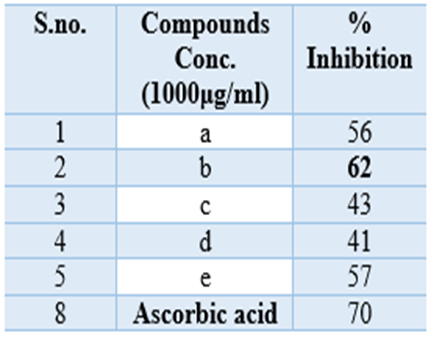
Table 1: ANTI-OXIDANT ACTIVITY OF COUMARIN DERIVATIVES
Statistical analysis:
All the assays are carried out in triplicate. Experimental results are expressed as mean ± standard deviation. The results are analysed using one-way analysis of variance and the group means are compared using Duncan's multiple range tests.
Table: 2 DPPH RADICAL SCAVENGING ASSAY:
|
Compound |
Concentration (μM) |
% Inhibition |
|
a |
10 |
12.45 ± 1.23 |
|
a |
50 |
34.56 ± 2.15 |
|
a |
100 |
56.78 ± 3.45 |
|
b |
10 |
15.67 ± 1.56 |
|
b |
50 |
40.12 ± 2.56 |
|
b |
100 |
63.45 ± 3.12 |
|
c |
10 |
8.90 ± 1.01 |
|
c |
50 |
25.67 ± 2.01 |
|
c |
100 |
45.67 ± 2.56 |
|
d |
10 |
20.12 ± 1.89 |
|
d |
50 |
50.23 ± 3.01 |
|
d |
100 |
75.12 ± 3.78 |
|
e |
10 |
10.56 ± 1.23 |
|
e |
50 |
30.45 ± 2.34 |
|
e |
100 |
52.34 ± 2.98 |
|
Ascorbic acid |
10 |
80.12 ± 3.56 |
ANTIMICROBIAL ACTIVITY:
All the compounds have been evaluated for their antibacterial activity against Staphylococcus aureus (Gram positive-ATCC2079) and Escherichia coli (Gram negative-ATCC2089), using agar cup-plate method. The results Showing Significant zone of inhibition as compared with standard drugs-Streptomycin (for Gram negative bacteria) and Benzylpenicillin (for Gram positive bacteria). [11,12] The antibacterial activity results are presented in Table-3.
Table 3: Antimicrobial activity of synthesized compounds:
|
Compounds |
Zone of Inhibition (in mm) |
|||
|
E. coli (Gram negative) |
S. aureus (Gram positive) |
|||
|
50 µg/ml |
100 µg/ml |
50 µg/ml |
100 µg/ml |
|
|
Control |
- |
- |
- |
- |
|
Standard |
20 |
23 |
18 |
20 |
|
a |
16 |
19 |
15 |
17 |
|
c |
14 |
16 |
13 |
15 |
|
e |
13 |
18 |
12 |
14 |
|
f |
14 |
16 |
15 |
17 |
Table 4: Nootropic activity:
|
Groups |
CAR blocked |
|
Normal |
10.00 ± 0.00 |
|
Positive Control (Scopolamine) |
4.428 ± 1.067 |
|
Standard treatment (Piracetam i.p.+ Scopolamine) |
9.572 ± 0.200 ⃰ ⃰ ⃰ |
|
Drug 1 (100 mg/kg) + Scopolamine |
5.142 ± 0.911 ⃰ ⃰ ⃰ |
|
Drug 1 (200 mg/kg) + Scopolamine |
5.855 ± 0.799 ⃰ ⃰ ⃰ |
|
Drug 1 (100 mg/kg) + Scopolamine |
7.001 ± 0.534 ⃰ |
⃰ ⃰ ⃰ p < 0.001, ⃰ p< 0.05 comparison with control
DISCUSSION :
The results of the assay revealed that all the coumarin compounds (a-e) exhibited hydroxyl radical scavenging activity at a given concentration. Compound b showed the highest hydroxyl radical scavenging activity among all the compounds tested.
One of the methods to evaluate antioxidant activity is the scavenging activity on DPPH, a stable free radical and widely used index. In the DPPH Free radical scavenging activity, coumarin compounds a, b, c, d, e are evaluated for their free radical scavenging activity with ascorbic acid as standard compound. The IC50 is calculated for each coumarin compounds as well as ascorbic acid as standard. The scavenging effect increased with the increasing concentrations of test compounds.
CONCLUSION:
The Coumarin derivatives show good anti-oxidant activity at conc.1000 μg/ml. The hydroxy group is essential for good anti-oxidant activity. Coumarins are also strong scavengers of DPPH. The synthesized compounds show good anti-bacterial activity. Piracetam and synthesized drugs at all doses administered orally for 6 days significantly reversed amnesia induced by Scopolamine when compared to the scopolamine treated animals.
REFERENCES:
1. N.Y. Jadhav, S.M. Hipparagi, M. Bhagavan Raju, Y. Surana, P. Ashok, “Synthesis of Some New Phenothiazine Derivatives as Memory Enhancers”, Indian J. Heterocyclic Chemistry, Vol.27 (3), Page 303-310, 2017.
2. N.Y. Jadhav, S.M. Hipparagi, M. Bhagavan Raju, “Synthesis of N – [(2, 7 – Dichloro – 10H – Phenothiazine – 10 yl) Methyl] – N – (4 – Methylphenyl) Amine as A Novel Nootropic Drug”, World J Pharm PharmSci., Vol. 4 (12), Page1368-1379, 2015.
3. Abd El-Fattah ME, El-Kady MY, El-Rayes SM and Khalil M. “Synthesis and Biological Evaluation of Some Coumarin Derivatives”, International Electronic Conference on Synthetic Organic Chemistry, Vol. 22(1), Page 1-2, 2010.
4. Salat, Andrzej, Tadeusz, “Nitrogen, Oxygen or Sulfur Containing Heterocyclic Compounds as Analgesic Drugs Used as Modulators of the Nitro- oxidative Stress”, Mini reviews in medicinal chemistry, Vol.13(3), Page 335.
5. Morrison, R.T, Boyd, R.N., Bhattacharya, S.K., Organic chemistry, Pearson India,7th edition, Page 1387-89, 2008.
6. Praveen K. Sharma, Andleeb Amin and M. Kumar, “A Review: Medicinally Important Nitrogen Sulphur Containing Heterocycles”, The Open Medicinal Chemistry Journal, Vol.14(2), Page.1874-1045, 2020.
7. Ayton, S.; Lei, P.; Bush, A.I. “Met allostasis in Alzheimer’s disease”, Free Radic. Biol. Med. Vol.62(3), Page 76–89, 2013.
8. J.M. Danion, H. Weingartner, S.E. File, R. Jaffard, T. Sunderland, E. Tulving, D.M.Warburton, “Pharmacology of human memory and cognition: illustrations from the effects of benzodiazepines and cholinergic drugs”, Journal of Psychopharmacology, Vol 7(4), 371-7, 1993.
9. Baskaran Krishnan*, Rathi M. A., Nirmaladevi N. “Free radical scavenging activity of methanolic extract of marine red algae Actinotrichia fragilis”, Asian Journal of Pharmacy and Pharmacology 2019; 5(5):876-883.
10. Iversen L.L., Iversen S.D., Snyder S.H., Handbook of Psychopharmacology, Springer,1st edition, 437-46, 1988.
11. Yuvraj Singh Surana, Purnima, A, Raunak Srivastava, Nilesh Yadav, Ramesh, P and Shiva Shanker Rai, “Evaluation of Nootropic Activity of Newly Synthesized N14 & N15 Phenothiazine Derivatives” International Journal of Development Research, Vol. 5(7), Page 5083-5090,2015.
12. Adewusi, E.A, Moodely, N., Steenkamp, V. 2010. “Medicinal plants with cholinesterase inhibitory activity: A revies”,Afr J Biotechnol, Vol.9 (49), 8257-76, 2010.
13. Yutaka Kitano , Chika Komiyama, Mitsuhiro Makino, Kiyoshi Takasuna, Akira Takazawa, Shinobu Sakurada, “Anticonvulsant properties of the novel nootropic agent nefiracetam in seizure models of mice and rats” ,Vol. 46 (6,)Page 811, 2005.
14. Ahmed A. Al-Amiery, Yasameen K. Al-Majedy, Abdul Amir H. Kadhum & Abu Bakar Mohamad, “Novel macromolecules derived from coumarin: synthesis and antioxidant activity”, Scientific reports, Vol.5 (5),1038, 2015.
15. U. Satyanarayana, Biochemistry 4th Revised June 2013, Publisher: Elsevier, a division of Reed Elsevier India Private Limited ISBN: 978-81-312-360, page no. 1201-09.
16. Joshi T and Juyal V: Evaluation of hydroxyl radical scavenging activity of ethanolic extract of Thymus serpyllum. Int J Pharm Sci & Res 2018; 9(4): 1625-27. doi: 10.13040/IJPSR.0975-8232.9(4).1625-27.
17. Patel R. M. and Patel N. J., In vitro antioxidant activity of coumarin compounds by DPPH, Super oxide and nitric oxide free radical scavenging methods, Journal of Advanced Pharmacy Education & Research,1:52-68 (2011).
18. Thomas, A.B.; Nanda, R.K.; Kothapalli, L.P.; Hamane, S.C. “Synthesis and biological evaluation of Schiff’s bases and 2-azetidinones of iso-nicotinoyl hydrazone as potential antidepressant and nootropic agents”. Arab. J. Chem. 2016, 9, 79–90.
19. Aly, M.M.; Mohamed, Y.A.; El-Bayouki, K.A.M.; Bayoumi, W.M.; Abbas, “S.Y. Synthesis of some new 4(3H)-quinazolinone-2-carboxaldehyde thiosemicarbazones and their metal complexes and a study on their anticonvulsant, analgesic, cytotoxic and antimicrobial activities—Part-1.” Eur. J. Med. Chem., Vol.45(1), Page 3365–3373, 2010.
20. Surana, Y.S., Purnima, A, Shrivastava R., Yadav N., Ramesh, P., Rai S.S., International Journal of Development Research, Vol. 05(7), Page 5082-5090, July, 2015.
21. https//: www.google.com
22. Poschel, B.P.H. (1988). New Pharmacological Perspectives on Nootropic Drugs. In: Iversen, L.L., Iversen, S.D., Snyder, S.H. (eds) Handbook of Psychopharmacology. Springer, Boston, MA. https://doi.org/10.1007/978-1-4613-0933-8_11.
23. Piracetam and TRH analogues antagonise inhibition by barbiturates, diazepam, melatonin and galanin of human erythrocyte D-glucose transport Richard J Naftalin, Philip Cunningham, Iram Afzal-Ahmed Volume142(3) June 2004 Page 594-608 https://doi.org/10.1038/sj.bjp.0705798.
24. K. D. Tripathi, “Essentials of Medical Pharmacology,” 5th Edition, Jaypee Brothers Medical Publishers (P) LTD, New Delhi, 2003.
25. S. A. Tamboli, Synthesis and Evaluation of Novel 7-hydroxy-4-methyl Coumarin
26. Derivatives for their Anti-Microbial and Anti-Oxidant activities, International Journal Of Pharmaceutical and Chemical Sciences, Vol. 5 (3) Jul-Sep 2016, 167-171.