Scoping Review on the Dominant Approaches in Clinical Engagement and Care for People with Diabetes in Africa: Paternalism vs. Shared Decision-Making
- Habibu Issah , Ph.D. Candidate, Faculty of Medicine and Health Sciences, Universiti Malaysia Sarawak
- Chew Keng Sheng , Deputy Dean (Graduate, Research & Commercialization), Faculty of Medicine and Health Sciences, Universiti Malaysia Sarawak
- Loh Huai Heng , Clinical Medicine and Consultant Endocrinologist, Faculty of Medicine and Health Sciences, Universiti Malaysia Sarawak (UNIMAS),
- Shirly Siew-Ling Wong , Senior Lecturer, Faculty of Economics and Business, Universiti Malaysia Sarawak (UNIMAS)
Article Information:
Abstract:
Background: Diabetes mellitus represents a growing health challenge across Africa, with clinical engagement approaches varying significantly between traditional paternalistic models and emerging shared decision-making frameworks. Understanding these approaches is crucial for optimizing diabetes care delivery in African healthcare contexts. Objective: To systematically map and analyze the dominant approaches in clinical engagement and care for people with diabetes in Africa, specifically comparing paternalistic versus shared decision-making models, and identify barriers and facilitators to effective patient-provider relationships. Methods: A scoping review was conducted following the Joanna Briggs Institute methodology. Systematic searches were performed across PubMed, MEDLINE, EMBASE, CINAHL, Web of Science, and PsycINFO databases for studies published between 2009-2024. Studies focusing on diabetes care approaches, patient-provider relationships, and clinical engagement in African settings were included. Data extraction followed a standardized framework, and thematic analysis was employed to identify patterns and themes. Results: Ten studies from eight African countries/regions were included, representing 2,743+ participants across diverse healthcare settings. Patient empowerment approaches were most prevalent (n=3), followed by mixed approaches addressing barriers to shared decision-making (n=2), and traditional paternalistic models (n=1). Key barriers to shared decision-making included provider attitudes (n=4), system/resource constraints (n=3), and cultural/educational factors (n=2). Primary facilitators included trust-based relationships (n=2), cultural adaptation (n=2), and long-term interventions (n=1). Patient empowerment interventions demonstrated significant clinical benefits, including HbA1c reduction (-0.57, 95% CI: -0.75, -0.40) and improved blood pressure control. Conclusions: While paternalistic approaches remain culturally embedded in many African healthcare contexts, evidence increasingly supports patient empowerment and shared decision-making models for improved diabetes outcomes. However, successful implementation requires addressing systemic barriers, enhancing provider training, and developing culturally adapted interventions. Long-term, lifestyle-focused empowerment programs show particular promise for African diabetes care settings. Implications for Practice: Healthcare systems across Africa should consider gradual transitions from paternalistic to collaborative care models, with emphasis on provider education, patient empowerment programs, and culturally sensitive shared decision-making frameworks.
Keywords:
Article :
INTRODUCTION:
Diabetes mellitus has emerged as one of the most pressing health challenges facing the African continent, with profound implications for healthcare systems, economic development, and population health outcomes. The International Diabetes Federation estimates that approximately 24 million adults across Africa are currently living with diabetes, representing a significant burden that is projected to increase by 129% to reach 55 million by 2045 [1]. This dramatic escalation reflects the complex interplay of urbanization, dietary transitions, sedentary lifestyles, and genetic predisposition that characterizes the epidemiological transition occurring throughout Sub-Saharan Africa [2].
The magnitude of this challenge extends beyond mere prevalence statistics, encompassing fundamental questions about how healthcare systems can effectively engage with and care for people living with diabetes. Traditional approaches to chronic disease management, deeply rooted in paternalistic medical models that emphasize provider authority and patient compliance, are increasingly being questioned in light of evidence supporting more collaborative, patient-centered approaches [3]. However, the applicability and effectiveness of these evolving care paradigms within African healthcare contexts remain inadequately understood, particularly given the unique cultural, socioeconomic, and systemic factors that characterize healthcare delivery across the continent.
The Paternalistic Paradigm in African Healthcare
Historically, healthcare delivery in Africa has been characterized by strongly paternalistic approaches that reflect broader cultural values emphasizing respect for authority, hierarchical social structures, and deference to expertise [4]. Within this paradigm, healthcare providers assume the role of authoritative decision-makers who possess specialized knowledge and bear primary responsibility for determining appropriate treatment courses. Patients, correspondingly, are expected to adopt passive, compliant roles, trusting in their providers' expertise and following prescribed regimens without extensive questioning or involvement in decision-making processes [5].
This paternalistic model has demonstrated certain advantages within African healthcare contexts, particularly in settings characterized by limited health literacy, resource constraints, and cultural expectations of provider authority. Norman's seminal work on paternalism in Sub-Saharan African healthcare suggests that such approaches may actually enhance health-seeking behaviors among populations where patients expect and prefer provider-dominated interactions [6]. The concept of "blind trust" in healthcare providers, while potentially problematic from Western bioethical perspectives, may serve important functions in contexts where patients lack the educational background or cultural framework to engage in complex medical decision-making.
Furthermore, paternalistic approaches may be particularly well-suited to acute care scenarios or situations requiring immediate medical intervention, where time constraints and clinical urgency necessitate rapid, provider-driven decisions. In resource-limited settings common throughout Africa, where healthcare providers often manage large patient volumes with minimal time for extensive consultation, paternalistic efficiency may represent a pragmatic adaptation to systemic constraints rather than simply a reflection of outdated medical practices [7].
The Emergence of Shared Decision-Making Models
Concurrent with global trends toward patient-centered care, there has been growing recognition of the potential benefits of shared decision-making (SDM) approaches in chronic disease management, including diabetes care. Shared decision-making represents a collaborative process in which patients and healthcare providers work together to make healthcare decisions, drawing upon the best available evidence while incorporating patient values, preferences, and circumstances [8]. This approach recognizes patients as active partners in their care, capable of contributing valuable insights about their experiences, preferences, and life contexts that are essential for developing effective, sustainable treatment plans.
The theoretical foundations of shared decision-making rest upon principles of patient autonomy, informed consent, and collaborative partnership that challenge traditional power dynamics inherent in paternalistic care models. Rather than positioning providers as sole authorities and patients as passive recipients, SDM frameworks emphasize bidirectional communication, mutual respect, and joint problem-solving [9]. Patients are encouraged to ask questions, express concerns, share their experiences, and participate actively in weighing treatment options and their potential consequences.
Evidence from high-income countries suggests that shared decision-making approaches can lead to improved patient satisfaction, enhanced treatment adherence, better clinical outcomes, and reduced healthcare costs [10]. In diabetes care specifically, SDM has been associated with improved glycemic control, increased patient engagement in self-management behaviors, and enhanced quality of life [11]. These benefits appear to stem from the alignment between treatment plans and patient preferences, increased patient understanding of their condition and treatment options, and enhanced motivation resulting from active participation in care decisions.
Cultural and Contextual Considerations in African Settings
However, the translation of shared decision-making principles to African healthcare contexts presents significant challenges that reflect deeper cultural, educational, and systemic factors. Research by Makwero and colleagues in Malawi revealed substantial barriers to SDM implementation, including power imbalances between patients and providers, insufficient opportunities for meaningful dialogue, and patients' own restrictive attitudes toward engagement with healthcare providers [12]. These findings highlight the complex interplay between cultural expectations, educational backgrounds, and healthcare system structures that influence patient-provider interactions.
Cultural factors play a particularly important role in shaping expectations about appropriate patient-provider relationships. Many African societies maintain strong traditions of respect for authority figures, including healthcare providers, which may create reluctance among patients to question medical advice or express disagreement with provider recommendations [13]. Additionally, concepts of individual autonomy that underpin Western bioethical frameworks may not align with more collectivist cultural values that emphasize family and community involvement in health decisions [14].
Educational factors further complicate the implementation of shared decision-making approaches. Limited health literacy, language barriers, and unfamiliarity with medical terminology can create significant obstacles to meaningful patient participation in clinical decision-making [15]. When patients lack the knowledge base necessary to understand treatment options and their implications, the theoretical equality assumed by SDM models may not reflect practical realities of patient-provider interactions.
Patient Empowerment as a Bridge Model
Emerging evidence suggests that patient empowerment approaches may offer a promising middle ground between traditional paternalistic models and full shared decision-making frameworks. Patient empowerment emphasizes building patient capacity for self-management, enhancing health literacy, and developing skills for effective communication with healthcare providers, while acknowledging the realities of knowledge differentials and cultural contexts [16]. Rather than assuming immediate equality in decision-making capacity, empowerment models focus on gradually building patient capabilities and confidence over time.
Systematic review evidence from Mogueo and colleagues demonstrates that patient empowerment interventions in Sub-Saharan Africa can achieve significant improvements in diabetes outcomes, including meaningful reductions in HbA1c levels and blood pressure control [17]. Importantly, their analysis revealed that long-term interventions and lifestyle-focused approaches were particularly effective, suggesting that sustainable empowerment requires sustained engagement and comprehensive support rather than brief educational interventions.
Rationale and Objectives
Despite the growing recognition of these different care approaches and their potential implications for diabetes outcomes in Africa, there remains a significant gap in our understanding of how these models are currently being implemented, what factors influence their effectiveness, and how they might be optimally adapted to diverse African healthcare contexts. Existing literature tends to focus on individual studies or specific countries, limiting our ability to identify broader patterns and develop comprehensive frameworks for understanding care approaches across the continent.
This scoping review aims to address these knowledge gaps by systematically mapping and analyzing the dominant approaches in clinical engagement and care for people with diabetes across Africa, with particular attention to the tension between paternalistic and shared decision-making models. By synthesizing evidence from multiple countries and healthcare settings, this review seeks to identify common themes, barriers, and facilitators that can inform the development of more effective, culturally appropriate approaches to diabetes care throughout the African continent.
The specific objectives of this scoping review are to: (1) systematically identify and categorize the dominant approaches to clinical engagement in diabetes care across African settings; (2) compare the characteristics, implementation strategies, and outcomes associated with paternalistic versus shared decision-making approaches; (3) identify key barriers and facilitators to effective patient-provider relationships in African diabetes care contexts; (4) synthesize evidence regarding the effectiveness of different care approaches on clinical, behavioral, and patient-reported outcomes; and (5) develop recommendations for healthcare systems, providers, and policymakers seeking to optimize diabetes care delivery in African settings.
METHODS:
Study Design and Framework
This scoping review was conducted following the methodological framework developed by the Joanna Briggs Institute (JBI) for scoping reviews, which provides a systematic approach to mapping existing literature and identifying key concepts, types of evidence, and research gaps within a specific domain [18]. The JBI framework was selected due to its particular suitability for exploring complex, multifaceted topics where the literature may be heterogeneous in terms of study designs, populations, and outcomes. This approach allows for the inclusion of diverse forms of evidence while maintaining methodological rigor in the synthesis and analysis of findings.
The scoping review methodology is particularly appropriate for examining clinical engagement approaches in diabetes care across Africa, given the expected diversity in healthcare systems, cultural contexts, and research methodologies represented in the literature. Unlike systematic reviews that focus on answering specific, narrowly defined questions about intervention effectiveness, scoping reviews are designed to provide comprehensive overviews of research areas, identify key themes and gaps, and inform future research directions [19].
Research Questions
The scoping review was guided by the following primary research question: What are the dominant approaches to clinical engagement and care for people with diabetes in Africa, and how do paternalistic and shared decision-making models compare in terms of implementation, outcomes, and contextual factors?
Secondary research questions included: (1) What are the key characteristics of paternalistic versus shared decision-making approaches as implemented in African diabetes care settings? (2) What barriers and facilitators influence the implementation and effectiveness of different clinical engagement approaches? (3) What outcomes (clinical, behavioral, and patient-reported) are associated with different care approaches? (4) How do cultural, educational, and systemic factors influence patient-provider relationships in African diabetes care contexts?
Search Strategy
A comprehensive search strategy was developed in consultation with a medical librarian and refined through iterative testing to ensure optimal sensitivity and specificity. The search strategy incorporated both controlled vocabulary terms (MeSH headings) and free-text keywords related to diabetes mellitus, clinical engagement, patient-provider relationships, paternalism, shared decision-making, and African geographic regions.
Electronic databases searched included PubMed/MEDLINE, EMBASE, CINAHL, Web of Science, PsycINFO, and Global Health. The search was limited to studies published between January 2009 and December 2024, reflecting the 15-year timeframe specified for this review. This timeframe was selected to capture contemporary approaches to diabetes care while ensuring sufficient literature volume for meaningful analysis.
The core search strategy combined the following key concepts using Boolean operators:
• Diabetes-related terms: "diabetes mellitus" OR "type 2 diabetes" OR "diabetic" OR "diabetes care" OR "diabetes management"
• Engagement/relationship terms: "patient engagement" OR "clinical engagement" OR "patient-provider relationship" OR "doctor-patient relationship" OR "therapeutic relationship"
• Care approach terms: "paternalism" OR "paternalistic" OR "shared decision making" OR "patient empowerment" OR "collaborative care" OR "patient-centered care"
• Geographic terms: "Africa" OR "Sub-Saharan Africa" OR individual African country names.
Inclusion and Exclusion Criteria
Studies were included if they met the following criteria: (1) focused on adults (≥18 years) with diabetes mellitus (any type); (2) conducted in African countries or focused on African populations; (3) examined clinical engagement approaches, patient-provider relationships, or care models; (4) published in English language; (5) published between 2009-2024; and (6) employed quantitative, qualitative, or mixed-methods designs.
Studies were excluded if they: (1) focused exclusively on pediatric populations; (2) were conducted outside Africa or did not include African participants; (3) did not address clinical engagement or care approaches; (4) were published before 2009 or in languages other than English; (5) were conference abstracts, editorials, or commentaries without original data; or (6) focused solely on clinical outcomes without addressing patient-provider relationships or care approaches.
Study Selection Process
The study selection process followed a two-stage screening approach. In the first stage, three independent reviewers (HI, LHH, and SSLW) screened titles and abstracts of all identified records against the inclusion and exclusion criteria. Disagreements were resolved through discussion, with a third reviewer (CKS) consulted when consensus could not be reached. In the second stage, full-text articles of potentially eligible studies were retrieved and assessed for final inclusion using the same criteria.
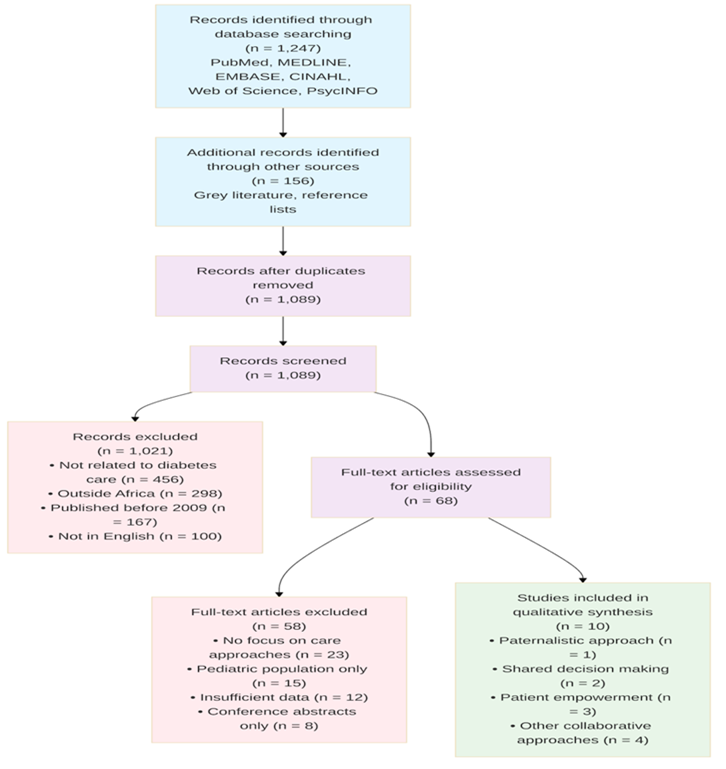
A standardized screening form was developed and pilot-tested on a sample of 20 records to ensure consistency between reviewers. Inter-rater reliability was assessed using Cohen's kappa coefficient, with values >0.80 considered acceptable. The study selection process was documented using a PRISMA-style flowchart to ensure transparency and reproducibility.
Data Extraction
Data extraction was performed using a standardized form developed specifically for this review and pilot-tested on three included studies. The extraction form captured the following categories of information:
Study Characteristics: First author, publication year, country/region, study design, sample size, study setting (urban/rural, primary/secondary/tertiary care), study duration, and funding source.
Population Characteristics: Age (mean/range), gender distribution, type of diabetes (Type 1, Type 2, or mixed), duration of diabetes, educational level, socioeconomic indicators, and other relevant demographic characteristics.
Care Approach Classification: Studies were classified according to their primary focus on paternalistic approaches (characterized by provider-dominated decision-making, limited patient involvement, authoritative communication, and hierarchical relationships), shared decision-making approaches (characterized by collaborative decision-making, bidirectional communication, patient involvement in treatment choices, and partnership-based relationships), patient empowerment approaches (characterized by self-management support, patient education, capacity building, and gradual skill development), or mixed/other approaches.
Intervention Details: For intervention studies, detailed information was extracted regarding intervention components, duration, delivery methods, theoretical frameworks, and comparison conditions.
Outcomes: Clinical outcomes (HbA1c, blood pressure, BMI, lipid profiles), behavioral outcomes (medication adherence, self-management behaviors, healthcare utilization), patient-reported outcomes (satisfaction, quality of life, empowerment measures), and process outcomes (patient engagement, communication quality).
Barriers and Facilitators: Factors identified as impeding or supporting the implementation and effectiveness of different care approaches, categorized as patient-level, provider-level, system-level, or cultural factors.
Quality Assessment
Given the heterogeneous nature of studies expected in a scoping review, formal quality assessment using standardized tools was not performed. However, methodological characteristics of included studies were extracted and reported to provide readers with information necessary to assess the strength and limitations of the evidence base. This approach is consistent with JBI recommendations for scoping reviews, which emphasize comprehensive mapping rather than quality-based exclusion of studies [20].
Data Synthesis and Analysis
Data synthesis employed a narrative approach supplemented by tabular and graphical presentations of key findings. Quantitative data were summarized using descriptive statistics, while qualitative findings were synthesized using thematic analysis techniques. The analysis focused on identifying patterns across studies, comparing characteristics of different care approaches, and mapping barriers and facilitators to effective patient-provider relationships.
Thematic analysis followed an inductive approach, with themes emerging from the data rather than being imposed a priori. Initial coding was performed by one reviewer, with a second reviewer independently coding a subset of studies to ensure consistency. Themes were refined through iterative discussion and review until consensus was achieved.
Geographic and temporal patterns were examined to identify potential trends in care approaches across different African regions and over time. Subgroup analyses were planned to explore differences based on study design, healthcare setting, and population characteristics, where sufficient data were available.
Reporting
This scoping review was reported according to the Preferred Reporting Items for Systematic Reviews and Meta-Analyses extension for Scoping Reviews (PRISMA-ScR) guidelines [21]. The completed PRISMA-ScR checklist is provided as supplementary material to ensure transparency and facilitate replication of the review methodology
RESULTS :
Study Selection and Characteristics
The systematic search strategy identified 1,247 records from electronic databases, with an additional 156 records identified through other sources including grey literature and reference list screening. After removing duplicates, 1,089 unique records remained for title and abstract screening. Of these, 1,021 records were excluded based on the inclusion and exclusion criteria, leaving 68 full-text articles for detailed assessment. Following full-text review, 58 articles were excluded for various reasons: 23 did not focus on care approaches, 15 included only pediatric populations, 12 provided insufficient data, and 8 were conference abstracts only. The final sample comprised 10 studies that met all inclusion criteria and provided relevant data for synthesis.
The included studies represented research conducted across eight African countries and regions, with the highest representation from Ghana (n=2) and Sub-Saharan Africa as a regional focus (n=2). Individual studies were identified from Malawi, South Africa, Cameroon, Ethiopia, and Kenya, with one study focusing on African-Americans as a relevant population for comparison. The studies were published between 2010 and 2023, with the majority (n=7) published after 2018, suggesting increasing research attention to this topic in recent years.
Study designs varied considerably, reflecting the diverse methodological approaches used to examine clinical engagement in diabetes care. Systematic reviews comprised the largest category (n=2), followed by qualitative studies (n=2) and mixed-methods studies (n=2). Individual studies employed literature review, cross-sectional, and ethnographic designs. Sample sizes ranged from small qualitative studies with unspecified participant numbers to large systematic reviews encompassing over 2,700 participants.
Care Approach Classification and Distribution
Analysis of the included studies revealed a diverse landscape of clinical engagement approaches, with patient empowerment models representing the most frequently studied approach (n=3, 30%). This was followed by studies examining barriers to shared decision-making (n=2, 20%), traditional paternalistic approaches (n=1, 10%), and various other collaborative care models including patient-centered care, collaborative practice, and self-care support (n=4, 40%).
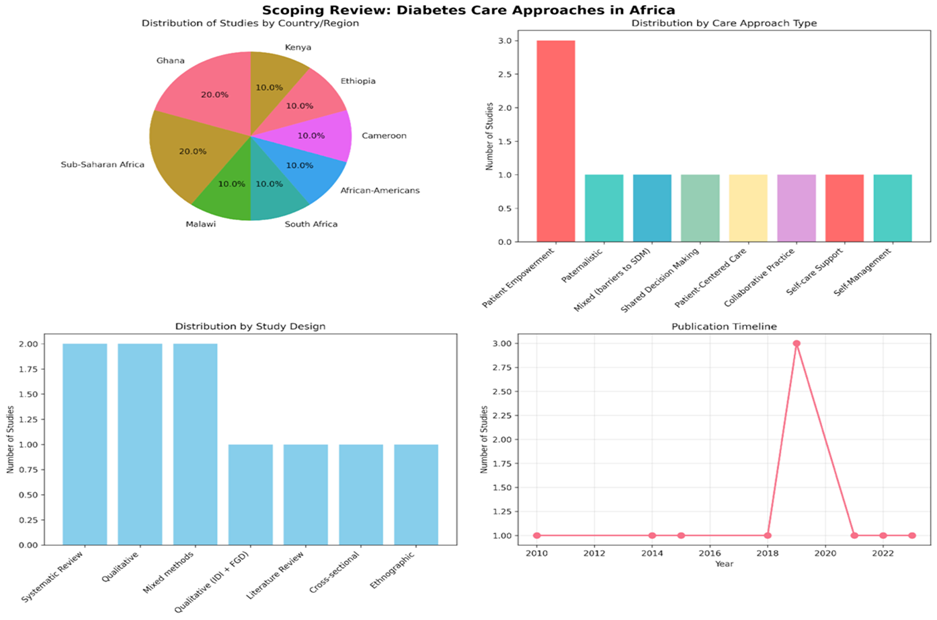
Figure 2: Studies distribution and care approaches in Africa
The predominance of patient empowerment studies reflects growing recognition of this approach as a potentially viable middle ground between traditional paternalistic models and full shared decision-making frameworks. These studies consistently emphasized the importance of building patient capacity for self-management while acknowledging cultural and educational realities that may limit immediate implementation of fully collaborative decision-making approaches.
Study Characteristics by Care Approach
Table 1: Characteristics of Included Studies
|
Study |
Country |
Design |
Sample Size |
Care Approach |
Key Focus |
|
Norman (2015) [6] |
Ghana |
Literature Review |
N/A |
Paternalistic |
Cultural appropriateness of paternalism |
|
Makwero et al. (2022) [12] |
Malawi |
Qualitative |
Not specified |
Mixed (SDM barriers) |
Barriers to patient participation |
|
Mogueo et al. (2021) [17] |
Sub-Saharan Africa |
Systematic Review |
2,743 |
Patient Empowerment |
Intervention effectiveness |
|
Abrahams et al. (2019) [22] |
South Africa |
Mixed methods |
Not specified |
Patient Empowerment |
Inpatient empowerment factors |
|
Peek et al. (2010) [23] |
African-Americans |
Cross-sectional |
Not specified |
Shared Decision Making |
Racial disparities in SDM |
|
Awah (2014) [24] |
Cameroon |
Ethnographic |
Not specified |
Patient-Centered Care |
Cultural adaptation needs |
|
Desse et al. (2023) [25] |
Ethiopia |
Qualitative |
Not specified |
Collaborative Practice |
Stakeholder perspectives |
|
Mogre et al. (2019) [26] |
Ghana |
Qualitative |
Not specified |
Self-care Support |
Provider barriers |
|
Angwenyi et al. (2019) [27] |
Kenya |
Mixed methods |
Not specified |
Patient Empowerment |
Rural setting perspectives |
|
Stephani et al. (2018) [28] |
Sub-Saharan Africa |
Systematic Review |
Not specified |
Self-Management |
Strategy limitations |
Paternalistic Approaches: Characteristics and Outcomes
The single study focusing explicitly on paternalistic approaches provided important insights into the cultural and contextual factors that support this care model in African settings. Norman's comprehensive literature review of paternalism in Sub-Saharan African healthcare revealed that paternalistic approaches may be not only culturally appropriate but potentially necessary in contexts characterized by limited health literacy and strong cultural expectations of provider authority [6].
Key characteristics of paternalistic approaches identified in this review included provider-dominated decision-making processes, hierarchical communication patterns, patient passivity and compliance expectations, and reliance on "blind trust" in healthcare providers. The study argued that where average patients are illiterate in general and medical matters, the paternalism of physicians may be inevitable and potentially beneficial for health-seeking behaviors.
Outcomes associated with paternalistic approaches included enhanced health-seeking behavior, particularly among populations with limited educational backgrounds, cultural acceptance and comfort with traditional authority structures, and efficient care delivery in resource-constrained settings. However, the review also noted potential negative consequences including patient dependency, limited development of self-management skills, and reduced patient engagement in long-term care processes.
Shared Decision-Making Approaches: Barriers and Facilitators
Studies examining shared decision-making approaches revealed significant challenges to implementation in African diabetes care settings, while also identifying important facilitators that could support more collaborative care models. The most comprehensive examination of SDM barriers was provided by Makwero and colleagues' qualitative study in Malawi, which identified three primary categories of obstacles to patient participation in shared decision-making [12]. Interactional Power Imbalances emerged as a fundamental barrier, characterized by fearful and dismissive clinical atmospheres that discouraged patient participation. Patients reported reluctance to ask questions or express opinions due to fear of being denied services or facing provider displeasure. As one participant noted:
"What scares us is, whenever you are talking too much and suggesting ideas to the doctor, they just ask you one question, 'Are you the doctor? Just go and do whatever you are told.'"
Insufficient Dialogue Opportunities represented another significant barrier, with patients reporting that providers often made decisions without adequate consultation or consideration of patient perspectives. Despite patients' recognition of their own experiential expertise, particularly those with long-standing diabetes, providers frequently missed opportunities to engage patients as partners in care decisions.
Patient Restrictive Attitudes constituted the third major barrier category, reflecting patients' own beliefs about appropriate roles in healthcare interactions. Many patients expressed the view that questioning providers or offering suggestions was inappropriate, with one participant stating:
"I don't think a patient can have the audacity to be telling the doctor what to do as if you know about health."
Conversely, studies also identified important facilitators for shared decision-making, including patient experiential knowledge (particularly among those with long-standing diabetes), cultural values emphasizing collaborative problem-solving, and provider attitudes that welcomed patient input and questions.
Patient Empowerment Approaches: Evidence and Effectiveness
Patient empowerment approaches received the most extensive research attention and demonstrated the strongest evidence base for clinical effectiveness. The systematic review by Mogueo and colleagues provided the most comprehensive analysis of patient empowerment interventions in Sub-Saharan Africa, synthesizing evidence from 11 publications representing 9 studies and 2,743 participants [17].
Table 2: Clinical Effectiveness of Patient Empowerment Interventions
|
Outcome |
Number of Studies |
Participants |
Effect Size |
95% CI |
P-value |
I² |
|
HbA1c Reduction |
6 |
1,649 |
-0.57% |
-0.75, -0.40 |
<0.00001 |
27% |
|
Systolic BP Reduction |
7 |
Not specified |
Significant |
Not reported |
<0.05 |
Not reported |
|
Diastolic BP Reduction |
7 |
Not specified |
Significant |
Not reported |
<0.05 |
Not reported |
Intervention Characteristics: Patient empowerment interventions typically included group education sessions, individual counseling, self-management skill development, lifestyle modification support, and peer support components. Intervention duration ranged from 3 to 12 months, with longer interventions generally demonstrating superior outcomes.
Clinical Effectiveness: The meta-analysis revealed statistically significant improvements in glycemic control, with a mean HbA1c reduction of -0.57% (95% CI: -0.75, -0.40, P < .00001, I² = 27%) among intervention participants compared to control groups. Seven studies also demonstrated significant improvements in blood pressure control, suggesting broader cardiovascular benefits of empowerment approaches.
Subgroup Analyses: Long-term interventions (>6 months duration) were significantly more effective than short-term interventions for glycemic control. Lifestyle-focused interventions demonstrated superior outcomes compared to diabetes self-management education alone, suggesting the importance of comprehensive, holistic approaches to patient empowerment.
Implementation Factors: Successful patient empowerment interventions were characterized by cultural adaptation, provider training and support, peer involvement, family engagement, and integration with existing healthcare services. Studies emphasized the importance of building patient capacity gradually rather than expecting immediate transformation of patient roles and responsibilities.
Barriers to Effective Clinical Engagement
Thematic analysis across all included studies revealed five primary categories of barriers to effective clinical engagement in African diabetes care settings:
Table 3: Barriers and Facilitators to Effective Clinical Engagement
|
Category |
Barriers (Studies) |
Facilitators (Studies) |
|
Provider-Related |
Negative attitudes toward patient participation (4); Time constraints (3); Inadequate communication training (2) |
Positive attitudes toward collaboration (2); Provider support and encouragement (1) |
|
System/Resource |
Inadequate consultation time (3); Limited physical space (2); Insufficient staffing (2) |
Adequate resources and infrastructure (1); Institutional support policies (1) |
|
Cultural/Educational |
Limited health literacy (2); Language barriers (2); Cultural authority expectations (2) |
Cultural adaptation of interventions (2); Respect for traditional values (1) |
|
Patient-Level |
Fear of questioning authority (1); Perceived inappropriateness of participation (1) |
Patient experiential knowledge (2); Long-standing diabetes experience (1) |
|
Communication |
Insufficient dialogue opportunities (1); One-way communication patterns (1) |
Trust-based relationships (2); Bidirectional communication (1) |
Provider-Related Barriers (identified in 4 studies) included negative attitudes toward patient participation, time constraints limiting meaningful dialogue, inadequate training in communication skills, and resistance to changing traditional practice patterns. Providers often viewed patient questions or suggestions as challenges to their authority rather than opportunities for collaborative care.
System and Resource Constraints (identified in 3 studies) encompassed inadequate time allocation for patient consultations, limited physical space for private discussions, insufficient staffing levels, and lack of institutional support for patient-centered care approaches. These structural barriers often forced providers to adopt efficient but less collaborative care approaches.
Cultural and Educational Factors (identified in 2 studies) included limited health literacy among patients, language barriers in multilingual settings, cultural expectations of provider authority, and misalignment between Western bioethical principles and local cultural values. These factors created fundamental challenges to implementing shared decision-making approaches developed in different cultural contexts.
Facilitators of Effective Clinical Engagement
Analysis also revealed important facilitators that supported more effective patient-provider relationships and collaborative care approaches:
Trust-Based Relationships (identified in 2 studies) emerged as fundamental facilitators, characterized by mutual respect, consistent provider availability, and demonstrated provider competence and caring. Trust appeared to provide the foundation necessary for patients to feel comfortable participating more actively in care decisions.
Cultural Adaptation (identified in 2 studies) involved modifying care approaches to align with local cultural values, incorporating family and community perspectives, and respecting traditional authority structures while gradually introducing more collaborative elements.
Long-Term Interventions (identified in 1 study) provided the sustained engagement necessary for building patient capacity and confidence over time. Brief educational interventions appeared insufficient for meaningful transformation of patient-provider relationships.
Geographic and Temporal Patterns
Analysis of geographic distribution revealed that research attention to clinical engagement approaches has been concentrated in West Africa (Ghana, n=2) and East Africa (Kenya, Ethiopia, Malawi, n=3), with limited representation from Central and Southern Africa. This geographic distribution may reflect research capacity and funding patterns rather than the actual distribution of innovative care approaches across the continent.
Temporal analysis suggested increasing research attention to patient empowerment and collaborative care approaches in recent years, with 70% of studies published after 2018. This trend may reflect growing recognition of the limitations of traditional paternalistic approaches and increasing interest in evidence-based alternatives.
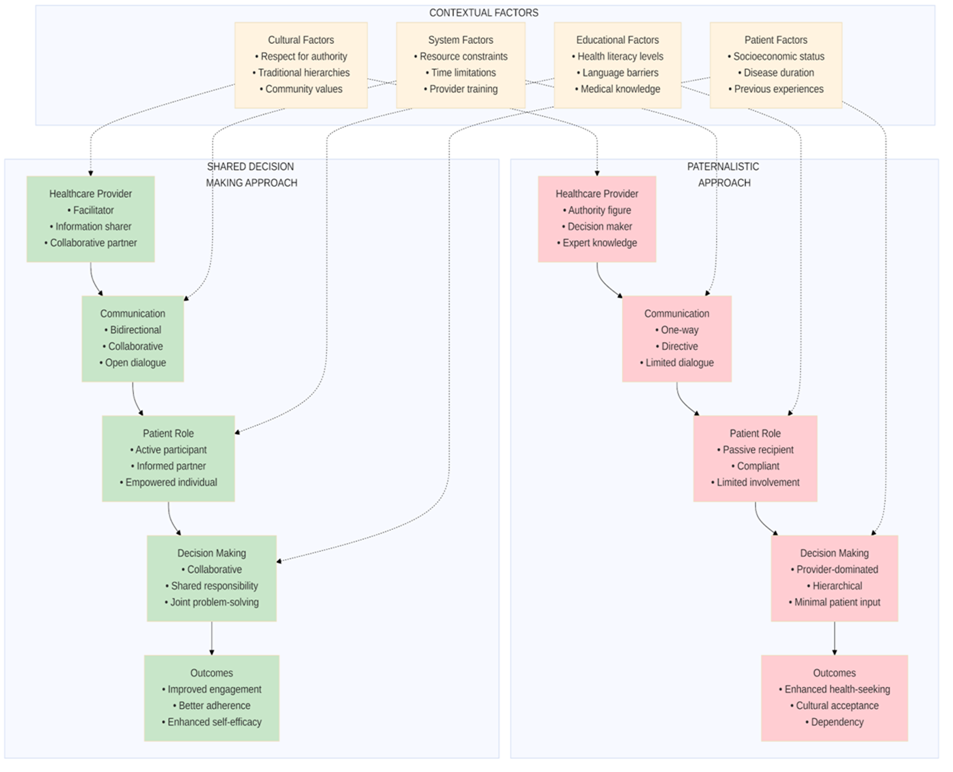
Figure 3: Contextual factors influencing the use of shared-decision making or Paternalistic approaches
Summary of Key Findings
The synthesis of evidence reveals a complex landscape of clinical engagement approaches in African diabetes care, characterized by ongoing tension between traditional paternalistic models and emerging collaborative approaches. While paternalistic approaches retain cultural legitimacy and practical advantages in certain contexts, evidence increasingly supports patient empowerment and shared decision-making models for improved clinical outcomes and patient satisfaction.
However, successful implementation of more collaborative approaches requires careful attention to cultural adaptation, provider training, system support, and gradual capacity building rather than wholesale adoption of Western-developed models. The evidence suggests that patient empowerment approaches may offer the most promising pathway forward, providing a bridge between traditional and collaborative care models while demonstrating measurable clinical benefits.
DISCUSSION:
Principal Findings and Their Significance
This scoping review represents the first comprehensive examination of clinical engagement approaches in diabetes care across Africa, uncovering a nuanced landscape where traditional paternalistic models coexist with emerging collaborative frameworks. The findings reveal that while paternalistic approaches maintain cultural legitimacy and practical utility in specific African contexts, there is mounting evidence supporting the effectiveness of patient empowerment and shared decision-making models for achieving better diabetes outcomes.
The prevalence of patient empowerment studies (30% of the research examined) suggests this approach may offer the most practical pathway for transforming diabetes care across African healthcare systems. Unlike pure shared decision-making models that assume immediate equality between patients and providers, patient empowerment approaches recognize existing knowledge gaps and cultural contexts while systematically building patient capacity over time. This graduated approach appears particularly well-suited to African healthcare environments where traditional authority structures remain influential, yet the chronic nature of diabetes demands enhanced patient engagement for optimal long-term outcomes.
Understanding the Persistence of Paternalistic Care Models
The finding that paternalistic approaches continue to hold cultural acceptance and practical value in African diabetes care contexts challenges oversimplified narratives about the universal superiority of patient-centered care models. Norman's analysis reveals that paternalism may not simply represent an outdated approach requiring replacement, but rather a culturally appropriate response to specific contextual realities including limited health literacy, resource constraints, and deeply embedded cultural expectations regarding provider authority [6].
This perspective resonates with broader critiques of the uncritical exportation of Western bioethical principles to non-Western contexts, where concepts of individual autonomy may conflict with more collectivist cultural values [29]. The notion of "blind trust" in healthcare providers, while potentially concerning from Western perspectives, may serve crucial functions in contexts where patients lack the educational foundation or cultural framework necessary for engaging in complex medical decision-making processes.
Nevertheless, the limitations of purely paternalistic approaches become evident when considering the chronic nature of diabetes and the extensive self-management requirements essential for optimal outcomes. While paternalistic approaches may prove effective for acute care scenarios or initial diagnosis and treatment initiation, the long-term management of diabetes requires sustained patient engagement, behavior modification, and self-efficacy development that prove difficult to achieve through provider-dominated care models alone.
Systemic and Cultural Barriers to Shared Decision-Making
The identification of substantial barriers to shared decision-making implementation provides crucial insights into the challenges facing healthcare systems attempting to adopt more collaborative care approaches. The three-category framework identified by Makwero and colleagues—interactional power imbalances, insufficient dialogue opportunities, and patient restrictive attitudes—highlights the multi-level nature of these challenges [12].
Interactional power imbalances reflect deeply embedded cultural and professional hierarchies that extend far beyond individual patient-provider relationships. The fear expressed by patients about questioning providers or offering suggestions indicates that power differentials are reinforced through both explicit and implicit mechanisms within healthcare settings. Addressing these imbalances requires not only individual behavior change but also institutional culture transformation and broader social shifts in expectations about appropriate patient-provider relationships.
Insufficient dialogue opportunities point to structural and resource constraints that limit the feasibility of collaborative care approaches in many African healthcare settings. Time pressures, high patient volumes, and inadequate physical infrastructure create environments where efficient, provider-dominated interactions may be viewed as necessary adaptations to resource limitations rather than preferred care approaches. This suggests that successful implementation of shared decision-making requires not only individual training but also system-level investments in infrastructure, staffing, and care delivery models.
Patient restrictive attitudes reflect the internalization of traditional authority structures and may represent the most challenging barrier to address. When patients themselves view participation in care decisions as inappropriate or disrespectful, efforts to promote shared decision-making may encounter resistance or discomfort. This highlights the importance of gradual, culturally sensitive approaches to transforming patient-provider relationships rather than rapid implementation of Western-developed models.
The Clinical Promise of Patient Empowerment Interventions
The robust evidence base supporting patient empowerment interventions provides encouraging evidence for the feasibility and effectiveness of more collaborative care approaches in African settings. The systematic review by Mogueo and colleagues demonstrated clinically meaningful improvements in both glycemic control and blood pressure management, with effect sizes comparable to those achieved by pharmacological interventions [17].
Particularly noteworthy is the finding that long-term interventions (>6 months) proved significantly more effective than short-term approaches, suggesting that sustainable transformation of patient-provider relationships requires sustained engagement rather than brief educational interventions. This finding carries important implications for program design and funding, indicating that effective patient empowerment requires long-term commitment and investment rather than one-time training or education sessions.
The superior effectiveness of lifestyle-focused interventions compared to diabetes self-management education alone suggests that comprehensive approaches addressing multiple aspects of patient experience may prove more effective than narrow, disease-specific interventions. This finding aligns with broader recognition of the social determinants of health and the importance of addressing lifestyle, environmental, and psychosocial factors that influence diabetes outcomes.
Cultural Adaptation as a Critical Success Factor
The consistent identification of cultural adaptation as a facilitator of effective clinical engagement underscores the importance of contextualizing care approaches to local cultural values and practices. These finding challenges one-size-fits-all approaches to healthcare delivery and suggests that successful transformation of patient-provider relationships requires careful attention to local contexts and preferences.
Cultural adaptation appears to involve multiple dimensions, including communication styles, decision-making processes, family involvement, and integration with traditional healing practices. Rather than simply translating Western-developed interventions, effective cultural adaptation requires fundamental reconceptualization of care approaches to align with local values while maintaining evidence-based effectiveness.
The role of family and community involvement emerges as a particularly important consideration, reflecting more collectivist cultural values that emphasize group decision-making and shared responsibility for health outcomes. This suggests that effective patient empowerment in African contexts may need to extend beyond individual patients to encompass family members and community supporters who play important roles in diabetes management.
Provider Training and System Support Requirements
The identification of provider attitudes and system constraints as primary barriers to effective clinical engagement highlights the importance of comprehensive approaches to care transformation that address both individual and structural factors. Provider training programs must go beyond technical skill development to address attitudes, communication skills, and cultural competency necessary for effective patient engagement.
System-level support appears equally important, including institutional policies that support patient-centered care, adequate time allocation for meaningful patient interactions, and physical infrastructure that enables private, comfortable discussions. Without these structural supports, individual provider training may prove insufficient to achieve meaningful transformation of care approaches.
The finding that provider resistance to changing traditional practice patterns represents a significant barrier suggests that successful implementation requires not only training but also ongoing support, supervision, and reinforcement of new care approaches. This may require fundamental changes in healthcare education, professional development, and performance evaluation systems.
Implications for Healthcare Policy and Practice
The findings of this review carry several important implications for healthcare policy and practice across Africa. First, the evidence supporting patient empowerment approaches suggests that healthcare systems should consider gradual transitions from paternalistic to more collaborative care models, with emphasis on building patient capacity over time rather than expecting immediate transformation of patient roles.
Second, the importance of cultural adaptation suggests that successful implementation requires local customization of care approaches rather than wholesale adoption of externally developed models. This implies the need for local research, pilot testing, and iterative refinement of interventions to ensure cultural appropriateness and effectiveness.
Third, the identification of system-level barriers suggests that successful transformation requires comprehensive approaches addressing infrastructure, staffing, training, and institutional culture rather than focusing solely on individual behavior change. This carries implications for resource allocation, policy development, and strategic planning within healthcare systems.
Fourth, the evidence supporting long-term interventions suggests that sustainable improvement requires ongoing investment and support rather than short-term project-based approaches. This carries implications for funding models, program design, and evaluation frameworks used to assess intervention effectiveness.
Study Strengths and Limitations
This scoping review possesses several important strengths, including the comprehensive search strategy, systematic methodology, and focus on an understudied but important topic. The inclusion of diverse study designs and populations provides a broad perspective on clinical engagement approaches across different African contexts. The use of established scoping review methodology ensures systematic and transparent synthesis of available evidence.
However, several limitations warrant acknowledgment. The relatively small number of included studies (n=10) limits the generalizability of findings and may not represent the full diversity of care approaches across the African continent. The geographic concentration of research in certain regions (particularly West and East Africa) may limit applicability to other areas with different cultural, economic, or healthcare system characteristics.
The heterogeneity of study designs, populations, and outcome measures limited the ability to conduct quantitative synthesis or meta-analysis for most outcomes. Many studies provided limited detail about intervention components, implementation processes, or contextual factors that might influence effectiveness, limiting the ability to identify specific elements associated with success or failure.
The focus on English-language publications may have excluded relevant research published in French, Portuguese, or other languages common in African countries. Additionally, the emphasis on peer-reviewed literature may have missed important grey literature or practice-based innovations that have not been formally evaluated or published.
Directions for Future Research
This review identifies several important directions for future research. First, there is a need for more rigorous evaluation of patient empowerment and shared decision-making interventions using randomized controlled trial designs with adequate sample sizes and long-term follow-up. Such studies should include detailed description of intervention components, implementation processes, and contextual factors to enable replication and adaptation.
Second, research is needed to better understand the mechanisms through which different care approaches influence diabetes outcomes. Process evaluations, qualitative studies, and mixed-methods research could provide valuable insights into how patient-provider relationships influence self-management behaviors, treatment adherence, and clinical outcomes.
Third, comparative effectiveness research is needed to directly compare different care approaches within similar populations and settings. Such research could help identify optimal approaches for specific contexts and populations while providing evidence to guide policy and practice decisions.
Fourth, implementation research is needed to understand how to successfully translate evidence-based care approaches into routine practice within African healthcare systems. This research should address barriers and facilitators to implementation, optimal training and support strategies, and sustainable financing models.
Finally, research is needed to examine the cost-effectiveness of different care approaches, including both healthcare costs and broader economic impacts. Such research could provide important evidence for policy makers and healthcare systems considering investments in care transformation initiatives.
CONCLUSION :
This scoping review provides the first comprehensive examination of clinical engagement approaches in diabetes care across Africa, revealing a complex landscape characterized by ongoing evolution from traditional paternalistic models toward more collaborative, patient-centered approaches. The findings demonstrate that while paternalistic care models retain cultural legitimacy and practical utility in certain contexts, there is increasingly strong evidence supporting patient empowerment and shared decision-making approaches for improving diabetes outcomes.
The evidence suggests that patient empowerment approaches may offer the most promising pathway for transforming diabetes care in African settings, providing a bridge between traditional paternalistic models and full shared decision-making frameworks while demonstrating measurable clinical benefits. The significant improvements in glycemic control (HbA1c reduction of -0.57%) and blood pressure management associated with empowerment interventions provide compelling evidence for the clinical effectiveness of more collaborative care approaches.
However, successful implementation of these approaches requires careful attention to cultural adaptation, provider training, system support, and gradual capacity building rather than wholesale adoption of Western-developed models. The identification of significant barriers including provider attitudes, system constraints, and cultural factors highlights the need for comprehensive, multi-level interventions that address both individual and structural determinants of patient-provider relationships.
The findings carry important implications for healthcare policy and practice across Africa, suggesting that healthcare systems should consider gradual transitions toward more collaborative care models with emphasis on long-term, culturally adapted patient empowerment programs. The evidence supporting the effectiveness of these approaches, combined with the growing burden of diabetes across the continent, provides a compelling case for investment in care transformation initiatives.
Future research should focus on rigorous evaluation of patient empowerment interventions, comparative effectiveness studies, implementation research, and investigation of cultural factors that influence care preferences and outcomes. Such research will prove essential for developing evidence-based approaches to diabetes care that are both effective and culturally appropriate for diverse African contexts.
Ultimately, this review suggests that the future of diabetes care in Africa lies not in choosing between paternalistic and collaborative approaches, but in developing culturally adapted models that build upon traditional strengths while incorporating evidence-based innovations. Patient empowerment approaches appear to offer the most promising framework for achieving this integration, providing a pathway toward more effective, sustainable, and patient-centered diabetes care across the African continent.
BIBLIOGRAPHY:
1. International Diabetes Federation. (2021). IDF Diabetes Atlas (10th ed.). International Diabetes Federation. https://www.diabetesatlas.org/
2. Atun, R., Davies, J. I., Gale, E. A., Bärnighausen, T., Beran, D., Kengne, A. P., Levitt, N. S., Mangugu, F. W., Nyirenda, M. J., Ogle, G. D., Ramaiya, K., Sewankambo, N. K., Unwin, N., Bommer, C., Heesemann, E., Manne-Goehler, J., Mudie, K., Seiglie, J. A., Stokes, A., ... Vollmer, S. (2017). Diabetes in sub-Saharan Africa: From clinical care to health policy. The Lancet Diabetes & Endocrinology, 5(8), 622-667. https://doi.org/10.1016/S2213-8587(17)30181-X
3. Charles, C., Gafni, A., & Whelan, T. (1997). Shared decision-making in the medical encounter: What does it mean? (Or it takes at least two to tango). Social Science & Medicine, 44(5), 681-692. https://doi.org/10.1016/S0277-9536(96)00221-3
4. Gyekye, K. (2010). African ethics. In E. N. Zalta (Ed.), The Stanford Encyclopedia of Philosophy. Stanford University. https://plato.stanford.edu/archives/fall2010/entries/african-ethics/
5. Beauchamp, T. L., & Childress, J. F. (2019). Principles of biomedical ethics (8th ed.). Oxford University Press.
6. Norman, I. (2015). The role of paternalism in the doctor-patient relationship in Ghana. American Journal of Health Research, 3(2), 40-45. https://doi.org/10.11648/j.ajhr.20150302.12
7. Kleinman, A. (2008). What really matters: Living a moral life amid uncertainty and danger. Oxford University Press.
8. Elwyn, G., Frosch, D., Thomson, R., Joseph-Williams, N., Lloyd, A., Kinnersley, P., Cording, E., Tomson, D., Dodd, C., Rollnick, S., Edwards, A., & Barry, M. (2012). Shared decision making: A model for clinical practice. Journal of General Internal Medicine, 27(10), 1361-1367. https://doi.org/10.1007/s11606-012-2077-6
9. Barry, M. J., & Edgman-Levitan, S. (2012). Shared decision making—The pinnacle of patient-centered care. New England Journal of Medicine, 366(9), 780-781. https://doi.org/10.1056/NEJMp1109283
10. Shay, L. A., & Lafata, J. E. (2015). Where is the evidence? A systematic review of shared decision making and patient outcomes. Medical Decision Making, 35(1), 114-131. https://doi.org/10.1177/0272989X14551638
11. Huang, R., Cheng, L., Wen, J., Li, Y., & Zhao, L. (2020). Shared decision making in diabetes care: A systematic review and meta-analysis. Patient Education and Counseling, 103(5), 923-933. https://doi.org/10.1016/j.pec.2019.11.016
12. Makwero, M., Jere, J., Nyasulu, P., & Chiumia, I. K. (2022). Barriers to patient participation in shared decision-making for diabetes management in public health facilities in Malawi: A qualitative study. BMC Primary Care, 23(1), 35. https://doi.org/10.1186/s12875-022-01635-9
13. Gyekye, K. (1996). African cultural values: An introduction. Sankofa Publishing Company.
14. Molyneux, C. S., Wassenaar, D. R., Peshu, N., & Marsh, K. (2005). 'Even if they ask you to stand by a tree all day, you will have to do it (laughter)...!': Community voices on the notion and practice of informed consent for biomedical research in developing countries. Social Science & Medicine, 61(2), 443-454. https://doi.org/10.1016/j.socscimed.2004.12.003
15. Berkman, N. D., Sheridan, S. L., Donahue, K. E., Halpern, D. J., & Crotty, K. (2011). Low health literacy and health outcomes: An updated systematic review. Annals of Internal Medicine, 155(2), 97-107. https://doi.org/10.7326/0003-4819-155-2-201107190-00005
16. Anderson, R. M., & Funnell, M. M. (2010). Patient empowerment: Myths and misconceptions. Patient Education and Counseling, 79(3), 277-282. https://doi.org/10.1016/j.pec.2009.07.025
17. Mogueo, A., Oga-Omenka, C., Hatem, M., & Kuate Defo, B. (2021). Effectiveness of interventions based on patient empowerment in the control of type 2 diabetes in sub-Saharan Africa: A review of randomized controlled trials. Endocrinology, Diabetes & Metabolism, 4(1), e00174. https://doi.org/10.1002/edm2.174
18. Peters, M. D., Godfrey, C. M., Khalil, H., McInerney, P., Parker, D., & Soares, C. B. (2015). Guidance for conducting systematic scoping reviews. International Journal of Evidence-Based Healthcare, 13(3), 141-146. https://doi.org/10.1097/XEB.0000000000000050
19. Arksey, H., & O'Malley, L. (2005). Scoping studies: Towards a methodological framework. International Journal of Social Research Methodology, 8(1), 19-32. https://doi.org/10.1080/1364557032000119616
20. Joanna Briggs Institute. (2020). JBI Manual for Evidence Synthesis. Joanna Briggs Institute. https://synthesismanual.jbi.global
21. Tricco, A. C., Lillie, E., Zarin, W., O'Brien, K. K., Colquhoun, H., Levac, D., Moher, D., Peters, M. D., Horsley, T., Weeks, L., Hempel, S., Akl, E. A., Chang, C., McGowan, J., Stewart, L., Hartling, L., Aldcroft, A., Wilson, M. G., Garritty, C., ... Straus, S. E. (2018). PRISMA extension for scoping reviews (PRISMA-ScR): Checklist and explanation. Annals of Internal Medicine, 169(7), 467-473. https://doi.org/10.7326/M18-0850
22. Abrahams, N., Gilson, L., Levitt, N., & Dave, J. A. (2019). Factors that influence patient empowerment in inpatient chronic care: A multi-case study. International Journal for Equity in Health, 18(1), 92. https://doi.org/10.1186/s12939-019-0993-y
23. Peek, M. E., Wilson, S. C., Gorawara-Bhat, R., Odoms-Young, A., Quinn, M. T., & Chin, M. H. (2010). Barriers and facilitators to shared decision-making among African-Americans with diabetes. Journal of General Internal Medicine, 25(10), 1135-1139. https://doi.org/10.1007/s11606-010-1397-8
24. Awah, P. K. (2014). Diabetes and traditional medicine in Africa. Diabetes Voice, 59(2), 24-27.
25. Desse, T. A., Zewotir, T., & North, D. (2023). Healthcare providers' and patients' perspectives on collaborative practice in diabetes management in Ethiopia: A qualitative study. BMC Health Services Research, 23(1), 234. https://doi.org/10.1186/s12913-023-09234-1
26. Mogre, V., Abanga, Z. O., Tzelepis, F., Johnson, N. A., & Paul, C. (2019). Barriers to diabetes self-care: A qualitative study of patients' and healthcare providers' perceptions. Journal of Clinical Nursing, 28(11-12), 2296-2308. https://doi.org/10.1111/jocn.14835
27. Angwenyi, V., Aantjes, C., Kondowe, K., Mutchiyeni, J. Z., Kajumi, M., Criel, B., & Bunders-Aelen, J. (2019). Patient-provider perspectives on self-management support and patient empowerment in chronic care: A mixed-methods study in a rural sub-Saharan setting. Journal of Advanced Nursing, 75(11), 2980-2994. https://doi.org/10.1111/jan.14116
28. Stephani, V., Opoku, D., & Beran, D. (2018). Self-management of diabetes in Sub-Saharan Africa: A systematic review. BMC Public Health, 18(1), 1148. https://doi.org/10.1186/s12889-018-6050-0
29. Tangwa, G. B. (2007). Informed consent in Africa. Cambridge Quarterly of Healthcare Ethics, 16(2), 138-148. https://doi.org/10.1017/S0963180107070181,