Understanding the Pathophysiology of Migraine and the Modulatory Role of Exercise in Reducing Its Frequency and Severity
- Saurabh Kumar , Associate Professor, Faculty of Physiotherapy, SGT University, Gurgaon
- Priyanka Rishi , Student, Faculty of Physiotherapy, SGT University, Gurgaon
- Aditi Sharma , Student, Faculty of Physiotherapy, SGT University, Gurgaon
- Saloni Dung , Student, Faculty of Physiotherapy, SGT University, Gurgaon
- Ankush Sharma , Assistant Professor, Department of Physiotherapy, GD Goenka University, Gurgaon
- Bijender Singh Sindhu , Professor, School of Health & Allied Sciences, Sanskaram University Haryana, India
Article Information:
Abstract:
Background: This review aims to explore the complex pathophysiology of migraine, with a particular focus on neurovascular dysregulation, cortical spreading depression, and the roles of key neurotransmitters such as serotonin and calcitonin gene-related peptide (CGRP). Additionally, the review evaluates the modulatory role of exercise physiology in migraine management, considering its potential to reduce symptom frequency, severity, and duration.Recent Findings Recent research indicates that migraine is a multifactorial neurological disorder involving both central and peripheral mechanisms. Advances in neuroimaging and molecular biology have highlighted the significance of cortical spreading depression and CGRP-mediated pathways in migraine genesis. Emerging evidence also suggests that regular physical activity may positively influence pain perception, neuroinflammation, and stress response, contributing to reduced migraine burden. However, the type, intensity, and duration of exercise required to achieve therapeutic effects remain under investigation. Summary: Understanding the intricate mechanisms behind migraine pathophysiology is essential for improving treatment strategies. Exercise, as a non-pharmacological intervention, shows promise in enhancing quality of life and reducing migraine symptoms through its effects on neurophysiological and psychological parameters. This review supports the integration of exercise into comprehensive migraine management plans and calls for further research to optimize exercise prescriptions for migraine sufferers.
Keywords:
Article :
INTRODUCTION:
Migraine is a complex, chronic neurological disorder characterized by recurrent, severe headaches often accompanied by symptoms such as nausea, vomiting, and heightened sensitivity to light and sound. With a global prevalence affecting approximately 12% of the population, migraines represent a significant public health concern. Recurrent episodes of moderate to severe headaches, frequently accompanied by light and sound sensitivity, nausea, and vomiting, are the hallmark of migraines, a debilitating neurological condition. Currently, migraine ranks as the most prevalent neurological disorder and is the sixth most debilitating disorder worldwide.[1-3] Over 15% of people globally suffer from migraines, which have a profound negative impact on quality of life and functional ability, making them one of the leading causes of disability globally.[3]
Despite considerable research, the pathophysiology of migraines remains incompletely understood. However, several mechanisms have been implicated, including cortical spreading depression, trigemino-vascular activation, central sensitization, and changes in vascular tone.[2,4] Some studies have highlighted the role of neuroinflammatory processes, genetic predispositions, and dysregulated neurotransmitters such as serotonin and calcitonin gene-related peptide (CGRP) in the pathophysiology of migraines. These processes interact with external triggers like stress, hormonal fluctuations, food, and sleep disturbances to induce migraine attacks.[5]
Central sensitization is common in chronic migraine sufferers, which complicates treatment and results in heightened pain perception and recurrent headache episodes. A promising approach to managing migraines involves understanding the exercise physiology behind the condition, offering insights into the frequency and severity of migraine attacks. Regular exercise has beneficial effects on several systems involved in the pathophysiology of migraines, including improved cardiovascular function, modulation of stress hormones, increased endorphin release, and regulation of neuroinflammatory pathways.[6] This paper addresses the highly complex pathophysiology of migraines and explores a complementary exercise physiology model for non-pharmacological therapies. It assesses current evidence to highlight the potential integration of structured physical activity programs into the management of migraines as part of a multimodal approach to improving patient outcomes.[7]
Symptoms of migraine
Migraines are a multifaceted neurological disorder with a myriad of symptoms that can greatly interfere with daily living. There are various types of headaches, including tension-type headaches, cluster headaches, and migraines, each with distinct symptoms that vary depending on the type (Figure-1).[8] The most prevalent symptom is severe, pounding or stabbing head pain, which is typically confined to one half of the head. Most also have dizziness, vertigo, and clouding of consciousness, resulting in impaired concentration and memory. Sensory problems like ringing in the ears (tinnitus), speech impairment, and changes in vision, such as sensitivity to light and auras, also occur. Neck pain and stiffness are frequent, as are heart palpitations and nausea, and occasionally vomiting. Chills, sweats, and generalized weakness add to the pain. Most migraine patients describe severe fatigue, numbness and tingling of the face, hands, or legs, at times as part of an aura. Sufferers may have heightened sensitivity to outside stimuli, including noise (phonophobia), odors (osmophobia), and motion, which will worsen the condition. Vision becomes blurred, and one is unable to bear bright or flickering lights, making screen work and reading uncomfortable. Mood alterations, such as depression, anxiety, or irritability, precede and/or follow an attack of migraine. These symptoms can have variable intensities and duration, and their triggers are variable and include stress, endocrine changes, dehydration, and dietary factors. Since the impact of migraines is so widespread, proper management and medical attention are absolutely essential in enhancing the quality of life (Figure-2).[9]
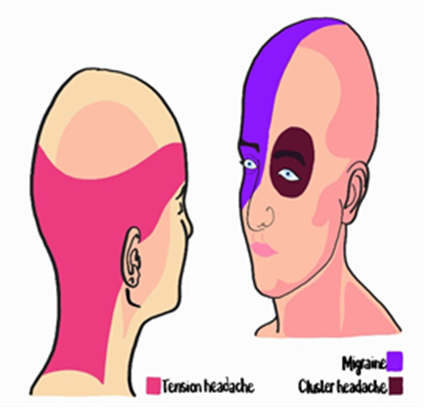
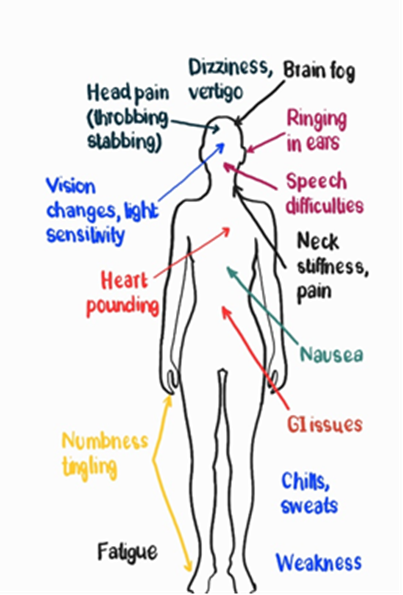
Figure 1. Types of headache Figure 2. Symptoms of migraine
1. PATHOPHYSIOLOGY OF THE MIGRAINE:
The pathophysiology of migraines has evolved over time, shifting from an understanding rooted in supernatural beliefs to a well-defined neurological condition with distinct characteristics. Migraine is often described as having a "neurovascular" origin due to the interaction between two key systems. Both vascular and neurological events contribute to the presentation and mechanisms underlying migraine headache symptoms. Key events implicated in migraine include the manifestation of cortical spreading depression (CSD) and the involvement of the trigeminovascular system, which leads to neurogenic inflammation. These processes result in alterations to the meningeal vasculature. While the precise sequence of these pathological events and their interactions remain unclear, it is known that multiple brain structures, including the trigeminal innervations of cranial vessels, are involved. Furthermore, genetic mutations have been shown to influence susceptibility to migraines. This debate explores the current understanding of the pathophysiology of migraines, as well as studies on the heritability of the disorder.[10] The genetic predisposition to migraines most likely interacts with environmental triggers and neurobiological factors to precipitate migraine episodes. Mutations in genes related to ion channel function and neurotransmitter pathways may increase susceptibility to cortical hyperexcitability, central sensitization, and neurogenic inflammation (Figure 3).[11]
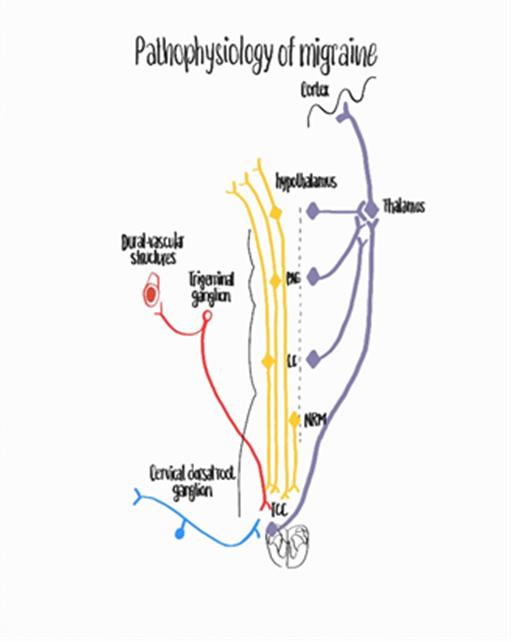
Figure 3. Pathophysiology of the migraine; Periaqueductal gray (PAG),Trigemino-Cervical Complex (TCC), Nucleus Raphe Magnus (NRM), and Locus Coeruleus (LC).
2. Genetic Background:
2.1 Heritability of Migraine
Migraine exhibits a high degree of familial aggregation, with first-degree relatives of affected individuals having a 2-4 times higher risk of developing the condition. The heritability of migraine is estimated to be approximately 50-60%.
2.2 Identified Genetic Mutations
Familial Hemiplegic Migraine (FHM):
Familial hemiplegic migraine (FHM) is a rare monogenic subtype of migraine caused by mutations in genes encoding ion channels and transporters. Mutations in CACNA1A, which encodes a calcium channel subunit, are implicated in regulating neuronal excitability. ATP1A2 encodes a subunit of the sodium-potassium pump, which plays a vital role in maintaining ionic homeostasis. SCN1A involves a voltage-gated sodium channel that is critical for proper neuronal firing and signal transmission.[12]
Common Migraine (with and without Aura):
Genome-wide association studies (GWAS) have identified over 40 loci associated with common migraine. TRESK (KCNK18) encodes a potassium channel involved in trigeminal pain pathways, playing a key role in pain regulation. PRDM16 is associated with vascular regulation and energy metabolism, contributing to physiological homeostasis.[13]
3. Neurobiological Basis:
3.1 Neurotransmitter systems
Serotonin plays a crucial role in regulating cranial vascular tone and nociception, with its dysregulation contributing to aura, pain perception, and migraine-associated symptoms. Calcitonin gene-related peptide (CGRP) acts as a potent vasodilator and key mediator of neurogenic inflammation, with elevated levels observed during migraine attacks, making CGRP inhibitors an effective treatment option. Dopaminergic dysregulation is associated with premonitory symptoms, nausea, and hypersensitivity, which are commonly experienced during migraines.[14]
3.2 Cortical spreading depression (CSD) and Trigemino-vascular system
Cortical Spreading Depression (CSD) is a self-propagating wave of intense neuronal and glial depolarization, followed by a prolonged period of neuronal inhibition. It is a key pathophysiological mechanism underlying migraine aura, characterized by transient sensory disturbances such as visual scintillations or tingling sensations. This depolarization wave disrupts ionic homeostasis, leading to an influx of calcium and the release of excitatory neurotransmitters, including glutamate. As CSD propagates across the cortex, it activates the trigeminovascular system, a crucial pathway involved in migraine pathophysiology.[15]
Activation of the trigeminovascular system stimulates trigeminal afferents, leading to the release of inflammatory mediators, such as calcitonin gene-related peptide (CGRP), substance P, and neurokinin A. These neuropeptides promote vasodilation, plasma extravasation, and neurogenic inflammation in the dura mater, which contributes to migraine headache development. Additionally, CSD can cause dysfunction in cortical, subcortical, and brainstem networks, further amplifying pain perception, autonomic disturbances, and hypersensitivity commonly observed in migraines.[16] The role of CSD in migraine has been supported by neuroimaging studies, which show spreading hemodynamic changes corresponding to aura symptoms. Furthermore, therapeutic strategies targeting CSD such as NMDA receptor antagonists and CGRP inhibitors are being explored to mitigate aura-related disturbances and prevent migraine progression. Understanding CSD’s role in migraine pathophysiology helps in developing targeted treatments to reduce both aura frequency and headache severity.[17]
3.4 Central Sensitization in Chronic Migraines
Central sensitization is a key mechanism in chronic migraines, involving increased excitability and responsiveness of neurons in the brainstem, spinal cord, and thalamus. This heightened neural activity leads to an exaggerated pain response, even to normally non-painful stimuli, a condition known as allodynia. Patients experiencing cutaneous allodynia report pain with light touch, temperature changes, or mild pressure, reflecting the hyperactive processing of sensory inputs. The process of central sensitization occurs due to repeated activation of nociceptive pathways, leading to enhanced synaptic transmission and persistent pain perception. Neurotransmitters like glutamate, substance P, and CGRP facilitate long-term changes in pain-processing neurons, further amplifying pain sensitivity. Additionally, dysfunction in descending pain inhibitory pathways, particularly involving the periaqueductal gray (PAG) and rostral ventromedial medulla (RVM), reduces the brain's ability to suppress pain signals, contributing to prolonged headache duration and increased migraine frequency. Chronic migraines often transition from episodic attacks to a persistent state of central hyperexcitability, making them harder to treat. Targeting central sensitization with CGRP inhibitors, serotonin modulators, and neuromodulation techniques has shown promise in reducing migraine frequency and severity.[18]
3.5 Peripheral Sensitization in Migraines
Peripheral sensitization refers to the increased sensitivity of nociceptors (pain-sensitive nerve endings) in response to inflammation, mechanical stress, or prolonged activation. In migraines, this phenomenon is critical in the initiation and maintenance of headache pain, particularly through activation of the trigeminovascular system. During a migraine attack, the release of inflammatory mediators like CGRP, prostaglandins, bradykinin, and histamine sensitizes trigeminal nociceptors, lowering their activation threshold. As a result, peripheral neurons become hyperresponsive, leading to increased pain intensity, spontaneous pain, and prolonged headache duration. Peripheral sensitization also facilitates the transition of episodic migraines to chronic migraines, reinforcing the cycle of persistent headache pain. Unlike central sensitization, which is driven by long-term neural plasticity, peripheral sensitization can often be reversed by blocking inflammatory mediators, using anti-CGRP monoclonal antibodies, NSAIDs, and triptans, which help reduce nociceptor activation. However, if peripheral sensitization persists, it can contribute to central sensitization, making migraines more resistant to conventional treatments. Understanding both central and peripheral sensitization in migraines is crucial for developing targeted therapies, preventing chronic migraine progression, and improving treatment outcomes for patients with refractory migraine pain.[19]
4. Effect of Exercise on Migraine :
Exercise is a significant factor in the management of migraines, affecting neurovascular function, neurotransmitter balance, stress response, and overall physiological equilibrium. There are various studies which shows supports the role of exercise as a non-pharmacological approach to migraine management, such as Aerobic Exercise, Strength Training, Yoga, Combined Exercise (Aerobic, Strength, Stretching) etc. (Table-1). Aerobic exercise, including walking, cycling, and swimming, has the effect of enhancing vascular function, enhancing cerebral blood flow, and inhibiting the abnormal cycles of vasoconstriction and vasodilation responsible for migraine attacks. Exercise also raises levels of serotonin and dopamine, responsible for mood regulation and pain perception, and also for the release of endorphins, which act as natural painkillers.[20] Strength training aims at postural muscles, which decrease tension in the neck, shoulder, and upper back muscles, frequent migraine precipitants. By enhancing muscle stability and blood flow, it inhibits myofascial trigger points and increases neuromuscular control, lowering headache frequency.[21]
Yoga, tai chi, and progressive muscle relaxation, treats physical and autonomic dysregulation by decreasing activity of the sympathetic nervous system and increasing parasympathetic function, improving heart rate variability and stress resilience.[22] Regulated breathing enhances cerebral oxygenation, stabilizes vascular tone, and prevents migraine development. Regular exercise also reduces cortisol levels, reducing stress-induced migraine precipitators, and encourages improved sleep quality and regulation of circadian rhythms. Intensity is important, though, moderate exercise is good, but high-intensity training can precipitate migraines because of the associated rapid cardiovascular and metabolic fluctuations. Through the combination of aerobic, resistance, and mind-body exercise, people with migraines can reduce the frequency, severity, and duration of attacks, and exercise thus becomes a critical non-pharmacological treatment for migraines.[23]
Physical exercise, especially yoga and aerobic exercises, is also an important component of migraine management that includes mindfulness and psychological health. Mindfulness is the process of being aware of the moment without judgment, which decreases stress, anxiety, and pain perception, all of which are the key migraine triggers. Mindfulness through yoga increases emotional resilience, enabling people to cope with stress better, thus averting stress-related migraines. Yoga's controlled breathing and meditation methods induce parasympathetic activation, suppressing sympathetic nervous system overactivity, which is typically linked with migraine attacks. Aerobic exercise also causes mental clarity and emotional control by promoting serotonin and dopamine levels, neurotransmitters involved in mood stabilization and pain modulation. Moreover, release of endorphins during exercise is a natural painkiller that lessens the intensity and frequency of migraines and improves general well-being.By incorporating mindfulness methods through physical exercise, people with migraines are able to manage stress better, experience lowered levels of anxiety and depression, and improve their coping skills, leading eventually to fewer migraines and increased quality of life.[24]
Table-1 Summary of key findings
|
Study |
Exercise Type |
Study Design |
Key Findings |
|
Varkey et al. (2012)[20] |
Aerobic Exercise (Running/Walking) |
Randomized Controlled Trial |
22% reduction in migraine days per month, reduced intensity and severity. |
|
Sari Aslani et al. (2022)[25] |
Resistance Training |
Randomized Controlled Trial |
Significant reduction in migraine frequency and severity, improved QoL. |
|
Wu Q et al. (2022)[26] |
Yoga |
Meta-Analysis |
Reduced migraine frequency, intensity and severity. |
|
Siverling et al. (2023)[27] |
Combined Exercise (Aerobic, Strength, mobility, endurance) |
Meta-Analysis |
Significantly reduction in migraine frequency, severity and improve quality of life. |
The physiological and biochemical mechanisms through which exercise induces migraine relief are complex and multifactorial. From improving cerebral blood flow and modulating the autonomic nervous system to reducing muscle tension and enhancing mood, exercise offers a holistic approach to migraine management.[28] By addressing both the physical and psychological factors that contribute to migraine development, exercise provides significant benefits, not only in the acute management of migraines but also in the prevention of future attacks. Further research into the specific mechanisms underlying exercise-induced migraine relief will help refine exercise prescriptions and optimize treatment strategies for individuals suffering from migraines.[29]
Physiological Mechanism of migraine relief
Endorphin release functions as an endogenous analgesic, enhancing mood and pain tolerance, while enhanced cerebral blood flow inhibits vascular dysfunction associated with migraine attacks. Modulation of the autonomic nervous system stabilizes sympathetic and parasympathetic activity, decreasing stress-induced migraines. Muscular tension reduction also eases neck and shoulder rigidity, preventing tension-type headaches, and modulation of neuroinflammation decreases pro-inflammatory cytokines, reducing migraine-associated neuroinflammation (Figure 4).[30]
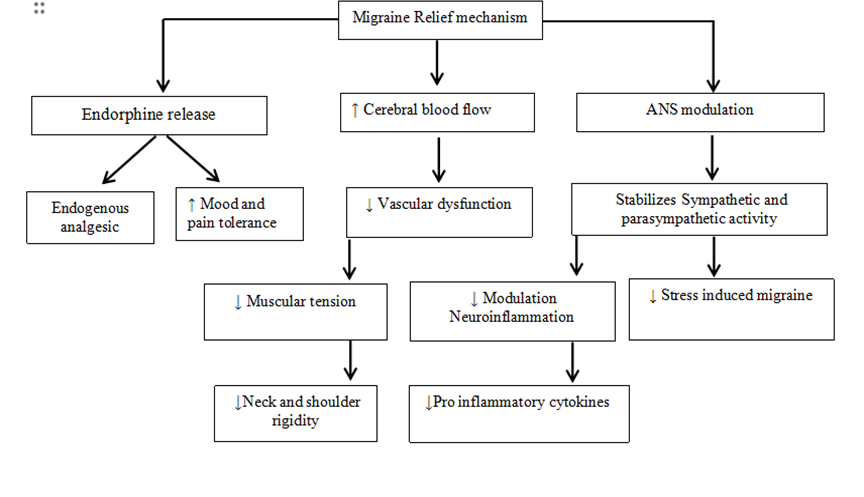
Figure 4. Physiological Mechanism of migraine relief.
Clinical Recommendations and Future Directions
Exercise has proven to be an effective adjunctive therapy for individuals suffering from migraines, and it holds promise for improving the overall quality of life for those affected by chronic migraine attacks. However, to fully integrate exercise into clinical practice, it is essential to understand its mechanisms, effectiveness, and how best to apply it to different patient populations.[28]
Practical Recommendations for exercise into migraine management
The first step in prescribing exercise is identifying the type that will most effectively benefit the individual. Aerobic exercise, strength training, yoga, and stretching exercises each have distinct benefits. Tailoring the exercise program to the individual’s migraine profile, including the severity and type of migraines. Aerobic Exercise can prevent the onset of migraines.[31] Strength Training: Focus on exercises that target the neck, shoulders, and upper back to reduce muscle tension and alleviate the risk of tension-type headaches, which can trigger migraines.[32] Yoga and Stretching: Breathing exercises combined with gentle yoga poses have been shown to enhance parasympathetic nervous system activity and reduce the likelihood of migraines triggered by stress.[33]
A key aspect of exercise prescription is to start slowly and gradually increase the intensity and duration. Sudden or excessive physical activity can sometimes act as a migraine trigger, especially in those who are sedentary.[28] Begin with low-intensity exercises for 10-15 minutes a day, and gradually increase to 30-45 minutes over a few weeks. Consistency is key to achieving long-term benefits, as regular exercise can help maintain improvements in cerebral blood. It is essential to track the frequency, duration, and severity of migraine attacks when starting an exercise regimen. Keeping a migraine diary alongside an exercise log allows both patients and healthcare providers to evaluate the effectiveness of exercise and make necessary adjustments. If certain types of exercise are found to exacerbate migraine symptoms, modifications should be made.[34]
Exercise can help reduce many migraine triggers, such as stress, muscle tension, and poor circulation. However, it is important to also address other lifestyle factors that might trigger migraines, such as inadequate sleep, dehydration, or irregular meal times. A comprehensive approach should include improving sleep hygiene, maintaining hydration, and avoiding common dietary triggers like caffeine or processed foods. Migraine sufferers may have other comorbid conditions, such as anxiety, depression, or fibromyalgia, which can also benefit from regular exercise. It is crucial to create a customized plan that addresses these needs while promoting migraine relief. Additionally, exercise should be adapted to the person’s fitness level, preferences, and specific health conditions.[24]
KEY REFERENCES:
1. Pietrobon, D., & Moskowitz, M. A. (2013). Pathophysiology of migraine. Annual Review of Physiology, 75, 365–391. https://doi.org/10.1146/annurev-physiol-030212-183717. This widely cited reference is foundational for understanding migraine neurovascular mechanisms, including cortical spreading depression and neurotransmitter dynamics.
2. Varkey, E., Linde, M., & Henoch, I. (2013). "It's a balance between letting it influence life completely and not letting it influence life at all"--a qualitative study of migraine prevention from patients' perspective. Disability and rehabilitation, 35(10), 835–844. https://doi.org/10.3109/09638288.2012.709304 This study offers clinical insight into patient experiences with migraine and supports exercise as a key lifestyle intervention in its management.
3. Amin, F. M., Aristeidou, S., Baraldi, C., Czapinska-Ciepiela, E. K., Ariadni, D. D., Di Lenola, D., Fenech, C., Kampouris, K., Karagiorgis, G., Braschinsky, M., Linde, M., & European Headache Federation School of Advanced Studies (EHF-SAS). (2018). The association between migraine and physical exercise. The Journal of Headache and Pain, 19: 1-9. https://doi.org/10.1186/s10194-018-0902-y This article consolidates emerging evidence on exercise improving migraine outcomes, justifying its role in holistic migraine management.
REFERENCES:
1. Gupta, A., Kumar, S., Gupta, A., & Rishi, P. (2022). Effect of aerobic exercises and therapeutic pain neuroscience education on disability, pain, head posture and QOL in migraine patients. Comparative Exercise Physiology, 19(2), 1–8. https://doi.org/10.3920/cep220029
2. Kumar, S., Hussain, M. E., & Pawaria, S. (2024). Physiotherapeutic strategies in migraine prophylaxis: A review. Revista electrónica de Veterinaria, 25(1), 2604–2612. https://doi.org/10.69980/redvet.v25i1.1304
3. GBD 2016 Headache Collaborators. (2018). Global, regional, and national burden of migraine and tension-type headache, 1990–2016: A systematic analysis for the Global Burden of Disease Study 2016. The Lancet Neurology, 17(11), 954–976. https://doi.org/10.1016/s1474-4422(18)30322-3
4. Pietrobon, D., & Moskowitz, M. A. (2013). Pathophysiology of migraine. Annual Review of Physiology, 75, 365–391. https://doi.org/10.1146/annurev-physiol-030212-183717.
5. Schwedt, T. J., & Dodick, D. W. (2009). Advanced neuroimaging of migraine. The Lancet Neurology, 8(6), 560–568. https://doi.org/10.1016/S1474-4422(09)70107-3
6. Malick, A., & Burstein, R. (2000). Peripheral and central sensitization during migraine. Functional neurology, 15 Suppl 3, 28–35.
7. Amin, F. M., Aristeidou, S., Baraldi, C., Czapinska-Ciepiela, E. K., Ariadni, D. D., Di Lenola, D., Fenech, C., Kampouris, K., Karagiorgis, G., Braschinsky, M., Linde, M., & European Headache Federation School of Advanced Studies (EHF-SAS). (2018). The association between migraine and physical exercise. The Journal of Headache and Pain, 19: 1-9. https://doi.org/10.1186/s10194-018-0902-y
8. Olesen, J. (2018). International classification of headache disorders. The Lancet Neurology, 17(5), 396–397. https://doi.org/10.1016/S1474-4422(18)30104-7
9. Goadsby, P. J., Holland, P. R., Martins-Oliveira, M., Hoffmann, J., Schankin, C., & Akerman, S. (2017). Pathophysiology of migraine: A disorder of sensory processing. Physiological Reviews, 97(2), 553–622. https://doi.org/10.12/physrev.00034.2015
10. Gasparini, C. F., Sutherland, H. G., & Griffiths, L. R. (2013). Studies on the pathophysiology and genetic basis of migraine. Current genomics, 14(5), 300–315. https://doi.org/10.2174/13892029113149990007
11. Sutherland, H. G., & Griffiths, L. R. (2017). Genetics of Migraine: Insights into the Molecular Basis of Migraine Disorders. Headache, 57(4), 537–569. https://doi.org/10.1111/head.13053
12. Khan, J., Al Asoom, L. I., Al Sunni, A., Rafique, N., Latif, R., Al Saif, S., Almandil, N. B., Almohazey, D., AbdulAzeez, S., & Borgio, J. F. (2021). Genetics, pathophysiology, diagnosis, treatment, management, and prevention of migraine. Biomedicine & Pharmacotherapy, 139, 111558. https://doi.org/10.1016/j.biopha.2021.111557
13. Grangeon L, Lange KS, Waliszewska-Prosół M, Onan, D., Marschollek, K., Wiels, W., Mikulenka, P., Farham, F., Gollion, C., & Ducros, A. Genetics of migraine: where are we now?. J Headache Pain. 2023;24(1):12. Published 2023 Feb 20. https://doi.org/10.1186/s10194-023-01547-8
14. Wattiez, A. S., Sowers, L. P., & Russo, A. F. (2020). Calcitonin gene-related peptide (CGRP): Role in migraine pathophysiology and therapeutic targeting. Expert Opinion on Therapeutic Targets, 24(2), 91–100. https://doi.org/10.1080/14728222.2020.1724285
15. Eikermann-Haerter, K., & Ayata, C. (2010). Cortical spreading depression and migraine. Current Neurology and Neuroscience Reports, 10(3), 167–173. https://doi.org/10.1007/s11910-010-0099-1
16. Takizawa, T., Ayata, C., & Chen, S. P. (2020). Therapeutic implications of cortical spreading depression models in migraine. Progress in Brain Research, 255, 29–67. https://doi.org/10.1016/bs.pbr.2020.05.009
17. Lauritzen, M., Dreier, J. P., Fabricius, M., Hartings, J. A., Graf, R., & Strong, A. J. (2011). Clinical relevance of cortical spreading depression in neurological disorders: migraine, malignant stroke, subarachnoid and intracranial hemorrhage, and traumatic brain injury. Journal of cerebral blood flow and metabolism : official journal of the International Society of Cerebral Blood Flow and Metabolism, 31(1), 17–35. https://doi.org/10.1038/jcbfm.2010.191
18. Suzuki, K., Suzuki, S., Shiina, T., Kobayashi, S., & Hirata, K. (2022). Central sensitization in migraine: A narrative review. Journal of Pain Research, 15, 2673–2682. https://doi.org/10.2147/JPR.S329280
19. Gosalia, H., Karsan, N., & Goadsby, P. J. (2023). Genetic mechanisms of migraine: Insights from monogenic migraine mutations. International Journal of Molecular Sciences, 24(16), 12697. https://doi.org/10.3390/ijms241612697
20. Varkey, E., Linde, M., & Henoch, I. (2013). "It's a balance between letting it influence life completely and not letting it influence life at all"--a qualitative study of migraine prevention from patients' perspective. Disability and rehabilitation, 35(10), 835–844. https://doi.org/10.3109/09638288.2012.709304
21. Martín-Vera, D., Sánchez-Sierra, A., González-de-la-Flor, Á., García-Pérez-de-Sevilla, G., Domínguez-Balmaseda, D., & Del-Blanco-Muñiz, J. Á. (2023). Efficacy of a strength-based exercise program in patients with chronic tension type headache: A randomized controlled trial. Frontiers in Neurology, 14, 1256303. https://doi.org/10.3389/fneur.2023.1256303
22. Zou, L., Sasaki, J. E., Wei, G. X., Huang, T., Yeung, A. S., Neto, O. B., Chen, K. W., & Hui, S. S. (2018). Effects of mind-body exercises (Tai Chi/Yoga) on heart rate variability parameters and perceived stress: A systematic review with meta-analysis of randomized controlled trials. Journal of Clinical Medicine, 7(11), 404. https://doi.org/10.3390/jcm7110404
23. Barber, M., & Pace, A. (2020). Exercise and migraine prevention: A review of the literature. Current Pain and Headache Reports, 24(8), 39. https://doi.org/10.1007/s11916-020-00868-6
24. Haghdoost, F., & Togha, M. (2022). Migraine management: Non-pharmacological points for patients and health care professionals. Open Medicine, 17(1), 1869–1882. https://doi.org/10.1515/med-2022-0598
25. Aslani, P. S., Hassanpour, M., Razi, O., Knechtle, B., & Parnow, A. (2022). Resistance training reduces pain indices and improves quality of life and body strength in women with migraine disorders. Sport Sciences for Health, 1-11. https://doi.org/10.21203/rs.3.rs-573627/v1
26. Wu, Q., Liu, P., Liao, C., & Tan, L. (2022). Effectiveness of yoga therapy for migraine: A meta-analysis of randomized controlled studies. Journal of Clinical Neuroscience, 99, 147-151. https://doi.org/10.1016/j.jocn.2022.01.018
27. Siverling, S., & Schultz, P. (2023). A Multimodal Conservative Approach to Treating Migraine: A Physical Therapist’s Perspective. Current Pain and Headache Reports, 27(9), 329-337. https://doi.org/10.1007/s11916-023-01140-3
28. Akerman, S., Romero-Reyes, M., & Holland, P. R. (2017). Current and novel insights into the neurophysiology of migraine and its implications for therapeutics. Pharmacology & therapeutics, 172, 151-170. https://doi.org/10.1016/j.pharmthera.2016.12.005
29. Irby, M. B., Bond, D. S., Lipton, R. B., Nicklas, B., Houle, T. T., & Penzien, D. B. (2016). Aerobic exercise for reducing migraine burden: Mechanisms, markers, and models of change processes. Headache, 56(2), 357–369. https://doi.org/10.1111/head.12738
30. La Touche, R., Fierro-Marrero, J., Sánchez-Ruíz, I., Rodríguez de Rivera-Romero, B., Cabrera-López, C. D., Lerma-Lara, S., Requejo-Salinas, N., de Asís-Fernández, F., Elizagaray-García, I., Fernández-Carnero, J., Matesanz-García, L., Pardo-Montero, J., Paris-Alemany, A., & Reina-Varona, Á. (2023). Prescription of therapeutic exercise in migraine: An evidence-based clinical practice guideline. The Journal of Headache and Pain, 24(1), 68. https://doi.org/10.1186/s10194-023-01571-8
31. La Touche, R., de Oliveira, A. B., Paris-Alemany, A., & Reina-Varona, Á. (2024). Incorporating therapeutic education and exercise in migraine management: A biobehavioral approach. Journal of Clinical Medicine, 13(20), 6273. https://doi.org/10.3390/jcm13206273
32. Madsen, B. K., Søgaard, K., Andersen, L. L., Tornøe, B., & Jensen, R. H. (2018). Efficacy of strength training on tension-type headache: A randomised controlled study. Cephalalgia, 38(6), 1071–1080. https://doi.org/10.1177/0333102417722521
33. Kisan, R., Sujan, M., Adoor, M., Rao, R., Nalini, A., Kutty, B. M., Murthy, B. C., Raju, T., & Sathyaprabha, T. (2014). Effect of yoga on migraine: A comprehensive study using clinical profile and cardiac autonomic functions. International Journal of Yoga, 7(2), 126–132. https://doi.org/10.4103/0973-6131.133891
34. Quigley, A., MacKay-Lyons, M., & Eskes, G. (2020). Effects of exercise on cognitive performance in older adults: A narrative review of the evidence, possible biological mechanisms, and recommendations for exercise prescription. Journal of Aging Research, 2020, 1407896. https://doi.org/10.1155/2020/1407896