Effect of Absorbable and Nonabsorbable Monofilament Sutures on Tracheal Wound Healing
- Kamal Musthofa , Departement of surgery, Faculty of Medicine, Airlangga University/ dr. Soetomo Hospital, Surabaya, Indonesia
- Marjono Dwi Wibowo , Division of Head and Neck Surgery, Departement of surgery, Faculty of Medicine, Airlangga University/ dr. Soetomo Hospital, Surabaya, Indonesia
- Iwan Sidharta , Division of Head and Neck Surgery, Departement of surgery, Faculty of Medicine, Airlangga University/ dr. Soetomo Hospital, Surabaya, Indonesia
Article Information:
Abstract:
Background: Tracheal rupture is a rare but potentially fatal condition requiring prompt surgical management, with primary repair as the standard treatment. The success of tracheal healing is influenced by suture material characteristics, which affect inflammatory response, fibroblast activity, and collagen deposition. Polyglecaprone, an absorbable monofilament suture, is associated with minimal tissue reaction compared to nylon, a non-absorbable monofilament. However, comparative evidence in tracheal healing remains limited. Objective: To compare collagen density and fibroblast count in primary tracheal healing using polyglecaprone versus nylon sutures in male New Zealand rabbits. Methods: This randomized controlled experimental study involved 30 male New Zealand rabbits (6–9 weeks old; 1900–2500 g), divided into three groups: polyglecaprone, nylon, and silk (control). Following standardized tracheal incision and simple-interrupted suturing, animals were observed for 7 days corresponding to the proliferative phase of wound healing. Tracheal specimens were harvested on day 7 for histopathological analysis. Collagen density was evaluated using Masson Trichrome staining, and fibroblast count was assessed through morphometric analysis. Statistical comparisons were performed among groups. Results: Significant differences were observed among groups. The polyglecaprone group demonstrated significantly higher collagen density and fibroblast counts compared with the nylon group. The silk control group showed the highest inflammatory response and the lowest collagen deposition. Polyglecaprone was associated with more organized collagen arrangement and optimal fibroblast activity. Conclusion: Polyglecaprone sutures result in superior histological healing outcomes compared to nylon in primary tracheal repair, indicating better biocompatibility and healing potential.
Keywords:
Article :
INTRODUCTION:
Tracheal rupture is a medical condition characterized by disruption of the continuity of the tracheal wall, which may result from blunt or penetrating trauma, as well as iatrogenic causes such as orotracheal intubation or tracheostomy. Although considered rare, its incidence remains clinically significant. Traumatic tracheal rupture has been reported in approximately 0.5% to 6% of thoracic trauma cases, depending on the mechanism of injury, while iatrogenic tracheal rupture related to endotracheal intubation occurs in 0.05% to 0.37% of cases (Kiser et al., 2001; Cardillo et al., 2010). Delayed diagnosis and management may lead to serious complications, including subcutaneous emphysema, mediastinitis, fistula formation, and death, with mortality rates exceeding 20% in severe trauma cases (Greene et al., 2005).
Management of tracheal rupture depends on the extent of injury and the patient’s clinical condition; however, primary repair or end-to-end anastomosis remains the treatment of choice for significant tracheal defects. This procedure involves resection of the damaged tracheal segment followed by anastomosis of healthy tracheal ends using appropriate surgical techniques and suture materials. The primary goals are to restore anatomical continuity, preserve airway function, and minimize long-term complications such as tracheal stenosis or tracheoesophageal fistula (Huh et al., 2005; Hofmann et al., 2002). The success of primary tracheal repair is highly dependent on surgical technique and, critically, on the selection of suture material that is compatible with the delicate tracheal tissue.
New Zealand rabbits are widely used as experimental models in tracheal surgery research due to their anatomical and histological similarity to the human trachea. The tracheal cartilage rings in rabbits are arranged in a circular pattern, and the respiratory mucosa exhibits epithelial and connective tissue compositions comparable to those of humans. Consequently, wound healing responses observed in this model are considered biologically representative (Alatas et al., 2020). Additionally, the relatively large tracheal diameter of New Zealand rabbits facilitates surgical manipulation and histological sampling, making them an ideal model for evaluating the effects of different surgical techniques and suture materials on tracheal healing.
The choice of suture material in primary tracheal repair is a critical factor influencing wound healing outcomes. Suture characteristics affect the mechanical strength of the anastomosis, tissue inflammatory response, and the risk of postoperative complications. Experimental studies have demonstrated that absorbable monofilament sutures induce a lower inflammatory response and less fibrosis compared with non-absorbable or multifilament sutures (Ali et al., 2021). Wound healing during the proliferative phase is largely dependent on fibroblast activity, as fibroblasts are the primary cells responsible for collagen synthesis and extracellular matrix deposition. Active fibroblast proliferation enhances collagen density and organization, which are essential for tissue strength and stability (Darby & Hewitson, 2007). Biocompatible suture materials are known to support fibroblast proliferation without eliciting excessive tissue reactions, thereby improving the quality of primary tracheal healing both histologically and functionally.
METHOD:
This experimental randomized controlled trial was conducted using male New Zealand white rabbits. Thirty rabbits aged 6–9 weeks and weighing 1,900–2,500 g were acclimatized for 7 days and randomly allocated by permuted block randomization into three groups (n = 10 per group): a control group repaired with silk sutures and two treatment groups repaired with polyglecaprone or nylon sutures. Under general anesthesia with intramuscular ketamine (20–40 mg/kg), a full-thickness tracheal defect was created at the 6th–9th tracheal rings, followed by primary repair using simple interrupted sutures according to group allocation. Postoperative care included intramuscular penicillin (50,000 IU/kg/day) for 5 days and ketorolac for analgesia. On postoperative day 7, corresponding to the proliferative phase of wound healing, animals were euthanized and tracheal specimens were harvested, fixed in 10% neutral buffered formalin, and processed for histopathological analysis. Fibroblast counts were assessed using hematoxylin–eosin staining at 400× magnification, while collagen density was evaluated using Masson’s trichrome staining and scored on an ordinal scale. Histopathological evaluation was performed in a blinded manner. Fibroblast counts were analyzed using independent t-tests, and collagen density scores were compared using the Mann–Whitney U test, with statistical significance set at p < 0.05. All procedures were approved by the Animal Care and Use Committee of the Faculty of Veterinary Medicine, Universitas Airlangga.
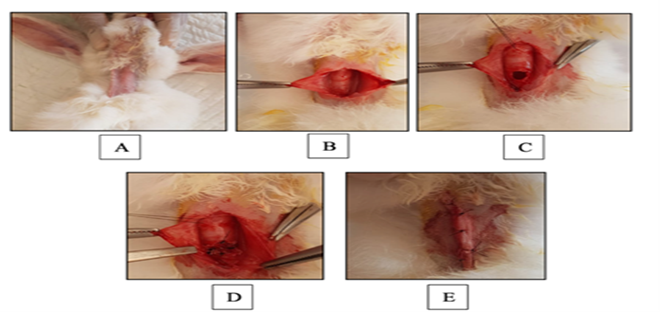
Figure 4.2. Stages of the rabbit experimental procedure:
(A) The cervical fur of the rabbit was shaved thoroughly; (B) Tissue dissection was performed until the trachea was exposed; (C) A full-thickness tracheal defect measuring 0.6 × 0.6 cm² was created; (D) In the control group, the tracheal defect was closed using silk sutures; (E) The skin was closed with simple interrupted sutures using 4-0 nylon.
RESULTS:
A total of 30 male New Zealand white rabbits were included in the analysis. The mean age of rabbits in the control group was 7.73 ± 1.08 months (median 8.20 months), while the treatment group had a mean age of 7.74 ± 1.06 months (median 8.20 months). Statistical analysis showed no significant difference in age between the groups (p = 0.93). The mean preoperative body weight was 2,220 ± 262.70 g in the control group and 2,266 ± 244.50 g in the treatment group, with no statistically significant difference (p = 0.79). Similarly, postoperative body weight did not differ significantly between the control (2,179 ± 262.80 g) and treatment groups (2,221 ± 276.20 g; p = 0.93), indicating that baseline characteristics were comparable between groups.
Histopathological evaluation of collagen density demonstrated variable distributions across suture types. In the silk (control) group, collagen density was predominantly moderate, with no samples showing dense collagen. In the polyglecaprone group, collagen density ranged from low to dense, with most samples demonstrating low to moderate density. The nylon group exhibited a broader distribution, including a higher proportion of samples with dense collagen formation. Comparative analysis using the Mann–Whitney U test showed that collagen density in both the polyglecaprone and nylon groups differed significantly from the silk group (p = 0.000 for both comparisons). However, when all three groups were compared simultaneously using the Kruskal–Wallis test, no statistically significant difference in collagen density scores was observed among the groups (p = 0.345), indicating comparable overall collagen maturation at postoperative day 7.
Table 1. Comparison of Collagen Density Among the Groups
|
Group |
Collagen density |
p-value |
||
|
Low |
Moderate |
High |
||
|
Silk |
1 |
9 |
0 |
|
|
Polyglecaproneabsorbable |
4 |
5 |
1 |
0.000 |
|
Nylon |
2 |
5 |
3 |
0.000 |
|
*Uji Mann-Whitney |
||||
Quantitative analysis of fibroblast counts revealed notable differences among the three suture materials. The mean fibroblast count in the silk group was 27.50 ± 7.91 cells per high-power field, compared with 20.00 ± 9.43 in the nylon group and 40.50 ± 10.66 in the polyglecaprone group. Independent t-test analysis demonstrated statistically significant differences in fibroblast counts between the silk group and both the nylon and polyglecaprone groups (p = 0.000 for each comparison).
Table 2. Comparison of Fibroblast Counts Among the Three Groups
|
Group |
Fibroblast (Mean ± SD) |
p-value |
|
|
Silk |
27.50 ± 7.91 |
|
|
|
Polyglecaproneabsorbable |
40.50 ± 10.66 |
0.000 |
|
|
Nylon |
20.00 ± 9.43 |
0.000 |
|
|
*Uji T-test |
|
||
Further analysis using one-way ANOVA confirmed a significant overall difference in fibroblast counts among the three groups (p < 0.05). Post-hoc Tukey HSD testing showed that the monofilament non-absorbable (nylon) group had significantly higher fibroblast counts compared with the monofilament absorbable (polyglecaprone) group (p = 0.012). Additionally, the nylon group differed significantly from the silk control group (p < 0.001), with the silk group demonstrating lower fibroblast counts. No statistically significant difference was found between the polyglecaprone and silk groups (p > 0.05).
Table 3. Comparison of Collagen Density Scores Among Groups (Kruskal–Wallis Test)
|
Kelompok Perlakuan |
N |
Rata-rata Skor (Mean Rank) |
Median (Min-Max) |
|
Monofilamen Absorbable |
10 |
1,90 |
2 (1 - 3) |
|
Monofilamen Non-Absorbable |
10 |
1,70 |
2 (1 - 3) |
|
Silk (Kontrol) |
10 |
2,10 |
2 (1 - 3) |
|
|
|
P Value |
0,345 |
Overall, the results indicate that while collagen density at day 7 did not differ significantly among suture materials when analyzed simultaneously, fibroblast response varied significantly depending on suture type. Monofilament non-absorbable sutures elicited the highest fibroblast response, whereas monofilament absorbable and silk sutures produced comparable fibroblast counts. These findings suggest that suture material influences early cellular responses during tracheal wound healing.
Table 4. Post-hoc Analysis (Tukey HSD) Comparing Fibroblast Proportions Among Suture Material Groups
|
Group Comparison |
Mean Difference (diff) |
Lower Bound 95% CI |
Upper Bound 95% CI |
p-value (adj) |
Description/ Significance |
|
Non-Absorbable Monofilament vs. Absorbable Monofilament |
13.00 |
2.58 |
23.42 |
0.012 |
Significant* |
|
Silk (Control) vs. Absorbable Monofilament |
-7.50 |
-17.92 |
2.92 |
0.194 |
Not significant |
|
Silk (Control) vs. Non-Absorbable Monofilament |
-20.50 |
-30.92 |
-10.08 |
< 0.001 |
Significant** |
DISCUSSION:
This experimental study demonstrated that suture material influences early cellular responses during tracheal wound healing, particularly fibroblast proliferation, while overall collagen density at postoperative day 7 remained comparable among groups. The absence of significant differences in age and body weight between groups supports the internal validity of the study, ensuring that observed histological differences were attributable to suture material rather than baseline animal characteristics.
Collagen deposition is a critical component of the proliferative phase of wound healing, during which fibroblasts synthesize extracellular matrix to restore tissue integrity and mechanical strength. Although individual samples exhibited variability in collagen density, global analysis using the Kruskal–Wallis test revealed no significant differences among silk, monofilament absorbable, and monofilament non-absorbable sutures. This finding suggests that, at the evaluated time point, collagen remodeling had not progressed sufficiently to generate marked differences across suture materials. Similar observations have been reported in previous animal studies, where differences in collagen organization became more apparent at later stages of healing rather than during early proliferation.
In contrast, fibroblast counts differed significantly among suture materials, indicating that cellular response may precede measurable differences in collagen density. The highest fibroblast counts were observed in the polyglecaprone absorbable group, followed by the nylon group, while the silk group demonstrated the lowest response. Fibroblasts play a central role in wound repair by migrating to the injury site, proliferating, and producing collagen and other extracellular matrix components. An increased fibroblast population is generally associated with accelerated progression through the proliferative phase of healing.
The enhanced fibroblast response observed with polyglecaprone may be related to its absorbable and monofilament properties, which promote lower tissue reactivity while providing a degradable scaffold that maintains prolonged biological interaction with surrounding tissue. Degradation of absorbable sutures through hydrolysis can stimulate localized cellular activity and support sustained fibroblast recruitment. Conversely, nylon, despite being monofilament and less reactive than braided sutures, does not degrade and may induce a more limited proliferative response. Silk, a braided non-absorbable suture, is known to provoke greater inflammatory reactions and bacterial adherence, which may negatively influence fibroblast proliferation and subsequent tissue repair.
Although nylon demonstrated a significant difference compared with both polyglecaprone and silk, the lack of a significant difference between polyglecaprone and silk suggests that factors beyond absorbability alone—such as surface characteristics, mechanical memory, and knot security—also modulate tissue response. These findings align with previous studies reporting that no single suture material fulfills all ideal criteria, and selection must balance tensile strength, tissue reactivity, and healing requirements.
The study has several limitations. First, the sample size was relatively small and conducted at a single center, limiting generalizability. Second, the experimental design involved an animal model, and results cannot be directly extrapolated to human tracheal surgery. Third, evaluation was limited to a single postoperative time point, which may not fully capture long-term collagen remodeling and scar maturation. Future studies with larger sample sizes, multiple evaluation intervals, and translational clinical models are warranted to further elucidate the relationship between suture material, fibroblast dynamics, and collagen remodeling in tracheal wound healing.
CONCLUSION:
This experimental study demonstrates that suture material significantly influences early tracheal wound healing. Monofilament absorbable polyglecaprone elicited a more favorable tissue response, characterized by higher fibroblast counts and improved collagen deposition at postoperative day 7, compared with non-absorbable nylon and silk sutures. These findings suggest superior biocompatibility of polyglecaprone in tracheal tissue and support its use as a safer and more effective option for primary tracheal repair. Further studies with longer follow-up periods, serial histological assessments, and clinical trials in humans are warranted to confirm these results and enhance their clinical applicability.
BIBLIOGRAPHY:
1. Alatas FS, Widodo WD, Soekoco SH, et al. Comparison of tracheal anatomy in rabbits and humans. J Vet Sci Med. 2020;18(1):25–32.
2. Ali MA, Noor AM, Ghani SA. Inflammatory response in tracheal anastomosis. J Adv Med Med Res. 2021;33(11):1668–1672.
3. Almadani YH et al. Wound Healing Review. Semin Plast Surg. 2021;35:141–144.
4. Biondo-Simoes MLP et al. Characteristics of fibroplasia and collagen expression in abdominal wall after mesh implant. Acta Cir Bras. 2016;31(5):294–299.
5. Byrne M, Aly A. The Surgical Suture. Aesthet Surg J. 2019;39:S67–S72.
6. Cardillo G, Carbone L, Carleo F, et al. Tracheal lacerations after endotracheal intubation. Ann Thorac Surg. 2010;89(2):514–519.
7. Chellamani KP, Veerasubramanian D, Balaji RSV. Surgical Sutures: An overview. J Acad Indus Res. 2013;1:778–782.
8. D’Cunha P et al. Absorbable sutures: chronicles and applications. Int Surg J. 2022;9:1383.
9. Darby IA, Hewitson TD. Fibroblast differentiation in wound healing and fibrosis. Int Rev Cytol. 2007;257:143–179.
10. Delaere P, Raemdonck DV. Tracheal replacement. J Thorac Dis. 2016;8:S186–S196.
11. Den Hondt M et al. Rabbit model for tracheal transplantation. Plast Aesthetic Res. 2016;3:223.
12. Dennis C et al. Suture materials—current and emerging trends. J Biomed Mater Res A. 2016;104:1544–1559.
13. Drevet G, Conti M, Deslauriers J. Surgical anatomy of tracheobronchial tree. J Thorac Dis. 2016;8:S121–S129.
14. Ellis S, Lin EJ, Tartar D. Immunology of wound healing. Curr Dermatol Rep. 2018;7:350–358.
15. Etienne H et al. Tracheal replacement. Eur Respir J. 2018;51:1702211.
16. Furlow PW, Mathisen DJ. Surgical anatomy of the trachea. Ann Cardiothorac Surg. 2018;7:255–260.
17. Gempita G, Djustiana N. Benang jahit operasi kedokteran gigi. JMKG. 2021;10:79–84.
18. Greene CL, McClain CD, Low DE. Management of iatrogenic tracheobronchial injuries. J Thorac Cardiovasc Surg. 2005;129(4):746–750.
19. Hofmann HS, Rettig G, Radke J, Neef H. Iatrogenic ruptures of the tracheobronchial tree. Eur J Cardiothorac Surg. 2002;21(4):649–652.
20. Huh J, Milliken JC, Chen JC, et al. Surgical management of tracheal injuries. Thorac Surg Clin. 2005;15(1):85–92.
21. Jena S, Chawla S. Anatomy & Physiology of Laboratory Rabbit. 2021.
22. Kiser AC, O'Brien SM, Detterbeck FC. Blunt tracheobronchial injuries: treatment and outcomes. Ann Thorac Surg. 2001;71(6):2059–65.
23. Kiya K, Kubo T. Neurovascular interactions in wound healing. Neurochem Int. 2019;125:144–150.
24. Kudur M, Pai S, Sripathi H, Prabhu S. Sutures and suturing techniques in skin closure. Indian J Dermatol Venereol Leprol. 2009;75:425.
25. Lu J et al. bFGF in tendon repair. Front Physiol. 2022;13:852795.
26. Najafbeygi A et al. Effect of bFGF on tendon healing in rabbit. WJPS. 2017;6(1):26–32.
27. Ninan, U. & Grover, A., 2022. Collagen as a biomaterial for skin and corneal wound healing. Journal of Biomedical Materials Research – Part A, 13(4), pp.249–260.
28. Setiawati, A. et al., 2024. Wound healing improvement by polymer surgical suture coated with tannic acid. Trends in Sciences, DOI:10.48048/tis.2024.7166.
29. Singh S, Young A, McNaught CE. The physiology of wound healing. Surg Oxf. 2017;35:473–477.
30. Sudira, I.W., Dada, I.K.A. & Gustara, I.W.M.A., 2019. Perbandingan tingkat kesembuhan luka pada kulit kelinci yang dijahit benang bedah absorbable (catgut) dan nonabsorbable (silk). Jurnal Veteriner, 20(3), pp.378–383.
31. Udelsman B, Mathisen DJ, Ott HC. Tracheal substitutes: a reassessment. Ann Cardiothorac Surg. 2018;7:175–182.
32. Wilkinson HN, Hardman MJ. Wound healing cellular mechanisms. Open Biol. 2020;10:200-223.
33. Zhang H, Han X, Zhang L. Tracheobronchial histology, anatomy, physiology. In: Airway Stenting. 2019.,