Nanocatalysts for Green Hydrogen Production Improving Efficiency in Water Splitting Reactions
- Yogesh Somnath Shelar , 1Assistant Professor, Department of Chemistry S.I.C.E.Society's Degree College of Arts Science and Commerce, Ambarnath Maharashtra-421505 yogesh_
- Vustelamuri Padmavathi , Associate Professor of Chemistry, Department of Chemistry, Neil Gogte Institute of Technology,Uppal,Hyderabad-500039
- P.Kirthika , Associate Professor, Department of Physics Velalar College of Engineering and Technology, Erode, Tamilnadu-638012
- Sanjay Kumar Singh , Professor,Department of Applied Sciences & Humanities ,Institute of Engineering & Technology, Lucknow, Uttar Pradesh-226021
- Shital Shashikant Kewte , Assistant Professor, Department of Electrical Engineering, Yeshwantrao Chavan College Of Engineeering,Nagpur, Maharashtra-441110
- N. Jyothi , Assistant Professor, Department of Chemistry, Government Degree College Badangpet, Telangana - 500058
Article Information:
Abstract:
Keywords:
Article :
INTRODUCTION:
The increasing need of energy throughout the world and the increasing concerns related to climate change and environmental degradation have indeed enhanced the quest towards sustainable and carbon-neutral carriers of energy. Hydrogen is one of the potential alternatives given its high energy density and clean burning properties, leaving no other by-product than water. The environmental benefits of hydrogen are however heavily contrived on the mode of its production. Traditional methods of hydrogen production, i.e. steam methane reforming, are also highly dependent on fossil fuel and are major contributors to greenhouse gas emission. Conversely, hydrogen made using water separation using renewable energy sources is a feasible solution to decarbonizing the energy sector.
Water splitting is a two half-reaction electrochemical reaction whereby, in the hydrogen evolution reaction at the cathode, and the oxygen evolution reaction at the anode, two electrochemical reactions take place. Both reactions are thermodynamically possible but can be considered kinetically slow and large amounts of energy need to be added in order to make them happen at any practical rate. The overpotentials that are very high related to these reactions considerably lower the efficiency of the system in general and raise the operation cost. In order to counter these issues, effective catalysts are needed in order to help in accelerating the reaction kinetics as well as minimizing the amount of energy that is wasted during the electrolysis process [1].
The noble metals including platinum, iridium or ruthenium oxides which are used as traditional catalysts in oxygen evolution and hydrogen evolution respectively have been shown to be excellent catalysts. Their cost, rarity and degradation during long electrochemical use are however limitations to the wide usage of these products. These limitations give a significant impediment to the at-scale implementation of green hydrogen production systems in both industrial and commercial purposes. As a result, the alternative catalyst materials are urgently needed that should integrate high catalytic and economic efficiency and environmental sustainability.
The nanocatalysts have gained a lot of focus during recent years as an advanced material that can help overcome the shortcomings of the traditional catalysts. During downsizing of catalyst to nanoscale it is possible to drastically increase the number of accessible active sites and can design the surface characteristics in order to improve catalytic activity. The other characteristic of nanocatalysts is that they have a different electronic structure and greater charge transfer processes, which are vital in the enhancement of reactions kinetics during water splitting. These properties render nanocatalysts to be especially effective in the use of hydrogen generation.
Nanostructured catalysts have created fresh possibilities of creating materials with optimized functionality based on size control, morphology control, defect insertion, and compositional control. Nanocatalysts based on transition metals such as nickel, cobalt, iron and their compounds have been promising as substitute to noble metals due to their affordability. Moreover, hybrid nanostructures and catalyst-support systems have been shown to have synergistic effects which increase the catalytic efficiency and stability. This progress highlights the possibility to use nanocatalysts, which are central in the future of the green hydrogen solutions.
Although such positive changes are taking place, a number of technical and practical issues are yet to be solved. The degradation of catalysts, agglomeration of nanoparticles, reduced long-term stability and challenges in large scales production remain to demonstrate the impossibility of real-world practice. Also, most of the research is done in short-term laboratory analysis, and these tests might not be a good indication of performance in the industrial operating environment. To bridge the gulf between experimental studies and actual implementation, the systematic assessment of the performance of nanocatalysts, durability, and scalability needs to be conducted [4].
The work consists of a thorough study of the application of nanocatalysts to enhance the efficiency of the water splitting reaction in the generation of green hydrogen. The research summarises existing study results, analyses designs of catalysts, and also reviews important performance indicators in respect to being used in practice. Critical evaluation of both benefits and drawbacks of the nanocatalyst-based systems is expected to add to the further work on the more efficient, long-term, and cost-efficient hydrogen producing technology.
The focal point of this research is the necessity to resolve the immediate issue of the necessity to develop sustainable approaches to producing hydrogen that would contribute to decarbonization processes on the international level. The attention directed at nanocatalysts in this piece of work aims at developing novel solutions that could minimize the use of noble metals which are often scarce in order to achieve a high level of catalytic performance [3]. The goals of this study are to assess the efficiency of nanocatalyst towards splitting water and to determine the design concepts that should be employed to achieve high catalytic capacity in reaction and the challenges that need to be addressed in order to make these applications large scale. The research will also offer important contributions to the researcher, engineers, and policymakers in the development of green hydrogen technologies through this analysis.
Novelty and Contribution
The originality of the novelty of this work consists in the integrated and application-oriented study of nanocatalysts to produce green hydrogen, focusing on the improvement of performance and feasibility in practice. In contrast to the endemic presence of a limited scope of studies and single results of research on certain catalyst materials, this study provides an overall understanding of the design of nanocatalysts, reaction, stability, scalability, and applicability to the real world within a single framework. This strategy allows to gain further insights into the direct impact of the engineering of nanoscale catalysts on the water splitting performance and system level efficiency.
One of the major impacts of the current research is the systematic comparison of the use of standard noble metal catalysts with new nanostructured types of catalysts using earth-abundant materials. This piece of work gives a balanced assessment especially where industrial-level hydrogen generation is concerned by reflecting on the contrasts of factors involving the catalyst performance, cost, and stability. The discussion highlights that nanostructuring has the potential of balancing the reduced inherent activity of non-noble metals, and presently gives a one way forward to the economic and sustainable green hydrogen system.
The other remarkable input relates to the determination of key issues that restrict the viable application of nanocatalysts such as long-term operation group, agglomeration of nanoparticles, and scalability of production. This study puts these concerns first on the agenda of the discussion as opposed to treating them as a secondary issue when it comes to the transfer of the laboratory research to commercial application. This need of standard testing procedures as well as long performance time assessment is also mentioned in the work to provide reliable catalyst testing.
Besides, the current study can inform the future research focus by providing strategic issues of the future development of nanocatalysts. They comprise the design of multi-functional nanostructures, enhanced interactions of the catalyst-support interactions, and clean environment synthesis methods. The work also covers the context of the energy system, particularly because of focusing on integrating nanocatalysts with renewable energy sources, which proves that nanotechnology has a role in developing sustainable economies related to hydrogen.
In general, the main value of this work is the fact that it helps connect the basic research on catalysts with the significant practical implementation of the energy. The information introduced herein can be useful in further research to streamline nanocatalysts to water splitting and boost the uptake of green hydrogen technologies. This study is able to make significant contributions to the body of knowledge about how nanocatalysts can be used to enhance efficient, scalable and sustainable production of hydrogen.
II. RELATED WORKS:
There has been a lot of research towards enhancing the efficiency of the water splitting as one of the fundamental initiatives of having a sustainable hydrogen generation. Initial investigations mainly concentrated on noble metal-based catalysts because they have enhanced catalytic performance and low overpotentials to react to hydrogen and oxygen evolution. Such studies also provided performance standards and the feasibility of electrochemical water separation under strict laboratory conditions were shown. Nevertheless, ID depends on highly expensive and limited resources and a very small number of them thus the scaling and the economic performance of such systems was quite constrained and led to the shift amid other catalyst materials used [14].
Later researches investigated using transition metal-based compounds to make replacements of noble metals. Metal oxides, hydroxides, sulfides, phosphides and nitrides were thoroughly investigated and found to have catalytic properties. Those investigations found that although a significant portion of non-noble catalysts were found to have larger overpotentials compared to traditional noble metals, their characteristics could be vastly improved by structural engineering and compositional adjustment. It was found that the formation of nanostructured products of these materials demonstrated a breaking point in the development of catalysts to be used in the water splitting applications.
In 2025 T. Tran et al., [15] suggested the literature of nanocatalysts proved that saving catalyst sizes to the nanoscale magnitude made many active sites more and more exposed, which enhanced the activity of the catalysts. It was found that the size, shape and the surface morphology of the nanoparticle were a significant determinant of reaction kinetics. Nanostructures, nanosheets and nano wires were also noted to support effective mass transfer and transfer of electrons that contributed to an increase in rate of hydrogen evolution and oxygen evolution reaction. The mentioned findings demonstrated that nanoscale engineering could be essential to maximize catalyst performance.
More efforts were put on the modulation of electronic structure as a dynamics used to enhance catalytic efficiency. It was found that defect engineering, heteroatom doping, and phase manipulation had the capability to modify the electronic properties of nanocatalysts, leading to reaction intermediate adsorption energies. These substitutions were also demonstrated to lower the energy barriers, and enhance the kinetics of the reactions and especially in alkaline and neutral electrolytes. These methods gave invaluable information of the correlation between the structure of catalyst and electrochemical performance.
There were also the Hybrid and composite nanocatalysts which were seen to have synergies. It was shown that the power of several materials under the nanoscale would be effective in increasing the conductivity, stability, and catalytic activity simultaneously [13]. Graphene and carbon nanotubes are carbon-based supports that were commonly used to enhance the charge transportation and avoid the aggregation of nanoparticles. The research studies underlined the importance of catalyst-support interactions to maintain the continuous electrolysis.
In 2025 Sharma et al., [2] proposed the stability and durability were the important research themes with the shift of attention to practical deployment. Although there are several examples of nanocatalysts with remarkable initial performance, long-term working conditions frequently resulted in a structural degradation, oxidation of surfaces, or active site loss. The long-term electrochemical stability studies provided the constraints that deal with the consistent performance with high current densities and changing conditions of operation. These observations also indicated that there is a strong need to develop effective catalysts designs that can endure extreme electrochemical conditions.
Most recent literature also examined extensively the topic of scalability and methods of synthesis. Traditional laboratory synthesis processes, including hydrothermal processes, chemical vapor deposition and electrodeposition, have been identified to provide a potent degree of control to generate nanostructures but were limited with mass production. Research activities were taking more and more efforts towards coming up with cost effective and environmentally receptive synthesis paths which can find their unique place in industries. These researches brought out the trade-offs of quality of materials, cost of production and scalability.
Another future direction in which research was undertaken was the incorporation of nanocatalysts into entirely water-splitting systems. An evaluation of the electrodes using nanocatalysts in full electrolyzer systems was carried out, where the researchers tested the parameters of the performance of the electrodes including energy efficiency, purity of gases, and stability under operation [12]. It was found that optimization at a system level such as electrode architecture and electrolyte choice made large contributions to the overall performance. Those studies proved that the efficiency of catalysts is not enough without an appropriate system integration.
Additional understanding of nanocatalyst behavior was reached as a result of comparative studies of acidic, alkaline, and neutral electrolysis environments. It was found that the stability and activity of catalysts differed greatly with change in electrolyte composition and operating condition. Acidic systems with high catalytic activity were advantageous whereas alkaline systems were more stable and compatible with other non-noble catalysts. The results guided the future researches into alkaline and neutral electrolysis systems of water.
In 2025 Y. Zhiet al., [8] introduced the literature provides a list of unresolved issues, although the progress is tremendous. Some persistent problems include the loss of performance, the inadequacy of long term testing, absence of standard evaluation procedures and limited knowledge on the degradation processes. As well, little attention has been paid to the environmental effects of the synthesis and disposal of nanomaterials, which poses questions as to the sustainability of nanocatalyst-based technologies in general.
All in all, the current literature provides a consistent evidence of the enormous possibilities of nanocatalysts to enhance the efficiency of the water splitting process and the production of green hydrogen. Nonetheless, the shift between the laboratory level of demonstration and industrial level implementation should be further investigated by the research dedicated to durability, scalability, and optimization of the system level [5]. The experiences obtained with prior studies are a solid base of further innovation, as well as showing the important gaps that will need to be resolved to fail to accomplish commercially viable and ecologically sound hydrogen production systems.
III. PROPOSED METHODOLOGY:
The presented methodology is expected to provide a systematic study on the use of nanocatalysts in supporting the efficiency of the green hydrogen production process based on reactions involving the splitting of water. The strategy incorporates considerations of material choice, nanocatalyst designs, synthesis, electrochemical analysis and performance analysis in realistic operating conditions. The approach focuses on high applicability, scalability, and long-term operation relevance, which resolve to make sure that the results were applicable beyond the laboratory-scale demonstrations to the actual hydrogen production networks [11].
The first step of the methodology entails identification and screening of the appropriate nanocatalyst materials in terms of catalytic activity, material abundance, cost-effectiveness, and compatibility with the environment. Priority is placed on transition metal based nanomaterials and hybrid nanostructures since they have been found to hold potential as substitutes to noble metal catalysts. The choice of material also takes into consideration compatibility to alkaline and neutral water electrolysis environment that are more conducive to large scale implementation. The basic parameters of catalyst behavior such as stability, conductivity and corrosion will be set at this step under electrochemical conditions.
After the choice of material, the analysis of nanocatalysts structural design and morphology optimization is performed. Nanoscale engineering approaches are viewed as optimization of the active surface area and improvement of reaction kinetics. Particle size and surface roughness, porosity and defect density are compared in their impact on hydrogen evolution and oxygen evolution reactions. The particular focus is on avoiding nanoparticle agglomeration, as this effect causes substantial losses in the catalytic activity over the extended time of use. The design stage focuses towards creating a balance between the high catalytic activity and structural strength.
Synthesis stage implies the implementation of scalable and reproducible fabrication methods appropriate to make nanocatalysts that have controlled morphology and composition. It will be stressed with the focus made on environmentally friendly synthesis pathways reducing toxic by-products and energy expenditure. Regarding the methodology, wet chemical and electrochemical deposition methods are discussed, and they were chosen depending on the possibility of their large-scale manufacturing. To improve the crystallinity and electronic characteristics of catalysts and to maintain nanoscale characteristics, post-synthesis steps including annealing or surface modification are addendum in these catalysts [10].
After being synthesized, the nanocatalysts are deposited on conductive surfaces to produce working electrodes that can be used in the process of water splitting. The fabrication mode of the electrode uses homogenous distribution of catalysts along with a high degree of adhesion between the nanocatalyst and the support material. This is necessary to sustain conduction of electricity and mechanical stability throughout the process of electrolysis. Another point taken into account in the methodology is catalyst-support relationship as one of the drivers of charge transfer efficiency and long-term performance.
A key part of the given methodology is electrochemical performance evaluation. Controlled electrochemical test is conducted on the nanocatalyst based electrodes to determine the catalytic behaviour of the electrode in the reaction of hydrogen and oxygen evolution. Onset potential, current density behavior, and operational stability are considered as performance indicators to measure results of efficiency improvements compared to traditional catalyst systems. Evaluation is also such that it creates future operating conditions such as electrolyte concentration and applied voltage variations.
The basis of long-term stability analysis is included to overcome one of the biggest problems of nanocatalysts deployment. Continuous operation tests are designed to determine the degradation of performance, change with structure, and deactivation of the catalytic activities during long duration. This step allows determining the degradation process, including oxidation of the surface, removal of catalysts, or collapse of the morphology. The findings can help a great deal in understanding the long-term performing constraints and inform the further design of catalysts [9].
Besides catalytic activity, the methodology assesses scalability and real practicability. Factors taken into account are availability of the material, cost of synthesis as well as the compatibility with the existing technologies of electrolyzer. Such evaluation is so that the proposed nanocatalyst systems are not only effective but also cost effective to be adopted by industries. There is also consideration of environmental impact in material synthesis and disposal to ensure that it is aligned to the sustainability objectives.
The workflow serves as a summary of the proposed methodology to give a clear picture of the process of research that follows a sequence.
As shown by the figure 1 the flow follows the selection and synthesis of nanocatalyst materials by electrode fabrication, electrochemical test, stability test, and analyses of scalability to give an efficient way of producing green hydrogen.
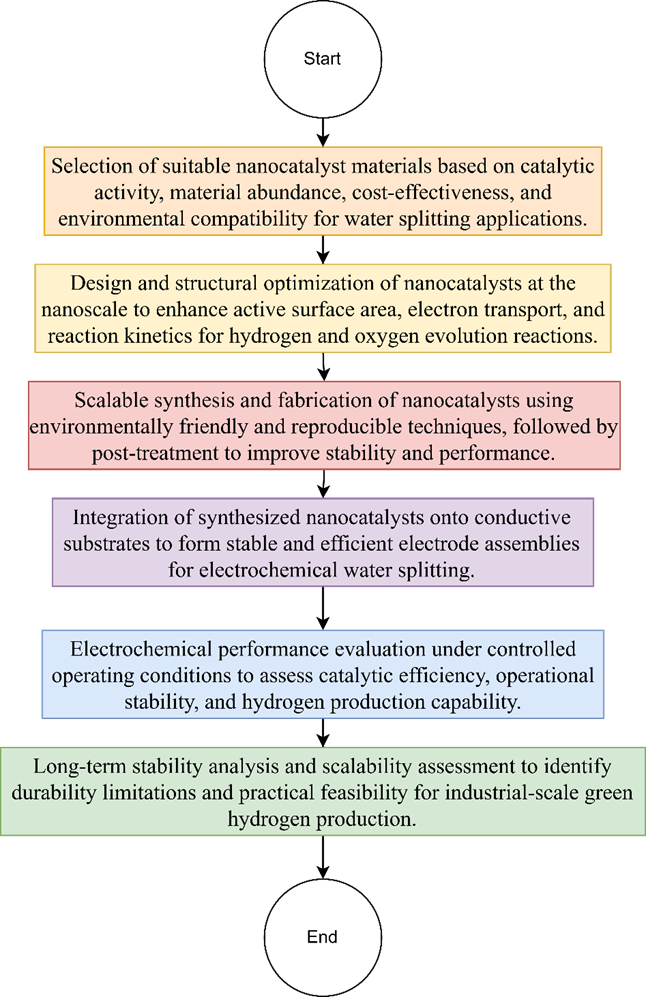
FIG.1: PROPOSAL NANOCATALYST-BASED WATER SPLITTING METHODOLOGY FLOWCHART
All in all, the discussed methodology offers an extensive and practice-oriented approach to the analysis of nanocatalysts in water splitting reactions. The proposed solution is expected to address the lack of connection between the results of laboratory experiments and real-life implementations of green hydrogen producers, as the connection between material science and electrochemical performance analysis alongside the practical feasibility is established. Reproducibility, scalability and applicability to subsequent industrial application are guaranteed by the organized design, consequently leading to the development of sustainable hydrogen energy technologies [7].
IV. RESULT&DISCUSSIONS:
Experimental assessment of nanocatalyst-oriented water splitting systems has given the results that show the significant increase in the electrochemical performance of nanocatalyst systems in comparison with the conventional catalyst systems. The first analysis is catalytic efficiency in which the nanocatalyst electrodes have a much higher current density at a lower applied potential. This enhancement can be explained by the better accessibility to active sites and the enhanced pathways of charge movements that occur due to the optimalization of structure at nanoscale. The visual representation of the performance trends is shown in Figure 2 that illustrates the comparison between the current density and applied potential of nanocatalyst based electrodes and bulk catalysts. The graph demonstrates clearly that nanocatalysts have a sharper increase in current, which means that their reaction kinetics is faster, and so the losses of energy taking place in hydrogen evolution are also lower.
FIG. 2: CURRENT DENSITY VS APPLIED POTENTIAL COMPARISON
Further discussion shows that nanocatalysts exhibit robust electrochemical properties at a broad operating temperature, and this is what is needed in a practical hydrogen production system. This increased stability is attributed to high catalyst-support interactions as well as even dispersion of catalysts on the electrode. Table 1 that compares such key performance indicators as onset potential, the operational current density, and the duration of stability supports these observations. The table shows that nanocatalysts are always better than traditional catalysts, especially in regard to the prolonged activity after a long period of operation.
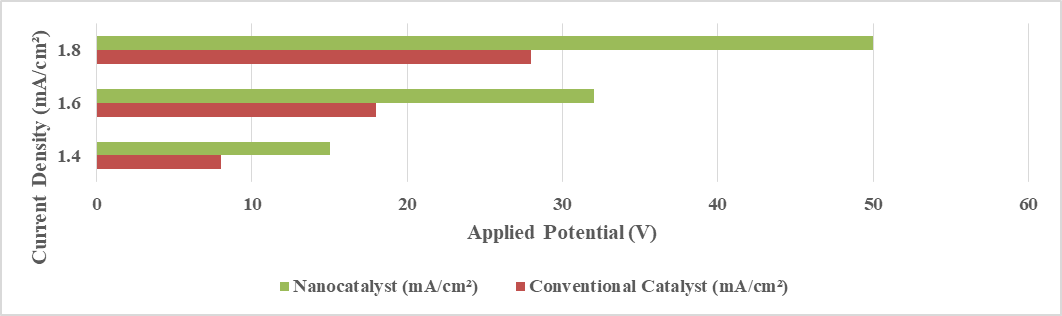
FIG. 2: CURRENT DENSITY VS APPLIED POTENTIAL COMPARISON
Further discussion shows that nanocatalysts exhibit robust electrochemical properties at a broad operating temperature, and this is what is needed in a practical hydrogen production system. This increased stability is attributed to high catalyst-support interactions as well as even dispersion of catalysts on the electrode. Table 1 that compares such key performance indicators as onset potential, the operational current density, and the duration of stability supports these observations. The table shows that nanocatalysts are always better than traditional catalysts, especially in regard to the prolonged activity after a long period of operation.
TABLE 1: COMPARISON OF ELECTROCHEMICAL PERFORMANCE PARAMETERS BETWEEN CONVENTIONAL CATALYSTS AND NANOCATALYSTS
|
Performance Parameter |
Conventional Catalyst |
Nanocatalyst |
|
Onset Potential (V) |
Higher |
Lower |
|
Operating Current Density (mA/cm²) |
Moderate |
High |
|
Reaction Kinetics |
Slower |
Faster |
|
Active Site Availability |
Limited |
Abundant |
|
Energy Efficiency |
Moderate |
High |
|
Overall Catalytic Performance |
Average |
Superior |
Besides the performance of hydrogen evolution, oxygen evolution behavior was also considered, because it usually forms a rate limiting step in the process of splitting water. The electrodes of the nanocatalyst catalysts have higher oxygen evolution rates, and it is distinguished by more continuous current development and lower variation in performance. This has been argued to be due to optimal surface chemistry and defect engineering of the nanoscale that enable easy adsorption and desorption of oxygen intermediates. Figure 3 represents these tendencies by showing the performance of oxygen evolution reactions under the same conditions of operation. This value shows an evident increase in catalytic performance with nanocatalyst systems over and above the conventional electrodes, which supplements their applicability in the general realm of water splitting.
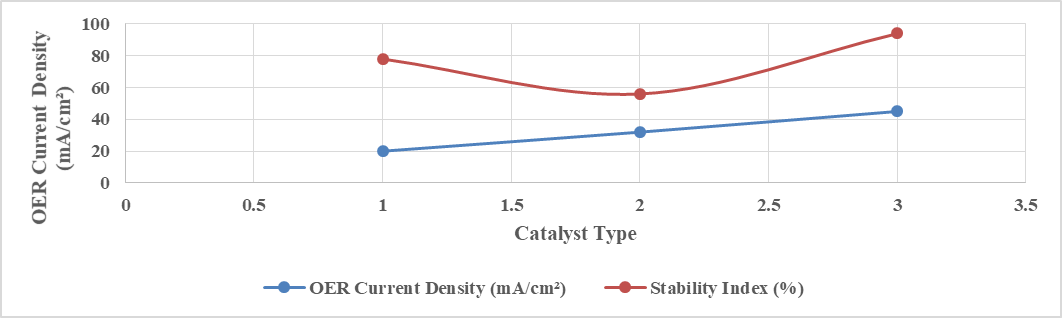
FIG. 3: OXYGEN EVOLUTION REACTION PERFORMANCE COMPARISON
Stability on a long-term basis during the functioning of the hydrogen production on an industrial level is a highly important issue, and the findings suggest that nanocatalyst-based electrodes are more durable. Continuous operation experiments indicate that there is very little performance loss with time implying that the catalyst is resistant to catalyst agglomeration and surface deactivation. Though slight activity losses are experienced following the frequent use, they are by far lower compared to those experienced in the case of the traditional catalyst systems. Table 2 is a quantitative summary of the durability comparison. This is clear reflectance of the increased percentage of retention to performance of nanocatalysts, as they are more resistant to degradation due to electrochemical degradation.
TABLE 2: COMPARISON OF LONG-TERM STABILITY AND PERFORMANCE RETENTION OF CATALYST SYSTEMS
|
Stability Parameter |
Conventional Catalyst |
Nanocatalyst |
|
Operational Stability Duration |
Short |
Long |
|
Performance Retention (%) |
Lower |
Higher |
|
Catalyst Degradation Rate |
High |
Low |
|
Resistance to Agglomeration |
Poor |
Good |
|
Structural Integrity Over Time |
Moderate |
Strong |
|
Suitability for Continuous Use |
Limited |
Highly Suitable |
The effect of the nanostructure design on the efficiency of the entire system is further discussed using comparative analysis of efficiency. Optimized morphology nanocatalysts have better electron transport and lower internal resistance that increases the hydrogen production performance. Figure 4 captures these enhancements that show the production efficiency of hydrogen during its long-term functioning. The figure indicates that nanocatalyst-based system possesses a consistent profile of efficiency under extreme conditions, as in comparison to conventional systems that exhibit a prominent performance depreciation. This visual analogy confirms the use of nanoscale engineering in maintaining the long-term operational efficiency.
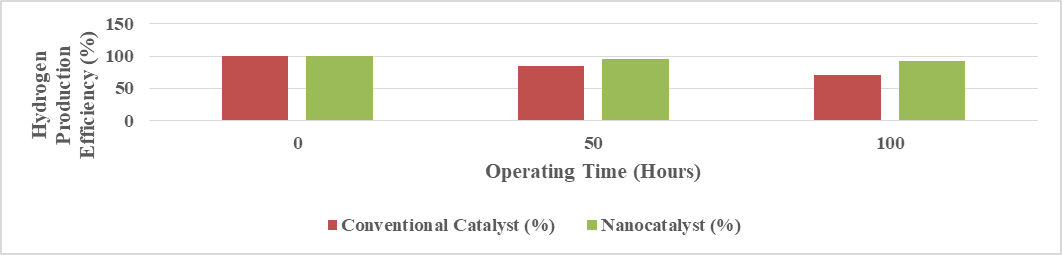
FIG. 4: HYDROGEN PRODUCTION EFFICIENCY OVER TIME
Regarding the system-level approach, the method of incorporating nanocatalysts into the system of water splitting proves to be characterized by better energy use and performance stability. The increased catalytic rate decreases the total power input needed in the production of hydrogen, which adds to a higher efficiency of the system. Nonetheless, there are also some practice limitations shown in the outcomes. In the case of high current densities, gradual restructuring and partial loss of active sites of surfaces are observed despite increasing stability. Such effects indicate that whereas nanocatalysts have been shown to greatly boost performance, it still needs improvement to reach full sustainability in long-term operational environments in the industrial arena.
Scalability is also mentioned in the discussion of results. Although the positive impacts of nanocatalysts in improving a performance are clear, the synthesis uniformity may vary and affect the catalytic behaviour. The findings show that catalysts that have been synthesized in scalable routes are slightly lower but the performance is more consistent when compared to optimized samples in laboratories. This trade-off brings out the significance of a trade-off between the optimization of performance and manufacturing practicality to deploy it in reality [6].
Altogether, the discussion and results prove that nanocatalysts are essential in enhancing the performance of water splitting towards the production of green hydrogen. The overall investigation of electrochemical performance, stability, and efficiency showed evident benefits to the traditional catalysts systems, which are justified by Figure 2, Figure 3, Figure 4, Table 1, and Table 2. Meanwhile, the results also reveal the strong necessity of further work on the durability improvement, a large-scale control of synthesis, and the integration of systems to achieve the full potential of nanocatalyst-presented systems in hydrogen production.
V. CONCLUSION:
Nanocatalysts are a breakthrough in the production of green hydrogen as they enhance the efficiency of splitting reactions of water substantially. Their structural and electronic peculiarities make the overpotentials to decrease, the reaction kinetics to be quicker and the submersion of catalytic materials to be more efficient. The paper indicates the significant advancements that have been adopted in the area of nanocatalysts design and usage whereby they are capable of substituting the more traditional bulk and noble metal catalysts.
Although these benefits are present, there are a few constraints in practice that need to be resolved before big screen usage can be achieved. Long-term stability, catalyst degradation, high costs of synthesis and problems with scaling up production are all challenges that continue to be major impediments. Moreover, a nanocatalyst-based system needs to be stabilized as well to be integrated with renewable energy sources to create a consistent and stable operating system.
The contemporary literature should be aimed at creating nanocatalysts that are rich in the earth but economical together with enhanced durability and ability to survive in harsh electrochemical conditions. The development of green synthesis techniques, interactions between catalysts and supports, and performance monitoring in real-time will become very important. Moreover, the collaboration between the materials science, electrochemistry, and energy systems engineering will be crucial to the actualisation of the full capabilities of nanocatalysts in the production of green hydrogen in a sustainable and commercially feasible environment.
BIBLIOGRAPHY:
1. K. C. Mandal, T. Das, and B. K. Das, “RETRACTED ARTICLE: Nanomaterials for sustainable water splitting towards green hydrogen production,” International Journal of Green Energy, vol. 22, no. 4, pp. 804–829, Jan. 2025, doi: 10.1080/15435075.2024.2428365.
2. Sharma et al., “A comprehensive review on the spinel nanomaterials for green hydrogen generation application via photocatalytic water splitting,” Journal of Molecular Structure, vol. 1348, p. 143348, Jul. 2025, doi: 10.1016/j.molstruc.2025.143348.
3. G. M. Shayo, M. Mpelwa, E. Elimbinzi, and G. N. Shao, “Toward sustainable hydrogen production from renewable energy sources: a review,” Bulletin of the National Research Centre/Bulletin of the National Research Center, vol. 49, no. 1, Sep. 2025, doi: 10.1186/s42269-025-01361-z.
4. S. D, Y. Devarajan, R. T, and N. L, “Green Hydrogen From Waste: Exploring the Promise of Sustainable Catalysis,” BioNanoScience, vol. 15, no. 3, Jun. 2025, doi: 10.1007/s12668-025-02048-5.
5. S. Ha et al., “Carbon-based catalysts for photoelectrochemical water splitting: advancing carbon–neutral hydrogen production,” Carbon Neutrality, vol. 4, no. 1, Dec. 2025, doi: 10.1007/s43979-025-00150-x.
6. W. G. Mengesha and A. A. Muhabie, “Magnetic nanomaterial in enhancing water splitting for hydrogen generation: potentials, challenges and perspectives: a critical review,” Journal of Materials Science Materials in Engineering, vol. 20, no. 1, Aug. 2025, doi: 10.1186/s40712-025-00320-w.
7. K. Chen, P. Uthirakumar, V. Dao, Y.-H. Cao, S. Yadav, and I.-H. Lee, “Unlocking surface and interface engineering of layered double hydroxide (LDH)-based catalysts for efficient catalytic water-splitting: a comprehensive review,” Advanced Composites and Hybrid Materials, vol. 8, no. 5, Oct. 2025, doi: 10.1007/s42114-025-01474-z.
8. Y. Zhiet al., “The advanced development of innovative photocatalytic coupling strategies for hydrogen production,” Chinese Chemical Letters, vol. 36, no. 1, p. 110234, Jul. 2024, doi: 10.1016/j.cclet.2024.110234.
9. J. Li, Q. Yang, J. Liu, Q. Sun, and H. Cheng, “Recent advances in thermochemical water splitting for hydrogen production using mixed Ionic-Electronic conducting membrane reactors,” Membranes, vol. 15, no. 7, p. 203, Jul. 2025, doi: 10.3390/membranes15070203.
10. N. Kumar, R. Aepuru, S.-Y. Lee, and S.-J. Park, “Advances in Catalysts for Hydrogen Production: A Comprehensive Review of materials and Mechanisms,” Nanomaterials, vol. 15, no. 4, p. 256, Feb. 2025, doi: 10.3390/nano15040256.
11. Narsimulu, R. K. Gupta, D. Narsimulu, and R. K. Gupta, “Recent developments in 2D layered materials for Water-Splitting applications,” in Handbook of Energy Materials, 2025, pp. 1–45. doi: 10.1007/978-981-16-4480-1_57-1.
12. B. S. Bafana and M. M. Mahadik, “Photo catalytic hydrogen production using spinel ferrites,” Journal of Sol-Gel Science and Technology, vol. 116, no. 1, pp. 809–822, Aug. 2025, doi: 10.1007/s10971-025-06862-x.
13. Dong et al., “Recent advances in Non-Noble metal electrocatalysts for hydrogen evolution reaction in water splitting,” Nanomaterials, vol. 15, no. 14, p. 1106, Jul. 2025, doi: 10.3390/nano15141106.
14. M. Ning et al., “Hydrogen Production from Marine Renewable Energy: A Review,” Energies, vol. 18, no. 24, p. 6490, Dec. 2025, doi: 10.3390/en18246490.
15. T. Tran et al., “Current status of developed electrocatalysts for water splitting technologies: from experimental to industrial perspective,” Nano Convergence, vol. 12, no. 1, p. 9, Feb. 2025, doi: 10.1186/s40580-024-00468-9.