Connecting Obstetric, Maternity, Pediatric Nursing In Preventive Child Health Care: A Combined Study
- Vasanthakumari Sundararajan , Assistant Professor, College of Applied Medical Sciences, King Faisal University
- Ravi Ranjan Kumar , Associate Professor, University School of Allied Health Sciences, Rayat Bahra University, Kharar, Mohali, Punjab
- Amanpreet Kaur , Assistant Professor, Chitkara School of Health Sciences, Chitkara University, Rajpura, Punjab, India
- Amutha VK , PhD Scholar, Sri Balaji Vidyapeeth Deemed to be University, Pillaiyarkuppam Pondicherry
- Mehzbeen Navsariwala , Associate professor, Government college of nursing, Daman, Dadara and Nagar haveli, Daman and Diu
- Himani Thakur , Assistant Professor, Department of Sciences, CGC University, Mohali, Punjab
- Chawla Amit , Principal, Maa Saraswati institute of pharmaceutical sciences, Abohar, Punjab
Article Information:
Abstract:
Background: Preventive child health care depends on the continuity and quality of services delivered across pregnancy, childbirth, and early childhood. Obstetric, maternity, and pediatric nurses collectively influence maternal behaviors, birth outcomes, neonatal adaptation, and long term child development through preventive, educational, and supportive interventions. Fragmentation between these nursing domains can disrupt care continuity and weaken the preventive impact of early interventions. This comparative prospective study synthesizes evidence from the past decade to examine how integrated nursing across obstetric, maternity, and pediatric services strengthens preventive child health outcomes when compared with fragmented models of care. The analysis highlights improvements in maternal engagement, antenatal risk reduction, neonatal survival, breastfeeding practices, immunization uptake, nutritional status, and early developmental surveillance under integrated nursing models. By embedding figures and tables throughout the article, conceptual linkages, comparative care pathways, nursing roles, and outcome trends are illustrated. Overall, the study emphasizes integrated nursing as a sustainable and effective strategy for advancing preventive child health care and improving population level child health outcomes.
Keywords:
Article :
INTRODUCTION :
Preventive child health care is widely recognized as a global public health priority because interventions implemented during early life exert a profound influence on survival, physical growth, cognitive development, and long term health trajectories (UNICEF, 2023). Evidence consistently demonstrates that health advantages or disadvantages established during early childhood often persist across the life course, shaping educational attainment, economic productivity, and susceptibility to chronic disease (Victora, 2016). The first 1000 days of life, encompassing pregnancy through the second year after birth, represent a particularly critical developmental window during which biological plasticity is greatest and preventive interventions are most effective (Bhutta, 2020). During this period, health systems have a unique opportunity to prevent disease, reduce health inequities, and promote optimal development through coordinated maternal and child health services (Black, 2021). Continuity of nursing care across pregnancy, childbirth, and early childhood is therefore essential to effective preventive child health care. Obstetric, maternity, and pediatric nurses contribute distinct but interdependent preventive functions across this continuum, ranging from antenatal risk identification and health education to postnatal adaptation support and long term child health surveillance (Renfrew, 2019). When these nursing roles are aligned and coordinated, preventive strategies initiated during pregnancy can be reinforced during childbirth and sustained throughout infancy and early childhood. This integrated continuum is illustrated in figure 1, which presents a conceptual framework linking obstetric, maternity, and pediatric nursing roles across preventive child health care. The framework demonstrates how information flow, continuity of care, and shared preventive goals enable nurses to function as connectors across stages of care, thereby strengthening early life health protection and promotion.
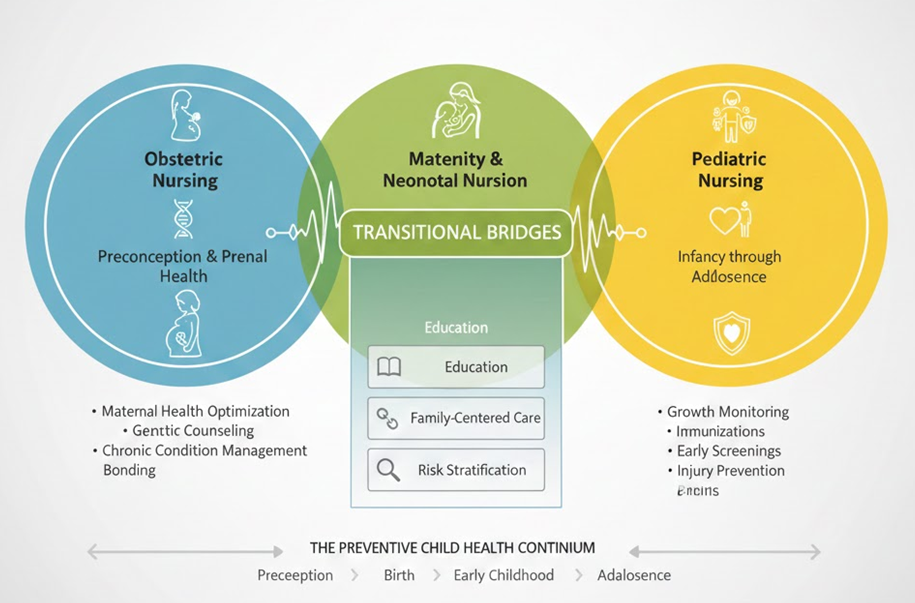
Figure 1. Conceptual Framework Linking Obstetric, Maternity, and Pediatric Nursing Across the Preventive Child Health Continuum
Obstetric, maternity, and pediatric nurses are central to preventive child health efforts because they often serve as the most consistent point of contact for mothers and children within health systems. Obstetric nurses play a critical role in antenatal screening, nutritional counseling, infection prevention, and early identification of maternal and fetal risk factors that influence birth outcomes and neonatal survival (World Health Organization, 2016). Maternity nurses support the immediate transition from intrauterine to extrauterine life by promoting breastfeeding, ensuring thermal regulation, preventing infection, and educating parents on essential newborn care practices (Lawn, 2021). Pediatric nurses extend preventive care into infancy and early childhood through immunization delivery, growth monitoring, nutritional guidance, and developmental surveillance, enabling early detection of growth faltering or developmental delay (Richter, 2019). Despite this natural continuum of care, many health systems continue to organize obstetric, maternity, and pediatric services into distinct organizational and professional silos. This fragmentation frequently results in discontinuity of care, inconsistent health education messages, duplication of services, and loss of critical clinical information during transitions between services (Filby, 2021). Mothers and caregivers may receive conflicting advice regarding nutrition, breastfeeding, or child care practices, while high risk infants may experience delayed follow up due to poor communication between services. Fragmented care models also place additional burdens on families, who must navigate complex systems and multiple providers to access preventive services (Campbell, 2022). Comparative prospective research increasingly demonstrates that integrated nursing models improve preventive child health outcomes by strengthening continuity, communication, and family engagement. Longitudinal studies indicate that coordinated nursing care is associated with higher antenatal attendance, increased skilled birth attendance, improved early initiation and duration of breastfeeding, and greater adherence to immunization schedules (Black, 2021). Integrated models also facilitate timely referral and follow up for high risk mothers and infants, reducing preventable complications and avoidable hospital admissions (Lawn, 2021). From a nursing perspective, integration enhances role clarity, interdisciplinary collaboration, and professional satisfaction, further supporting high quality preventive care delivery (Renfrew, 2019). The range of preventive outcomes affected by coordinated nursing care is summarized in figure 2, highlighting improvements across maternal, neonatal, and early childhood indicators. These outcomes include reductions in low birth weight and neonatal morbidity, improved nutritional status during infancy, higher immunization coverage, and enhanced early childhood developmental outcomes. Importantly, integrated nursing approaches have been shown to benefit disadvantaged populations disproportionately, thereby contributing to equity in child health outcomes (UNICEF, 2023). By ensuring continuity of preventive interventions across the first 1000 days, integrated nursing models align closely with global strategies aimed at reducing child mortality and promoting healthy development (World Health Organization, 2022). Overall, preventive child health care is most effective when obstetric, maternity, and pediatric nursing services are connected across the continuum of care. The first 1000 days provide a critical opportunity for prevention, and nurses are uniquely positioned to sustain protective interventions across this period. Comparative prospective evidence supports integrated nursing models as a powerful strategy for improving maternal engagement, strengthening preventive practices, and optimizing child health outcomes. Strengthening connections between obstetric, maternity, and pediatric nursing should therefore be considered a core priority for health systems seeking to advance preventive child health care and achieve sustainable population level benefits.
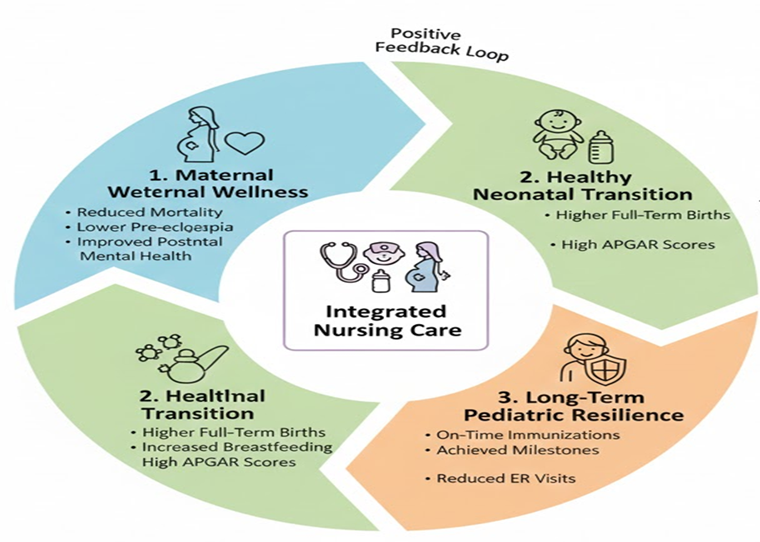
Figure 2. Preventive Child Health Outcomes Influenced by Integrated Nursing Care
Rationale for Integration Across the Continuum of Care
The life course approach to health emphasizes that exposures, experiences, and interventions during pregnancy and early childhood accumulate over time to shape long term health, development, and well being. Biological, social, and environmental influences acting during early life interact to establish health trajectories that extend into adolescence and adulthood (Victora, 2016). Pregnancy and the early postnatal period therefore represent critical opportunities for preventive intervention, as maternal health behaviors and care quality directly influence fetal growth, birth outcomes, and neonatal survival (Bhutta, 2020). Maternal nutrition, effective infection control, and timely, high quality antenatal care are particularly important determinants of intrauterine growth and early adaptation to extrauterine life (World Health Organization, 2016). Obstetric nurses occupy a pivotal position within this preventive framework. Through antenatal assessments, screening, health education, and counseling, obstetric nurses identify maternal and fetal risks at an early stage and initiate protective interventions aimed at preventing complications such as anemia, preterm birth, low birth weight, and perinatal infection (Bhutta, 2020). Their role extends beyond clinical monitoring to include behavioral and psychosocial support, enabling women to adopt healthy practices that benefit both maternal and child health outcomes (Renfrew, 2019). However, when risk information, care plans, and preventive messages generated during antenatal care are not effectively communicated to maternity and pediatric nurses, continuity of prevention is compromised. Such gaps in communication can lead to missed follow up, inconsistent guidance, and delayed intervention during critical developmental stages (Filby, 2021). Integrated nursing models address these challenges by promoting shared responsibility, effective information transfer, and coordinated preventive strategies across obstetric, maternity, and pediatric services. By reducing duplication of services and reinforcing consistent health messaging, integration strengthens family trust and engagement with health systems (Campbell, 2022). Prospective evaluations demonstrate that coordinated nursing care is associated with higher rates of antenatal attendance, increased skilled birth attendance, improved early initiation and duration of exclusive breastfeeding, and greater adherence to recommended immunization schedules (Black, 2021). These outcomes reflect the cumulative effect of sustained preventive messaging and timely intervention across the continuum of care. Integration also enables nurses to function as continuity agents, ensuring that preventive strategies initiated during pregnancy are reinforced during childbirth and sustained throughout infancy and early childhood. Maternity nurses build upon antenatal assessments to tailor postnatal care and parental education, while pediatric nurses extend preventive surveillance through growth monitoring, nutrition counseling, and developmental screening (Lawn, 2021). This coordinated approach enhances early detection of growth faltering, infection, and developmental delay, thereby reducing long term morbidity and improving child health outcomes (Richter, 2019). The contrast between fragmented and integrated models of care is visually demonstrated in figure 3, which highlights key differences in continuity, information flow, and preventive effectiveness. Fragmented service delivery is characterized by poor communication, inconsistent preventive guidance, and delayed follow up, whereas coordinated models emphasize seamless transitions, shared documentation, and sustained preventive engagement across services. This visual comparison underscores the importance of integration in maximizing the preventive impact of nursing care across the life course. Overall, evidence from life course research and prospective evaluations supports the integration of obstetric, maternity, and pediatric nursing as a fundamental strategy for strengthening preventive child health care. By aligning nursing roles across pregnancy and early childhood, health systems can better capitalize on critical developmental windows, reduce preventable morbidity, and promote healthier long term outcomes for children and families (UNICEF, 2023).
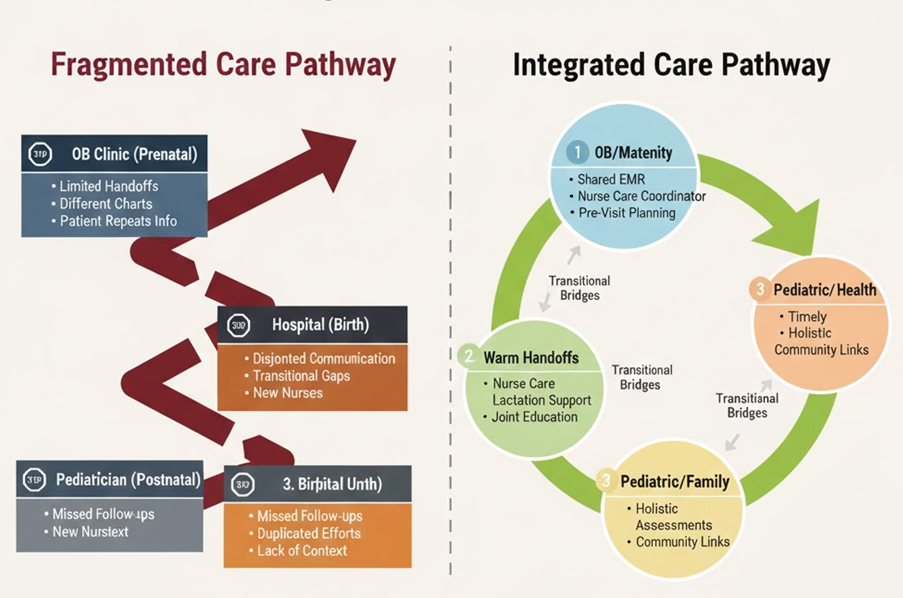
Figure 3. Fragmented Versus Integrated Nursing Care Pathways
Comparative Prospective Study Approach
This article adopts a comparative prospective perspective, drawing on longitudinal cohort studies and program evaluation research published within the last ten years to examine the impact of integrated nursing models on preventive child health outcomes. Prospective research designs are particularly well suited to preventive child health because they enable systematic observation of exposures, interventions, and outcomes over time, thereby capturing the cumulative and sequential effects of nursing care across pregnancy, childbirth, and early childhood (Victora, 2016). Unlike cross sectional approaches, prospective studies allow researchers to establish temporal relationships between nursing interventions and health outcomes, strengthening causal inference in maternal and child health research (Campbell, 2022). Key outcomes assessed across the reviewed studies include maternal health indicators such as antenatal attendance, anemia prevalence, and pregnancy complications, as well as neonatal outcomes including birth weight, prematurity, infection rates, and early neonatal mortality (World Health Organization, 2016). Child focused preventive outcomes examined include immunization coverage, infant and young child feeding practices, nutritional status, growth trajectories, and early developmental milestones, all of which are sensitive indicators of effective preventive care delivery (Black, 2021). These outcomes reflect multiple dimensions of child health and allow comparison between integrated and fragmented models of nursing care over time. Across diverse health system contexts, including low, middle, and high income settings, integrated nursing models consistently demonstrate superior preventive outcomes when compared with fragmented approaches. Studies report higher continuity of antenatal care, improved skilled birth attendance, better coordination of postnatal follow up, and increased utilization of preventive child health services in integrated models (Lawn, 2021). Importantly, prospective evidence indicates that integration is associated with reductions in preventable neonatal morbidity and improvements in early childhood nutritional and developmental outcomes, particularly among socially and economically disadvantaged populations (UNICEF, 2023). These findings underscore the critical role of continuity and coordination in nursing practice for achieving equitable child health outcomes. Within this comparative framework, obstetric nursing emerges as the foundational component of preventive child health care. Obstetric nurses initiate the continuum of prevention through early risk assessment, health education, screening, and clinical monitoring during pregnancy and childbirth. The specific preventive responsibilities of obstetric nurses during pregnancy and childbirth are outlined in figure 4, which illustrates their role in antenatal screening, nutritional counseling, infection prevention, intrapartum monitoring, and early identification of maternal and fetal risk. This figure highlights how obstetric nursing interventions lay the groundwork for subsequent maternity and pediatric preventive care by generating critical clinical information and establishing early protective behaviors. Prospective studies emphasize that when obstetric nursing interventions are effectively communicated to maternity and pediatric nurses, preventive strategies are more likely to be sustained across the continuum of care (Renfrew, 2019). Conversely, when such information is lost during transitions, opportunities for early intervention and follow up are diminished, increasing the risk of preventable adverse outcomes (Filby, 2021). Integrated nursing models address this challenge by promoting shared documentation systems, standardized referral pathways, and collaborative practice, thereby strengthening the preventive impact of obstetric nursing within the broader maternal and child health system (Campbell, 2022).
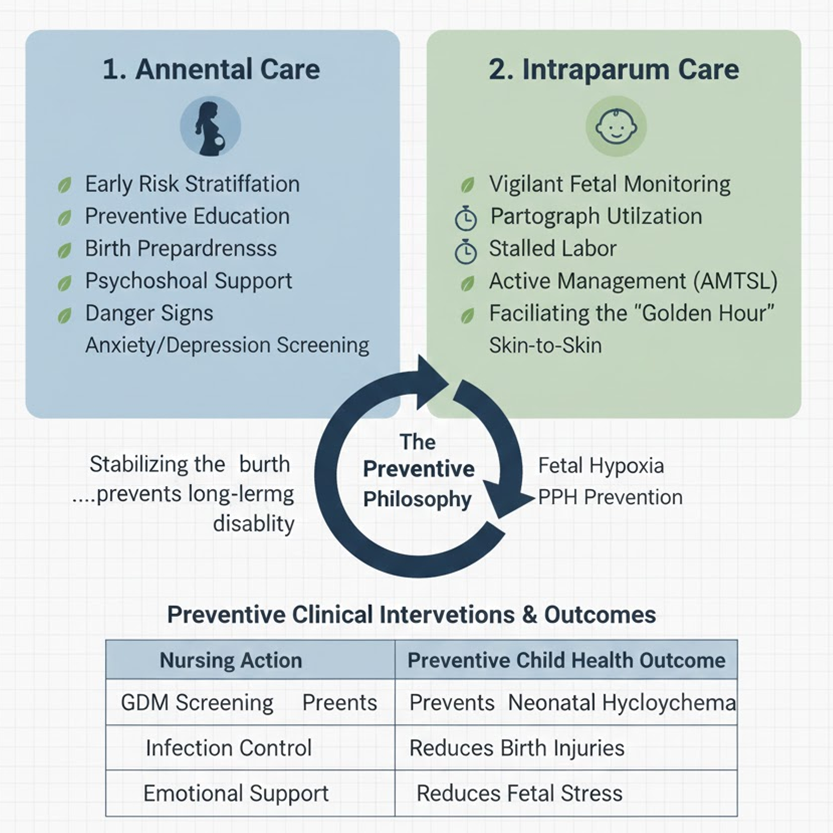
Figure 4. Preventive Roles of Obstetric Nurses in Antenatal and Intrapartum Care
Role of Obstetric Nursing in Preventive Child Health
Obstetric nursing represents the primary entry point to preventive child health care and plays a decisive role in shaping maternal and neonatal outcomes across the life course. Through early and continuous contact with pregnant women, obstetric nurses are uniquely positioned to identify health risks, initiate preventive interventions, and promote behaviors that support optimal fetal development and birth outcomes (World Health Organization, 2016). Core responsibilities of obstetric nursing include comprehensive antenatal risk assessment, individualized health education, screening for anemia and infectious diseases, monitoring of pregnancy related complications, and counseling on nutrition, physical activity, and avoidance of harmful exposures. These preventive interventions are strongly associated with reductions in preterm birth, low birth weight, stillbirth, and perinatal complications, which remain leading contributors to neonatal morbidity and mortality worldwide (Bhutta, 2020). Beyond clinical assessment, obstetric nurses also play a crucial educational and supportive role by empowering women to engage actively in their own health care. Antenatal counseling delivered by nurses has been shown to improve adherence to iron and folic acid supplementation, increase utilization of antenatal services, and promote timely care seeking for danger signs during pregnancy (Black, 2021). Through sustained nurse client relationships, obstetric nurses help establish trust and continuity, which are essential for effective preventive care across pregnancy and childbirth (Renfrew, 2019). Comparative prospective evidence demonstrates that when obstetric nurses are effectively integrated with maternity and pediatric services, information related to maternal health risks, pregnancy complications, and birth outcomes is more consistently transferred across care transitions. This continuity enables maternity nurses to tailor immediate postnatal care according to antenatal risk profiles and allows pediatric nurses to prioritize follow up for infants at increased risk of adverse outcomes (Campbell, 2022). Integrated communication systems, shared documentation, and collaborative care pathways strengthen the overall continuum of care by ensuring that preventive strategies initiated during pregnancy are not disrupted after birth (Filby, 2021). Maternity nursing builds directly upon the preventive foundation established during antenatal care and childbirth. Maternity nurses support the critical transition from intrauterine to extrauterine life through interventions that promote early neonatal adaptation and parental competence. Key postnatal preventive interventions delivered by maternity nurses are depicted in figure 5, which highlights practices such as early initiation and support of breastfeeding, thermal protection, infection prevention, monitoring of neonatal feeding and weight, and structured parental education. These interventions are vital for reducing early neonatal mortality and establishing healthy caregiving practices that extend into infancy (Lawn, 2021). Parental education provided by maternity nurses is particularly influential in shaping early child health behaviors. Counseling on exclusive breastfeeding, hygiene practices, danger sign recognition, and appropriate care seeking equips caregivers with the knowledge and confidence required to sustain preventive practices at home (Richter, 2019). When maternity nurses are integrated within a broader nursing continuum, their educational efforts reinforce antenatal messages delivered by obstetric nurses and prepare families for ongoing engagement with pediatric preventive services.
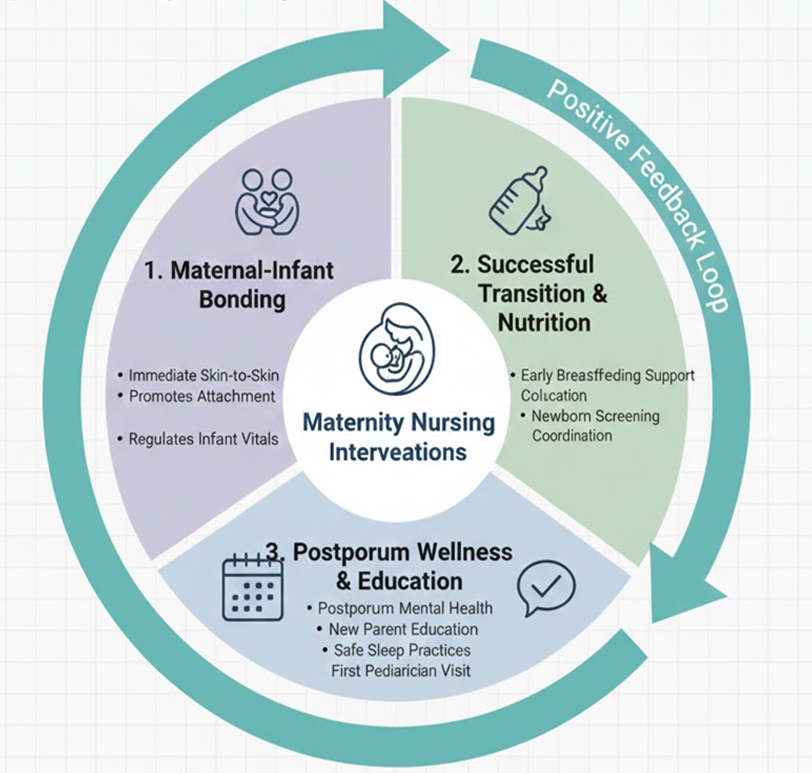
Figure 5. Maternity Nursing Interventions Supporting Early Preventive Child Health
Role of Maternity Nursing in Postnatal Prevention
Maternity nursing serves as the critical bridge between pregnancy and early infancy, focusing on immediate postnatal adaptation, newborn survival, and the establishment of foundational caregiving practices. The period immediately following birth is characterized by heightened vulnerability, as newborns undergo rapid physiological and environmental transitions. Maternity nurses play a central preventive role during this phase by supporting breastfeeding initiation, ensuring thermal regulation, preventing infection, facilitating early mother infant bonding, and providing structured parental education (Lawn, 2021). These early postnatal nursing interventions have a substantial and lasting influence on neonatal survival, infant nutrition, and long term child health outcomes. Breastfeeding support is one of the most significant preventive responsibilities of maternity nursing. Early initiation and sustained exclusive breastfeeding are associated with reduced neonatal infections, improved nutritional status, and enhanced cognitive development (Black, 2021). Maternity nurses provide hands-on guidance, problem solving, and reassurance to mothers, particularly those experiencing challenges such as delayed lactation or cesarean birth. Thermal care, including skin-to-skin contact and appropriate environmental management, further reduces the risk of hypothermia and associated complications, especially among preterm and low birth weight infants (World Health Organization, 2016). Infection prevention practices, such as hygienic cord care and early identification of neonatal sepsis, are equally critical components of maternity nursing care. Integrated models of care enable maternity nurses to build directly on antenatal assessments and risk identification conducted by obstetric nurses. Access to antenatal information related to maternal health status, pregnancy complications, and birth outcomes allows maternity nurses to tailor postnatal care to individual maternal and neonatal risk profiles (Campbell, 2022). This continuity enhances the effectiveness of preventive interventions by ensuring consistency in health education messages and timely escalation of care for high risk dyads. Integrated nursing pathways have been associated with improved breastfeeding rates, increased parental confidence, and stronger adherence to early preventive practices, including follow up attendance and health seeking behavior (Renfrew, 2019). As the child transitions beyond the immediate postnatal period, pediatric nursing assumes a central role in sustaining preventive child health care throughout infancy and early childhood. Ongoing preventive responsibilities undertaken by pediatric nurses are illustrated in figure 6, which emphasizes immunization delivery, growth monitoring, nutritional counseling, and developmental surveillance. Pediatric nurses support families in maintaining preventive practices established during the perinatal period while addressing emerging health and developmental needs (Richter, 2019). Regular growth monitoring enables early detection of undernutrition or excessive weight gain, allowing timely intervention to prevent long term health consequences. Immunization services delivered by pediatric nurses represent one of the most effective preventive interventions in child health, significantly reducing morbidity and mortality from vaccine preventable diseases (World Health Organization, 2022). In addition to administering vaccines, pediatric nurses educate caregivers on vaccine safety, schedules, and the importance of timely completion, thereby strengthening trust and adherence. Developmental surveillance conducted by pediatric nurses facilitates early identification of delays in motor, cognitive, language, or social development, enabling referral and intervention during periods of maximal neuroplasticity (UNICEF, 2023). The integration of maternity and pediatric nursing within a continuous preventive framework ensures that early life interventions are sustained and reinforced across developmental stages. When pediatric nurses receive accurate and comprehensive information from maternity services, they are better equipped to prioritize follow up and tailor preventive care for vulnerable children (Filby, 2021). Overall, coordinated nursing models strengthen the cumulative impact of preventive care, promoting healthier trajectories from birth through early childhood and reinforcing the essential role of nurses in preventive child health systems.
Role of Pediatric Nursing in Preventive Care
Pediatric nurses play a central role in sustaining preventive child health efforts throughout infancy and early childhood by translating early life interventions into long term health protection. Core preventive responsibilities include immunization delivery, growth monitoring, nutritional counseling, and developmental surveillance, all of which are essential for reducing preventable morbidity and promoting healthy development trajectories (Richter, 2019). Through repeated contact with children and caregivers, pediatric nurses are uniquely positioned to observe growth patterns, assess developmental progress, and reinforce preventive health behaviors over time. Early identification of growth faltering or developmental delay is a particularly critical component of pediatric nursing practice. Regular anthropometric assessment enables timely detection of undernutrition, stunting, or excessive weight gain, allowing for early nutritional intervention before adverse effects become entrenched (Black, 2021). Similarly, developmental surveillance conducted during routine child health visits supports early recognition of delays in motor, language, cognitive, or socioemotional domains. Early referral and intervention during periods of heightened neuroplasticity can significantly reduce long term disability and improve educational and social outcomes (UNICEF, 2023). Pediatric nurses therefore function as frontline guardians of early childhood development within preventive health systems. Prospective studies consistently demonstrate that children who receive coordinated nursing follow up from birth are more likely to complete recommended immunization schedules and achieve age appropriate growth milestones. Continuity of nursing care facilitates regular attendance at child health visits, reinforces caregiver understanding of preventive practices, and builds trust between families and health services (Lawn, 2021). Pediatric nurses also play a vital educational role by addressing caregiver concerns related to vaccine safety, feeding practices, and child development, thereby strengthening adherence to preventive recommendations (World Health Organization, 2022). Effective pediatric preventive care depends heavily on access to accurate and comprehensive perinatal information. Pediatric nurses rely on antenatal and birth related data to identify children at increased risk due to prematurity, low birth weight, maternal illness, or birth complications. When such information is effectively transferred from obstetric and maternity services, pediatric nurses can prioritize follow up, tailor counseling, and initiate targeted preventive interventions for high risk children (Campbell, 2022). In contrast, fragmented systems that fail to ensure continuity of information often delay identification of vulnerability and weaken preventive impact (Filby, 2021). The distinct yet complementary responsibilities of nurses across the continuum of care are summarized in table 1, which enables comparison of preventive roles by service domain. The table highlights how obstetric nurses focus on antenatal risk reduction and intrapartum prevention, maternity nurses emphasize early neonatal adaptation and parental education, and pediatric nurses sustain long term preventive surveillance and developmental support. Together, these roles form an integrated preventive framework that extends from pregnancy through early childhood, reinforcing the cumulative nature of preventive child health care.
Table 1. Comparative Roles of Obstetric, Maternity, and Pediatric Nurses in Preventive Child Health
|
Nursing Domain |
Focus Area |
Key Responsibilities |
|
Obstetric Nursing |
Antenatal and intrapartum prevention |
Antenatal risk assessment, health education, screening for anemia and infections, monitoring pregnancy complications, counseling on nutrition and healthy behaviors |
|
Maternity Nursing |
Immediate postnatal adaptation |
Breastfeeding support, thermal regulation, infection prevention, neonatal monitoring, parental education, mother–infant bonding |
|
Pediatric Nursing |
Infant and early childhood prevention |
Growth monitoring, nutritional counseling, immunization delivery, developmental surveillance, caregiver education, early intervention referrals |
Observed improvements in child health indicators associated with integrated nursing models are summarized in figure 7, based on comparative prospective evidence. These improvements include higher immunization coverage, better nutritional outcomes, reduced rates of preventable illness, and enhanced early childhood developmental indicators. Integrated models also demonstrate stronger parental engagement and improved health service utilization, reflecting the benefits of continuity and coordinated nursing support across developmental stages (UNICEF, 2023). Importantly, the positive effects of integration are often most pronounced among vulnerable populations, underscoring the equity enhancing potential of coordinated nursing care. Overall, pediatric nursing represents the sustaining arm of preventive child health systems, ensuring that early gains achieved during pregnancy and the postnatal period are maintained throughout early childhood. When pediatric nurses operate within integrated models that link obstetric and maternity services, preventive interventions become cumulative rather than episodic. Comparative prospective evidence clearly indicates that such integration strengthens child health outcomes, reduces preventable morbidity, and supports healthier developmental trajectories across the life course (Victora, 2016).
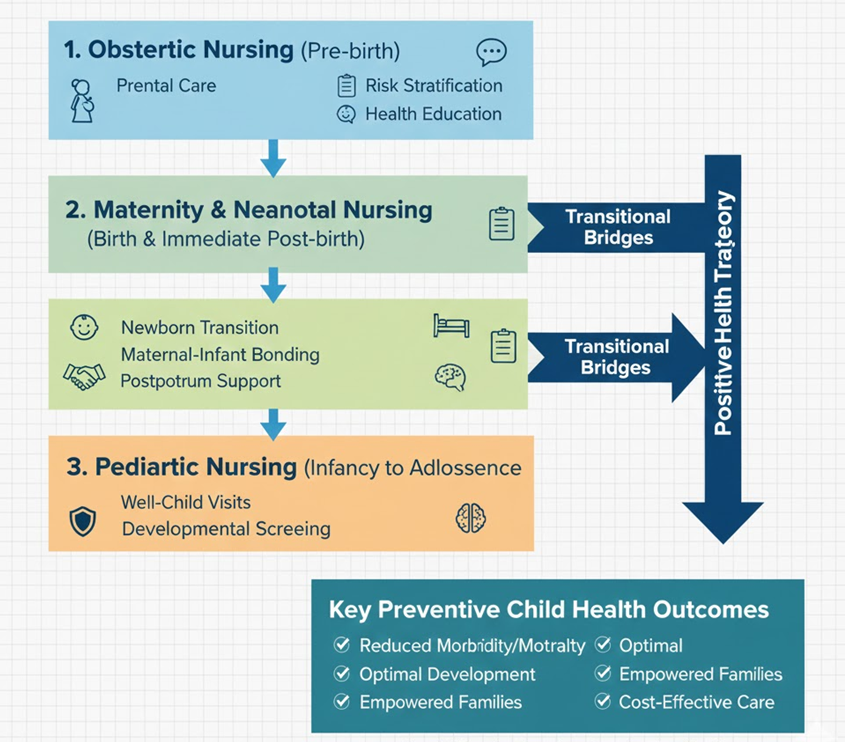
Figure 7. Preventive Child Health Outcomes in Integrated Nursing Models
Outcomes of Integrated Nursing Care
Integrated nursing care is consistently associated with improved preventive child health outcomes across the continuum of care, particularly when compared with fragmented service delivery models. Evidence from comparative prospective studies demonstrates that coordinated nursing care contributes to reductions in neonatal mortality, improvements in immunization coverage, better nutritional outcomes, and enhanced early childhood development (UNICEF, 2023). These benefits reflect the cumulative effect of sustained preventive interventions delivered from pregnancy through early childhood, reinforced through continuity of nursing contact and consistent health messaging. Reductions in neonatal mortality observed in integrated nursing models are closely linked to improved antenatal risk identification, safer childbirth practices, and effective postnatal follow up. When obstetric, maternity, and pediatric nurses operate within coordinated systems, early warning signs of maternal or neonatal complications are more likely to be identified and addressed promptly, reducing preventable deaths during the neonatal period (Lawn, 2021). Improved immunization coverage further contributes to reductions in morbidity and mortality by protecting children from vaccine preventable diseases during early childhood, a period of heightened vulnerability. Nutritional outcomes also show marked improvement under integrated nursing models. Coordinated counseling across antenatal, postnatal, and pediatric services supports appropriate maternal nutrition, successful breastfeeding initiation and continuation, and timely introduction of complementary feeding. These practices are critical for preventing undernutrition, stunting, and micronutrient deficiencies, which have long term consequences for physical growth and cognitive development (Black, 2021). Enhanced early childhood development outcomes observed in integrated models are similarly attributable to sustained developmental surveillance, early detection of delays, and timely referral for intervention, facilitated by continuity of nursing care (Richter, 2019). Comparative prospective data further indicate that families receiving coordinated nursing care experience lower rates of avoidable hospitalization and emergency service utilization. Improved parental knowledge, confidence, and access to preventive guidance reduce reliance on acute care services by enabling early management of minor illnesses and appropriate health seeking behavior (Campbell, 2022). Integrated nursing care also strengthens parental engagement in preventive practices, including adherence to immunization schedules, attendance at follow up visits, and adoption of recommended nutrition and hygiene behaviors. These effects are reinforced through trusting relationships developed with nurses across repeated interactions over time. Families consistently report greater satisfaction and confidence when nursing services are integrated across the maternal and child health continuum. Clear communication, consistent advice, and seamless transitions between services reduce confusion and anxiety, particularly for first time parents and families with high risk infants (Renfrew, 2019). Increased satisfaction contributes to stronger adherence to preventive recommendations and follow up schedules, further amplifying the effectiveness of integrated care models. The comparative preventive outcomes associated with integrated and fragmented nursing models are presented in table 2, which highlights the advantages of coordinated care across key maternal and child health indicators. The table illustrates higher antenatal attendance, improved breastfeeding rates, greater immunization completion, better nutritional status, and enhanced developmental outcomes in integrated models compared with fragmented approaches. In contrast, fragmented care is associated with inconsistent follow up, lower service utilization, and greater risk of preventable adverse outcomes, underscoring the limitations of siloed service delivery.
Table 2. Preventive Outcomes in Integrated Versus Fragmented Nursing Care
|
Outcome Area |
Integrated Nursing Care |
Fragmented Nursing Care |
|
Antenatal Attendance |
High, consistent visits |
Irregular or missed visits |
|
Skilled Birth Attendance |
Increased, timely |
Lower, delayed or inconsistent |
|
Breastfeeding Initiation |
Early and exclusive |
Delayed or incomplete |
|
Immunization Coverage |
High, on schedule |
Lower, missed vaccines |
|
Nutritional Status |
Improved, monitored throughout infancy |
Poor, inconsistent monitoring |
|
Developmental Surveillance |
Regular, early detection of delays |
Infrequent, delayed detection |
|
Neonatal Morbidity |
Reduced, preventable complications minimized |
Higher, complications often missed |
|
Parental Engagement |
Strong, informed, confident |
Weak, inconsistent guidance |
|
Hospitalization/Emergency Use |
Reduced, preventive care emphasized |
Higher, reactive care prevalent |
A comprehensive representation of an integrated nursing approach to preventive child health care is presented in Figure 8, which visually links services from pregnancy through early childhood. The figure illustrates how obstetric, maternity, and pediatric nursing roles align across stages of care to support continuity, information flow, and sustained prevention. By depicting the interconnected nature of nursing interventions across the continuum, figure 8 reinforces the central role of integrated nursing models in achieving optimal preventive child health outcomes. Overall, the evidence synthesized in this section demonstrates that integrated nursing care delivers measurable benefits for children, families, and health systems. Improved health outcomes, reduced hospital utilization, enhanced parental engagement, and greater satisfaction collectively highlight the value of coordinated nursing services. These findings provide strong justification for prioritizing integrated obstetric, maternity, and pediatric nursing models as a cornerstone of effective preventive child health care systems.
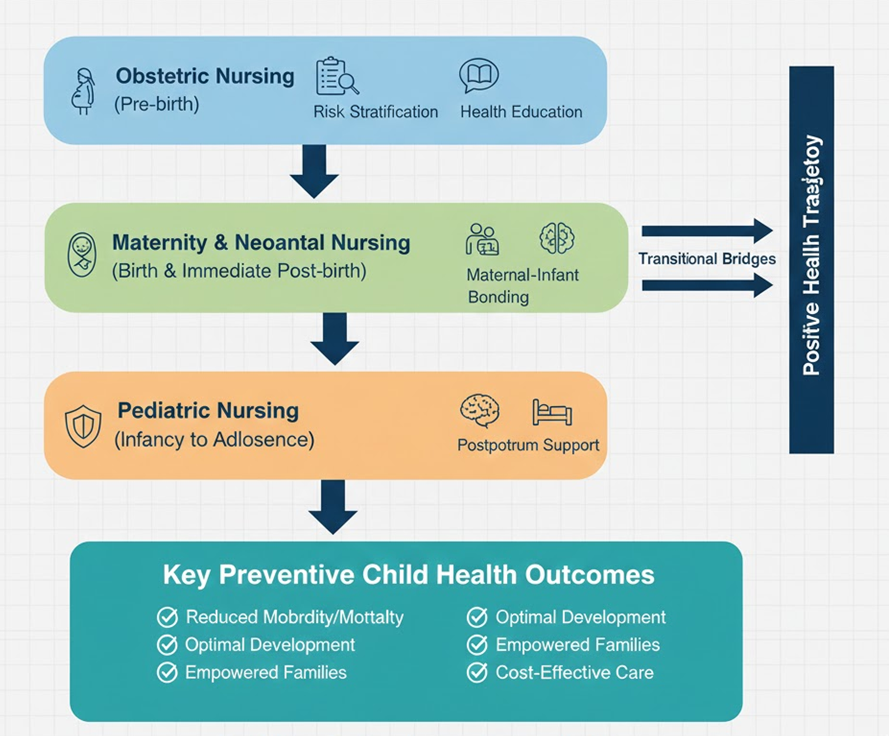
Figure 8. Integrated Nursing Model for Preventive Child Health Care
Implications for Nursing Practice and Policy
Effective integration of obstetric, maternity, and pediatric nursing requires sustained organizational commitment at multiple levels of the health system. Integration cannot be achieved solely through individual effort; it depends on supportive governance structures, adequate resources, and leadership that prioritizes continuity of care across the maternal and child health continuum (Campbell, 2022). Health organizations must explicitly recognize integrated nursing as a strategic approach to preventive child health, embedding it within service delivery models, workforce planning, and quality improvement frameworks. Shared documentation systems represent a critical enabler of integrated nursing practice. Accurate, accessible, and timely transfer of antenatal, intrapartum, and postnatal information ensures that preventive strategies initiated during pregnancy are sustained throughout infancy and early childhood. When obstetric, maternity, and pediatric nurses have access to unified records, they are better able to identify risk, coordinate follow up, and tailor preventive interventions to individual maternal and child needs (Filby, 2021). Conversely, fragmented information systems increase the risk of missed follow up, duplicated services, and inconsistent health education, undermining preventive effectiveness. Interprofessional and cross disciplinary education is another essential component of effective integration. Joint training initiatives that bring together obstetric, maternity, and pediatric nurses foster shared understanding of roles, responsibilities, and preventive priorities across the continuum of care (Renfrew, 2019). Such educational approaches enhance communication, mutual respect, and collaborative practice, enabling nurses to function more effectively as continuity agents within preventive child health systems. Integrating life course and preventive health perspectives into nursing curricula further strengthens preparedness for integrated practice. At the policy level, frameworks that support continuity of nursing roles across the maternal and child health continuum are central to strengthening preventive services and improving equity of access. Policies that promote seamless referral pathways, standardized care protocols, and continuity of nurse assignment across services reduce disparities in service utilization, particularly among socially and economically disadvantaged populations (UNICEF, 2023). Integrated nursing models have demonstrated particular benefit in improving outcomes for vulnerable groups, highlighting their potential as equity enhancing interventions within health systems. Workforce policies also play a critical role in enabling integration. Adequate staffing levels, manageable workloads, and recognition of expanded nursing roles are necessary to sustain high quality preventive care. Incentives for collaborative practice and career pathways that span maternal and child health services encourage retention and professional development, further strengthening integrated care delivery (Lawn, 2021). Without supportive workforce policies, integration efforts risk placing additional strain on nurses and compromising care quality. The key implications for nursing practice and health policy arising from integrated care models are outlined in Table 3. The table summarizes practice level implications such as enhanced communication, role clarity, and coordinated preventive interventions, alongside policy level implications including system integration, workforce development, and equity focused service planning. By presenting these implications side by side, table 3 highlights the interdependence of practice and policy in achieving sustainable integration across obstetric, maternity, and pediatric nursing. Overall, effective integration of nursing services across the maternal and child health continuum requires alignment between organizational structures, professional practice, and health policy. Investment in integrated nursing systems strengthens preventive child health care by improving continuity, reducing avoidable gaps in service delivery, and promoting equitable access to essential preventive interventions. As health systems seek to optimize outcomes across the life course, integrated obstetric, maternity, and pediatric nursing should be recognized as a cornerstone of preventive child health strategy.
Table 3. Policy and Practice Implications of Integrated Nursing Models
|
Domain |
Implications |
|
Nursing Practice |
Improved communication and information sharing between obstetric, maternity, and pediatric nurses |
|
Clear definition of nursing roles and responsibilities across the continuum of care |
|
|
Coordinated delivery of preventive interventions for mothers and children |
|
|
Continuity of care from pregnancy through early childhood |
|
|
Strengthened parental education and engagement |
|
|
Health Policy |
Integration of obstetric, maternity, and pediatric nursing services within health systems |
|
Implementation of standardized care protocols and referral pathways |
|
|
Workforce planning that supports collaborative practice and nurse retention |
|
|
Policies promoting equitable access to preventive care for vulnerable populations |
|
|
Investment in shared documentation systems and information technology to ensure continuity of care |
CONCLUSION:
Preventive child health care is most effective when obstetric, maternity, and pediatric nursing services are interconnected across the continuum of care. Pregnancy, childbirth, and early childhood represent interdependent stages of development, where interventions at each stage have cumulative effects on survival, growth, and long-term well being. Fragmented care, where nursing services operate in isolation, can reduce the overall impact of preventive strategies. In contrast, integrated nursing models ensure continuity, allowing preventive care to begin during pregnancy and continue seamlessly through infancy and early childhood. Obstetric nurses lay the foundation for preventive child health by supporting maternal well being, identifying risk factors early, and promoting behaviors that protect fetal development. Interventions during pregnancy not only improve birth outcomes but also prepare families for the transition to parenthood. When obstetric care is linked with maternity services, critical information about maternal health and pregnancy outcomes is maintained and used to guide postnatal care. This continuity enables maternity nurses to provide tailored support during the immediate postnatal period, when newborns are highly vulnerable and families need guidance on essential caregiving practices. Maternity nurses play a pivotal role in ensuring newborn adaptation, promoting breastfeeding, preventing infection, maintaining thermal care, and educating parents. Integration with pediatric services allows families to transition smoothly from hospital to community care, reducing missed follow-ups and preventable complications. Consistent messaging across nursing services enhances parental confidence and encourages ongoing engagement with preventive health strategies. Pediatric nurses extend preventive care beyond the neonatal period, monitoring growth, supporting nutrition, delivering immunizations, and conducting developmental surveillance. Their continuous contact with families allows early identification of emerging health concerns, enabling timely intervention. Integration with obstetric and maternity services ensures pediatric nurses have access to perinatal history, which helps prioritize care for at-risk children and tailor preventive interventions effectively. This coordinated approach is especially crucial for vulnerable populations, where early support can significantly improve health outcomes.
REFERENCES:
1. Adnani, Q. E. S., et al. (2025). Midwifery continuity of care in low and middle-income countries: A scoping review. BMC Health Services Research.
2. Bhutta, Z. A. (2020). Improving maternal and child nutrition: Building on what works. The Lancet, 395(10227), 498 511.
3. Birth: Issues in Perinatal Care. (2022). Midwife-led continuity of antenatal care and breastfeeding duration: systematic review.
4. Black, R. E. (2021). Global child survival and development. The Lancet Child & Adolescent Health, 5(2), 75 87.
5. BMC Pregnancy and Childbirth. (2019). Impacts of antenatal nursing interventions on breastfeeding self-efficacy.
6. BMC Public Health. (2025). Coverage of continuum of maternal, newborn, and child health care (NFHS-5).
7. Cabana, M. D., & Jee, S. H. (2004). Does continuity of care improve patient outcomes? Journal of Family Practice, 53(12), 974 980.
8. Campbell, O. M. R. (2022). Continuity of maternal and child health care. BMJ Global Health, 7(3), e008187.
9. Delaware study. (2002). Continuity between prenatal and well-child care improves immunizations. American Journal of Preventive Medicine.
10. Elsevier/Mosby. (2020). Maternal-child nursing care: Comprehensive clinical practice foundations (5th ed.).
11. European Journal of Public Health. (2019). Postnatal continuity of care review.
12. Filby, A. (2021). Health system fragmentation and maternal child outcomes. Health Policy and Planning, 36(7), 1020 1028.
13. Indian Journal of Community Medicine. (2016). Evaluation of antenatal to neonatal continuum care in India.
14. International Journal of Integrated Care. (2021). Parents’ perspective on continuity of maternity and child health services.
15. Journal of Perinatal & Neonatal Nursing. (2023). Continuity of care as a central theme in perinatal care: systematic review.
16. Kabiri, S., et al. (2018). Continuity of care and breastfeeding outcomes: A longitudinal cohort study. Journal of Human Lactation.
17. Kemp, A., et al. (2019). Effects of continuity of care on maternal and neonatal postnatal outcomes. European Journal of Public Health, 30(4), 749 756.
18. Lawn, J. E. (2021). Newborn health and the continuum of care. The Lancet, 398(10299), 77 92.
19. Meshram, P. S., et al. (2025). Antenatal counseling and breastfeeding outcomes. International Journal of Research in Medical Sciences.
20. NFHS-4 India. (2018). Continuum of maternal health care services and child immunization. Journal of Epidemiology & Community Health.
21. Renfrew, M. J. (2019). Midwifery and nursing continuity models. The Lancet, 394(10210), 1129 1145.
22. Reproductive Health. (2022). Study on adverse birth outcomes and continuum of care in Ethiopia.
23. Richter, L. M. (2019). Investing in the foundation of sustainable development. The Lancet, 389(10064), 77 90.
24. Sandall, J., et al. (2015). Midwife-led continuity models versus other models of care. Cochrane Database of Systematic Reviews.
25. Saultz, J. W., & Albedaiwi, W. (2004). Interpersonal continuity of care and patient satisfaction. Journal of Family Practice, 53(12), 974 980.
26. UNICEF. (2023). State of the world’s children. UNICEF.
27. Vehviläinen-Julkunen, K., et al. (2014). Relational continuity of care in integrated maternity and child health clinics improves parent experiences. Scandinavian Journal of Caring Sciences.
28. Victora, C. G. (2016). Health trajectories from early life. The Lancet, 387(10017), 475 490.
29. World Health Organization. (2016). Standards for improving quality of maternal and newborn care. WHO.
30. World Health Organization. (2022). Child health and development. WHO.