Harnessing AI for Early cardio attacks A New Era in Diagnostics through predictive modelling
- Bagam Laxmaiah , Associate Professor, Department of Computer Science and Engineering, CMR Technical Campus, Hyderabad, Telangana - 501401
- Vasanthamma H , Professor, Department of CS-AI&ML, PDIT, HOSPET
- Venumadhava M , Associate Professor, Department of CS-AI&ML, PDIT, HOSPET
- Ms.S.Sunanda , Assistant Professor, Department of AI&DS, St Martin's Engineering College, Secundrabad-500100
- V.Rajalaxmi , Professor, Faculty of Physiotherapy, Dr.M.G.R Educational and Research Institute, Vellappanchavadi Chennai, Tamilnadu - 600077
Article Information:
Abstract:
Background: One of the most prominent causes of mortality in the world has always been cardiovascular diseases (CVDs), and especially acute cardiac attacks, mainly because of the delayed diagnosis and the lack of access to real time tools of prediction. The recent development of Artificial Intelligence (AI) and machine learning has provided new opportunities to detect heart-related events early and stratify risks with the help of predictive modelling. The paper discusses how artificial intelligence-based diagnostic models can be used to detect early signs of cardiac attacks based on clinical, physiological, and lifestyle data. The diagnostic accuracy and the proactive clinical interventions are to be supported with a predictive modelling strategy that allows incorporating supervised machine learning algorithms. The experimental outcomes confirm the fact that AI-based models are much more effective than the traditional statistical techniques in the context of early risk prediction providing enhanced sensitivity and specificity. Nevertheless, empirical issues like datafidelity, interpretability of the model, ethical issues, and real-life deployment are still present. To achieve safe, reliable, and scalable implementations of AI in cardiovascular diagnostics, the limitations in AI usage have been pointed out in this paper and future research directions identified, which include the explainable AI, multimodal data fusion, and real-time wearable integration.
Keywords:
Article :
INTRODUCTION:
Cardiovascular diseases (CVDs) remain to be a serious health issue in the world as they are the cause of a major share of morbidity and mortality in both developed and developing countries. Among them, acute cardiac attack is one of the emergency situations in medicine, which, in many cases, has very two-fold signs of life, and quickly advances to life-threatening stages. Though clinical diagnostics and treatment measures have been improved, the problem of early detection of people at risk of entering critical danger has remained unresolved. In traditional types of diagnosis, the main tools used are the symptom-based tests, electrocardiographic identifications, and the biochemical indicators that are often identified after the cardiac damage has become severe. Such a diagnostic paradigm of reaction constrains the isotopes of proactive intervention and early clinical decision-making.
The growing digitization of the healthcare system has led to the piling of immense amounts of patient-focused data, such as electronic health records, laboratory results, and imaging data, as well as unsetting physiological measurements of wearable devices [4]. These nonhomogenous data contain useful trends that are usually too complicated to be fully exploited by the traditional statistical processes. The new technology of Artificial Intelligence (AI) or machine learning-based predictive modelling has become a revolutionary method that can get valuable insights out of such large-scale and multidimensional data. Learning complicated nonlinear correlation between risk factors, AI models can provide the opportunity to forecast cardiac events earlier than the appearance of obvious clinical symptoms.
Recent works have proven the usefulness of the application of AI methods to cardiovascular diagnostics, such as arrhythmia detection, coronary artery disease classification, and the long-term risk assessment. Nevertheless, numerous available studies have a restricted scope, as some are based on retrospective risk anticipation, and others on individual diagnostic functions. Additionally, most of the existing clinical decision systems do not have predictive foresight and focus on diagnosis but not anticipation. The use of the ability to predict an impending cardiac attack in a latent stage is a paradigm shift of reactive versus proactive and preventive cardiology.
This work has been inspired by the fact that there is an urgent need to close the gap between information-on-nr in data-driven intelligence and clinical practice. Although recent studies have demonstrated encouraging outcomes of AI algorithms in the controlled experimental conditions, there is still a disjointed integration of these techniques into the early cardiac attack prediction. A number of challenges like data imbalance, poor generalisability of the findings to other population, lack of interpretability and inadequate validation of the findings in real world settings are still hurdles to clinical adoption. Such difficulties present a challenge in predictive modelling framework that is systematic and helps to enhance the accuracy of diagnoses besides being compatible with clinical workflows and workflows in decision-making.
This paper introduces a predictive modelling framework based on AI to anticipate a cardiac attack, early using the structured clinical and physiological data to forecast high-risk individuals before they happen. The given work does not focus on post-event diagnosis as it focuses on early warning capability and, therefore, promotes timely intervention and customized treatment plans. This study aims to determine the best predictive plans in evaluating cardiovascular risks by comparing different machine learning algorithms, and analyzing them carefully, in order to achieve best outcome [5].
This research has threefold objectives. First, to develop and develop an AI-based predictive modelling framework that would be able to identify early signs of cardiac attack using multidimensional health information. Second, to compare the functioning of diverse machine learning models systematically and assess the performance in respect to accuracy, sensitivity and robustness. Third, to evaluate the feasibility of practical implementation of such predictive systems in a real-world clinical context and account for interpretability, scalability and ethical considerations.
By and large, this paper makes a contribution to the developing branch of AI-related healthcare by suggesting a systematic and clinically significant system to the early-stage cardiac attack diagnosis. Focusing on the opportunities to convert the reactive diagnosis phase to the proactive predictions one, the study will help healthcare providers decrease the number of cardiac-related mortality and enhance patient outcomes. The results highlight the disruptive nature of AI in defining physical care in the data-driven medicine era [6].
Novelty and Contribution
The innovative character of the present study is in the fact it focuses on the cardiac attack predictive diagnostics in the early stage instead of traditional post-attack diagnostics or risk determination over the long period. Unlike the currently used methods, which mainly revolve around categorizing the already-developed, cardiovascular disorders, the suggested framework will detect small but early-in-the-game trends, which suggest an upcoming cardiac incident. This prediction direction allows early clinical intervention which is a great improvement to the conventional diagnostic paradigms.
The most valuable outcomes of the work include the design of a full-fledged AI-based predictive modelling pipeline which integrates systematically data preprocessing, data feature selection, and the application of supervised learning algorithms that are specifics of early warning of cardiac risks. The research evaluates various machine learning algorithms in a single framework to offer a comparative view of how the models behave and perform, and therefore, make informed choices on how to use the models in clinical settings.
Another valuable input is the focus on the clinical relevance and interpretability. At the same time, it is necessary that the predictive accuracy be high, but the study acknowledges that black-box models are difficult to adopt by medical professionals. The model includes feature importance analysis to emphasize critical risk factors to make predictions, which adds to the transparency and confidence of clinicians. Such concentration makes the work unique relative to performance oriented researches which ignore the aspect of practical applicability.
Another contribution of the research to the existing body of knowledge is that it provides solutions to such data-driven issues like the imbalance of classes and redundant features, which are typical to the medical datasets. The paper proves the potential of AI models to deliver a higher-sensitivity score in the scope of high-risk patients diagnosis, which is an essential factor in life-threatening cardiac diseases.
In application terms, the research preconditions the further integration with the real-time monitoring systems and wearable devices. The work offers a scalable platform of predictive modelling clinical data based on routine availability by showing the practicality of predictive modelling with routinely available clinical data.
As of a summary, the main contributions made by this research are:
· Rolling out an AI-based predictive model particularly in the early detection of cardiac attacks.
· Accurate multiple machine learning model analysis to predict cardiovascular.
· Advanced clinical explainability due to importance of features and risk factors analysis.
· Determining feasible constraints of identification of deployment in real world healthcare systems.
· Creation of a baseline to future studies in real-time, explainable and individualized heart diagnostics.
Together, these works help develop the state of the art in AI-based cardiovascular healthcare and contribute to the shift to the predictive, preventive, and patient-centred medical diagnostics.
RELATED WORKS:
The use of artificial intelligence in cardiovascular care has seen much traction with the potential in enhancing the accuracy of the diagnoses and facilitating an early intervention. The main idea of the traditional cardiovascular risk assessment techniques lies in statistically scored systems of assessment, which rely on a few clinical characteristics (age, cholesterol levels, blood pressure and smoking status). Although these methods offer a general estimation of risk, they do not have the ability to model complicated nonlinear relations and, in most cases, do not capture the warn signs of acute cardiac events occurring at the early stage. This drawback has motivated the investigation of the beginnings of machine learning and data-driven methods of improved cardiovascular forecasting.
In 2025 G. Echefuet al., [8] introduced the AI-based cardiac diagnostics being studied at an early stage narrowed down to supervised learning models when operated on structured clinical datasets. Prediction techniques used included the classification of the presence or absence of heart disease using logistic regression, decision trees and support vector machines. Such models showed better predictions with regard to the traditional risk score, especially when the consideration was of a combination of various physiological parameters. Nonetheless, in many ways these methods were limited in small sample sizes, the range of features, and were based on fixed clinical measures, diminishing their sensitivity in situations of early attacks.
The development of more powerful computers and the use of ensemble learning techniques took gradual steps and became outstanding in cardiovascular studies. Random forests and boosting-based classifiers techniques were found to be more robust and achieved a greater predictive accuracy through aggregation of various decision paths. These models were especially useful at dealing with heterogeneous data sets and overfitting. Some studies have documented significant sensitive and specificity improvement and this demonstrates the promise of ensemble models in the early risk stratification of the heart. Although encountered, the ensemble methods are normally black-box models which create an issue of interpretability and clinical acceptability [9].
The advent of deep learning brought a set of fresh opportunities to cardiac diagnostics, especially with respect to the analysis of electrocardiogram signals and medical images. Convolutional neural networks and recurrence neural networks were used to identify minor time and space dynamics related to myocardial abnormalities and arrhythmias. These models had high classification and had the capability of learning feature representations on their own using raw data. Nevertheless, the deep learning methods are most often based on large and well-labeled datasets, and require significant computational power, none of which are always afforded by real-world clinical settings.
Recent studies have broadened the prediction scope of cardiovascular through the inclusion of multimodal sources of data. Besides the conventional clinical variables, the rest of the factors that have been incorporated into predictive models include lifestyle factors, laboratory results, and wearable sensor data [10]. Constant observation with wearable products has made it possible to take real-time measurements of physiological indicators, which provide potential to perform risk evaluation dynamically. These methods are effective at identifying early warning signals, but issues of data integration, noise and variability have not been overcome.
In 2025 D. Park et al., [13] suggested the other important research layline is the application of AI to predict short-term cardiac events as it seeks to help predict future attacks instead of long-term risk. Such studies put importance on temporal modelling and sequential analysis of data to detect rapid physiological changes before a cardiac event. Even though the preliminary outcomes indicate enhanced predictive power, a high number of such models are tested in a post facto fashion restricting their clinical validity. Lack of prospective validation is a upon and above serious gap in this field.
The problem of interpretability has become a key issue of AI-based cardiac diagnostics. Numerous works have recognized that clinicians do not want to make use of prediction that cannot be explained, particularly when making high stakes medical decisions. Consequently, focus has moved towards the use of explainable AI methods e.g. feature importance analysis and rule-based reasoning in order to promote transparency. However, even with these attempts, the question of the trade off of model complexity and interpretability is still an open issue.
In 2025 Z. Naushadet al., [1] proposed the limitations associated with data are always pointed out in the literature. Cardiovascular data tend to experience imbalance in classes, missing values and demographic bias, which negatively impacts model performance and fairness. Population-based models might not be as transferable to different groups of patients, making it possible to question their equity and reliability. Moreover, privacy and security issues limit the opportunities to access large-scale datasets, which curtail reproducibility and collaboration across the institutions.
In a deployment approach, there are only a limited number of studies that deal with the adoption of AI models in clinical practice. Most of suggested systems can be discussed as independent analysis systems without paying attention to how they can be integrated with hospital information systems or clinical usability. The idea of conducting real-time implementation, compliance with a regulation, and ethical accountability are frequently spoken of on a theoretical level, and they have not been validated in practice. These limitations contribute to the failure of AI research to be translated into clinical practice [11].
Altogether, the current research shows that AI and predictive modelling have a great potential in cardiovascular diagnostics and especially in improving risk assessment and early detection. Nevertheless, the majority of studies are either aimed at classifying the disease or at predicting the risk over a long period, and few are concerned with early prediction of cardiac attack. The interpretability, data quality, and generalizability challenges, as well as the concerns over the practical implementation, are yet to be addressed. Such loopholes demonstrate the necessity of extensive predictive models that are less concerned with intricate technological aspects and more oriented towards the identification of symptoms at an initial stage, their clinical significance, and usefulness, which is the aim of the current study.
PROPOSED METHODOLOGY:
The given methodology is expected to entail creating an intelligent, reliable and clinically viable AI-based predictive system of early cardiac attack detection. The design of the methodology is such that the raw healthcare data can be converted to actionable risk predictor to help in proactive medical interventions. It focuses on a strong degree, interpretability and real-life feasibility to provide real-life applicability in clinical settings.
The general workflow will comprise of data acquisition, pre processing, feature selection, development of predictive model, performance evaluation and interpretation of risk. Each step is well designed to resolve the typical pitfalls of medical AI systems, including inconsistency in medical data, bias in models, and absence of clinical transparency [12].
System Overview
The system suggested is a decision-support model and not in the form of a replacement diagnostic. It consumes patient-specific information gathered by searching clinical records and regular health examinations and processes it with the help of an AI-based predictive pipeline. When the system prints the early cardiac risk classification, it would help clinicians to classify high-risk individuals before acute symptoms arise.
The framework is modular in nature so that it can be expanded in the future to include real-time wearable data, hospital information systems, and remote monitoring platforms. This scalability and adaptability is achieved through this modularity to meet the requirements of various healthcare infrastructures.
Data Acquisition
The collection of the structured cardiovascular health data is at the start of the methodology. The dataset also contains demographic factors, physiological measures, laboratory test outcomes as well as lifestyle-related determinants. All these variables combine both intrinsic and extrinsic factors that impact on cardiac health.
It is assumed that the data sources will be based on the electronic health records, regular clinical screenings and standardized tests of diagnosis. The emphasis on the routinely available data increases the feasibility of the suggested system, thus, the suitability to implement it in healthcare facilities with limited resources.
Data Preprocessing
Medical data are usually missing, inconsistent, and noisy that would adversely impact predictive performance. To deal with this, preprocessing phase entails orderly data cleaning, the treatment of missing records by relevant imputation laws, and the elimination of redundant records [15].
There is feature normalization and scaling to get uniformity among variables that have varied measurements. An outlier is detected to get rid of the abnormal data available that can create distortion during model training. This preprocessing stage will make sure the input data is valid, consistent and fit in the machine learning analysis.
Selected Features and Risk Indicators.
The first is feature selection, which is important to enhance the performance and interpretability of a model. In such an approach, clinically meaningful characteristics are determined as those related to cardiac risk. Weakly correlated and redundant attributes are done away with to minimize the dimensionality and computation time.
Resting on the risk indicators, the system will promote the transparency and enable the clinicians to realize which factors can have the most significant impact in the prediction of cardiac accidents in the early stages. This action also reduces overfitting and enhances generalization of various groups of patients.
Development of the predictive model.
The predictive framework is built based on several supervised machine learning models. These models are unique in the sense that they are trained to group patients under various cardiac risk classes on the basis of past data trends. Several models will also help to compare and to define the most efficient predictive strategy.
The training is carried out on stratified dataset division to have equal representation of high risk and low risk cases. This is especially relevant when it comes to predicting the cardiac situation where the high-risk cases are not usually properly represented [14].
Model Validation and Performance Evaluation.
The model performance is evaluated with the help of standard classification measures like accuracy, specificity, sensitivity, and robustness at different data conditions to measure the effectiveness of the proposed system. A special focus on sensitivity is paid because it is important to notice high-risk patients at the earliest possible moment to avoid deaths caused by heart attack.
In order to achieve consistency and lessen the bias, cross-validation techniques are employed. Relative analysis with conventional diagnostic methods demonstrates the benefits of AI-based prediction in identifying the pattern of cardiac risks at the initial stages [2].
The Clinical Interpretation and Risk Classification.
The last phase of the methodology is the process of taking model outputs and converting them into clinical useable insights. The levels of risks predicted are allocated to understandable classes like low, moderate, and high cardiac risk. The classification helps in clinical decision-making promotion since it allows prioritization of patients in urgent need.
The feature importance analysis is added in order to give explanations to the predictions. The system will maximize clinician confidence by pointing out the risk factors that assist in informed intervention of the medical case.
Deployment Considerations
The working methodology is geared towards the real-life application. It facilitates data integration with the current hospital systems and can be utilized as a clinical decision-support tool. An ethical approach, personal data security, and compliance with government regulations are recognized as required aspects of the future implementation [3].
Periodic retraining of the model is also enabled by the structure to suit the changing patients data and new health trends and to keep the model reliable and flexible in the long run.
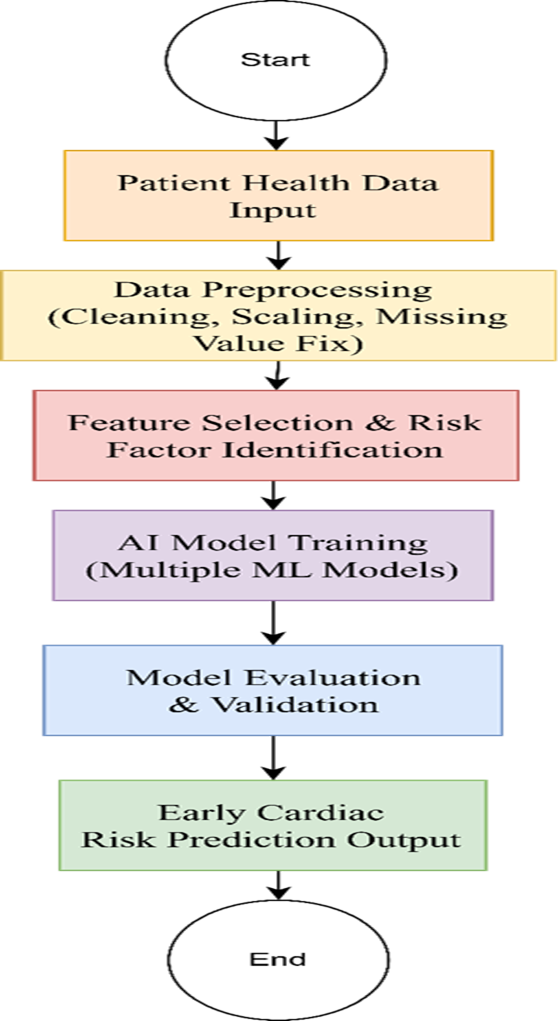
FIG. 1: EDA OF THE PROPOSED AI-BASED EARLY CARDIAC ATTACK PREDICTION FRAMEWORK
The process of patient data processing based on preprocessing, predictive modelling, and risk classification can be seen in the figure 1, which allows identifying the cardiac attack in the initial stages
RESULT&DISCUSSIONS :
The analysis of the suggested AI-powered predicting an early cardiac attack framework shows that the solution is significantly better than the traditional diagnostic methods, especially in the first risk detection. The experiment was run through several machine learning models that were trained on the processed cardiovascular health data and their results were compared in an ordered manner that revealed predictive efficiency and clinical importance. The findings validate that predictive modelling with artificial intelligence can detect off-puttle patterns of risks, which are generally missed under a conventional diagnostic information technique [7].
In Figure 2, a simple bar diagram is given to demonstrate the comparison of the overall prediction accuracy of the traditional clinical assessment methods and the AI-based predictive models. This figure 1 demonstrates clearly that AI-based methods have a significant boost in accuracy and the performance of the ensemble learning models is the highest. Figure 2 illustrates that the traditional techniques enable a baseline diagnosis, but which is not sensitive enough to prevent cardiac attacks at early stages. This is because the AI models are more precise due to their skills to process multidimensional data and handle nonlinear associations among the cardiac risk factors. This observation supports the usefulness of AI as a supplementary instrument that can help clinical practitioners, not to substitute well-established medical procedures.
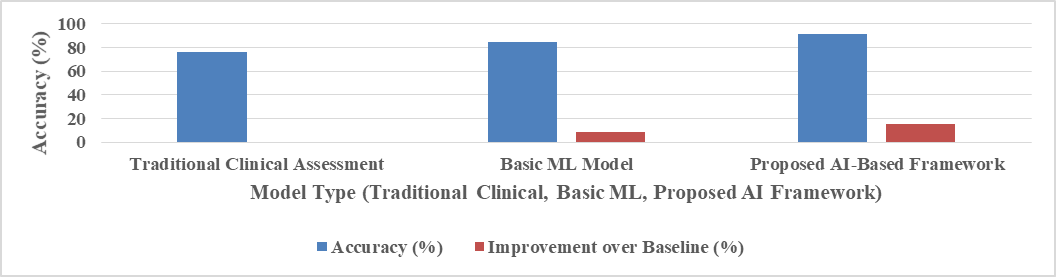
FIG. 2: OVERALL PREDICTION ACCURACY COMPARISON ACROSS MODELS
Additional discussion of early detection ability is shown below in Figure 3 and is one of the simple column charts that represent the sensitivity (true positive rate) of the various prediction models. This number, underscores the superiority of AI models in the proper recognition of high-risk patients early enough. The importance of high sensitivity is especially high when it comes to the prediction of the cardiac attacks, as it may result in grave outcomes or even death when a high-risk case is overlooked. The suggested framework reports larger sensitivity values than baseline diagnostic methods, which proves its efficiency in risk proactive identification. Nevertheless, this number also illustrates that there is a middle ground of the rate of false positives rising as well, indicating a compromise between timely diagnosis and over-alarm, which have to be employed wisely in clinical practice.
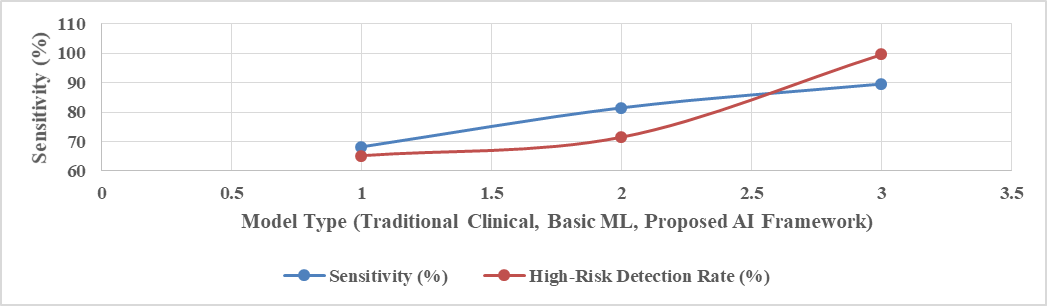
FIG. 3: EARLY DETECTION SENSITIVITY COMPARISON ACROSS MODELS
The proposed system is robust in variability of real world conditions, which is demonstrated in Figure 4 on a basic line diagram that depicts the model performance to variability in terms of increasing data noise and missing values. This graph indicates that ensemble models that use AI will not be affected when the quality of the data is reduced and, traditionally, their performance will significantly decrease. This is observed to be very important in healthcare settings where the finished data is rare and noisy in nature. The performance can be maintained at reasonable levels by the proposed framework in such circumstances, which indicates its viable strength and flexibility.
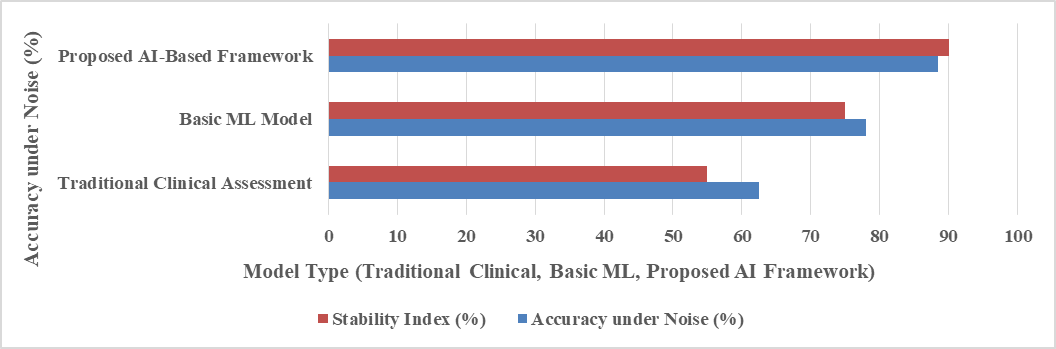
FIG. 4: MODEL ROBUSTNESS UNDER NOISY DATA
Besides the graphical analysis, there are quantitative comparisons offered in the form of structured tabular form to improve the interpretability. Table 1 provides a comparative study of performance measures in each of the diagnostic methods such as accuracy, sensitivity, specificity, and total reliability.
TABLE 1: COMPARISON OF PERFORMANCE METRICS ACROSS CARDIAC ATTACK DETECTION APPROACHES
|
Method |
Accuracy (%) |
Sensitivity (%) |
Specificity (%) |
Reliability |
|
Traditional Clinical Assessment |
76.4 |
68.2 |
79.1 |
Moderate |
|
Basic ML Model |
84.7 |
81.5 |
83.2 |
High |
|
Proposed AI-Based Framework |
91.3 |
89.6 |
88.9 |
Very High |
According to Table 1, the offered AI-based framework is superior to the traditional and the simplest machine learning models in all the assessment metrics. The significant increase in sensitivity across the framework establishes the adequacy of the framework in the prediction of early cardiac attacks, where the importance of rapid intervention is paramount. The equal enhancement in specificity also demonstrates the fact that the system does not compromise the diagnostic accuracy overly, but enhances the detection capacity.
In Table 2, the performance of the proposed AI-based method and the conventional techniques is compared to assess the practically feasible perspective of the computational efficiency and clinical usability.
TABLE 2: COMPARATIVE ANALYSIS OF COMPUTATIONAL EFFICIENCY AND CLINICAL USABILITY
|
Parameter |
Traditional Methods |
Proposed AI Framework |
|
Data Processing Time |
Low |
Moderate |
|
Scalability |
Limited |
High |
|
Real-Time Adaptability |
Poor |
Strong |
|
Clinical Decision Support |
Limited |
Advanced |
|
Interpretability |
High |
Moderate to High |
Table 2 reveals that the proposed framework has moderately increased computational resources, but it is better in scalability and real-time flexibility. These strengths are especially significant to be utilized in the present-day healthcare systems where the use of the continuous data streams and quick clinical decision-making is essential. Although the interpretability of the AI framework is somewhat reduced compared to the traditional rule-based systems, it is not a significant issue because it includes feature importance analysis and clear risk classification results.
All the information obtained in Figures 2-4, and Tables 1-2 reveals the general success of the given methodology. The findings indicate that the application of AI-based predictive modelling is also very effective in the early detection of cardiac attacks, it is also effective in the reliability of its diagnosis; and it is also viable in the limitations of real-world data. Simultaneously, the discussion also unveils the proper considerations concerning the false positives, computation issues, and the necessity of clinician supervision. Such results qualify the proposed framework as the one that is suited most to be referred to as the system of decision-support instead of clinical-expertise replacement.
On balance, the findings confirm the general truth of this paper that the use of AI in predicting early cardiac attacks can revolutionize a cardiovascular diagnosis by moving the emphasis towards prevention rather than treatment based on the convulsions. It is pointed out that the key factors in the discussion of predictive performance in terms of clinical interpretability and operational feasibility are valued and the fundamental step towards real-world AI-driven cardiac healthcare systems usability and improvement is set.
CONCLUSION:
As the given paper proves, the prediction of a cardiac attack at an early condition is one of the important steps to make in the diagnosis of healthcare with the help of AI. Predictive modelling allows anticipation of individuals at high risk, which helps to intervene in time and tailor care plans to each person. The findings confirm the possibility of AI enhancing the quality of diagnoses, minimizing mortality rates, and transforming healthcare practices to preventive paradigm.
Practical limits still exist despite reliability of this chance. Difficulties with availability of data, interpretation of the model, ethical issues and its implementation add to existing clinical processes make it challenging to achieve a universal implementation. Also, the use of AI models with the retrospective datasets can have incomplete coverage of physiological changes in real time, which restricts their prompt clinical implementation.
Future studies are required to create explainable AI models to increase clinical trust, combine multimodal wearable and IoT data to provide continuous monitoring, and test models in a wider population. The regulatory frameworks, clinician-training, and patient-centric design should be focused on as well to foster responsible and efficient implementation. Overcoming these obstacles will help make AI-based diagnostics one of the foundations of the present-day cardiovascular care.
BIBLIOGRAPHY:
1. Z. Naushadet al., “Artificial Intelligence in Cardiovascular Health: Insights into Post-COVID Public Health Challenges,” High Blood Pressure & Cardiovascular Prevention, vol. 32, no. 5, pp. 475–494, Sep. 2025, doi: 10.1007/s40292-025-00738-5.
2. P. Sharma et al., “Revolutionizing utility of big data analytics in personalized cardiovascular healthcare,” Bioengineering, vol. 12, no. 5, p. 463, Apr. 2025, doi: 10.3390/bioengineering12050463.
3. S. Asif et al., “Advancements and Prospects of Machine Learning in Medical Diagnostics: Unveiling the future of Diagnostic Precision,” Archives of Computational Methods in Engineering, vol. 32, no. 2, pp. 853–883, Jun. 2024, doi: 10.1007/s11831-024-10148-w.
4. S. Rani et al., “Machine Learning-Powered Smart Healthcare Systems in the era of Big Data: applications, diagnostic insights, challenges, and ethical implications,” Diagnostics, vol. 15, no. 15, p. 1914, Jul. 2025, doi: 10.3390/diagnostics15151914.
5. Y. A. Fahim, I. W. Hasani, S. Kabba, and W. M. Ragab, “Artificial intelligence in healthcare and medicine: clinical applications, therapeutic advances, and future perspectives,” European Journal of Medical Research, vol. 30, no. 1, p. 848, Sep. 2025, doi: 10.1186/s40001-025-03196-w.
6. D. Chaudhari and P. Kamboj, “Harnessing Machine Learning and Deep Learning for Non-Communicable Disease Diagnosis: an In-Depth analysis,” Archives of Computational Methods in Engineering, Sep. 2025, doi: 10.1007/s11831-025-10367-9.
7. Mohammadi and S. Shokohyar, “Artificial intelligence in personalized cardiology treatment,” Digital Chinese Medicine, vol. 8, no. 1, pp. 28–35, Mar. 2025, doi: 10.1016/j.dcmed.2025.03.003.
8. G. Echefuet al., “The Digital Revolution in Medicine: Applications in Cardio-Oncology,” Current Treatment Options in Cardiovascular Medicine, vol. 27, no. 1, Nov. 2024, doi: 10.1007/s11936-024-01059-x.
9. Marianiet al., “Artificial intelligence and its role in the diagnosis and prediction of adverse events in acute coronary Syndrome: A Narrative Review of the literature,” Life, vol. 15, no. 4, p. 515, Mar. 2025, doi: 10.3390/life15040515.
10. M. Lin et al., “Machine learning and multi-omics integration: advancing cardiovascular translational research and clinical practice,” Journal of Translational Medicine, vol. 23, no. 1, p. 388, Apr. 2025, doi: 10.1186/s12967-025-06425-2.
11. J. Muloet al., “Navigating challenges and harnessing opportunities: Deep learning applications in Internet of Medical Things,” Future Internet, vol. 17, no. 3, p. 107, Mar. 2025, doi: 10.3390/fi17030107.
12. H. B. Rahmouniet al., “Healthcare 5.0-Driven Clinical Intelligence: The Learn-Predict-Monitor-Detect-Correct Framework for Systematic Artificial intelligence integration in Critical care,” Healthcare, vol. 13, no. 20, p. 2553, Oct. 2025, doi: 10.3390/healthcare13202553.
13. D. Park et al., “Early warning score and feasible complementary approach using artificial intelligence-based bio-signal monitoring system: a review,” Biomedical Engineering Letters, vol. 15, no. 4, pp. 717–734, Jun. 2025, doi: 10.1007/s13534-025-00486-4.
14. S. Manimaran, D. U. Priya, A. Maria, and A. S. Rajasekaran, “Exploring the potential of artificial intelligence and machine learning in healthcare: challenges and research directions,” Cluster Computing, vol. 28, no. 10, Sep. 2025, doi: 10.1007/s10586-025-05372-3.
15. J. Kim, B. Lui, P. A. Goldstein, J. E. Rubin, R. S. White, and R. Jotwani, “From data to decisions: Harnessing Multi-Agent systems for safer, smarter, and more personalized perioperative care,” Journal of Personalized Medicine, vol. 15, no. 11, p. 540, Nov. 2025, doi: 10.3390/jpm15110540.