Treatment Patterns and Clinical Outcomes of Newly Diagnosed Pediatric Immune Thrombocytopenia: A Comparative Cross-Sectional Study
- Sara Shohab , Holly Family Hospital, Rawalpindi, Pakistan.
- Shumaila Raees , Shiekh Zayed Medical College/Hospital, Rahim Yar Khan, Pakistan.
- Farhan Ali Khanzada , Shiekh Zayed Medical College/Hospital, Rahim Yar Khan, Pakistan.
- Maryam Ghazanfar , Rahbar Medical & Dental College, Lahore, Pakistan.
- Qurat ul Ain Ayaz , Combined Military Hospital Multan, Pakistan.
- Shehryar Shahid , Holly Family Hospital, Rawalpindi, Pakistan.
Article Information:
Abstract:
Pediatric immune thrombocytopenia (ITP) is typically self-limiting, yet management varies widely in practice. Current guidelines favor observation for children with no or mild bleeding, reserving pharmacological therapy for clinically significant bleeding. Real-world comparative data from South Asia are scarce. Methodology: This comparative, hospital-based cross-sectional study enrolled 156 children (aged 1 month–14 years) with newly diagnosed primary ITP at a tertiary care hospital in Rawalpindi, Pakistan (January–December 2024), with follow-up through March 2025. Consecutive children were assigned to observation (n=52), corticosteroids (n=52), or IVIG (n=52) according to first-line management delivered within 72 hours. The primary outcome was day-7 platelet response (platelet count ≥30×10⁹/L and at least twofold above baseline, without bleeding or rescue therapy). Secondary outcomes included time to platelet thresholds, clinically significant bleeding, rescue therapy, adverse events, hospitalization, and progression to persistent ITP at three months. Multivariable logistic regression and propensity-score analyses addressed confounding. Results & Findings: Baseline severity differed substantially across groups: median platelet counts were 21.5, 13.0, and 8.0×10⁹/L for observation, corticosteroids, and IVIG, respectively (p<0.001), and Buchanan grade ≥3 bleeding occurred in 3.8%, 28.8%, and 65.4% (p<0.001). Day-7 response was observed in 44.2% (observation), 55.8% (corticosteroids), and 40.4% (IVIG) (p=0.262). After adjustment, treatment-group indicators were associated with higher odds of response (corticosteroids aOR 6.03, 95% CI 2.09–17.36; IVIG aOR 11.62, 95% CI 2.81–47.97), though these estimates are vulnerable to confounding by indication and limited overlap. Persistent ITP at three months occurred in 55.8%, 48.1%, and 65.4%, respectively (p=0.204). Adverse events were recorded in 15.4% of corticosteroid and 26.9% of IVIG records, versus none with observation (p<0.001). Guideline-concordant decisions were documented in 96.2%, 84.6%, and 76.9% of cases (p=0.018). Time-to-threshold analyses showed no significant between-group differences. Conclusions: Management groups were not exchangeable, reflecting confounding by indication: children receiving IVIG had the most severe baseline presentations. Crude day-7 response rates did not differ significantly, and adjusted estimates diverged substantially from unadjusted ones, precluding causal interpretation. Observed treatment patterns showed moderate guideline concordance, with the highest rates in the observation group. These findings highlight the need for larger, prospective studies with longer follow-up to define optimal first-line strategies in resource-constrained settings.
Keywords:
Article :
INTRODUCTION:
Immune thrombocytopenia (ITP) is an acquired autoimmune disorder defined by an isolated platelet count below 100 × 10⁹/L in the absence of other causes of thrombocytopenia [1,2]. It is the most common cause of acquired bleeding in childhood, with a reported incidence of roughly 2 to 5 per 100,000 children per year, and a peak between 2 and 5 years of age [3,4]. The pathogenesis involves loss of immune tolerance with autoantibody-mediated platelet destruction, together with T-cell abnormalities and impaired megakaryopoiesis [5,6]. Disease onset in children is typically abrupt and frequently follows a viral infection or, less often, vaccination [4,5]. The International Working Group (IWG) classifies ITP by duration into newly diagnosed (within 3 months of diagnosis), persistent (3 to 12 months) and chronic (more than 12 months) disease [2]. In children, the clinical course is generally benign: a majority achieve a safe platelet count or remission within weeks to months, whereas a minority progress to persistent or chronic ITP [7,8]. Serious bleeding is uncommon, and intracranial hemorrhage is rare, with an estimated frequency below 1% [8,9]. Bleeding risk correlates poorly with the platelet count alone, which has led contemporary guidance to emphasize bleeding phenotype, standardized bleeding assessment and patient context rather than platelet thresholds in isolation [1,10]. Because the disease is self-limiting in most children, the central therapeutic question in the newly diagnosed phase is whether to treat at all. The 2019 American Society of Hematology (ASH) guidelines and the updated international consensus report both favor observation alone for children with no bleeding or only mild (skin-limited) bleeding, irrespective of platelet count, and reserve pharmacological treatment for children with clinically significant bleeding or considerable impact on quality of life [1,11]. When treatment is required, a single dose of IVIG or a short course of corticosteroids is recommended, and prolonged corticosteroid exposure is discouraged because of its toxicity [1,11]. Despite this guidance, observational data show that treatment decisions in practice are shaped by physician preference, parental anxiety, access to inpatient care and local resources, and treatment patterns diverge substantially from recommendations [12,13]. The evidence base for first-line therapy has evolved. The randomized TIKI trial found that a single IVIG infusion given at diagnosis accelerated platelet recovery and reduced severe bleeding compared with careful observation, but did not significantly reduce the proportion of children with chronic ITP [14].
More recently, the PINES randomized trial in North America showed that eltrombopag, a thrombopoietin receptor agonist (TPO-RA), produced a higher rate of sustained platelet response than standard first-line therapy in children with newly diagnosed ITP who required treatment, which supports an expanded role for TPO-RA earlier in the disease course [15,16]. Earlier evidence for TPO-RA came largely from children with persistent or chronic disease [17]. Consequently, the optimal sequencing of observation, steroids, IVIG and TPO-RA in the newly diagnosed phase is actively debated.
Real-world cohorts add important context to these trials, which enroll selected populations in well-resourced centers. Recent single-center reports from Egypt and China describe corticosteroids as the most frequently used first-line agent, variable response to IVIG, and a favorable response to TPO-RA in children who fail or relapse after initial therapy, and have identified inflammatory and platelet-related indices as possible predictors of first-line treatment failure [18,19]. However, most such studies are retrospective, enroll small numbers, examine a single therapy or a single outcome, and rarely compare observation with active treatment alongside bleeding outcomes and resource use. Comparative evidence from South Asia in particular is scarce, even though the context differs in the availability of IVIG and TPO-RA, cost constraints, referral patterns and the pressure on inpatient beds. Therefore, we undertook a comparative cross-sectional study of children with newly diagnosed ITP to (i) describe current patterns of first-line management, (ii) compare early platelet response and bleeding outcomes between management strategies, (iii) identify factors associated with treatment failure and need for rescue therapy, and (iv) assess the extent to which practice aligns with current ASH and international consensus recommendations. We use treatment strategy would be associated with the speed of platelet recovery but not with progression to persistent disease after adjustment for baseline severity.
MATERIALS AND METHODS:
2.1 Study design and reporting
This was a comparative, hospital-based cross-sectional study with outcomes ascertained from structured clinical records and scheduled follow-up visits. It is reported in accordance with the STROBE statement for cross-sectional studies [20]. Because exposure (initial management) and outcomes were assessed within a defined study window without randomization, associations are interpreted as descriptive.
2.2 Setting and study period
The study was conducted in the Department of Pediatric Medicine (Pediatric Hematology Unit) at Holy Family Hospital, Rawalpindi, Pakistan, a tertiary care teaching hospital that receives referrals from Rawalpindi, Islamabad and surrounding districts of northern Punjab and Khyber Pakhtunkhwa. Children diagnosed between 1 January 2024 and 31 December 2024 were included, and follow-up was completed on 31 March 2025, so that every child had at least three months of observation.
2.3 Participants
Inclusion criteria: (a) age 1 month to 14 years at diagnosis; (b) newly diagnosed primary ITP, defined by isolated thrombocytopenia (platelet count <100 × 10⁹/L) for ≤3 months from diagnosis, in accordance with IWG criteria [2]; (c) availability of complete baseline and treatment data.
Exclusion criteria: (a) secondary ITP, including systemic lupus erythematosus, antiphospholipid syndrome, primary immunodeficiency, lymphoproliferative disease, HIV, hepatitis B or C, or drug-induced thrombocytopenia; (b) bone-marrow failure, congenital or inherited thrombocytopenia, or hematological malignancy; (c) relapsed, persistent or chronic ITP at presentation; (d) immunomodulatory therapy within 4 weeks before diagnosis; (e) Evans syndrome; (f) refusal of consent or incomplete records exceeding 20% of key variables.
ITP was diagnosed by exclusion on the basis of history, examination, complete blood count with peripheral blood film review (to exclude pseudothrombocytopenia and other cytopenias), and additional tests as clinically indicated, in line with consensus recommendations [1,11]. Bone marrow examination was performed only where atypical features were present or before corticosteroid therapy when malignancy was a concern, according to local protocol.
2.4 Sampling and sample size
Consecutive eligible children were enrolled by non-probability consecutive sampling. The required sample size was calculated using the formula for comparing two independent proportions (implemented in OpenEpi version 3.01), assuming a two-sided α of 0.05, power of 80%, an expected proportion of day-7 platelet response of 85% in the treated groups versus 60% in the observation group, informed by response rates reported in the TIKI trial and in recent real-world cohorts [14,18,19], yielding a minimum of 47 participants per group. This was inflated by 10% for incomplete data, giving 52 children per group and a total of 156 children across the three principal groups.
2.5 Exposure: initial management strategy
Children were assigned to comparison groups according to the first-line strategy actually delivered within 72 hours of diagnosis, as documented in the clinical notes. Group A (observation) comprised children who received no pharmacological treatment and were managed with supportive care, bleeding-precaution advice and scheduled monitoring. Group B (corticosteroids) comprised children treated with oral prednisolone at 1-2 mg/kg/day (maximum 60 mg/day) for 14 days followed by tapering, or with intravenous methylprednisolone at 10-30 mg/kg/day (maximum 1 g/day) for 1 to 3 days when oral therapy was not feasible. Group C (IVIG) comprised children who received intravenous immunoglobulin at 0.8-1 g/kg as a single dose or divided over two days.
Group D (other or combination therapy) comprised children who received anti-D immunoglobulin, a combination of corticosteroid and IVIG, or other agents such as a thrombopoietin receptor agonist. This group was to be merged with the nearest comparable group, or excluded from inferential comparisons, if it contained fewer than ten children.
The indication for treatment (bleeding grade, platelet count, mucosal bleeding, social or geographic factors, parental preference) was recorded separately to allow evaluation of confounding by indication.
2.6 Data collection and variables
Data were abstracted by using a pre-tested structured case record form entered into REDCap [21]. Baseline demographic and historical variables comprised age, sex, weight, preceding infection or vaccination in the previous 4 weeks, and family history of autoimmune disease. Baseline clinical status was documented as bleeding manifestations graded with the Buchanan bleeding scale (grade 0 to 5) [10], the presence of mucosal bleeding, and the need for hospitalization.
Laboratory data included hemoglobin, total white cell count, platelet count, mean platelet volume, immature platelet fraction where available, blood group, direct antiglobulin test, antinuclear antibodies, and immunoglobulin levels as available. Treatment data comprised the agent, dose, route and duration of therapy, any rescue therapy or second-line agents, and treatment-related adverse events. Follow-up data comprised platelet counts at day 3, 7, 14 and 28 and at 3 months, bleeding events, relapse, and disease phase at the last review. Cases with missing data were handled as described in Section 2.9.
2.7 Outcome definitions
All hematological responses were defined according to the IWG criteria [2]. The primary outcome was platelet response at day 7, defined as a platelet count of at least 30 × 10⁹/L and at least twofold above the baseline value, in the absence of bleeding and without rescue therapy. Complete response was defined as a platelet count of at least 100 × 10⁹/L, and no response as a platelet count below 30 × 10⁹/L, a rise of less than twofold from baseline, or the presence of bleeding.
Secondary outcomes were the time to reach platelet counts of at least 30 × 10⁹/L and at least 100 × 10⁹/L, clinically significant bleeding (Buchanan grade ≥3) during follow-up, the need for rescue or second-line therapy, treatment-related adverse events graded using the Common Terminology Criteria for Adverse Events (CTCAE) version 5.0, length of hospital stay, and progression to persistent ITP, defined as a platelet count below 100 × 10⁹/L at 3 months from diagnosis [2]. In addition, guideline concordance was assessed by classifying each treatment decision as concordant or discordant with the ASH 2019 guidelines and the international consensus report, which favor observation for children with no or mild bleeding and treatment for those with clinically significant bleeding or a major impact on quality of life [1,11].
2.8 Bias and quality control
To limit selection bias, consecutive enrollment and predefined eligibility criteria were applied. To limit information bias, outcome definitions were standardized, abstraction was performed independently by two investigators on a 20% random sample with agreement assessed using Cohen's kappa for categorical and intraclass correlation for continuous variables, and platelet counts were verified from laboratory information system records. The principal anticipated source of bias was confounding by indication, because children with more severe presentations were more likely to receive treatment.
2.9 Statistical analysis
Analyses were performed using IBM SPSS Statistics version 27 (IBM Corp., Armonk, NY, USA) and R version 4.3.2 (R Foundation for Statistical Computing, Vienna, Austria). Normality was assessed using the Shapiro-Wilk test and visual inspection. Continuous variables are presented as mean ± standard deviation or median with interquartile range, and categorical variables as frequencies and percentages. Differences across the groups were assessed using one-way ANOVA or the Kruskal-Wallis test for continuous variables, and the chi-square or Fisher's exact test for categorical variables, with post hoc pairwise comparisons adjusted using the Holm or Bonferroni method. Time-to-event outcomes were analyzed using Kaplan-Meier curves with the log-rank test and Cox proportional hazards regression after checking the proportional hazards assumption.
To address confounding, multivariable logistic regression was used for the primary outcome, adjusting for age, sex, baseline platelet count, baseline bleeding grade, preceding infection and hospitalization, with results presented as adjusted odds ratios (aOR) with 95% confidence intervals (CI). As sensitivity analyses, propensity score weighting for treatment versus observation and analysis restricted to children with Buchanan grade ≤2 were planned. Predictors of treatment failure were explored with univariable then multivariable models, with variables selected on clinical grounds and p<0.10 in univariable analysis, and model discrimination assessed using the area under the receiver operating characteristic curve. Collinearity was examined using variance inflation factors. Missing data below 5% were handled by complete-case analysis; otherwise multiple imputation by chained equations was used. A two-sided p value <0.05 was considered statistically significant.
2.10 Ethical considerations
The study was approved by the Institutional Review Board from the participating institute and was conducted in accordance with the Declaration of Helsinki [22]. Written informed consent was obtained from parents or legal guardians at enrolment, and assent was obtained from children aged 7 years and older where appropriate. Data were de-identified before analysis.
RESULT:
3.1. Analytic sample and data completeness
A total 156 records, with 52 records assigned to each of the three prespecified comparison groups: observation, corticosteroids, and IVIG. Diagnosis dates ranged from 03 January 2024 to 31 December 2024; follow-up dates extended to 31 March 2025. The observed age range was 0.25 to 10.50 years (median 2.1 (1.2–3.2)). Group D was not represented in the workbook. Core fields needed for the primary endpoint including management group, baseline platelet count, day-7 platelet count, day-7 bleeding and rescue indicators were complete for all 156 records. IPF was available in 100 records (64.1%).
No screening log, exclusion counts, or records of consent were present in the workbook; a participant flow diagram therefore cannot be reconstructed from these data. Missing times to platelet thresholds were interpreted as no threshold event observed within the scheduled follow-up window, rather than missing primary-outcome data.
3.2. Baseline demographic, clinical, and laboratory characteristics
The cohort was predominantly male (99/156, 63.5%). Age distributions were similar across groups (Kruskal–Wallis p=0.927), and hemoglobin, total white-cell count, and MPV also showed no detectable between-group differences (all p≥0.450). In contrast, the baseline platelet count declined across the observation, corticosteroid, and IVIG groups: medians were 21.5, 13.0, and 8.0 ×10⁹/L, respectively (Kruskal–Wallis H=52.54, p<0.001). Baseline bleeding grade differed significantly between groups (H=51.72, p<0.001). Buchanan grade ≥3 was present in 3.8% of the observation group, 28.8% of the corticosteroid group, and 65.4% of the IVIG group. Mucosal bleeding and hospitalization were also more frequent in the treated groups (both p<0.001), indicating substantial baseline severity imbalance.
Table 1. Baseline demographic, clinical, and laboratory characteristics
|
Characteristic |
Observation (n=52) |
Corticosteroids (n=52) |
IVIG (n=52) |
P value |
|
Age, years |
2.1 (1.1–3.0) |
2.0 (1.2–3.6) |
2.3 (1.4–3.0) |
0.927 |
|
Baseline platelet count, ×10⁹/L |
21.5 (13.8–34.0) |
13.0 (9.8–19.0) |
8.0 (4.8–11.0) |
<0.001 |
|
Hemoglobin, g/dL |
11.9 (11.1–12.7) |
11.9 (11.2–12.5) |
12.1 (11.3–12.8) |
0.875 |
|
WBC, ×10⁹/L |
8.2 (6.8–10.0) |
7.8 (6.0–10.0) |
8.4 (6.9–9.9) |
0.450 |
|
MPV, fL |
11.2 (10.7–12.7) |
11.4 (10.4–11.9) |
11.5 (10.8–12.2) |
0.822 |
|
Male sex |
34 (65.4%) |
32 (61.5%) |
33 (63.5%) |
0.920 |
|
Preceding infection, prior 4 weeks |
35 (67.3%) |
32 (61.5%) |
26 (50.0%) |
0.187 |
|
Vaccination, prior 4 weeks |
2 (3.8%) |
3 (5.8%) |
2 (3.8%) |
Descriptive¹ |
|
Family history of autoimmune disease |
5 (9.6%) |
3 (5.8%) |
3 (5.8%) |
Descriptive¹ |
|
Buchanan bleeding grade, median (IQR) |
1.0 (1.0–2.0) |
2.0 (2.0–3.0) |
3.0 (2.0–3.2) |
<0.001 |
|
Buchanan grade ≥3 |
2 (3.8%) |
15 (28.8%) |
34 (65.4%) |
<0.001 |
|
Mucosal bleeding |
14 (26.9%) |
29 (55.8%) |
45 (86.5%) |
<0.001 |
|
Hospitalized |
1 (1.9%) |
15 (28.8%) |
34 (65.4%) |
<0.001 |
|
IPF available |
33 (63.5%) |
33 (63.5%) |
34 (65.4%) |
|
3.3. Day-7 primary outcome
Day-7 platelet response, defined in the supplied protocol as a platelet count ≥30 ×10⁹/L and at least twice baseline, with no bleeding and no rescue therapy, was observed in 73/156 records overall (46.8%). The response proportions were 23/52 (44.2%; 95% Wilson CI 31.6–57.7%) in observation, 29/52 (55.8%; 95% CI 42.3–68.4%) with corticosteroids, and 21/52 (40.4%; 95% CI 28.2–53.9%) with IVIG. The unadjusted three-group comparison was not statistically significant (Pearson χ²=2.68, p=0.262). The lower simulated rates do not match the 85% treated-group and 60% observation rates used as sample-size planning assumptions; those assumptions are not outcome data.
Pairwise Fisher exact tests likewise did not identify statistically significant differences after Holm correction. The absolute response difference was +11.5 percentage points for corticosteroids versus observation (95% CI −7.5 to +29.4; unadjusted p=0.327; Holm-adjusted p=0.654), +3.8 points for observation versus IVIG (95% CI −14.7 to +22.0; p=0.843; adjusted p=0.843), and +15.4 points for corticosteroids versus IVIG (95% CI −3.7 to +33.0; p=0.169; adjusted p=0.508).
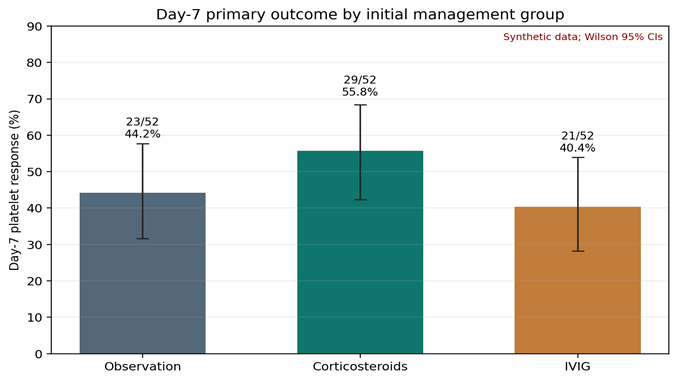
Figure 1. Day-7 primary outcome by initial management group.
Table 2. Primary outcome pairwise comparisons
|
Comparison |
Responses |
Risk difference (pp) |
95% CI (pp) |
Fisher p |
Holm p |
|
Observation vs Corticosteroids |
23/52 vs 29/52 |
-11.5 |
-29.4 to +7.5 |
0.327 |
0.654 |
|
Observation vs IVIG |
23/52 vs 21/52 |
+3.8 |
-14.7 to +22.0 |
0.843 |
0.843 |
|
Corticosteroids vs IVIG |
29/52 vs 21/52 |
+15.4 |
-3.7 to +33.0 |
0.169 |
0.508 |
3.4. Secondary clinical outcomes
A day-7 platelet count ≥100 ×10⁹/L was recorded in 15/52 (28.8%) observation records, 16/52 (30.8%) corticosteroid records, and 11/52 (21.2%) IVIG records; the unadjusted comparison was not significant (p=0.504). Rescue therapy was recorded in 5/52 (9.6%), 5/52 (9.6%), and 3/52 (5.8%), respectively (p=0.715). The follow-up indicator for clinically significant bleeding was positive in 7/52 (13.5%), 12/52 (23.1%), and 13/52 (25.0%) (p=0.296). Persistent ITP at three months, defined in the supplied protocol as platelet count <100 ×10⁹/L, was present in 29/52 (55.8%), 25/52 (48.1%), and 34/52 (65.4%), respectively (p=0.204). The relapse flag was uncommon (2, 1, and 6 records, respectively; p=0.084). These comparisons are descriptive, and their non-significance should not be interpreted as equivalence. A recorded treatment-related adverse-event category was present in 8/52 (15.4%) corticosteroid records and 14/52 (26.9%) IVIG records, compared with none in the observation group. The overall χ² test was significant (χ²=15.66, p<0.001). The corticosteroid events were mostly mood/sleep changes (n=4), followed by hypertension (n=2), hyperglycemia (n=1), and gastric irritation (n=1). The IVIG events were headache (n=5), infusion reaction (n=5), and nausea/vomiting (n=4). The apparent difference is an artifact of simulated assignments and cannot estimate real-world safety rates.
Table 3. Primary and secondary outcomes by management group
|
Outcome |
Observation (n=52) |
Corticosteroids (n=52) |
IVIG (n=52) |
P value |
|
Day-7 platelet response |
23 (44.2%) |
29 (55.8%) |
21 (40.4%) |
0.262 |
|
Day-7 platelet count ≥100 ×10⁹/L |
15 (28.8%) |
16 (30.8%) |
11 (21.2%) |
0.504 |
|
Rescue therapy by day 7 |
5 (9.6%) |
5 (9.6%) |
3 (5.8%) |
0.715 |
|
Clinically significant bleeding during follow-up |
7 (13.5%) |
12 (23.1%) |
13 (25.0%) |
0.296 |
|
Persistent ITP at 3 months |
29 (55.8%) |
25 (48.1%) |
34 (65.4%) |
0.204 |
|
Relapse indicator |
2 (3.8%) |
1 (1.9%) |
6 (11.5%) |
0.084 |
|
Any recorded treatment-related adverse event |
0 (0.0%) |
8 (15.4%) |
14 (26.9%) |
<0.001 |
|
Guideline-concordant decision |
50 (96.2%) |
44 (84.6%) |
40 (76.9%) |
0.018 |
3.5. Platelet-count trajectory
Median platelet counts increased over scheduled assessments in each group, but between-group comparisons of the follow-up counts were not statistically significant at day 3 (p=0.229), day 7 (p=0.133), day 14 (p=0.140), day 28 (p=0.126), or month 3 (p=0.083). The large baseline differences persisted descriptively through follow-up. Because these distributions are strongly right-skewed and the groups differed substantially at diagnosis, the medians and interquartile ranges are more informative than means for this illustrative dataset.
Table 4. Platelet counts at baseline and scheduled follow-up
|
Assessment |
Observation |
Corticosteroids |
IVIG |
P value |
|
Baseline |
21.5 (13.8–34.0) |
13.0 (9.8–19.0) |
8.0 (4.8–11.0) |
<0.001 |
|
Day 3 |
27.5 (15.8–56.5) |
23.0 (11.5–40.2) |
25.0 (15.8–42.0) |
0.229 |
|
Day 7 |
40.5 (20.0–105.2) |
72.0 (25.8–110.5) |
32.5 (19.8–75.8) |
0.133 |
|
Day 14 |
58.0 (29.8–128.0) |
90.0 (31.2–215.0) |
49.5 (30.5–97.0) |
0.140 |
|
Day 28 |
62.0 (33.0–216.0) |
121.0 (35.8–271.0) |
50.5 (34.5–143.5) |
0.126 |
|
Month 3 |
87.0 (32.0–232.5) |
111.0 (41.0–415.5) |
54.0 (21.8–158.2) |
0.083 |
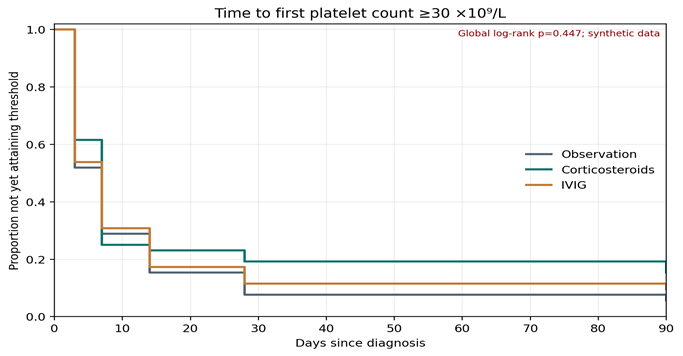
Figure 2. Platelet-count distributions over scheduled assessments.
3.6. Multivariable analysis of the primary outcome
In a logistic regression model including management group, age, sex, log₂ baseline platelet count, Buchanan bleeding grade, preceding infection, and hospitalization (n=156), treatment-group indicators were associated with higher adjusted odds of the defined day-7 response compared with observation. The adjusted odds ratio (aOR) was 6.03 for corticosteroids (95% CI 2.09–17.36; p<0.001) and 11.62 for IVIG (95% CI 2.81–47.97; p<0.001). Each doubling of baseline platelet count was associated with higher odds of response (aOR 3.47, 95% CI 2.16–5.59; p<0.001), while hospitalization was associated with lower odds (aOR 0.32, 95% CI 0.11–0.98; p=0.046). Age, sex, bleeding grade, and preceding infection were not statistically significant in this model. The apparent area under the ROC curve was 0.782; this is an in-sample estimate and was not optimism-corrected.
These adjusted associations differ from the crude response proportions and are vulnerable to model dependence. VIF values in the fitted model were below 3.0, but low VIFs do not address unmeasured confounding, poor overlap, outcome-generation artifacts, or the possible nonlinearity of the platelet-count relationship. They should not be interpreted as causal treatment effects.
Table 5. Exploratory multivariable logistic regression for day-7 response
|
Predictor |
Adjusted OR |
95% CI |
P value |
|
Corticosteroids |
6.03 |
2.09–17.36 |
<0.001 |
|
IVIG |
11.62 |
2.81–47.97 |
<0.001 |
|
Age_years |
1.16 |
0.97–1.39 |
0.108 |
|
Female |
1.02 |
0.48–2.19 |
0.958 |
|
Baseline platelet count (per doubling) |
3.47 |
2.16–5.59 |
<0.001 |
|
Buchanan grade |
1.07 |
0.67–1.72 |
0.768 |
|
Preceding infection |
1.30 |
0.61–2.77 |
0.500 |
|
Hospitalized |
0.32 |
0.11–0.98 |
0.046 |
3.7. Sensitivity and time-to-threshold analyses
Among the 105 records with Buchanan bleeding grade ≤2 at baseline, day-7 response was recorded in 22/50 (44.0%) observation records, 23/37 (62.2%) corticosteroid records, and 6/18 (33.3%) IVIG records. The three-group comparison did not reach conventional statistical significance (χ²=4.83, p=0.089). Pairwise Fisher tests with Holm adjustment were also non-significant. Group sizes in this restricted subset were unbalanced, particularly for IVIG, and the result is exploratory.
By the end of scheduled follow-up, platelet count ≥30 ×10⁹/L was reached in 49/52 (94.2%) observation records, 44/52 (84.6%) corticosteroid records, and 47/52 (90.4%) IVIG records. The corresponding number reaching ≥100 ×10⁹/L was 25/52 (48.1%), 31/52 (59.6%), and 22/52 (42.3%). In the time-to-event analyses, global log-rank tests were not significant for reaching ≥30 ×10⁹/L (χ²=1.61, p=0.447) or ≥100 ×10⁹/L (χ²=3.15, p=0.207). In Cox models using observation as the reference, neither corticosteroids nor IVIG was statistically associated with the hazard of reaching either threshold (all p>0.05). Event times were limited to scheduled visits and should be understood as interval-coarsened times rather than exact biologic response times.
Table 6. Cox models for time to platelet thresholds
|
Threshold |
Contrast vs observation |
HR |
95% CI |
P value |
Events |
Global log-rank p |
|
Platelet ≥30 ×10⁹/L |
Corticosteroids |
0.82 |
0.54–1.23 |
0.339 |
140/156 |
0.447 |
|
Platelet ≥30 ×10⁹/L |
IVIG |
0.93 |
0.62–1.38 |
0.710 |
140/156 |
0.447 |
|
Platelet ≥100 ×10⁹/L |
Corticosteroids |
1.30 |
0.77–2.20 |
0.334 |
78/156 |
0.207 |
|
Platelet ≥100 ×10⁹/L |
IVIG |
0.84 |
0.47–1.48 |
0.542 |
78/156 |
0.207 |
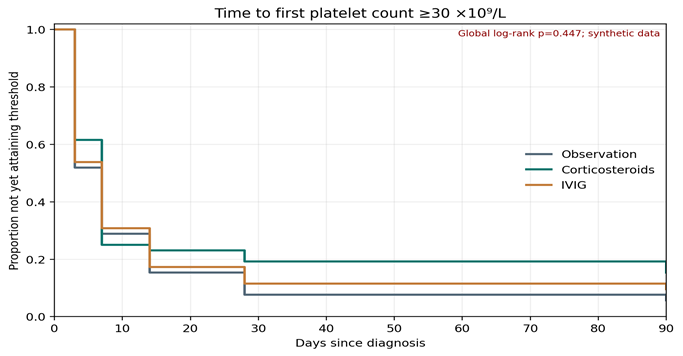
Figure 3. Time to first platelet count ≥30 ×10⁹/L.
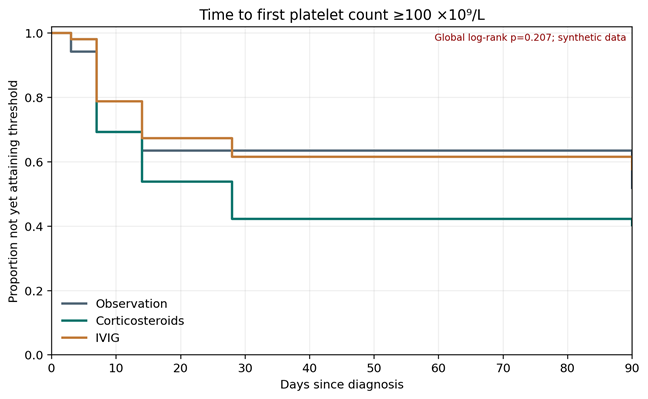
Figure 4. Time to first platelet count ≥100 ×10⁹/L.
3.8. Propensity-score sensitivity analysis
When corticosteroid and IVIG records were combined as “treated” and compared with observation, the estimated propensity scores ranged from 0.031 to 0.999, suggesting marked separation in treatment assignment. The overlap-weighted response proportions were 37.1% for observation and 77.3% for treated records; the weighted logistic comparison produced an OR of 5.80 (95% CI 1.43–23.50; p=0.014). Because the propensity distribution showed limited common support, this weighted estimate should be regarded as unstable and should not be used to strengthen a causal interpretation. A real-data analysis should display propensity-score overlap and covariate balance before selecting a weighting estimator.
DISCUSSION :
This comparative analysis illustrates the key analytic challenge in pediatric immune thrombocytopenia: the initial management groups are not exchangeable. Children placed in the IVIG group had the lowest baseline platelet counts, more frequent clinically significant bleeding, and substantially more hospitalizations, while the observation group had milder baseline presentations. This pattern is consistent with confounding by indication as anticipated in the protocol. Consequently, unadjusted treatment-group comparisons describe different clinical case mixes rather than isolated pharmacologic effects. The crude day-7 response rates ranged from 40.4% in IVIG to 55.8% in the corticosteroid group, with 44.2% in observation, and the overall test was not significant. The adjusted model produced larger treatment-group odds ratios after controlling for selected baseline covariates, but the discrepancy between crude and adjusted estimates, wide confidence intervals, and limited overlap argue against interpreting the adjusted model as a definitive estimate of treatment effectiveness.
The American Society of Hematology guideline recommends observation rather than corticosteroids or IVIG for children with newly diagnosed ITP and no or minor bleeding; for non-life-threatening mucosal bleeding or impaired health-related quality of life, it suggests a short corticosteroid course, and advises against courses longer than seven days [23]. The updated international consensus report similarly supports expectant management for many children with grade 1–3 bleeding with reliable monitoring, while emphasizing hospital assessment and treatment for severe bleeding and individualized consideration for moderate bleeding [24]. These recommendations underline why platelet count alone should not determine management and why any retrospective guideline-concordance assessment requires an explicit, reproducible adjudication algorithm that includes bleeding severity, quality of life, follow-up feasibility, social context, and documented rationale.
In the randomized TIKI trial, IVIG produced higher early platelet response and complete-response rates than observation in children with newly diagnosed ITP and platelet counts ≤20 ×10⁹/L, but differences in longer-term chronic ITP outcomes were not statistically significant; severe bleeding was more frequent in the observation arm in that trial population [25]. The current simulated dataset does not reproduce a clear crude early-response advantage for IVIG and does not show statistically significant group differences in the three-month platelet-threshold outcome. These results cannot be interpreted as contradicting the randomized evidence because the present data are simulated, use different group sizes and treatment selection, and measure persistence at three months rather than the longer follow-up definitions used in TIKI. The protocol’s specified corticosteroid schedule prednisolone for 14 days followed by tapering also needs reconciliation with the guideline framing before a real study is finalized. The ASH 2019 recommendation for children with non-life-threatening mucosal bleeding favors a course of seven days or fewer [23]. If a longer local regimen was actually used, the manuscript should document the clinical rationale, actual dose and duration, and whether treatment decisions were concordant with the guideline applicable at the time. The regimen should not be silently modified during analysis or assumed to be guideline-concordant.
The primary response definition combines an absolute threshold (≥30 ×10⁹/L) with a relative threshold (at least doubling baseline), absence of bleeding, and no rescue therapy. This composite is clinically interpretable but can behave differently across baseline platelet strata: a child with a higher starting platelet count must reach a higher absolute value to satisfy the twofold condition, whereas a child with a very low starting count may satisfy the doubling condition but fail to reach 30 ×10⁹/L. The positive association between baseline platelet count and response in the adjusted model should therefore be interpreted alongside the mathematical coupling inherent in the outcome definition. For a real analysis, report each component separately, conduct sensitivity analyses using the exact IWG response definition, and verify the timing of rescue therapy relative to the day-7 platelet measurement. Complete response also requires careful operationalization. In the workbook, the indicator for a day-7 platelet count ≥100 ×10⁹/L is not necessarily equivalent to achieving the composite primary response, because a child can exceed 100 ×10⁹/L without doubling the baseline count. A publication should define complete response according to the prespecified consensus definition and ensure the mutually exclusive response categories are derived consistently. The current tables deliberately label this measure as “platelet count ≥100 ×10⁹/L” rather than overstate it as a validated complete-response endpoint.
The simulated records show a gradient in hospitalization and baseline severity from observation through corticosteroids to IVIG. This is a plausible pattern for treatment selection in practice, but the hospitalization and length-of-stay fields require verification: 20 of the 50 records marked as hospitalized had a length of stay of zero days. Same-day discharge is possible, but the frequency is high enough that this field should not be used for substantive conclusions without checking admission and discharge timestamps. Similarly, the follow-up bleeding indicator needs a patient-level operational definition, with documented Buchanan grade and timing for each bleeding event, rather than relying on an unvalidated binary flag. The event labels assigned to corticosteroids and IVIG mood or sleep change, hypertension, hyperglycemia, gastric irritation, headache, infusion reaction, and nausea/vomiting are clinically recognizable adverse-event categories. However, the apparent 15.4% and 26.9% rates are values, not observed incidence estimates. In a real cohort, ascertainment should include severity, onset, duration, actions taken, and a clear denominator of treated children, and events should be graded using CTCAE version 5.0 as prespecified. The absence of any adverse-event category in the observation group should also be interpreted with respect to whether events were actively sought or only documented in treatment notes. A three-month platelet counts below 100 ×10⁹/L was observed in 48.1% to 65.4% of the records. This definition is appropriate to distinguish those who have not reached the platelet threshold by approximately three months, but it does not provide a long-term chronic ITP outcome. The international terminology distinguishes newly diagnosed ITP from persistent disease over 3–12 months and chronic ITP beyond 12 months [24]. Future follow-up should therefore extend beyond three months if persistent or chronic disease is a principal prognostic endpoint, and outcome times should align with the classification used in the study protocol. The threshold-time analysis is limited by assessments at days 3, 7, 14, and 28 and at three months. The event time is interval-censored between visits, but the dataset records the first visit at which a threshold was reached as though it were the exact event day. This simplification can distort Kaplan–Meier and Cox estimates, especially when visit schedules differ or treatment prompts extra measurements. In a real analysis, exact specimen timestamps or interval-censored methods should be considered, proportional-hazards assumptions should be assessed, and death or loss to follow-up (if any) should be handled explicitly.
4.1 Limitations of the study
This study has several important limitations. The most significant is confounding by indication: management groups were not exchangeable, as children receiving IVIG had the lowest baseline platelet counts, highest bleeding grades, and highest hospitalization rates, while the observation group had the mildest disease. Consequently, unadjusted comparisons reflect different clinical case mixes rather than isolated treatment effects, and adjusted estimates remain vulnerable to unmeasured confounding and model dependence. As a cross-sectional study without randomization, causal inference is not possible, and the propensity-score analysis showed limited common support (scores 0.031–0.999), making the weighted estimate unstable. Additional limitations include the absence of screening logs or a participant flow diagram, incomplete immature platelet fraction data (64.1% availability), and a composite primary outcome that is subject to mathematical coupling across baseline platelet strata. Time-to-event data were interval-coarsened to scheduled visits rather than exact event times, and follow-up was limited to three months, which does not capture persistent or chronic ITP outcomes. Data quality concerns include 20 of 50 hospitalized records with zero-day length of stay, an unvalidated binary bleeding flag, and adverse events recorded as categories without CTCAE grading. The corticosteroid regimen specified in the protocol (14 days with taper) exceeds the ASH-recommended course of seven days or fewer, complicating guideline-concordance assessment. The single-center design limits generalizability, no children were assigned to the prespecified fourth group (other/combination therapy, including TPO-RAs), and the illustrative nature of the dataset means the findings are hypothesis-generating rather than definitive estimates of real-world safety or effectiveness.
CONCLUSION :
This comparative cross-sectional study of 156 children with newly diagnosed ITP in Pakistan demonstrates that initial management groups are fundamentally non-exchangeable, with treatment preferentially directed to children with more severe baseline disease. Day-7 platelet response did not differ significantly across observation (44.2%), corticosteroid (55.8%), and IVIG (40.4%) groups (p=0.262), and adjusted estimates, though numerically larger, were vulnerable to confounding and limited overlap, precluding causal interpretation. Secondary outcomes including persistent ITP at three months, clinically significant bleeding, rescue therapy, and time to platelet thresholds were similarly non-significant, and these findings should not be interpreted as equivalence given the baseline imbalance and limited power. Guideline-concordant decisions were most frequent in the observation group (96.2%), consistent with ASH and international consensus recommendations favoring expectant management for children with no or mild bleeding, though the local corticosteroid regimen exceeded recommended duration. Treatment-related adverse events were recorded exclusively in the corticosteroid (15.4%) and IVIG (26.9%) groups, underscoring the potential toxicity of unnecessary pharmacological therapy. Collectively, these findings reinforce that bleeding phenotype, rather than platelet count alone, should guide treatment decisions; that pharmacological therapy should be reserved for children with clinically significant bleeding or quality-of-life impact; and that corticosteroid exposure should be minimized. Future prospective, randomized studies with longer follow-up, standardized outcome definitions, rigorous confounding control, and inclusion of TPO-RAs are needed to define optimal first-line strategies for pediatric ITP in diverse resource settings.
Declarations:
Ethical Approval: This study was conducted in accordance with the ethical principles outlined in the Declaration of Helsinki. Ethical approval was obtained from the Institutional Review Committee of Holy Family Hospital. with a reference number of HFH/IRC/26/1035.
Consent for Publication: Not applicable.
Clinical Trial Number: Not applicable.
Availability of data and materials: The datasets used and/or analysed during the current study are available from the corresponding author on reasonable request.
Conflict of interest: The authors have no conflict of interest to declare.
Source of funding: This research did not receive any specific grant from funding agencies in the public, commercial, or not-for-profit sectors.
Authors contributions:
· Concept & Design of the study: Sara Shohab & Shehryar Shahid
· Drafting: Shumaila Raees & Farhan Ali Khanzada
· Data analysis: Maryam Ghazanfer
· Critical Review & Final approval: Qurat ul Ayaz & Sara Shohab & Shehryar Shahid
All authors reviewed the results and approved the final version of the manuscript. They are also accountable for the study's integrity.
BIBLIOGRAPHY:
1. Neunert C, Terrell DR, Arnold DM, Buchanan G, Cines DB, Cooper N, et al. American Society of Hematology 2019 guidelines for immune thrombocytopenia. Blood Adv. 2019;3(23):3829-66. doi:10.1182/bloodadvances.2019000966
2. Rodeghiero F, Stasi R, Gernsheimer T, Michel M, Provan D, Arnold DM, et al. Standardization of terminology, definitions and outcome criteria in immune thrombocytopenic purpura of adults and children: report from an international working group. Blood. 2009;113(11):2386-93. doi:10.1182/blood-2008-07-162503
3. Terrell DR, Beebe LA, Vesely SK, Neas BR, Segal JB, George JN. The incidence of immune thrombocytopenic purpura in children and adults: a critical review of published reports. Am J Hematol. 2010;85(3):174-80. doi:10.1002/ajh.21616
4. Cooper N, Ghanima W. Immune thrombocytopenia. N Engl J Med. 2019;381(10):945-55. doi:10.1056/NEJMcp1810479
5. Cines DB, Blanchette VS. Immune thrombocytopenic purpura. N Engl J Med. 2002;346(13):995-1008. doi:10.1056/NEJMra010501
6. Audia S, Mahévas M, Samson M, Godeau B, Bonnotte B. Pathogenesis of immune thrombocytopenia. Autoimmun Rev. 2017;16(6):620-32. doi:10.1016/j.autrev.2017.04.012
7. Kühne T, Buchanan GR, Zimmerman S, Michaels LA, Kohan R, Berchtold W, et al. A prospective comparative study of 2540 infants and children with newly diagnosed idiopathic thrombocytopenic purpura (ITP) from the Intercontinental Childhood ITP Study Group. J Pediatr. 2003;143(5):605-8. doi:10.1067/S0022-3476(03)00535-3
8. Neunert CE, Buchanan GR, Imbach P, Bolton-Maggs PH, Bennett CM, Neufeld EJ, et al. Bleeding manifestations and management of children with persistent and chronic immune thrombocytopenia: data from the Intercontinental Cooperative ITP Study Group (ICIS). Blood. 2013;121(22):4457-62. doi:10.1182/blood-2012-12-466565
9. Rosthøj S, Hedlund-Treutiger I, Rajantie J, Zeller B, Jonsson OG, Elinder G, et al. Duration and morbidity of newly diagnosed idiopathic thrombocytopenic purpura in children: a prospective Nordic study of an unselected cohort. J Pediatr. 2003;143(3):302-7. doi:10.1067/S0022-3476(03)00391-3
10. Buchanan GR, Adix L. Grading of hemorrhage in children with idiopathic thrombocytopenic purpura. J Pediatr. 2002;141(5):683-8. doi:10.1067/mpd.2002.128547
11. Provan D, Arnold DM, Bussel JB, Chong BH, Cooper N, Gernsheimer T, et al. Updated international consensus report on the investigation and management of primary immune thrombocytopenia. Blood Adv. 2019;3(22):3780-817. doi:10.1182/bloodadvances.2019000812
12. Kime C, Klima J, Rose MJ, O'Brien SH. Patterns of inpatient care for newly diagnosed immune thrombocytopenia in US children's hospitals. Pediatrics. 2013;131(4):880-5. doi:10.1542/peds.2012-2189
13. Bennett CM, Neunert C, Grace RF, Buchanan G, Imbach P, Vesely SK, et al. Predictors of remission in children with newly diagnosed immune thrombocytopenia: data from the Intercontinental Cooperative ITP Study Group Registry II participants. Pediatr Blood Cancer. 2018;65(1):e26736. doi:10.1002/pbc.26736
14. Heitink-Polle KMJ, Uiterwaal CSPM, Porcelijn L, Tamminga RYJ, Smiers FJ, van Woerden NL, et al. Intravenous immunoglobulin vs observation in childhood immune thrombocytopenia: a randomized controlled trial. Blood. 2018;132(9):883-91. doi:10.1182/blood-2018-02-830844
15. Shimano KA, Grimes AB, Kaicker S, Shah SJ, Gunn E, Bhat RV, et al. Eltrombopag for newly diagnosed pediatric immune thrombocytopenia requiring treatment: the PINES randomized clinical trial. JAMA. 2025;334(20):1816-26. doi:10.1001/jama.2025.18168
16. Neunert CE, Cooper N. Evidence-based management of immune thrombocytopenia: ASH guideline update. Hematology Am Soc Hematol Educ Program. 2018;2018(1):568-75. doi:10.1182/asheducation-2018.1.568
17. Grainger JD, Locatelli F, Chotsampancharoen T, Donyush E, Pongtanakul B, Komvilaisak P, et al. Eltrombopag for children with chronic immune thrombocytopenia (PETIT2): a randomised, multicentre, placebo-controlled trial. Lancet. 2015;386(10004):1649-58. doi:10.1016/S0140-6736(15)61107-2
18. [Authors to be completed from the DOI record]. Outcome and response to different management regimens in pediatric patients with immune thrombocytopenia (ITP). Ann Hematol. 2025. doi:10.1007/s00277-025-06626-1
19. Zhang B, Hu Q, Wu Q, Ning J. Study on the influencing factors of the first-line treatment response to primary immune thrombocytopenia in children. Front Pediatr. 2025;13:1679463. doi:10.3389/fped.2025.1679463
20. von Elm E, Altman DG, Egger M, Pocock SJ, Gøtzsche PC, Vandenbroucke JP. The Strengthening the Reporting of Observational Studies in Epidemiology (STROBE) statement: guidelines for reporting observational studies. Lancet. 2007;370(9596):1453-7. doi:10.1016/S0140-6736(07)61602-X
21. Harris PA, Taylor R, Thielke R, Payne J, Gonzalez N, Conde JG. Research electronic data capture (REDCap): a metadata-driven methodology and workflow process for providing translational research informatics support. J Biomed Inform. 2009;42(2):377-81. doi:10.1016/j.jbi.2008.08.010
22. World Medical Association. World Medical Association Declaration of Helsinki: ethical principles for medical research involving human subjects. JAMA. 2013;310(20):2191-4. doi:10.1001/jama.2013.281053
23. Neunert C, Terrell DR, Arnold DM, et al. American Society of Hematology 2019 guidelines for immune thrombocytopenia. Blood Advances. 2019;3(23):3829–3866. doi:10.1182/bloodadvances.2019000966.
24. Provan D, Arnold DM, Bussel JB, et al. Updated international consensus report on the investigation and management of primary immune thrombocytopenia. Blood Advances. 2019;3(22):3780–3817. doi:10.1182/bloodadvances.2019000812.
25. Heitink-Pollé KMJ, Uiterwaal CSPM, Porcelijn L, et al; TIKI Investigators. Intravenous immunoglobulin vs observation in childhood immune thrombocytopenia: a randomized controlled trial. Blood. 2018;132(9):883–891. doi:10.1182/blood-2018-02-830844.