The Anti-Diarrheal Effects Of Whole Plant Extracts Of Viola Betonicifolia Against Castor Oil-Induced Diarrhea In Pigeons
- Dr. Halima Sadia , Department of Pharmacology, Bacha Khan Medical College, Mardan, Pakistan.
- Dr. Husnain Qadir , Department of Pharmacology, Bacha Khan Medical College, Mardan, Pakistan.
- Dr. Hafiz Sajid Akbar , Müller & Phipps Pakistan (Pvt.) Ltd., Mardan, Pakistan.
- Bilal Khan , Müller & Phipps Pakistan (Pvt.) Ltd., Mardan, Pakistan.
- Professor Naveed Muhammad , Department of Pharmacy, Abdul Wali Khan University Mardan (AWKUM), Mardan, Pakistan.
- Waqas Ahmad , Department of Pharmacy, Abdul Wali Khan University Mardan (AWKUM), Mardan, Pakistan.
Article Information:
Abstract:
Background: Diarrhea is an important health problem, especially in developing areas, and is a major morbidity and mortality worldwide. Natural products have long been considered to be a backbone of therapeutic systems and plant-based medicines an alternative to the conventional anti-diarrheal drugs that have unwanted side effects. Viola betonicifolia Sm. Arrow-leaved violet or Banafsha (Roxburghia fistulosa (Roxb.) Bedd. syn. (Violaceae)) has a rich phytochemical profile, which includes alkaloids, flavonoids, saponins and phenolic compounds with reported gastrointestinal modulating activity. The aim of the present study was to examine the effectiveness of aqueous extract of V. betonicifolia (VBAE) on castor oil-induced diarrhea in pigeons. Methodology: Pigeons of either sex (250-350g) were split into groups (n=8). VBAE was injected intramuscularly at doses of 50, 100 and 200 mg/kg; Loperamide (0.2 mg/kg) and Metronidazole (7 mg/kg) were used as positive controls. Six millilitres (6 mL/kg) of castor oil (PO) was administered for inducing diarrhea. Anti-diarrheal parameters were measured for 6 h, and first stool time, latency to first stool, number of stools, number of watery stools and stool weight were measured. The gastrointestinal transit of charcoal meal was carried out to assess intestinal motility, and the peristaltic index was determined as the percent of charcoal meal in the small intestine. Results: VBAE exhibited considerable dose dependent anti-diarrheal activity. VBAE at 200mg/kg significantly extended the first stool time (p<0.01), caused a highly significant increase in the latency period to first stool (p<0.001) and significantly reduced the number of stools (p<0.05) and number of watery stools (p<0.05) and highly significantly reduced stool weight (p<0.001) compared with negative controls. The anti-diarrheal activity was similar to that of standard anti-diarrheal drugs Loperamide and Metronidazole. CONCLUSIONS: The aqueous extract of Viola betonicifolia has a prominent dose dependent anti-diarrheal effect against castor oil induced diarrhea and hence its traditional use in gastrointestinal disorders is validated scientifically. The anti-diarrheal effect is possibly based on the strong phytochemical composition of the plant, which inhibits intestinal motility, suppresses the secretion of fluids and regulates electrolyte balance.
Keywords:
Article :
INTRODUCTION:
Diarrhea is a gastrointestinal condition that is overwhelming and affects thousands of adults and children, particularly in the developing world, for which predisposing factors include diet intolerance, drugs, infections, and intestinal disorders, which may disrupt gastrointestinal motility and abnormal fluidity.(1, 2)
The disorder can be transmitted via food, drinking water, and through unhygienic conditions, and it has already killed over 1.6 million, and 15% of children under 5 throughout the world, with 78% of the deaths reported in Southeast Asian and African areas.(3)
Diarrhea is a complex process of increased intestinal motility, increased fluid secretions, reduced fluid absorption and inflammation of gastrointestinal mucosa.(4, 5)
Different chemotherapeutic measures including anti-motility agents (loperamide and diphenoxylate-atropine combination), antibiotics (doxycycline) and anti-secretory agents (bismuth salicylate) have proven beneficial in treatment and management of diarrhea.(6)
However, Loperamide, a first-line drug, is not used for infants and children due to possible respiratory and neurological side effects, while Bismuth salicylate has remained unpopular due to the large number of tablets per dose, delayed onset of action, potential to cause tinnitus and blackening teeth, as well as bismuth salicylate-drug interactions.(7)
The use of natural products has been a cornerstone of therapeutic systems throughout history and more than 60% of the small-molecule drugs approved to date are natural products or derivatives thereof.(8)
According to World Health Organization, 80-90% of human population in developing countries depends mainly on plant-derived medicines for primary-care.(9)
Since several medicinal plants have been found to have promising anti-diarrheal activity, the search for safer and more effective agents from plant origin is still on the spotlight. In chronic cases of diarrhea, the presence of abdominal pains and inflammation has made it necessary to use natural products with anti-inflammatory and neural active constituents.(10)
V. betonicifolia is documented in Swat, Dir, Chitral, Mansehra and Galyat districts of Khyber Pakhtunkhwa Province in Pakistan. V. betonicifolia has been traditionally used as a diaphoretic, purgative, astringent, antipyretic and a remedy for epilepsy, nervous disorders, cough, sinusitis, pharyngitis and kidney diseases.(11) and phytochemical studies have revealed it to be a good source of secondary metabolites such as alkaloids, flavonoids, tannins, phenolic compounds, saponins and triterpenoids.(12)
The methanolic extract of V. betonicifolia has been shown to have partially atropine-sensitive prokinetic and laxative effects in mice and this action was considered to be mediated by cholinergic effects and other unknown mechanisms..(13)
The use of castor oil for inducing diarrhea in vivo is well established in various types of experiments because of its well-defined mechanism.(14)
Most importantly, the castor oil model is suitable for use as a model for the assessment of anti-diarrheal agents because it resembles both the secretory and the motility aspects of clinical diarrhea.(15)
Although Viola species are being used for the management of gastrointestinal disorders, there is a lack of scientific studies specifically investigating the anti-diarrheal activity of V. betonicifolia aqueous extract.(16)
The prokinetic and laxative effects of V. betonicifolia methanolic extract have been reported in previous studies which partially involve activation of muscarinic receptors.(17)
Based on the global burden of diarrhea, the limitations of available anti-diarrheal drugs and the phytochemical profile of V. betonicifolia, which showed the presence of some phytochemical with gastrointestinal modulatory properties, this study was conducted to investigate anti-diarrheal activity of aqueous extract of V. betonicifolia whole plant against castor oil induced diarrhea model in pigeon.
MATERIALS AND METHODS:
Plant Material and Preparation of Aqueous Extract
The entire plant of Viola betonicifolia was collected, authenticated, washed with distilled water and shade dried and ground to a fine powder. The powdered material was macerated in distilled water, filtered through muslin cloth and Whatman No. 1 filter paper and the excess water was removed by concentrating the filtrate under reduced pressure. Viola betonicifolia (VBAE) dried aqueous extract was kept in dark tight container at 4°C prior to use. Extracts were freshly made in distilled water before use.
Experimental Animals
Healthy adult pigeons of either sex weighing 250–350 g were used for the study. The birds were kept under standard laboratory conditions (25 ± 2°C) with a 12 hour light and 12 hour dark cycle and fed on commercial feed and drinking water. Animals were acclimatized one week prior to experiment. All experiments were performed under ethical standards for the care and use of laboratory animals.
Experimental Design
The pigeons were randomly allocated into six groups (8 birds each). Distilled water (10 mL/kg, intramuscularly) was given to Group I as negative control. Group II was treated with Loperamide, 0.2 mg/kg, PO (standard anti-diarrheal drug) and Group III was treated with Metronidazole, 7 mg/kg, PO. Groups IV, V and VI were treated with aqueous extract of Viola betonicifolia (VBAE) at a dosage of 50, 100 and 200 mg/kg respectively. Thirty minutes after treatment, diarrhea was stimulated by oral administration of castor oil (6 mL/kg).
Castor Oil-Induced Diarrhea Test: This test is used to diagnose the cause of constipation.
Anti-diarrhea activity of VBAE was tested using castor oil induced diarrhea model. After the castor oil was given each pigeon was housed alone in a clean cage containing absorbent paper which was changed as needed during the observation period. The animals were housed for 6 hours. The time of appearance of the first diarrheal stool (first stool time), latency to first stool, total number of stools, number of watery stools, and total stool weight were noted. The percentage inhibition of diarrhea was calculated according to comparison of treated groups with negative control group.
Evaluation of gastrointestinal transit.
To assess the action of VBAE on intestinal motility a charcoal meal gastrointestinal transit test was conducted. Each pigeon was given an oral charcoal meal suspension 30 minutes after the treatment. The small intestine was gently taken out after a proper interval, when the birds were killed. The length of the small intestine and distance travelled by charcoal meal were measured. Peristaltic index was determined by the following formula: % of the total intestinal length traversed by charcoal marker.
2.8 Statistical Analysis
Results were expressed as mean values and error bars are standard error of mean (SEM). One-way analysis of variance (ANOVA) followed by Dunnett's test was applied for evaluation of anti-diarrheal activity using GraphPad Prism for Windows (GraphPad Software, San Diego, California, USA). *p* values <0.05 were considered statistically significant.
RESULT:
3.3.2. Effect of VBAE against Castor oil induce diarrhea
In the experiments of different types, castor oil is used as an inducer of diarrhea in vive. By the hydrolysis of castor oil, Ricinoleic acids are formed which is responsible for induction of diarrhea. Ricinoleate salt is formed by the action of Ricinoleic acid with sodium and potassium ions which is present in lumen. This Ricinoleate salt then causes imbalance of electrolytes and water resulting in increased permeability of the intestinal epithelium (Yacob, 2016). The irritation of gastro intestinal mucosa also may cause local inflammation and release (PG) prostaglandin as a result of which secretion of water and electrolytes in the small intestine increases (Yacob, 2016). That’s why hyper secretion of electrolytes, water and gastro intestinal motility in small intestine should be interrupted by the administration of anti-diarrheal drugs (Khan, 2016). Test sample at the dose of 50mg/kg did not show significant differences for non-significant to 1st stool time, latency to 1st stool time, number of stool and number of watery stool, but showed significant (p<0.001) to weight of stool. The significant result (p<0.05) of VBAE at 100mg/kg in time to onset of stool and number of stool and was observer in latency to 1st stool time and expresses in stool weight highly significant (p<0.001) to stool. At the dose of 200mg/kg our extract was significant (p<0.01) to start of stool time, also greatly significant (p<0.001) in case of latency to 1st stool time, further more convey significant (p<0.05) to number of stool as well as no of watery stool, even significant (p<0.001) to stool weight comparing to group treated with distilled water.
Table 3.7: Effect of VBAE against castor oil induces diarrhea
|
Sample |
Dose(mg/kg) PO |
1ststool time (min) |
Latency to 1ststool time (min) |
Number of stool |
Number of watery stool |
Weight of stool (mg) |
|
Administration of castor oil after 30 minutes |
||||||
|
DW+ Castor Oil |
10ml/IM, 6 |
13.11±0.57 |
10.43± 0.46 |
15.18± 0.28 |
11.15± 0.40 |
11883.78±4.04 |
|
LOP |
0.2 |
26.65±0.86*** |
37.81±0.86*** |
6.42±0.57*** |
2.72±0.63*** |
4321.24±5.77*** |
|
METO |
7 |
23.6±1.06*** |
32.23±1.15*** |
8.24± 0.92** |
4.52±0.98*** |
4812.41±7.50*** |
|
VB |
50 |
17.12±1.44ns |
15.43± 1.27ns |
13.42±1.15ns |
9.28± 1.15ns |
7789.82±9.81*** |
|
VB |
100 |
19.54±1.73* |
19.29± 1.45** |
10.36±1.44* |
7.31± 1.32ns |
6873.67±14.05*** |
|
VB |
200 |
22.34±2.02** |
25.37±1.79*** |
9.17 ± 1.73* |
6.21 ± 1.73* |
5335.18±17.90*** |
Data presents as mean ± SEM for group (n=8). For Data analysis One way ANOVA followed by Dunnett’s were applied. * P< 0.05, **p< 0.01, ***p< 0.001 VS negative control group (Asterisks stand for significant value from control).
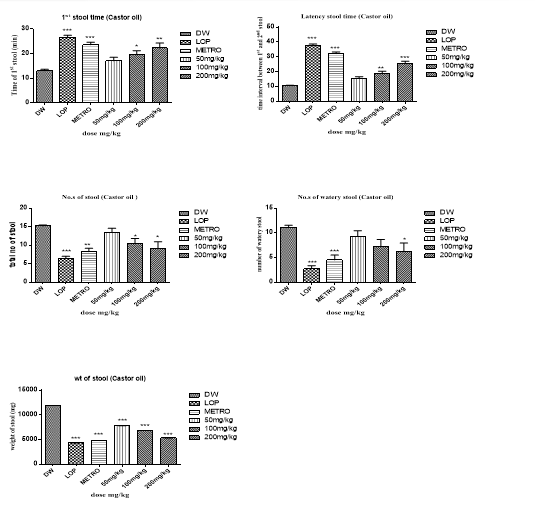
Figure 3.8. Bar diagram indicating dose dependent effect of VBAE against Copper Sulphte induced emesis in pigeons.
Bar represent as mean ± SEM for group (n=8). One way ANOVA followed by Dunnett’s test was applied for data analysis. *p<0.05,**p<0.01, ***p<0.001 versus negative group (Asterisks representing statistically significant value from control).
DISCUSSION :
The current study offers a detailed evidence of the anti-diarrheal activity of the aqueous extract of Viola betonicifolia (VBAE) in pigeon as an in vivo model of castor oil induced diarrhea and shows that the extract exerted significant anti-diarrheal activity in a dose dependent manner in various parameters. Castor oil works by ricinoleic acid hydrolysis to ricinoleate salts with the sodium and potassium ions present in the intestinal lumen; ricinoleate salts then increase the permeability of the epithelial cells by inhibiting the Na+/K+-ATPase and ricinoleates also irritate the gastrointestinal mucosa that results in prostaglandin
release and local inflammation, which increases water and electrolyte secretion in the intestine.(18)
The anti-diarrheal properties noted in all the investigated parameters indicate multi-targeted mechanism of action (MoA) of VBAE which is supported by the presence of various phytochemicals in V. betonicifolia such as alkaloids, flavonoids, saponins, tannins, and phenols. The most notable impact of VBAE was the reduction in stool weight, which was highly significant (p<0.001) at all the doses (50, 100 and 200 mg/kg) when compared to negative controls, proving that VBAE helps in controlling the severity and amount of diarrhea. VBAE at 200 mg/kg highly significantly (p<0.001) reduced stool weight, significantly (p<0.01) prolonged first stool time, markedly increased latency to first stool (p<0.001), and reduced number of stools (p<0.05). The above results corroborate earlier research on the prokinetic and laxative actions of V. betonicifolia methanolic extract, which was partly due to the cholinergic activity of the extract.(19, 20)
The partial sensitivity to atropine observed in previous studies indicates that the gut stimulatory effects involve muscarinic receptor activation as well as other mechanisms, which have yet to be identified, and pyrilamine, SB203186 or hexamethonium did not affect the response, suggesting that the effects are not mediated via histamine, nicotine or serotonin receptors. In the castor oil-induced diarrhea, VBAE seems to have inhibitory effects on excessive gastrointestinal motility and fluid secretion, which may be mediated by several mechanisms such as modulation of electrolyte balance, inhibition of prostaglandin synthesis and regulation of intestinal smooth muscle contractility. Alkaloids and saponins present in VBAE are known to be gut stimulants which may be responsible for the observed anti-diarrheal activity while the presence of flavonoids and phenolic compounds with anti-inflammatory activity also support the observed effect of VBAE in the treatment of diarrhea.(21, 22)
Flavonoids and tannins are reported to have antidiarrheal potential due to its intestinal motility, anti-inflammatory and composition of gut microbiota.(23)
Many medicinal plants with similar phytochemical compositions have been found to be anti-diarrheal by means of their antibacterial activity against enteric pathogens, anti-motility, anti-spasmodic activity and reduction in intestinal fluid secretion.(24)
The anti-diarrheal activity of VBAE was similar to that of standard anti-diarrheals, Loperamide and Metronidazole, which means that it could be used as an alternative or complementary medicine in treating diarrhea.(18)
Previous acute toxicity studies indicate that VBAE has a favorable tolerability/safety profile when compared with conventional anti-diarrheal drugs that can have adverse side effects like respiratory depression in children and possible drug interactions.(25)
The anti-diarrheal effects of V. betonicifolia could be related to its phytochemical profile, particularly the presence of alkaloids and saponins, bioactive compounds that regulate intestinal motility, electrolyte equilibrium, and inflammatory reactions, as well as the presence of phenolic acids like gallic acid, sinapic acid, and ferulic acid, which were detected by HPLC analysis. The results presented here confirm the traditional use of V. betonicifolia as a remedy for gastrointestinal diseases such as diarrhea and justify the studies of its use as a safe and effective anti-diarrheal.
CONCLUSION :
The findings of this study suggest that the aqueous extract of Viola betonicifolia whole plant (VBAE) exhibits remarkable anti-diarrheal activity dose dependently in castor oil-induced diarrhea in pigeons; which validates the traditional use of this plant in gastrointestinal ailments. VBAE 200mg/kg significantly lengthened first stool time, increased the latency to first stool, decreased the number of stools and the number of watery stools and markedly decreased the stool weight. It had similar anti-diarrheal activity to the commonly used drugs, Loperamide and Metronidazole. The activity may be due to the high phytochemical content comprising of alkaloids, flavonoids, saponins and phenolic compounds, which inhibit intestinal motility, reduce fluid secretion and modulate electrolyte balance. The results highlighted that V. betonicifolia has a good scientific basis for its use in diarrhea; further phytochemical studies, mechanistic studies and clinical evaluation are warranted.
Recommendations
Bioassay-guided fractionation of VBAE should be done to gain knowledge for identification of specific compounds which contribute anti-diarrheal activity along with HPLC & GC-MS analysis to standardize the extract for quality control. Mechanistic studies are warranted to illustrate the receptor level actions of VBAE, including the inhibition of Na+/K+-ATPase, modulation of prostaglandin synthesis and involvement of muscarinic receptors. Randomized controlled trials of standardized V. betonicifolia preparations should be performed to assess anti-diarrheal effectiveness and safety in human subjects, especially in areas where there is a high prevalence of diarrhea. Standardisation of V. betonicifolia extracts should be developed to provide uniformity in the phytochemical composition and biological activity, for translating the findings of experimental studies to the clinical application. To delve into the therapeutic potential of V. betonicifolia, its anti-diarrheal activity should be tested in other diarrheal models, such as infectious and antibiotic-associated diarrhoea. Based on the traditional uses and the increasing evidence of pharmacological activity of V. betonicifolia, conservation and sustainable cultivation of this valuable plant resource should be promoted to ensure its long-term availability.
Limitations
There are several limitations to the present study that should be taken into consideration when interpreting the findings. The study used a model of diarrhoea in pigeons induced by castor oil, which, although useful in gaining mechanistic insights may not accurately model diarrhoea in humans and therefore further validation of the findings would be needed in a mammalian model and in humans. The study was conducted with a crude aqueous extract which contained several phytochemical compounds and the effect of the extract could not be attributed to a specific compound and mechanism, further identification of the active principle(s) by bioassay guided fractionation is needed. Mechanistic studies were not performed to reveal the specific receptor level actions of VBAE, such as inhibition of Na+-K+-ATPase, modulation of prostaglandin, or involvement of muscarinic receptor, that would be helpful in understanding the molecular basis of anti-diarrheal activity. The observation period was 6 hours, which may not have been sufficient to assess the total time of the anti-diarrheal effects and no pharmacokinetic studies were performed to assess the absorption, distribution, metabolism, and excretion of active constituents. The phytochemical composition may differ from year to year and with location, reducing the reproducibility and there are no standardized extracts to specific marker compounds. The present study, despite the above-mentioned drawbacks, offers good evidence of the anti-diarrheal activity of V. betonicifolia and sets a good base for further research.
Declarations
Ethical Approval: All the protocols and procedures involving animals and their care were conducted as per the ethical guidelines approved by the Department of Pharmacy, Abbottabad University of Science and Technology (AUST), Abbottabad, Pakistan. Moreover, research was conducted in accordance with the internationally accepted principles for laboratory animal use and care.
BIBLIOGRAPHY:
1. Al-Beltagi M, Saeed NK, Bediwy AS, Elbeltagi R. Breaking the cycle: Psychological and social dimensions of pediatric functional gastrointestinal disorders. World Journal of Clinical Pediatrics. 2025;14(2):103323.
2. MORSY TA, HAWAM SM, DYAB AK, HASSAN TM. PATHOGENESIS OF DIARRHEA AMONG INFANTS AND CHILDREN: AN OVERVIEW. Journal of the Egyptian Society of Parasitology. 2025;55(3):379-90.
3. Das S, Neupane R, Beard J, Solomon H, Das M, Errickson N, et al. Aetiology of diarrhoea in children aged zero to nine years in low-and middle-income countries: A systematic review. Journal of global health. 2024;14:04168.
4. Marasco G, Meacci D, Sarnelli G, Tosetti C, Cremon C, Savarino EV, et al. Diarrhea management: from pathophysiology to microbiota modulation. Therapeutic Advances in Gastroenterology. 2026;19:17562848261424324.
5. Keely SJ, Barrett KE. Intestinal secretory mechanisms and diarrhea. American Journal of Physiology-Gastrointestinal and Liver Physiology. 2022;322(4):G405-G20.
6. Okorie NH, Adonu CC, Nnadi CO. Evaluation of anti-motility and anti-secretory effects of Annona muricata leaves extract in castor oil-induced diarrhoeic rats. Pharmacological Research-Natural Products. 2025;6:100167.
7. Florez ID, Nino-Serna LF, Beltran-Arroyave CP. Acute infectious diarrhea and gastroenteritis in children. Current infectious disease reports. 2020;22(2):4.
8. Paerhati Y, Aikebaier A, Dilimulati D, Baishan A, Yusufujiang N, Qiu X, et al. Rethinking nature’s pharmacy: AI era and natural product drug discovery. Pharmaceuticals. 2026;19(2):301.
9. Ghosh S, Bishal A, Ghosh SK, Jana K, Gayen B, Sahu S, et al. Herbal medicines: A potent approach to human diseases, their chief compounds, formulations, present status, and future aspects. Int J Membr Sci Technol. 2023;10:442-64.
10. Yang Y, Xiao G, Cheng P, Zeng J, Liu Y. Protective application of Chinese herbal compounds and formulae in intestinal inflammation in humans and animals. Molecules. 2023;28(19):6811.
11. Ullah F, Irfan M, Khan K, Khatoon S, Khalil S, Zubair M, et al. Quantitative assessment of the medicinal flora of Gadoon valley, District Swabi, Khyber Pakhtunkhwa, Pakistan. Ethnobotany Research and Applications. 2024;27:1-18.
12. Lu H, Zhang X, Khan SA, Li W, Wan L. Biogenic synthesis of MnO2 nanoparticles with leaf extract of Viola betonicifolia for enhanced antioxidant, antimicrobial, cytotoxic, and biocompatible applications. Frontiers in microbiology. 2021;12:761084.
13. Wang M, Meng Y, Zhu H, Hu Y, Xu C-P, Chao X, et al. Green synthesized gold nanoparticles using Viola betonicifolia leaves extract: Characterization, antimicrobial, antioxidant, and cytobiocompatible activities. International Journal of Nanomedicine. 2021:7319-37.
14. Kim SK, Kim MK, Oh C-H, Ban JY. Antidiarrheal Activity of Fermented Soybean Powder by Bacillus subtilis DKU_09 Strain in Mice with Castor Oil-Induced Diarrhea. Journal of Medicinal Food. 2026:1096620X261462218.
15. El Zorba H, Derbala D, Mancy EM, Morad SA, Abdelmageed N. Antidiarrheal and Spasmolytic activity of Calendula arvensis Linn in laboratory animal models—the potential role of calcium channel blockade. SVU-International Journal of Veterinary Sciences. 2024;7(3):36-50.
16. Ahmad I, Alotaibi BS, Malak N, Asad F, Ullah B, Nasreen N, et al. Antidiarrheal potential of Viola canescens: In vivo and in silico approaches. Pharmaceuticals. 2023;16(4):489.
17. Tavassoli S, Eftekhari K, Karimi M, Ghobadi A, Shati M, Naddaf A, et al. Effectiveness of Viola Flower Syrup Compared with Polyethylene Glycol in Children with Functional Constipation: A Randomized, Active‐Controlled Clinical Trial. Evidence‐Based Complementary and Alternative Medicine. 2021;2021(1):9915289.
18. Sarma R, Shakya A, Karmakar A, Ghosh SK, Bhat HR, Ghimire N, et al. A review of preclinical tools to validate anti-diarrheal agents. Current Reviews in Clinical and Experimental Pharmacology. 2024;19(1):12-25.
19. Sher AA, Iqbal A, Muhammad N, Badshah SL, Emwas A-H, Jaremko M. Prokinetic and laxative effects of Chrozophora tinctoria whole plant extract. Molecules. 2022;27(7):2143.
20. Rauf A, Akram M, Semwal P, Mujawah AA, Muhammad N, Riaz Z, et al. Antispasmodic potential of medicinal plants: a comprehensive review. Oxidative Medicine and Cellular Longevity. 2021;2021(1):4889719.
21. Maina Mwaura F. Investigating Plant-Derived Compounds for Their Antidiarrheal Activities. INOSR Scientific Research12. 2025(2):59-67.
22. Chaudhary P, Singh D, Swapnil P, Meena M, Janmeda P. Euphorbia neriifolia (Indian spurge tree): A plant of multiple biological and pharmacological activities. Sustainability. 2023;15(2):1225.
23. Garrido G, Garrido‐Suárez BB, Martínez‐Tapia N, Valdés‐González M, Ortega‐Mardones A. Antidiarrheal effect of Psidium guajava L. extract in acute diarrhea: a systematic review. Journal of the Science of Food and Agriculture. 2024;104(13):7731-53.
24. Plaatjie MT, Onyiche TE, Ramatla T, Bezuidenhout JJ, Legoabe L, Nyembe NI, et al. A scoping review on efficacy and safety of medicinal plants used for the treatment of diarrhea in sub-Saharan Africa. Tropical medicine and health. 2024;52(1):6.
25. Muzyamba S. MEDICINAL PLANTS IN PEDIATRIC CARE: A CURSE OR BLESSING? World journal of pharmacy and pharmaceutical sciences. 2024.