Frequency of Pulmonary Hypertension in Cases with Meconium Aspiration
- Maria Amanat , Postgraduate Resident, Department of Pediatrics, Shalamar Hospital, Lahore, Pakistan
- Nadeem Hameed , Professor and Head of Pediatrics Department, Shalamar Hospital, Lahore, Pakistan
- Nida Mukhtar , Postgraduate Resident, Department of Pediatrics, Shalamar Hospital, Lahore, Pakistan
- Ayesha Bibi , Postgraduate Resident, Department of Pediatrics, Shalamar Hospital, Lahore, Pakistan
- Arusa , Postgraduate Resident, Department of Pediatrics, Shalamar Hospital, Lahore, Pakistan
- Attiqa Ramzan , Postgraduate Resident, Department of Pediatrics, Shalamar Hospital, Lahore, Pakistan
Article Information:
Abstract:
Abstract: Background: Meconium aspiration syndrome is an important cause of respiratory distress in newborns and may be complicated by persistent pulmonary hypertension of the newborn. Objective: To determine the frequency of pulmonary hypertension among neonates with meconium aspiration syndrome. Methodology: A cross-sectional study was conducted in the Department of Pediatrics, Shalamar Hospital, Lahore, from July to October 2025. A total of 200 neonates within the first three days of life, of either gender, with meconium aspiration syndrome were enrolled through non-probability consecutive sampling. Neonates with congenital cardiac anomalies, congenital respiratory tract anomalies, and gestational age below 34 weeks were excluded. Results: The mean age of the neonates was 1.7 ± 0.8 days, while the mean gestational age was 38.1 ± 1.5 weeks. Of the 200 neonates, 118 (59.0%) were male and 82 (41.0%) were female. Pulmonary hypertension was identified in 84 (42.0%) neonates, while 116 (58.0%) did not have pulmonary hypertension. Pulmonary hypertension was observed in 47.6% of neonates aged 1 day, 40.0% aged 2 days, and 34.8% aged 3 days (p = 0.341). It was present in 44.1% of males and 39.0% of females (p = 0.478). Among neonates with gestational age 34–36 weeks, 55.9% had pulmonary hypertension compared with 39.2% of those born at ≥37 weeks (p = 0.072). Conclusion: It is concluded that pulmonary hypertension was a common complication among neonates with meconium aspiration syndrome, affecting 42.0% of the study population. Early recognition and timely echocardiographic assessment may help facilitate prompt diagnosis and appropriate management.
Keywords:
Article :
INTRODUCTION:
Persistent pulmonary hypertension of the newborn (PPHN) is a syndrome of failed post-natal circulatory adaptation and affected about 2 of every 1000 live-born babies [1]. It is most frequently seen in term/near-term neonates but can also be seen in premature babies, though it might be associated with respiratory distress or bronchopulmonary dysplasia [2]. The PPHN usually develops in cases of pulmonary vasoconstriction and/or vasodilation which do not happen quickly enough, and is linked to several pulmonary diseases present at birth, such as meconium aspiration syndrome, congenital diaphragmatic hernia, and respiratory distress syndrome [3].
The use of gentle ventilation techniques, lung recruitment, inhaled nitric oxide, and surfactant therapy have resulted in better outcomes and decreased use of extracorporeal membrane oxygenation for the affected neonates [4]. Systemic and pulmonary vasodilators like sildenafil, prostaglandin E1, prostacyclin and endothelin receptor antagonists are other therapeutic options [5]. When PPHN is recognised early, treated appropriately and referred for the right treatment time, deaths associated with PPHN have decreased significantly. Infants who are affected, however, still have a risk of neurodevelopmental impairment and should be carefully followed post-discharge [5].
Pulmonary parenchymal diseases, like meconium aspiration, pneumonia, and sepsis, are common complications associated with pulmonary hypertension, as is pulmonary hypoplasia [6]. Persistent pulmonary hypertension occurs in about 15–20% of meconium aspiration syndrome cases and can result from other factors, including pulmonary vasoconstriction due to low oxygen levels, high carbon dioxide levels, and acidosis [7]. There have been wide variations reported in the incidence of pulmonary hypertension in neonates with meconium aspiration in previous studies. In another retrospective study, 6776 neonates were studied, and 72% of meconium aspirated neonates were found to have pulmonary hypertension [8]. In a study of 211 neonates who had a diagnosis of meconium aspiration, pulmonary hypertension was diagnosed in 36 (17.1%) [9]. A study in India revealed a frequency of 19% in neonates who suffered meconium aspiration [10] and a Pakistani study revealed pulmonary hypertension occurred in 42% of affected neonates [11].
The widely reported rates suggest that the impact of PA on neonates with MAS might vary in different populations and settings of care. There are limited local evidences, and very few studies directly tackling this association in Pakistan. Thus, a large scale study is needed to establish the prevalence of pulmonary hypertension in neonates who have meconium aspiration. A high prevalence of PH in these patients could justify earlier screening, treatment and the establishment of suitable clinical protocols which could result in better neonatal survival and quality of care.
Objective
To determine the frequency of pulmonary hypertension among neonates with meconium aspiration syndrome.
METHODOLOGY:
A cross-sectional study was conducted in the Department of Pediatrics, Shalamar Hospital, Lahore, from from July to October 2025. A sample size of 200 neonates was estimated using a 95% confidence level and a 7% margin of error, taking the expected frequency of pulmonary hypertension among neonates with meconium aspiration as 42% based on a previous study [11]. Consecutive sampling was employed as a method of recruitment of the study participants which was a non-probability sampling method. Neonates in the first 3 days of life (of any gender) and given the operational definition of meconium aspiration, were included in the study. In this study, neonates who had congenital cardiac anomaly and/or congenital respiratory tract anomaly were excluded, as well as those born at gestational ages below 34 weeks.
Data Collection
There were 200 neonates who were enrolled in the study period after meeting the inclusion criteria in the Department of Pediatrics at Shalamar Hospital, Lahore. The institutional ethical committee had given approval before the study was started. Data was collected on a proforma which was structured and included demographic and clinical data such as age, gender, gestational age. Clinical evaluation of meconium aspiration was conducted in all enrolled neonates, based on the pre-established operational criteria. Chest radiographs were taken to check if there was pulmonary involvement and possible complications arising from meconium aspiration. Echocardiography was performed to rule out congenital cardiac anomalies and to determine the presence of pulmonary hypertension based on the operational definition. The study proforma was used to record relevant findings.
Data Analysis
Data was entered into the computer and analyzed using SPSS version 23.0. The numerical variables (such as age and gestational age) were presented as mean values with standard deviation, and the categorical variables (such as gender and pulmonary hypertension) were presented as numbers and percentages. Data was categorized by age, gender and gestational age. Post-stratification chi-square test was used to determine differences in the outcome variable between strata. A p-value <0.05 was considered statistically significant.
RESULTS:
The mean age of the neonates was 1.7 ± 0.8 days, while the mean gestational age was 38.1 ± 1.5 weeks. Among the 200 neonates, 84 (42.0%) were 1 day old, 70 (35.0%) were 2 days old, and 46 (23.0%) were 3 days old. Male neonates were more frequent, accounting for 118 (59.0%) cases, while 82 (41.0%) were female. Most neonates, 166 (83.0%), had a gestational age of ≥37 weeks, whereas 34 (17.0%) were between 34 and 36 weeks of gestation.
Table 1. Baseline Characteristics of Neonates with Meconium Aspiration Syndrome (n = 200)
|
Variable |
n (%) / Mean ± SD |
|
Age, days |
1.7 ± 0.8 |
|
1 day |
84 (42.0%) |
|
2 days |
70 (35.0%) |
|
3 days |
46 (23.0%) |
|
Male |
118 (59.0%) |
|
Female |
82 (41.0%) |
|
Gestational age, weeks |
38.1 ± 1.5 |
|
Gestational age 34–36 weeks |
34 (17.0%) |
|
Gestational age ≥37 weeks |
166 (83.0%) |
Pulmonary hypertension was identified in 84 (42.0%) of the 200 neonates with meconium aspiration syndrome, while 116 (58.0%) did not have pulmonary hypertension.
Table 2. Frequency of Pulmonary Hypertension among Neonates with Meconium Aspiration Syndrome (n = 200)
|
Pulmonary hypertension |
n (%) |
|
Present |
84 (42.0%) |
|
Absent |
116 (58.0%) |
|
Total |
200 (100.0%) |
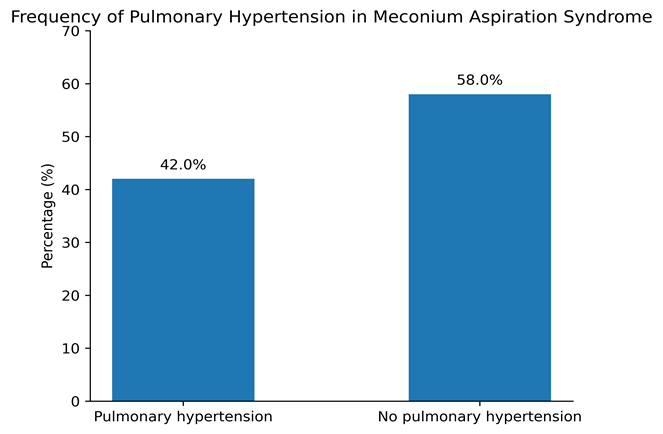
Figure 1. Frequency of Pulmonary Hypertension among Neonateswith Meconium Aspiration Syndrome
Pulmonary hypertension was observed in 40 (47.6%) of the 84 neonates aged 1 day, 28 (40.0%) of the 70 neonates aged 2 days, and 16 (34.8%) of the 46 neonates aged 3 days. Although the frequency of pulmonary hypertension decreased with increasing neonatal age, the association between age and pulmonary hypertension was not statistically significant (χ² = 2.15, p = 0.341).
Table 3. Association of Age with Pulmonary Hypertension (n = 200)
|
Age |
Pulmonary hypertension, n (%) |
No pulmonary hypertension, n (%) |
Total |
χ² |
p-value |
|
1 day |
40 (47.6%) |
44 (52.4%) |
84 |
|
|
|
2 days |
28 (40.0%) |
42 (60.0%) |
70 |
|
|
|
3 days |
16 (34.8%) |
30 (65.2%) |
46 |
2.15 |
0.341 |
|
Total |
84 (42.0%) |
116 (58.0%) |
200 |
|
|
Among male neonates, 52 (44.1%) had pulmonary hypertension compared with 32 (39.0%) female neonates. Pulmonary hypertension was absent in 66 (55.9%) males and 50 (61.0%) females. Although pulmonary hypertension was slightly more frequent among males, the association between gender and pulmonary hypertension was not statistically significant (χ² = 0.50, p = 0.478).
Table 4. Association of Gender with Pulmonary Hypertension (n = 200)
|
Gender |
Pulmonary hypertension, n (%) |
No pulmonary hypertension, n (%) |
Total |
χ² |
p-value |
|
Male |
52 (44.1%) |
66 (55.9%) |
118 |
|
|
|
Female |
32 (39.0%) |
50 (61.0%) |
82 |
0.50 |
0.478 |
|
Total |
84 (42.0%) |
116 (58.0%) |
200 |
|
|
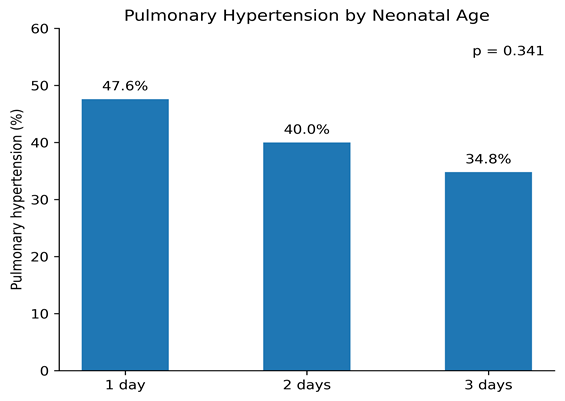
Figure 2. Pulmonary Hypertension According to Neonatal Age
Pulmonary hypertension was present in 19 (55.9%) of the 34 neonates with a gestational age of 34–36 weeks compared with 65 (39.2%) of the 166 neonates with gestational age ≥37 weeks. Although pulmonary hypertension was more frequent among neonates born at 34–36 weeks, the association between gestational age and pulmonary hypertension did not reach statistical significance (χ² = 3.23, p = 0.072).
Table 5. Association of Gestational Age with Pulmonary Hypertension (n = 200)
|
Gestational age |
Pulmonary hypertension, n (%) |
No pulmonary hypertension, n (%) |
Total |
χ² |
p-value |
|
34–36 weeks |
19 (55.9%) |
15 (44.1%) |
34 |
|
|
|
≥37 weeks |
65 (39.2%) |
101 (60.8%) |
166 |
3.23 |
0.072 |
|
Total |
84 (42.0%) |
116 (58.0%) |
200 |
|
|
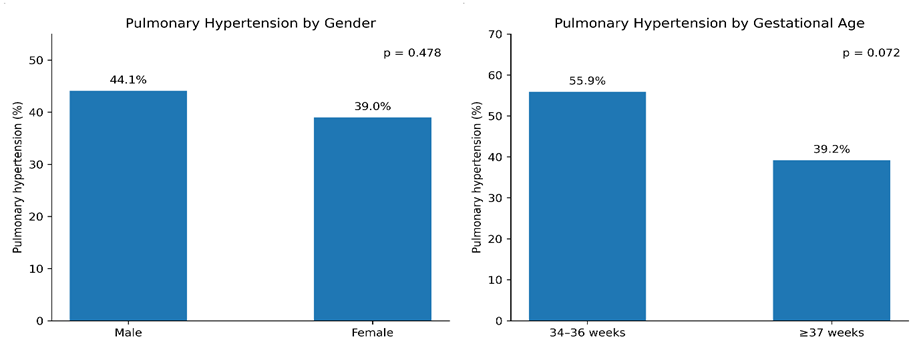
Figure 3: Frequency of pulmonary hypertension among neonates with meconium aspiration syndrome. Pulmonary hypertension was present in 42.0% of neonates and absent in 58.0%.
DISCUSSION :
In the present study, pulmonary hypertension was found in 84 neonates (42.0%) with meconium aspiration syndrome (MAS) out of 200 neonates with MAS. It suggests that pulmonary hypertension is a significant complication of meconium aspiration syndrome and should be promptly diagnosed and investigated in the affected newborns by echocardiographic evaluation. Pulmonary hypertension in these neonates may be attributed to hypoxia, hypercapnia, acidosis and increased pulmonary vascular resistance which occurs when the fetus suffers from meconium induced lung injury [12]. The frequency reported in the present study is similar to that of one of the previous Pakistani studies where pulmonary hypertension was found in about 42% of neonates with meconium aspiration [13]. The resemblance might be due to similar patient characteristics, health care environments, and severity of the neonatal disease. The results indicate that local neonatal units are required to carefully monitor neonates with meconium aspiration for cardiovascular implications.
But there has been a lot of variations reported around the world. A previous retrospective study with 6,776 neonates found that up to 72% of neonates with meconium aspiration had pulmonary hypertension [14]. This significantly increased frequency could be due to various reasons including differences in the severity of meconium aspiration, referral patterns, diagnostic criteria, availability of echocardiograms, and the characteristics of the study population. Another study with 211 neonates who had meconium aspiration found pulmonary hypertension in 36 (17.1%) cases, [9] however. Likewise, the Indian study reported pulmonary hypertension in about 19% of the newborn who aspirated meconium [10]. The differences in frequency from the present study might be explained by differences in the distribution of gestational age, the severity of respiratory compromise, the number of children diagnosed, timing of echocardiographic assessment, and differences in neonatal management practices. The wide variations across studies highlight that the burden of pulmonary hypertension in the neonate with meconium aspiration is affected by both clinical and methodological factors [15].
In the present study, pulmonary hypertension was more common in neonates evaluated on the first day of life (47.6%), 2 days of life (40.0%) and 3 days of life (34.8%). This association however was not statistically significant (p = 0.341). The increased incidence in the first day could be a reflection of the early physiological instability related to failure of pulmonary vascular resistance to fall after birth. In some babies, however, the pulmonary pressures subsequently fall as the pulmonary circulation adapts and respiratory status improves. Pulmonary hypertension was also observed slightly more frequently in male neonates than females (44.1% and 39.0%, respectively). But that distinction was not significant (p = 0.478), meaning that gender did not play an important role in determining pulmonary hypertension among this group [16]. Overall, the study population was comprised mostly of male neonates, and this could be due to the demographic of neonates who present with meconium aspiration rather than be attributable to a gender-specific susceptibility to pulmonary hypertension. The results of this study have implications for neonatal care [17,18]. Respiratory failure, hypoxemia and pulmonary vascular resistance may develop quickly in the case of meconium aspiration. Early echocardiographic assessment could be useful in detecting pulmonary hypertension and for determining the appropriate timing of intervention, such as supportive care (oxygenation, ventilation, surfactant, pulmonary vasodilators if necessary) [19]. It is especially crucial to recognize the condition early as failure to treat PPHN promptly can be a contributing factor to further deterioration of hypoxemia, hemodynamic instability, and neonatal morbidity and mortality. There were several limitations to this study. First, it was carried out in one tertiary care hospital, which might restrict the generalizability of the results to other neonatal units and healthcare contexts. Second, the cross-sectional design only enabled estimation of the prevalence of pulmonary hypertension, but not temporal or causal relationships between the two. Third, the sample size was medium-sized (200 neonates), which might have restricted the ability to detect significant associations in the subgroup analyses. Fourthly, no invasive hemodynamic confirmation was carried out to confirm pulmonary hypertension, which was determined by echocardiographic assessment. A larger multicenter prospective study, including disease severity and outcome measures, is suggested.
CONCLUSION :
Pulmonary hypertension was found as a complication in 42.0% of neonates with M.A.S. Pulmonary hypertension was more common in neonates evaluated on the first day of life and in males and in those who were 34-36 weeks' gestation, but these differences were not statistically significant. The results underscore the need for early clinical recognition and timely echocardiographic evaluation of neonates with meconium aspiration, which
BIBLIOGRAPHY:
1. Simonneau G, Hoeper MM. The revised definition of pulmonary hypertension: exploring the impact on patient management. Eur Heart J Suppl. 2019;21(Suppl K):K4-K8.
2. Emmons-Bell S, Johnson C, Boon-Dooley A, Corris PA, Leary PJ, Rich S, et al. Prevalence, incidence, and survival of pulmonary arterial hypertension: a systematic review for the Global Burden of Disease 2020 study. Pulm Circ. 2022;12(1):e12020.
3. Al-Qadi M, LeVarge B, Ford HJ. Epidemiology, pathogenesis, and clinical approach in group 5 pulmonary hypertension. Front Med (Lausanne). 2021;7:616720.
4. Levine DJ. Pulmonary arterial hypertension: updates in epidemiology and evaluation of patients. Am J Manag Care. 2021;27.
5. Rajagopal S, Yu YR. The pathobiology of pulmonary arterial hypertension. Cardiol Clin. 2022;40(1):1-12.
6. Teixeira-Mendonça C, Henriques-Coelho T. Pathophysiology of pulmonary hypertension in newborns: therapeutic indications. Rev Port Cardiol. 2013;32(12):1005-1012.
7. Swarnam K, Soraisham AS, Sivanandan S. Advances in the management of meconium aspiration syndrome. Int J Pediatr. 2012;2012.
8. Nchabeleng M, Hamese M, Ntuli T. Prevalence and outcomes of persistent pulmonary hypertension of the newborn in a neonatal unit, Mankweng Hospital, Limpopo Province, South Africa. S Afr J Child Health. 2021;15(2):102-106.
9. Nakwan N, Chitrapatima C. Risk factor analysis of persistent pulmonary hypertension of the newborn in meconium aspiration syndrome in Thai neonates. J Clin Neonatol. 2020;9(4):242-248.
10. Choudhary M, Meena MK, Chhangani N, Sharma D, Choudhary JS, Choudhary SK. To study prevalence of persistent pulmonary hypertension in newborn with meconium aspiration syndrome in western Rajasthan, India: a prospective observational study. J Matern Fetal Neonatal Med. 2016;29(2):324-327.
11. Khan I, Gui H. Meconium aspiration syndrome: an experience in neonatology department of Children Hospital Lahore. J Postgrad Med Inst. 2017;31(3).
12. Arshad MS, Adnan M, Anwar-Ul-Haq HM, Zulqarnain A. Postnatal causes and severity of persistent pulmonary hypertension of newborn. Pak J Med Sci. 2021;37(5):1387-1391. doi:10.12669/pjms.37.5.2218.
13. Sahin O, Gok NR, Colak D, Oner T, Guran O, Atay FY, et al. Risk factors and mortality in newborns with persistent pulmonary hypertension: a six-year single-center experience. Sisli Etfal Hastan Tip Bul. 2024;58(2):165-170. doi:10.14744/SEMB.2024.78614.
14. Steurer MA, Jelliffe-Pawlowski LL, Baer RJ, Partridge JC, Rogers EE, Keller RL. Morbidity of persistent pulmonary hypertension of the newborn in the first year of life. J Pediatr. 2019.
15. Choudhary M, Meena MK, Chhangani N, Sharma D, Choudhary JS, Choudhary SK. To study prevalence of persistent pulmonary hypertension in newborn with meconium aspiration syndrome in western Rajasthan, India: a prospective observational study. J Matern Fetal Neonatal Med. 2016;29(2):324-327. doi:10.3109/14767058.2014.1002765.
16. Tsoi SM, Steurer M, Nawaytou H, Cheung S, Keller RL, Fineman JR. Defining the typical course of persistent pulmonary hypertension of the newborn: when to think beyond reversible causes. J Pediatr. 2024;273:114131. doi:10.1016/j.jpeds.2024.114131
17. Nchabeleng M, Hamese M, Ntuli T. Prevalence and outcomes of persistent pulmonary hypertension of the newborn in a neonatal unit, Mankweng Hospital, Limpopo Province, South Africa. S Afr J Child Health. 2021;15(2):102-106.
18. Song S, Park KH, Lee H, Lee NH. Veno-arterial extracorporeal membrane oxygenation for the treatment of persistent pulmonary hypertension in the newborn. Asian J Surg. 2023;46(2):1145-1146. doi:10.1016/j.asjsur.2022.08.032.
19. all MK, Seabrook RB, Bonachea EM, Chen B, Fathi O, Nankervis CA, et al. Evidence-based guidelines for acute stabilization and management of neonates with persistent pulmonary hypertension of the newborn. Am J Perinatol. 2023;40(14):1495-1508. doi:10.1055/a-1711-0778