Transcranial Magnetic Stimulation for Tobacco De-addiction: Outcomes in a 73-Patient Treatment Cohort
- Aswin Kumar Mudunuru , MD-Physiology, Academic Director, Asha NeuromodulationClinics, Gachibowli, Hyderabad, Telangana State, INDIA.
- Sahithya Alamuri , M.Sc. Psychology, Research Coordinator, Asha Neuromodulation Clinics, Gachibowli, Hyderabad, Telangana State, INDIA.
- Lalitha Jahnavi , M.Sc. Applied Psychology, Academic Assistant, Asha NeuromodulationClinic, Gachibowli, Hyderabad, Telangana State, INDIA.
- Arun Kumar , Neuromodulation Psychologist, MagMit Healthcare LLP,
Article Information:
Abstract:
Transcranial magnetic stimulation (TMS) has emerged as a potential adjunct treatment for nicotine dependence [1–3], but real-world outcome data from intensive de-addiction programs remain limited [4]. Objective: To evaluate change in nicotine dependence severity among patients undergoing a TMS-based tobacco de-addiction program and to identify baseline factors associated with treatment response. Methods: This was a single-arm, pre/post observational study of 73 patients (96% male; mean age 34.9 ± 11.4 years) enrolled in a 10-day TMS-based tobacco de-addiction program. Nicotine dependence was assessed using the Fagerström Nicotine Dependence Score (FNDS, range 0–10) [5] at day 1 (baseline) and day 10. Paired t-tests and Wilcoxon signed-rank tests compared FNDS before and after treatment. Associations between baseline demographic and tobacco-use characteristics and percentage FNDS reduction were explored using Pearson/Spearman correlation and Mann-Whitney U tests, with a Bonferroni-corrected threshold (α ≈ .0036) applied across 14 secondary comparisons. Results: Mean FNDS decreased from 7.12 ± 1.17 at baseline to 2.95 ± 1.33 at day 10, a mean reduction of 4.18 points (95% CI 3.85–4.51) or 58.8% (median 62.5%; paired t(72) = 25.18, p < .001; Wilcoxon p < .001; Cohen's d = 2.95 [6]). All 73 patients (100%) improved, and the proportion classified as highly dependent (FNDS ≥ 7) fell from 71% to 0%. Higher baseline tobacco consumption (r = -0.39, p = .009, n = 43) and comorbid depression (46.3% vs. 61.1% reduction, p = .011) were associated with smaller improvement, but neither survived correction for multiple comparisons. Number of TMS sessions completed and cumulative pack-years showed no association with outcome (both p > .3). Conclusion: Patients undergoing this TMS-based program showed large, consistent reductions in nicotine dependence severity over 10 days. Heavier baseline tobacco use and comorbid depression may be associated with attenuated response and warrant investigation as prognostic factors in future controlled studies. In the absence of a comparison group, these findings cannot isolate the independent contribution of TMS from the broader de-addiction program.
Keywords:
Article :
INTRODUCTION:
Tobacco use remains one of the leading preventable causes of death worldwide, responsible for more than 7 million deaths annually [7]. Although the global adult tobacco use prevalence has declined from 33.1% in 2000 to 19.5% in 2024, nearly one in five adults, and roughly one in three men, still use tobacco, with the South-East Asia region — historically the region with the highest burden — accounting for more than half of the observed global decline over this period [8]. Despite this progress, existing pharmacological (e.g., varenicline, nicotine replacement therapy) and behavioral treatments for nicotine dependence show only moderate efficacy and are limited by adherence and relapse, motivating interest in neuromodulation-based approaches as an adjunct to standard care [4].
Repetitive transcranial magnetic stimulation (TMS) modulates activity in cortical regions implicated in nicotine craving and dependence, particularly the dorsolateral prefrontal cortex (DLPFC) and its functional connections with the orbitofrontal cortex and insula, structures thought to integrate cue-induced craving with cognitive control over smoking behavior [9,10]. Building on this rationale, sham-controlled randomized trials have demonstrated that high-frequency rTMS over the DLPFC and insula can reduce craving and increase smoking abstinence rates relative to control conditions [1,2], culminating in FDA 510(k) clearance in 2020 of a deep TMS coil as an aid to short-term smoking cessation [12]. However, most published trials have been conducted in relatively small, tightly controlled research samples, and questions remain about how these effects translate to structured, real-world de-addiction programs, about the durability of response, and about which patient characteristics predict better or worse outcomes [4]. Notably, at least one sham-controlled trial found that placebo (sham) stimulation reduced smoking behavior and nicotine dependence to a degree comparable to active TMS, underscoring the importance of interpreting uncontrolled TMS outcome data cautiously [11].
The Fagerström Test for Nicotine Dependence (and its numeric derivative used here, the Fagerström Nicotine Dependence Score, FNDS) remains the most widely used clinical instrument for quantifying nicotine dependence severity and has been used as an outcome measure across this literature [5]. The present study reports a real-world evaluation of change in FNDS among patients completing a 10-day TMS-based tobacco de-addiction program, with the aims of (1) quantifying the magnitude and consistency of change in nicotine dependence severity from day 1 to day 10, and (2) identifying baseline demographic, tobacco-use, and comorbidity characteristics associated with the degree of improvement, to generate hypotheses for future controlled research.
MATERIALS AND METHODS:
Study Design and Participants
This was a single-arm, retrospective observational (pre/post) study of patients enrolled in a transcranial magnetic stimulation (TMS)-based tobacco de-addiction program. Data were extracted from clinical records for 73 consecutively treated patients. All patients underwent nicotine dependence assessment at treatment day 1 (baseline, prior to the first TMS session) and day 10 (following completion of the treatment course). No untreated or comparator (e.g., sham-TMS or standard-care-only) group was included; consequently, this design permits description of within-patient change but not causal attribution to the TMS intervention specifically, as opposed to other components of the de-addiction program (e.g., counseling) delivered concurrently.
[Note: stimulation parameters — target cortical site, stimulation frequency/intensity, pulses per session, and session duration — were not captured in the dataset made available for this analysis and should be inserted here from the treatment protocol records.]
Measures
Primary outcome. Nicotine dependence severity was measured using the Fagerström Nicotine Dependence Score (FNDS; range 0–10, higher scores indicating greater dependence) [5], administered at day 1 and day 10. For descriptive purposes, patients were classified as low (FNDS ≤ 3), moderate (FNDS 4–6), or high (FNDS ≥ 7) dependence.
Baseline characteristics. Demographic data (age, sex, marital status, employment status, monthly income), anthropometric and vital sign measures (weight, height, body mass index [BMI], pulse rate, systolic and diastolic blood pressure), and baseline spirometry (FEV1/FVC ratio, peak expiratory flow rate [PEFR], forced expiratory flow at 25–75% of forced vital capacity [FEF25–75]) were recorded at presentation. Tobacco-use history included age of tobacco onset, duration of use (years), pack-years, daily tobacco consumption (units/day), tobacco type (cigarette-only vs. mixed/other), number of prior quit attempts, and concurrent alcohol use. Psychiatric and medical comorbidities recorded included depression, other psychiatric illness, hypertension, and type 2 diabetes. Number of TMS sessions completed was also recorded per patient.
Data Cleaning
Prior to analysis, the source dataset was screened and cleaned as follows. Free-text or inconsistently formatted numeric fields (e.g., income entered as "50k," "nil," or "-"; multi-value cells such as "16, 35" for age of onset) were parsed to numeric values, with multi-value cells averaged. Categorical fields with inconsistent capitalization or spelling (e.g., "married"/"Married," "unmarried"/"unmarries") were standardized to a single label per category. Two FEV1/FVC entries (117% and 176%) were excluded from spirometry summaries as physiologically implausible (the ratio cannot exceed 100%), presumed to reflect data entry or transcription errors. No post-treatment (day 10) spirometry was available, precluding pre/post respiratory comparison. Missing data were not imputed; each analysis is reported with its own available sample size rather than assuming completeness across the full cohort of 73.
Statistical Analysis
Continuous variables are summarized as mean ± standard deviation (SD) with median and range; categorical variables are summarized as counts and percentages. The primary outcome — change in FNDS from day 1 to day 10 — was assessed using a paired-samples t-test, with effect size reported as Cohen's d [6]. Normality of within-patient FNDS differences was assessed with the Shapiro-Wilk test; given evidence of non-normality, the Wilcoxon signed-rank test was additionally performed as a non-parametric confirmatory analysis. A 95% confidence interval was calculated for the mean change.
Percentage reduction in FNDS ([FNDS day 1 − FNDS day 10] / FNDS day 1 × 100) was used as the continuous measure of treatment response for secondary analyses. Associations between baseline continuous variables and percentage FNDS reduction were assessed using Pearson correlation, with Spearman rank correlation performed alongside as a robustness check against non-normal or non-linear associations. Percentage reduction was compared across binary comorbidity subgroups (comorbid depression, comorbid other psychiatric illness, alcohol use, hypertension, type 2 diabetes, tobacco type) using independent-samples t-tests and Mann-Whitney U tests. For variables with an a priori clinical rationale as candidate dose-response predictors (number of TMS sessions completed, pack-years), supplementary analyses included linear regression (with 95% confidence interval for the slope), tertile- or category-based group comparisons (one-way ANOVA and Kruskal-Wallis tests), and, for pack-years, a log-transformed correlation to account for distributional skew.
Given that 14 secondary hypothesis tests were performed (8 correlations, 6 subgroup comparisons), a Bonferroni-corrected significance threshold of α ≈ .0036 (.05/14) was applied to control the family-wise error rate; results significant only at the uncorrected α = .05 level are reported as exploratory and hypothesis-generating rather than confirmatory. All statistical tests were two-tailed. Analyses were performed in Python (pandas, SciPy).
RESULT:
Seventy-three patients undergoing a transcranial magnetic stimulation (TMS)-based tobacco de-addiction program were included in the analysis. The cohort was predominantly male (n = 70, 96%; female n = 3, 4%), with a mean age of 34.9 ± 11.4 years (median 32.0, range 19–65). Just over half of patients were married (n = 37, 51%), 44% were unmarried (n = 32), and 5% were divorced (n = 4). The majority were employed (n = 45, 62%).
Baseline tobacco-use history indicated a mean age of onset of 21.2 ± 6.9 years (n = 42), with patients reporting a mean of 10.1 ± 8.0 years of tobacco use (n = 49) and 14.2 ± 13.4 pack-years (n = 35, median 8.0, range 1–50). Mean daily tobacco consumption was 13.0 ± 9.2 units/day (n = 43). Most patients used cigarettes exclusively (n = 31, 63% of those with type recorded), while 37% (n = 17) reported mixed or other tobacco forms. A minority reported prior quit attempts (mean 0.9 ± 1.9, n = 38), and 45% (n = 29 of 64 recorded) reported concurrent alcohol use.
Comorbid depression was present in 21% of patients (n = 14 of 67 recorded) and comorbid non-depressive psychiatric illness in 31% (n = 21 of 67). Hypertension and type 2 diabetes were present in 20% (n = 13 of 64) and 25% (n = 16 of 64) of patients, respectively. Patients completed a mean of 11.0 ± 3.7 TMS sessions (n = 61, median 10.0, range 1–22); session count was heavily clustered, with 30 of 61 patients (49%) completing exactly 10 sessions.
Baseline spirometry was recorded for a subset of patients: mean FEV1/FVC was 80.7 ± 19.7% (n = 45; two additional recordings of 117% and 176% were excluded as physiologically implausible), mean PEFR was 5.3 ± 1.9 L/s (n = 49), and mean FEF25–75 was 3.0 ± 1.5 L/s (n = 50). No post-treatment spirometry was available for comparison.
Table 1. Baseline demographic and clinical characteristics (N = 73)
|
Characteristic |
n |
Value |
|
Age, years, mean ± SD (median, range) |
73 |
34.9 ± 11.4 (32.0, 19–65) |
|
Sex, male, n (%) |
73 |
70 (96%) |
|
Marital status: married / unmarried / divorced, n (%) |
73 |
37 (51%) / 32 (44%) / 4 (5%) |
|
Employed, n (%) |
73 |
45 (62%) |
|
BMI, kg/m², mean ± SD |
54 |
26.1 ± 4.5 |
|
Pulse rate, bpm, mean ± SD |
73 |
89.0 ± 17.3 |
|
SBP / DBP, mmHg, mean ± SD |
73 |
123.1 ± 13.2 / 78.2 ± 9.2 |
|
Age of tobacco onset, years, mean ± SD |
42 |
21.2 ± 6.9 |
|
Duration of tobacco use, years, mean ± SD |
49 |
10.1 ± 8.0 |
|
Pack-years, mean ± SD (median) |
35 |
14.2 ± 13.4 (8.0) |
|
Tobacco units/day, mean ± SD |
43 |
13.0 ± 9.2 |
|
Prior quit attempts, mean ± SD |
38 |
0.9 ± 1.9 |
|
Tobacco type: cigarette-only, n (%) |
48 |
31 (63%) |
|
Concurrent alcohol use, n (%) |
64 |
29 (45%) |
|
Comorbid depression, n (%) |
67 |
14 (21%) |
|
Comorbid other psychiatric illness, n (%) |
67 |
21 (31%) |
|
Hypertension, n (%) |
64 |
13 (20%) |
|
Type 2 diabetes, n (%) |
64 |
16 (25%) |
|
TMS sessions completed, mean ± SD (median) |
61 |
11.0 ± 3.7 (10.0) |
|
FEV1/FVC, %, mean ± SD |
45ᵃ |
80.7 ± 19.7 |
ᵃExcludes two physiologically implausible values (117%, 176%), presumed transcription errors.
Primary Outcome: Change in Nicotine Dependence Severity
Nicotine dependence, measured by the Fagerström Nicotine Dependence Score (FNDS; range 0–10) [5], decreased significantly from baseline (day 1) to day 10 of the TMS program. Mean FNDS fell from 7.12 ± 1.17 at day 1 to 2.95 ± 1.33 at day 10, a mean absolute reduction of 4.18 points (95% CI 3.85–4.51) and a mean percentage reduction of 58.8% (median 62.5%). This reduction corresponded to a mean shift from the high-dependence range (FNDS ≥ 7) into the low-dependence range (FNDS ≤ 3).
The change was assessed with a paired t-test (t(72) = 25.18, p = 1.99 × 10⁻³⁷) and, given a Shapiro-Wilk test indicating the distribution of within-patient differences departed from normality (p = .011), confirmed with the Wilcoxon signed-rank test (p = 8.26 × 10⁻¹⁴). Both tests indicated the improvement was far beyond what would be expected by chance. The effect size was very large (Cohen's d = 2.95) [6].
The improvement was consistent across the cohort: all 73 patients (100%) showed a reduction in FNDS from day 1 to day 10, with no patient showing no change or worsening. At baseline, 52 of 73 patients (71%) were classified as highly dependent (FNDS ≥ 7) and none fell in the low-dependence range; by day 10, no patient remained highly dependent, and 55 of 73 (75%) had moved into the low-dependence category (Figure 1, Figure 2).
Table 2. Nicotine dependence (FNDS) at day 1 versus day 10 (N = 73)
|
Measure |
Day 1 |
Day 10 |
|
Mean ± SD |
7.12 ± 1.17 |
2.95 ± 1.33 |
|
High dependence (FNDS ≥ 7), n (%) |
52 (71%) |
0 (0%) |
|
Moderate dependence (FNDS 4–6), n (%) |
21 (29%) |
18 (25%) |
|
Low dependence (FNDS ≤ 3), n (%) |
0 (0%) |
55 (75%) |
Mean reduction: 4.18 points (95% CI 3.85–4.51); mean % reduction: 58.8% (median 62.5%); paired t(72) = 25.18, p = 1.99 × 10⁻³⁷; Wilcoxon p = 8.26 × 10⁻¹⁴; Cohen's d = 2.95.
Predictors of Treatment Response
To identify factors associated with the magnitude of improvement, percentage reduction in FNDS was correlated with baseline demographic and tobacco-use variables, and compared across comorbidity subgroups. Given that 14 secondary comparisons were performed (8 correlations, 6 subgroup tests), a Bonferroni-corrected significance threshold of α ≈ .0036 was applied to guard against inflated type I error; findings significant only at the uncorrected α = .05 level are reported as exploratory.
Correlational analyses. Baseline tobacco units/day showed a significant inverse correlation with percentage FNDS reduction (Pearson r = -0.39, p = .009, n = 43; Spearman ρ = -0.43, p = .004), indicating that patients with heavier daily tobacco consumption at presentation achieved smaller relative improvement. Duration of tobacco use showed a similar, borderline association (r = -0.31, p = .030, n = 49), which did not replicate with the rank-based Spearman test (ρ = -0.18, p = .214). No other baseline variable reached significance: age of tobacco onset (r = 0.26, p = .092, n = 42), BMI (r = 0.22, p = .111, n = 54), age (r = -0.12, p = .309, n = 73), or baseline FNDS severity itself (r = -0.05, p = .686, n = 73). Neither of the two nominally significant correlations (tobacco units/day, years of use) survived Bonferroni correction (α ≈ .0036) and are therefore reported as exploratory, hypothesis-generating findings rather than confirmed predictors (Figure 3A).
Two variables were examined in additional detail given their clinical relevance as candidate dose-related predictors:
· TMS sessions completed showed no significant correlation with outcome (Pearson r = -0.13, p = .322; Spearman ρ = -0.06, p = .635; n = 61). A linear regression estimated a slope of -0.64 percentage points of FNDS reduction per additional session (95% CI -1.89 to 0.61), consistent with no dose-response relationship. Session count was highly clustered around an apparent standard protocol length (30 of 61 patients, 49%, completed exactly 10 sessions), limiting the range of variation available to detect an effect. Grouping patients by session count (< 10, = 10, > 10 sessions) showed comparable mean percentage reduction across groups (54.1% ± 16.9%, n = 8; 59.6% ± 15.1%, n = 30; 57.5% ± 23.2%, n = 23, respectively; one-way ANOVA p = .750; Kruskal-Wallis p = .824) (Figure 4).
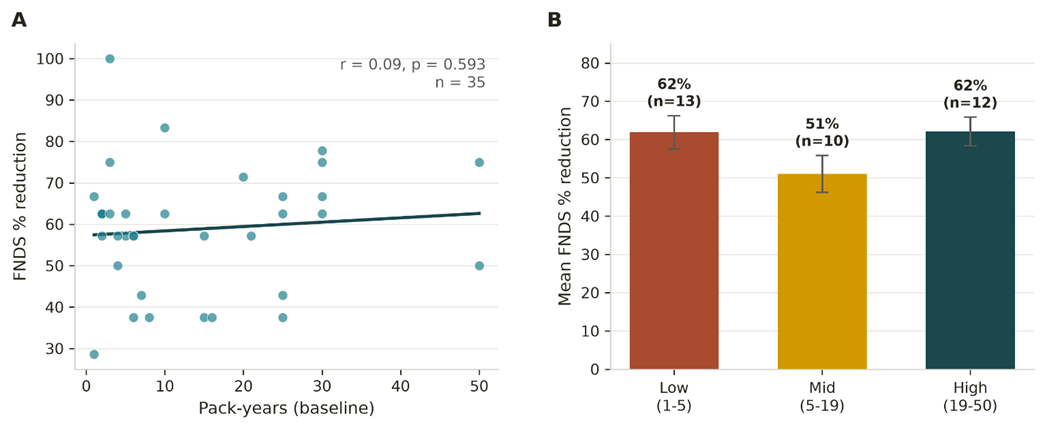
· Pack-years showed no significant correlation with outcome (Pearson r = 0.09, p = .593; Spearman ρ = 0.09, p = .599; n = 35), and the null result persisted after log-transformation to address the right-skewed distribution of pack-years (skewness = 1.12; r = 0.04, p = .831). Tertile grouping (low: 1–5, mid: 5–19, high: 19–50 pack-years) showed a non-monotonic pattern — low and high tertiles achieved similar mean percentage reduction (61.9% ± 15.7%, n = 13; 62.1% ± 13.0%, n = 12) while the middle tertile was lower (51.0% ± 15.2%, n = 10) — that did not reach significance (one-way ANOVA p = .154; Kruskal-Wallis p = .083) and is not consistent with a genuine dose-response effect (Figure 5).
Table 3. Correlation of baseline variables with percentage FNDS reduction
|
Variable |
n |
Pearson r |
p-value |
Significant at α = .05? |
|
Tobacco units/day (baseline) |
43 |
-0.39 |
.009 |
Yes (does not survive Bonferroni) |
|
Years of tobacco use |
49 |
-0.31 |
.030 |
Borderline (does not survive Bonferroni) |
|
Age of tobacco onset |
42 |
0.26 |
.092 |
No |
|
BMI |
54 |
0.22 |
.111 |
No |
|
Pack-years |
35 |
0.09 |
.593 |
No |
|
TMS sessions completed |
61 |
-0.13 |
.322 |
No |
|
Age |
73 |
-0.12 |
.309 |
No |
|
Baseline FNDS (day 1) |
73 |
-0.05 |
.686 |
No |
Subgroup comparisons. Patients with comorbid depression achieved significantly smaller percentage reduction in FNDS than those without (46.3% vs. 61.1%, Mann-Whitney p = .011; independent t-test p = .012) (Figure 3B). No other comorbidity subgroup comparison was significant: comorbid non-depressive psychiatric illness (61.6% vs. 56.4%, p = .352), concurrent alcohol use (57.6% vs. 57.8%, p = .823), hypertension (52.8% vs. 59.1%, p = .440), type 2 diabetes (60.0% vs. 57.1%, p = .396), or tobacco type, cigarette-only versus mixed/other (58.8% vs. 54.8%, p = .580). As with the correlational findings, the comorbid depression association did not survive Bonferroni correction (α ≈ .0036) and is reported as an exploratory signal.
Table 4. Subgroup comparisons of percentage FNDS reduction
|
Comparison |
Group means (n) |
p-value (Mann-Whitney) |
Significant at α = .05? |
|
Comorbid depression |
No: 61.1% (n=53) · Yes: 46.3% (n=14) |
.011 |
Yes (does not survive Bonferroni) |
|
Comorbid other psychiatric illness |
No: 56.4% (n=46) · Yes: 61.6% (n=21) |
.352 |
No |
|
Alcohol use |
No: 57.8% (n=35) · Yes: 57.6% (n=29) |
.823 |
No |
|
Hypertension |
No: 59.1% (n=51) · Yes: 52.8% (n=13) |
.440 |
No |
|
Type 2 diabetes |
No: 57.1% (n=48) · Yes: 60.0% (n=16) |
.396 |
No |
|
Tobacco type (cigarette-only vs. mixed) |
Cig: 58.8% (n=31) · Mixed: 54.8% (n=17) |
.580 |
No |
Data Completeness
Core outcome data (FNDS at day 1 and day 10) were complete for all 73 patients. Secondary tobacco-history and comorbidity variables had substantially higher missingness, ranging from approximately 12% (comorbidity fields, n = 67/73) to 52% (pack-years, n = 35/73); analyses involving these variables are reported with their respective available sample sizes rather than assumed to reflect the full cohort of 73.
DISCUSSION :
In this real-world cohort of 73 patients completing a 10-day TMS-based tobacco de-addiction program, nicotine dependence severity fell dramatically and consistently: mean FNDS dropped from 7.12 to 2.95 (a 58.8% mean reduction), every patient improved, and the proportion classified as highly dependent fell from 71% to 0%. This effect size (Cohen's d = 2.95) is substantially larger than the craving and dependence reductions typically reported in sham-controlled TMS trials for nicotine dependence, which, while statistically significant, are generally more modest in magnitude [1,2,3]. This gap in effect size most plausibly reflects the fact that the present design lacks a comparison arm: patients here also received the broader components of a structured de-addiction program (counseling, supervised abstinence, and clinical monitoring), any of which, together with regression to the mean, natural motivation at treatment entry, and non-specific expectancy effects, could account for part of the observed improvement. This concern is not merely theoretical — at least one sham-controlled trial found that placebo TMS reduced smoking behavior and dependence to a degree statistically indistinguishable from active stimulation [11], reinforcing that uncontrolled pre/post change of this magnitude should be interpreted as an estimate of the effectiveness of the overall program rather than proof of a TMS-specific effect.
Predictors of Response
Among baseline characteristics examined, heavier baseline tobacco consumption (units/day) and comorbid depression were each associated with smaller relative improvement, while number of TMS sessions completed and cumulative pack-years were not. The tobacco-consumption finding is broadly consistent with a dose-severity relationship in which patients with more entrenched, higher-volume use patterns require more intensive or prolonged intervention to achieve comparable relative gains, a pattern also suggested for cue-reactivity and craving circuits within the DLPFC-orbitofrontal-insula network implicated in nicotine dependence [9,10]. The attenuated response among patients with comorbid depression is consistent with clinical literature linking mood disorders to poorer smoking-cessation outcomes generally, and may reflect shared neurobiological substrates of craving and affective regulation, greater difficulty engaging with adjunct behavioral components of the program, or simply a more severe underlying addictive phenotype. Neither association survived correction for multiple comparisons, however, and both should be regarded as exploratory signals warranting confirmation in adequately powered, prospective samples rather than established prognostic markers.
The absence of a relationship between number of TMS sessions and outcome is notable given that session count is often assumed to be a proxy for stimulation "dose." Two features of the data limit interpretation of this null result: nearly half of patients received exactly 10 sessions, sharply restricting the range available to detect a dose-response signal, and the confidence interval around the regression slope (-1.89 to 0.61 percentage points per session) is wide enough to be compatible with both a modest true effect and no effect at all. Similarly, the non-monotonic, statistically null relationship between pack-years and outcome may reflect the modest available sample size for this variable (n = 35, with pack-years available for fewer than half of the cohort) combined with a right-skewed distribution, rather than definitive evidence against a true dose-response relationship between cumulative tobacco exposure and treatment response.
Limitations
Several limitations constrain interpretation of these findings. First, and most importantly, the single-arm, pre/post design without a sham-TMS or standard-care-only comparison group means the observed improvement cannot be attributed specifically to TMS as opposed to concurrent counseling, supervised abstinence, natural motivation, or non-specific placebo effects [11]. Second, outcome was assessed only to day 10, immediately at the end of the treatment course; no data were available on whether reductions in dependence translated into sustained abstinence or were maintained beyond the immediate treatment period, and relapse is common after intensive smoking-cessation interventions. Third, TMS stimulation parameters (target site, frequency, intensity, and pulses per session) were not available in the dataset used for this analysis and could not be reported, limiting reproducibility and comparison with the published TMS literature. Fourth, key tobacco-history variables (pack-years, duration of use, tobacco units/day) had substantial missingness (up to 52%), were based on patient self-report subject to recall bias, and were not verified with biochemical markers such as exhaled carbon monoxide or serum/urinary cotinine. Fifth, 14 secondary hypothesis tests were performed; while a Bonferroni-corrected threshold was applied and is reported throughout, the exploratory findings (tobacco consumption, comorbid depression) require replication. Finally, the cohort was drawn from a single treatment program and was 96% male with a comparatively narrow age range, limiting generalizability to other populations, treatment settings, and sexes.
Clinical and Research Implications
Within these constraints, the findings suggest that structured, intensive de-addiction programs incorporating TMS are associated with large, consistent short-term reductions in nicotine dependence severity, supporting continued clinical use alongside standard care while controlled evidence accumulates. The exploratory associations between higher baseline tobacco consumption, comorbid depression, and attenuated response, if replicated, could help clinicians identify patients likely to need adjunctive or intensified treatment. Future research should prioritize sham-controlled randomized designs with standardized, reported stimulation parameters; longer follow-up incorporating biochemically verified abstinence to assess durability and relapse; adequately powered prospective testing of comorbid depression and baseline consumption as moderators of response; and inclusion of more diverse and balanced patient samples.
CONCLUSION :
In In this 73-patient real-world cohort, a 10-day TMS-based tobacco de-addiction program was associated with a large, highly consistent reduction in nicotine dependence severity, with every patient improving and the great majority shifting out of the high-dependence category by day 10. Heavier baseline tobacco consumption and comorbid depression were exploratory correlates of smaller relative improvement, while number of TMS sessions completed and cumulative pack-years showed no association with outcome. Because the design was single-arm and lacked a sham-TMS or standard-care-only comparison group, these findings describe the effectiveness of the overall de-addiction program rather than establishing a TMS-specific causal effect, and the exploratory predictor associations did not survive correction for multiple comparisons. Confirmation in adequately powered, sham-controlled randomized trials with longer, biochemically verified follow-up is needed before these findings can inform patient selection or treatment protocols in clinical practice.
Figure 1. Individual and mean change in nicotine dependence severity from day 1 to day 10.
Fagerström Nicotine Dependence Score (FNDS, range 0–10) for each of the 73 patients at treatment day 1 (baseline) and day 10, connected by thin lines; the bold line and large markers show the group mean at each timepoint (mean 7.12 ± 1.17 at day 1 vs. 2.95 ± 1.33 at day 10; mean difference 4.18 points, 95% CI 3.85–4.51; paired t(72) = 25.18, p < .001; Wilcoxon p < .001; Cohen's d = 2.95). All 73 patients (100%) showed a reduction.
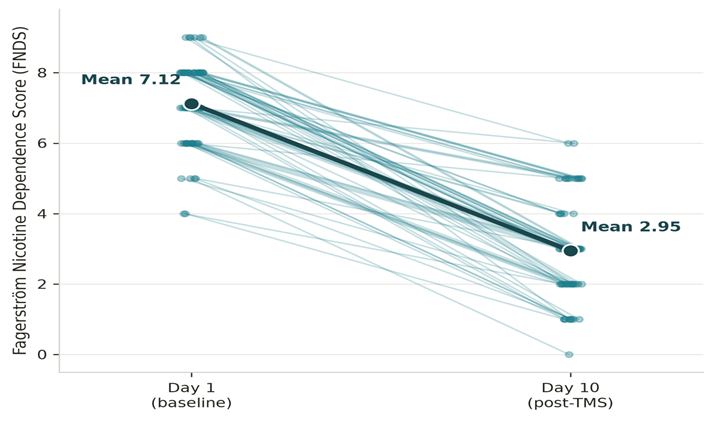
Figure 2. Shift in dependence category distribution from day 1 to day 10.
Percentage of patients classified as low (FNDS 0–3), moderate (FNDS 4–6), or high (FNDS 7–10) dependence at day 1 (baseline, terra) versus day 10 (post-TMS, teal). The proportion of highly dependent patients fell from 71% (n = 52) to 0%, while the proportion in the low-dependence category rose from 0% to 75% (n = 55).
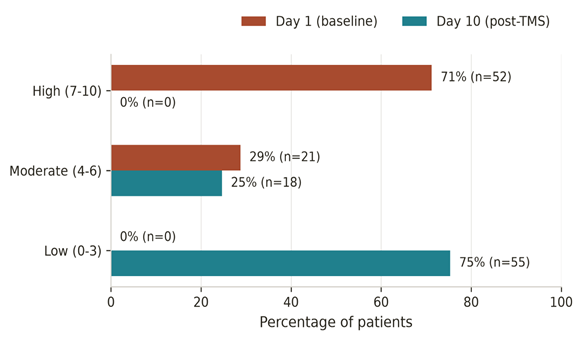
Figure 3. Baseline correlates of treatment response: tobacco consumption and comorbid depression.
(A) Scatter plot of baseline tobacco units/day against percentage FNDS reduction, with linear regression line (Pearson r = -0.39, p = .009, n = 43); heavier baseline consumption was associated with smaller relative improvement. (B) Box-and-jitter plot of percentage FNDS reduction by comorbid depression status; patients with comorbid depression showed significantly smaller improvement than those without (46.3% vs. 61.1%; Mann-Whitney p = .011). Neither association survived Bonferroni correction for multiple comparisons (α ≈ .0036) and both are reported as exploratory.
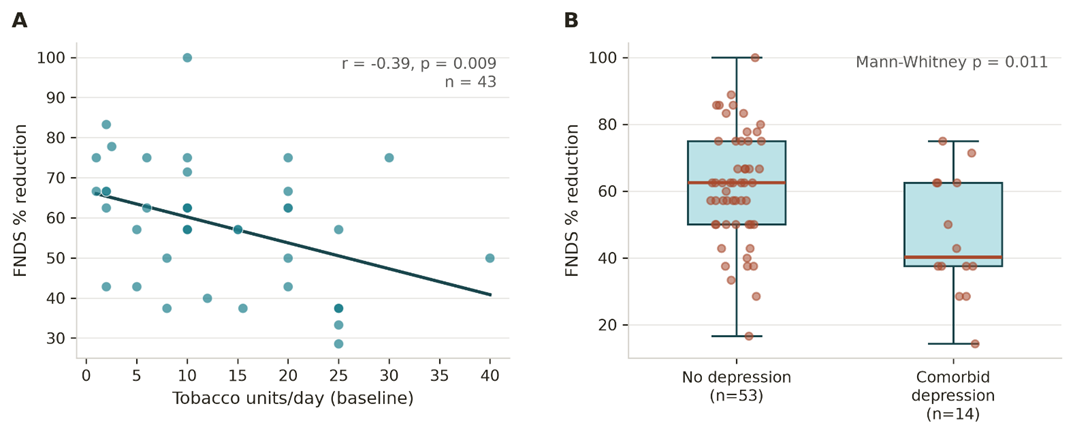
Figure 4. Number of TMS sessions completed versus treatment response.
(A) Scatter plot of TMS sessions completed against percentage FNDS reduction, with linear regression line; no significant correlation was observed (Pearson r = -0.13, p = .322, n = 61). (B) Mean percentage FNDS reduction (± SEM) by session-count group (< 10, = 10 [the modal, apparent standard protocol length], > 10 sessions); group means did not differ significantly (one-way ANOVA p = .750; Kruskal-Wallis p = .824).
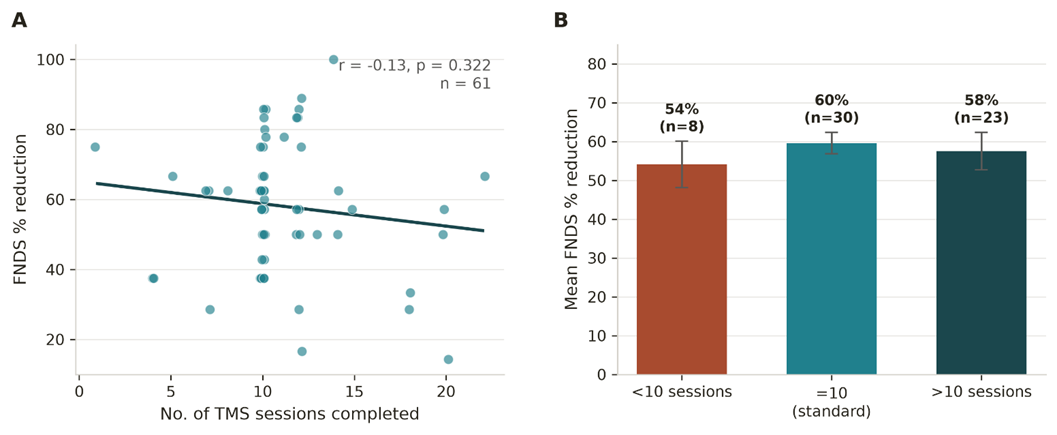
Figure 5. Baseline pack-years versus treatment response.
(A) Scatter plot of baseline pack-years against percentage FNDS reduction, with linear regression line; no significant correlation was observed (Pearson r = 0.09, p = .593, n = 35). (B) Mean percentage FNDS reduction (± SEM) by pack-year tertile (low: 1–5, mid: 5–19, high: 19–50); the non-monotonic pattern across tertiles did not reach significance (one-way ANOVA p = .154; Kruskal-Wallis p = .083) and is not consistent with a true dose-response relationship.
BIBLIOGRAPHY:
1. Zangen A, Moshe H, Martinez D, et al. Repetitive transcranial magnetic stimulation for smoking cessation: a pivotal multicenter double-blind randomized controlled trial. World Psychiatry. 2021;20(3):397-404. Available from: https://pubmed.ncbi.nlm.nih.gov/34505368/
2. Dinur-Klein L, Dannon P, Hadar A, et al. Smoking cessation induced by deep repetitive transcranial magnetic stimulation of the prefrontal and insular cortices: a prospective, randomized controlled trial. Biol Psychiatry. 2014;76(9):742-749. Available from: https://pubmed.ncbi.nlm.nih.gov/25038985/
3. Trojak B, Sauvaget A, Fecteau S, et al. A double-blind randomized clinical trial of high frequency rTMS over the DLPFC on nicotine dependence, anxiety and depression. Sci Rep. 2021;11:1739. Available from: https://www.nature.com/articles/s41598-020-80927-5
4. Efficacy and safety of non-invasive brain stimulation techniques for the treatment of nicotine addiction: a systematic review of randomized controlled trials. AIMS Neuroscience. 2024. Available from: https://pmc.ncbi.nlm.nih.gov/articles/PMC11486613/
5. Heatherton TF, Kozlowski LT, Frecker RC, Fagerström KO. The Fagerström Test for Nicotine Dependence: a revision of the Fagerström Tolerance Questionnaire. Br J Addict. 1991;86(9):1119-1127. doi:10.1111/j.1360-0443.1991.tb01879.x. Available from: https://pubmed.ncbi.nlm.nih.gov/1932883/
6. Cohen J. Statistical Power Analysis for the Behavioral Sciences. 2nd ed. Hillsdale, NJ: Lawrence Erlbaum Associates; 1988.
7. World Health Organization. WHO Report on the Global Tobacco Epidemic, 2025. Geneva: World Health Organization; 2025. Available from: https://iris.who.int/bitstream/handle/10665/382309/B09466-eng.pdf
8. World Health Organization. WHO Global Report on Trends in Prevalence of Tobacco Use 2000–2024 and Projections 2025–2030. Geneva: World Health Organization; 2025. Available from: https://iris.who.int/items/7f0b7d89-324a-4878-ad26-d98c97dc555b
9. Hayashi T, Ko JH, Strafella AP, Dagher A. Dorsolateral prefrontal and orbitofrontal cortex interactions during self-control of cigarette craving. Proc Natl Acad Sci U S A. 2013;110(11):4422-4427. Available from: https://www.pnas.org/doi/10.1073/pnas.1212185110
10. Regner MF, Tregellas J, Kluger B, Wylie K, Gowin JL, Tanabe J. The insula in nicotine use disorder: functional neuroimaging and implications for neuromodulation. Neurosci Biobehav Rev. 2019. Available from: https://www.sciencedirect.com/science/article/pii/S0149763418308686
11. Mikellides G, Michael P, Psalta L, Stefani A, Schuhmann T, Sack AT. Accelerated intermittent theta burst stimulation in smoking cessation: placebo effects equal to active stimulation when using advanced placebo coil technology. Front Psychiatry. 2022;13:892075. doi:10.3389/fpsyt.2022.892075. Available from: https://pmc.ncbi.nlm.nih.gov/articles/PMC9170940/
12. Young JR, Galla JT, Appelbaum LG. Transcranial magnetic stimulation treatment for smoking cessation: an introduction for primary care clinicians. Am J Med. 2021;134(11):1339-1343. doi:10.1016/j.amjmed.2021.06.037. Available from: https://pmc.ncbi.nlm.nih.gov/articles/PMC8607981/