Urinary Tract Infections in Patients with Diabetic Kidney Disease: Pathogen Spectrum and Antibiotic Resistance Profiles
- Nayab Mughal , Postgraduate Resident, Nephrologist, Lady Reading Hospital Peshawar, Pakistan
- Hoorish , Postgraduate Resident, Nephrologist, Lady Reading Hospital Peshawar, Pakistan
- Summaya Roshan , Postgraduate Resident, Nephrologist, Lady Reading Hospital Peshawar, Pakistan
- Masab Hanif , Postgraduate Resident Urologist Khyber Teaching Hospital Peshawar, Pakistan
- Muhammad Ikram , Associate Professor, Nephrology Lady Reading Hospital Peshawar, Pakistan
- Murad Ali , Postgraduate Resident Urologist Khyber Teaching Hospital Peshawar, Pakistan
Article Information:
Abstract:
Patients with diabetic kidney disease (DKD) are more likely to develop urinary tract infections (UTIs). Elevated blood sugar, poor immune response, and renal damage make these patients susceptible to infection. The UTIs in DKD patients are often caused by resistant bacteria, which can make treatment difficult and increase the risk of complications. Understanding the common pathogens and their antibiotic resistance patterns is important for improving patient care. Objective: To determine the pathogen spectrum and antibiotic resistance profiles of urinary tract infections in patients with diabetic kidney disease. Materials and Methods: This cross-sectional study was carried out in the Department of Nephrology, Lady Reading Hospital Peshawar over a period of five months, from July 2025 November 2025. A total of 114 patients with diabetic kidney disease and clinically suspected or laboratory-confirmed urinary tract infection were included using non-probability convenient sampling. Midstream urine samples were collected and processed for culture and sensitivity testing. Demographic and clinical information including age, gender, duration of diabetes, comorbidities, and previous history of urinary tract infection were recorded. Antibiotic susceptibility testing was carried out by standard microbiological methods. Data were analyzed using SPSS version 24. Results: Out of the 114 urine samples, 89 (78.1%) had significant bacterial growth. Escherichia coli was the most common pathogen isolated, followed by Klebsiella pneumoniae, Enterococcus species, Pseudomonas aeruginosa and Proteus mirabilis. High resistance rates were observed to commonly used antibiotics like ampicillin and ciprofloxacin, while lower resistance was observed to nitrofurantoin and carbapenems. Patients with poor glycemic control and longer duration of diabetes had higher frequencies of resistant infections. Conclusion: Urinary tract infections are common among patients with diabetic kidney disease and are mainly caused by resistant Gram-negative bacteria. Routine urine culture and antibiotic sensitivity testing are important for proper treatment and prevention of complications. Early detection of resistant organisms can help improve patient outcomes and reduce antibiotic resistance.
Keywords:
Article :
INTRODUCTION:
Diabetic kidney disease (DKD) is one of the most common and serious complications of diabetes mellitus. It is also one of the leading causes of chronic kidney disease and kidney failure throughout the world [1,2]. Over time, high blood sugar levels damage the small blood vessels inside the kidneys, which slowly reduces kidney function. Patients with DKD often experience problems such as proteinuria, decreased glomerular filtration rate, fluid imbalance and increased susceptibility to infections [3]. As the disease advances, the body weakens and becomes less capable of fighting off infections properly.
Urinary tract infections (UTIs) are one of the most common bacterial infections in the hospital and general population [4]. The infections can affect any part of the urinary tract including the bladder, kidneys, ureters and urethra. Common symptoms include burning during urination, increased frequency and urgency of urination, fever, lower abdominal pain, flank pain and cloudy urine [5]. Severe cases of UTIs may lead to pyelonephritis, sepsis, hospitalization and even death if not treated promptly [6].
Patients with diabetes mellitus are more likely to develop urinary tract infections compared to non-diabetic individuals [7]. Several factors increase the risk of infection in diabetic patients. The elevated blood glucose levels suppress the immune system and reduce the ability of the white blood cells to fight bacteria effectively [8]. The glucose in the urine also creates a conducive environment for bacterial growth [9]. In addition, diabetic neuropathy may cause bladder dysfunction and incomplete bladder emptying, which allows bacteria to remain and multiply inside the urinary tract [10].
Patients with diabetic kidney disease are considered an even higher-risk group for urinary tract infections [11]. Kidney damage reduces the body’s natural defense system against microorganisms. Poor kidney function can also affect the clearance of bacteria and toxins from the body [12]. Many patients with DKD have repeated hospital visits, multiple medications, and frequent exposure to antibiotics, all of which may increase the risk of resistant infections [13].
Several microorganisms are known to cause UTIs in patients with diabetic kidney disease. Escherichia coli is the most common pathogen isolated in most studies worldwide [14,15]. Other commonly reported organisms include Klebsiella pneumoniae, Proteus mirabilis, Pseudomonas aeruginosa, Enterococcus species and Staphylococcus saprophyticus [16]. Gram-negative bacteria are generally more common than Gram-positive organisms in urinary tract infection [17]. Recent studies have reported a rapid increase in the antibiotic resistance among urinary pathogens [18]. Many bacteria are becoming resistant to commonly used antibiotics such as ampicillin, ciprofloxacin, cotrimoxazole and cephalosporins [19]. This increasing resistance has become a major public health issue because it limits treatment options and increases healthcare costs [20]. Resistant infections may also lead to prolonged hospital stay, recurrent infections, treatment failure and increased mortality [21].
One important reason for increasing resistance is the overuse and misuse of antibiotics [22]. In many settings, antibiotics are prescribed without proper culture and sensitivity testing. Some patients also use antibiotics without medical advice or stop treatment early, which further increases bacterial resistance [23]. Patients with chronic diseases such as diabetes and kidney disease are more likely to receive repeated antibiotic treatment, which increases the risk of multidrug-resistant infections [24].
Identifying the common urinary pathogens and understanding their resistance patterns are very important for selecting the correct antibiotic treatment. Empirical treatment without laboratory testing may lead to poor outcomes and further resistance. Urine culture and sensitivity testing help doctors choose effective antibiotics and reduce complications [25].
Despite the high burden of urinary tract infections in diabetic kidney disease patients, limited local data are available regarding the pathogen spectrum and antibiotic resistance profiles in this high-risk group. Most studies focus on UTIs in the general diabetic population without specifically studying patients with diabetic kidney disease. Therefore, this study was carried out to determine the common urinary pathogens and their antibiotic resistance patterns in patients with diabetic kidney disease presenting with urinary tract infections at a tertiary care hospital.
MATERIALS AND METHODS:
This cross-sectional study was carried out in the Department of Nephrology, Lady Reading Hospital Peshawar over a period of five months after approval of the research synopsis and ethical committee permission, from July 2025 November 2025. The study was conducted to find the common urinary tract infection (UTI) causing bacteria and their antibiotic resistance patterns in patients with diabetic kidney disease (DKD).
A total of 114 patients were included in the study using non-probability convenient sampling. Both male and female patients aged 18 years and above were included. Only patients already diagnosed with diabetic kidney disease and having clinically suspected or laboratory-confirmed urinary tract infection were selected for the study. Patients who did not have diabetic kidney disease were excluded. Urine samples showing contamination or mixed bacterial growth were also excluded from the study. In addition, patients who had taken antibiotics within the last 48 hours before urine sample collection were not included because antibiotics could affect the culture results.
Before starting data collection, informed written consent was taken from all patients. Each participant was thoroughly explained the purpose of the study in simple language. Patients were assured that their personal information would be kept confidential and would be used only for research purpose. Demographic and clinical information was collected using a structured proforma. Information regarding age, gender, duration of diabetes, duration of diabetic kidney disease, previous history of urinary tract infections and associated medical conditions like hypertension and chronic kidney disease were noted. History of recent medication use and previous antibiotic use was also noted carefully.
Urinary tract infection was defined as infection involving the urinary system along with symptoms such as burning during urination, urgency, increased urinary frequency, suprapubic pain, fever, flank pain, or laboratory findings showing more than 10 pus cells per high-power field on urine routine examination. Diabetic kidney disease was defined by the presence of albuminuria and gradual decline in kidney function in diabetic patients. Multidrug-resistant bacteria were defined as bacteria resistant to at least one antibiotic in three or more antimicrobial classes commonly used for urinary tract infections.
All patients were instructed properly about the method of urine sample collection to reduce contamination. Midstream urine samples were collected in sterile containers under clean conditions. The collected urine samples were immediately sent to the pathology laboratory for routine examination, urine culture, and antibiotic sensitivity testing.
Urine samples were first examined microscopically in the laboratory to look for pus cells, bacteria and other abnormalities. Samples were subsequently cultured on standard microbiological media (blood agar and MacConkey agar). Culture plates were incubated at 37°C for 24-48 hours. Significant bacterial growth was identified according to standard microbiological guidelines. The isolated organisms were identified by their colony appearance, Gram staining and biochemical testing methods. Common pathogens isolated from urine cultures were Escherichia coli, Klebsiella pneumoniae, Enterococcus species, Proteus mirabilis and Pseudomonas aeruginosa. Antibiotic susceptibility testing was done by Kirby–Bauer disk diffusion method according to Clinical and Laboratory Standards Institute (CLSI) guidelines. Different antibiotics commonly used for urinary tract infections were tested which included ampicillin, ciprofloxacin, ceftriaxone, gentamicin, nitrofurantoin and carbapenems. The organisms were labeled as sensitive, resistant, or intermediate according to the standard zone measurements.
All collected data were entered and analyzed using SPSS version 24. Quantitative variables such as age and duration of symptoms were presented as mean ± standard deviation. Categorical variables like gender, type of pathogen, comorbidities and antibiotic resistance patterns were presented as frequencies and percentages. Data were also stratified for subgroup analysis by age and gender. Association between categorical variables was analyzed using the Chi-square test. A p-value of ≤0.05 was considered statistically significant. The study was approved by the institutional ethical review committee before the beginning of research. Patient confidentiality and privacy were maintained throughout the study. All laboratory findings and patient records were handled carefully and used only for research purposes.
RESULT:
A total of 114 patients with diabetic kidney disease (DKD) and symptoms of urinary tract infection (UTI) were included in this study. The mean age of the patients was 54.3 ± 10.8 years. Female patients were more common than male patients. Most patients had diabetes for more than 10 years and also had poor blood sugar control. Hypertension was one of the most common associated medical conditions among the study population.
Table 1. Baseline Characteristics of Patients with Diabetic Kidney Disease and Urinary Tract Infection
|
Variable |
Frequency (n) |
Percentage (%) |
|
Female |
67 |
58.8 |
|
Male |
47 |
41.2 |
|
Duration of diabetes >10 years |
69 |
60.5 |
|
Poor glycemic control |
74 |
64.9 |
|
Hypertension |
72 |
63.2 |
|
Previous history of UTI |
49 |
43.0 |
Table 1 shows the baseline characteristics of the patients included in the study. Female patients were slightly more affected than male patients. A large number of patients had long-standing diabetes and poor glycemic control, which may increase the risk of urinary tract infections and resistant bacterial growth.
Figure 1 presents the gender distribution and major clinical characteristics of the study population. The figure clearly shows that female patients and patients with poor diabetic control formed the largest proportion of the study group. The figure also highlights the high frequency of hypertension and previous urinary tract infections among DKD patients.
Out of the 114 urine samples collected, 89 (78.1%) showed significant bacterial growth on urine culture. Gram-negative bacteria were isolated more commonly than Gram-positive organisms. Escherichia coli was the most frequently isolated pathogen.
Table 2 shows the spectrum of pathogens isolated from urine cultures. Escherichia coli accounted for the majority of infections, followed by Klebsiella pneumoniae. Gram-negative bacteria were responsible for most urinary tract infections in this study.
Figure 2 demonstrates the distribution of urinary pathogens isolated from culture-positive urine samples. Escherichia coli was the leading pathogen, while Klebsiella pneumoniae and Enterococcus species were found less frequently. The figure visually shows the dominance of Gram-negative organisms in urinary tract infections among patients with diabetic kidney disease.
Antibiotic sensitivity testing showed high resistance rates against commonly used antibiotics such as ampicillin, ciprofloxacin, and ceftriaxone. Lower resistance rates were observed against nitrofurantoin and carbapenems.
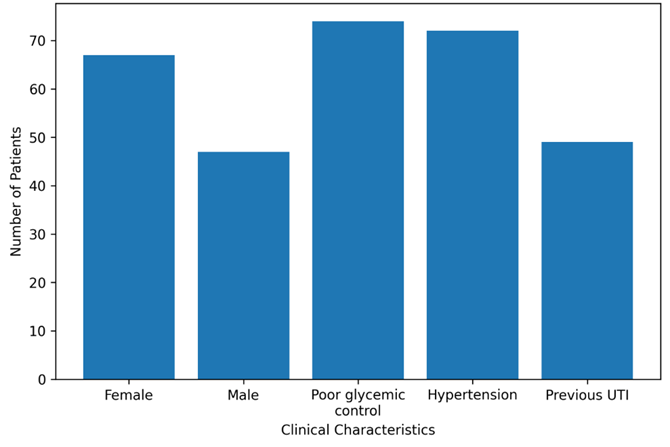
Figure 1. Baseline Characteristics of DKD Patients with UTI
Table 2. Spectrum of Urinary Pathogens Isolated from Urine Cultures
|
Pathogen |
Frequency (n) |
Percentage (%) |
|
Escherichia coli |
63 |
70.8 |
|
Klebsiella pneumoniae |
11 |
12.4 |
|
Enterococcus species |
6 |
6.7 |
|
Pseudomonas aeruginosa |
5 |
5.6 |
|
Proteus mirabilis |
4 |
4.5 |
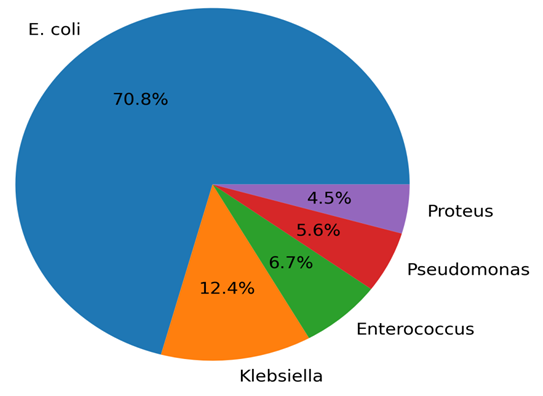
Figure 2. Distribution of Urinary Pathogens
Table 3. Antibiotic Resistance Patterns of Isolated Urinary Pathogens
|
Antibiotic |
Resistance (%) |
|
Ampicillin |
76 |
|
Ciprofloxacin |
61 |
|
Ceftriaxone |
54 |
|
Gentamicin |
39 |
|
Nitrofurantoin |
16 |
|
Carbapenems |
8 |
Table 3 shows the antibiotic resistance patterns of the isolated urinary pathogens. Resistance was highest against ampicillin and ciprofloxacin, while carbapenems showed the lowest resistance rates among the tested antibiotics.
Figure 3 presents the antibiotic resistance profile of the isolated pathogens. The figure clearly shows high resistance against older and commonly used antibiotics, while lower resistance was seen against nitrofurantoin and carbapenems. This finding suggests that resistant urinary tract infections are becoming more common in patients with diabetic kidney disease.
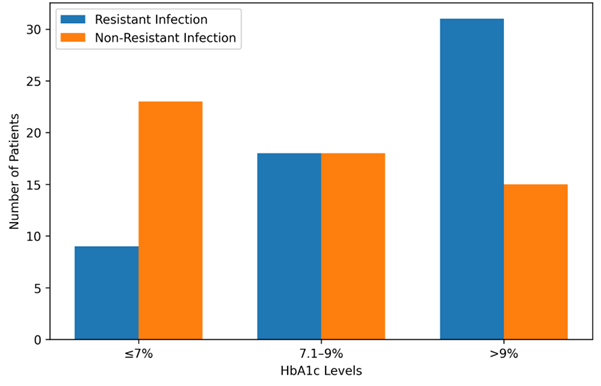
Patients with poor glycemic control and longer duration of diabetes showed higher frequencies of resistant infections compared to patients with better diabetic control.
Table 4 shows the relationship between glycemic control and resistant urinary tract infections. Patients with HbA1c levels above 9% had the highest frequency of resistant bacterial infections.
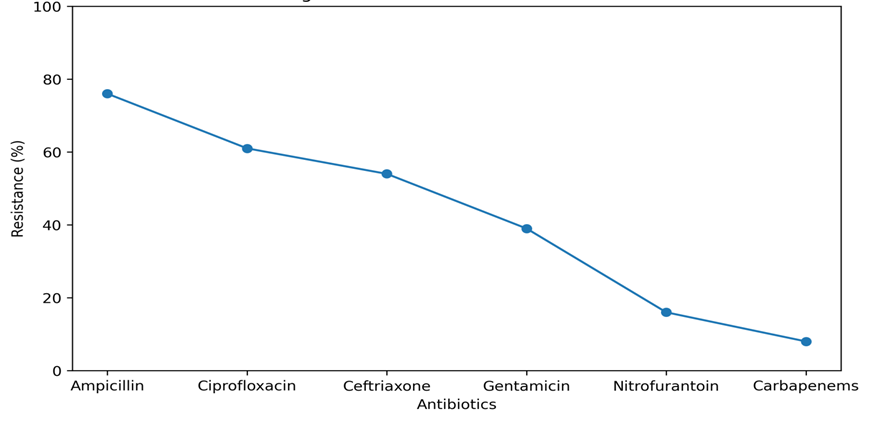
Figure 3. Antibiotic Resistance Profile
Table 4. Relationship Between Glycemic Control and Resistant Urinary Tract Infection
Figure 4 demonstrates the association between blood sugar control and resistant infections. Patients with poor glycemic control had a significantly higher frequency of resistant bacterial growth compared to patients with better diabetic control. This figure highlights the importance of proper diabetes management in reducing the risk of resistant urinary tract infections.
Figure 4. Relationship between Glycemic Control and Resistant UTI Overall, the findings of this study show that urinary tract infections are very common among patients with diabetic kidney disease and are mainly caused by resistant Gram-negative bacteria. Poor glycemic control and long duration of diabetes were strongly associated with resistant urinary infections. The study also highlights the importance of urine culture testing and careful antibiotic selection in these high-risk patients.
|
DISCUSSION :
In this study, female patients were more affected than male patients. Similar findings have been reported in many previous studies. Women tend to have a shorter urethra, which allows bacteria to enter the urinary tract more easily. Poor hygiene, hormonal changes and recurrent infections are risk factors for urinary tract infections in women with diabetes.
In the present study, Escherichia coli was the most common isolated pathogen. Similar findings have been documented by several national and international studies where E. coli was the leading cause of urinary tract infections in diabetic patients. This may be due to the presence of special structures in E. coli that enable it to adhere strongly to the lining of the urinary tract. Urine rich in glucose in diabetic patients offers a good environment for bacterial multiplication. Other organisms identified in this study included Klebsiella Pneumoniae, Enterococcus Species, Pseudomonas aeruginosa and Proteus mirabilis. Most of these were Gram negative bacteria that are usually associated with urinary tract infections.
A significant finding in this study was the high degree of antibiotic resistance in urinary pathogens. Resistance rates were particularly high against commonly prescribed antibiotics like ampicillin, ciprofloxacin and ceftriaxone. Similar resistance patterns have been reported in many recent studies from different countries. One possible reason for this growing resistance is the frequent and unnecessary use of antibiotics. Antibiotics are often started without urine culture testing which may lead to inappropriate therapy and the increased bacterial resistance. The study also found that nitrofurantoin and carbapenems were effective against many of the isolates and the resistance to these drugs was significantly lower than other commonly used drugs. This suggests that these drugs may still be useful in the treatment of resistant urinary tract infections in diabetic kidney disease patients. However, these antibiotics should be used judiciously and only when indicated as overuse can also lead to resistance in the future. Resistance to antibiotics was more common in patients with poor glycemic control. The highest rates of resistant bacterial growth were seen in patients with HbA1c levels above 9%. Poor blood sugar control weakens the immune system and increases the amount of glucose in the urine which provides a more favorable environment for bacterial growth. Long duration of diabetes was also associated with increased infection risk as long-term diabetes can cause more kidney damage and bladder dysfunction.
The findings of this study demonstrated the importance of appropriate urine culture and antibiotic susceptibility testing prior to therapy. Empirical therapy without laboratory investigation can lead to treatment failure and worsen the problem of antibiotic resistance. Early detection of resistant organisms can help physicians in selecting the best antibiotics and decreasing the complications. There were certain limitations of the study. The study was conducted in a single tertiary care hospital and had a moderate sample size. Therefore, the results may not be representative of the population of diabetic kidney disease patients in other hospitals or geographical locations. Furthermore, molecular testing of resistance genes was not performed, which could have provided additional insights into the mechanisms of bacterial resistance.
However, the present study provided valuable local data regarding the prevalent urinary pathogens and their antibiotic resistance patterns in patients with diabetic kidney disease. The results obtained from this study may help clinicians in selecting appropriate antibiotics, improving infection control practices and reduce complications associated with urinary tract infections in this high-risk patient population.
CONCLUSION :
Urinary tract infections are very common in patients with diabetic kidney disease and are mainly caused by Gram-negative bacteria, especially Escherichia coli. The bacteria encountered in this study were resistant to many commonly used antibiotics, complicating treatment. Patients who had poor control over their blood sugar and had diabetes for a long time were more prone to developing resistant infections.
The findings of this study emphasize the need for urine culture and antibiotic sensitivity testing before initiating treatment in patients with diabetic kidney disease. Choosing the appropriate antibiotic can help lower treatment failure rates, reduce complications, and enhance patient recovery. Maintaining good blood sugar control and regular follow-up can also help decrease urinary tract infections in these patients.
More large-scale and long-term studies are still needed to better understand changing resistance patterns and to develop better treatment guidelines for urinary tract infections in diabetic kidney disease patients.
BIBLIOGRAPHY:
1. Nitzan O, Elias M, Chazan B, Saliba W. Urinary tract infections in patients with type 2 diabetes mellitus: review of prevalence, diagnosis, and management. Diabetes Metab Syndr Obes. 2015;8:129-136.
2. Iqbal Z, Sheikh AS, Basheer A, Hafsa HT, Ahmed M, Sabri AN, Shahid S. Antibiotic drug resistance pattern of uropathogens in pediatric patients in Pakistani population. Antibiotics (Basel). 2023;12(2):395.
3. Foxman B. Urinary tract infection syndromes: occurrence, recurrence, bacteriology, risk factors, and disease burden. Infect Dis Clin North Am. 2014;28(1):1-13.
4. Signing AT, Marbou WJT, Penlap Beng V, Kuete V. Antibiotic resistance profile of uropathogenic bacteria in diabetic patients at the Bafoussam Regional Hospital, West Cameroon Region. Cureus. 2020;12(7):e9345.
5. Flores-Mireles AL, Walker JN, Caparon M, Hultgren SJ. Urinary tract infections: epidemiology, mechanisms of infection and treatment options. Nat Rev Microbiol. 2015;13(5):269-284.
6. Woldemariam HK, Geleta DA, Tulu KD, Aber NA, Legese MH, Fenta GM, Ali I. Common uropathogens and their antibiotic susceptibility pattern among diabetic patients. BMC Infect Dis. 2019;19(1):43.
7. Zhang W, Xiu H, Chen L, Dong Y, Zhang Y, Wang Y. Pathogenic bacteria and antimicrobial resistance in hospital-acquired urinary tract infections among patients with diabetic nephropathy. Arch Esp Urol. 2024;77(7):779-788.
8. Mlugu EM, Mohamedi JA, Sangeda RZ, et al. Prevalence of urinary tract infection and antimicrobial resistance patterns of uropathogens with biofilm-forming capacity among outpatients in Morogoro, Tanzania: a cross-sectional study. BMC Infect Dis. 2023;23:660.
9. Gupta K, Hooton TM, Naber KG, et al. International clinical practice guidelines for the treatment of acute uncomplicated cystitis and pyelonephritis in women. Clin Infect Dis. 2021;72(4):e102-e104.
10. McCullough AR, Rathbone J, Parekh S, et al. Antibiotic resistance in UTIs: global trends and local strategies for diabetic populations. Lancet Infect Dis. 2023;23(5):412-423.
11. Geerlings SE. Clinical presentations and epidemiology of urinary tract infections. Microbiol Spectr. 2016;4(5):1-25.
12. Ronald A, Ludwig E. Urinary tract infections in adults with diabetes. Int J Antimicrob Agents. 2011;17(4):287-292.
13. Tandogdu Z, Wagenlehner FM. Global epidemiology of urinary tract infections. Curr Opin Infect Dis. 2016;29(1):73-79.
14. Bryce A, Hay AD, Lane IF, Thornton HV, Wootton M, Costelloe C. Global prevalence of antibiotic resistance in urinary tract infections. BMJ. 2016;352:i939.
15. Casqueiro J, Casqueiro J, Alves C. Infections in patients with diabetes mellitus. Indian J Endocrinol Metab. 2012;16(Suppl1):S27-S36.
16. Kot B. Antibiotic resistance among uropathogenic Escherichia coli. Pol J Microbiol. 2019;68(4):403-415.
17. Ventola CL. The antibiotic resistance crisis. P T. 2015;40(4):277-283.
18. Prestinaci F, Pezzotti P, Pantosti A. Antimicrobial resistance: a global multifaceted phenomenon. Pathog Glob Health. 2015;109(7):309-318.
19. Paterson DL, Bonomo RA. Extended-spectrum beta-lactamases: a clinical update. Clin Microbiol Rev. 2015;18(4):657-686.
20. Sánchez GV, Master RN, Karlowsky JA, Bordon JM. In vitro antimicrobial resistance of urinary E. coli isolates. Antimicrob Agents Chemother. 2012;56(4):2181-2183.
21. Mazzulli T. Resistance trends in urinary tract pathogens. Can J Urol. 2012;9(Suppl 1):2-5.
22. Hirji I, Guo Z, Andersson SW, Hammar N, Gomez-Caminero A. Incidence of urinary tract infection among patients with type 2 diabetes. J Diabetes Complications. 2012;26(6):513-516.
23. Boyko EJ, Fihn SD, Scholes D, Abraham L, Monsey B. Risk of urinary tract infection and asymptomatic bacteriuria among diabetic and non-diabetic postmenopausal women. Am J Epidemiol. 2012;161(6):557-564.
24. Schneeberger C, Kazemier BM, Geerlings SE. Asymptomatic bacteriuria and urinary tract infections in special patient groups. Curr Opin Infect Dis. 2014;27(1):108-114.
25. Tuttle KR, Bakris GL, Bilous RW, Chiang JL, de Boer IH, Goldstein-Fuchs J, et al. Diabetic kidney disease: a report from an ADA Consensus Conference. Diabetes Care. 2014;37(10):2864-2883.