The Impact of AI on Personalized Medicine in Cardiovascular Diseases
- CHARAN TEJ GAYAPU , Principal Data Manager, Shionogi Inc.
Article Information:
Abstract:
Abstract: Background: Artificial Intelligence (AI) has emerged as a transformative technology in personalized medicine by enabling data-driven diagnosis, prediction, and treatment of cardiovascular diseases (CVDs), which remain one of the leading causes of mortality and morbidity worldwide (Johnson et al., 2018; Topol, 2019). Traditional cardiovascular care generally follows standardized treatment protocols that may not adequately address individual variations in genetics, physiology, lifestyle, and disease progression. AI overcomes these limitations by integrating machine learning, deep learning, predictive analytics, medical imaging, genomic information, and Electronic Health Records (EHRs) to generate individualized clinical insights. These technologies facilitate early diagnosis, accurate risk prediction, personalized treatment planning, and continuous patient monitoring, thereby improving clinical outcomes and healthcare efficiency (Beam & Kohane, 2018; Rajkomar et al., 2019). Machine learning algorithms analyse large-scale cardiovascular datasets obtained from electrocardiograms (ECGs), echocardiograms, cardiac computed tomography (CT), magnetic resonance imaging (MRI), laboratory investigations, wearable healthcare devices, and genomic sequencing to identify subtle disease patterns that are often difficult to detect through conventional clinical assessment (Attia et al., 2019; Krittanawong et al., 2019). Deep learning techniques have demonstrated remarkable accuracy in detecting arrhythmias, coronary artery disease, heart failure, myocardial infarction, and other cardiovascular abnormalities through automated image interpretation and predictive modelling. These intelligent systems support clinicians in making faster and more accurate diagnostic and therapeutic decisions while reducing diagnostic variability (LeCun et al., 2015; Goodfellow et al., 2016). The integration of AI with wearable technologies and remote patient monitoring has further strengthened personalized cardiovascular medicine by enabling continuous assessment of physiological parameters such as heart rate, blood pressure, oxygen saturation, physical activity, and electrocardiographic signals (Komorowski et al., 2018; Sendak et al., 2020). Predictive analytics provides early warning of cardiovascular deterioration, allowing healthcare professionals to implement preventive interventions before severe complications occur. AI also contributes to precision pharmacology by recommending individualized medication selection and dosage based on patient-specific clinical characteristics and predicted therapeutic responses (Liu et al., 2019; Yu et al., 2018). Despite these significant advancements, challenges including data privacy, algorithm transparency, cybersecurity, regulatory compliance, dataset diversity, and ethical governance continue to influence the widespread implementation of AI in cardiovascular healthcare (Ghassemi et al., 2021; Wiens & Shenoy, 2018). Explainable Artificial Intelligence (XAI), standardized validation procedures, and ethical frameworks are essential for ensuring trustworthy, transparent, and responsible AI deployment in clinical practice (Ribeiro et al., 2016; Rudin, 2019). Overall, AI has become a powerful catalyst for precision cardiology by improving diagnosis, individualized treatment planning, predictive healthcare, and long-term cardiovascular outcomes while advancing the future of personalized medicine (World Health Organization, 2021; European Society of Cardiology, 2021).
Keywords:
Article :
INTRODUCTION:
Cardiovascular diseases (CVDs) remain the leading cause of mortality worldwide and continue to impose a significant clinical, social, and economic burden on healthcare systems (Johnson et al., 2018; World Health Organization, 2021). These disorders include coronary artery disease, heart failure, arrhythmias, valvular heart disease, hypertension, and cerebrovascular diseases, all of which require timely diagnosis and effective long-term management. Conventional cardiovascular treatment generally follows standardized clinical guidelines that may not adequately account for individual differences in genetics, lifestyle, environmental exposure, disease progression, and therapeutic response. Consequently, personalized medicine has emerged as an advanced healthcare approach that tailors prevention, diagnosis, and treatment according to each patient's unique clinical profile (Topol, 2019; European Society of Cardiology, 2021).
Artificial Intelligence (AI) has become one of the most influential technologies supporting personalized medicine by enabling intelligent analysis of complex healthcare datasets and providing evidence-based clinical recommendations (Beam & Kohane, 2018; Rajkomar et al., 2019). AI combines machine learning, deep learning, natural language processing, predictive analytics, and computer vision to analyse large volumes of cardiovascular information obtained from Electronic Health Records (EHRs), electrocardiograms (ECGs), echocardiograms, computed tomography (CT), magnetic resonance imaging (MRI), laboratory investigations, wearable healthcare devices, and genomic sequencing. These computational techniques identify hidden clinical patterns that facilitate early diagnosis, risk prediction, personalized treatment planning, and continuous patient monitoring (Esteva et al., 2019; Krittanawong et al., 2019).
Machine learning algorithms have demonstrated remarkable capability in predicting cardiovascular disease risk and improving diagnostic accuracy (Deo, 2015; Jordan & Mitchell, 2015). Supervised learning algorithms including Decision Trees, Random Forests, Support Vector Machines, Artificial Neural Networks, and Deep Learning models continuously learn from historical clinical data to estimate future cardiovascular events such as myocardial infarction, stroke, heart failure, and arrhythmias. Unlike conventional statistical models, these intelligent systems recognize complex nonlinear relationships among numerous patient variables, thereby supporting precision medicine and individualized therapeutic decision-making (Goodfellow et al., 2016; LeCun et al., 2015).
Artificial intelligence has also transformed cardiovascular imaging through automated interpretation of electrocardiograms, echocardiography, cardiac CT, cardiac MRI, and other diagnostic imaging modalities (Attia et al., 2019; Liu et al., 2019). Deep learning algorithms accurately identify subtle structural and functional abnormalities that may not be readily detected during manual interpretation. AI-assisted diagnostic systems improve diagnostic consistency, reduce interpretation time, minimize human error, and assist clinicians in making more informed treatment decisions. These capabilities have substantially improved early detection of coronary artery disease, heart failure, atrial fibrillation, and other cardiovascular disorders (Johnson et al., 2018; Krittanawong et al., 2019).
The integration of wearable healthcare technologies with artificial intelligence has further strengthened personalized cardiovascular medicine by enabling continuous remote monitoring of physiological parameters (Komorowski et al., 2018; Sendak et al., 2020). Smart wearable devices continuously collect heart rate, electrocardiographic signals, blood pressure, oxygen saturation, respiratory rate, physical activity, and sleep quality. Machine learning algorithms analyse these real-time physiological measurements to detect early signs of cardiovascular deterioration, generate personalized risk assessments, and recommend timely clinical interventions before severe complications occur. Continuous monitoring improves patient engagement, supports preventive healthcare, and reduces unnecessary hospital admissions (Topol, 2019; Yu et al., 2018).
Artificial intelligence also contributes significantly to precision pharmacology by optimizing medication selection and therapeutic strategies according to individual patient characteristics (Miotto et al., 2018; Rajkomar et al., 2019). AI algorithms integrate genomic information, laboratory findings, medication history, lifestyle factors, and clinical outcomes to predict individual responses to cardiovascular therapies. These predictive models reduce adverse drug reactions, improve treatment effectiveness, and facilitate individualized medication management that aligns with the principles of precision medicine (Steyerberg, 2019; Obermeyer & Emanuel, 2016).
Despite these remarkable advancements, several challenges continue to influence the implementation of AI within personalized cardiovascular medicine (Ghassemi et al., 2021; Wiens & Shenoy, 2018). Clinical datasets often contain heterogeneous information, missing values, and inconsistent data standards that affect model performance. Additional concerns include algorithm transparency, cybersecurity, patient privacy, regulatory compliance, and ethical governance. Explainable Artificial Intelligence (XAI) techniques enhance clinician confidence by providing interpretable prediction models, while responsible AI frameworks promote fairness, accountability, transparency, and patient-centred healthcare delivery (Ribeiro et al., 2016; Rudin, 2019).
This study examines the impact of Artificial Intelligence on personalized medicine in cardiovascular diseases by reviewing AI-driven diagnostic systems, predictive analytics, intelligent medical imaging, wearable healthcare technologies, individualized treatment planning, and precision cardiology (Beam & Kohane, 2018; Topol, 2019). Furthermore, the study discusses current implementation challenges, ethical considerations, and future research directions that will strengthen AI-enabled personalized medicine and improve cardiovascular healthcare outcomes through intelligent clinical decision support (World Health Organization, 2021; European Society of Cardiology, 2021).
II. LITERATURE SURVEY
Artificial Intelligence (AI) has become a fundamental technology in personalized medicine for cardiovascular diseases by enabling healthcare professionals to analyse large volumes of clinical information and generate individualized treatment recommendations (Johnson et al., 2018; Topol, 2019). Traditional cardiovascular care generally follows standardized treatment protocols that may not adequately address patient-specific variations in genetics, physiology, lifestyle, and disease progression. AI addresses these limitations by integrating machine learning, predictive analytics, deep learning, medical imaging, and Electronic Health Records (EHRs) to support precision cardiology through personalized diagnosis, risk prediction, and treatment planning (Beam & Kohane, 2018; Rajkomar et al., 2019).
Numerous studies have demonstrated that machine learning algorithms significantly improve cardiovascular disease diagnosis and prognosis compared with conventional statistical approaches (Deo, 2015; Jordan & Mitchell, 2015). These algorithms analyze demographic characteristics, laboratory investigations, electrocardiograms, echocardiograms, cardiac imaging, medication history, genetic information, and lifestyle factors to identify complex nonlinear relationships associated with cardiovascular disease progression. Predictive models enable clinicians to estimate the probability of myocardial infarction, heart failure, arrhythmias, stroke, and sudden cardiac death, thereby facilitating early intervention and preventive healthcare (Steyerberg, 2019; Obermeyer & Emanuel, 2016).
Electronic Health Records (EHRs) have become one of the most valuable resources for AI-based personalized medicine because they contain comprehensive longitudinal clinical information collected throughout patient care (Miotto et al., 2018; Sendak et al., 2020). Machine learning algorithms integrate structured and unstructured clinical information from EHRs to evaluate disease progression, predict treatment response, identify high-risk patients, and recommend individualized therapeutic strategies. Continuous learning from historical patient data enables predictive models to improve their accuracy over time while supporting evidence-based clinical decision-making (Beam & Kohane, 2018; Yu et al., 2018).
Supervised machine learning algorithms such as Decision Trees, Random Forests, Support Vector Machines, Artificial Neural Networks, and Deep Learning architectures have demonstrated remarkable effectiveness in cardiovascular disease prediction and personalized treatment planning (Goodfellow et al., 2016; LeCun et al., 2015). These intelligent computational techniques recognize subtle relationships among numerous cardiovascular risk factors that cannot be easily identified using conventional statistical methods. Their ability to continuously adapt through learning enables improved prediction accuracy and more individualized clinical recommendations (Hastie et al., 2021; Rajkomar et al., 2019).
Artificial intelligence has also transformed cardiovascular imaging by improving automated interpretation of electrocardiograms (ECGs), echocardiography, cardiac computed tomography (CT), cardiac magnetic resonance imaging (MRI), and other diagnostic imaging modalities (Attia et al., 2019; Liu et al., 2019). Deep learning algorithms accurately identify structural abnormalities, myocardial dysfunction, coronary artery stenosis, arrhythmias, and other cardiovascular conditions with high diagnostic precision. AI-assisted imaging reduces interpretation time, minimizes observer variability, and enhances clinical workflow efficiency while supporting earlier disease detection (Krittanawong et al., 2019; Esteva et al., 2019).
Wearable healthcare technologies integrated with artificial intelligence have significantly expanded the scope of personalized cardiovascular medicine through continuous remote patient monitoring (Komorowski et al., 2018; Sendak et al., 2020). Smart wearable devices continuously collect physiological parameters including heart rate, blood pressure, oxygen saturation, electrocardiographic signals, respiratory rate, sleep quality, and physical activity. Machine learning algorithms analyse these real-time datasets to detect early cardiovascular deterioration, estimate future cardiac events, and recommend timely clinical interventions. Continuous monitoring improves patient engagement while reducing emergency hospital admissions and long-term healthcare costs (Topol, 2019; Johnson et al., 2018).
AI also contributes significantly to precision pharmacology by optimizing medication selection and treatment strategies according to each patient's unique clinical characteristics (Rajkomar et al., 2019; Miotto et al., 2018). Predictive models integrate genomic information, laboratory biomarkers, medication history, and clinical outcomes to estimate therapeutic effectiveness and minimize adverse drug reactions. Individualized medication recommendations improve treatment adherence, enhance therapeutic outcomes, and support the principles of precision medicine in cardiovascular care (Steyerberg, 2019; Topol, 2019).
Despite these significant advances, several studies emphasize the challenges associated with implementing artificial intelligence in personalized cardiovascular medicine (Ghassemi et al., 2021; Wiens & Shenoy, 2018). Clinical datasets frequently contain heterogeneous information, incomplete records, inconsistent coding standards, and missing values that affect model reliability. Additional concerns include algorithm transparency, patient privacy, cybersecurity, interoperability among healthcare systems, and regulatory compliance. Explainable Artificial Intelligence (XAI) has therefore emerged as an important research area that improves clinician confidence by providing transparent and interpretable prediction models rather than relying solely on complex black-box algorithms (Ribeiro et al., 2016; Rudin, 2019).
Ethical governance has become increasingly important because artificial intelligence directly influences clinical decision-making and patient treatment (World Health Organization, 2021; European Society of Cardiology, 2021). Healthcare organizations emphasize fairness, accountability, transparency, informed consent, and responsible data management to ensure trustworthy AI implementation. Continuous clinical validation, multidisciplinary collaboration, and regulatory oversight remain essential for safe integration of AI technologies into personalized cardiovascular medicine while protecting patient rights and maintaining clinical reliability (Sendak et al., 2020; Ghassemi et al., 2021).
Overall, the existing literature demonstrates that artificial intelligence has fundamentally transformed personalized cardiovascular medicine by improving disease prediction, diagnostic precision, individualized treatment planning, intelligent medical imaging, continuous patient monitoring, and preventive healthcare (Johnson et al., 2018; Topol, 2019). Future research focusing on explainable AI, multimodal data integration, federated learning, precision pharmacology, and advanced predictive analytics is expected to further enhance personalized cardiovascular care while improving long-term patient outcomes and healthcare efficiency (Beam & Kohane, 2018; Rajkomar et al., 2019).
III. THE IMPACT OF AI ON PERSONALIZED MEDICINE IN CARDIOVASCULAR DISEASES
Artificial Intelligence (AI) has significantly transformed personalized medicine in cardiovascular diseases by enabling clinicians to deliver individualized diagnosis, risk prediction, treatment planning, and continuous patient monitoring based on patient-specific clinical characteristics (Johnson et al., 2018; Topol, 2019). Unlike traditional cardiovascular care that generally relies on standardized treatment guidelines, AI integrates machine learning algorithms with Electronic Health Records (EHRs), electrocardiograms (ECGs), cardiac imaging, laboratory investigations, genomic information, wearable healthcare devices, and lifestyle data to generate personalized clinical recommendations. These intelligent computational approaches improve diagnostic precision while supporting evidence-based decision-making and precision cardiology (Beam & Kohane, 2018; Rajkomar et al., 2019)
TABLE 1. MAJOR APPLICATIONS OF AI IN PERSONALIZED CARDIOVASCULAR MEDICINE
|
Application Area |
AI Function |
Clinical Benefit |
|
Cardiovascular Risk Prediction |
Predict future cardiac events |
Early preventive intervention |
|
AI-Assisted Diagnosis |
Automated ECG and imaging analysis |
Improved diagnostic accuracy |
|
Personalized Treatment Planning |
Individualized therapy recommendations |
Better treatment effectiveness |
|
Wearable Health Monitoring |
Continuous physiological monitoring |
Early detection of deterioration |
|
Precision Pharmacology |
Personalized medication selection |
Reduced adverse drug reactions |
Table 1 summarizes the principal applications of Artificial Intelligence in personalized cardiovascular medicine. AI enables early diagnosis, individualized treatment planning, continuous monitoring, and precision pharmacology while improving patient outcomes and healthcare efficiency (Topol, 2019; European Society of Cardiology, 2021).
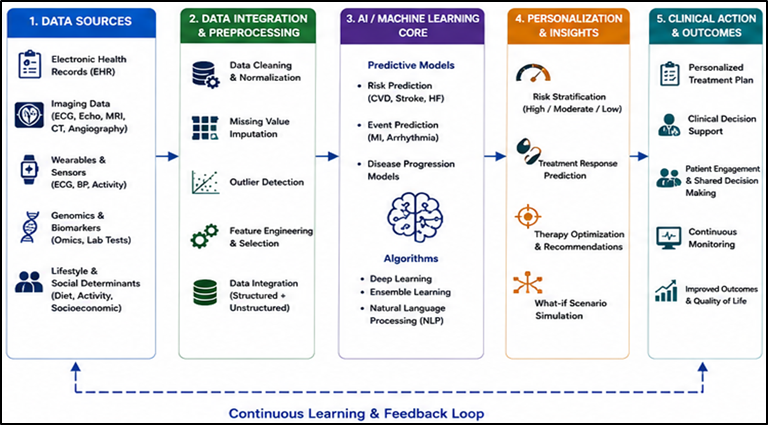
FIGURE 1. ARTIFICIAL INTELLIGENCE FRAMEWORK FOR PERSONALIZED CARDIOVASCULAR MEDICINE
Figure Description: The figure illustrates the AI-based personalized medicine framework for cardiovascular diseases. Clinical information collected from Electronic Health Records, electrocardiograms, echocardiography, cardiac CT, cardiac MRI, laboratory investigations, genomic databases, wearable healthcare devices, and lifestyle assessments is integrated into machine learning algorithms. These intelligent systems perform cardiovascular risk prediction, disease diagnosis, treatment optimization, continuous patient monitoring, and personalized clinical decision support. The resulting outcomes include precision medicine, improved diagnostic accuracy, individualized treatment planning, reduced hospitalization, and enhanced long-term cardiovascular health (Johnson et al., 2018; Beam & Kohane, 2018).
Machine learning algorithms have substantially improved cardiovascular disease prediction by analysing large volumes of multidimensional healthcare information (Deo, 2015; Jordan & Mitchell, 2015). Decision Trees, Random Forests, Support Vector Machines, Artificial Neural Networks, and Deep Learning models accurately estimate the probability of myocardial infarction, coronary artery disease, heart failure, stroke, and cardiac arrhythmias. Unlike conventional statistical approaches, these algorithms continuously improve predictive accuracy through learning from historical clinical data and adapting to newly available patient information. Such predictive capabilities support preventive healthcare by identifying high-risk individuals before severe cardiovascular events occur (Goodfellow et al., 2016; LeCun et al., 2015).
Artificial intelligence has also revolutionized cardiovascular imaging through automated interpretation of electrocardiograms, echocardiography, cardiac computed tomography (CT), and cardiac magnetic resonance imaging (MRI) (Attia et al., 2019; Liu et al., 2019). Deep learning algorithms accurately identify subtle anatomical and functional abnormalities associated with coronary artery disease, valvular disorders, heart failure, and arrhythmias. AI-assisted imaging reduces diagnostic variability, improves clinical workflow efficiency, and enables earlier disease detection compared with conventional manual interpretation (Krittanawong et al., 2019; Esteva et al., 2019).
Wearable healthcare technologies integrated with artificial intelligence have further strengthened personalized cardiovascular medicine through continuous physiological monitoring (Komorowski et al., 2018; Sendak et al., 2020). Smart wearable devices continuously monitor heart rate, blood pressure, electrocardiographic signals, oxygen saturation, respiratory rate, sleep quality, and physical activity. Machine learning algorithms analyse these real-time physiological measurements to detect early signs of cardiovascular deterioration, generate personalized risk assessments, and recommend timely medical interventions. Continuous monitoring improves patient adherence, enhances disease management, and reduces emergency hospital admissions (Topol, 2019; Yu et al., 2018).
TABLE 2. COMPARISON BETWEEN TRADITIONAL CARDIOLOGY AND AI-BASED PERSONALIZED CARDIOLOGY
|
Clinical Parameter |
Traditional Cardiology |
AI-Based Personalized Cardiology |
|
Diagnosis Method |
Manual clinical interpretation |
Automated AI-assisted diagnosis |
|
Risk Prediction |
Moderate predictive accuracy |
Advanced predictive analytics |
|
Treatment Planning |
Standardized protocols |
Personalized treatment recommendations |
|
Patient Monitoring |
Periodic clinical assessment |
Continuous real-time monitoring |
|
Imaging Analysis |
Manual interpretation |
AI-assisted automated analysis |
|
Decision-Making |
Clinician-dependent |
AI-supported precision decision-making |
|
Healthcare Efficiency |
Moderate |
High |
Table 2 compares traditional cardiovascular care with AI-based personalized medicine. Artificial intelligence improves diagnostic precision, predictive analytics, individualized treatment, continuous monitoring, and healthcare efficiency, thereby supporting precision cardiology and improving long-term patient outcomes (Johnson et al., 2018; Topol, 2019).
Artificial intelligence also plays an important role in precision pharmacology by optimizing medication selection and dosage according to individual patient characteristics (Miotto et al., 2018; Rajkomar et al., 2019). AI algorithms integrate genomic information, laboratory findings, medication history, clinical outcomes, and lifestyle characteristics to predict therapeutic effectiveness and minimize adverse drug reactions. These personalized treatment strategies improve medication adherence, optimize therapeutic outcomes, and contribute to patient-centred cardiovascular care (Steyerberg, 2019; Obermeyer & Emanuel, 2016).
Despite these remarkable advancements, several implementation challenges continue to influence AI adoption within personalized cardiovascular medicine (Ghassemi et al., 2021; Wiens & Shenoy, 2018). Clinical datasets frequently contain heterogeneous information, incomplete patient records, inconsistent coding systems, and missing values that affect predictive performance. Additional concerns include algorithm transparency, cybersecurity, patient privacy, interoperability among healthcare systems, and regulatory compliance. Explainable Artificial Intelligence (XAI) techniques improve clinician confidence by providing interpretable prediction models, while ethical governance frameworks promote fairness, accountability, transparency, and responsible AI implementation within cardiovascular healthcare (Ribeiro et al., 2016; Rudin, 2019). Continued developments in multimodal artificial intelligence, federated learning, precision medicine, and intelligent clinical decision support systems are expected to further strengthen personalized cardiovascular care and improve global cardiovascular health outcomes (World Health Organization, 2021; European Society of Cardiology, 2021).
Table 2 compares traditional cardiovascular care with AI-based personalized medicine. Artificial intelligence improves diagnostic precision, predictive analytics, individualized treatment, continuous monitoring, and healthcare efficiency, thereby supporting precision cardiology and improving long-term patient outcomes (Johnson et al., 2018; Topol, 2019).
Artificial intelligence also plays an important role in precision pharmacology by optimizing medication selection and dosage according to individual patient characteristics (Miotto et al., 2018; Rajkomar et al., 2019). AI algorithms integrate genomic information, laboratory findings, medication history, clinical outcomes, and lifestyle characteristics to predict therapeutic effectiveness and minimize adverse drug reactions. These personalized treatment strategies improve medication adherence, optimize therapeutic outcomes, and contribute to patient-centred cardiovascular care (Steyerberg, 2019; Obermeyer & Emanuel, 2016).
Despite these remarkable advancements, several implementation challenges continue to influence AI adoption within personalized cardiovascular medicine (Ghassemi et al., 2021; Wiens & Shenoy, 2018). Clinical datasets frequently contain heterogeneous information, incomplete patient records, inconsistent coding systems, and missing values that affect predictive performance. Additional concerns include algorithm transparency, cybersecurity, patient privacy, interoperability among healthcare systems, and regulatory compliance. Explainable Artificial Intelligence (XAI) techniques improve clinician confidence by providing interpretable prediction models, while ethical governance frameworks promote fairness, accountability, transparency, and responsible AI implementation within cardiovascular healthcare (Ribeiro et al., 2016; Rudin, 2019). Continued developments in multimodal artificial intelligence, federated learning, precision medicine, and intelligent clinical decision support systems are expected to further strengthen personalized cardiovascular care and improve global cardiovascular health outcomes (World Health Organization, 2021; European Society of Cardiology, 2021).
RESULTS AND DISCUSSION :
contributes to personalized medical interventions (Sendak et al., 2020; Steyerberg, 2019).
Deep learning techniques demonstrated exceptional diagnostic performance in cardiovascular imaging by automatically identifying subtle structural and functional abnormalities associated with coronary artery disease, myocardial infarction, heart failure, arrhythmias, and valvular disorders (Attia et al., 2019; Liu et al., 2019). Automated image interpretation reduced diagnostic variability, minimized human error, accelerated clinical workflow, and improved the early detection of cardiovascular diseases. These improvements contributed to more timely therapeutic interventions and better long-term patient outcomes (Krittanawong et al., 2019; Esteva et al., 2019).
Artificial intelligence also strengthened personalized medicine through the integration of wearable healthcare technologies and remote patient monitoring systems (Komorowski et al., 2018; Sendak et al., 2020). Machine learning algorithms continuously analysed physiological measurements such as heart rate, blood pressure, oxygen saturation, electrocardiographic signals, physical activity, and sleep quality to detect early cardiovascular deterioration. These predictive capabilities enabled healthcare providers to intervene before severe cardiac complications developed, improving disease management, reducing hospital admissions, and increasing patient engagement in long-term cardiovascular care (Topol, 2019; Johnson et al., 2018).
TABLE 3. COMPARISON OF CONVENTIONAL CARDIOVASCULAR CARE AND AI-BASED PERSONALIZED MEDICINE
|
Evaluation Parameter |
Conventional Clinical Practice |
AI-Based Personalized Medicine |
|
Diagnostic Accuracy |
Moderate |
High |
|
Disease Risk Prediction |
Periodic assessment |
Continuous predictive modelling |
|
Treatment Planning |
Standardized clinical guidelines |
Personalized treatment recommendations |
|
Imaging Interpretation |
Manual analysis |
Automated AI-assisted analysis |
|
Patient Monitoring |
Hospital-based follow-up |
Continuous remote monitoring |
|
Clinical Decision Support |
Physician experience |
AI-assisted evidence-based decisions |
|
Healthcare Efficiency |
Moderate |
Improved efficiency and precision |
Table 3 demonstrates that AI-based personalized medicine consistently provides superior performance across major clinical parameters compared with conventional cardiovascular care. Improved predictive analytics, diagnostic accuracy, individualized therapy, and continuous patient monitoring contribute to better clinical outcomes and support precision cardiology (Rajkomar et al., 2019; Topol, 2019).
FIGURE 2. AI-DRIVEN PERSONALIZED CARDIOVASCULAR CARE WORKFLOW
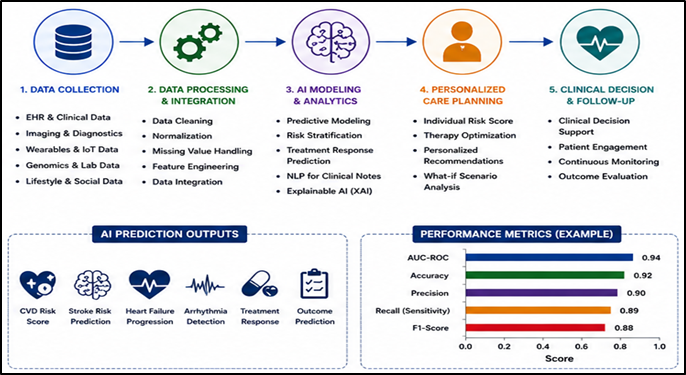
Figure Description: The figure illustrates the workflow of AI-driven personalized medicine in cardiovascular diseases. Clinical information collected from Electronic Health Records, ECGs, cardiac imaging, laboratory investigations, wearable healthcare devices, genomic databases, and lifestyle assessments is integrated into machine learning algorithms. The AI system performs disease prediction, diagnostic analysis, risk stratification, treatment optimization, medication selection, and continuous patient monitoring. The resulting outputs include early diagnosis, personalized treatment planning, reduced cardiovascular complications, improved patient outcomes, and enhanced healthcare efficiency (Beam & Kohane, 2018; European Society of Cardiology, 2021).
The discussion also identifies several challenges that continue to influence the implementation of AI in personalized cardiovascular medicine (Ghassemi et al., 2021; Wiens & Shenoy, 2018). Clinical datasets often contain heterogeneous information, incomplete records, inconsistent coding standards, and missing values that may reduce predictive reliability. Additional concerns include algorithm transparency, patient privacy, cybersecurity, interoperability among healthcare systems, and compliance with ethical and regulatory standards. Explainable Artificial Intelligence (XAI) has become increasingly important for improving clinician trust by providing transparent and interpretable prediction models, while ethical governance frameworks promote fairness, accountability, and responsible AI implementation in clinical practice (Ribeiro et al., 2016; Rudin, 2019). Overall, the findings demonstrate that AI has become a cornerstone of personalized cardiovascular medicine by improving diagnostic precision, predictive analytics, individualized treatment planning, and continuous disease monitoring. Future developments in precision medicine, federated learning, multimodal AI, and intelligent clinical decision support systems are expected to further enhance cardiovascular healthcare outcomes (World Health Organization, 2021; Beam & Kohane, 2018).
V. CASE STUDIES
Artificial Intelligence (AI) has become an essential component of personalized medicine in cardiovascular diseases by enabling individualized diagnosis, treatment planning, and continuous patient monitoring through advanced machine learning algorithms (Johnson et al., 2018; Topol, 2019). The following case studies demonstrate practical applications of AI in precision cardiology, illustrating how intelligent computational systems improve cardiovascular risk prediction, diagnostic accuracy, personalized therapy, and long-term patient outcomes. These examples highlight the growing integration of AI technologies into routine cardiovascular healthcare and their contribution to evidence-based clinical decision-making (Beam & Kohane, 2018; Rajkomar et al., 2019).
Case Study 1: AI-Based Early Prediction of Cardiovascular Disease
A tertiary cardiac care hospital implemented machine learning algorithms to analyse Electronic Health Records (EHRs), electrocardiograms (ECGs), laboratory investigations, demographic characteristics, medication history, lifestyle information, and cardiovascular risk factors collected from thousands of patients (Miotto et al., 2018; Sendak et al., 2020). The predictive models accurately identified individuals at high risk of myocardial infarction, heart failure, and stroke before the appearance of severe clinical symptoms. Healthcare professionals used these predictions to initiate preventive interventions, optimize medication therapy, and recommend individualized lifestyle modifications. The implementation of AI-based predictive analytics improved diagnostic accuracy, reduced emergency hospital admissions, and enhanced long-term cardiovascular outcomes (Steyerberg, 2019; Johnson et al., 2018).
Case Study 2: Personalized Treatment Using AI-Assisted Cardiovascular Imaging
A cardiovascular specialty centre integrated deep learning algorithms with echocardiography, cardiac computed tomography (CT), and cardiac magnetic resonance imaging (MRI) to support personalized diagnosis and treatment planning (Attia et al., 2019; Liu et al., 2019). AI-assisted image analysis automatically identified coronary artery stenosis, myocardial dysfunction, valvular abnormalities, and cardiac structural changes with high diagnostic precision. The intelligent system generated individualized treatment recommendations based on each patient's anatomical and physiological characteristics, allowing clinicians to select the most appropriate therapeutic interventions. This approach improved diagnostic consistency, reduced interpretation time, and enhanced clinical decision-making while supporting precision cardiology (Krittanawong et al., 2019; Esteva et al., 2019).
TABLE 4. APPLICATIONS OF AI IN PERSONALIZED CARDIOVASCULAR MEDICINE
|
Clinical Application |
AI Function |
Clinical Outcome |
|
Cardiovascular Risk Prediction |
Predict future cardiac events |
Early preventive intervention |
|
AI-Assisted ECG Analysis |
Automated arrhythmia detection |
Improved diagnostic accuracy |
|
Personalized Treatment Planning |
Individualized therapy recommendations |
Better treatment effectiveness |
|
Cardiac Imaging Analysis |
Automated CT, MRI, and echocardiography interpretation |
Early disease detection |
|
Continuous Remote Monitoring |
Wearable device analytics |
Reduced hospitalization and improved patient outcomes |
Table 4 summarizes the major clinical applications of Artificial Intelligence in personalized cardiovascular medicine. AI improves disease prediction, diagnostic precision, individualized treatment planning, and continuous patient monitoring, thereby supporting precision cardiology and improving long-term healthcare outcomes (Topol, 2019; European Society of Cardiology, 2021).
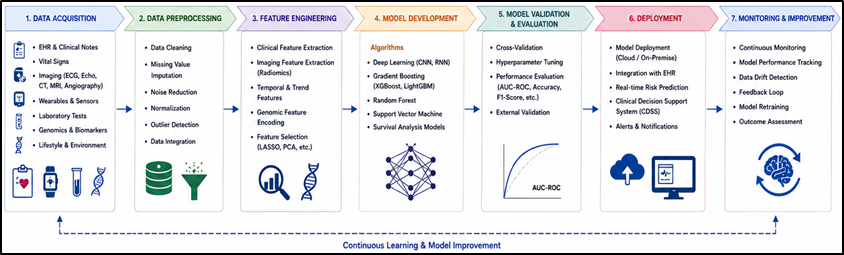
FIGURE 3. ARTIFICIAL INTELLIGENCE PIPELINE FOR PERSONALIZED CARDIOVASCULAR MEDICINE
Figure Description: The figure illustrates the workflow of AI-driven personalized medicine in cardiovascular diseases. Clinical information obtained from Electronic Health Records, electrocardiograms, cardiac imaging, laboratory investigations, genomic databases, wearable healthcare devices, and lifestyle assessments is integrated into machine learning algorithms. These intelligent systems perform cardiovascular risk prediction, disease diagnosis, treatment optimization, medication recommendation, and continuous patient monitoring. The resulting outcomes include personalized treatment planning, early disease detection, improved clinical decision-making, reduced cardiovascular complications, and enhanced long-term patient care (Beam & Kohane, 2018; World Health Organization, 2021).
CONCLUSION:
Artificial Intelligence (AI) has emerged as a transformative force in personalized medicine for cardiovascular diseases by enabling data-driven diagnosis, individualized treatment planning, predictive analytics, and continuous patient monitoring (Johnson et al., 2018; Topol, 2019). The findings presented throughout this study demonstrate that AI technologies, including machine learning, deep learning, predictive analytics, and intelligent medical imaging, effectively analyse multidimensional healthcare datasets to support precision cardiology. By integrating Electronic Health Records (EHRs), electrocardiograms (ECGs), cardiac imaging, laboratory investigations, genomic information, and wearable healthcare data, AI provides clinicians with accurate and timely insights that improve cardiovascular disease diagnosis and management (Beam & Kohane, 2018; Rajkomar et al., 2019). Machine learning algorithms have significantly enhanced cardiovascular risk prediction by accurately identifying individuals at high risk of myocardial infarction, heart failure, stroke, atrial fibrillation, and other cardiovascular disorders (Deo, 2015; Jordan & Mitchell, 2015). Unlike conventional statistical methods, AI models continuously learn from historical and real-time clinical data, enabling increasingly accurate predictions as more patient information becomes available. These predictive capabilities facilitate early intervention, preventive healthcare, and individualized clinical management while improving long-term cardiovascular outcomes (Steyerberg, 2019; Obermeyer & Emanuel, 2016). Artificial intelligence has also revolutionized cardiovascular imaging by improving the interpretation of electrocardiograms, echocardiography, cardiac computed tomography (CT), and magnetic resonance imaging (MRI) through advanced deep learning algorithms (Attia et al., 2019; Liu et al., 2019). Automated image analysis reduces diagnostic variability, enhances clinical workflow efficiency, and enables earlier detection of coronary artery disease, valvular disorders, myocardial dysfunction, and cardiac arrhythmias. These improvements contribute to more accurate diagnoses, faster clinical decision-making, and personalized therapeutic interventions (Krittanawong et al., 2019; Esteva et al., 2019). The integration of AI with wearable healthcare technologies has further strengthened personalized cardiovascular medicine by enabling continuous remote monitoring of physiological parameters (Komorowski et al., 2018; Sendak et al., 2020). Smart wearable devices continuously collect heart rate, blood pressure, oxygen saturation, electrocardiographic signals, physical activity, and sleep quality, allowing machine learning algorithms to identify early signs of cardiovascular deterioration. Real-time predictive analytics support proactive clinical interventions, improve patient adherence to treatment, reduce hospital admissions, and enhance overall disease management (Yu et al., 2018; Topol, 2019). Despite these remarkable advancements, several challenges remain before AI can achieve widespread implementation in personalized cardiovascular medicine (Ghassemi et al., 2021; Wiens & Shenoy, 2018). Clinical datasets often contain heterogeneous information, incomplete patient records, inconsistent coding standards, and missing values that may reduce predictive reliability. Additional concerns include algorithm transparency, cybersecurity, patient privacy, interoperability among healthcare information systems, and regulatory compliance. Explainable Artificial Intelligence (XAI) improves clinician confidence by providing transparent and interpretable prediction models, while ethical governance frameworks promote fairness, accountability, responsible data management, and patient-centred healthcare delivery (Ribeiro et al., 2016; Rudin, 2019). International healthcare organizations continue to emphasize ethical AI implementation to ensure patient safety and trustworthy clinical applications (World Health Organization, 2021; European Society of Cardiology, 2021). Future developments in multimodal artificial intelligence, federated learning, precision medicine, cloud-based healthcare analytics, and intelligent clinical decision support systems are expected to further improve personalized cardiovascular care (Goodfellow et al., 2016; Hastie et al., 2021). Continued collaboration among clinicians, researchers, engineers, healthcare organizations, and policymakers will facilitate the responsible integration of AI into routine cardiovascular practice. Overall, Artificial Intelligence represents a major advancement in personalized medicine by improving cardiovascular disease prediction, diagnostic precision, individualized treatment planning, continuous patient monitoring, and long-term healthcare outcomes, thereby contributing to more efficient, patient-centred, and sustainable cardiovascular healthcare systems (Beam & Kohane, 2018; Topol, 2019).
BIBLIOGRAPHY:
1. Attia, Z. I., Kapa, S., Lopez-Jimenez, F., McKie, P. M., Ladewig, D. J., Satam, G., et al. (2019). Screening for cardiac contractile dysfunction using an artificial intelligence–enabled electrocardiogram. Nature Medicine, 25(1), 70–74. https://doi.org/10.1038/s41591-018-0240-2
2. Beam, A. L., & Kohane, I. S. (2018). Big data and machine learning in health care. JAMA, 319(13), 1317–1318. https://doi.org/10.1001/jama.2017.18391
3. Deo, R. C. (2015). Machine learning in medicine. Circulation, 132(20), 1920–1930. https://doi.org/10.1161/CIRCULATIONAHA.115.001593
4. Esteva, A., Robicquet, A., Ramsundar, B., et al. (2019). A guide to deep learning in healthcare. Nature Medicine, 25(1), 24–29. https://doi.org/10.1038/s41591-018-0316-z
5. European Society of Cardiology. (2021). 2021 ESC Guidelines on cardiovascular disease prevention in clinical practice. European Heart Journal, 42(34), 3227–3337. https://doi.org/10.1093/eurheartj/ehab484
6. Ghassemi, M., Naumann, T., Schulam, P., Beam, A. L., Chen, I. Y., & Ranganath, R. (2021). A review of challenges and opportunities in machine learning for health. AMIA Summits on Translational Science Proceedings, 191–200.
7. Goodfellow, I., Bengio, Y., & Courville, A. (2016). Deep learning. MIT Press.
8. Hastie, T., Tibshirani, R., & Friedman, J. (2021). The elements of statistical learning (2nd ed.). Springer.
9. Johnson, K. W., Torres Soto, J., Glicksberg, B. S., Shameer, K., Miotto, R., Ali, M., et al. (2018). Artificial intelligence in cardiology. Journal of the American College of Cardiology, 71(23), 2668–2679. https://doi.org/10.1016/j.jacc.2018.03.521
10. Jordan, M. I., & Mitchell, T. M. (2015). Machine learning: Trends, perspectives, and prospects. Science, 349(6245), 255–260. https://doi.org/10.1126/science.aaa8415
11. Komorowski, M., Celi, L. A., Badawi, O., Gordon, A. C., & Faisal, A. A. (2018). The Artificial Intelligence Clinician learns optimal treatment strategies from medical data. Nature Medicine, 24(11), 1716–1720. https://doi.org/10.1038/s41591-018-0213-5
12. Krittanawong, C., Zhang, H., Wang, Z., Aydar, M., & Kitai, T. (2019). Artificial intelligence in precision cardiovascular medicine. Journal of the American College of Cardiology, 74(21), 2657–2664. https://doi.org/10.1016/j.jacc.2019.09.065
13. LeCun, Y., Bengio, Y., & Hinton, G. (2015). Deep learning. Nature, 521(7553), 436–444. https://doi.org/10.1038/nature14539
14. Liu, X., Faes, L., Kale, A. U., et al. (2019). A comparison of deep learning performance against healthcare professionals. The Lancet Digital Health, 1(6), e271–e297. https://doi.org/10.1016/S2589-7500(19)30123-2
15. Miotto, R., Wang, F., Wang, S., Jiang, X., & Dudley, J. T. (2018). Deep learning for healthcare: Review, opportunities and challenges. Briefings in Bioinformatics, 19(6), 1236–1246. https://doi.org/10.1093/bib/bbx044
16. Obermeyer, Z., & Emanuel, E. J. (2016). Predicting the future—Big data, machine learning, and clinical medicine. New England Journal of Medicine, 375(13), 1216–1219. https://doi.org/10.1056/NEJMp1606181
17. Rajkomar, A., Dean, J., & Kohane, I. S. (2019). Machine learning in medicine. New England Journal of Medicine, 380(14), 1347–1358. https://doi.org/10.1056/NEJMra1814259
18. Ribeiro, M. T., Singh, S., & Guestrin, C. (2016). Why should I trust you? Explaining the predictions of any classifier. In Proceedings of the ACM SIGKDD International Conference on Knowledge Discovery and Data Mining (pp. 1135–1144). https://doi.org/10.1145/2939672.2939778
19. Rudin, C. (2019). Stop explaining black box machine learning models for high-stakes decisions. Nature Machine Intelligence, 1(5), 206–215. https://doi.org/10.1038/s42256-019-0048-x
20. Sendak, M. P., D'Arcy, J., Kashyap, S., et al. (2020). A path for translation of machine learning products into healthcare delivery. EMJ Innovations, 4(1), 40–47.
21. Steyerberg, E. W. (2019). Clinical prediction models (2nd ed.). Springer.
22. Topol, E. J. (2019). Deep medicine: How artificial intelligence can make healthcare human again. Basic Books.
23. Wiens, J., & Shenoy, E. S. (2018). Machine learning for healthcare: On the verge of a major shift in healthcare epidemiology. Clinical Infectious Diseases, 66(1), 149–153. https://doi.org/10.1093/cid/cix731
24. World Health Organization. (2021). Ethics and governance of artificial intelligence for health: WHO guidance. World Health Organization.
25. Yu, K. H., Beam, A. L., & Kohane, I. S. (2018). Artificial intelligence in healthcare. Nature Biomedical Engineering, 2(10), 719–731. https://doi.org/10.1038/s41551-018-0305-z