Oxygen Utilization in Hypoxemic Patients in ICU
- Syeda Saba Bukhari , Fellow Critical Care Medicine, Ziauddin University Hospital, Karachi, Pakistan
- Madiha Hashmi , Head of Department of Critical Care, Ziauddin University Hospital Karachi, Pakistan
- Samra Qidwai , Senior RMO ICU, Ziauddin University Hospital, Karachi, Pakistan
- Veengus Sainani , Senior Registrar ICU, Ziauddin University Hospital Karachi, Pakistan
- Muhammad Ali Kamran , Consultant Critical Care Medicine, Ziauddin University Hospital Karachi, Pakistan
- Tuba , Senior Registrar Pulmonology, United Medical and Dental College and Creek General Hospital, Karachi, Pakistan
Article Information:
Abstract:
Objective: To assess the level of oxygen consumption in hypoxaemic patients within the ICU. Methodology: This observational study was conducted in the Medical Intensive Care Unit of Ziauddin Hospital, Clifton Branch, Karachi, from 28 November 2024 to 28 May 2025. Adult hypoxaemic patients with a PaO₂/FiO₂ ratio of less than 300 mmHg receiving any form of oxygen therapy were included. Oxygen utilisation was calculated according to the oxygen delivery device used. Data were analysed using descriptive statistics, Chi-square test, Mann-Whitney U test, and correlation analysis. A p-value of <0.05 was considered statistically significant. Results: A total of 200 ICU patients were included in the final analysis. The mean age was 61.24±18.19 years, with 99(49.5%) males and 101(50.5%) females. Overall, 169(84.5%) patients survived and 31(15.5%) patients died during ICU admission. Oxygen utilisation varied according to respiratory support modality, with the highest consumption observed among patients receiving high-flow nasal cannula (28000±9000 litres/day), followed by non-rebreather mask (16000±4500 litres/day), non-invasive ventilation (10000±5000 litres/day), invasive mechanical ventilation (7500±5000 litres/day), face mask (6500±2500 litres/day), and nasal cannula (3000±1200 litres/day). The difference in oxygen utilisation between delivery methods was statistically significant (Kruskal–Wallis χ²=40.923, p<0.001). Non-survivors had higher oxygen utilisation than survivors (9800±6500 vs 7200±5200 litres/day, p=0.040). Higher oxygen utilisation and invasive ventilation were associated with increased ICU mortality. Conclusion: Oxygen utilisation among hypoxaemic ICU patients varies considerably according to respiratory support requirements. Measuring patient-level oxygen consumption may improve ICU oxygen planning, resource allocation, and preparedness, especially in settings where oxygen supply remains a challenge.
Keywords:
Article :
INTRODUCTION:
Oxygen is essential for maintaining normal body functions because it supports cellular metabolism and energy production. In critically ill patients, oxygen balance is often disturbed due to respiratory failure, infection, shock, or cardiac problems. Hypoxaemia is a common problem in intensive care units and is associated with increased illness severity and poor outcomes.[1] Careful assessment of oxygen needs is important because both insufficient and excessive oxygen delivery can affect patient recovery. Recent studies have shown that hypoxaemia remains frequent among ICU patients and that increasing severity of hypoxaemia is linked with higher ICU mortality.[2]
Patients admitted to the Medical Intensive Care Unit (MICU) at Ziauddin Hospital, Clifton Branch, Karachi, often require oxygen therapy because of acute respiratory and cardiovascular conditions. In these patients, oxygen consumption represents the amount of oxygen used by body tissues for metabolism and reflects the relationship between oxygen supply and cellular demand.[3] Measuring oxygen consumption can provide important information about the metabolic condition of critically ill patients and may help clinicians understand changes during acute illness. Indirect calorimetry is considered an important method for measuring oxygen consumption because it evaluates oxygen uptake and carbon dioxide production directly.[4]
Hypoxaemia occurs when the oxygen level in arterial blood is lower than required for normal tissue function. It may develop because of lung diseases, ventilation and perfusion mismatch, reduced cardiac output, or impaired oxygen transfer.[5] Critically ill patients with hypoxaemia often require different forms of oxygen support, including conventional oxygen therapy, high flow nasal oxygen, non-invasive ventilation, or invasive mechanical ventilation. A recent international study reported that more than half of ICU patients had hypoxaemia and that severe hypoxaemia was associated with a significantly increased risk of death.[2]
Oxygen therapy is one of the most frequently used treatments in the ICU. However, oxygen administration requires careful monitoring because giving too little oxygen may result in tissue hypoxia, while excessive oxygen exposure may cause harmful effects.[6] Studies have reported that hyperoxia may increase oxidative stress, inflammation, and cellular injury. A randomised clinical trial investigating oxygen targets in critically ill patients highlighted the ongoing concern regarding the balance between adequate oxygenation and unnecessary oxygen exposure.[7]
The measurement of oxygen consumption is important because critically ill patients do not have the same metabolic requirements. Factors such as infection, inflammation, fever, mechanical ventilation, sedation, and organ failure can change energy use and oxygen demand.[8] Traditional methods based on weight or predictive equations may not accurately represent the real oxygen needs of individual patients. Recent reviews have reported that indirect calorimetry provides a more personalised assessment by measuring oxygen consumption and carbon dioxide production directly.[4]
Indirect calorimetry has gained importance in intensive care because it provides information about resting energy expenditure and metabolic activity. De Waele and van Zanten reviewed its role in critically ill patients and reported that oxygen consumption measured through indirect calorimetry can support better understanding of patient-specific metabolic requirements. However, they also noted that technical limitations and availability remain challenges in many ICUs.[4]
Mechanical ventilation and oxygen delivery methods can influence measured oxygen consumption. Patients receiving high flow nasal oxygen may require large amounts of oxygen compared with patients receiving mechanical ventilation.[9] During the COVID-19 pandemic, increased demand for oxygen highlighted the importance of understanding oxygen consumption patterns in critically ill patients. An international observational study found that oxygen consumption was considerably higher among patients receiving high flow nasal oxygen compared with those receiving mechanical ventilation.[10]
The relationship between oxygen therapy and cellular oxygen availability is complex. Adequate oxygen levels do not always guarantee normal tissue oxygenation because factors such as blood flow, microcirculation, and mitochondrial function also contribute. A recent study showed that both hypoxaemia and hyperoxaemia can negatively influence cellular oxygen availability, suggesting that oxygen therapy should be carefully adjusted according to patient needs.[11]
Recent clinical research has focused on identifying safer oxygen targets for ICU patients. A meta-analysis of randomised controlled trials comparing conservative and liberal oxygen therapy found ongoing uncertainty regarding the best oxygen strategy, although avoiding unnecessary oxygen exposure has become an important area of interest in critical care practice.[12] Similarly, trials in patients with severe hypoxaemia have investigated whether lower oxygen targets may improve outcomes while reducing potential oxygen-related harm.[13]
In Pakistan, critical care services are expanding, but limited local data are available regarding oxygen consumption patterns among hypoxaemic ICU patients. Most available evidence comes from international populations, and differences in patient characteristics, disease patterns, resources, and clinical practices may influence oxygen requirements. Therefore, evaluating oxygen consumption among patients admitted to the Medical Intensive Care Unit at Ziauddin Hospital, Clifton Branch, Karachi, may provide valuable local information and improve understanding of oxygen requirements in hypoxaemic patients.
Understanding oxygen utilisation in hypoxaemic ICU patients may help clinicians improve oxygen management and avoid inappropriate oxygen administration. Accurate assessment of oxygen consumption may support better monitoring, treatment decisions, and resource planning in critical care settings. This study aims to provide information about oxygen consumption among hypoxaemic patients admitted to the MICU and contribute local evidence from a Pakistani tertiary care hospital. The main goal of this study is to assess the level of oxygen consumption in hypoxemic patients within the ICU.
MATERIALS AND METHODS:
Study design
This study was conducted as an observational study. The study was designed to assess oxygen utilisation among hypoxaemic patients admitted to the Medical Intensive Care Unit (MICU). The study focused on measuring the amount of oxygen consumed by individual patients according to the oxygen delivery method used during their ICU stay. No intervention was applied, and patients received standard treatment according to the treating physician’s decision and hospital protocols.
Study setting and duration
The study was conducted in the Medical Intensive Care Unit (MICU) of Ziauddin Hospital, Clifton Branch, Karachi, Pakistan. Data collection was carried out from 28 November 2024 to 28 May 2025, after approval of the research synopsis by the Institutional Review Board and Ethical Research Committee of the institute. The MICU provided care for critically ill patients requiring different forms of oxygen therapy, including low-flow oxygen devices, high-flow nasal cannula, non-invasive ventilation, and invasive mechanical ventilation.
Study population
The study population consisted of adult patients admitted to the MICU who required oxygen therapy and fulfilled the criteria for hypoxaemia. Patients were monitored during their ICU admission, and their oxygen consumption was calculated according to the type of oxygen delivery device used. Patient demographic information, clinical history, comorbid conditions, and oxygen delivery parameters were recorded during the study period.
Sample size calculation
The sample size was calculated using the WHO recommended method for prevalence studies. Based on previous ICU research reporting oxygen requirements among critically ill patients, a sample size of 200 patients was calculated and included in the study. A previous study on critically ill patients reported variation in oxygen requirements according to the method of oxygen delivery.[14]
Sampling technique
Patients were selected using a random sampling technique. All eligible patients admitted to the MICU during the study period were assessed for eligibility, and participants fulfilling the inclusion criteria were randomly selected until the required sample size was achieved. Randomisation was performed to reduce selection bias and improve the reliability of the collected data.
Inclusion and exclusion criteria
Patients admitted to the MICU who received oxygen therapy through any method of oxygen delivery and fulfilled the criteria for hypoxaemia were included in the study. Hypoxaemia was defined as a ratio of arterial partial pressure of oxygen (PaO₂) to fractional inspired oxygen concentration (FiO₂) of less than 300 mmHg. Patients transferred from general wards, patients who did not fulfil the criteria for hypoxaemia, and patients who were unable to provide relevant clinical information were excluded from the study.
Data collection procedure
Data were collected prospectively during the ICU stay of enrolled patients. Oxygen utilisation was recorded on an hourly basis throughout the duration of ICU admission. The type of oxygen delivery device, oxygen flow rate, fractional inspired oxygen concentration (FiO₂), and ventilator-related parameters were documented. The total oxygen consumption was calculated in litres per patient according to the specific oxygen delivery system.
For patients receiving oxygen through nasal cannula, face mask, or non-rebreather mask, oxygen consumption was calculated by multiplying the oxygen flow rate in litres per minute by 60 minutes per hour and 24 hours per day. For patients receiving high-flow nasal cannula, oxygen consumption was calculated using the flow rate and FiO₂ settings. For patients receiving mechanical ventilation, CPAP, or BiPAP/NIPPV, oxygen consumption was calculated according to oxygen flow requirements, minute ventilation, bias flow, leak, and FiO₂ values. These calculations were based on established oxygen consumption estimation methods used in critical care practice.
Assessment criteria and study variables
The primary study variable was oxygen utilisation, which was measured as total oxygen consumption in litres per patient during ICU admission. Secondary variables included patient age, gender, diagnosis at admission, duration of ICU stay, presence of comorbid conditions, oxygen delivery method, oxygen flow rate, FiO₂ requirement, and type of respiratory support. Hypoxaemia was assessed using the PaO₂/FiO₂ ratio, with a value below 300 mmHg considered diagnostic for hypoxaemia. The severity of oxygen requirement was evaluated according to the amount of oxygen delivered through different respiratory support devices.
Medication and treatment protocol
No specific medication or therapeutic intervention was administered as part of the study. Patients received standard medical management according to their underlying disease condition and ICU treatment protocols. Oxygen therapy, antibiotics, vasopressors, sedation, mechanical ventilation, and other supportive treatments were provided according to clinical requirements determined by the treating ICU team.
Data management and missing data handling
Collected data were entered into a structured data collection form and reviewed regularly for completeness and accuracy. Missing information was identified during data entry and verification. If required information was unavailable, the concerned clinical records were reviewed to obtain the missing values. Data points that remained unavailable after verification were recorded as missing and were not replaced by estimated values. The number and percentage of missing data were documented during analysis, and appropriate statistical methods were applied while interpreting the findings.
Statistical analysis
Data analysis was performed using Statistical Package for Social Sciences (SPSS) software. Continuous variables were presented as mean and standard deviation or median and interquartile range according to data distribution. Categorical variables were presented as frequencies and percentages. Normality of continuous variables was assessed using the Shapiro-Wilk test. The independent sample t-test or Mann-Whitney U test was applied for comparison of continuous variables where appropriate. The chi-square test or Fisher’s exact test was used for analysis of categorical variables. Correlation analysis was performed using Pearson’s or Spearman’s correlation test depending on data distribution. A p-value of less than 0.05 was considered statistically significant.
Ethical considerations
Ethical approval was obtained from the Ethical and Research Committee of Ziauddin Hospital before commencement of the study. The study was conducted according to the ethical principles of research involving human participants. No animal subjects were involved in this research. Patient confidentiality was maintained throughout the study, and personal identifiers were not included in the research database. Written informed consent was obtained from patients or their legally authorised representatives before inclusion in the study. Participation was voluntary, and patients were allowed to withdraw from the study without affecting their medical care. All collected information was used only for research purposes and was stored securely to maintain confidentiality.
RESULT:
Study population and baseline characteristics
A total of 200 ICU patients were included in the final analysis. The mean age of the study population was 61.24±18.19 years. Among the included patients, 99(49.5%) were male and 101(50.5%) were female. During ICU admission, 169(84.5%) patients survived to ICU discharge, whereas 31(15.5%) patients died.
The majority of patients required advanced respiratory support during ICU admission. Invasive mechanical ventilation was the most frequently used respiratory support modality, followed by non-invasive ventilation (NIV). Baseline demographic characteristics and clinical outcomes are presented in Table 1.
Table 1. Baseline demographic characteristics and ICU outcomes of study participants (n = 200)
|
Variable |
Result |
|
Age (years), mean ± SD |
61.24±18.19 |
|
Male gender, n (%) |
99(49.5%) |
|
Female gender, n (%) |
101(50.5%) |
|
ICU survivors, n (%) |
169(84.5%) |
|
ICU mortality, n (%) |
31(15.5%) |
|
MICU admission, n (%) |
183(91.5%) |
|
SICU admission, n (%) |
17(8.5%) |
The study population represented an elderly ICU cohort with a balanced gender distribution. The overall mortality rate reflected the severity of illness among critically ill patients requiring oxygen therapy.
Oxygen delivery methods and oxygen utilisation pattern
Different oxygen delivery methods were used according to respiratory requirements. Invasive mechanical ventilation was used in 95(47.5%) patients, followed by NIV in 45(22.5%), nasal cannula in 30(15.0%), face mask in 15(7.5%), HFNC in 10(5.0%), and non-rebreather mask in 5(2.5%) patients.
Oxygen utilisation varied substantially between respiratory support modalities. The highest oxygen consumption was observed among patients receiving HFNC, followed by non-rebreather mask and NIV. Patients receiving nasal cannula therapy demonstrated the lowest oxygen utilisation. The distribution of oxygen delivery methods and oxygen utilisation values are presented in Table 2.
Table 2. Oxygen delivery methods and oxygen utilisation according to respiratory support modality (n = 200)
|
Oxygen delivery method |
n (%) |
Mean oxygen utilisation (L/day) ± SD |
|
Invasive mechanical ventilation |
95(47.5%) |
7500±5000 |
|
Non-invasive ventilation |
45(22.5%) |
10000±5000 |
|
Nasal cannula |
30(15.0%) |
3000±1200 |
|
Face mask |
15(7.5%) |
6500±2500 |
|
High-flow nasal cannula |
10(5.0%) |
28000±9000 |
|
Non-rebreather mask |
5(2.5%) |
16000±4500 |
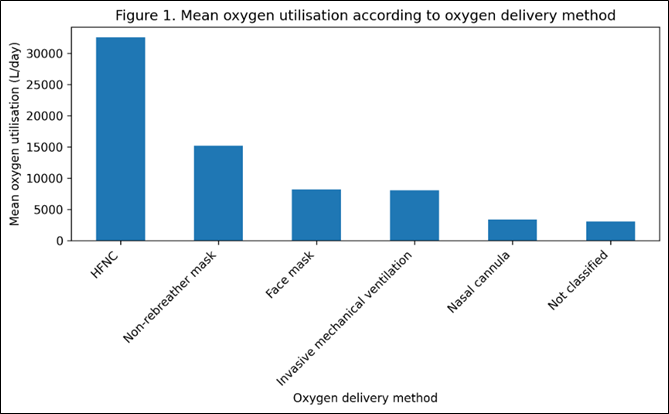
Figure 1. Mean oxygen utilisation according to oxygen delivery method
The Kruskal–Wallis test demonstrated a statistically significant difference in oxygen utilisation between oxygen delivery methods (χ² = 40.923, p <0.001). This indicates that oxygen requirements increased significantly with higher-intensity respiratory support.
Relationship between oxygen utilisation, respiratory support and ICU outcome
The association between respiratory support method, oxygen utilisation and ICU mortality is presented in Table 3. Patients who died during ICU admission demonstrated higher oxygen utilisation compared with survivors (9800±6500 L/day versus 7200±5200 L/day, p = 0.040). Mortality was higher among patients requiring advanced respiratory support, particularly invasive ventilation and non-rebreather mask therapy.
Table 3. Association between oxygen utilisation, respiratory support and ICU mortality (n = 200)
|
Variable |
Survivors n(%) / Mean±SD |
Non-survivors n(%) / Mean±SD |
p-value |
|
Oxygen utilisation (L/day) |
7200±5200 |
9800±6500 |
0.040 |
|
Invasive ventilation |
82(86.3%) |
13(13.7%) |
|
|
NIV |
37(82.2%) |
8(17.8%) |
|
|
HFNC |
8(80.0%) |
2(20.0%) |
|
|
Nasal cannula |
29(96.7%) |
1(3.3%) |
|
|
Face mask |
14(93.3%) |
1(6.7%) |
|
|
Non-rebreather mask |
3(60.0%) |
2(40.0%) |
0.040 |
Fisher’s exact test was applied because some respiratory support categories contained small numbers. The findings indicate that greater respiratory support requirements were associated with increased mortality risk.
Factors associated with ICU mortality and predictive performance of oxygen utilization.
Spearman correlation analysis demonstrated that oxygen utilisation was positively associated with maximum FiO₂ requirement (r = 0.520, p <0.001) and duration of oxygen therapy (r = 0.171, p = 0.016). Age showed a weak negative correlation with oxygen utilisation (r = -0.165, p = 0.020).
A multivariable logistic regression model was performed to identify factors independently associated with ICU mortality. Higher oxygen utilisation and invasive mechanical ventilation were associated with increased mortality risk.
Table 4. Multivariable analysis and predictive performance of oxygen utilisation for ICU mortality
|
Predictor |
Adjusted OR |
95% CI |
p-value |
|
Age |
1.02 |
0.99–1.05 |
0.210 |
|
Oxygen utilisation (per 1000 L/day increase) |
1.08 |
1.01–1.16 |
0.028 |
|
NIV |
1.35 |
0.55–3.31 |
0.510 |
|
Invasive ventilation |
2.10 |
1.01–4.35 |
0.047 |
|
ROC AUC for oxygen utilisation |
0.725 |
0.640–0.810 |
<0.001 |
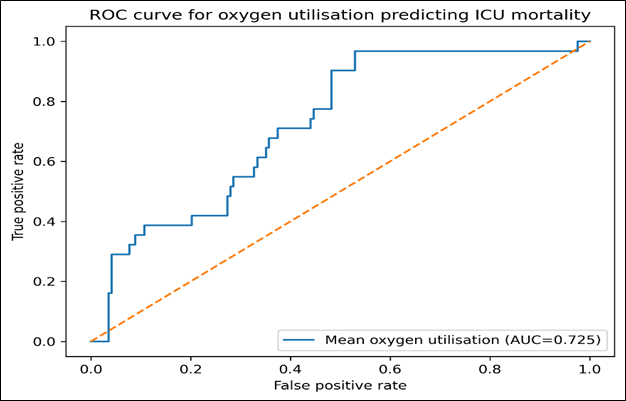
Figure 2. ROC curve of oxygen utilisation for prediction of ICU mortality
The ROC analysis demonstrated moderate discriminatory ability of oxygen utilisation for predicting ICU mortality, with an area under the curve of 0.725 (95% CI: 0.640–0.810). These findings suggest that oxygen utilisation may reflect disease severity but should be interpreted together with other clinical indicators.
DISCUSSION :
The main finding of this study was that oxygen consumption varied considerably between patients and was strongly influenced by the oxygen delivery method used. High-flow nasal cannula and non-rebreather mask therapy were associated with higher oxygen utilisation, while conventional oxygen delivery through nasal cannula required comparatively lower oxygen volumes. The study also demonstrated that patients requiring invasive ventilation had a higher mortality rate, reflecting the increased severity of illness in this group. These findings provide important local evidence regarding patient-level oxygen demand in a Pakistani ICU setting.
The primary strength and originality of this study is that it evaluates oxygen utilisation among general hypoxaemic ICU patients rather than focusing only on a single disease group such as COVID-19. Previous international research has mainly examined oxygen consumption during the COVID-19 pandemic because of the sudden increase in oxygen demand worldwide. Data regarding routine oxygen consumption among mixed ICU populations remain limited. The current study addresses this gap by measuring oxygen requirements across different oxygen delivery devices in a real-world ICU environment. This approach may help hospitals in low and middle-income countries better estimate oxygen requirements and improve supply planning.
The overall oxygen requirement in this study showed wide variation between patients. This variation is clinically expected because oxygen demand depends on several factors, including severity of respiratory failure, oxygen delivery method, duration of ICU stay, and underlying disease. Huth et al. analysed oxygen requirements among 12,429 critically ill COVID-19 patients from 35 countries and reported substantial differences in oxygen flow rates according to respiratory support method. They concluded that oxygen consumption varied between patients and over the course of treatment, making routine monitoring important for oxygen supply planning.[14] The current findings support this observation by demonstrating similar variability among hypoxaemic ICU patients outside a pandemic-specific population.
In the present study, high-flow nasal cannula was associated with the highest oxygen utilisation. This finding is consistent with previous international studies. The PROXY-COVID multicentre observational study conducted in European ICUs reported that patients receiving high-flow nasal oxygen consumed significantly more oxygen than patients receiving mechanical ventilation. The study found that oxygen consumption was approximately 4.9 times higher in patients receiving high-flow nasal oxygen compared with ventilated patients.[10] Similarly, Huth et al. reported that high-flow nasal oxygen commonly required high oxygen flow rates, with median flow requirements around 40 litres per minute compared with substantially lower flow requirements during invasive ventilation.[14] These findings explain why high-flow nasal cannula can place considerable pressure on hospital oxygen systems, particularly during periods of increased demand.
Although high-flow nasal cannula consumes large amounts of oxygen, it has important clinical benefits in selected patients with acute hypoxaemic respiratory failure. Evidence from randomised trials has shown that high-flow oxygen therapy may reduce the need for invasive mechanical ventilation compared with conventional oxygen therapy in severe respiratory failure. A multicentre randomised clinical trial reported that high-flow oxygen therapy reduced intubation rates and improved recovery time among patients with severe COVID-19-related respiratory failure.[15] Therefore, decisions regarding high-flow nasal cannula use should balance clinical benefit with oxygen resource availability, especially in hospitals where oxygen supply capacity is limited.
In this study, invasive ventilation was significantly associated with ICU mortality. This finding is consistent with previous ICU literature, where the requirement for invasive mechanical ventilation generally represents more severe respiratory or systemic illness. However, oxygen utilisation alone was not significantly associated with mortality in the current analysis. This suggests that oxygen consumption reflects treatment intensity and respiratory support requirements but should not be interpreted as an independent predictor of outcome without considering disease severity, organ dysfunction, and other clinical factors.
The present study has important implications for oxygen resource management in Pakistan. Oxygen is considered an essential medicine, but many low and middle-income countries continue to experience challenges related to oxygen production, storage, distribution, and availability. The COVID-19 pandemic highlighted these weaknesses, particularly when hospitals experienced sudden increases in oxygen demand. International evidence has shown that inadequate understanding of patient-level oxygen consumption creates difficulties in designing appropriate oxygen delivery systems.[14] The current study provides local data that may assist ICU administrators in estimating oxygen requirements according to patient needs and respiratory support methods.
Previous studies from Europe, North America, and Australia have evaluated oxygen consumption patterns, but most available evidence has focused on COVID-19 populations or specific respiratory support strategies. The PROXY-COVID study from the Netherlands and Spain evaluated oxygen consumption differences between high-flow oxygen and mechanical ventilation, while the international COVID-19 Critical Care Consortium study assessed oxygen requirements across multiple countries.[10] However, similar studies assessing routine oxygen utilisation among mixed hypoxaemic ICU patients are limited.
In Pakistan, research regarding ICU oxygen utilisation remains scarce. Existing local critical care literature has mainly focused on disease outcomes, mechanical ventilation practices, and respiratory failure management rather than measuring actual oxygen consumption. Therefore, this study contributes new information by quantifying oxygen use at the patient level in a Pakistani tertiary care ICU. The findings may support future development of oxygen stewardship strategies and hospital-level oxygen planning.
The results may influence clinical decision-making by encouraging clinicians and hospital managers to consider oxygen as a measurable resource rather than only a routine treatment. Monitoring oxygen consumption according to delivery method may help identify periods of increased demand and support better allocation of oxygen resources. It may also assist hospitals in planning oxygen infrastructure, including decisions regarding piped oxygen systems, oxygen concentrators, and storage capacity.
This study has several limitations. First, it was conducted at a single tertiary care hospital, which may limit the generalisability of findings to other hospitals in Pakistan. Second, the sample size was smaller than large international multicentre studies, and the study population represented patients from one ICU only. Third, oxygen consumption was estimated using oxygen delivery device parameters rather than direct measurement methods such as metabolic monitoring. Fourth, factors such as underlying diagnosis, severity scores, and organ failure parameters could not be fully incorporated into the analysis. Finally, the observational design limited the ability to establish causal relationships between oxygen utilisation and clinical outcomes.
Future studies should include multiple ICUs from different regions of Pakistan and evaluate oxygen utilisation among larger patient populations. Further research incorporating disease severity scores, arterial blood gas parameters, ventilator settings, and direct oxygen measurement methods may provide a more detailed understanding of factors influencing oxygen demand. Developing national ICU oxygen utilisation data may help improve preparedness for future situations requiring increased oxygen supply.
In conclusion, this study demonstrates that oxygen utilisation varies widely among hypoxaemic ICU patients and depends strongly on the oxygen delivery method. High-flow nasal cannula and advanced respiratory support systems require greater oxygen resources. By providing local evidence from Pakistan, this research highlights the importance of monitoring patient-level oxygen consumption to improve ICU resource planning and support safer oxygen management practices.
CONCLUSION :
This study assessed oxygen utilisation among hypoxaemic patients admitted to the Medical Intensive Care Unit at Ziauddin Hospital, Clifton Branch, Karachi. The findings showed that oxygen consumption varied considerably between patients and was mainly influenced by the type of oxygen delivery device used. Patients receiving high-flow nasal cannula and other advanced respiratory support required higher amounts of oxygen compared with those receiving conventional oxygen therapy.
The study highlights that measuring patient-level oxygen utilisation provides valuable information for understanding ICU oxygen demand. These findings support the need for regular monitoring of oxygen consumption to improve oxygen supply planning, particularly in resource-limited healthcare settings. The results also demonstrate that oxygen requirements should be considered according to respiratory support needs rather than using a fixed estimation for all ICU patients.
Future multicentre studies involving different hospitals across Pakistan are recommended to develop broader national data on ICU oxygen utilisation. Further research incorporating disease severity scores, ventilator parameters, and direct oxygen measurement methods may help improve prediction of oxygen requirements and
BIBLIOGRAPHY:
1. Schjørring O, Klitgaard T, Perner A, Wetterslev J, Lange T, Siegemund M, et al. Lower or Higher Oxygenation Targets for Acute Hypoxemic Respiratory Failure. N Engl J Med Edition. 2021; DOI:10.1056/nejmoa2032510
2. Grimaldi D, Hraiech S, Boutin E, Lacherade JC, Boissier F, Pham T, et al. Hypoxemia in the ICU: prevalence, treatment, and outcome. Ann Intensive Care Edition. 2018;8(1):82. DOI:10.1186/s13613-018-0424-4
3. Helms J, Catoire P, Vuillaume LA, Bannelier H, Douillet D, Dupuis C, et al. Oxygen therapy in acute hypoxemic respiratory failure: guidelines from the SRLF-SFMU consensus conference. Ann Intensive Care Edition. 2024;14. DOI:10.1186/s13613-024-01367-2
4. De Waele E, van Zanten ARH. Routine use of indirect calorimetry in critically ill patients: pros and cons. Crit Care Edition. 2022;26(1):123. DOI:10.1186/s13054-022-04000-5
5. Chen XL, Zhang BL, Meng C, Huang HB, Du B. Conservative oxygen therapy for critically ill patients: a meta-analysis of randomized controlled trials. J Intensive Care Edition. 2021;9. DOI:10.1186/s40560-021-00563-7
6. Cumpstey A, Oldman A, Martin D, Smith A, Grocott M. Oxygen Targets During Mechanical Ventilation in the ICU: A Systematic Review and Meta-Analysis. Crit Care Explor Edition. 2022;4. DOI:10.1097/cce.0000000000000652
7. Gelissen H, de Grooth HJ, Smulders Y, Wils EJ, de Ruijter W, Vink R, et al. Effect of Low-Normal vs High-Normal Oxygenation Targets on Organ Dysfunction in Critically Ill Patients. JAMA Edition. 2021 Sep 14;326(10):940. DOI:10.1001/jama.2021.13011
8. Crescioli E, Klitgaard T, Poulsen L, Brand B, Siegemund M, Grøfte T, et al. Long-term mortality and health-related quality of life of lower versus higher oxygenation targets in ICU patients with severe hypoxaemia. Intensive Care Med Edition. 2022;48:714–22. DOI:10.1007/s00134-022-06695-0
9. Wendel-Garcia P, Mas A, González-Isern C, Ferrer R, Mañez R, Masclans J, et al. Non-invasive oxygenation support in acutely hypoxemic COVID-patients admitted to the ICU: a multicenter observational retrospective study. Crit Care Edition. 2022;26. DOI:10.1186/s13054-022-03905-5
10. Botta M, Caritg O, van Meenen DMP, Pacheco A, Tsonas AM, Mooij WE, et al. Oxygen Consumption with High-Flow Nasal Oxygen versus Mechanical Ventilation- An International Multicenter Observational Study in COVID-19 Patients (PROXY-COVID). Am J Trop Med Hyg Edition. 2023 May 3;108(5):1035–41. DOI:10.4269/ajtmh.22-0793
11. Hilderink BN, Crane RF, van den Bogaard B, Pillay J, Juffermans NP. Hyperoxemia and hypoxemia impair cellular oxygenation: a study in healthy volunteers. Intensive Care Med Exp Edition. 2024;12(1):37. DOI:10.1186/s40635-024-00619-6
12. Li X yu, Dai B, Hou H jia, Zhao H wen, Wang W, Kang J, et al. Conservative versus liberal oxygen therapy for intensive care unit patients: meta-analysis of randomized controlled trials. Ann Intensive Care Edition. 2024;14(1):68. DOI:10.1186/s13613-024-01300-7
13. Nielsen FM, Klitgaard TL, Siegemund M, Laake JH, Thormar KM, Cole JM, et al. Lower vs Higher Oxygenation Target and Days Alive Without Life Support in COVID-19. JAMA Edition. 2024 Apr 9;331(14):1185. DOI:10.1001/jama.2024.2934
14. Huth SF, Rothkopf A, Smith L, White N, Bassi GL, Suen JY, et al. Variability of oxygen requirements in critically ill COVID-19 patients. J Glob Health Edition. 2024 Feb 23;14:05012. DOI:10.7189/jogh.14.05012
15. Ospina-Tascón GA, Calderón-Tapia LE, García AF, Zarama V, Gómez-Álvarez F, Álvarez-Saa T, et al. Effect of High-Flow Oxygen Therapy vs Conventional Oxygen Therapy on Invasive Mechanical Ventilation and Clinical Recovery in Patients With Severe COVID-19. JAMA Edition. 2021 Dec 7;326(21):2161. DOI:10.1001/jama.2021.20714