Initial Emergency Department Vital Signs May Predict PICU Admission Presenting with Asthma Exacerbation
- Zainab Ahmed Habibi , MBBS, FCPS Postgraduate Resident (PGR) Department of Pediatrics Abbasi Shaheed Hospital, Karachi, Pakistan
- Ibrahim Shakoor , MBBS, FCPS, Head of Pediatrics Department of Abbasi Shaheed Hospital, Karachi, Pakistan
- Komal Devi , MBBS, FCPS Postgraduate Resident (PGR) Department of Pediatrics Abbasi Shaheed Hospital, Karachi, Pakistan
- Syeda Batool Zehra , MBBS, FCPS Postgraduate Resident (PGR) Department of Pediatrics Abbasi Shaheed Hospital, Karachi, Pakistan
- M Hassan Jamal , Resident Medical Officer at Shaheed Mohtarma Benazir Bhutto Institute of Trauma Centre
Article Information:
Abstract:
The severity of acute asthma exacerbation in children varies widely and early identification of patients at risk of deterioration is essential for timely escalation of care. Initial vital signs obtained at emergency department (ED) presentation may provide an accessible and objective method to predict the need for Pediatric Intensive Care Unit (PICU) admission. Objectives: To determine whether initial emergency department vital signs may predict PICU admission among children presenting with asthma exacerbation. Study Design & Setting: A prospective observational cohort study conducted in the Neonatal Intensive Care Unit (NICU) of Abbasi Shaheed Hospital, Karachi, Pakistan from 20 September 2023 to 20 September 2024. Methodology: This study included 176 children aged 2–12 years presenting with acute asthma exacerbation and PRAM score ≥4. Participants were recruited using non-probability consecutive sampling. Demographic characteristics, asthma-related history, presenting symptoms, initial vital signs including heart rate (HR), respiratory rate (RR), oxygen saturation (SpO₂), blood pressure (BP), work of breathing, and baseline PRAM score were recorded at presentation. All children received standard treatment according to GINA guidelines. The primary outcome was PICU admission within 48 hours. Comparative analysis, ROC curve analysis, and multivariable logistic regression were performed using SPSS version 26.0. Results: The mean age was 6.8±2.7 years and 61.4% participants were male. PICU admission occurred in 33.0% of children. Children admitted to PICU had significantly higher HR (161.9±18.5 vs. 138.4±18.9 beats/min), higher RR (45.6±7.2 vs. 35.3±6.4 breaths/min), and lower SpO₂ (88.7±3.6% vs. 94.8±3.4%) (p<0.001). ROC analysis showed SpO₂ had the highest predictive accuracy (AUC=0.901), followed by RR (AUC=0.878) and HR (AUC=0.835). Logistic regression identified HR, RR, SpO₂, and severe work of breathing as independent predictors of PICU admission. Conclusion: Initial emergency department vital signs, particularly oxygen saturation, respiratory rate, heart rate, and work of breathing, demonstrated strong predictive ability for PICU admission among children presenting with asthma exacerbation and may assist in early risk stratification.
Keywords:
Article :
INTRODUCTION:
Asthma remains one of the most common chronic respiratory diseases in children worldwide, characterized by recurrent episodes of wheezing, breathlessness, chest tightness, and coughing.1 Affecting approximately 14% of children globally, asthma contributes significantly to pediatric morbidity and imposes a substantial burden on healthcare systems.2 In the USA, asthma causes an estimated 1.6 million emergency department (ED) visits, and 183,000 hospitalizations annually.3 While most cases are managed effectively in the ED, approximately 5–34% of children with severe exacerbations require admission to a Pediatric Intensive Care Unit (PICU) due to respiratory failure, the need for mechanical ventilation, or prolonged hospital stays.4,5
In the ED, vital signs such as respiratory rate, heart rate, oxygen saturation, and work of breathing are routinely assessed and play a critical role in clinical decision-making. Freedman and Forno analyzing utility of vital signs in early prediction of PICU admission among children with asthma exacerbation revealed that higher mean heart rates (HR) and respiratory rates (RR), and lower SpO2 within the first hour of ED presentation were independently associated with PICU admission. They further concluded that a predictive index using HR, RR and SpO2 within the first hour of ED presentation accurately predicted PICU admission in their cohort.6 Delayed administration of systemic corticosteroids in the ED has been associated with increased severity of asthma exacerbations and a higher risk of PICU admission.7 Although robust protocols for early identification of high-risk children exist in high-income countries, such standardized approaches are often lacking in low- and middle-income countries (LMICs) like Pakistan, where resource limitations compound the challenges of managing severe asthma exacerbations.8,9
Under-recognition of the critical warning signs and delays in initiating timely interventions remain persistent challenges in local healthcare settings. In resource-limited environments, early and accurate identification of children at risk of PICU admission is essential for optimizing resource utilization, streamlining triage protocols, and improving clinical outcomes.10 Understanding the predictive value of initial ED vital signs in identifying children at high risk for severe outcomes may enable more effective allocation of critical care resources and reduce preventable morbidity and mortality. This study aims to address a critical gap in the local literature by evaluating whether initial ED vital signs, including heart rate, respiratory rate, oxygen saturation, and blood pressure, can reliably predict PICU admission in children presenting with asthma exacerbations at a tertiary care hospital in Karachi, Pakistan. The objective was to determine whether initial emergency department vital signs (e.g., heart rate, respiratory rate, oxygen saturation, blood pressure) can predict PICU admission in children presenting with asthma exacerbations at a tertiary care hospital in Karachi, Pakistan.
METHODS:
The study was commenced after obtaining approval from Institutional Ethical Committee (IRB/KMDC/KMU/147/2025). A prospective observational cohort study was conducted in the Emergency Department (ED) of Abbasi Shaheed Hospital, Karachi, Pakistan from 19 September 2023 to 19 September 2024. The sample size was calculated using the Epi Info online sample size calculator by considering the proportion of children with asthma exacerbation requiring PICU admission as 34%, with a 95% confidence level and 5% margin of error, yielding a final sample size of 176 participants. A non-probability consecutive sampling technique was used for participant recruitment. Children of either gender aged 2–12 years with a clinical diagnosis of acute asthma exacerbation based on a PRAM score ≥4 (annexure attached), presenting to the ED within 24 hours of symptom onset and having initial vital signs available upon ED arrival, were included in the study. Children with other chronic respiratory diseases such as cystic fibrosis or bronchiectasis, those with congenital heart disease or other comorbidities affecting respiratory outcomes, and patients who had received intubation or ventilation prior to ED arrival were excluded.
Considering the acute nature of asthma exacerbations and the urgent interventions required in the Emergency Department, obtaining prospective written informed consent could delay treatment and compromise patient care; therefore, a deferred consent model was utilized. Clinical data relevant to the research were collected during the emergency phase without prior consent. Once the child was stabilized and the parent or guardian became available and emotionally capable of providing consent, written informed consent was obtained retrospectively for use of the collected data. In cases where the patient was discharged before consent could be obtained, the collected data were excluded from the study. Children fulfilling the eligibility criteria were enrolled from the emergency department. At enrollment, demographic information including age, gender, and weight was recorded. Clinical information including previous history of asthma, prior PICU admissions due to asthma, and number of ED visits during the previous year for asthma was documented. Vital signs including heart rate (beats per minute), respiratory rate (breaths per minute), oxygen saturation (SpO₂, %), blood pressure (systolic/diastolic, mmHg), and work of breathing categorized as mild, moderate, or severe were recorded for each child. All vital signs were measured by the senior emergency department nurse, while work of breathing was assessed by the on-duty pediatrician. Baseline PRAM score (annexure attached) was calculated for all participants. All children were managed according to standard treatment protocols in accordance with GINA guidelines, including systemic corticosteroids, bronchodilators, supplemental oxygen therapy, non-invasive ventilation, or intubation where indicated. The primary outcome measure was admission to the PICU within 48 hours following emergency department admission. The decision for PICU admission was made according to the operational definition. A specially designed proforma was used to record all study-related data.
Operational Definitions: PICU admission criteria were defined as follows: all children received the same initial treatment consisting of oxygen, continuous inhalation with salbutamol plus ipratropium, and systemic corticosteroids. A child was considered to require PICU admission if any of the following criteria were present at or shortly after emergency department (ED) presentation, prior to treatment decisions. Persistent hypoxia was defined as oxygen saturation (SpO₂) ≤90% on room air or failure to improve after 1 hour of oxygen therapy and bronchodilator administration. Severe respiratory distress was defined as inability to speak in full sentences and/or use of accessory muscles, nasal flaring, severe chest retractions, or presence of silent chest on auscultation. Signs of impending respiratory failure were defined as altered mental status including agitation, lethargy, or drowsiness, and/or cyanosis, apnea, or gasping respirations. Age-specific abnormal vital signs after initial bronchodilator therapy were defined as respiratory rate ≥50 breaths/min for children aged 2–5 years or ≥40 breaths/min for children aged >5 years. Heart rate was considered abnormal if it was ≥180 beats/min for children aged 2–5 years or ≥160 beats/min for children aged >5 years.
Data were entered and analyzed using IBM-SPSS version 26.0. Continuous variables including age, heart rate, respiratory rate, blood pressure, oxygen saturation, and temperature were presented as mean ± standard deviation (SD) or median with interquartile range (IQR) depending on distribution. Data normality was assessed using the Shapiro–Wilk test. Categorical variables including gender, work of breathing, and PICU admission status (yes/no) were presented as frequencies and percentages. Comparative analysis between children admitted to the PICU and those not requiring PICU admission was performed using the independent sample t-test for normally distributed continuous variables and the Mann–Whitney U test for non-normally distributed variables. Chi-square test or Fisher’s exact test was applied for comparison of categorical variables. Receiver Operating Characteristic (ROC) curve analysis was performed to determine predictive accuracy and identify optimal cut-off values for vital signs. Independent predictors of PICU admission were identified using multivariable logistic regression analysis. Variables of clinical importance and those demonstrating a p-value <0.20 in bivariate analysis were entered into the initial regression model. PICU admission (yes/no) served as the outcome variable, while predictor variables included initial ED vital signs (heart rate, respiratory rate, blood pressure, oxygen saturation), age, and work of breathing. Before model development, variance inflation factors (VIFs) were calculated to assess collinearity and exclude multicollinearity among variables. Model discrimination was evaluated using the area under the ROC curve (AUC), whereas calibration was assessed through the Hosmer–Lemeshow goodness-of-fit test and calibration plots. For all inferential analyses, a p-value <0.05 was considered statistically significant.
RESULTS:
A total of 176 children presenting with asthma exacerbation were included in the study. The mean age of the participants was 6.8 ± 2.7 years, while the mean weight was 22.9 ± 8.1 kg. The median duration of symptoms was 16 (10–22) hours. Most participants were male (61.4%), while females constituted 38.6% of the sample. A known history of asthma was present in 67.6% of children and family history of asthma was reported in 47.7%. Previous PICU admission due to asthma was observed in 16.5% of participants and the median number of emergency department visits during the previous year was 2 (1–4). The mean baseline PRAM score was 7.3 ± 1.9, as given in Table 1.
Table 1. Baseline demographic and clinical characteristics of children presenting with asthma exacerbation (n=176)
|
Variable |
Type |
Value |
|
Age (years) |
Mean ± SD |
6.8 ± 2.7 |
|
Weight (kg) |
Mean ± SD |
22.9 ± 8.1 |
|
Duration of symptoms (hours) |
Median (IQR) |
16 (10–22) |
|
Male |
n (%) |
108 (61.4) |
|
Female |
n (%) |
68 (38.6) |
|
Known case of asthma |
n (%) |
119 (67.6) |
|
Family history of asthma |
n (%) |
84 (47.7) |
|
Previous PICU admission due to asthma |
n (%) |
29 (16.5) |
|
ED visits in previous year |
Median (IQR) |
2 (1–4) |
|
Baseline PRAM score |
Mean ± SD |
7.3 ± 1.9 |
Regarding presenting symptoms, cough was the most frequently reported symptom and was observed in 83.5% of children, followed by tachypnea in 75.0% and tachycardia in 65.3%. Desaturation was present in 33.0% of participants, whereas fever and cyanosis were observed in 23.9% and 10.2% of children respectively, as given in figure 1.
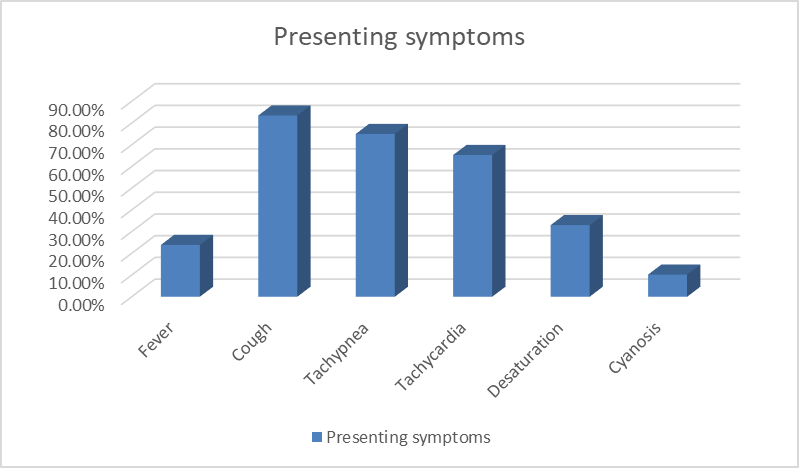
Figure 1. Presenting symptoms among study participants (n=176)
Assessment of wheezing showed that inspiratory plus expiratory wheeze was the most common pattern and was identified in 41.5% of participants, followed by expiratory wheeze only in 33.5%, audible wheeze without stethoscope in 18.2%, and absence of wheeze in 6.8% of children. Regarding work of breathing, most children had moderate respiratory effort (51.7%), followed by severe work of breathing in 30.7% and mild respiratory effort in 17.6%, as given in Table 2.
Table 2. Distribution of wheezing and work of breathing at presentation (n=176)
|
Variable |
Type |
n (%) |
|
Wheezing |
None |
12 (6.8) |
|
Expiratory only |
59 (33.5) |
|
|
Inspiratory + Expiratory |
73 (41.5) |
|
|
Audible without stethoscope |
32 (18.2) |
|
|
Work of Breathing |
Mild |
31 (17.6) |
|
Moderate |
91 (51.7) |
|
|
Severe |
54 (30.7) |
Evaluation of initial emergency department vital signs demonstrated a mean heart rate of 146.2 ± 22.4 beats/min and mean respiratory rate of 38.7 ± 8.6 breaths/min. The mean oxygen saturation was 92.8 ± 4.9%, while the average body temperature was 37.6 ± 0.8°C. Mean systolic and diastolic blood pressures were 101.5 ± 12.3 mmHg and 64.8 ± 8.1 mmHg respectively, as given in Table 3.
Table 3. Initial emergency department vital signs (n=176)
|
Variable |
Mean ± SD |
|
Heart rate (beats/min) |
146.2 ± 22.4 |
|
Respiratory rate (breaths/min) |
38.7 ± 8.6 |
|
SpO₂ (%) |
92.8 ± 4.9 |
|
Temperature (°C) |
37.6 ± 0.8 |
|
Systolic blood pressure (mmHg) |
101.5 ± 12.3 |
|
Diastolic blood pressure (mmHg) |
64.8 ± 8.1 |
Among all enrolled children, PICU admission within 48 hours occurred in 58 (33.0%) participants, whereas 118 (67.0%) children did not require PICU admission following emergency department presentation, as given in figure 2.
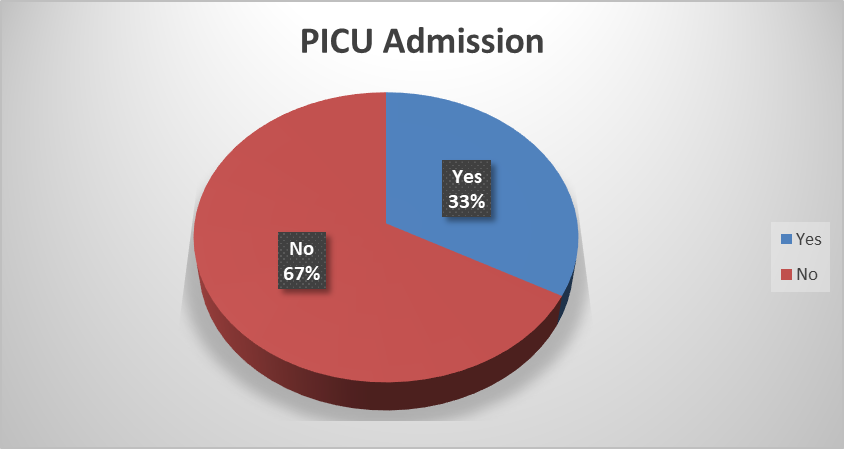
Figure 2. Frequency of PICU admission within 48 hours (n=176)
Comparison of demographic and clinical characteristics according to PICU admission status revealed that children admitted to the PICU had significantly lower mean age (5.9 ± 2.3 vs. 7.3 ± 2.8 years, p=0.002) and lower mean weight (20.3 ± 7.4 vs. 24.1 ± 8.2 kg, p=0.006) compared with children not admitted. Duration of symptoms was significantly longer among PICU admitted children (18 vs. 15 hours, p=0.018). A greater proportion of children requiring PICU admission had a known history of asthma (77.6% vs. 62.7%, p=0.049) and positive family history of asthma (60.3% vs. 41.5%, p=0.021). Baseline PRAM score was also significantly higher in the PICU group (8.7 ± 1.5 vs. 6.6 ± 1.6, p<0.001), as given in Table 5.
Table 5. Comparison of demographic and clinical characteristics according to PICU admission status
|
Variable |
PICU Admission (n=58) |
No PICU Admission (n=118) |
p-value |
|
Age (years) |
5.9 ± 2.3 |
7.3 ± 2.8 |
0.002 |
|
Weight (kg |
20.3 ± 7.4 |
24.1 ± 8.2 |
0.006 |
|
Duration of symptoms (hours) |
18 (12–24) |
15 (9–20) |
0.018 |
|
Known asthma |
45 (77.6) |
74 (62.7) |
0.049 |
|
Family history of asthma |
35 (60.3) |
49 (41.5) |
0.021 |
|
Baseline PRAM score |
8.7 ± 1.5 |
6.6 ± 1.6 |
<0.001 |
Comparison of initial emergency department vital signs demonstrated that children requiring PICU admission had significantly higher mean heart rate (161.9 ± 18.5 vs. 138.4 ± 18.9 beats/min, p<0.001) and respiratory rate (45.6 ± 7.2 vs. 35.3 ± 6.4 breaths/min, p<0.001) than those not admitted. Oxygen saturation was significantly lower among PICU admitted children (88.7 ± 3.6% vs. 94.8 ± 3.4%, p<0.001). Systolic blood pressure (97.2 ± 11.5 vs. 103.6 ± 12.0 mmHg, p=0.001) and diastolic blood pressure (61.7 ± 7.2 vs. 66.3 ± 8.0 mmHg, p<0.001) were also significantly lower in children admitted to the PICU, whereas body temperature did not show a statistically significant difference between groups (p=0.084), as given in Table 6.
Table 6. Comparison of initial emergency department vital signs according to PICU admission status
|
Variable |
PICU Admission (n=58) |
No PICU Admission (n=118) |
p-value |
|
Heart rate (beats/min) |
161.9 ± 18.5 |
138.4 ± 18.9 |
<0.001 |
|
Respiratory rate (breaths/min) |
45.6 ± 7.2 |
35.3 ± 6.4 |
<0.001 |
|
SpO₂ (%) |
88.7 ± 3.6 |
94.8 ± 3.4 |
<0.001 |
|
Temperature (°C) |
37.8 ± 0.9 |
37.5 ± 0.7 |
0.084 |
|
Systolic blood pressure (mmHg) |
97.2 ± 11.5 |
103.6 ± 12.0 |
0.001 |
|
Diastolic blood pressure |
61.7 ± 7.2 |
66.3 ± 8.0 |
<0.001 |
Comparison of categorical clinical variables showed that severe work of breathing was significantly more frequent among children admitted to the PICU than those not admitted (62.1% vs. 15.3%, p<0.001). Cyanosis (24.1% vs. 3.4%, p<0.001), desaturation (53.4% vs. 22.9%, p<0.001), and audible wheezing without stethoscope (36.2% vs. 9.3%, p<0.001) were also significantly more common in children requiring PICU admission, as given in Table 7.
Table 7. Comparison of categorical clinical variables according to PICU admission status
|
Variable |
PICU Admission (n=58) |
No PICU Admission (n=118) |
p-value |
|
Severe work of breathing |
36 (62.1) |
18 (15.3) |
<0.001 |
|
Cyanosis |
14 (24.1) |
4 (3.4) |
<0.001 |
|
Desaturation |
31 (53.4) |
27 (22.9) |
<0.001 |
|
Audible wheeze without stethoscope |
21 (36.2) |
11 (9.3) |
<0.001 |
Receiver operating characteristic (ROC) analysis demonstrated that oxygen saturation had the highest predictive accuracy for PICU admission with an AUC of 0.901 (95% CI: 0.852–0.950), followed by respiratory rate with an AUC of 0.878 (95% CI: 0.824–0.932), and heart rate with an AUC of 0.835 (95% CI: 0.772–0.897), all showing statistical significance (p<0.001). Systolic blood pressure demonstrated comparatively lower predictive performance with an AUC of 0.668 (95% CI: 0.582–0.754, p=0.001). Optimal cut-off values identified were >154 beats/min for heart rate, >41 breaths/min for respiratory rate, ≤91% for oxygen saturation, and ≤98 mmHg for systolic blood pressure, as given in Table 8.
Table 8. Receiver Operating Characteristic (ROC) analysis of initial vital signs for prediction of PICU admission
|
Variable |
Optimal Cut-off |
Sensitivity (%) |
Specificity (%) |
AUC (95% CI) |
p-value |
|
Heart Rate (beats/min) |
>154 |
81.0 |
73.7 |
0.835 (0.772–0.897) |
<0.001 |
|
Respiratory Rate (breaths/min) |
>41 |
84.5 |
79.7 |
0.878 (0.824–0.932) |
<0.001 |
|
SpO₂ (%) |
≤91 |
87.9 |
75.4 |
0.901 (0.852–0.950) |
<0.001 |
|
Systolic BP (mmHg) |
≤98 |
65.5 |
63.6 |
0.668 (0.582–0.754) |
0.001 |
Multivariable logistic regression analysis identified higher heart rate (adjusted OR=1.58, 95% CI: 1.22–2.05, p<0.001), increased respiratory rate (adjusted OR=1.84, 95% CI: 1.34–2.53, p<0.001), lower oxygen saturation (adjusted OR=1.41, 95% CI: 1.19–1.68, p<0.001), and severe work of breathing (adjusted OR=3.27, 95% CI: 1.52–7.06, p=0.003) as independent predictors of PICU admission. Age and systolic blood pressure did not remain statistically significant predictors in the adjusted model, as given in Table 9. Evaluation of logistic regression model performance demonstrated excellent discriminatory ability with an area under the ROC curve of 0.918. Model calibration was acceptable as indicated by the Hosmer–Lemeshow goodness-of-fit test (χ²=6.81, p=0.558).
Table 9. Multivariable logistic regression analysis for predictors of PICU admission
|
Variable |
Adjusted OR |
95% CI |
p-value |
|
Heart Rate (per 10 bpm increase) |
1.58 |
1.22–2.05 |
<0.001 |
|
Respiratory Rate (per 5 breaths/min increase) |
1.84 |
1.34–2.53 |
<0.001 |
|
SpO₂ (per 1% decrease) |
1.41 |
1.19–1.68 |
<0.001 |
|
Severe work of breathing |
3.27 |
1.52–7.06 |
0.003 |
|
Age (years) |
0.91 |
0.80–1.03 |
0.132 |
|
Systolic blood pressure |
0.98 |
0.95–1.01 |
0.173 |
DISCUSSION :
Acute asthma exacerbation may rapidly progress to severe respiratory compromise requiring intensive monitoring and advanced supportive care. Early identification of children at increased risk of deterioration remains challenging in emergency settings.14 Therefore, evaluating the predictive value of initial emergency department vital signs for PICU admission may improve early triage and optimize clinical outcomes in pediatric asthma exacerbation.
In the present study, we evaluated whether initial emergency department (ED) vital signs could predict Pediatric Intensive Care Unit (PICU) admission among children presenting with acute asthma exacerbation. A total of 176 children were enrolled, with a mean age of 6.8±2.7 years and male predominance (61.4%). PICU admission occurred in 33.0% of cases, indicating that approximately one-third of children presenting with moderate to severe asthma exacerbation required escalation of care. Children requiring PICU admission demonstrated significantly greater physiological derangement at presentation, including higher heart rate (161.9±18.5 vs. 138.4±18.9 beats/min, p<0.001), higher respiratory rate (45.6±7.2 vs. 35.3±6.4 breaths/min, p<0.001), lower oxygen saturation (88.7±3.6% vs. 94.8±3.4%, p<0.001), lower systolic blood pressure (97.2±11.5 vs. 103.6±12.0 mmHg, p=0.001), lower diastolic blood pressure (61.7±7.2 vs. 66.3±8.0 mmHg, p<0.001), and higher PRAM score (8.7±1.5 vs. 6.6±1.6, p<0.001). Severe work of breathing was also markedly more frequent among PICU admissions (62.1% vs. 15.3%, p<0.001).
Our findings strongly align with the study by Freedman et al. (2022), who demonstrated that initial HR, RR, and SpO₂ measured within the first hour of ED presentation were significantly associated with PICU admission and that a combined predictive index using these parameters achieved an AUROC of 0.82. Similar to their findings, our study identified all three physiological variables as significant predictors of PICU admission. However, our predictive model demonstrated superior discriminatory ability with an overall AUC of 0.918, while individual ROC analysis showed excellent predictive performance for oxygen saturation (AUC=0.901), respiratory rate (AUC=0.878), and heart rate (AUC=0.835). In multivariable analysis, higher HR (adjusted OR=1.58, 95% CI: 1.22–2.05), higher RR (adjusted OR=1.84, 95% CI: 1.34–2.53), lower SpO₂ (adjusted OR=1.41, 95% CI: 1.19–1.68), and severe work of breathing (adjusted OR=3.27, 95% CI: 1.52–7.06) remained independent predictors. The higher predictive performance observed in our model may be attributable to incorporation of respiratory distress assessment and additional clinical variables.6
The findings of our study are also consistent with Asseri et al. (2020), who reported significantly lower initial oxygen saturation among children admitted to the PICU and demonstrated that each 1-unit increase in SpO₂ reduced the odds of PICU admission (OR=0.89, 95% CI: 0.80–0.99, p=0.03). Likewise, our study showed substantially lower mean oxygen saturation among PICU-admitted children (88.7±3.6% vs. 94.8±3.4%, p<0.001). Additionally, ROC analysis identified oxygen saturation as the strongest individual predictor of PICU admission with an AUC of 0.901 and an optimal threshold of ≤91%.15
Our results further support the observations of Keahey et al. (2002), who evaluated initial room-air oxygen saturation as a predictor of hospital admission and reported that children with SpO₂ <88% had a likelihood ratio greater than 10 for hospitalization. Although their study focused on hospital admission rather than PICU admission, both studies consistently emphasize the prognostic significance of oxygen saturation at presentation.16 In our study, the mean SpO₂ among PICU admissions was 88.7±3.6%, which approximates the threshold reported by Keahey et al. and reinforces the clinical importance of early oxygen assessment. However, similar to their conclusion that SpO₂ alone is insufficient for decision-making, our multivariable analysis showed that combining oxygen saturation with heart rate, respiratory rate, and work of breathing produced stronger predictive performance than reliance on oxygen saturation alone.16
Our findings also agree with Paniagua et al. (2017), who demonstrated that initial oxygen saturation and severity assessment tools were effective predictors of hospitalization and identified ED oxygen saturation <94% as an independent predictor of admission outcomes. Comparable findings were observed in our cohort, where oxygen saturation was significantly lower among children requiring PICU care and values ≤91% provided optimal discrimination.17 The present findings are also supported by Belessis et al. (2004), who reported that previous severe exacerbations and clinical severity indicators at presentation were associated with ICU admission and that respiratory compromise contributed significantly to predicting intensive care requirement. In our study, severe work of breathing emerged as one of the strongest independent predictors with more than three-fold increased odds of PICU admission (adjusted OR=3.27, p=0.003).18
Comparison with Jaber et al. (2024) demonstrated additional consistency. Their study enrolled 78 children, of whom 26.9% required PICU admission and reported slight male predominance (56.4%) with mean age of 4.0±2.6 years. Our study similarly demonstrated male predominance (61.4%), although our participants were slightly older (6.8±2.7 years), and PICU admission frequency was somewhat higher (33.0%).19
Our management strategy and clinical findings are additionally supported by the contemporary recommendations summarized by Pełka et al. (2025), which emphasize early oxygen supplementation, frequent administration of short-acting beta-agonists, systemic corticosteroids, and addition of ipratropium bromide in moderate to severe exacerbations. These treatment principles were similarly implemented in our protocol where all children received standardized initial management according to GINA guidelines.20 Finally, our demographic findings can be related to Latif et al. (2021), who evaluated 293 ED presentations representing 278 unique pediatric asthma patients. Although their study primarily described emergency burden rather than PICU prediction, both studies emphasize that asthma exacerbation remains a major cause of pediatric emergency attendance requiring structured assessment at presentation.21
Overall, the findings of the present study indicate that initial emergency department vital signs, particularly oxygen saturation, respiratory rate, heart rate, and severity of work of breathing, provide robust prediction of PICU admission among children with acute asthma exacerbation. Integration of these objective measures into early ED triage protocols may facilitate prompt recognition of high-risk patients and improve allocation of critical care resources.
Study Limitations:
This was a single-center study which may limit the generalizability of findings to other healthcare settings. The use of non-probability consecutive sampling may introduce selection bias. In addition, serial changes in vital signs during treatment were not evaluated and only initial emergency department measurements were considered.
CONCLUSION :
Initial emergency department vital signs demonstrated significant value in predicting PICU admission among children presenting with asthma exacerbation. Lower oxygen saturation along with higher respiratory rate, heart rate, and severe work of breathing were identified as important predictors of critical care requirement. Early assessment of these parameters may support prompt risk stratification and timely escalation of management.
Acknowledgement: We sincerely acknowledge the support and guidance of our mentors, colleagues, and the staff of the participating hospital for their valuable assistance throughout this study.
Conflict of Interest: No
Funding Disclosure: None.
BIBLIOGRAPHY:
1. Martin J, Townshend J, Brodlie M. Diagnosis and management of asthma in children. BMJ Paediatr Open. 2022;6(1):e001277. doi: 10.1136/bmjpo-2021-001277
2. Zar HJ, Ferkol TW. The global burden of respiratory disease-impact on child health. Pediatr Pulmonol. 2014;49(5):430–4. 10.1002/ppul.23030
3. Pate CA, Zahran HS, Qin X, Johnson C, Hummelman E, Malilay J. Asthma Surveillance - United States, 2006-2018. MMWR Surveill Summ. 2021;70(5):1-32. doi: 10.15585/mmwr.ss7005a1
4. Boeschoten SA, Boehmer AL, Merkus PJ, van Rosmalen J, de Jongste JC, Fraaij PLA, et al. Risk factors for intensive care admission in children with severe acute asthma in the Netherlands: a prospective multicentre study. ERJ Open Res. 2020;6(3):00126-2020. doi: 10.1183/23120541.00126-2020
5. Hasegawa K, Ahn J, Brown MA, Press VG, Gabriel S, Herrera V, et al. Underuse of guideline-recommended long-term asthma management in children hospitalized to the intensive care unit: a multicenter observational study. Ann Allergy Asthma Immunol. 2015;115(1):10-6.e1. doi: 10.1016/j.anai.2015.05.004
6. Freedman MS, Forno E. Initial emergency department vital signs may predict PICU admission in pediatric patients presenting with asthma exacerbation. J Asthma. 2023;60(5):960-968. doi: 10.1080/02770903.2022.2111686
7. Bekmezian A, Fee C, Bekmezian S, Maselli JH, Weber E. Emergency department crowding and younger age are associated with delayed corticosteroid administration to children with acute asthma. Pediatr Emerg Care. 2013;29(10):1075-81. doi: 10.1097/PEC.0b013e3182a5cbde
8. Lenney W, Bush A, Fitzgerald DA, Fletcher M, Ostrem A, Pedersen S, et al. Improving the global diagnosis and management of asthma in children. Thorax. 2018 Jul;73(7):662–9. doi: 10.1136/thoraxjnl-2018-211626
9. Trikamjee T, Comberiati P, Peter J. Pediatric asthma in developing countries: challenges and future directions. Curr Opin Allergy Clin Immunol. 2022;22(2):80-85. doi: 10.1097/ACI.0000000000000806
10. Killien EY, Mills B, Errett NA, Sakata V, Vavilala MS, Rivara FP, Kissoon N, King MA. Prediction of Pediatric Critical Care Resource Utilization for Disaster Triage. Pediatr Crit Care Med. 2020 Aug;21(8):e491-e501. doi: 10.1097/PCC.0000000000002425
11. Kazi U, Rukh SG, Zawawi S, Laila S, Fareeduddin M, Saleem SG. To determine the association between asthma severity and hospital admission measured by Pediatric Respiratory Assessment Measure (PRAM) score at Indus Hospital and Health Network, Karachi, Pakistan, 2020-2021. Pak J Med Sci. 2022;38(2):345-350. doi: 10.12669/pjms.38.ICON-2022.5783
12. Qureshi F, Pestian J, Davis P, Zaritsky A. Effect of nebulized ipratropium on the hospitalization rates of children with asthma. N Engl J Med. 1998;339(15):1030-5. doi: 10.1056/NEJM199810083391503
13. Levy ML, Bacharier LB, Bateman E, Boulet LP, Brightling C, Buhl R, et al. Key recommendations for primary care from the 2022 Global Initiative for Asthma (GINA) update. NPJ Prim Care Respir Med. 2023 Feb 8;33(1):7. doi: 10.1038/s41533-023-00330-1
14. Gayen S, Dachert S, Lashari BH, Gordon M, Desai P, Criner GJ, Cardet JC, Shenoy K. Critical care management of severe asthma exacerbations. Journal of Clinical Medicine. 2024 Feb 1;13(3):859.
15. Asseri AA. Predictors of pediatric intensive care unit admissions among children with acute asthma exacerbation. Middle East J Fam Med. 2020;18(3):20-6.
16. Keahey L, Bulloch B, Becker AB, Pollack Jr CV, Clark S, Camargo Jr CA, Multicenter Asthma Research Collaboration. Initial oxygen saturation as a predictor of admission in children presenting to the emergency department with acute asthma. Annals of emergency medicine. 2002 Sep 1;40(3):300-7.
17. Paniagua N, Elosegi A, Duo I, Fernandez A, Mojica E, Martinez-Indart L, Mintegi S, Benito J. Initial asthma severity assessment tools as predictors of hospitalization. The Journal of Emergency Medicine. 2017 Jul 1;53(1):10-7.
18. Belessis Y, Dixon S, Thomsen A, Duffy B, Rawlinson W, Henry R, Morton J. Risk factors for an intensive care unit admission in children with asthma. Pediatric pulmonology. 2004 Mar;37(3):201-9.
19. Jaber Abdullah, Zainab M, Aljizeeri N. Predictive factors for pediatric intensive care unit (picu) admission in children with asthma exacerbation in mch, alahsa. Journal of Population Therapeutics and Clinical Pharmacology. 2024;31(6):1323-1331.
20. Pełka K, Buzun WH, Dudek J, Majcherczyk K, Klimek O, Chourasia G, Sokołowski J, Gogolewski G. Exacerbation of Asthma Among Pediatric Patients Presenting to the Emergency Department. Journal of Clinical Medicine. 2025 Nov 18;14(22):8187.
21. Latif, Waqas, Rehan Zahoor, and Maiera Khalid. An Emergency Department Management on Acute Asthma Exacerbations in Children Younger Than 12 Years”. Journal of Pharmaceutical Research International. 2021;33(52B):68-71.