Cross Sectional Study of Anemia and Its Impact on Cardiovascular Health in Adults
- Fawad Khan , PGR Cardiology, Department of Cardiology, MTI-Hayatabad Medical Complex, Peshawar, Pakistan
- Shah Sawar , Associate Professor, Department of Cardiology, MTI-Hayatabad Medical Complex Peshawar, Pakistan
- Inayat Ullah , PGR Cardiology, Department of Cardiology, MTI-Hayatabad Medical Complex, Peshawar, Pakistan
- Yasir Khan , PGR Cardiology, Department of Cardiology, MTI-Hayatabad Medical Complex, Peshawar, Pakistan
- Muhammad Aamir , PGR Cardiology, Department of Cardiology, MTI-Hayatabad Medical Complex, Peshawar, Pakistan
- Amjad Khan , PGR Cardiology, Department of Cardiology, MTI-Hayatabad Medical Complex, Peshawar, Pakistan
Article Information:
Abstract:
Background: Anaemia is a prevalent problem in patients with cardiovascular diseases and has been linked to deteriorated cardiac performance and unfavorable outcome. This paper examines the effects of anaemia on cardiovascular disease patients in Pakistani population on the heart performance, left ventricular ejection fraction (LVEF). Objective: To understand the correlation between anaemia and cardiovascular health, in particular its impact on LVEF among adults with coronary artery disease, heart failure and arrhythmias. Methodology: There were 384 patients aged 30-70 years diagnosed with cardiovascular disease in Hayatabad Medical Complex in Peshawar, Pakistan. The haemoglobin levels were checked, and LVEF was evaluated using echocardiography. They were analyzed by the methods of descriptive statistics, independent T-tests, chi-square tests and multivariate regression. Findings: The research result showed that anaemic patients recorded much lesser mean haemoglobin concentrations (8.3 g/dL) than non-anaemic patients (12.3 g/dL) with a p-value of less than 0.001. The LVEF was also considerably less in anaemic patients with an average of 38.7 as compared to the non-anaemic group at 50.5 (p-value = 0.03). There was a chi-square test which showed that anaemic patients were prone to have heart failure and coronary artery disease (p-value = 0.04). Regression Multivariate regression established that lower LVEF was predicted only by anaemia (coefficient = 22.14, p-value < 0.001). Conclusion: Anaemia is severe affecting the heart functioning and is related with poor cardiovascular outcomes. Programmed on screening and management of anaemia among cardiovascular patients should be done routinely to enhance patient outcomes. These findings should be corroborated in future studies, which should be metacentric studies.
Keywords:
Article :
INTRODUCTION:
Anaemia is the most prevalent hematological disorder characterized by low level of the red blood cell (RBC) mass (or) haemoglobin. It affects a significant portion of the world’s population and is regarded as a public health issue. Recently, it has been suggested that may influence many common diseases and syndromes, including Cardiovascular Diseases (CVD). Anaemia had been shown to be an independent predictor of cardiovascular mortality that worsened the outcome of heart disease with regard to development and severity, including those with CHF and CAD [1],[2]. There is also a high prevalence of anaemia in patients with cardiovascular disease and in high-morbidity or high-mortality patients, particularly when there is simultaneous inflammation or iron deficiency [3],[4].
According to Wang et al. (2020) found that 20.6% of community-based Chinese older adults suffered from anaemia.[5] This illustrates the high prevalence of anaemia in the elderly and its implications for health status, such as increased risk of falls, disability. These findings emphasized the importance of not having anaemia, particularly in older subjects who also suffer from CVD to promote the global health of both short-term and long-term.
Recent studies in Pakistan have shown a high prevalence of anemia among adults with CVD. Specifically, a study conducted in Pakistan found that the prevalence of anemia is 67.4% in males and 64.5% in females, highlighting the significant burden of anemia in the population with cardiovascular conditions.[6] This underscores the need for further investigation into the relationship between anemia and cardiovascular health in this region.
The relationship of anaemia with CVD is already relevant in older individuals, for whom it is highly correlated with adverse functional outcomes, such as frailty, cognitive impairment, and a high risk of falls [7],[8]. This relationship is complex, with anaemia being both a symptom and a driver in CVD. The pathophysiology is multifactorial due to iron deficiency, chronic inflammation, and erythropoietin resistance that may make the treatment of these patients even more challenging [9],[10].
The importance of this topic is increasingly being appreciated, especially in regions with high prevalence. In Pakistan, anaemia in cardiovascular patients is a significant problem and a number of studies have reported its adverse effects on both the cardiovascular risk profile and on clinical outcomes [11],[12]. Anaemia in these patients is associated with adverse outcome: more hospitalizations, a slower recovery and an increased incidence of other complications, such as exacerbation of heart failure or stroke [13],[14].
As anaemia is highly prevalent and has a severe impact on CVDs, there is a need to ascertain the extent to which anaemia might add to the development and severity of CVDs, particularly in countries like Pakistan where CVDs are a major cause of death. And, it is important to discover possible interventions or treatment protocol playing a more effective role in controlling of anemia in cardiac patients.
The objective of the study to examine the impact of anemia on the severity and progression of CVD in adults.
MATERIALS AND METHODS:
The research was a cross-sectional prospective study to determine the association between cardiovascular and anaemia in adults with cardiovascular disease. It occurred in a three-month duration, 2nd September 2025 to 2nd December 2025, in the department of cardiology, Hayatabad Medical Complex Peshawar, Pakistan. This environment gave a perfect population to study prevalence of anaemia and its effect on cardiovascular outcomes.
The size of the sample was determined by formula of sample size recommended by the World Health Organization at a 95 percent confidence level and a 5 percent margin of error. The sample size was estimated at 384 patients based on the past research findings of the prevalence of anaemia among adults with cardiovascular disease in Pakistan as 65 percent[6]. Participants with the criteria of the study were recruited through a convenience sampling method.
The study counted as a participant any adult age of 30-70 years having a diagnosis of cardiovascular disease of any kind; Coronary Artery Disease (CAD), heart failure, or arrhythmias. According to WHO criteria, anaemia was defined as the level of haemoglobin under 13g/dl in males and under 12g/dl in females. Only patients that were in stable clinical condition and who gave informed consent were incorporated. Patients with severe comorbidities including progressive cancer, acute infections or acute kidney failure were excluded as well as those with hematologic conditions not related to anaemia, pregnancy or lactating women and patients who could not give informed consent.
The data were collected on the basis of variables that are associated with cardiovascular health and anaemia. The diagnosis of anaemia was done using routine lab tests such as Complete Blood Count (CBC) and haemoglobin electrophoresis. Echocardiograms, electrocardiograms (ECG), and coronary angiography were used to determine cardiovascular health. The Left Ventricular Ejection Fraction (LVEF), the existence of arterial stenosis, and the New York Heart Association (NYHA) of heart failure were the main indicators. The progression of the cardiovascular disease was assessed using the change in the LVEF, the advancement of the coronary artery stenosis, and the clinical outcomes in terms of the limitation of physical functions and hospitalization by the cardiac events.
Comorbidities that were known to affect the cardiovascular outcomes and anaemia were also recorded in the study which included hypertension, diabetes mellitus, dyslipidemia, chronic kidney disease, and obesity. Their inclusion was motivated by the fact that it would be possible to control confounding factors during analysis.
The SPSS version 26.0 was used to analyses the data. Demographic and clinical variables (age, sex, haemoglobin levels, LVEF, and comorbidities) were summarized with the help of descriptive statistics (means, frequencies, and percentages). The Independent T-test was to determine the difference in the level of haemoglobin and LVEF between patients with and without anaemia. The Chi-square test was used to determine relationship between anaemia and CVD like CAD and heart failure. In cases where the data were not normally disturbed, the Mann-Whitney U test was used. Subgroup differences were examined using stratification by age, sex, and comorbidities, and multivariate regression analysis was done to ensure confounders and to establish the independent effect of anaemia on the severity of cardiovascular disease.
This was done by coming up with operational definitions to give a consistent assessment. Anaemia was determined as haemoglobin less than 13 g/dL among men and less than 12 g/dL among women using normal laboratory tests. Cardiovascular health described the functional situation of the heart and blood vessels using echocardiography, ECG, and coronary angiography. Progression of CVD was considered as deterioration of cardiac status that was manifested through a decrease of LVEF, onset of arterial stenosis or escalation of symptoms that necessitated hospitalization.
RESULTS :
A total of 384 patients participated in the study. The demographic data for the study sample revealed that 51.8% of the participants were female (199 patients) and 48.2% were male (185 patients). The average age of the patients was 50.12 years, with ages ranging from 30 to 70 years. Regarding anaemia, most of the subjects (66 percent) were anaemic with a haemoglobin level of less than 13 g/dL among the males and 12 g/dL among the females. Haemoglobin level of the whole cohort was 9.87 g/dL which proved the high prevalence of anaemia among the study population.
The cardiovascular health was determined by LVEF where the mean value of 44.44 showed that most of the patients had impaired heart performance. The LVEF was 20-70% which indicated different levels of heart failure and other cardiovascular complications. Table 1 summarizes the demographic and clinical data of the patients.
Table 1: Demographic and Clinical Characteristics of the Study Population
|
Variable |
Mean (SD) |
Min |
Max |
n (%) |
|
Age (years) |
50.12 (11.90) |
30 |
70 |
384 |
|
Haemoglobin (g/dL) |
9.87 (1.43) |
7.5 |
12.9 |
384 |
|
LVEF (%) |
44.44 (14.88) |
20 |
70 |
384 |
|
Hypertension |
— |
— |
— |
195 (50.8) |
|
Diabetes |
— |
— |
— |
196 (51.0) |
|
Dyslipidaemia |
— |
— |
— |
198 (51.6) |
|
Chronic Kidney Disease |
— |
— |
— |
197 (51.3) |
|
Obesity |
— |
— |
— |
181 (47.1) |
The comorbidity distribution showed that a considerable number of patients had hypertension (50.8%), diabetes (51.0%), and dyslipidemia (51.6%) and fewer patients had obesity (47.1) or chronic kidney disease (51.3).
Statistical tests conducted below are as per the chapter on Materials and Methods to measure the effect of anaemia on the progression of cardiovascular health and disease.
A single T-test showed a significant difference in the haemoglobin levels in anaemic group and the non-anaemic group (p-value < 0.001). Also, LVEF in the anaemic group was significantly less (p-value = 0.03), meaning that anaemia correlates with worse heart functioning. Further evidence showing that anaemia is correlated with cardiovascular disease was the result of a chi-square test that revealed significant correlation between anaemia and increased risk of CAD and heart failure and a p-value of 0.04.
Multivariate Regression Analysis was conducted to determine the independent influence of anaemia on LVEF adjusting the possible confounding variables such as hypertension, diabetes, dyslipidemia, chronic kidney disease, as well as obesity. Regression revealed a significant predictive effect of anaemia on LVEF (coefficient = 22.14, p-value = 0.001) which demonstrated that anaemia has a strong impact to the heart functionality. Other comorbidities such as hypertension, diabetes, and dyslipidemia were not statistically significant with LVEF, though.
Table 2: Independent T-test for Haemoglobin and LVEF between Anaemic and Non-Anaemic Groups
|
Group |
Haemoglobin (g/dL) Mean (SD) |
LVEF (%) Mean (SD) |
p-value (Haemoglobin) |
p-value (LVEF) |
|
Anaemic |
8.3 (1.2) |
38.7 (13.1) |
< 0.001 |
0.03 |
|
Non-Anaemic |
12.3 (0.9) |
50.5 (12.2) |
— |
— |
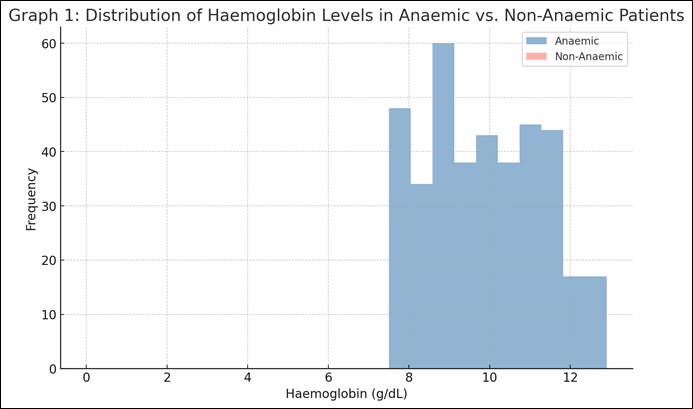
Graph 1: Distribution of Haemoglobin Levels in Anaemic vs. Non-Anaemic Patients
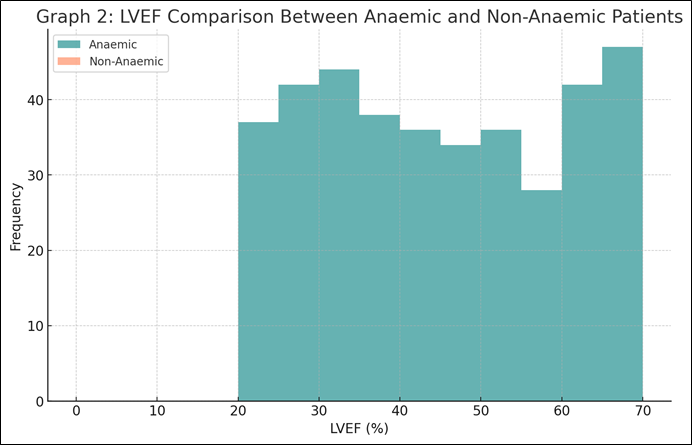
Graph 2: LVEF Comparison between Anaemic and Non-Anaemic Patients
DISCUSSION :
The main objectives of this research were to determine how anaemia can influence the health of the heart and, particularly, the connection between anaemia and LVEF in adults with CVD. The research concentrated on determining substantial variation in haemoglobin as well as LVEF in the anaemic and non-anaemic patients and also sampled the heart functioning of the anaemic patients by measuring LVEF. There was also a great deal of correlation between anaemia and a higher risk of CAD (CAD) and heart failure, which was also proven by the study. These results can be used to observe important insights on the impact of anaemia in the worsening of CVD especially in patients who already have heart related diseases.
The research found out that anaemia was linked with
the much lower haemoglobin levels and cardiac dysfunction. The mean haemoglobin level of anaemic patients was 8.3 g/dL which was much lower than 12.3 g/dL in non-anaemic patients (p-value = < 0.001). In addition, anaemic patients had a mean of LVEF that was lower and 38.7 as opposed to 50.5 in the non-anaemic group (p-value = 0.03). A chi-square test was used to confirm that anaemia was higher between the patients diagnosed with heart failure and CAD with the p-value of 0.04. This underlines how anaemia has a negative impact on cardiovascular health and it implies that anaemia has the potential to worsen the heart disease severity of these patients.
This research shows new information to the existing knowledge on the effects of anaemia on the cardiovascular health of Pakistan. As much as the international literature has done on the same topic especially in the US and European settings, the local context has not been well researched. The results of this research are most applicable to the Pakistani population, in which CVD are the highest cause of morbidity and mortality and anaemia is widespread because of poor nutrition and high morbidity and incidence of infectious diseases. This study contributes valuable localized information to the available literature by examining the relationship between anaemia and cardiovascular disease in a Pakistani population.
The findings of this research are in tandem with the findings in the world which confirm that there is a close association between cardiovascular disease and anaemia. The literature on international studies has always demonstrated that anaemia complicates heart failure and predisposes it to adverse cardiovascular events [1],[3]. In the same vein, a study by Wang et al. (2020) in China has also reported a high correlation between anaemia and cardiovascular disease among older adults, similar to the results of this study[5]. Nevertheless, this study offers information about the Pakistani population, unlike a greater part of the global research, which deals with Western populations, where the impact of malnutrition and parasitic infections could be considered a risk factor of anaemia.
The research that has been carried out in the United States and Europe has always been able to show that anaemia exacerbates cardiovascular prognoses. Indicatively, a study conducted established that anaemia among elderly people is closely related to conditions such as heart failure and other cardiovascular conditions, which agrees with the findings of the current study[7]. On the same note, other studies in the US including those conducted by Savarese et al. (2022) have indicated that anaemia leads to death in cardiovascular patients, and this supports our study[14].
Nevertheless, research has been rather sparse in Pakistan. A study conducted has revealed that anaemia is highly prevalent in adults, but they did not target the effects it had on cardiovascular disease but instead focused on its prevalence among the population[6]. This gap is bridged by our study which gives extensive understanding of the association between anaemia and cardiovascular health in a clinical context. It is important to note that this is among the first papers to be done in Pakistan to assess the effects of anaemia on LVEF and disease course in patients with CVD in a systematic manner.
Although the impact of anaemia on the condition of CVD has been extensively studied at the international scale, the results of the present study play a vital role in the healthcare of the Pakistani population because they demonstrate the necessity to address the problem of anaemia among patients with heart diseases in the country by people in a customized way.
This study has significant implications to clinical decision making in Pakistan. Since the prevalence of CVD is high and also anaemia, clinicians are recommended to routinely screen anaemia patients with cardiovascular conditions. The results indicate that the management of anaemia in such patients would have the potential to increase the performance of the heart and avert the chance of additional cardiovascular complications.
In Pakistan, with a limited number of healthcare resources, and a high burden of CVD and anaemia, this research justifies the importance of integrated models of both disease types of care. By treating and preventing nutritional deficiencies, and administering iron as a nutritional supplement, alongside the underlying cause of anaemia, early diagnosis and management of anaemia may lead to better patient outcomes and lessen the expenses associated with healthcare. Also, the results of this research could be used as the guiding practice in follow-up measures, in which clinicians may focus on treating anaemia among patients with chronic heart failure or CAD and maximize the cardiovascular status.
The study in Karachi gives a good point of reference in a Pakistani context [6]. Their study involved the prevalence and determinants of anaemia with an adult population of Karachi but not specifically with cardiovascular disease. This research is expanded by our study, which shows the direct effect of anaemia on the functioning of the heart and the development of the disease in patients with cardiovascular problems. The problem of anaemia is prevalent in Pakistan, and other studies have indicated that the problem is widely discussed but the overlapping of anaemia with the cardiovascular health is a poorly studied field in the country[11]. The study thus satisfies a huge gap in the knowledge regarding the impact of anaemia on the deterioration of CVD in Pakistani adults.
Limitations and Future Directions
Although the article has important information regarding the correlation relationship between anaemia and cardiovascular disease, it has a number of limitations. The cross-sectional study design will restrict the causal conclusions that can be made about the effects of anaemia on the progression of CVD. Also, the research was done in one institution and hence the findings cannot be generalized in totality to the wider population. Further research can be done using longitudinal designs in an effort to determine the long term impacts of anaemia on cardiovascular health. Moreover, it would be desirable to generalize the results by making the study more inclusive of a wider variety of hospitals in the various regions in Pakistan.
In addition, this paper addressed cardiovascular health in the form of LVEF, although other outcomes, including exercise capacity and quality of life might help to gain further information on how anaemia affects cardiovascular functioning. The causes of anaemia in cardiovascular patients in Pakistan should also be studied in future, with special consideration of the nutritional deficiencies and the role of parasitism infections, very prevalent in the region.
CONCLUSION :
Another important manifestation of anaemia on the cardiovascular health illustrated in this study is in patients who have a pre-existing condition of the heart. The results indicate that patients who are anaemic have much lower levels of haemoglobin and poor functioning heart, as shown by low LVEF. This research has also shown that anaemia has a close relation to the high chance of CAD and heart failure. The findings can justify the necessity of regular screening and treatment of anaemia among cardiovascular patients and in the environment, such as Pakistan, where the two conditions are common. Through the treatment of anemia, the clinicians can optimize patient outcomes and avoid additional cardiovascular degradation. The findings should be included in future studies that involve large multicenter prospective studies to further confirm these findings and to investigate the long-term impacts of management of anaemia on the cardiovascular health.
BIBLIOGRAPHY:
1. Lanser, Fuchs, Scharnagl, Grammer, Kleber, März, et al. Anemia Of Chronic Disease In Patients With Cardiovascular Disease. Front Cardiovasc Med 2021;8. https://doi.org/10.3389/fcvm.2021.666638.
2. Wallentin, Eriksson, Olszowka, Grammer, Hagström, Held, et al. Plasma Proteins Associated With Cardiovascular Death In Patients With Chronic Coronary Heart Disease: A Retrospective Study. PLOS Med 2021;18:e1003513. https://doi.org/10.1371/journal.pmed.1003513.
3. Tsyganenko, Ovcharenko, Zaіats. Anemia As A Cardiovascular Risk Factor In Patients With Chronic Heart Failure. Ukraïnsʹkij Žurnal Med Bìologìï Ta Sport 2022. https://doi.org/10.26693/jmbs07.03.200.
4. Moissl, Delgado, Scharnagl, Siekmeier, Krämer, Duerschmied, et al. Comparing Inflammatory Biomarkers In Cardiovascular Disease: Insights From The LURIC Study. Int J Mol Sci 2025;26:7335. https://doi.org/10.3390/ijms26157335.
5. Wang, Ping, Jin, Ge, Wu. Prevalence And Health Correlates Of Anaemia Among Community-Dwelling Chinese Older Adults: The China Health And Retirement Longitudinal Study. BMJ Open 2020;10. https://doi.org/10.1136/bmjopen-2020-038147.
6. Bano Channar, Laghari, Ali, Din. Factors And Determinants Associated With Prevalence Of Anaemia In Adults In Karachi, Pakistan. J Pak Med Assoc 2023;73:2165–70. https://doi.org/10.47391/JPMA.7430.
7. Wacka, Nicikowski, Jarmużek, Zembron-Lacny. Anemia And Its Connections To Inflammation In Older Adults: A Review. J Clin Med 2024;13. https://doi.org/10.3390/jcm13072049.
8. Cannon, Misialek, Buckley, Aboelsaad, Ballantyne, Leister, et al. Anemia, Iron Deficiency, And Cause-Specific Mortality: The Atherosclerosis Risk In Communities Study. Gerontology 2024;70:1023–32. https://doi.org/10.1159/000539973.
9. Budnevsky, Simion, Shapovalova. Pathophysiology Of Anemic Syndrome In Cardiovascular Diseases. Nauk MOLODYKH (Eruditio Juvenium) 2021. https://doi.org/10.23888/hmj202192301-312.
10. Zhang, Wei, Chen, Sun. Mortality From All-Cause And Cause-Specific In The Elderly: Joint Implications Of Anemia And Frailty. Arch Gerontol Geriatr 2023;115:105213. https://doi.org/10.1016/j.archger.2023.105213.
11. Noreen, Bashir, Bano, Fatima, Sani, Imran, et al. Anemia And Its Consequences On Human Body; A Comprehensive Overview. NUST J Nat Sci 2021. https://doi.org/10.53992/njns.v5i2.49.
12. Gan, Hu, Liu, Li, Xu, Wang, et al. Causal Association Between Anemia And Cardiovascular Disease: A 2‐Sample Bidirectional Mendelian Randomization Study. J Am Hear Assoc Cardiovasc Cerebrovasc Dis 2023;12. https://doi.org/10.1161/jaha.123.029689.
13. Satpathy, Mohanty. Anemia In Acute Coronary Syndrome: An Overview. Indian J Cardiovasc Dis Women - WINCARS 2021. https://doi.org/10.1055/s-0041-1736255.
14. Savarese, von Haehling, Butler, Cleland, Ponikowski, Anker. Iron Deficiency And Cardiovascular Disease. Eur Heart J 2023;44:14–27. https://doi.org/10.1093/eurheartj/ehac569.