Frequency And Pattern of Recurrence of Trigeminal Neuralgia After Peripheral Neurectomies in Patients Reporting to Khyber College of Dentistry Peshawar
- Abdullah , Department of Oral & Maxillofacial Surgery, Khyber College of Dentistry, Peshawar, Pakistan
- Tariq Ahmad , Department of Oral & Maxillofacial Surgery, Khyber College of Dentistry, Peshawar, Pakistan
- Abdul Basit , Department of Oral & Maxillofacial Surgery, Hayatabad Medical Complex (HMC), Peshawar, Pakistan
- Wajid Arshad , Department of Oral & Maxillofacial Surgery, Hayatabad Medical Complex (HMC), Peshawar, Pakistan
- Hazrat Bilal , Department of Oral & Maxillofacial Surgery, Khyber College of Dentistry, Peshawar, Pakistan
- Naved Ahmad , Department of Oral & Maxillofacial Surgery, Khyber College of Dentistry, Peshawar, Pakistan
Article Information:
Abstract:
Trigeminal neuralgia (TN) is a chronic neuropathic pain condition characterized by the sudden, unilateral, and lancinating facial pain along with one or more branches of the trigeminal nerve. Early management involves use of anticonvulsants medications. Surgical choices range from peripheral neurectomies, microvascular decompression to stereotactic radiosurgery. Peripheral neurectomy involves surgical avulsion of the terminal branches of the trigeminal nerve. It is a minimally invasive and accessible procedure particularly in settings lacking advanced neurosurgical services. Aim: The purpose of this study was to assess the frequency and pattern of recurrence of trigeminal neuralgia after peripheral neurectomy to provide insight into the long term effectiveness of this procedure and its role in the management of trigeminal neuralgia. Methodology: This cross sectional study was conducted from 14-05-2025 to 14-10-2025 at Khyber college of dentistry, Peshawar, and the study included 110 patients who were primarily treated for Trigeminal neuralgia through peripheral neurectomy (surgical ablation of V1, V2, or V3 branches). Patients managed with alternative surgical interventions were excluded. All the patients were assessed for the sign and symptoms of neuralgic pain with in distribution of trigeminal nerve. The pattern of recurrence was assessed based on the pain free duration, pain severity, and the involved nerve branch. SPSS 22 version was used for data analysis. Results: The mean age of study participants was 52.85 ± 10.59 years having 51.8% female patients. Recurrence of trigeminal neuralgia was observed in 10 patients (9.1%; 95% CI: 0.04–0.16). Among the patients with recurrence, the majority (70.0%) experienced recurrence within the first postoperative year. The recurrent pain was severe in 50 % cases, and the maxillary branch (V2) was the most commonly involved nerve (50.0%). Lower and upper lip regions were the most frequent trigger zones, each observed in 40.0% of recurrence cases. Conclusion: Peripheral neurectomy is a useful interem management option in trigeminal neuralgia, associated with 9.1% recurrence rate in this study, and the recurrence occurred with in the first year of surgery in the form of reoccurring of neuralgic pain.
Keywords:
Article :
INTRODUCTION:
Trigeminal neuralgia (TN) is a chronic neuropathic pain condition characterized by the sudden, unilateral, and lancinating facial pain along with one or more partitions of the trigeminal nerve. The pain adversely affects individuals’ quality of life, typically necessitating a combination of pharmacologic and surgical intervention once medical therapy alone proves inadequate 1,2. Early management involves anticonvulsants medications; however, many patients develop side effects or inadequate pain control, encouraging surgery. Surgical choices range from peripheral neurectomies, microvascular decompression to stereotactic radiosurgery.
Peripheral neurectomy involves surgical avulsion of the terminal branches of the trigeminal nerve following their exit from the skull. It is a minimally invasive and accessible particularly in settings lacking advanced neurosurgical services. Studies indicated that peripheral neurectomy can deliver substantial short term pain relief; however the long term outcomes and recurrence patterns differ extensively across studies 3-5. According to a study performed on patients with TN, 57.1% were from the age group of 41-50 years, right side involvement was seen among 62.4% of cases. Infraorbital nerve involvement was reported in 44%, and inferior alveolar nerves in 40.6% 6.
The pattern of TN recurrence following peripheral neurectomy mimics its fundamental pathophysiology. Recurrence may arise due to spontaneous regeneration of transected nerve fibers, persistence of intact collateral branches that continue to convey pain signals, or neuroma development at the neurectomy site. Studies have described mean pain free durations ranging from nearly two to three years prior to recurrence, and some cases validated a shrinking remission period with the repeated neurectomies 7-9. A retrospective study on 17 patients reported a mean pain free interval of 29.3 + 16.3 months following peripheral neurectomy for classical TN. Pain recurrence was reported in 23.5% of cases and analysis revealed gradually decreasing pain free survival rates over the five years (92.9% at two years to 29.8% at five years), emphasizing a significant inclination toward recurrence over time 10.
Recent studies continue to explore and refine the indications for peripheral neurectomy. Studies such as by Malik et al. affirm its utility, reporting a favourable outcome in a significant majority of their patients with 65% of patients achieving good results and discontinuing medication.15 This aligns with the perspective that neurectomy provides a valuable low-risk intervention especially for cases which cannot be managed with pharmacotherapy. European guidelines on trigeminal neuralgia management also support peripheral procedures as viable options when first-line pharmacotherapy fails and more invasive neurosurgical interventions are not feasible.21
Studies have showed that Microvascular decompression is the gold standard for definitive management when a clear neurovascular conflict is diagnosed, which often offers high rates of initial freedom from pain and durability, although with the risks of posterior fossa surgery.17 For those patients who are unsuitable for MVD, techniques like radiofrequency rhizotomy and balloon compression are effective alternatives. The study by Faizo et al. demonstrated that the efficacy of radiofrequency rhizotomy showed a statistically significant reduction in pain scores and high patient satisfaction over a six-month period18.
Peripheral neurectomy still is a practical treatment option for patients with trigeminal neuralgia, particularly in elderly and medically compromised patients and resource limited populations because of its simplicity, safety and easy accessibility. However, despite being widely practiced, uncertainty persists regarding its long term effectiveness due to its unpredictable recurrence rates and patterns of pain relapse reported in the literature. Assessing the frequency and pattern of recurrence after peripheral neurectomy is important to provide insight into the long term effectiveness of this procedure and its role in the management of trigeminal neuralgia. The findings of this study will help to improve patient selection, guide postoperative follow-up and counselling of patient regarding duration of pain free interval and better long term pain control.
METHODOLOGY::
This cross-sectional study was conducted in the Oral and Maxillofacial surgery and oral medicine department of Khyber College of Dentistry, Peshawar, after taking ethical approval from the hospital and REU, CPSP. The sample size was 110 patients which was calculated using the World Health Organization (WHO) sample size calculator, based on an anticipated recurrence proportion of 7.7%,7 with 95% confidence interval and 5% margin of error. Patients were selected using non-probability consecutive sampling.
The study included patients who were treated for trigeminal neuralgia with peripheral neurectomy. Those patients who were operated for peripheral neurectomy and presented for routine follow up or presented with the symptoms of trigeminal neuralgia were included in the study. The patients symptoms were assessed for feature of trigeminal neuralgia in the already ablated branch of trigeminal nerve or any other branch. Consent was taken for the willingness and participation in the study. A customized proforma was used to document the data. Inclusion and exclusion criteria were strictly followed. Patients treated with other treatment modalities such as microvascular decompression, stereotactic radiosurgery, gasserian ganglion and retrogasserian ablative (needle) procedures and patients in which foramens were obturated with obturating material after peripheral neurectomy were excluded. Patients were assessed for the frequency of recurrence and its patterns, recurrence was defined as reappearance of sign and symptoms of trigeminal neuralgic pain (paroxysmal brief unilateral sever intensity pain in the distribution of trigeminal nerve) according to international classification of headache disorders 3rd edition criteria. Patterns were defined as duration of pain free period (< 1 year, 1 to 2 year, 3 to 4 year and > 4 year), severity of pain on the basis of visual analogue scale.(Mild, moderate, severe) and pain in the distribution of branches of trigeminal nerve V1 (Opthalmic branch), V2 (Maxillary branch) and V3 (Mandibular branch).
The collected data was analyzed using Statistical Package for Social Science (SPSS) 22. Mean and standard deviation were calculated for age, while frequencies and percentages were calculated for pattern and frequency of recurrence after peripheral neurectomies and gender. Confidence level at 95% were also assessed for recurrence.
RESULTS::
The present study was conducted on 110 patients, who underwent peripheral neurectomy in the past 10 years for trigeminal neuralgia. The mean age of the patients in the present study was 52.85 ± 10.59 years(Table 1). Regarding gender distribution, female patients were had a slightly higher majority with 57 (51.8%) (Table 2).
The recurrence was observed in 10 patients (9.1%) of the study. The remaining 100 (90.9%) patients had reported no recurrence of trigeminal neuralgia symptoms.
Among the patients who experienced a recurrence, the pain-free period following the initial surgery was short for most of the patients. Seven patients (70.0%) experienced a return of pain within the first year. One patient (10.0%) remained pain-free for one to two years, and two patients (20.0%) for three to four years. The severity of pain upon recurrence was measured by a visual analogue scale. Severe pain was reported by 5 patients (50.0%), moderate pain by 3 (30.0%), and mild pain by 2 (20.0%). The distribution of pain across the trigeminal nerve branches showed that the maxillary branch (V2) was affecting 5 patients (50.0%). The mandibular branch (V3) was affecting 3 (30.0%), and the ophthalmic branch (V1) 2 cases (20.0%). The duration of pain episodes was also studied. Four patients (40.0%) reported episodes lasting between 30 to 60 seconds, and 4 (40.0%) experienced episodes longer than 60 seconds. The remaining two patients (20.0%) had short episodes of less than 30 seconds. Regarding the trigger zones, the lower lip and upper lip were each involved in 4 cases (40.0%), while the alveolar regions were involved in 2 patients (20.0%).
Table 1: Gender of study participants
|
Variable |
Frequency (n) |
Percentage (%) |
|
Male |
53 |
48.2 |
|
Female |
57 |
51.8 |
Table 2: Age of study participants
|
Mean |
Std. Deviation |
|
|
Age (Years) |
52.85 |
10.592 |
Table 3: Clinical variables among participants
|
Clinical variables |
n |
% |
|
|
Use of medication (anticonvulsant) |
Yes |
4 |
3.6% |
|
No |
106 |
96.4% |
|
|
Duration since surgery (Years) |
1 to 2 years |
58 |
52.7% |
|
2 to 4 years |
49 |
44.5% |
|
|
> 4 years |
3 |
2.7% |
|
n= frequency, %=percentage out of total (Total=110)
Figure 1 Frequency of recurrence
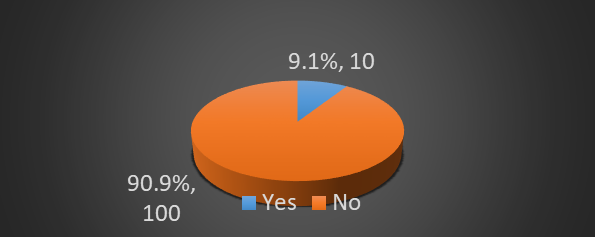
Table 4: frequency and pattern of recurrence among participants
|
Pattern of recurrence |
n |
% |
|
|
Duration of pain free period |
< 1 Year |
7 |
70.0% |
|
1 to 2 Years |
1 |
10.0% |
|
|
3 to 4 Years |
2 |
20.0% |
|
|
> 4 Years |
0 |
0.0% |
|
|
Severity of pain (VAS) |
Mild |
2 |
20.0% |
|
Moderate |
3 |
30.0% |
|
|
Severe |
5 |
50.0% |
|
|
Branch of trigeminal nerve with pain |
V1- Opthalmic branch |
2 |
20.0% |
|
V2- Maxillary branch |
5 |
50.0% |
|
|
V3- Mandibular branch |
3 |
30.0% |
|
|
Duration of pain episode |
< 30 Seconds |
2 |
20.0% |
|
30 to 60 Seconds |
4 |
40.0% |
|
|
> 60 seconds |
4 |
40.0% |
|
|
Trigger zones |
Lower lip |
4 |
40.0% |
|
Upper lip |
4 |
40.0% |
|
|
Alvelor regions |
2 |
20.0% |
|
n= frequency, %=percentage out of total (Total=10)
DISCUSSION :
The results of this indicates that the peripheral neurectomy is a useful option for the management of trigeminal neuralgia. The surgical management of trigeminal neuralgia involves a range of interventions, ranging from minimally invasive peripheral ablations to complex intracranial decompressive procedures. A recurring theme in the studies is the search for an optimal balance between procedural efficacy, durability of pain relief, and associated morbidity. Peripheral neurectomy, as one of the oldest surgical techniques, has a distinct position in these surgical procedures. It is technically simple, feasible under local anesthesia, and suitable for resource-limited settings or patients deemed unfit for more invasive neurosurgery.12 However, its role has been debated, mainly due to concerns regarding the longevity of its healing effect and the potential for symptomatic recurrence attributed to nerve regeneration or neuroma formation.13,14
The present study contributes data on the recurrence profile following peripheral neurectomy in a local setting. The mean age of the study population in the present study was 52.85 years, which is consistent with the epidemiological profile of trigeminal neuralgia reported in studies, where the incidence increases in middle to older age.19,22 the choice of anesthesia either general/local as mostly the surgeon preference based on the branch involved, a variable whose impact on long term outcome remains an area for further research.
The present study had recurrence rate of 9.1%, which aligns with the findings of Nagy et al. as they reported 7.7% incidence of recurrence.7 Furthermore Tandon et al. reported that pain from 12 to 18 months follow up, recurrence of pain occurred in 6.7% cases.8 The pattern analysis within the recurrence subgroup showed that the majority (70%) of recurrences occurred within the first post-operative year, but in my study most of the recurrence occur in first year which is contrary to study by S. M. Agrawal et al. According to them follow up after 3 years revealed only 2 cases (6.66%) of recurrence.26 The reason for this can be central sensitization, which is pain hypersensitivity caused by central neural plasticity.27 However the overall recurrence rate (10%) is in accordance with the local and regional studies. The severity of recurrent pain was considerable, with 50% patients reporting severe pain. The maxillary branch (V2) was the most commonly involved nerve in recurrent pain, studies have shown that V2 and V3 are the most frequently affected branches.20,23,24
The novelty of the current study is in the precise quantification of recurrence timing and pattern from a single-centre. While the overall recurrence rate aligns with the concept of neurectomy as a procedure with a known failure rate, the data emphasising very early recurrence adds a specific progressive aspect to post-operative counselling and monitoring. It contributes to the existing knowledge by suggesting that the critical window for assessing the technical success of a peripheral neurectomy may be the first 12 months and that patients who remain symptom-free beyond this point may have a more extended period of relief. Post-operative recurrence surveillance during this period should be structured in alignment with validated diagnostic criteria for trigeminal neuralgia.25
The present study has several limitations. The cross-sectional design of the study and reliance on patient for timing of recurrence introduce potential for bias. The sample size of the recurrence subgroup was small, limiting the power for more complex multivariate analyses of factors predicting recurrence pattern. The study was conducted in a single centre, which may affect the generalizability of findings to other center with different patient presentation. These limitations provide us the future directions of research in this regard.
CONCLUSION :
In conclusion, based on the findings of the study, peripheral neurectomy demonstrated a recurrence rate of 9.1%, which makes it a reliable and safe option for short term relief from pain, however it should be noted that most recurrences occurred within the first postoperative year, and within the subgroup of patients with recurrence, the pain severity and duration was higher and the most common branch included was maxillary V2. These findings support the selective use of this procedure while highlighting the importance of postoperative monitoring within the initial year.
The authors declare no conflict of interest.
No funding was received for the study.
Ethical approval was obtained.
Patient’s consent was taken.
BIBLIOGRAPHY:
1. Ashina S, Robertson CE, Srikiatkhachorn A, Di Stefano G, Donnet A, Hodaie M, et al. Trigeminal neuralgia. Nat Rev Dis Prim. 2024;10(1):39. DOI: 10.1038/s41572-024-00523-z
2. Lambru G, Zakrzewska J, Matharu M. Trigeminal neuralgia: a practical guide. Pract Neurol. 2021;21(5):392-402. DOI:10.1136/practneurol-2020-002782
3. Xu R, Xie ME, Jackson CM. Trigeminal neuralgia: current approaches and emerging interventions. J Pain Res. 2021:3437-63. Doi:10.2147/JPR.S331036
4. Park CK, Park BJ. Surgical treatment for trigeminal neuralgia. J Korean Neurosurg Soc. 2022;65(5):615-21. DOI:10.3340/jkns.2021.0265
5. Nilesh K. Pain Control and Quality of Life after Peripheral Neurectomy in Patients with Refractory Trigeminal Neuralgia. World J Dentist. 2021;12(4):278-84. DOI:10.5005/jp-journals-10015-1841
6. Jalil B, Ullah U, Shah Z, Rehman AU, Khan MI, Sardar T. Patterns of trigeminal neuralgia in patients presenting to khyber college of dentistry peshawar. J Khyber Coll Dent. 2020;10(02):27-31. DOI:10.33279/jkcd.v10i02.313
7. Nagy MR, Mahmoud B. Peripheral Neurectomy for Trigeminal Neuralgia: A Report of Seventeen Cases and Review of the Literature. Asian J Neurosurg. 2021;16(2):281-287. DOI: 10.4103/ajns.AJNS_361_20.
8. Tandon S, Srivastava S, Mishra M, Fry RR, Sohail S, Sidhwa A. Management of trigeminal neuralgia by peripheral neurectomy. Natl J Maxillofac Surg. 2024;15(2):295-301. DOI: 10.4103/njms.njms_169_22
9. Ganesan K, Thomson A. Trigeminal neuralgia. InOral and maxillofacial surgery for the clinician. Springer Nature. 2021;531-546. DOI:10.1007/978-981-15-1346-6_26
10. Waheed Alam FA, Haq NU. Peripheral Neurectomy: Minimally Invasive Surgical Modality for Trigeminal Neuralgia: A Retrospective Study. Med Forum Monthly 2023;34(7):212-15. https://medicalforummonthly.com/index.php/mfm/article/view/4420
11. Wasim MH, Saleem SA, Naqvi SA, Hasan MN, Durrani NA, Zubair M. Recurrence Rate of Trigeminal Neuralgia With the Use of Percutaneous Stereotactic Continuous Radiofrequency Ablation at 80°C for 90 Seconds: A Single-Center Study. Cureus. 2022;14(1):e21453. DOI: 10.7759/cureus.21453.
12. Ali FM, Prasant M, Pai D, Aher VA, Kar S, Safiya T. Peripheral neurectomies: A treatment option for trigeminal neuralgia in rural practice. J Neurosci Rural Pract. 2012;3(2):152-7. DOI: 10.4103/0976-3147.98218.
13. Ferri F, Forleiter CM, Montorfano L, Konstantinidis M, Borghei-Razavi H, Mascaro-Pankova A. Peripheral Neuroectomy for Management of Trigeminal Neuralgia Refractory to Multiple Surgical Procedures. Plast Reconstr Surg Glob Open. 2020;8(11):e3264. doi: 10.1097/GOX.0000000000003264.
14. Yuvaraj V, Krishnan B, Therese BA, Balaji TS. Efficacy of neurotomy of peripheral branches of the trigeminal nerve in trigeminal neuralgia: a critical review of the literature. J Maxillofac Oral Surg. 2019;18(1):15-22. DOI: 10.1007/s12663-018-1108-1.
15. Malik AH, Majeed S. Peripheral neuroectomies in the treatment of trigeminal neuralgia. Al Ameen J Med Sci. 2021;14(1):72-6. Available from https://www.cabidigitallibrary.org/doi/pdf/10.5555/20210155335
16. Shah S, Ikram J, Khan MWZ. Molecular Process Of Trigeminal Neuralgia, its Pharmacologic, and Comparison of Surgical Treatment Options with Outcomes. Preprints 2024. 2024020303. DOI: 10.20944/preprints202402.0303.v1
17. Tuleasca C, Régis J, Sahgal A, De Salles A, Hayashi M, Ma L, et al. Stereotactic radiosurgery for trigeminal neuralgia: a systematic review. J Neurosurg. 2018;130 (3):733-57. DOI: 10.3171/2017.9.JNS17545.
18. Faizo E, Kurdl M, Hafiz B, Alzahrani W, Alajmi N, Althaqafi B, et al. Patient satisfaction and pain relief following radiofrequency rhizotomy for trigeminal neuralgia: a prospective cohort study. Front Pain Res. 2025;6:1639140. DOI: 10.3389/fpain.2025.1639140.
19. Yadav YR, Nishtha Y, Sonjjay P, Vijay P, Shailendra R, Yatin K. Trigeminal Neuralgia. Asian J Neurosurg. 2017;12(4):585-597. DOI: 10.4103/ajns.AJNS_67_14.
20. Khan MN, Khan MI, Iqbal R, Shah M, Ali S, Khan SA. Trigeminal Nerve Compression (TGNC) Surgical Technique for the Treatment of Trigeminal Neuralgia; Study of 40 Cases in 5 Years. J Popul Ther Clin Pharmacol. 2024;31(5):457-462. DOI: 10.53555/jptcp.v31i5.6173
21. Bendtsen L, Zakrzewska JM, Abbott J, Braschinsky M, Di Stefano G, Donnet A, et al. European Academy of Neurology guideline on trigeminal neuralgia. Eur J Neurol. 2019;26(6):831-849. DOI: 10.1111/ene.13950
22. Zakrzewska JM, Linskey ME. Trigeminal neuralgia. BMJ. 2014;348:g474. DOI: 10.1136/bmj.g474
23. Sarsam Z, Garcia-Fiñana M, Nurmikko TJ, Varma TR, Eldridge P. The long-term outcome of microvascular decompression for trigeminal neuralgia. Br J Neurosurg. 2010;24(1):18-25. DOI: 10.3109/02688690903370289
24. Guo Z, Ouyang H, Su M, Su X, Zhao Y. Epidemiological and clinical features of trigeminal neuralgia: a retrospective study. J Craniofac Surg. 2020;31(5):1413-1416. DOI: 10.1097/SCS.0000000000006467
25. Headache Classification Committee of the International Headache Society (IHS). The International Classification of Headache Disorders, 3rd edition. Cephalalgia. 2018;38(1):1-211. DOI: 10.1177/0333102417738202
26. Agrawal SM, Kambalimath DH. Peripheral neurectomy: a minimally invasive treatment for trigeminal neuralgia. A retrospective study. Journal of maxillofacial and oral surgery. 2011 Sep;10(3):195-8.
27. Hu WH, Zhang K, Zhang JG. Atypical trigeminal neuralgia: a consequence of central sensitization? Med Hypotheses. 2010 Jul;75(1):65-6. doi: 10.1016/j.mehy.2010.01.028. Epub 2010 Feb 20. PMID: 20172658.