Photocatalytic Degradation of Methylene Blue Using Commercial Graphitic Carbon Nitride (g-C₃N₄) Drivn Visible-Light Irradiation
- Baydaa Awad Kadhim , College of Pharmacy, Jabir Ibn Hayyan University for Medical and Pharmaceutical Sciences, Najaf, Iraq
Article Information:
Abstract:
The present study investigated the photocatalytic degradation of methylene blue (MB) using commercial graphitic carbon nitride (g-C₃N₄) under visible-light irradiation. The photocatalyst was characterized before and after the photocatalytic process using X-ray diffraction (XRD), Fourier transform infrared spectroscopy (FTIR), scanning electron microscopy (SEM), and energy-dispersive X-ray spectroscopy (EDS) to evaluate its structural stability.The effects of irradiation time, catalyst dosage, initial dye concentration, and solution pH on the photocatalytic degradation efficiency were systematically investigated. The results revealed that the degradation efficiency increased with increasing irradiation time, reaching 90% after 100 min of visible-light irradiation. Increasing the catalyst dosage enhanced the photocatalytic activity, and the highest degradation efficiency (89%) was obtained at a catalyst dosage of 1.50 g L⁻¹. In contrast, increasing the initial methylene blue concentration reduced the degradation efficiency because of the limited number of active sites and reduced light penetration. The photocatalytic performance also improved under alkaline conditions, with the highest degradation efficiency (85%) achieved at pH 9 and maintained at pH 11.Characterization results demonstrated that the crystalline structure, chemical framework, surface morphology, and elemental composition of commercial g-C₃N₄ remained largely unchanged after photocatalysis, indicating good structural stability during the degradation process.Overall, commercial g-C₃N₄ exhibited excellent photocatalytic performance and structural stability under visible-light irradiation, demonstrating its potential as an efficient and environmentally friendly photocatalyst for the treatment of dye-contaminated wastewater.
Keywords:
Article :
INTRODUCTION:
Rapid development of textile, paper, leather, pharmaceutical and printing industries has led to water pollution by synthetic dyes as one of the most severe environmental problems. Dye-rich effluents are released into natural bodies of water on a large scale every year resulting in serious environmental and ecological issues [1, 2]. Resistance to conventional biological treatment processes is a concern in removing dyes from effluents [3]. Various physical, chemical and biological removal techniques have been developed such as adsorption, coagulation, membrane filtration, biological degradation and advanced oxidation processes (AOPs) for dye removal [1].
While some of these techniques have proved to be more successful than others, some still pose drawbacks like high operating costs, secondary pollution, sludge production, and partial degradation of the organic pollutants [4]. Photocatalysis is now perceived as an eco-friendly and sustainable Advanced Oxidation Technology (AOT) for wastewater treatment. Semiconductor photocatalysts can completely mineralize organic pollutants to harmless products (carbon dioxide and water) under light irradiation by forming electron–hole pairs which can produce highly reactive oxygen species [5]. Photocatalysis is a process that has high degradation efficiency, and low environmental impact and mild operating conditions when compared to the conventional methods of treatment [5, 6].
Among various semiconductor photocatalysts, graphitic carbon nitride (g-C₃N₄) has attracted considerable attention because of its metal-free structure, excellent chemical stability, suitable band gap for visible-light absorption, low toxicity, and relatively low production cost[7]. In addition, g-C₃N₄ exhibits good photocatalytic activity under visible-light irradiation, making it a promising material for the degradation of organic dyes in wastewater.
Commercially available g-C₃N₄ offers additional advantages, including high purity, reproducible quality, and immediate applicability without the need for complicated synthesis procedures. Evaluating the photocatalytic performance of commercial g-C₃N₄ is therefore important for assessing its practical potential in wastewater treatment applications[8].
Commercial graphitic carbon nitride (g-C₃N₄) was used as a visible-light photocatalyst in the degradation of methylene blue in aqueous solution. The XRD, FTIR, SEM and EDS were used to investigate the structural and chemical stability of the photocatalyst before and after the photocatalytic degradation. In addition, the influence of irradiation time, catalyst amount, initial dye concentration, and solution pH on the photocatalytic degradation efficiency was carefully investigated to discover the optimal operating parameters for the degradation of methylene blue under visible-light irradiation [9].
Materials and Methods:
2.1 Materials
In this work, commercial graphitic carbon nitride (g-C₃N₄) was used as is from Nanoshel (India) as a photocatalyst. A model organic pollutant (methylene blue (MB) dye) was chosen to assess the photocatalytic performance of the catalyst upon visible-light irradiation. Solutions were adjusted to the desired pH by adding hydrochloric acid (HCl) and sodium hydroxide (NaOH) as necessary**,** and all aqueous solutions were made with deionized water.
2.2 Characterization of the Photocatalyst
The structural, chemical, morphological, and elemental properties of the commercial g-C₃N₄ were examined before and after the photocatalytic degradation of methylene blue in order to assess the stability of the catalyst throughout the photocatalytic reaction. X-ray diffraction (XRD) analysis was used to characterize the crystalline structure of the catalyst and to detect any crystallographic changes that might result from the reaction, with diffraction patterns recorded over a suitable 2θ range to identify the characteristic peaks of the material.
Fourier transform infrared (FTIR) spectroscopy was also performed to identify the principal functional groups and chemical bonding features present in the g-C₃N₄ structure before and after the reaction. Surface topography and microstructural characteristics were examined using scanning electron microscopy (SEM) to detect any possible morphological changes. The elemental composition of the catalyst was determined using energy-dispersive X-ray spectroscopy (EDS) coupled with the SEM instrument, in order to evaluate the elemental stability of the catalyst during the degradation process.
2.3 Solution Preparation and Photocatalytic Experimental Procedure
Methylene blue stock solution was prepared in deionized water and serial diluted to get the required concentration. A normal MB concentration of 10 mg L⁻¹ was used throughout the experiments unless stated otherwise and the initial solution pH was neutralized with dilute HCl or NaOH as needed. The photocatalytic activity was analyzed by the degradation of methylene blue dye in visible-light irradiation. In a typical experiment, 250 mL of solution of the dye was poured into a glass beaker and the photocatalyst was added to the beaker (1.0 g L−1) unless otherwise mentioned.
Continuous magnetic stirring was used for homogeneity and uniform suspension of the catalyst particles in the reaction mixture. The reaction mixture was illuminated for the entire time with visible light provided by a 300 W xenon lamp. Aliquots (5 mL) were taken every five minutes during the irradiation and immediately centrifuged to separate the catalyst particles. The clear supernatant was then used to measure the concentration of the remaining methylene blue by a Shimadzu UV-Visible Spectrophotometer.
2.4 Investigation of Operational Parameters
The effects of various operational parameters on the photocatalytic degradation efficiency were studied such as irradiation time, photocatalyst dose, initial dye concentration, and pH of the solution. The general concept of each experiment was to investigate the effect of one parameter with all other parameters kept constant. The influence of the irradiation time was investigated by changing the light exposure time with the same amount of catalyst, initial dye concentration, solution volume, and pH. The influence of the catalyst amount was also investigated by changing the amount of g-C₃N₄ in the reaction system, and keeping the other experimental conditions unchanged. A series of methylene blue concentrations were used to investigate the effect of initial dye concentration under constant operating conditions. In the same way, the effect of pH was studied by varying the initial pH of the solution either with dilute HCl or dilute NaOH before the irradiation and keeping all other operational parameters constant.
2.5 Analytical Measurements and Calculation of Removal Efficiency
The residual concentration of methylene blue throughout the experiments was monitored using a Shimadzu UV–Visible spectrophotometer. The absorbance values recorded at successive irradiation intervals were used to evaluate the photocatalytic performance of the commercial g-C₃N₄ catalyst under the various experimental conditions.
The removal efficiency of methylene blue was calculated using the following equation:
Removal Efficiency (%) = [(C₀ − Cₜ) / C₀] × 100
where C₀ represents the initial concentration of methylene blue (mg L⁻¹), and Cₜ represents the dye concentration at a given irradiation time t (in the same units). The calculated removal efficiency values were used to assess the effects of irradiation time, catalyst dosage, initial dye concentration, and solution pH on the photocatalytic performance of the catalyst.
Results and Discussion:
3.1 X-ray Diffraction (XRD) Analysis
Based on the XRD pattern of a commercial graphitic carbon nitride (g-C₃N₄) photocatalyst before use, two diffraction peaks at 2θ values of about 13.3° and 27.0° are found, which is the characteristic diffraction pattern of graphitic carbon nitride. The location of these two peaks was in good agreement with the corresponding peaks in the literature [10] of g-C₃N₄. The highest peak at 13.3° is due to the (100) crystallographic plane, which corresponds to the in-plane periodic arrangement of the structural units of tri-s-triazine (heptazine). The more striking peak at around 27.0° corresponds to the (002) crystallographic plane, which is related to the interlayer stacking of the graphitic structure, which is formed of conjugated aromatic sheets [11]. These two peaks verify the regular layer of the g-C₃N₄ crystalline structure. After the photocatalytic degradation of methylene blue, the two main peaks retained at around the same positions with no significant change in the 2θ values, suggesting that the crystalline structure of the catalyst remained intact during the photocatalytic reaction. Similarly, no other diffraction peaks were observed after the reaction, which indicates that secondary crystalline phase formation did not occur due to the exposure to visible light [12].
The peak positions remained unchanged but the intensity of the peaks changed after the reaction; the intensity of the 13.3° peak decreased from around 967 to 676 arbitrary units and the intensity of the peak at 27.0° decreased from around 850 to 600 arbitrary units. This decrease can be explained by limited changes in surface crystallinity, adsorption of intermediate or residual degradation products on the catalyst surface, or possible minor material loss during the separation and recovery procedures following the reaction. Nevertheless, the continued appearance of both characteristic peaks confirms that the layered crystalline structure of the catalyst remained essentially preserved [13].
These results demonstrate that the commercial g-C₃N₄ catalyst possesses good crystallographic stability under visible-light irradiation, having retained its principal structure after the degradation of methylene blue. Such stability is considered an important property for photocatalytic water-treatment applications, given its role in sustaining photocatalytic performance and reducing the likelihood of catalyst degradation upon repeated use [14].
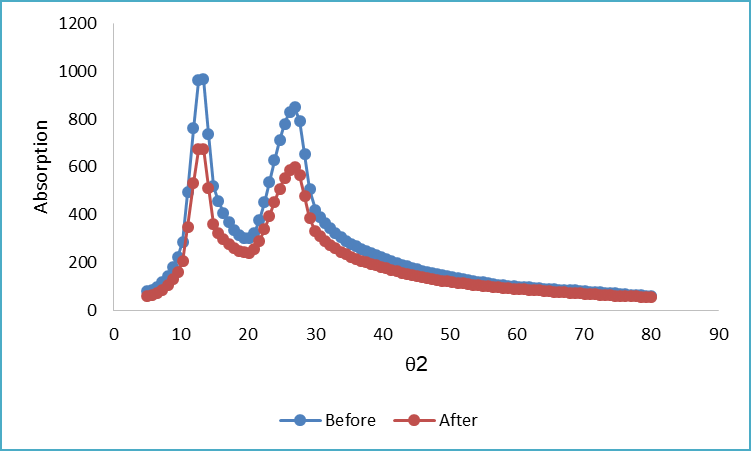
Figure 3.1. XRD patterns of g-C₃N₄ before and after the photocatalytic degradation of methylene blue under visible-light irradiation.
3.2 Fourier Transform Infrared (FTIR) Spectroscopy Analysis
The types of chemical bonds and functional groups in the structure of g-C₃N₄ catalyst before and after methylene blue degradation were determined by Fourier transform infrared spectroscopy as shown in Figure 3.2. The spectrum of the catalyst before use showed the same absorption bands associated with graphitic carbon nitride, indicating that this molecular structure of the material was maintained. The broad absorption band was observed around 3400 cm⁻¹ indicating the presence of stretching vibrations of O–H and N–H bonds. Some enhancement of this band was noticed after the reaction which might be due to the adsorption of water molecules or due to the formation of hydroxyl species on the catalyst surface during the photocatalytic reaction.
In addition, a series of absorption bands was observed between 1200 and 1650 cm⁻¹ which correspond to the stretching modes of C–N and C=N bonds in the heteroaromatic network. Such bands were still present after the degradation process, suggesting that the basic chemical structure of the catalyst remained largely unchanged in the course of the reaction. The absorption band around 810 cm⁻¹ was also present after exposure to visible light. This band is a special spectral signature of the breathing vibrations of the heptazine-based structural units that remained unchanged and without any significant decomposition or change [16].
No new absorption bands were seen in the spectra after the reaction and there was no disappearance of the characteristic absorption bands of the catalyst, only some intensity changes of the absorption bands were observed in the spectra before and after the reaction. The differences may be due to minor surface interactions with dye molecules or products of their degradation and not necessarily to a change in the basic structure of the material. Overall, the results obtained from the FTIR analysis revealed that after the photocatalytic degradation process, the main functional groups and molecular framework of the commercial g-C₃N₄ catalyst were not altered. This result is in line with the XRD data that also indicated the crystallinity of the catalyst after the reaction remained unchanged [17].
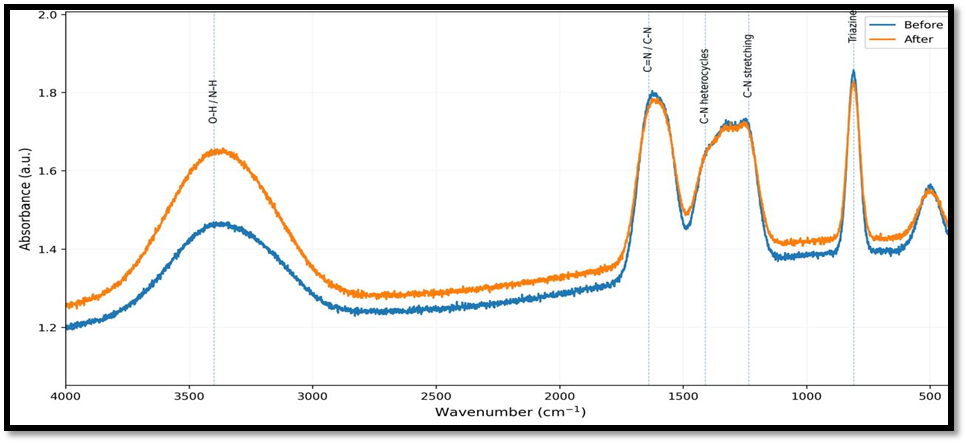
Figure 3.2FTIR spectra of g-C₃N₄ before and after the photocatalytic degradation of methylene blue under visible-light irradiation.
3.3 Scanning Electron Microscopy (SEM) Analysis
Before and after the degradation of methylene blue, the surface morphology of the commercial g-C₃N₄ catalyst was characterized by scanning electron microscopy (SEM). Before use, the micrographs of the catalyst showed a sheet-like structure with a laminated pattern consisting of stacked nanosheets and a relatively smooth surface. This morphology is in line with the known structural nature of g-C₃N₄, which consists of heptazine-derived units in stacked sheets [18].
After the photocatalytic reaction, some surface changes were detected: the surface of the nanosheets was rougher and less uniform than before the reaction, and the presence of small particle clusters was detected on the nanosheet surfaces. These changes might be due to the adsorption of the dye molecules or deposition of the intermediate products generated during the steps of the methylene blue degradation [19].
Despite these surface changes, the catalyst's fundamental layered structure remained apparent after the reaction, and no signs of severe structural collapse or extensive sheet fragmentation were observed. This observation indicates that the g-C₃N₄ catalyst possesses good morphological stability when used under visible-light irradiation.
These results are consistent with the findings of the XRD and FTIR analyses, which demonstrated that the catalyst retained its crystalline and chemical structure after the degradation process. In certain cases, the limited increase in surface roughness may have a beneficial effect, as it could contribute to increasing the number of available adsorption sites and enhancing contact between methylene blue molecules and the catalyst surface during irradiation[20].
Taken together, the SEM results indicate that the commercial g-C₃N₄ catalyst preserved its characteristic layered morphology, undergoing only limited surface changes as a result of the photocatalytic reaction.
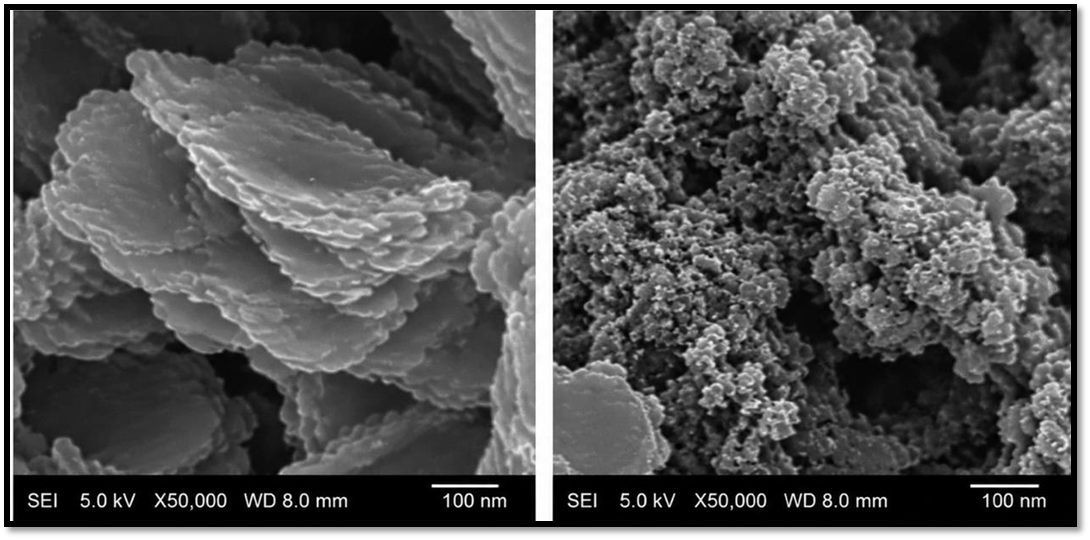
Figure 3.3 SEM images of g-C₃N₄ before(left)and after(right) photocatalytic degradation of methylene blue under visible-light irradiation
3.4 Energy-Dispersive X-ray Spectroscopy (EDS) Analysis
Table 3.1. Elemental composition of commercial graphitic carbon nitride (g-C₃N₄) before and after the photocatalytic degradation of methylene blue, according to EDS analysis results.
|
Element |
Before (wt%) |
After (wt%) |
|
C |
58.21 |
63.1 |
|
N |
34.42 |
33.67 |
|
O |
7.37 |
3.23 |
Energy-dispersive X-ray spectroscopy analysis was performed to determine the elemental composition of the g-C₃N₄ catalyst before and after the degradation of methylene blue, with the results presented in Table 3.1.
The results showed that carbon and nitrogen represented the principal elements in the catalyst's composition prior to the reaction, with weight percentages of 58.21% and 34.42%, respectively, while oxygen accounted for 7.37%. Following the degradation process, the carbon content increased slightly to 63.10%, the nitrogen content decreased slightly to 33.67%, while the oxygen content declined more noticeably to 3.23%[21].
These limited variations in elemental percentages may be linked to adsorption and desorption processes occurring at the catalyst surface, or to a minor loss of material during its recovery following the reaction, in addition to the possible removal of certain oxygen-containing surface groups during the photocatalytic process. However, the elemental composition of the sample before and after the reaction showed that carbon and nitrogen were still dominant, which means that the basic composition of elements of the g-C₃N₄ catalyst was hardly changed.
The EDS results are similar to the XRD, FTIR and SEM results because all the analyses indicated that the commercial catalyst maintained its surface morphology, elemental composition, chemical framework and crystalline structure after the visible-light-driven degradation process. The results indicate the stability of the catalyst within the range of operating conditions in this work [14, 22].
3.5. Effect of Irradiation Time:
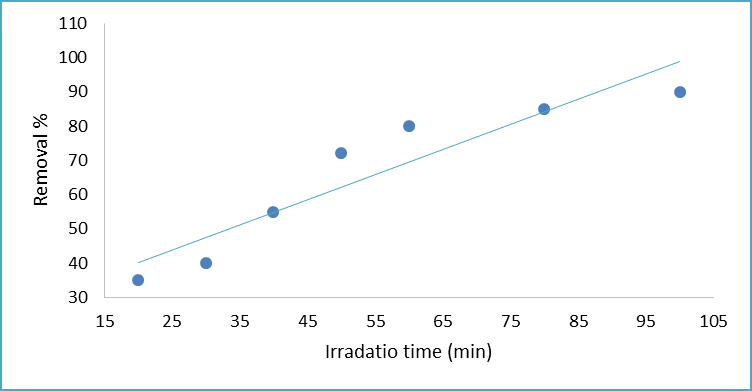
Figure 3.5. Effect of irradiation time on the photocatalytic degradation efficiency of methylene blue using commercial graphitic carbon nitride (g-C₃N₄) under visible-light irradiation.
From the results shown in Figure 3.5, it is observed that the photocatalytic degradation efficiency of methylene blue increases with the irradiation time and the removal efficiency is increasing with the progressive increase in the irradiation time under the visible light. This behaviour is associated with the persistent excitation of the catalyst and the production of electron–hole pairs which lead to the production of reactive oxygen species which are responsible for the oxidation of the dye molecules.
The degradation efficiency was 35% after 20 min of irradiation and increased to 55% after 40 min of irradiation. This is a gradual rise, due to the ongoing formation of photoinduced charge carriers and accumulation of reactive species in the reaction medium. From 40 to 60 minutes, efficiency increased significantly from 55% to 80%, showing that there is increased oxidation efficiency due to the presence of enough hydroxyl (•OH) and superoxide (•O₂⁻) radicals.
The increase of the degradation efficiency was relatively low after 60 minutes, reaching 85% after 80 minutes and finally 90% after 100 minutes of irradiation, the highest value recorded. The drop in the rate of degradation at later stages of the reaction may be attributed to the decrease in the concentration of methylene blue molecules in solution, and the possible competing effect of intermediate products formed during the reaction on the surface of the catalyst.
The results show that the irradiation time is one of the key operational parameters that affects the photocatalytic efficiency. The maximum degradation efficiency of 90% was obtained after irradiation for 100 minutes under the experimental conditions studied, which showed that a prolonged light-exposure time resulted in the continuous formation of the reactive species and higher degradation of dye molecules.
3.6. Effect of Catalyst Dosage:
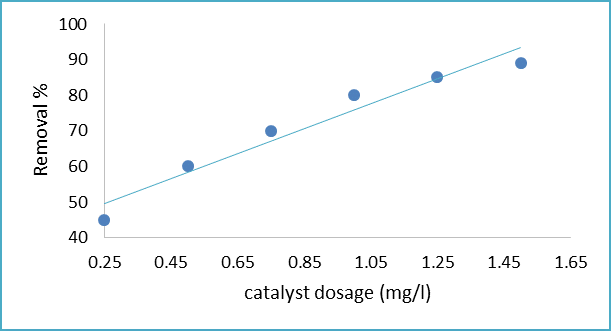
Figure 3.6. Effect of catalyst dosage on the photocatalytic degradation efficiency of methylene blue using commercial graphitic carbon nitride (g-C₃N₄) under visible-light irradiation.
The results indicated that the photocatalytic degradation efficiency of methylene blue increased with increasing amounts of g-C₃N₄ catalyst as displayed in Figure 3.6. Degradation efficiency reached 45% at a dosage of 0.25 g L⁻¹, then rose to 60%, 70%, and 80% as the dosage was increased to 0.50, 0.75, and 1.00 g L⁻¹, respectively.
This can be attributed to the increase in the number of particles that are able to adsorb dye molecules and create more active surface area and catalytic sites for the adsorption of dye molecules under visible-light illumination. This in turn leads to a greater generation of the reactive oxygen species which mediate oxidation of the organic pollutant.
When the catalyst dosage was further increased to 1.25 and 1.50 g L⁻¹, degradation efficiency rose to 85% and 89%, respectively. These results indicate the continued positive effect of increasing dosage within the tested range, owing to the growing number of active sites and improved contact opportunities between the catalyst and methylene blue molecules.
Based on the results obtained, a dosage of 1.50 g L⁻¹ was considered the optimum dosage under the present experimental conditions, as it achieved the highest recorded degradation efficiency of 89%[23].
3.7.Effect of Initial Dye Concentration:
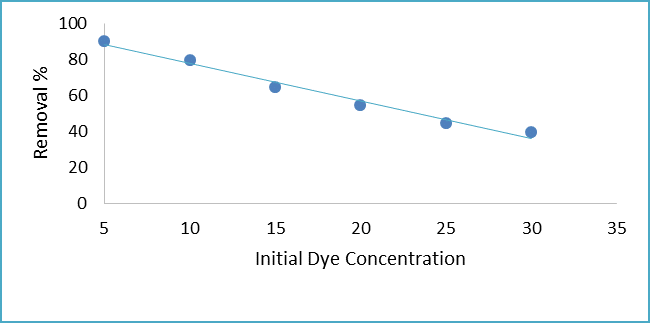
Figure 3.7. Effect of the initial methylene blue concentration on the photocatalytic degradation efficiency using commercial graphitic carbon nitride (g-C₃N₄) under visible-light irradiation.
The results showed that the photocatalytic degradation efficiency decreased with the increase of the initial methylene blue concentration as shown in Figure 3.7. The highest degradation efficiency was observed at the lowest concentration tested (5 mg L⁻¹) with 90% degradation. Efficiency then decreased progressively to 80%, 65%, 55%, 45%, and 40% as the concentration was increased to 10, 15, 20, 25, and 30 mg L⁻¹, respectively.
The decline in efficiency at higher concentrations is attributed to the increased number of dye molecules relative to the available active sites on the catalyst surface, leading to greater competition for adsorption sites. In contrast, at lower concentrations, the active sites are more capable of accommodating dye molecules, increasing the likelihood of their exposure to the oxidative species generated on the catalyst surface.
Furthermore, higher dye concentrations increase light absorption and its attenuation within the solution, which reduces photon penetration to the catalyst particles and limits the rate of electron–hole pair generation. This is reflected in a decreased production of the reactive oxygen species responsible for the degradation process.
These results indicate that dilute solutions are more responsive to photocatalytic treatment, owing to a more favorable balance between the number of dye molecules and the available active sites, as well as greater light penetration to the catalyst surface[3, 24].
3.8. Effect of Solution pH:
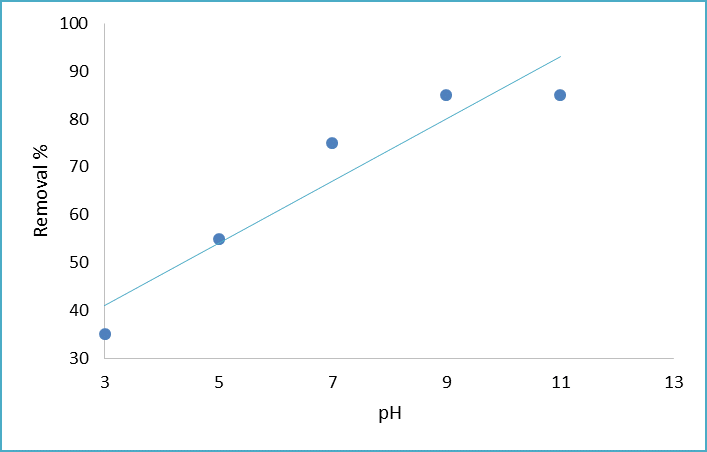
Figure 3.8.Effect of solution pH on the photocatalytic degradation efficiency of methylene blue using commercial graphitic carbon nitride (g-C₃N₄) under visible-light irradiation.
The results showed that solution pH played an important role in determining the photocatalytic degradation efficiency of methylene blue. Degradation efficiency increased progressively as the reaction medium shifted from acidic to alkaline conditions, as shown in Figure 3.8.
At pH 3, degradation efficiency was only 35%, then rose to 55% at pH 5, and reached 75% at neutral pH 7. When the pH was increased to 9, efficiency rose to 85%, remaining at approximately the same value at pH 11.
This enhanced result at alkaline pH is likely due to increased availability of hydroxyl ions (OH⁻) that can be used to generate highly reactive hydroxyl radicals (•OH). These radicals are some of the main oxidative species that could attack the methylene blue molecules and break down their chemical structure.
The degradation efficiency did not increase further from pH 9 to pH 11, indicating that the system had approached an almost plateau level of performance and no significant improvement in removal efficiency was observed when the alkalinity of the medium was increased beyond pH 9. Based on this, it was determined that pH 9 was the most practical optimal value, considering that the best degradation efficiency was obtained without the necessity to use a more alkaline medium.
These findings are in agreement that solution pH is the vital operational parameter and alkaline condition is more favorable in the photocatalytic degradation of methylene blue over the commercial g-C₃N₄ catalyst [25].
3.9. Proposed Mechanism of Photocatalytic Degradation:
The proposed mechanism for the degradation of MB over commercial g-C₃N₄ under visible-light irradiation is shown in Figure 3.9. This process starts with the absorption of photons of energy greater than or equal to the band gap energy (Eg) of the catalyst which causes the electron to jump from the valence band (VB) to the conduction band (CB). This creates pairs of photoexcited electrons (e⁻) and positive holes (h⁺) that undergo a series of oxidation–reduction reactions at the surface of the catalyst. The electrons in the conduction band react with the dissolved oxygen molecules in solution, forming superoxide radicals (•O₂⁻). Simultaneously, the holes created in the valence band interact with water molecules that are adsorbed onto the catalyst surface or hydroxyl groups on the surface to generate hydroxyl radicals (•OH). These reactive species have high oxidizing power and are thus the main ones that attack methylene blue molecules adsorbed on the catalyst surface [26].
Reactive oxygen species react with the chromophoric group of the methylene blue molecule, which disrupts the conjugated system that accounts for the coloring of the molecule, and then methylene blue undergoes successive oxidation reactions of the cleaving of the aromatic rings and the formation of transient intermediate compounds. These intermediates keep on oxidizing until they are finally mineralized to simple environmentally friendly compounds, primarily carbon dioxide (CO₂), water (H₂O), and some ionic inorganic compounds [27].
The proposed mechanism is consistent with the catalyst characterization performed before and after the different reactions: The XRD analysis showed that the catalyst's crystalline structure was not affected by the reaction, the FTIR analysis indicated that the chemical structure of the catalyst was not altered, and the SEM images showed that the changes in the catalyst were limited to modest surface modification. The results of EDS analysis also showed that the basic elemental composition of the catalyst was maintained following the degradation process. All the above results collectively suggest that the commercially obtained g-C₃N₄ catalyst exhibits significant photocatalytic activities in the visible-light region and is also structurally, chemically, morphologically and elementally stable, and hence, it can be used in the visible-light mediated photocatalytic degradation of water contaminated by organic dyes [28].
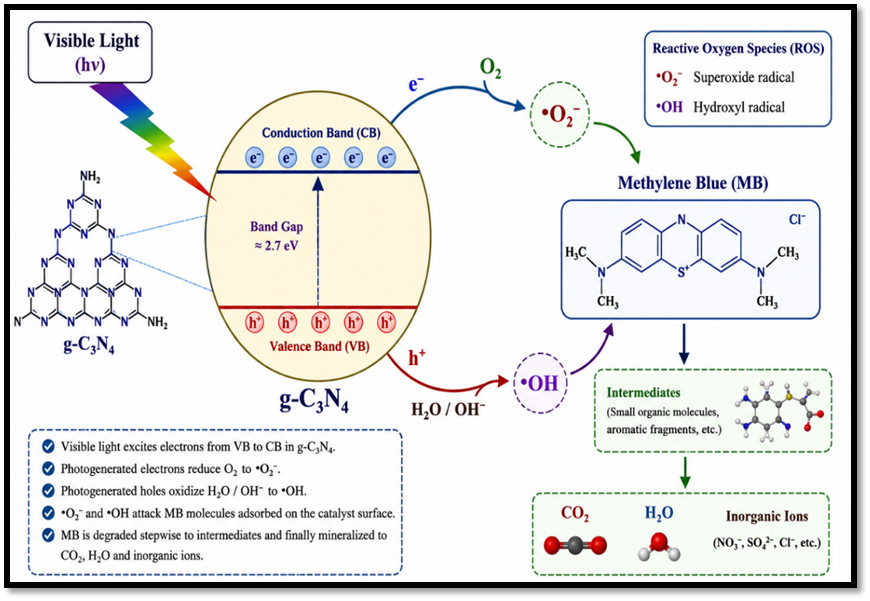
Figure 3.9. Proposed photocatalytic degradation mechanism of methylene blue over commercial graphitic carbon nitride (g-C₃N₄) under visible-light irradiation
CONCLUSION :
In this study, the commercially available graphitic carbon nitride (g-C₃N₄) was found to be a promising and stable visible-light photocatalyst to remove methylene blue from water. This multi-technique characterization campaign, performed before and after the degradation reaction by XRD, FTIR, SEM and EDS, all gave a consistent picture: the crystalline lattice, the underlying chemical bonding network, the layered surface architecture and the elemental composition of the catalyst were all largely preserved throughout the reaction cycle, with minor, but non-disruptive, changes observed. The agreement between the four different analytical techniques gives confidence to the finding that commercial g-C₃N₄ does not suffer any structural degradation under the operating conditions studied here.
In terms of performances, the photocatalytic experiments revealed that the operational variables had a well-defined influence on the dye removal process. The degradation performance continuously enhanced with increasing irradiation time, reaching the maximum value of 90% at 100 min, which could be attributed to the continuous production of ROS during the irradiation process under visible light. At higher catalyst concentration, there were more active sites to be available for the reaction thereby displaying a similar positive trend up to a catalyst concentration of 1.50 g L⁻¹ where 89% removal was obtained. By contrast, initial dye concentration had a suppressive effect on degradation efficiency, a trend which could be explained by saturation of the active sites and reduced light transmittance through the more highly loaded solutions. Solution pH was also found to be significant, with alkaline pH (up to pH 11) showing the highest removal, and including the pH 9 solution which showed 85% removal; the hydroxyl-radical mediated oxidative pathway is central to the degradation mechanism.
Overall, these results confirm the two-fold efficacy of commercial g-C₃N₄ as a photocatalyst with high photoactivity as well as physical and chemical stability, maintaining its physicochemical structure after multiple exposures under reactive oxidative conditions. The above properties (high removal efficiency, robust mechanism based on radical chemistry driven by visible light, and post-reaction stability) make commercial g-C₃N₄ a feasible and scalable photocatalyst for practical applications for dye-wastewater treatment, as it avoids the complexity and reproducibility issues associated with laboratory-made photocatalysts. Further studies on the long-term operational limit of this promising material would be carried out on the basis of future trials using a real industrial effluent, mixed-dye and extended reuse cycles.
BIBLIOGRAPHY:
1. Islam, T., et al., Impact of textile dyes on health and ecosystem: a review of structure, causes, and potential solutions. Environmental Science and Pollution Research, 2023. 30(4): p. 9207–9242.
2. Alsukaibi, A.K., Various approaches for the detoxification of toxic dyes in wastewater. Processes, 2022. 10(10): p. 1968.
3. Khan, I., et al., Review on methylene blue: its properties, uses, toxicity and photodegradation. Water, 2022. 14(2): p. 242.
4. Tyagi, V.K. and S.-L. Lo, Application of physico-chemical pretreatment methods to enhance the sludge disintegration and subsequent anaerobic digestion: an up to date review. Reviews in Environmental Science and Bio/Technology, 2011. 10(3): p. 215–242.
5. Liu, H., C. Wang, and G. Wang, Photocatalytic advanced oxidation processes for water treatment: recent advances and perspective. Chemistry–An Asian Journal, 2020. 15(20): p. 3239–3253.
6. Al Miad, A., et al., Metal oxide-based photocatalysts for the efficient degradation of organic pollutants for a sustainable environment: a review. Nanoscale Advances, 2024. 6(19): p. 4781–4803.
7. Ndiaye, D. and A. Akill, A critical review on g-C₃N₄ for environmental remediation: synthesis, properties, and pollutant photodegradation. Rendiconti Lincei. Scienze Fisiche e Naturali, 2025: p. 1–25.
8. Daraei, H., et al., A comprehensive review of photochemical degradation: an advanced oxidation process for the decomposition and mineralization of BTEX compounds in gas phase. Environmental Health Engineering And Management Journal, 2026. 13: p. 1–30.
9. Yadeta Gemachu, L. and A. Lealem Birhanu, Green synthesis of ZnO, CuO and NiO nanoparticles using Neem leaf extract and comparing their photocatalytic activity under solar irradiation. Green Chemistry Letters and Reviews, 2024. 17(1): p. 2293841.
10. Awad, A., G. El-Naggar, and A. Hassan, Fabrication of nanomagnetite/graphitic carbon nitride composite for adsorption and photo-Fenton decomposition of methylene blue dye. International Journal of Environmental Science and Technology, 2025. 22(15): p. 15791–15814.
11. Ng, S.-F., J.J. Foo, and W.-J. Ong, Isotype heterojunction: tuning the heptazine/triazine phase of crystalline nitrogen-rich C 3 N 5 towards multifunctional photocatalytic applications. Materials Horizons, 2024. 11(2): p. 408–418.
12. Raja, A., et al., Waste-to-wealth photocatalysis: Red mud-boosted g-C₃N₄/TiO₂ for enhanced hydrogen production and pollutant degradation. Journal of the Taiwan Institute of Chemical Engineers, 2027. 190: p. 106893.
13. Bashir, S., et al., Facile synthesis of a novel photocatalyst with integrated features for industrial effluents treatment. Ceramics International, 2022. 48(3): p. 3172–3184.
14. Mirzaei, H., M.H. Ehsani, and A. Shakeri, Development and characterization of a graphene quantum dot/g-C₃N₄ photocatalyst for efficient degradation of Rhodamine B. Scientific Reports, 2025. 15(1): p. 27276.
15. Barsukov, D. and I. Subbotina, IR-study of hydrated surface of oxide photocatalysts. Russian Chemical Bulletin, 2017. 66(10): p. 1847–1853.
16. Jiménez, M.d.R.D., et al., Sulfur-doped g-C₃N₄ nanosheets for efficient photocatalytic degradation of methylene blue. Diamond and Related Materials, 2026: p. 113724.
17. Lai, Z., et al., Synergic combination of g-C3N4/V2O5/PANI ternary nanocomposite for energy and environmental applications. Journal of Inorganic and Organometallic Polymers and Materials, 2026. 36(4): p. 2406–2423.
18. Bojdys, M.J., On new allotropes and nanostructures of carbon nitrides. 2009, Universität Potsdam.
19. Khan, S., et al., Photocatalytic dye degradation from textile wastewater: a review. ACS omega, 2024. 9(20): p. 21751–21767.
20. Chauhan, H. and R. Gupta, Photocatalytic dye degradation of Rhodamine B and Congo Red dye using sulfur doped graphitic carbon nitride and cerium oxide nanocomposite. Journal of Water Process Engineering, 2025. 75: p. 108052.
21. Ahamad, T., M. Naushad, and S.M. Alshehri, Analysis of degradation pathways and intermediates products for ciprofloxacin using a highly porous photocatalyst. Chemical Engineering Journal, 2021. 417: p. 127969.
22. Nguyen, A.K.H., et al., A scalable g-C₃N₄/TiO₂ heterojunction photoanode fabricated from modified TiO₂ paste for solar water splitting. Journal of Electroanalytical Chemistry, 2026: p. 120096.
23. Gaber, M.M., et al., Efficient oxidative degradation of organic pollutants in real industrial effluents using a green-synthesized magnetite supported on biochar catalyst. RSC advances, 2025. 15(38): p. 31522–31538.
24. Haleem, A., et al., In-depth photocatalytic degradation mechanism of the extensively used dyes malachite green, methylene blue, Congo red, and rhodamine B via covalent organic framework-based photocatalysts. Water, 2024. 16(11): p. 1588.
25. Alshgari, R.A., et al., ZnO nanostructures doped with various chloride ion concentrations for efficient photocatalytic degradation of methylene blue in alkaline and acidic media. Molecules, 2022. 27(24): p. 8726.
26. Wei, W., et al., Molecular Oxygen Activation for Organic Pollutants Degradation in Water: Strategies, Mechanisms, and Applications. Catalysts (2073-4344), 2026. 16(3): p. 206.
27. Liu, J., et al., Heterogeneous catalysis for the environment. The Innovation Materials, 2024. 2(3): p. 100090.
28. Borah, P. and M. Ahmaruzzaman, Engineering Zr‐Metal Organic Framework‐Based Binary Composite Using Facile In Situ Strategy for Photocatalytic Degradation of Multiple Dyes: Synergistic Effect and Mechanistic Insight. Applied Organometallic Chemistry, 2026. 40(4): p. e70556.