ASSOCIATION OF OBSTRUCTIVE SLEEP APNEA WITH CLINICAL OUTCOMES IN ADULTS WITH CHRONIC LIVER DISEASE: A CROSS-SECTIONAL STUDY
- Naveed Ahmed , FCPS Assistant Professor Department of Pulmonology Gambat Institute of Medical Science
- Muhammad Masood Khoso , Senior Registrar, Gastroenterology Department of Gastroenterology Jinnah Postgraduate Medical Centre (JPMC), Karachi
- Rashid Ali Daudpota , FCPS Consultant Pulmonologist South City Hospital, Karachi.
Article Information:
Abstract:
Abstract: Objective: To determine the association between obstructive sleep apnea (OSA) and clinical outcomes among adults with chronic liver disease presenting to tertiary care hospitals in Pakistan.Material & Methods: A descriptive cross-sectional study from the Departments of Pulmonology and Gastroenterology of tertiary care hospitals in Pakistan was conducted after medical ethics approval. Methods: Between March 2021 and August 2021, a cross-sectional study was conducted in which adults with chronic liver disease chosen through non-probability consecutive sampling were enrolled (N=348). Patients with acute liver failure, a history of previous liver transplantation, and serious cardiopulmonary disease or pregnancy were excluded from the study. This included demographics, clinical history, laboratory investigations, and severity of liver disease. The STOP-Bang questionnaire was used to assess the risk of obstructive sleep apnea. Patients could lose their compensation, they lost the ability to use Child-Pugh class, ascites, hepatic encephalopathy, variceal bleeding, and duration of hospital stay. Results: The mean age was 49.8±13.2 years, and 214 (61.5%) participants were male. High-risk OSA was identified in 146 (42.0%) patients. Hepatic decompensation was significantly more frequent among patients with high-risk OSA (71.2% vs. 48.5%, p<0.001). High-risk OSA was also significantly associated with advanced Child-Pugh class, ascites, hepatic encephalopathy, variceal bleeding, and prolonged hospitalization. On multivariable logistic regression, high-risk OSA independently predicted adverse clinical outcomes (AOR=3.8, 95% CI: 2.2–6.5; p<0.001).Conclusion: High-risk obstructive sleep apnea was significantly associated with adverse clinical outcomes among patients with chronic liver disease. Routine OSA screening may facilitate early identification of high-risk patients and improve clinical management.
Keywords:
Article :
INTRODUCTION:
Chronic liver disease (CLD) is a leading global health problem characterized by ongoing hepatic inflammation, fibrosis, and ultimately cirrhosis, resulting in significant morbidity, mortality, and healthcare burden. This condition can be attributed to a multitude of causes, including chronic viral hepatitis (hepatitis B virus and C virus), alcoholic liver disease, and metabolic dysfunction-associated steatotic liver disease (MASLD) (1). Based on recent Global Burden of Disease data, CLD accounts for nearly 1.4 million deaths worldwide each year, and as many as 1.7 billion people are currently affected by this condition, making it a major contributor to premature mortality across the continents in both low- and middle-income countries (LMIC) and high-income countries (HIC). Epidemiological findings. According to recent analyses, the epidemiology of CLD has been changing over time (2).
Obstructive sleep apnea (OSA) is one of the most common sleep-related breathing disorders, defined as repetitive episodes of upper airway collapse during sleep causing intermittent hypoxia, sympathetic activation, oxidative stress, and systemic inflammation. An estimated 936 million adults aged 30–69 years worldwide have mild-to-severe OSA, and nearly 425 million have moderate-to-severe disease that may benefit from clinical evaluation (3). Recent evidence indicates that OSA is associated with the progression of chronic liver disease as well as hypoxia-induced hepatic inflammation, insulin resistance, fibrogenesis, and endothelial dysfunction, which may be exacerbated through repeated episodes of nocturnal apnea; hence, promoting cardiovascular and metabolic complications. International studies have found more reports of OSA, estimating 30% to >60%, in patients with cirrhosis and metabolic liver disease compared to matched controls, especially among those who are obese for advanced fibrosis (4).
Chronic liver disease continues to serve as an important public health challenge in Pakistan: it is primarily attributable to both chronic hepatitis B and C infections and increasingly high prevalence of metabolic liver diseases. Recent data shows that non-alcoholic fatty liver disease is present in 1/3rd of the general Pakistani population, and more than 58.5% of diabetic patients and above 70% prevalence exceeds hypertensive individuals (5). The crude estimated prevalence of chronic liver disease in Pakistan is reported between 2% and 29%, which indicates the huge disease burden. Many suboptimal factors, such as underdiagnosis and limited locally available evidence to support their association with liver disease outcomes, have left sleep disorders (OSA included) neglected in routine hepatology practice (6).
While studies from Europe, North America, and East Asia have reported that OSA is associated with poorer liver outcomes such as accelerated fibrosis, hepatic decompensation, longer hospital stays, and poor quality of life, comparable evidence for South Asian populations remains scarce. There has not been a systematic evaluation of the association between OSA and clinical outcomes in adults with liver disease at the hospital-based level in Pakistan (7). Considering the increasing burden of both disorders and the potential for OSA to be a treatable risk factor, exploring this association may allow for better identification of at-risk patients earlier in their disease progression, optimization through multidisciplinary management, and incorporation of sleep disorder screening in standard practice within hepatology. Objective: Hence, this study focuses on assessing the association of obstructive sleep apnea with clinical outcomes among adults with chronic liver disease.
METHODOLOGY:
This was a cross-sectional descriptive study carried out in the Departments of Pulmonology and Gastroenterology of tertiary care hospitals across Pakistan for a period of six months from 1st March 2021 to 31st August 2021, after approval from the Institutional Ethical Review Committee. It aimed to evaluate the organization of obstructive sleep apnea (OSA) with clinical consequences in the grown-up gathering detailed to have constant liver disease (CLD).
For this study, desiring a confidence level of 95% and utilizing an appropriate margin of error based on what the literature has reported around disease prevalence in both lungs as well as other chronic liver disease patients having obstructive sleep apnea (8), the necessary sample size was evaluated using the WHO Sample Size Calculator. The minimum sample size, calculated as 326. A consecutive non-probability sampling technique was used with an initial cohort of 348 patients to account for uncompleted questionnaires, missing clinical information, and potential non-response.
Inclusion Criteria
This was a cross-sectional observational study conducted at a tertiary care hospital, on adult patients (≥18 years) of both sexes diagnosed with chronic liver disease of any etiology [4]. Patients were diagnosed with chronic liver disease based on compatible clinical findings and supported by laboratory investigations and evidence of chronic hepatic injury and/or cirrhosis as documented in the medical record. The inclusion criteria were patients who had given written informed consent to be included in the study if they agreed to participate.
Exclusion Criteria
Patients were excluded if they were under 18 years old; had acute liver failure, hepatocellular carcinoma, previous liver transplantation, or malignant condition other than hepatocellular carcinoma; severe non-obstructive sleep apnoea-related respiratory disorder, respiratory neuromuscular disease/myopathy causing respiratory muscle weakness (such as muscular dystrophy), pregnancy /severe psychiatric illness/chronic renal failure requiring dialysis/congestive heart failure. Patients with a history of obstructive sleep apnea who were already on CPAP therapy, and patients with incomplete clinical records or inability to complete the sleep assessment questionnaire.
Data Collection
This information was collected by the principal investigator and trained research assistants using a predesigned structured proforma after obtaining written informed consent. The demographic variables consisted of age, sex, marital status, educational level, occupation, hometown, place of residency region, smoking status (never/ever current smoker), body mass index ≥ 27.5, and relevant medical history. Clinical data included etiology and duration of chronic liver disease, main symptoms such as history of diabetes mellitus, hypertension, dyslipidemia, obesity, and other comorbid diseases.
Diagnosis of chronic liver disease was validated by clinical note review, laboratory investigations, abdominal ultrasonography, FibroScan results when available, and specialist gastroenterology assessment. Disease severity was evaluated through clinical and biochemical parameters routinely collected, including Child-Pugh class and Model for End-stage Liver Disease (MELD) score when available. The clinical history of hepatic decompensation, ascites, hepatic encephalopathy, upper gastrointestinal bleeding due to portal hypertension, spontaneous bacterial peritonitis, and previous hospitalizations was retrieved from the patients' files.
Society STOP-BANG Questionnaire (9), a validated obstructive sleep apnea screening tool comprised of 8 questions relating to snoring, daytime tiredness, witnessed apnea, hypertension, as well as body mass index (≤35 vs >34), age (≥50 vs <50), neck circumference ≥40 cm, and gender. A score of 0–2 was labeled low risk, a score from 3 to 4 as intermediate risk, and a score of 5–8 points as high risk for obstructive sleep apnea. All questionnaires were filled out under the investigator’s supervision for accuracy and completeness.
Anthropometric measurements were carried out using standardized procedures. Body weight was measured in kilograms (kg) using a calibrated electronic weighing scale, and height was recorded (to the nearest millimeter [mm]) with a wall-mounted stadiometer. Body mass index (BMI) was defined as weight in kg divided by height in metres squared (kg/m²). The waist circumference was measured halfway between the lower rib margin and the iliac crest using a non-elastic measuring tape.
Blood pressure—directly measured in a seated position (after at least 5-minute resting)—was assessed right after sampling. Two readings were taken within a 5-min interval, and the average was registered. All non-invasive routine laboratory investigations were obtained from the hospital lab record and included in this study; these studies routinely measured consisted of complete blood count, liver function tests (LFTs), serum albumin, total bilirubin, alanine aminotransferase (ALT), aspartate aminotransferase (AST), international normalized ratio (INR), serum creatinine and fasting blood glucose, along with other clinical investigations accordingly.
Operational Definitions
Chronic liver disease was defined as evidence of persistent hepatic injury either clinically, biochemically, radiologically, or histologically, with a duration greater than six months, along with evidence of chronic liver damage and/or cirrhosis.
High risk for OSA based on the STOP-BANG Questionnaire was defined as a score ≥ 3, and scores≥5were identified as high​risk obstructive sleep apnea (OSA).
Clinical outcomes comprised the severity of liver disease (Child-Pugh class and MELD score), ascites, hepatic encephalopathy, variceal bleeding, spontaneous bacterial peritonitis, number of hospitalizations, length of stay in hospital, and in-hospital mortality when applicable.
Outcome Variables
The main endpoints of the study were correlation with obstructive sleep apnea risk and adverse clinical outcomes in chronic liver disease patients. Secondary outcomes were the association of OSA risk with liver disease severity, hepatic decompensation, length of hospitalization and the presence of individual cirrhosis-related complications.
Data Analysis
The data were entered into, cleaned, and analyzed using the Statistical Package for the Social Sciences (SPSS) version 26.0(IBM Corp., Armonk, NY, USA). Continuous variables – age, BMI, waist circumference, laboratory parameters, Child-Pugh score, MELD score, and length of hospital stay were presented as mean ± standard deviation or median with interquartile range according to their distribution. We summarized categorical variables (sex, smoking status, etiology of chronic liver disease, obstructive sleep apnea risk category, hepatic decompensation, ascites, hepatic encephalopathy, variceal bleeding, and mortality) as frequencies/percentages.
To identify potential effect modifiers, stratified analyses were performed according to age, sex, obesity, diabetes mellitus, hypertension, and liver disease severity. Chi-square test or Fisher's exact test, when appropriate, was used to assess associations between categorical variables. The independent-samples t-test or one-way analysis of variance (ANOVA) was used to compare continuous variables, while the Mann-Whitney U test was applied for non-normally distributed data. We performed a multivariable logistic regression analysis to assess independent predictors of adverse clinical outcomes after adjustment for confounders. We calculated crude and adjusted odds ratios with corresponding 95% confidence intervals. Statistical significance was defined as a two-tailed p-value≤0.05.
RESULTS:
A cross-sectional study was performed on a total of 348 patients who satisfied the inclusion criteria. Participants were aged 49.8 ± 13.2 years, and most commonly in the age group of 41–60 years (N = 732 [45.4%]). Among the participants, 214 (61.5%) were males, and 134 (38.5%) were females. For Obstructive Sleep Apnea (OSA) risk stratification, based on the STOP-Bang questionnaire, 146 (42.0%) were identified as high-risk for OSA. Of the patients, 131 (37.6%) had Child-Pugh class A, while 128 (36.8%) had C–Hgbico B, and 89 (25.6%) had Child–Pugh class C liver disease severity assessment. Ascites was present alone in 149 (42.8%) and hepatic encephalopathy in 74 (21.3%), whereas there was a history of variceal bleeding in 61 (17.5%) participants. Table 1 summarizes baseline demographic and clinical characteristics.
Table 1: Baseline demographic and clinical characteristics of study participants (n=348)
|
Variable |
Frequency (%) |
|
Age Group (Years) |
|
|
18–40 |
93 (26.7) |
|
41–60 |
158 (45.4) |
|
>60 |
97 (27.9) |
|
Gender |
|
|
Male |
214 (61.5) |
|
Female |
134 (38.5) |
|
High Risk OSA (STOP-Bang ≥5) |
146 (42.0) |
|
Child-Pugh Classification |
|
|
Class A |
131 (37.6) |
|
Class B |
128 (36.8) |
|
Class C |
89 (25.6) |
|
Ascites |
149 (42.8) |
|
Hepatic Encephalopathy |
74 (21.3) |
|
Variceal Bleeding |
61 (17.5) |
|
Diabetes Mellitus |
116 (33.3) |
|
Hypertension |
128 (36.8) |
|
Obesity (BMI ≥30 kg/m²) |
121 (34.8) |
Patients with a high risk of OSA experienced significantly poorer clinical outcomes than those with low or intermediate OSA risk. Hepatic decompensation was observed in 104 (71.2%) patients with high-risk OSA compared with 98 (48.0%)among patients with low/intermediate-risk OSA (p<0.001). Similarly, advanced liver disease (Child-Pugh class B/C) was significantly more common in patients with high-risk OSA (118 [80.8%] vs. 99 [48.5%]; p<0.001). A significantly greater proportion of patients with high-risk OSA had prolonged hospitalization (>7 days), hepatic encephalopathy, and ascites. Detailed associations are presented in Table 2.
Table 2: Association of obstructive sleep apnea with clinical outcomes in chronic liver disease
|
Variable |
High-risk OSA n (%) |
Low/Intermediate-risk OSA n (%) |
p-value |
|
Hepatic Decompensation |
104 (71.2) |
98 (48.5) |
<0.001 |
|
Child-Pugh Class B/C |
118 (80.8) |
99 (48.5) |
<0.001 |
|
Ascites |
88 (60.3) |
61 (30.2) |
<0.001 |
|
Hepatic Encephalopathy |
46 (31.5) |
28 (13.9) |
<0.001 |
|
Variceal Bleeding |
36 (24.7) |
25 (12.4) |
0.003 |
|
Hospital Stay >7 Days |
69 (47.3) |
46 (22.8) |
<0.001 |
The frequency of hepatic decompensation was substantially higher among patients with high-risk OSA, with nearly three-quarters experiencing decompensated liver disease compared with less than half of those at low or intermediate OSA risk. Likewise, prolonged hospitalization was approximately twice as common among patients with high-risk OSA. These findings indicate a significant relationship between increasing OSA risk and worsening clinical outcomes in chronic liver disease (Figure 1).
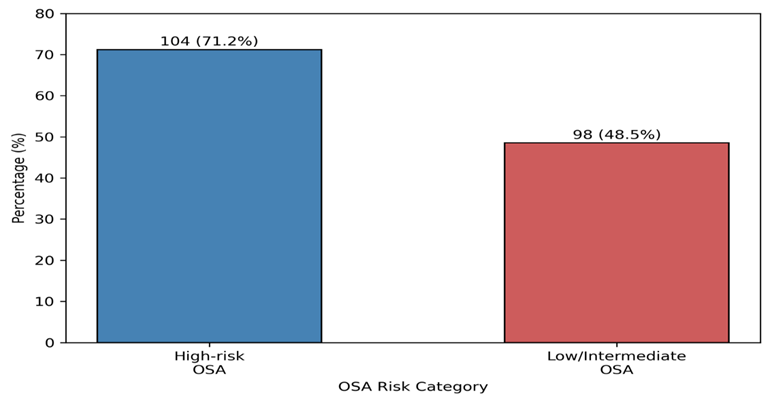
Figure 1: Frequency of hepatic decompensation among patients with high-risk and low/intermediate-risk obstructive sleep apnea
Multivariable logistic regression analysis demonstrated that high-risk obstructive sleep apnea remained an independent predictor of adverse clinical outcomes after adjustment for age, sex, diabetes mellitus, hypertension, and obesity. Patients with high-risk OSA had 3.8-fold higher odds of hepatic decompensation (AOR: 3.8, 95% CI: 2.2–6.5, p<0.001). Obesity and diabetes mellitus were also independently associated with adverse clinical outcomes, whereas hypertension showed a weaker association that did not reach statistical significance. The detailed regression model is shown in Table 3.
Table 3: Multivariable logistic regression analysis for predictors of adverse clinical outcomes
|
Risk Parameter |
AOR |
95% CI |
p-value |
|
High-risk Obstructive Sleep Apnea |
3.8 |
2.2–6.5 |
<0.001 |
|
Obesity |
2.4 |
1.4–4.2 |
0.002 |
|
Diabetes Mellitus |
1.9 |
1.1–3.4 |
0.026 |
|
Hypertension |
1.5 |
0.9–2.7 |
0.118 |
|
Age >60 Years |
1.8 |
1.0–3.2 |
0.041 |
AOR = Adjusted Odds Ratio; CI = Confidence Interval; OSA = Obstructive Sleep Apnea.
A p-value ≤0.05 was considered statistically significant.
DISCUSSION :
The main aim of the current study was to find out the association of obstructive sleep apnea (OSA) with outcomes among adults diagnosed with chronic liver disease (CLD) attending tertiary care hospitals in Pakistan. We have observed in our study that high-risk OSA was significantly associated with adverse clinical outcomes in the cohort. In total, 146 (42.0%) patients were identified as high risk for OSA. Patients who were at risk for OSA had significantly higher rates of hepatic decompensation (71.2% vs 48.5%), advanced liver disease (Child-Pugh class B/C; 80.8% vs 48.5%), ascites (60.3% vs 30.2%), hepatic encephalopathy (31.5% vs 13.9%), variceal bleeding (24.7% vs 12.4%) and prolonged hospital stay (47.3% vs 22.8%) than patients who were determined to be at low or intermediate risk of OSA.
In the current investigation, 42.0% of individuals with chronic liver disease had high-risk OSA. Findings consistent with this were reported in a study out of Karachi, Pakistan, where nearly 38.4% of patients with cirrhosis had clinical features consistent with OSA (10). Similarly, a study from India reported a 40.9% prevalence of OSA (11), while data from China (12) and Romania (13) also showed prevalences of 45.7% and 43.2%, respectively. On the contrary, studies in Saudi Arabia and Germany reported slightly higher prevalence of OSA in chronic liver disease patients, with estimates of 51.6% and 48.8%, respectively (14, 15). The natural co-occurrence of obesity, diabetes mellitus, and metabolic dysfunction in patients with chronic liver disease may explain the similar results. Higher rates in Western populations could be related to higher obesity levels, older study populations, and the use of overnight polysomnography for diagnosis rather than questionnaire-based screening.
In the current study, hepatic decompensation occurred in 71.2% of patients with high-risk OSA versus 48.5% of patients with low or intermediate OSA risk. A Pakistani hospital-based study reported hepatic decompensation (67%) similarly in cirrhotic patients with suspected OSA (16) as did studies from China (69.8%) (17), Spain (73.5%) (18), and Greece (70.2%) (19). The striking similarity between these studies supports the suggestion that recurrent nocturnal hypoxia may worsen liver injury by mechanisms such as oxidative stress and release of inflammatory cytokines, leading to increased portal hypertension. Differences between studies were likely to be partly due to differences in disease aetiology, severity of cirrhosis present in different cohorts as well as patient selection and differences in methods for the diagnosis of OSA.
Ascites was more common in patients with high-risk OSA vs those without (60.3% vs 30.2%). Similar frequencies have been found in studies from India (20) and Egypt (21), and another Saudi Arabian study found ascites in almost half of cirrhotic patients with suspected OSA (22). These similarities could arise from the common direct pathophysiological effects that chronic intermittent hypoxia has on portal venous pressure, endothelial dysfunction, and systemic inflammation. Variability in endoscopic surveillance, timing of diagnosis, and availability to liver-specialized centers may be responsible for the differences seen between studies.
One of the most clinically relevant results of this study was that patients with high-risk OSA had increased length of hospital stay. This was compared with 22.8% of patients at low or intermediate OSA risk, and more than 47.3% of these patients required hospitalization for greater than seven days. These similar findings are also observed in previously conducted international studies (23). Possible explanations for the longer admissions observed in our study include more advanced liver disease, a higher incidence of hepatic decompensation and recurrent hypoxemia, as well as a greater burden of associated metabolic disorders.
The association of high-risk OSA with adverse clinical outcome variables was confirmed by multivariable logistic regression analysis (AOR 3.8, 95% CI: 2.2–6.5). Obesity (AOR 2.4) and diabetes mellitus (AOR 1.9) were also independently associated with worse clinical outcomes. Similar results have been shown in studies conducted in developed and developing countries (24). Another larger USA study again reported a considerable contribution of obesity and diabetes to the risk of OSA and complications related to cirrhosis (25). The uniformity of findings across studies underscores the common pathophysiological pathways connecting OSA, metabolic dysfunction, chronic inflammation, and liver fibrosis.
Despite these important findings, it must also be recognized that a number of limitations apply. A limitation of this study is its cross-sectional design, which does not allow for causative inference of OSA and risk of poor clinical events. OSA was measured with the STOP-Bang questionnaire rather than polysomnography, the gold standard for diagnosis [9]. Moreover, this was a tertiary care study which limits its generalisability with respect to the general population. Multicenter prospective studies with objective sleep assessment and long-term follow-up are warranted to confirm these results.
CONCLUSION:
High-risk obstructive sleep apnea was identified in 42.0% of adults with chronic liver disease and was independently associated with hepatic decompensation, advanced liver disease, cirrhosis-related complications, and prolonged hospitalization. Routine screening for obstructive sleep apnea should be considered in patients with chronic liver disease to facilitate early diagnosis and improve clinical outcomes through timely multidisciplinary management.
Conflict of Interest: The authors declare no conflict of interest.
Funding
This research received no specific grant from any funding agency in the public, commercial, or not-for-profit sectors.
REFERENCES:
1. Cheemerla S, Balakrishnan M. Global Epidemiology of Chronic Liver Disease. Clin Liver Dis (Hoboken). 2021;17(5):365-70.
2. Udompap P, Kim D, Kim WR. Current and Future Burden of Chronic Nonmalignant Liver Disease. Clinical Gastroenterology and Hepatology. 2015;13(12):2031-41.
3. Lavie L. Intermittent Hypoxia and Obstructive Sleep Apnea: Mechanisms, Interindividual Responses and Clinical Insights. In: Gianturco L, editor. Atherosclerosis, Arteriosclerosis and Arteriolosclerosis. London: IntechOpen; 2019.
4. Mirrakhimov AE, Polotsky VY. Obstructive sleep apnea and non-alcoholic Fatty liver disease: is the liver another target? Front Neurol. 2012;3:149.
5. Ali SA, Donahue RM, Qureshi H, Vermund SH. Hepatitis B and hepatitis C in Pakistan: prevalence and risk factors. Int J Infect Dis. 2009;13(1):9-19.
6. Khokhar N, Niazi S. Chronic liver disease related mortality pattern in Northern Pakistan. Journal of the College of Physicians and Surgeons--Pakistan : JCPSP. 2003;13:495-7.
7. Parikh MP, Gupta NM, McCullough AJ. Obstructive Sleep Apnea and the Liver. Clin Liver Dis. 2019;23(2):363-82.
8. Chou T-C, Liang W-M, Wang C-B, Wu T-N, Hang L-W. Obstructive sleep apnea is associated with liver disease: a population-based cohort study. Sleep Medicine. 2015;16(8):955-60.
9. Doshi V, Walia R, Jones K, Aston CE, Awab A. STOP-BANG questionnaire as a screening tool for diagnosis of obstructive sleep apnea by unattended portable monitoring sleep study. Springerplus. 2015;4:795.
10. Taj F, Aly Z, Kassi M, Ahmed M. Identifying people at high risk for developing sleep apnea syndrome (SAS): a cross-sectional study in a Pakistani population. BMC Neurol. 2008;8:50.
11. Shah NM, Malhotra AM, Kaltsakas G. Sleep disorder in patients with chronic liver disease: a narrative review. J Thorac Dis. 2020;12(Suppl 2):S248-s60.
12. Chou TC, Liang WM, Wang CB, Wu TN, Hang LW. Obstructive sleep apnea is associated with liver disease: a population-based cohort study. Sleep Med. 2015;16(8):955-60.
13. Plotogea O-M, Ilie M, Bungau S, Chiotoroiu AL, Stanescu AMA, Diaconu CC. Comprehensive Overview of Sleep Disorders in Patients with Chronic Liver Disease. Brain Sciences. 2021;11(2):142.
14. Bahr K, Simon P, Leggewie B, Gouveris H, Schattenberg J. The Snoring Index Identifies Risk of Non-Alcoholic Fatty Liver Disease in Patients with Obstructive Sleep Apnea Syndrome. Biology (Basel). 2021;11(1).
15. Jahdali H, AlEnezi A, Bahammam A, Aljumah A, Baharoon S, Abdo A. Patients With Liver Cirrhosis Are At High Risk Of Obstructive Sleep Apnea And Excessive Daytime Sleepiness2012. A5027-A p.
16. Ahmed MH, Byrne CD. Obstructive sleep apnea syndrome and fatty liver: association or causal link? World J Gastroenterol. 2010;16(34):4243-52.
17. Chung GE, Cho EJ, Yoo J-J, Chang Y, Cho Y, Park S-H, et al. Nonalcoholic fatty liver disease is associated with the development of obstructive sleep apnea. Sci Rep. 2021;11(1):13473.
18. Abdullah AE, Al-Jahdali F, Ahmed AE, Shirbini N, Abdullah ALH, Salim B, et al. Symptoms of Daytime Sleepiness and Sleep Apnea in Liver Cirrhosis Patients. Annals of Hepatology. 2017;16(4):591-8.
19. Nikaina I, Pastaka C, Zachou K, Dalekos GN, Gourgoulianis K. Sleep apnoea syndrome and early stage cirrhosis: a pilot study. Eur J Gastroenterol Hepatol. 2006;18(1):31-5.
20. Kumar M, Kainth S, Kumar S, Bhardwaj A, KumarAggarwal H, Maiwall R, et al. Prevalence of and Factors Associated with Sleep-Wake Abnormalities in Patients with Cirrhosis. J Clin Exp Hepatol. 2021;11(4):453-65.
21. Elgammal N, Zaher TI, Elkomy H, Abdelmoaty AA, Abdallah M, Emara MH. How frequent is sleep-disordered breathing among Egyptian cirrhotic adults? Clin Exp Hepatol. 2020;6(2):150-7.
22. Enezi A, Al-Jahdali F, Ahmed AE, Shirbini N, Harbi A, Salim B, et al. Symptoms of Daytime Sleepiness and Sleep Apnea in Liver Cirrhosis Patients. Ann Hepatol. 2017;16(4):591-8.
23. Voncken SFJ, Feron TMH, Laven S, Karaca U, Beerhorst K, Klarenbeek P, et al. Impact of obstructive sleep apnea on clinical outcomes in patients hospitalized with COVID-19. Sleep Breath. 2022;26(3):1399-407.
24. Jullian-Desayes I, Trzepizur W, Boursier J, Joyeux-Faure M, Bailly S, Benmerad M, et al. Obstructive sleep apnea, chronic obstructive pulmonary disease and NAFLD: an individual participant data meta-analysis. Sleep Medicine. 2021;77:357-64.
25. Song SO, He K, Narla RR, Kang HG, Ryu HU, Boyko EJ. Metabolic Consequences of Obstructive Sleep Apnea Especially Pertaining to Diabetes Mellitus and Insulin Sensitivity. Diabetes Metab J. 2019;43(2):144-55.