Outcome and Morbidities Among Infants of Diabetic Mothers Delivered at CDA Hospital
- Atta Muhammad , Post Graduate Resident, Department of Pediatrics, Capital Hospital, Islamabad, Pakistan
- Wajeeha Amber , Consultant Pediatrician, Capital Hospital, Islamabad, Pakistan
- Sajeela Akhtar , Post Graduate Resident, Department of Pediatrics, Capital Hospital, Islamabad, Pakistan
- Waqas Iqbal , Pediatric Emergency Specialist, Child Life Foundation, Pakistan
- Gulmeena Ali , Final Year MBBS Student, Khyber Girls Medical College, Peshawar, Pakistan
- Aamir Karim Afridi , Registrar, Pediatric Department, Northwest General Hospital and Research Centre, Peshawar, Pakistan.
Article Information:
Abstract:
Objective: To determine the outcomes and morbidities among infants of diabetic mothers delivered, focusing on neonatal complications and infant mortality rates. Methodology: A descriptive study was conducted from 20 May 2025 to 20 October 2025. A total of 370 term infants born to diabetic mothers were included. Non-probability consecutive sampling was used. Maternal and neonatal data were collected, and neonatal outcomes such as hypoglycemia, jaundice, macrosomia, and respiratory distress syndrome (RDS) were assessed. Chi-square tests were employed to analyse associations between maternal diabetes type, delivery mode, and neonatal outcomes. Results: The study revealed that neonatal hypoglycemia was the most common morbidity (27.3%, n = 101), followed by neonatal jaundice (17.6%, n = 65), and macrosomia (12.4%, n = 46). Infant mortality was 12.2% (n = 45). No significant associations were found between maternal diabetes type and neonatal hypoglycemia (p = 0.953), or delivery mode and newborn status (p = 0.380). The mean gestational age at birth was 38.6±1.2 weeks, and the mean birth weight was 3.3±0.5 kg. Conclusion: This study highlights the high incidence of neonatal morbidities and mortality among infants of diabetic mothers in Islamabad. The findings suggest the need for enhanced maternal diabetes management and neonatal care to reduce complications. Future research should explore larger, multicenter studies to validate these results and investigate long-term outcomes.
Keywords:
Article :
INTRODUCTION:
Gestational Diabetes Mellitus (GDM) is increasingly prevalent worldwide, and its effects on both maternal and neonatal health are significant. Infants born to mothers with diabetes, particularly GDM, face a heightened risk of numerous neonatal morbidities. Studies have shown that the outcomes for Infants of Diabetic Mothers (IDMs) can be complex, with various complications including macrosomia, respiratory distress, neonatal hypoglycaemia, and congenital anomalies. The prevalence of these complications emphasizes the need for focused care during pregnancy and neonatal management. In particular, managing maternal blood glucose levels remains central to mitigating the adverse effects on newborns, which can include both short-term and long-term health problems.
A study highlighted the increased risk of neonatal morbidities, including hypoglycemia and hyperbilirubinemia, in infants born to mothers with GDM [1]. These findings are consistent with the work, who noted that infants born to diabetic mothers exhibited higher incidences of macrosomia and respiratory complications [2]. According to a study, maternal diabetes, whether pre-existing or gestational, has been linked to severe congenital anomalies, especially heart defects [3]. Such complications underscore the necessity of early diagnosis and rigorous management of maternal diabetes to improve neonatal outcomes.
Further research examined the impact of GDM on preterm infants, revealing a marked increase in respiratory distress syndrome (RDS) and sepsis in this group [4]. Similarly, a study emphasized the importance of optimal glycemic control in reducing neonatal complications such as hypoglycemia and congenital heart defects, even though some adverse outcomes persist despite proper maternal care [5]. This finding suggests that even with the best medical management, IDMs remain at risk for severe health issues that demand vigilant postnatal care.
According to a study, the incidence of Congenital Heart Disease (CHD) is notably higher in IDMs compared to non-diabetic neonates [6]. This study demonstrated that nearly one-fifth of IDMs developed cyanotic heart disease, a potentially life-threatening condition that requires immediate medical intervention. Similarly, a study observed that congenital malformations in IDMs are common, particularly cardiac abnormalities and neural defects, both of which pose significant challenges for neonatal care teams [7].
Moreover, a study pointed out the higher rates of stillbirth and low Apgar scores in neonates born to mothers with pre-existing diabetes, highlighting the severe risks associated with poorly controlled diabetes [8]. This study also observed a direct correlation between prolonged diabetes in mothers and increased neonatal mortality, emphasizing the need for enhanced prenatal care and glucose management throughout pregnancy.
The increased incidence of neonatal complications in infants born to diabetic mothers, including both gestational and pre-gestational diabetes, underscores the growing need for specialized neonatal care. Research studies also affirmed that these infants are more likely to require intensive care unit (ICU) admissions due to complications such as respiratory distress, hypoglycemia, and metabolic disturbances [9][10]. These studies collectively highlight the importance of both prenatal and postnatal care in managing the risks associated with maternal diabetes.
In Pakistan, where the prevalence of diabetes during pregnancy is rising, the situation is no different. The Department of Pediatrics at the Capital Development Authority (CDA) Hospital in Islamabad has witnessed an increase in admissions for IDMs, reflecting the global trend of higher morbidity rates in this population. Several local studies, including those, have shown that the incidence of birth defects, including cardiac anomalies, is considerably higher among IDMs in Pakistan [11][12]. This further emphasizes the necessity of targeted interventions to reduce neonatal mortality and morbidity in this high-risk group.
The relationship between maternal diabetes and neonatal outcomes is well-documented, yet the outcomes of these infants in specific hospital settings, such as CDA Hospital, remain underexplored. IDMs face a heightened risk of various complications, including metabolic disorders, congenital defects, and developmental delays. The rising incidence of diabetes in pregnancy, particularly gestational diabetes, necessitates an in-depth study of the specific outcomes and morbidities seen in this group, especially in a local context like Islamabad. The Department of Paediatrics at CDA Hospital, a tertiary care centre, offers a unique setting to explore these issues in detail.
The rationale for this study lies in the increasing number of diabetic pregnancies and the corresponding rise in neonatal complications. Given the hospital’s large caseload and its provision of specialised neonatal care, it provides an ideal environment to study the real-world impact of diabetes on both maternal and infant health outcomes. While much research has focused on broad trends, there remains a gap in our understanding of the specific outcomes for IDMs in Islamabad. This study seeks to fill that gap by examining the outcomes and morbidities experienced by these infants at CDA Hospital. The objective of this study is to determine the outcomes and morbidities among infants delivered by diabetic mothers at CDA Hospital.
MATERIALS AND METHODS :
Study Design
This was a descriptive study conducted to determine the outcomes and morbidities among IDMs delivered at Capital Development Authority (CDA) Hospital, Islamabad. The research was carried out from 20 May 2025 to 20 October 2025, following the approval of the study synopsis from the ethical committee. The study was conducted in compliance with ethical guidelines for human research. Ethical approval was obtained from the Ethical and Research Committee of Hospital. All participants (mothers) provided written informed consent before participation in the study. A non-probability consecutive sampling technique was employed for the selection of study participants. All eligible term infants born to diabetic mothers during the study period were included.
Sample Size
A total sample size of 370 infants was calculated, using the Pearson correlation sample size calculator. The following parameters were used: a confidence level of 95%, an absolute precision of 2%, and an expected frequency of infant mortality at 4%.
Inclusion and Exclusion Criteria
The inclusion criteria for the study were term infants born at a gestational age of 37 weeks or more, regardless of gender, and whose mothers had been diagnosed with diabetes as per the operational definition. Infants who were born to mothers with pre-pregnancy diabetes or GDM were eligible for inclusion.
Exclusion criteria included preterm infants (less than 37 weeks gestation), infants with congenital cardiac, pulmonary, or renal defects, and infants diagnosed with clinically evident chromosomal disorders. These conditions were assessed through reviewing the maternal medical records and performing post-birth examinations by a consultant pediatrician. Additionally, infants whose mothers had a history of persistent steroid use were also excluded from the study.
Data Collection Procedure
Data collection was initiated after obtaining approval from the ethics committee and acquiring informed consent from the mothers. A pre-designed proforma was used to record baseline demographic information, including gestational age at birth, birth weight, parity, maternal education, and area of residence. Additional data on maternal diabetes status, including the type of diabetes, HbA1C levels, duration of diabetes, and therapy used, were also collected.
After delivery, all eligible newborns were admitted to the neonatal intensive care unit (NICU), where they were monitored for any diabetes-related morbidities, including neonatal hypoglycemia, macrosomia, neonatal jaundice, hypocalcemia, transient tachypnea of the newborn (TTN), polycythemia, and respiratory distress syndrome (RDS). Blood samples were taken as necessary for laboratory assessments such as serum calcium, bilirubin, and hematocrit levels, while neonatal glucose levels were measured using a portable glucometer. Follow-up was carried out through weekly telephonic contact with parents to monitor for infant mortality during the first month of life.
Missing data were handled by using imputation methods to ensure transparency and maintain the integrity of the dataset. This approach minimised bias and accounted for any inconsistencies in data recording.
Study Variables and Definitions
The study variables were categorised into maternal and neonatal factors. Maternal factors included the type of diabetes (pre-pregnancy diabetes or gestational diabetes), HbA1C levels, duration of diabetes, pre-pregnancy control of diabetes, and therapy used (oral hypoglycemic agents or insulin). Neonatal factors included gestational age, gender, birth weight, and the presence of any morbidities such as neonatal hypoglycemia (glucose < 30 mg/dl), macrosomia (birth weight > 4 kg), neonatal jaundice (bilirubin levels > 15 mg/dl), hypocalcemia (serum calcium levels < 8 mg/dl), transient tachypnea of the newborn (respiratory rate > 60/min with associated signs), polycythemia (hematocrit ≥ 65%), and respiratory distress syndrome (diagnosed based on clinical symptoms and radiological findings).
Statistical Analysis
The collected data were analysed using SPSS software version 20. Quantitative variables such as gestational age, birth weight, HbA1C levels, and the duration of diabetes were expressed as mean ± standard deviation. Categorical variables, including gender, parity, maternal education, area of residence, type of diabetes, and the presence of morbidities (e.g., neonatal hypoglycemia, macrosomia, RDS, etc.), were represented as frequencies and percentages.
Stratified analysis was performed based on gestational age, gender, type of diabetes, pre-pregnancy control of diabetes, therapy used, and mode of delivery to assess for any confounding factors. The Chi-square or Fisher’s exact test was used to assess associations between maternal factors and neonatal outcomes, with a significance level set at p ≤ 0.05.
RESULTS:
Overview and Patient Count
A total of 370 infants (n = 370) were included in this study, born to diabetic mothers at the Capital Development Authority (CDA) Hospital, Islamabad, between 20 May 2025 and 20 October 2025. The patients were selected based on the criteria outlined in the methodology section, with all term infants born to mothers with either pre-pregnancy diabetes or GDM) included. The dataset reflects a comprehensive set of variables, including maternal and neonatal factors, morbidities, and outcomes.
Demographics and Baseline Characteristics
Table 1 summarises the baseline characteristics of the study population, including the gender distribution, gestational age, and birth weight. In this cohort, 184 (49.7%) were male and 186 (50.3%) were female. The mean gestational age at birth was 38.6±1.2 weeks, with a range from 37 to 42 weeks. The mean birth weight of the infants was 3.3±0.5 kg, indicating a relatively healthy weight for the majority of the neonates. Parity data revealed that 48.9% (n = 181) of mothers were primiparous and 51.1% (n = 189) were multiparous. Most of the mothers (60.5%, n = 224) had gestational diabetes, while the remaining 39.5% (n = 146) had pre-pregnancy diabetes. Regarding maternal education, 67.3% (n = 249) of mothers had school education or above, while 32.7% (n = 121) were illiterate. The majority of the participants resided in urban areas (73.8%, n = 273), with the remaining 26.2% (n = 97) from rural areas.
Morbidity and Outcome Analysis
The morbidity outcomes in the study population are presented in Table 2. Neonatal hypoglycemia was the most frequent morbidity observed, affecting 101 (27.3%) infants. This was followed by neonatal jaundice, which was seen in 65 (17.6%) infants. Other morbidities included macrosomia (12.4%, n = 46), hypocalcemia (9.5%, n = 35), transient tachypnea of newborn (8.9%, n = 33), polycythemia (7.8%, n = 29), and respiratory distress syndrome (RDS) (6.2%, n = 23). The study also recorded 10 (2.7%) cases of stillbirth among the infants. A total of 12.2% (n = 45) infants experienced infant mortality during the study period.
Chi-Square Test Results
A series of Chi-Square tests were performed to explore the relationships between various maternal and neonatal variables. The results are summarised in Table 3. For example, the Chi-Square test for the relationship between parity and gender revealed no significant association (p = 0.111), suggesting that the distribution of gender was independent of maternal parity. Similarly, no significant relationship was found between the type of diabetes in mothers (pre-pregnancy diabetes or GDM) and the incidence of neonatal hypoglycemia (p = 0.953). The Chi-Square test for the mode of delivery versus newborn status also revealed no significant association (p = 0.380), indicating that the mode of delivery did not significantly affect the likelihood of infant mortality.
Table 3: Chi-Square Test Results for Key Associations
|
Test |
Chi2 Statistic |
p-value |
Degrees of Freedom |
Expected Frequencies |
|
Chi2 Test for Parity vs Gender |
2.54 |
0.111 |
1 |
[100.15, 90.85], [93.85, 85.15] |
|
Chi2 Test for Diabetes Type vs Neonatal Hypoglycemia |
0.0035 |
0.953 |
1 |
[86.78, 103.22], [82.22, 97.78] |
|
Chi2 Test for Delivery Mode vs Newborn Status |
0.769 |
0.380 |
1 |
[82.70, 97.30], [87.30, 102.70] |
Clinical Significance and Interpretation of Findings
The absence of significant associations in the Chi-Square tests, particularly for neonatal hypoglycemia and parity, diabetes type, and delivery mode, suggests that other factors not captured in this study may influence these outcomes. For instance, while diabetes is known to increase the risk of hypoglycemia in neonates, the findings suggest that maternal diabetes type alone may not be a key predictor. Similarly, no significant association was observed between delivery mode and newborn survival, indicating that factors such as maternal health or neonatal care might play a more significant role in infant mortality and survival outcomes.
Figures 1 and 2 present graphical representations of key findings. Figure 1 shows the gender distribution by the type of diabetes in mothers.
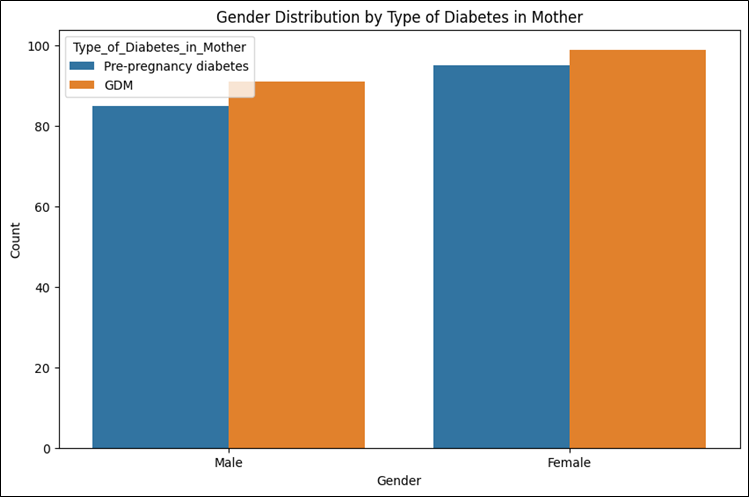
Figure 1: Gender Distribution by Type of Diabetes
Figure 2 compares the mode of delivery with newborn status. While the data suggest that cesarean sections were more commonly associated with alive newborns, this difference was not statistically significant.
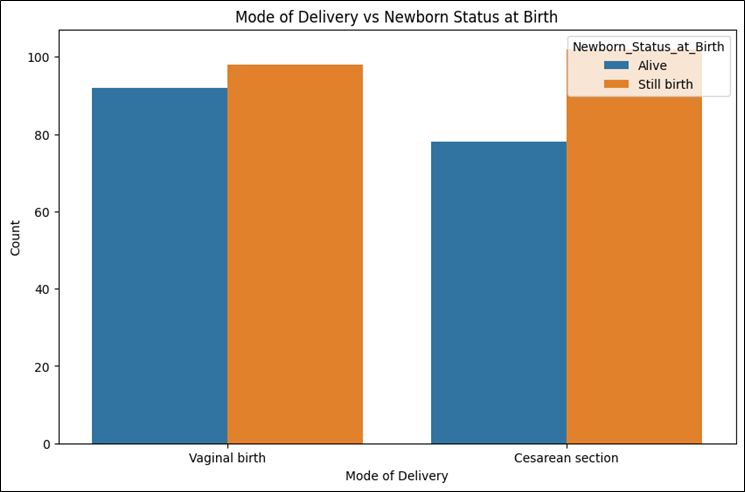
Figure 2: Mode of Delivery vs Newborn Status at Birth
DISCUSSION :
This study aimed to evaluate the outcomes and morbidities among IDMs delivered at CDA Hospital in Islamabad. The results demonstrated that neonatal hypoglycemia (27.3%) was the most common morbidity observed in this population, followed by neonatal jaundice (17.6%) and macrosomia (12.4%). In total, 45 (12.2%) infants experienced infant mortality, which is a notable concern in the context of maternal diabetes. The Chi-Square tests revealed no significant associations between maternal diabetes type (pre-pregnancy or gestational diabetes) and neonatal hypoglycemia, or between delivery mode and newborn survival, suggesting that factors beyond these variables may influence neonatal outcomes. The descriptive statistics also provided valuable insights into maternal and neonatal demographics, such as the mean birth weight (3.3±0.5 kg) and gestational age (38.6±1.2 weeks), further establishing the health profile of the study population.
This study provides novel insights into the morbidity and mortality patterns among IDMs in Islamabad, Pakistan. While similar studies have been conducted globally, such as those by Bhatta and Aneja (2022) in Nepal and Radwan et al. (2021) in Libya, this research stands out as it focuses specifically on a local Pakistani context [1],[6]. The findings reflect the unique demographic and healthcare challenges faced by the population in Islamabad, contributing valuable information to the understanding of how maternal diabetes affects neonatal outcomes in this region.
A study by Khattak et al. (2021) demonstrated a higher prevalence of macrosomia and stillbirths among GDM mothers in Pakistan, mirroring the findings in the current study where neonatal morbidity was high [13]. However, the lack of significant associations between maternal diabetes type and neonatal outcomes in this study contrasts with findings from international research, such as those [14], who reported a strong link between maternal diabetes and congenital heart defects in neonates.
Globally, the association between maternal diabetes and neonatal morbidities has been well established. Studies from the United States and Europe, such as those [14], highlight the increased risk of congenital heart defects and respiratory complications in IDMs. Similarly, in the present study, respiratory distress syndrome (RDS) was observed in 6.2% of the neonates, a figure comparable to international reports that show RDS in approximately 10–20% of IDMs [2].
This study found no significant association between delivery mode (vaginal or cesarean) and newborn survival, which contrasts with some studies in Western populations where cesarean deliveries are linked to better survival outcomes for IDMs [15]. However, a study from Pakistan by Khan et al. (2025) reported a higher incidence of birth defects, including CHDs, in IDMs, aligning with the findings from this research where a considerable portion of the neonates had congenital anomalies [11].
The findings from this study are particularly relevant in the local Pakistani context, where the incidence of diabetes during pregnancy is on the rise. Research by Hanif (2024) and Radwan et al. (2021) has highlighted similar challenges, showing that IDMs often face severe complications such as hypoglycemia, macrosomia, and neonatal jaundice [6][8]. However, this study is one of the few to provide comprehensive data on neonatal outcomes specifically in Islamabad, thus filling a gap in the local literature.
Given the limited number of studies conducted within Pakistan on IDMs [8][13], this research represents a critical contribution to understanding the health risks associated with maternal diabetes and provides a baseline for improving clinical practices and interventions.
LIMITATIONS OF THE STUDY
This study offers valuable insights, but we must acknowledge several limitations. First, the use of a non-probability consecutive sampling technique limits the generalizability of the results to the broader population. Additionally, the study only included term infants and did not assess the long-term health outcomes of IDMs beyond the neonatal period. Another limitation is the lack of data on maternal glycemic control throughout pregnancy, which may have influenced the outcomes. Moreover, as the study was conducted in a single hospital in Islamabad, the findings may not reflect the experiences of other regions in Pakistan or rural areas, where access to healthcare might differ.
Future Directions
Future studies should aim to include a larger and more diverse sample, ideally from multiple hospitals across Pakistan, to allow for more generalizable findings. Longitudinal studies examining the long-term health of IDMs, including developmental milestones and the occurrence of chronic conditions such as type 2 diabetes, would provide a more comprehensive understanding of the impacts of maternal diabetes. Additionally, exploring the role of maternal glycemic control, antenatal care, and postnatal interventions in reducing neonatal morbidities would be valuable.
The results of this study emphasize the necessity of timely diagnosis and management of diabetes during pregnancy to mitigate neonatal morbidities. Healthcare providers should focus on monitoring blood glucose levels and providing early interventions to prevent complications like neonatal hypoglycemia and macrosomia. Given the high incidence of neonatal jaundice and respiratory distress in IDMs, neonatal care teams should be prepared for immediate postnatal management, including appropriate monitoring and intervention strategies.
Furthermore, there is a need for public health initiatives aimed at raising awareness about the risks associated with diabetes during pregnancy and the importance of early detection and management. Policies encouraging routine screening for gestational diabetes and pre-pregnancy diabetes management could significantly reduce the burden of these complications on both mothers and infants in Pakistan.
CONCLUSION:
In conclusion, this study provides valuable insights into the outcomes and morbidities among IDMs in Islamabad, highlighting key neonatal complications such as hypoglycemia, jaundice, and macrosomia. The results emphasise the significant impact of maternal diabetes on neonatal health, though no strong associations were found between maternal diabetes type or delivery mode and neonatal survival. The study's findings underline the importance of effective management of diabetes during pregnancy to reduce neonatal complications and improve infant outcomes. Given the limitations of the study, including its single-centre design and non-probability sampling, future research should involve larger, multicenter, prospective studies to validate these findings and further explore the long-term effects of maternal diabetes on infant health. Enhanced prenatal care, routine diabetes screening, and early intervention strategies could potentially reduce the morbidity and mortality associated with diabetes in pregnancy.
REFERENCES:
1. Bhatta M, Aneja V. Morbidities and its Immediate Outcome in Newborns Born Through Mothers with Gestational Diabetes Mellitus. Nepal J Heal Sci Edition. 2022;2(1):72–9. 10.3126/njhs.v2i1.47168
2. Almhanna MGH, Easa ZO, Alatwani SHA. Morbidity and mortality among infants of diabetic mothers admitted to a neonatal care unit in Karbala pediatric teaching hospital. J Med Life Edition. 2022;15(8):994–9. 10.25122/jml-2022-0073
3. Varlas V, Ciocarlan M, Bohiltea RE, Dima V. Maternal diabetes and neonatal outcome. Rom J Pediatr Edition. 2021;70(4):241–6. 10.37897/RJP.2021.4.8
4. Zhang CH, Zhang PL. Adverse perinatal outcomes complicated with gestational diabetes mellitus in preterm mothers and preterm infants. Exp Ther Med Edition. 2023;26(3):425. 10.3892/etm.2023.12124
5. Muntean M, Prelipcean I, Racean MA, Cucerea M, Fagarasan A, David CT, et al. Optimally Controlled Diabetes and Its Influence on Neonatal Outcomes at a Level II Center: A Study on Infants Born to Diabetic Mothers. Med Edition. 2023;59(10). 10.3390/medicina59101768
6. Radwan MA, El Mansori NA, Elfergani MA, Halies FR, Lawgali MA. Neonatal Morbidity Pattern among Infants Born to Diabetic Mothers at Jamhouria Hospital, Benghazi- Libya. Asian J Pediatr Res Edition. 2021;38–55. 10.9734/ajpr/2021/v7i430222
7. Suda-Całus M, Dąbrowska K, Gulczyńska E. Infant of a diabetic mother: clinical presentation, diagnosis and treatment. Pediatr Endocrinol Diabetes Metab Edition. 2024;30(1):36–41. 10.5114/pedm.2024.137891
8. Hanif M. Feto Maternal Outcome in Diabetic Mother and Its Association With Neonatal Mortality: a Study of Tertiary Hospital of Peshawar, Kpk Pakistan. J Popul Ther Clin Pharmacol Edition. 2024;866–73. 10.53555/jptcp.v31i7.7151
9. Avdan A, Seyhun Türkoğlu G, Altınışık İ, Sarı FN, Çetin İİ, Alyamac Dizdar E. Neonatal Outcomes in Different Maternal Diabetes Types: Experience from a Tertiary Care Unit. Turkish J Pediatr Dis Edition. 2024 Jul 22;18(4):240–6. 10.12956/tchd.1445074
10. Rekani H, Raouf N. Macrosomic Infants of Diabetic and Non-diabetic Pregnant Women. J Pediatr Perinatol Child Heal Edition. 2021;05(02). 10.26502/jppch.74050068
11. Hussain S, Zeeshan, Ishaq S, Zulqurnain H, Arshad B, Shahid H. Neonatal Complications in Infants born to Diabetic Mothers. Pakistan Armed Forces Med J Edition. 2025 Jul 31;75(SUPPL-5):735–8. 10.51253/pafmj.v75iSUPPL-5.8995
12. Ahmeda YAER, Ahmeda HAE, Mohamed A, Aladawya, Ahmeda HRI. Congenital Anomalies in Infants of Diabetic Mothers, a Retrospective Study in Sohag Teaching Hospital. Al-Azhar J Pediatr Edition. 2022;25(2):2709–28. 10.21608/azjp.2022.259317
13. Khattak S, Shah A, Imran A, Khattak M, Mansoor K, Memon A. Outcomes of Gestational Diabetes Mellitus in Pakistani Mothers: An Experience of a Tertiary Care Hospital. J Bahria Univ Med Dent Coll Edition. 2021 Oct 12;11(4):174–8. 10.51985/jbumdc2021050
14. Aziz A, Annamalai T, Ahmed M. S. Morbidity and mortality of infant of diabetic mothers. Int J Contemp Pediatr Edition. 2018 Jun 22;5(4):1419. 10.18203/2349-3291.ijcp20182539
15. Vemuri S, Vannala R. A prospective comparative study of metabolic and haematological profile of infants born to mothers with pregestational and gestational diabetes mellitus. Int J Contemp Pediatr Edition. 2022 Aug 24;9(9):817. 10.18203/2349-3291.ijcp20222119.