Frequency of Hypokalemia in Children with Acute Diarrhea Presenting at Tertiary Care Hospital
- Muhammad Fayyaz , Post Graduate Resident, King Abdullah Teaching Hospital, Mansehra, Pakistan.
- Sami UL Haq , Professor of Paediatrics, Bannu Medical College Bannu / MTI KGN, Bannu, Paksitan.
- Meshkat Ali Shah , Assistant Professor, Department of Pediatrics, MTI Bannu, Paksitan.
- Muhammad Saleem , District Children Specialist, DHQ Karak, Paksitan.
- Qazi Yousaf Ali , Trainee Medical Officer, Paeds A Ward, MTI, Hayatabad Medical Complex, Peshawar, Paksitan.
- Sardar Alam , Post Graduate Resident, King Abdullah Teaching Hospital, Mansehra, Paksitan.
Article Information:
Abstract:
Objective: To determine the frequency of hypokalemia in children with acute diarrhea presenting at tertiary care hospital. Study Design: Descriptive, cross sectional study. Place and Duration of Study: Department of Pediatric Medicine, Bannu Medical College/Khalifa Gul Nawaz Teaching Hospital, Bannu from March 2025 to May 2025. Methodology: Total 139 patients between the ages of 1 and 15 who presented with acute diarrhea were included, regardless of gender. Children with congenital adrenal hyperplasia and celiac disease, as well as those with additional systemic conditions such renal (urea >20 mg/l, creatinine > 1.3 mg/dl), gastrointestinal, and metabolic disorders were excluded. Every patient had a 2 ml venous blood sample taken in order to measure serum potassium levels, and the researcher recorded hypokalemia (serum potassium level is less than 3.5 mEq/L at the time of presentation). The chosen patients were thereafter received treatment in accordance with ward policy. Results: The study's participants ranged in age from 1 to 15, with a mean age of 2.99 ± 2.17 years. 130 patients, or 93.53% of the total, were between the ages of 1 and 7 years. With a male to female ratio of 1.8:1, 89 (64.03%) of the 139 patients were men and 50 (35.97%) were women. Mean duration of diarrhea was 7.76 ± 2.86 days. Mean weight was 11.64 ± 2.55 kg. 36 (33.09%) of the children with acute diarrhea in our study had hypokalemia. Conclusion: This study concluded that the hypokalemia in children admitted with acute diarrhea is quite high.
Keywords:
Article :
INTRODUCTION:
Worldwide, acute diarrhea is a prevalent pediatric ailment that frequently manifests as electrolyte abnormalities (1). If treatment is not received, these abnormalities in youngsters can worsen quickly and cause serious problems. For efficient treatment and the avoidance of negative consequences, it is essential to comprehend the dynamics of hyponatremia and hypokalemia in the setting of severe diarrhea (2). Hypernatremia, hyponatremia, and hypokalemia are three electrolyte abnormalities that are frequently seen (3). Acute renal failure and hypotension are two symptoms of hyperchloremic metabolic acidosis, which is also present in secretory diarrhea. Hypoperfusion of the tissues can lead to the development of lactic acidosis (4).
Sodium (Na) and potassium (K) abnormalities are the most prevalent electrolyte abnormalities found in malnourished children (5). Due to inadequate muscle mass and limited food, all malnourished children have lower total body potassium levels. Most children with malnutrition have lower serum sodium levels, which conceal sodium overload brought on by sodium retention. It is well recognized that diarrhea exacerbates these anomalies in children who are malnourished (6). As a result, mortality and morbidity can be considerably decreased in patients with diarrhea if hyponatremia and hypokalemia are treated promptly (7). In one study (8), 30.77% of children with severe diarrhea had hypokalemia. According to a different study (9), 31% of kids who have severe diarrhea also have hypokalemia. 40% of children with acute diarrhea had hypokalemia, according to Nasrin L et al (10). Bakolia SK et al.11 found a lower rate of hypokalemia in children with acute diarrhea (10%). Because prior research has produced inconsistent findings and it is a prevalent source of morbidity and mortality in Pakistan. My justification is to draw attention to the hypokalemia that results from this straightforward issue, which kills young children. In children with acute diarrhea, prevention is essential to reducing the burden of hyponatremia and hypokalemia. It is possible to lower the prevalence of diarrheal infections by highlighting the significance of good hygiene, safe food and water practices, and prompt vaccination. Additionally, avoiding electrolyte imbalances and the problems they cause requires early symptom detection, timely rehydration, and proper electrolyte supplements.
METHODOLOGY:
From March 2025 to May 2025, the Department of Pediatric Medicine at Bannu Medical College/Khalifa Gul Nawaz Teaching Hospital in Bannu conducted this descriptive cross-sectional study. After being approved by the institutional ethical review committee, 139 patients who satisfied the inclusion criteria were selected via non-probability sequential sampling. The parents or legal guardian of each patient were asked for their informed consent. With a 95% confidence level, 5% margin of error, and an expected percentage of hypokalemia in children with severe diarrhea of 10.0%, the WHO calculator was used to determine the sample size of 139 cases. Regardless of gender, all patients between the ages of 1 and 15 years who presented with acute diarrhea (According to history, this condition is characterized by more than three loose stools each day for less than 14 days) were included. Children with congenital adrenal hyperplasia and celiac disease, as well as those with additional systemic conditions such renal (urea >20 mg/l, creatinine > 1.3 mg/dl), gastrointestinal, and metabolic disorders were excluded.
We recorded the child's weight, age, gender, length of diarrhea, and urban/rural residence. Every patient had a 2 ml venous blood sample taken in order to measure serum potassium levels, and the researcher recorded hypokalemia (serum potassium level is less than 3.5 mEq/L at the time of presentation). The chosen patients were thereafter received treatment in accordance with ward policy. All of this information was documented on a proforma that has been particularly created.
Software called SPSS version 25.0 was used to examine the data that has been gathered. The data's normality was examined using the Shapiro-Wilk test. Serum potassium levels, weight, age, and diarrhea length were all displayed as mean and SD or median (IQR). The frequency and proportion of gender, residence (rural versus urban), and presence or absence of hypokalemia were displayed. Age, gender, weight, length of diarrhea, and place of residence (rural vs. urban) were all stratified. To determine their impact on the frequency of hypokalemia, post-stratification chi square was used, and a p-value of less than 0.05 was regarded as significant.
RESULTS:
The study's participants ranged in age from 1 to 15, with a mean age of 2.99 ± 2.17 years. 130 patients, or 93.53% of the total, were between the ages of 1 and 7 years. With a male to female ratio of 1.8:1, 89 (64.03%) of the 139 patients were men and 50 (35.97%) were women. Mean duration of diarrhea was 7.76 ± 2.86 days. Mean weight was 11.64 ± 2.55 kg. Table I displays the distribution of patients with additional confounding variables.
Table 1. Distribution of patients with other confounding variables (n=139)
|
Confounding variables |
|
Frequency |
%age |
|
Age (years) |
1-7 |
130 |
93.53 |
|
8-15 |
09 |
6.47 |
|
|
Gender |
Male |
89 |
64.03 |
|
Female |
50 |
35.97 |
|
|
Duration (days) |
≤7 |
59 |
42.45 |
|
8-14 |
80 |
57.55 |
|
|
Weight (kg) |
≤10 |
43 |
30.94 |
|
>10 |
96 |
69.06 |
|
|
Place of residence |
Rural |
71 |
51.08 |
|
Urban |
68 |
48.92 |
36 (33.09%) of the children with acute diarrhea in our study had hypokalemia (Figure I).
Figure 1. Frequency of hypokalemia in children with acute diarrhea presenting at tertiary care hospital (n=139).
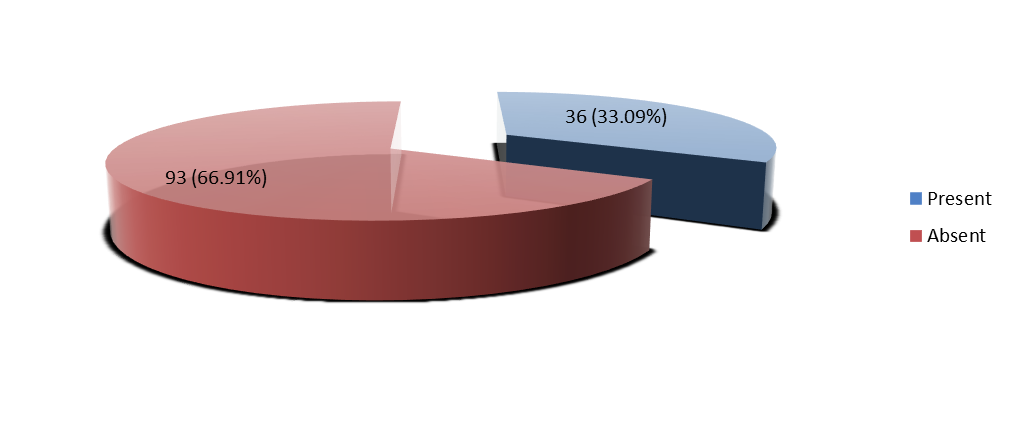
Table II displays the stratification of hypokalemia with respect to age, gender, weight, length of diarrhea, and place of residence.
Table 2. Stratification of hypokalemia with respect to age, gender, weight, length of diarrhea, and place of residence.
|
|
Yes (n=36) |
No (n=93) |
P-value |
|
|
Age (years) |
1-7 |
42 (32.31%) |
88 (67.69%) |
0.454 |
|
8-15 |
04 (44.44%) |
05 (55.56%) |
||
|
Gender |
Male |
31 (34.83%) |
58 (65.17%) |
0.561 |
|
Female |
15 (30.0%) |
35 (70.0%) |
||
|
Duration (days) |
≤7 |
19 (32.20%) |
40 (67.80%) |
0.848 |
|
8-14 |
27 (33.75%) |
53 (66.25%) |
||
|
Weight (kg) |
≤10 |
15 (34.88%) |
28 (65.12%) |
0.764 |
|
>10 |
31 (32.29%) |
65 (67.71%) |
||
|
Place of residence |
Rural |
19 (26.76%) |
52 (73.24%) |
0.105 |
|
Urban |
27 (39.71%) |
41 (60.29%) |
||
DISCUSSION:
Around 5% to 20% of the world's population suffers from acute diarrhea each year, the condition is highly prevalent worldwide. Every year, acute diarrhea results in over 5-8 million fatalities (12). The primary cause of protein-calorie malnutrition in underdeveloped nations is acute diarrhea. Acute diarrhea causes enormous financial losses in affluent nations like the US, involving 250,000 hospital admissions and over 8 million doctor visits annually. Four to six million people die each year from acute diarrheal illnesses, which are a major source of morbidity and mortality in Asia, Africa, and Latin America. Dehydration, electrolyte imbalances, and their related consequences are the main causes of death from acute diarrhea (13).
In order to ascertain the prevalence of hyponatremia and hypokalemia in children admitted with acute gastroenteritis, I have carried out this investigation. Participants in the study were between the ages of 1 and 15, with an average age of 2.99 ± 2.17 years. The age range of the 130 patients, or 93.53% of the total, was 1–7 years old. Of the 139 patients, 50 (35.97%) were women and 89 (64.03%) were men, resulting in a male to female ratio of 1.8:1. Hypokalemia was present in 36 (33.09%) of the children in our research who had acute diarrhea. In one study8, hypokalemia was present in 30.77% of children who had severe diarrhea. Another study9 found that 40% of children with acute diarrhea had hypokalemia, and 31% of children with severe diarrhea also had hypokalemia (Nasrin L et al.10 Children with acute diarrhea had a lower rate of hypokalemia (10%), according to Bakolia SK et al (11).
Hypokalemia was the most prevalent electrolyte imbalance in another study, affecting 43.7% of participants. Bicarbonate and potassium are lost as a result. Additionally, the author discovered that 1.2% of patients had both hyperkalemia and hyponatremia. Because hypovolemic dehydration impairs renal function, it might be the result of ischemia alterations in renal tissue (14). According to Adbia A et al.'s research, 15.8% of children with severe diarrhea have hypokalemia (15).
Hyponatraemia (56%) and hypokalaemia (46%) were reported in a study (16). The prevalence of hyponatraemia and hypokaelemia was found to be 27.8% and 47.5%, respectively, in another Bangladeshi investigation (17). The current study's observed frequency of 29.68% was lower than the 46.0% reported from Nepal but marginally higher than the 27.5% recorded from Zimbabwe.18 These many studies' high hypokalemia percentages indicated that children with severe diarrhea frequently have hypokalemia. Numerous organs are affected by hypokalemia, but the cardiovascular, neurological, muscular, and renal systems are the most commonly affected. Muscle paralysis can happen in cases of severe potassium shortage (18). The average age of the sample in a Peshawar19 study was 12.6 + 6.5 months, with 45.8% of the sample being female and 54.2% being male. The majority of children, or 39.9%, were in the 8–16-month age range. In our sample, the average duration of diarrhea was 19.4 + 3.9 days, with 81% of cases occurring between >14 and 21 days and 19% occurring after 21 days. Serum potassium tests revealed that 28.6% of the kids had hypokalemia (19). The prevalence of hypokalemia was greater, according to Zaman et al (20). In 39%, 26%, and 2% of the cases, they discovered mild, moderate, and severe hypokalemia, respectively. Compared to relatively healthy children, malnourished children had a noticeably greater level of hypokalemia. Ninety patients with diarrhea and malnutrition were identified in another study (21). The average duration of diarrhea was 4.67±0.821 days, and the average age of the patients was 3.28±1.2 years. 32 (35.5%) of the patients were female, and 58 (64.4%) were male. Of the patients, 28 (31.1%) had hyponatremia, 55 (61.1%) had hypokalemia, and 12 (13.3%) had hypocalcemia.22 However, 62.5% of patients with diarrhea and malnutrition had hypokalemia, according to a research by Yasmeen Memon et al (22).
75 out of 100 individuals in a research by Nagpal D had low potassium and salt serum levels.23 According to Hassan M et al (24), electrolyte abnormalities were seen in 28% of patients of acute gastroenteritis. Bamgbola OF et al (25) discovered that 46% of patients who presented with dehydration and diarrhea had hypokalemia and 80% had electrolyte abnormalities. Numerous organs are affected by hypokalemia, but the cardiovascular, neurological, muscular, and renal systems are the most commonly affected. In cases of severe potassium deficiency, muscle paralysis may occur. Acute diarrhea-induced paralysis caused by hypokalemia was reported by Hassan M et al. in their case series (26) Hypokalemia in malnourished children may be asymptomatic, but during diarrheal illness, it manifests clinically as cardiac arrhythmia, respiratory distress, hypotonia, abdominal distension, and paralytic ileus (26).
CONCLUSION:
According to the study's findings, children who are admitted with severe diarrhea have a relatively high rate of hypokalemia. When children are admitted with acute diarrhea, electrolyte imbalances continue to be important predictors of morbidity and mortality. We advise that children admitted with acute diarrhea will fare better if electrolyte imbalances are promptly identified through routine monitoring and appropriately corrected.
REFERENCES:
1. Adiba AF, Soedarmo SM, Sulistiawati S, Athiyyah AF. Acute diarrhea patients among children under five hospitalized in a tertiary hospital in East Java, Indonesia. Folia Medica Indonesiana. 2022;58(1):33–8.
2. Lin J, Zhang Y, Chen M. The association between variability in electrolytes and the in-hospital mortality in critically Ill children in pediatric intensive care units. Front Pediatr. 2021;9:692894.
3. Yen CW, Yu MC, Lee J. Serum electrolyte abnormalities in pediatric patients presenting to an emergency department with various diseases: age-related differences. Pediatr Neonatol. 2022;63(6):575–81.
4. Javed S, Roshan E, Javed N, Aftab M, Mateen M, Imran M. Frequency of electrolytes imbalance in children with acute watery diarhhea. Res Med Sci Rev. 2024;2(3):1890-6.
5. Ezuruike EO, Ibeneme CA, Uwaezuoke SN. Dyselectrolytemia in under-five children with acute diarrhoea-induced dehydration: a cross-sectional study in a South-East Nigerian hospital. Int J Contemp Pediatr. 2022;9:1006-15.
6. Rehana N, Langah A, Jamali AA, Siyal H, Jamali AN, Memon FR, et al. Acute diarrhea: risk factors and electrolytes disturbances in children of age 2 months to 5 years. J Pharma Res Int. 2022;34(30B):34-41.
7. Riaz L, Hussain MK, Javed M, Tariq A, Iqbal S, Faryad N. Challenges and complications associated with sodium, potassium imbalances and preventive measures in children under-five with acute gastroenteritis. Pak Armed Forces Med J 2022; 72 (Suppl-1): S64-67.
8. Arif M, Afridi AS, Ali F, Banuri SA, Salman M, Khan M. Frequency of hyponatremia and hypokalemia in children with acute diarrhea. Pak J Med Health Sci. 2021;15(9):2565-7.
9. Ahmad I, Khaliq A, Azmat A, Shah SMA. Frequency of hypokalemia in children with persistent diarrhea: a cross-sectional descriptive study at khyber teaching hospital, peshawar. J Population Therap Clin Pharmacol. 2021;28(2):323-9.
10. Nasrin L, Islam S, Islam MB, Anisuzzaman S, Anam AZMK, Ibrahim F. Frequency of hyponatremia & hypokalemia in children under 5 years with acute diarrhoea. Saudi J Med Pharm Sci. 2024;10(6):340-3.
11. Bakolia SK, Verma GK, Barolia DK. The frequency of hyponatremia and hypokalemia in malnourished children with acute diarrhea. Int J Med Biomed Studies. 2021;5(9):157-9.
12. Putri DNA, Ongo MRD, Adriany S. Acute diarrhoea with severe dehydration and complications in a 1-year-old child: a case report in a hospital with low resource setting. Int J Res Med Sci 2023;11:4526-30.
13. Ningsi SW, Salmah U, Noor N, Maidin A. Risk Factors of the Occurrence of Diarrhea in Children Under Five Years Old In Indonesia (Riskesdas 2013 and 2018 Data Analysis). Indian J Public Heal Res Dev. 2022;13:385-94.
14. Thobari J, Sutarman, Mulyadi AWE, Watts E, Carvalho N, Debellut F, et al. Direct and indirect costs of acute diarrhea in children under five years of age in Indonesia: Health facilities and community survey. Lancet Reg Health West Pac. 2021;19:100333.
15. Adbia A, Soedarmo S, Sulistiawati S. Acute diarrhea patients among children under five hospitalized in a tertiary hospital in East Java, Indonesia. Angew Chemie Int Ed. 2022;6(11):951-2.
16. Viegelmann GC, Dorji J, Guo X, Lim HY. Approach to diarrhoeal disorders in children. Singapore Med J. 2021;62(12):623-9.
17. Zaki SA, Shanbag P. Metabolic Acidosis in Children: A Literature Review. Eur Med J. 2023;8.
18. Gupta S, Sankar J. Advances in Shock Management and Fluid Resuscitation in Children. Indian J Pediatr. 2023;90(3):280-8.
19. Karim R, Afridi JK, Zaman A, Zada U, Younas M. To determine the frequency of hypokalemia in children with persistent diarrhoea. KJMS 2015;8:418-23.
20. Singhi S, Prasad SVSS, Chug KS. Hyponatremia in sick children, a marker of serious illness. Indian Pediatr 1994;31: 19-24.
21. Zulqarnain A, Jaffar Z, Iqbal I. Malnourished children with diarrhea; to assess the frequency of serum electrolytes (Na+, K+ & Ca+) disturbances. Professional Med J 2015;22(5):610-614.
22. Memon Y, Majeed R, Ghani MH, Shaikh S. Serum electrolytes changes in malnourished children with diarrhoea. Pak J Med Sci 2007;23(5):760-4.
23. Nagpal D, Shah GS, Kafle S, et al. Electrolyte disturbances in children admitted at pediatric intensive care unit in BP Koirala institute of health sciences: A cross-sectional observational study. J Pediatr Neonatal Care. 2025;15(1):1-5.
24. Hassan M, Khan M, Roy S, et al. Electrolyte imbalance in hospitalized children with infections - a tertiary care experience. North Int Med College J. 2024;13(1–2):588–93.
25. Bamgbola OF. Review of pathophysiologic and clinical aspects of hypokalemia in children and young adults: an update. Curr Treatment Options Pediatr. 2022;8:96-114.
26. Hassan M, Khan M, Mukti A, Roy S, Begum M, Ferdous Z, et al. Electrolyte imbalance in hospitalized children with infections - a tertiary care Experience. Northern Int Med Coll J. 2021;13(1-2):588-93.