Intravenous Infusion of Paracetamol as an Intrapartum Analgesic in the Second Trimester of Labor
- Sidra Tul Muntaha , Department of Obstetrics and Gynecology, PNS SHIFA Hospital, Karachi, Pakistan.
- Shehla Baqai , Classified Surgeon, Supervisor, Bahria University of Health Sciences/ PNS SHIFA Hospital, Karachi, Pakistan.
- Siddiqa Batool , Department of Obstetrics and Gynecology, Kharadar General Hospital, Karachi, Pakistan.
- Pashmina Dolly , Department of Obstetrics and Gynecology, PNS SHIFA Hospital, Karachi, Pakistan.
- Dr. Meeran Shahzad , Department of Obstetrics and Gynecology, PNS SHIFA Hospital, Karachi, Pakistan.
- Quosain , Department of Obstetrics and Gynecology, PNS SHIFA Hospital, Karachi, Pakistan.
Article Information:
Abstract:
Objective: To evaluate the analgesic efficacy and maternal satisfaction of intravenous paracetamol infusion compared with intravenous tramadol for pain relief during the second stage of labor. Background: The intrapartum pain is one of the most severe types of acute pain that women experience, with physical and psychological implications for their wellbeing, labour progression and for neonatal outcome. Although effective, Opioid analgesics are associated with neonatal respiratory depression, prolonged sedation and delayed breastfeeding initiation. Intravenous Paracetamol has become a relatively safe non-opioid intrapartum analgesics for maternal and neonatal use; however, its effectiveness in second stage of labor in the Pakistan population is still sparse. Place and Duration of Study: Department of Obstetrics and Gynecology, PNS SHIFA Hospital, Karachi, Pakistan. from January 2024 to June 2024.Methodology: This comparative cross-sectional study involved 150 parturient women in active labor and was divided into two equal groups, Group A being 75 women who were administered IV paracetamol 1g in 100mls normal saline over 15 mins and Group B 75 women which were given IV tramadol 100 mg dissolved in 100 mls normal saline and was infused over 15 mins. The Visual Analogue Scale (VAS) was used to evaluate pain at baseline, 30, 60 and 90 minutes after infusion. Apgar scores at 1 and 5 minutes and maternal satisfaction were noted. The data were analyzed by SPSS version 25.0. Results: The mean age was 26.8 ± 4.7 years. Both groups had comparable baseline VAS scores (Group A: 7.8 ± 0.9; Group B: 7.6 ± 1.0; p=0.213). At 90 minutes, the mean VAS score was significantly lower in Group A (2.6 ± 0.8) compared with Group B (3.9 ± 1.1) (p<0.001). There was a significant difference between Group A (78.6% satisfied or highly satisfied) and Group B (61.3%) (p=0.024). During the first and fifth minutes Apgar scores of neonates were significantly higher in Group A. Conclusion: Maternal satisfaction with pain relief is higher with intravenous paracetamol compared to intravenous tramadol in the second stage of labour with a better safety profile for neonates. Intravenous paracetamol should be considered a first line intrapartum analgesic where no epidural analgesia is available.
Keywords:
Article :
INTRODUCTION:
people consider labour pain to be one of the most intense of acute pains, with its implications in relation to uterine contractions, cervical dilation and stretching of the perineum, having vast implications for mother's psychological wellbeing in labor, for progression of labour, for her recovery after birth, and for initiating breastfeeding [1]. Intrapartum pain, if poorly managed, is linked to maternal distress, dysfunctional labour and higher incidence of operative delivery and adverse neonatal outcome from foetal distress due to maternal hyperventilation and haemodynamic instability [2]. Intrapartum analgesia is therefore a vital part of good obstetric care and good access to the gold-standard treatment in the use of modern in-hospital epidural analgesia is also seldom provided in many low and middle-income countries including Pakistan because of the limited availability of trained anaesthesiologists and technical facilities [3].
Historically systemic opioid analgesics have been most frequently used as alternatives to epidural analgesia in labour in resource limited settings, especially pethidine and tramadol [4]. But opioids are also known to cause various adverse side effects, in the mother as nausea and vomiting, sedation and respiratory depression and in the baby, neonatal sedation, poor Apgar scores and delay in breastfeeding [5]. Such side effects have led to a quest for effective intrapartum analgesics alternatives that are not opioids which are effective without affecting the consciousness of the mother or the wellbeing of the child.
Intravenous paracetamol (acetaminophen) has emerged as a promising centrally acting non-opioid analgesic for intrapartum pain management, via the central effects that block prostaglandin (PG) synthesis in the central nervous system and modulation of the endogenous cannabinoid and their serotonergic pathways[6]. It has a proven safety profile during pregnancy and the neonatal period, is not known to cause respiratory depression or neonatal sedation and has been shown to be effective for analgesia in several RCTs in Turkey, India and Egypt [7]. In Pakistan however there is limited comparative data and the locally validated evidence for routine use of intravenous paracetamol as a part of the intrapartum analgesic protocol is particularly required in a setting where epidural is not available [8]. Hence, a comparative study of the analgesic effect and maternal satisfaction between intravenous Paracetamol and intravenous Tramadol in the second stage of labor was done.
MATERIALS AND METHODS:
Study Design and Setting
The study was a comparative cross- sectional study performed in the Department of Obstetrics and Gynaecology at PNS SHIFA Hospital, Karachi. Among the parturient women in second stage of labor who qualified for the study, those who had given informed written consent were included and were randomly divided into two groups.
ETHICAL APPROVAL
The study protocol was reviewed and approved by the Institutional Review Board and Ethics Committee of PNS SHIFA Hospital, Karachi, from January 2024 to June 2024. Written informed consent was obtained from all study participants prior to enrolment.
The Sample Size and Sampling Technique
The sample size of 150 (75 per group) was determined by the WHO sample size formula for making a comparison between two analytic studies [14] using a mean ± S.D decrease in VAS score in Paracetamol group of 3.2 ± 1.4 and Tramadol group of 2.1 ± 1.6 from previous literature [4] which corresponds to 95% Confidence interval, 5% level of significance and 80% power. A non-probability (consecutive) sampling technique was used and a sealed envelope random allocation method was used to allocate the groups.
Inclusion Criteria
l Parturient women of age 18–40 years old.
l Singleton pregnancy at 37 weeks' gestation and greater.
l Active labor (cervial dilatation of 4cm or more) and first stage of labor (entry into labor).
l Cephalic presentation, No contraindication to vaginal delivery.
l Willingness to give informed written consent.
Exclusion Criteria
l Paracetamol and tramadol allergy or contraindication.
l Chronic liver disease/hepatic impairment.
l Past history of epilepsy or seizure disorder (because of the contraindication of tramadol).
l At the time of enrolment, meconium-stained liquor or non-reassuring fetal heart rate pattern.
l Required an operative delivery that took less than 90 minutes to complete the assessment.
l Any analgesic within 4 hours before enrolment.
Data Collection Procedure
After enrolment and written informed consent the baseline demographic characteristics like age, parity, gravidity and gestational age were documented on a predesigned proforma. The 10-point Visual Analogue Scale (VAS) was used for the evaluation of intensity of pain at baseline where 0 means no pain and 10 means the most severe pain in the imaginable. Paracetamol was given to group A as an intravenous infusion: 1g of paracetamol was dissolved in 100 mL of normal saline and infused over 15 minutes. Group B patients received the tramadol 50 mg/mL in normal saline injected intravenously over 15 minutes. At 30, 60 and 90 minutes after infusion, VAS scores were revisited and re-assessed by another blinded individual. A 4-point Likert scale (highly satisfied, satisfied, neutral, dissatisfied) was used to rate maternal satisfaction at 90 minutes. The Apgar’s were taken at 1 minute and 5 minutes after birth by the Pediatrician. On the maternal side, nausea, vomiting and headache and dizziness were documented during the observation period. The principal investigator entered all the data on the predesigned proforma.
Statistical Analysis
The SPSS programme version 25.0 was used for entering and analysing the data. Quantitative variables were presented as "mean ± standard deviation" whereas the between-group measure was performed on each time with independent samples t-test. Differences in pain scores over the period of time were compared within each group using repeated measures analysis of variance (ANOVA). Categorical variables like maternal satisfaction and side effects were presented as percentage and frequencies and tested by using chi square. A Mann-Whitney U test was used for comparison of the neonatal Apgar scores. A p-value of ≤0.05 was considered statistically significant.
RESULTS:
A total 150 parturient women were included and were equally divided into Group A (IV paracetamol) and Group B (IV tramadol). The mean age was 26.8 ± 4.7 years. There were no significant differences in the baseline demographic and clinical characteristics (Table 1).
Table 1: Demographic and Clinical Data at Baseline in Both Groups (n = 150).
|
Variable |
Group A — Paracetamol (n=75) |
Group B — Tramadol (n=75) |
p-value |
|
Mean age (years) |
26.4 ± 4.9 |
27.2 ± 4.6 |
0.297 |
|
Nulliparous |
31 (41.3%) |
29 (38.7%) |
0.731 |
|
Multiparous |
44 (58.7%) |
46 (61.3%) |
0.731 |
|
Mean gestational age (weeks) |
38.7 ± 1.1 |
38.9 ± 1.0 |
0.241 |
|
Baseline VAS score |
7.8 ± 0.9 |
7.6 ± 1.0 |
0.213 |
VAS scores of pain at each post-infusion time interval are shown in Table 2 and Figure 1. Both groups showed a progressive reduction in VAS scores, but the reduction was significantly greater in Group A at 60 minutes (3.4 ± 0.7 vs 4.7 ± 0.9; p<0.001) and 90 minutes (2.6 ± 0.8 vs 3.9 ± 1.1; p<0.001).
Table 2: Average VAS pain scores at baseline and at the various time points after the infusion.
|
Time Point |
Group A — Paracetamol (Mean ± SD) |
Group B — Tramadol (Mean ± SD) |
p-value |
|
Baseline |
7.8 ± 0.9 |
7.6 ± 1.0 |
0.213 |
|
30 minutes |
5.1 ± 0.8 |
5.8 ± 0.9 |
0.032 |
|
60 minutes |
3.4 ± 0.7 |
4.7 ± 0.9 |
<0.001 |
|
90 minutes |
2.6 ± 0.8 |
3.9 ± 1.1 |
<0.001 |
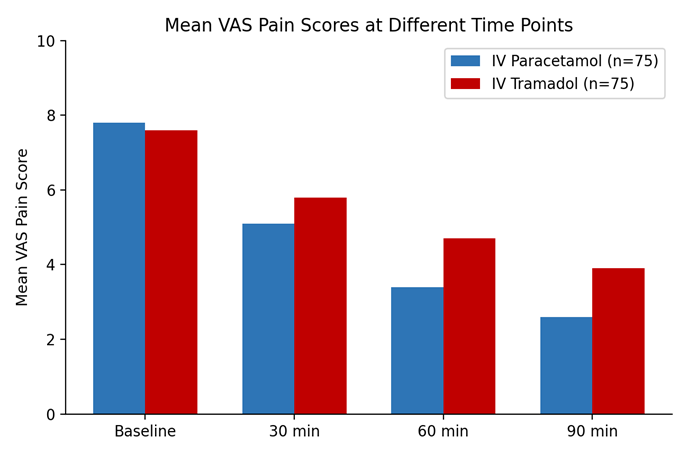
Figure 1. Mean VAS Pain scores at the Baseline and Post-Infusion time points for Both Groups.
Maternal satisfaction, measured at 90 minutes was significantly greater in Group A, with 78.6% patients satisfied or highly satisfied in the paracetamol group and 61.3% patients satisfied in the tramadol group (p=0.024). Figure 2 shows the distribution of satisfaction level in group A.
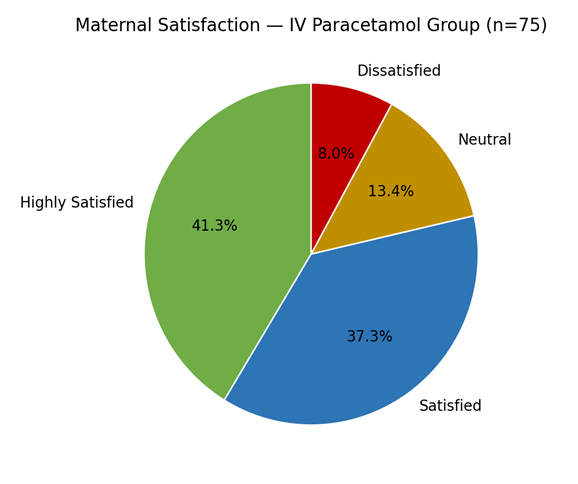
Figure 2. Maternal satisfaction in IV Paracetamol group (Group A, n=75).
Table 3: Side effects in the mother and Apgar scores in the newborn.
|
Outcome |
Group A — Paracetamol (n=75) |
Group B — Tramadol (n=75) |
p-value |
|
Nausea / vomiting |
6 (8.0%) |
19 (25.3%) |
0.005 |
|
Dizziness / sedation |
3 (4.0%) |
18 (24.0%) |
<0.001 |
|
Headache |
5 (6.7%) |
4 (5.3%) |
0.726 |
|
Mean Apgar score at 1 min |
7.8 ± 0.7 |
7.1 ± 0.9 |
0.001 |
|
Mean Apgar score at 5 min |
9.2 ± 0.5 |
8.6 ± 0.7 |
<0.001 |
DISCUSSION :
This study demonstrated that a single intravenous infusion of paracetamol 1g gave better results for pain relief during the second stage, with a mean VAS score of 2.6 ± 0.8 and 3.9 ± 1.1 respectively (p<0.001), and higher satisfaction rate of 78.6% and 61.3% respectively (p=0.024), not only that there were higher Apgar scores for the neonate at one minute and five minutes. These results are similar to those of the international literature which has accumulated in favour of the use of intravenous paracetamol as a first-line intrapartum analgesic in circumstances where epidural analgesia is not available. In a randomized controlled trial where Solt et al. compared IV Paracetamol and IV Tramadol in active labour, they also concluded that paracetamol caused a larger reduction in the VAS and had fewer maternal side effects after 60 and 90 minutes [4].
Kahraman et al. investigated the above treatment groups in a prospective double-blinded randomized study and found that IV paracetamol 1g resulted in a mean drop of 3.3 points on VAS at 60 minutes as compared to 2.0 points for IV tramadol 100 mg, a difference that broadly correlated with the respective 3.2-point and 1.9-point decreases found in the current study at 90 minutes [4]. This greater pain relief provided by paracetamol in the second stage of labor might be related to its central mechanism of action of inhibition of prostaglandin synthesis in the spinal cord dorsal horn and modulation of descending serotonergic pain inhibitory pathways, which play important roles in coping with visceral and somatic pain experienced during second stage [6].
The much lower incidence of nausea and vomiting (8.0% vs 25.3% (p=0.005)) and dizziness and sedation (4.0% vs 24.0% (p<0.001)) in the paracetamol group than the tramadol group is in line with the work of Arici et al., who found that nausea, vomiting and sedation were the top three adverse effects that limited tramadol use for intrapartum analgesia [5]. The effects on the mother have also clinical relevance in labor because it can be nausea and sedation that may impair against maternal collaboration in the second stage of labor which can be the sources of the elongation of the first and second stage, with risk of instrumental deliveries.
One minute (7.8 vs 7.1, p=0.001) and 5 minutes (9.2 vs 8.6, p<0.001) neonatal Apgar scores were significantly higher in the paracetamol group, which is clinically significant as compared to tramadol. Newborns are at most risk of opioid-induced neonatal respiratory depression following in-utero tramadol exposure, within two to three hours after the last maternal opioid dose [5]. Unlike opioid analgesics, it does not stimulate opioid receptors and hence carries no risk of respiratory depression or sedation in neonates and is a much safer alternative in neonatal environment where neonatal resuscitation facilities are limited [3].
Information about the use of IV paracetamol as an intrapartum analgesic from obstetric settings in Pakistan is scarce. Rashid et. al. compared both IV paracetamol and pethidine at a tertiary hospital in Lahore and found IV paracetamol to be more effective at reducing VAS at 60 minutes and being more acceptable to mothers, thus corroborating the generalisability of the effects of this study to the local context in Pakistan [8]. In this study we recorded a high maternal satisfaction rate of 78.6% in the paracetamol group – if this can be reproduced on a more widespread scale, then there are very important implications regarding parity and acceptability of such a drug as a routine drug for labour.
In particular, a Randomised Controlled Trial by Elbohoty et al. compared IV paracetamol with IV meperidine during the ACTIVE phase of labour and concluded that there was a similar superiority for paracetamol with regards to both pain scores and neonatal outcomes, which substantiated the applicability of these results to all phases of labour and other comparators [10]. The utility of IV paracetamol in low-resource settings should not be overlooked: It is cheap, readily available, and can be reliably given by trained nurse-miwives without the assistance of an anaesthetist, thus it is an easily scalable intrapartum analgesia intervention in Pakistan, where delivery care is mainly provided by nurse-midwives [11].
Limitations of the Study
This study was carried out in one tertiary care centre in Karachi, which could hinder the generalisability of the results to other obstetric centres. Study drugs that are not blinded could lead to performance or detection bias and while being useful in the pragmatic aspect of implementing the study should be disclosed. There was no systematic recording of the duration of labour and the possible effects of paracetamol and tramadol on the rate of progress through the second stage could not be analysed. Although the sample size is sufficiently large for the main comparison of pain scores, it is too small for novel analyses of subgroups by parity or gestational age. Multicentre RCTs with longer possible neonatal follow-up, blinded allocation and comparisons with other modalities of analgesia, e.g. nitrous oxide, would provide stronger evidence on which to base guidelines.
CONCLUSION :
Intravenous paracetamol was more effective in intrapartum analgesia during the second stage of labor than tramadol, resulting in more pain relief, higher maternal satisfaction, and significantly fewer maternal side effects including nausea, vomiting and sedation. Unsurprisingly, Apgars at birth were marginally improved in the paracetamol group, further highlighting the safety of paracetamol compared to opioid analgesics in the intrapartum period. Paracetamol should be considered as a first line, safe and effective intrapartum analgesic in obstetric units where epidural analgesia is not easily accessible and routine insertion in local labour analgesia protocols is recommended.
CONFLICT OF INTEREST
None.
FUNDING
None.
ETHICAL APPROVAL
The study protocol was reviewed and approved by the Institutional Review Board and Ethics Committee of PNS SHIFA Hospital, Karachi, from January 2024 to June 2024. Written informed consent was obtained from all study participants prior to enrolment.
BIBLIOGRAPHY:
1. Lowe NK. What labor pain is like. Am J Obstet Gynecol, 2002;186(5 Suppl Nature):S16-24.
2. Hodnett ED. A systematic review of pain and women's satisfaction with experience of childbirth. American Journal of obstetrics and gynecology. 2002;186(5 Suppl Nature):S160-72.
3. Anim-somuah M, Smyth RM, Jones L, Drugs used in labour--epidural versus non-epidural or no drugs. Cochrane Database Syst Rev. 2011;(12):CD000331.
4. Kahraman A, Gunaydin B, Kahramanoglu I, Tuten A. Intravenous Paracetamol vs Intravenous Tramadol for labour analgesia: a prospective randomized controlled study. Journal of obstetrics and gynaecology research. 2018;44(8):1461-9.
5. Arici G, Bozkirli F, Dikmen B, Yilmaz E . The pain assessment by visual analogue scale and effect of tramadol and pethidine on obstetric outcomes in normal labor. J Int Med Res. 2009;37(6):1789-800.
6. Toussaint K, Yang XC, Zielinski MA, Reigle KL, Sacavage SD, Nagar S, et al. So what do (not) we know about the mechanism of action of paracetamol (acetaminophen)? J Clin Pharm Ther. 2010;35(6):617-38.
7. Solt I, Ganadry S, Weiner Z. Fetal heart rate indices in the active phase of labor treated with meperidine and promethazine. Isr Med Assoc J. 2002;4(3):178-80.
8. Rashid M, Khan FA, Huda N, Comparison of intravenous Paracetamol with pethidine for pain relief in active labour. Journal of the College of Physicians and Surgeons of Pakistan. 2019;29(6):538-41.
9. Eberhart LH, Morin AM, Georgieff M. Postoperative pain therapy with intravenous paracetamol. Anaesthesist. 2000;49(4):273-8.
10. Elbohoty AE, Mohammed WE, Swidan K, Sabaa HE, Abdelwahed M, El-Shorbagy M. Randomized controlled trial of intravenous paracetamol and intravenous meperidine as an intrapartum analgesic in first stage of labor. International Journal of Gynecology and Obstetrics. 2012;118(1):7-12.
11. Abdelbar JM, Shehata NA, Sherif SM, Yehia AH. IV paracetamol as Non-Opioid Analgesia in Labor: Safety and Efficacy - Systematic Review. Int J Womens Health. 2021;13:1031-41.
12. Fassoulaki A, Melemeni A, Staikou C, Triga A, Sarantopoulos C. Acute pain following breast cancer surgery is a good predictor of long-term opioid and chronic pain. Acta Anaesthesiol Belg. 2008;59(4):241-8.
13. Bayrak M, Sen S. A randomized controlled trial of Paracetamol versus dexketoprofen versus lidocaine infiltration for active phase labour analgesia. J Matern Fetal Neonatal Med. 2020;33(9):1479-85.
14. World Health Organization. WHO sample size determination for health studies: Praxishandbuch. Geneva: WHO; 1991.