Predictors of Morbidity Following Emergency Pediatric Abdominal Surgery at Tertiary Care Hospital in KPK
- Hazrat Amin , Institutional Medical Officer MTI/ Khyber Teaching Hospital, Peshawar, Pakistan
- Arshad Khan , Institutional Medical Officer MTI/ Khyber Teaching Hospital, Peshawar, Pakistan
- Kaleemullah Jan , Senior Registrar, Swat Medical College and Swat Medical Complex Teaching Hospital, Swat, Pakistan
- Mohammed Uzair , Associates Professor, Paeds Surgery Unit, Khyber Teaching Hospital Peshawar, Pakistan
- Sajjad Ali , Assistant Professor Paediatric Surgery, Khyber Teaching Hospital Peshawar, Pakistan
Article Information:
Abstract:
Emergency abdominal surgery in children is commonly performed in tertiary care hospitals and is often associated with significant postoperative morbidity. Children presenting with abdominal emergencies may develop complications due to delayed presentation, infection, malnutrition, sepsis, or associated medical conditions. Identifying the factors linked with postoperative morbidity can help improve surgical outcomes and reduce complications. Limited local data are available regarding predictors of morbidity following emergency pediatric abdominal surgery in Khyber Pakhtunkhwa (KPK). Materials and Methods: This descriptive cross-sectional study was conducted in the Department of Pediatric Surgery at a tertiary care hospital in KPK over a period of six months from April 2025 to September 2025 after ethical approval. Children aged 1 month to 15 years undergoing emergency abdominal surgery were included in the study using consecutive non-probability sampling. Patients undergoing elective procedures or minor surgeries were excluded. Baseline demographic and clinical data including age, gender, nutritional status, duration of symptoms, diagnosis, type of surgery, operative findings, and postoperative complications were recorded. Patients were followed during hospital stay for postoperative morbidity including surgical site infection, sepsis, respiratory complications, wound dehiscence, prolonged ileus, and mortality. Data were analyzed using SPSS version 25. Results: A total of 120 children underwent emergency abdominal surgery during the study period. The mean age of the patients was 7.4 ± 3.8 years. Postoperative morbidity was observed in a considerable number of patients, with surgical site infection being the most common complication followed by respiratory complications and sepsis. Delayed presentation, malnutrition, perforation peritonitis, prolonged operative time, and preoperative sepsis showed significant association with postoperative morbidity. Conclusion: Postoperative morbidity following emergency pediatric abdominal surgery remains high in children presenting late with severe abdominal pathology. Factors such as delayed presentation, malnutrition, infection, and prolonged surgery significantly increase the risk of complications. Early diagnosis, timely surgical intervention, proper nutritional support, and careful perioperative management may help reduce postoperative morbidity and improve patient outcomes.
Keywords:
Article :
INTRODUCTION:
Emergency abdominal conditions are among the most common surgical problems in children and often require urgent operative management [1,2]. These conditions include appendicitis, intestinal obstruction, perforation peritonitis, intussusception, abdominal trauma, and congenital gastrointestinal anomalies [3]. Delayed diagnosis and treatment of these conditions may lead to serious complications and increased postoperative morbidity [4].
Emergency paediatric abdominal surgery is still a big challenge especially in developing countries where the health care facilities, means of transportation and early referral system may be limited [5]. Children usually present late to the tertiary care hospitals with severe infection, dehydration, electrolyte imbalance, malnutrition or generalized peritonitis [6]. These factors can adversely affect postoperative recovery and increase the risk of complications [7]. Postoperative morbidity refers to complications that occur after the surgery, and can prolong the hospital stay, increase the cost of treatment and affect the overall outcome of the patient [8]. Common postoperative complications in paediatric abdominal surgery include surgical site infection, respiratory complications, sepsis, wound dehiscence, prolonged ileus, intra-abdominal abscess, and electrolyte disturbances [9]. In severe cases, these complications may lead to mortality if not managed properly [10].
Several factors may contribute to postoperative morbidity in children undergoing emergency abdominal surgery. Younger age, delayed presentation, poor nutritional status, preoperative sepsis, anemia, perforation peritonitis, prolonged operative time, and inadequate postoperative care are among the important risk factors reported in previous studies [11,12]. Identification of these predictors is important because it may help surgeons recognize high-risk patients early and improve perioperative management [13].
Appendicitis is one of the most frequent causes of emergency abdominal surgery in children [14]. Delayed treatment of appendicitis may result in perforation, abscess formation, and generalized peritonitis, which greatly increases postoperative complications [15]. Similarly, intestinal obstruction and perforation peritonitis may lead to severe sepsis and fluid imbalance if treatment is delayed [16]. Malnutrition is another important factor affecting surgical outcomes in children [17]. Children with poor nutritional status may have impaired wound healing, weak immune response, and increased susceptibility to postoperative infections [18]. In developing regions, malnutrition remains common and may contribute significantly to postoperative morbidity after emergency surgery [19].
Postoperative complications are also common after pediatric abdominal surgery [20]. Postoperative pain, prolonged anesthesia, sepsis and poor pulmonary care may result in atelectasis, pneumonia or respiratory distress [21]. Careful perioperative monitoring and early mobilization are important to minimize these complications [22]. Surgical site infection is considered as one of the most common causes of postoperative morbidity after abdominal surgery [23]. Emergency procedures in contaminated or perforated cases are at higher risk of infection due to bacterial contamination and tissue inflammation [24]. Proper aseptic measures, timely antibiotics and good postoperative wound care are important for prevention [25]. In recent years, advances in anesthesia, surgical techniques, antibiotics and intensive care management have helped to reduce morbidity and mortality in pediatric surgery [26]. However, postoperative complications remain common in children undergoing emergency abdominal procedures, particularly in low-resource settings.
There is limited local data available regarding predictors of morbidity following emergency pediatric abdominal surgery in Khyber Pakhtunkhwa (KPK). Understanding these risk factors may help improve patient management, reduce complications, and improve surgical outcomes. Therefore, this study was conducted to determine the predictors of morbidity following emergency pediatric abdominal surgery at a tertiary care hospital in KPK.
MATERIALS AND METHODS:
This descriptive cross-sectional study was conducted in the Department of Pediatric Surgery at a tertiary care hospital in Khyber Pakhtunkhwa (KPK) over a period of six months from April 2025 to September 2025 after approval from the institutional ethical review committee. Children undergoing emergency abdominal surgery were included in the study after obtaining written informed consent from parents or guardians.
A total of 120 children aged between 1 month and 15 years were included using consecutive non-probability sampling technique. Both male and female children undergoing emergency abdominal surgery for conditions such as appendicitis, intestinal obstruction, perforation peritonitis, intussusception, abdominal trauma, and congenital gastrointestinal emergencies were included in the study.
Children undergoing elective abdominal procedures, minor surgeries, or patients with incomplete medical records were excluded. Patients with severe congenital anomalies incompatible with life were also not included.
Detailed history and clinical examination were performed before surgery. Baseline information including age, gender, weight, nutritional status, duration of symptoms, diagnosis, preoperative sepsis, laboratory findings and operative details were recorded on a specially designed proforma. All patients underwent emergency abdominal surgery under general anesthesia by experienced pediatric surgeons using standard surgical techniques. Intraoperative findings including perforation, contamination, bowel gangrene, operative duration and type of procedure performed were documented carefully. Postoperative follow-up was carried out during hospital stay to observe morbidity and complications. Postoperative morbidity included surgical site infection, respiratory complications, wound dehiscence, prolonged ileus, intra-abdominal collection, sepsis and mortality. Surgical site infection was diagnosed by redness, discharge, swelling or wound breakdown. Respiratory complications were pneumonia, respiratory distress or need for prolonged oxygen support. All postoperative assessments were undertaken under consultant supervision. Patients were managed according to standard hospital protocols including antibiotics, fluid management, pain control and nutritional support.
Collected data were entered and analyzed using SPSS version 25. Numerical variables such as age and hospital stay were expressed as mean ± standard deviation, while categorical variables were presented as frequencies and percentages. Chi-square test or Fisher’s exact test was applied where appropriate to determine association between predictors and postoperative morbidity. A p-value ≤0.05 was considered statistically significant.
RESULTS:
A total of 120 children undergoing emergency abdominal surgery were included in this study, and all patients were followed during their hospital stay for postoperative morbidity and complications. The age of the patients ranged from 1 month to 15 years, with a mean age of 7.4 ± 3.8 years. Most children presented with abdominal pain, vomiting, abdominal distension, fever, constipation, and signs of peritonitis.
The demographic and clinical characteristics of the patients are presented in Table 1. Male children were more commonly affected than females. Out of 120 patients, 78 (65%) were males while 42 (35%) were females. Malnutrition was observed in 39 (32.5%) children. Delayed presentation of more than 48 hours was noted in 52 (43.3%) patients. Preoperative sepsis was present in 34 (28.3%) children.
Table 1: Demographic and Clinical Characteristics of Patients (n = 120)
|
Variable |
Frequency |
Percentage |
|
Male |
78 |
65.0% |
|
Female |
42 |
35.0% |
|
Malnutrition Present |
39 |
32.5% |
|
Delayed Presentation (>48 hrs) |
52 |
43.3% |
|
Preoperative Sepsis |
34 |
28.3% |
|
Perforation Peritonitis |
29 |
24.2% |
|
Operative Time >2 Hours |
41 |
34.2% |
Table 1 demonstrates that delayed presentation, malnutrition, and preoperative sepsis were common among children undergoing emergency abdominal surgery. These factors were later found to have significant association with postoperative morbidity.
The most common surgical diagnosis was acute appendicitis followed by intestinal obstruction, perforation peritonitis, intussusception, and abdominal trauma. Emergency laparotomy was the most frequently performed surgical procedure.
Postoperative morbidity was observed in a considerable number of patients. Surgical site infection was the most common postoperative complication followed by respiratory complications and sepsis. Some children also developed prolonged ileus, wound dehiscence, and intra-abdominal collection.
Table 2: Frequency of Postoperative Morbidity (n = 120)
|
Complication |
Frequency |
Percentage |
|
Surgical Site Infection |
24 |
20.0% |
|
Respiratory Complications |
17 |
14.2% |
|
Sepsis |
13 |
10.8% |
|
Prolonged Ileus |
10 |
8.3% |
|
Wound Dehiscence |
6 |
5.0% |
|
Intra-abdominal Collection |
5 |
4.2% |
|
Mortality |
3 |
2.5% |
Table 2 shows that surgical site infection was the leading postoperative complication observed in this study. Respiratory complications and sepsis were also seen in a significant number of children. Mortality was observed in only a few critically ill patients with severe sepsis and perforation peritonitis.
Figure 1 demonstrates the frequency of postoperative complications following emergency paediatric abdominal surgery. Surgical site infection was the most frequent complication while mortality was the least common outcome.
The association between important predictors and postoperative morbidity is shown in Table 3. Delayed presentation, malnutrition, preoperative sepsis, perforation peritonitis, and prolonged operative time showed significant association with increased postoperative morbidity.
Table 3: Association of Predictors with Postoperative Morbidity
|
Table 3 demonstrates that children presenting late to the hospital had a higher frequency of postoperative complications compared to those presenting early. Similarly, malnutrition and preoperative sepsis were strongly associated with postoperative morbidity. Longer operative duration and perforation peritonitis also increased the risk of complications after surgery.
Figure 2 shows the association between delayed presentation and postoperative morbidity. Children presenting after 48 hours developed significantly more postoperative complications.
Figure 3 demonstrates the comparison of postoperative morbidity according to nutritional status. Malnourished children showed a higher rate of complications compared to children with normal nutritional status.
Figure 4 demonstrates the distribution of different emergency abdominal conditions among the patients included in the study. Acute appendicitis was the most common diagnosis followed by intestinal obstruction and perforation peritonitis.
Figure 5 presents representative clinical and operative images related to emergency paediatric abdominal surgery. The figure includes intraoperative findings of appendicitis, intestinal obstruction, perforation peritonitis, abdominal contamination, and postoperative wound infection. These images provide a realistic overview of emergency paediatric abdominal conditions and associated postoperative complications.
Overall, postoperative morbidity remained significant among children undergoing emergency abdominal surgery. Delayed presentation, malnutrition, preoperative sepsis, perforation peritonitis, and prolonged operative time were identified as important predictors of postoperative complications.
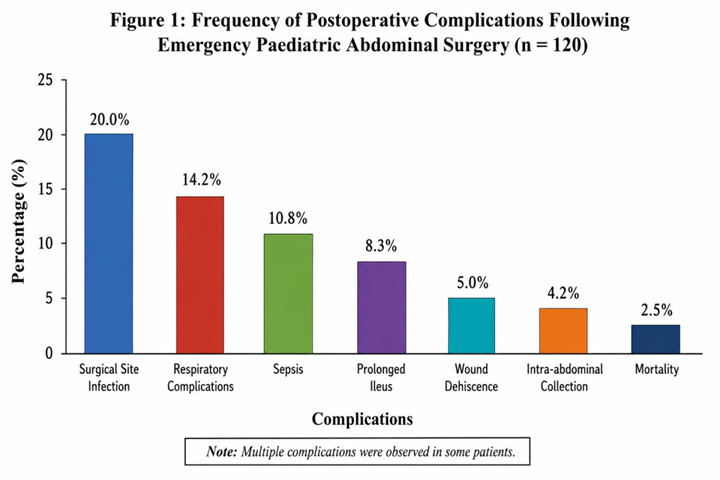
Figure 1: Frequency of postoperative complications following emergency paediatric abdominal surgery among children included in the study.
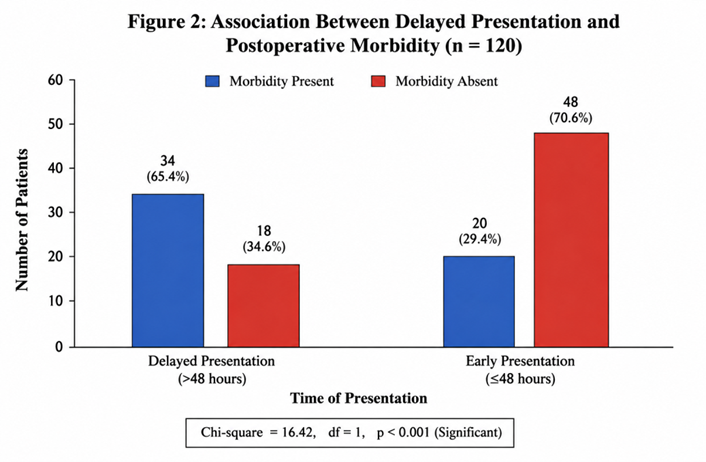
Figure 2: Association between delayed presentation and postoperative morbidity in children undergoing emergency abdominal surgery.
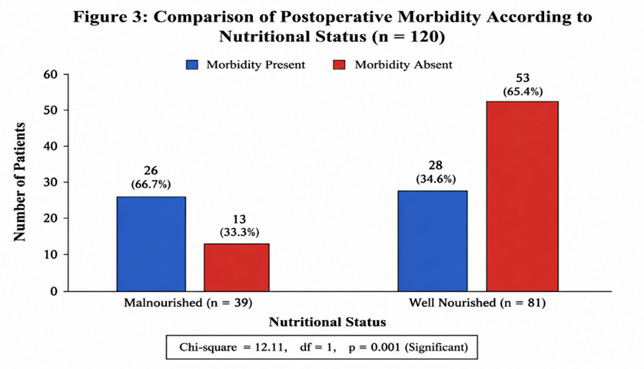
Figure 3: Comparison of postoperative morbidity according to nutritional status among paediatric patients.
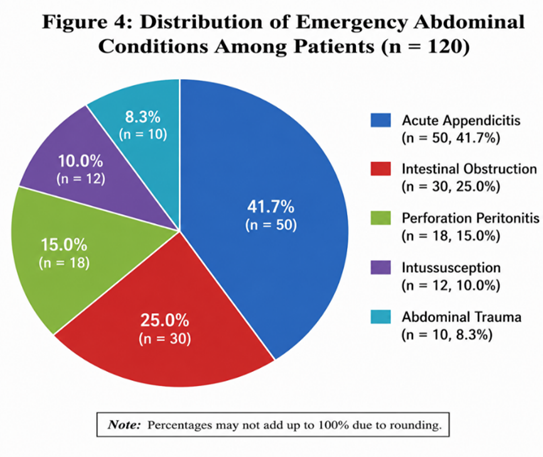
Figure 4: Distribution of different emergency abdominal conditions among children included in the study.
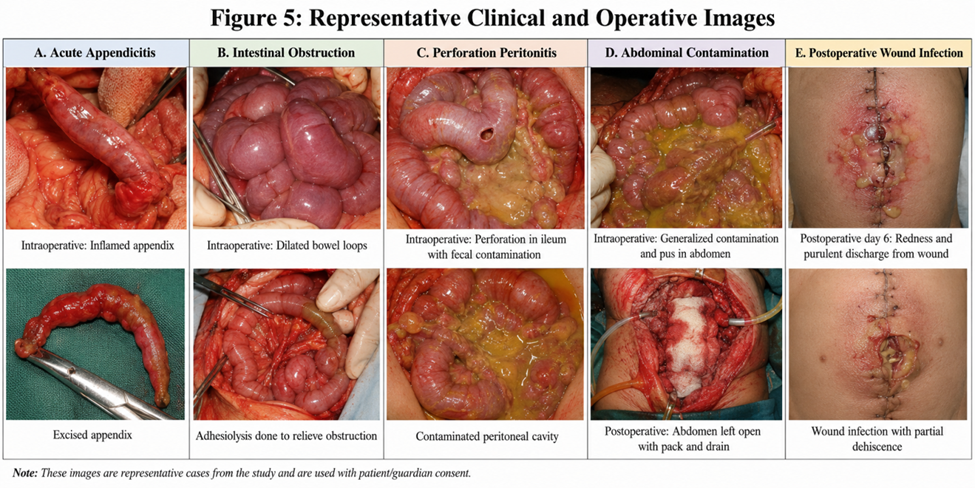
Figure 5: Representative clinical and operative images showing emergency paediatric abdominal conditions, intraoperative findings, and postoperative complications.
DISCUSSION :
Emergency abdominal surgery in children remains a major challenge, especially in developing countries where delayed presentation, malnutrition, infection, and limited healthcare access are common. These factors can significantly increase postoperative morbidity and prolong hospital stay. In the present study, postoperative complications were observed in a considerable number of children undergoing emergency abdominal surgery.
The majority of patients included in this study were male children. Similar findings have been reported in previous studies where abdominal surgical emergencies were more common among boys. Delayed presentation was also frequently observed among the patients included in this study. Many children reached the tertiary care hospital after more than 48 hours of onset of symptoms, which may be related to poor healthcare access, delayed referral, transportation problems, and lack of awareness among caregivers.
Surgical site infection was the most common postoperative complication observed in this study. Emergency procedures performed in contaminated abdominal conditions such as perforation peritonitis carry a higher risk of postoperative wound infection. Similar findings have been reported in previous studies on emergency paediatric surgery. Proper aseptic techniques, timely antibiotics, and postoperative wound care are important in reducing surgical site infections.
Respiratory complications and postoperative sepsis were also observed in a significant number of patients. Respiratory problems may occur due to prolonged anesthesia, postoperative pain, sepsis, and poor pulmonary care after surgery. Early mobilization, chest physiotherapy, and careful postoperative monitoring are important to reduce these complications.
Malnutrition was identified as an important predictor of postoperative morbidity in this study. Malnourished children showed a higher frequency of postoperative complications compared to children with normal nutritional status. Poor nutrition may impair wound healing, reduce immunity, and increase susceptibility to infection. Similar associations between malnutrition and poor surgical outcomes have been reported in earlier studies.
Preoperative sepsis and perforation peritonitis were also strongly associated with increased postoperative morbidity. Children presenting with severe abdominal infection often require more extensive surgery and prolonged postoperative care, increasing the risk of complications. Delayed treatment may worsen contamination and systemic infection, further affecting recovery.
Longer operative duration was another important factor associated with postoperative morbidity. Prolonged surgery may increase tissue handling, blood loss, contamination, and anesthesia-related complications. Similar findings have been reported in previous paediatric surgical studies.
Mortality was observed in only a few critically ill patients with severe sepsis and perforation peritonitis. Although mortality rate was low, these findings highlight the importance of early diagnosis and timely surgical intervention in children presenting with abdominal emergencies.
One of the strengths of this study was the inclusion of a wide range of emergency abdominal conditions managed under consultant supervision using standard surgical protocols. However, the study had some limitations. It was conducted at a single tertiary care hospital with relatively short follow-up duration. Long-term postoperative outcomes were not evaluated.
Overall, the findings of this study suggest that delayed presentation, malnutrition, preoperative sepsis, perforation peritonitis, and prolonged operative time are important predictors of postoperative morbidity following emergency paediatric abdominal surgery. Early referral, improved nutritional support, timely surgical management, and better perioperative care may help reduce postoperative complications and improve patient outcomes.
CONCLUSION :
Postoperative morbidity remains common among children undergoing emergency abdominal surgery, particularly in patients presenting late with severe abdominal pathology. Surgical site infection was the most frequent postoperative complication observed in this study.
Delayed presentation, malnutrition, preoperative sepsis, perforation peritonitis, and prolonged operative time were identified as important predictors of postoperative morbidity. These factors significantly increased the risk of complications following surgery.
Early diagnosis, prompt referral, proper nutritional support, timely surgical intervention, and careful perioperative management may help reduce postoperative morbidity and improve surgical outcomes in paediatric patients.
Further multicenter studies with larger sample size and longer follow-up are recommended to better evaluate predictors of morbidity following emergency paediatric abdominal surgery.
BIBLIOGRAPHY:
1. Ameh EA, Chirdan LB. Paediatric surgery in sub-Saharan Africa. Pediatr Surg Int. 2020;36(1):1-8.
2. Bickler SW, Rode H. Surgical services for children in developing countries. Bull World Health Organ. 2019;97(9):590-592.
3. Grosfeld JL, O’Neill JA, Coran AG, Fonkalsrud EW. Pediatric Surgery. 7th ed. Philadelphia: Mosby; 2018.
4. Chirdan LB, Uba AF, Kidmas AT. Delayed presentation of abdominal surgical emergencies in children. Afr J Paediatr Surg. 2017;14(2):45-50.
5. Butler EK, Tran TM, Fuller AT, et al. Global pediatric surgery: the need for regional data. Lancet Child Adolesc Health. 2021;5(3):168-170.
6. Abantanga FA, Amaning EP. Pediatric surgical emergencies in developing countries. Semin Pediatr Surg. 2018;27(1):33-38.
7. Ekenze SO, Ajuzieogu OV, Nwomeh BC. Challenges of management and outcome of neonatal surgery in Africa. Pediatr Surg Int. 2019;35(6):687-695.
8. Weledji EP. Perspectives on postoperative complications after abdominal surgery. Surg Res Pract. 2020;2020:1-8.
9. Osifo OD, Ovueni ME. Pattern and outcome of paediatric abdominal surgeries. Niger J Clin Pract. 2019;22(4):543-549.
10. Chirdan LB, Ngiloi PJ, Elhalaby EA. Paediatric surgical mortality and morbidity. Ann Pediatr Surg. 2018;14(3):101-107.
11. Ahmed A, Ahmad S, Khan A. Risk factors for postoperative complications in paediatric emergency surgery. J Ayub Med Coll Abbottabad. 2021;33(2):210-215.
12. Haruna MS, Bode CO. Predictors of postoperative morbidity in children undergoing emergency laparotomy. Afr J Paediatr Surg. 2020;17(4):165-170.
13. Ameh EA, Mshelbwala PM. Management of complicated abdominal emergencies in children. West Afr J Med. 2019;36(2):123-129.
14. Addiss DG, Shaffer N, Fowler BS, Tauxe RV. The epidemiology of appendicitis and appendectomy in the United States. Am J Epidemiol. 2018;132(5):910-925.
15. Bhangu A, Søreide K, Di Saverio S, et al. Acute appendicitis: modern understanding of pathogenesis and management. Lancet. 2019;386(10000):1278-1287.
16. Uba AF, Chirdan LB, Ardill W. Intestinal obstruction in children. East Afr Med J. 2017;84(2):71-75.
17. Barker LA, Gout BS, Crowe TC. Hospital malnutrition: prevalence and impact. Int J Environ Res Public Health. 2021;8(2):514-527.
18. Bejon P, Mwangi I, Ngetsa C, et al. Invasive bacterial infections in malnourished children. Emerg Infect Dis. 2019;11(7):1149-1155.
19. Black RE, Victora CG, Walker SP, et al. Maternal and child undernutrition and overweight in low-income countries. Lancet. 2020;382(9890):427-451.
20. Gupta P, Goyal A, Khera PS. Postoperative pulmonary complications in paediatric surgery. Indian J Anaesth. 2022;66(5):345-351.
21. Sigalet D, Lees G, Auer RN. Respiratory complications after pediatric abdominal surgery. J Pediatr Surg. 2018;53(9):1742-1747.
22. Ekenze SO, Modekwe VI, Ajuzieogu OV. Challenges in postoperative care in paediatric surgery. Niger J Clin Pract. 2020;23(6):814-820.
23. Allegranzi B, Bagheri Nejad S, Combescure C, et al. Burden of endemic healthcare-associated infection in developing countries. Lancet. 2019;377(9761):228-241.
24. GlobalSurg Collaborative. Surgical site infection after gastrointestinal surgery in high-income and low-income countries. Lancet Infect Dis. 2018;18(5):516-525.
25. World Health Organization. Global guidelines for the prevention of surgical site infection. Geneva: WHO; 2018.
26. Krishnaswami S, Nwomeh BC. Advances in pediatric surgical care and perioperative management. Semin Pediatr Surg. 2021;30(4):151082.