Maternal and Fetal Outcome in Oligohydramnios
- Syed Pashmina Dolly , Department of Obstetrics and Gynecology, PNS SHIFA Hospital, Karachi, Pakistan.
- Shehla Baqai , Classified Surgeon, Supervisor, Bahria University of Health Sciences/ PNS SHIFA Hospital, Karachi, Pakistan
- Sidra Tul Muntaha , Department of Obstetrics and Gynecology, PNS SHIFA Hospital, Karachi, Pakistan.
- Samina Khattak , Department of Obstetrics and Gynecology, MH Rawalpindi, Pakistan.
- Hiba Noor , Department of Obstetrics and Gynecology, PUMHS, Nawabshah, Pakistan.
- Meeran Shahzad , Department of Obstetrics and Gynecology, PNS SHIFA Hospital, Karachi, Pakistan.
Article Information:
Abstract:
Objective: To determine the outcome of patients presenting with Oligohydramnios.Background: Oligohydramnios (a decrease in the amount of amniotic fluid below the normal range) is one of the more serious complications of a pregnancy and is strongly linked to poor maternal and foetal outcomes such as preterm labour, caesarean delivery, intrauterine growth restriction, stillbirth and neonatal death. In many places in Pakistan, antenatal surveillance resources are scarce and timely diagnosis and management of oligohydramnios is difficult, even though the local outcome data are sparse.Place and Duration of Study: Department of Obstetrics and Gynaecology, PNS SHIFA Hospital, Karachi from April 2025 to September 2025.Methodology: This is a descriptive cross-sectional study of 138 pregnant women, with confirmed oligohydramnios (Amniotic Fluid Index ≤5 cm or deepest vertical pocket ≤2 cm on ultrasonography) who gave written informed consent for participation. Maternal factors such as preterm labor, cesarean section, preeclampsia, postpartum hemorrhage and placental insufficiency were noted. Fetal outcomes such as live birth with good condition, NICU admission, intrauterine growth restriction, stillbirth and early neonatal death occurred. SPSS version 25.0 was used for data analysis. Results: The mean age was 27.2 ± 5.4 years and mean gestational age at diagnosis was 33.8 ± 4.1 weeks. Maternal complications included most commonly cesarean section (34.7%), preterm labour (28.3%), preeclampsia (19.6%), postpartum haemorrhage (12.0%) and placental insufficiency (10.9%). Of the fetal outcomes, 43.5% had good live birth, 28.3% admitted to NICU, 16.7% had Intra-uterine growth restriction, 7.2% were stillbirths and 4.3% resulted in early neonatal death. Conclusion: Oligohydramnios is linked to considerable maternal morbidity including high cesarean section rates and a high rate of pre-term labour, and also to a considerable morbidity and mortality in the fetus through intrauterine growth restriction, NICU admission and stillbirth. Key to improve outcomes is early detection by ultrasound and active obstetric management.
Keywords:
Article :
INTRODUCTION:
Oligohydramnios is a decrease in the amount of amniotic fluid below normal levels for the stage of pregnancy and is usually measured by an amniotic fluid index (AFI) of 5 cm or less, or a deepest vertical pocket (DVP) of 2 cm or less on ultrasound [1]. It complicates about 1-5% of prenatal periods and is linked to a wide range of maternal and foetal morbidity that is tightly bound to the gestational age of onset, aetiology and the duration of reduced amniotic fluid [2]. Amniotic fluid is important for fetal development as it acts as a buffer for the umbilical cord, allows fetal movement and musculoskeletal development, allows fetus to "breathe" and helps regulate body temperature [3].
Oligohydramnios can be caused by a variety of factors, including uteroplacental insufficiency, fetal renal anomalies, rupture of membranes and some maternal disease, such as hypertension and diabetes [4]. Complications to the mother associated with oligohydramnios include preeclampsia, pre-term labour, increased operative delivery rates, especially cesarean section, placental insufficiency and postpartum hemorrhage [5]. Fetal and neonatal complications are also significant and include intrauterine growth restriction (IUGR), fetal distress, meconium aspiration syndrome, cord compression, stillbirth and neonatal death with the most severe outcomes associated with early-onset oligohydramnios [6].
There is limited description of the burden of obstetric complications due to oligohydramnios at the local level in Pakistan and antenatal ultrasound surveillance which is essential to detect oligohydramnios is not available in all regions of Pakistan [7]. Prevalence and outcome data from the studies of tertiary centres in Karachi, Lahore and Islamabad have varied, which may be due to the differences in the referral pattern, presentation at tertiary centres and management [8]. Locally representative data from Hyderabad and the Sindh region are particularly scarce [8]. The aim of this study was to define the maternal and fetal outcome of patients presenting with oligohydramnios in a large tertiary obstetric unit to provide evidence that is relevant to the local context to help inform clinical management guidelines.
MATERIALS AND METHODS :
Study Design and Setting
The study was a descriptive cross-sectional study carried out in PNS SHIFA Hospital, Karachi, Department of Obstetrics and Gynaecology in Hyderabad After getting the written informed consent, all pregnant women with confirmed oligohydramnios who fulfilled the inclusion criteria were recruited.
Ethical Approval
The study protocol was reviewed and approved by the Institutional Review Board and Ethics Committee of PNS SHIFA Hospital, Karachi, for the study duration spanning from from April 2025 to September 2025. All subjects provided informed written consent before entering the study and all patient data was kept confidential throughout.
The Sample Size and Sampling Technique
The sample size of 138 was determined using the WHO sample size formula for proportions [15] with a reported prevalence of Oligohydramnios associated Caesarean Delivery of 34% [5] with 95% confidence interval, 5% level of significance and 8% absolute precision. Non-probability consecutive sampling technique was used.
Inclusion Criteria
· Pregnant women between 18-45 years old.
· Singleton pregnancy (28 weeks of gestation or more).
· Confirmed oligohydramnios by ultrasonography (AFI ≤5 cm or DVP ≤2 cm).
· Gestational age determined by last period and confirmed by first or second trimester ultrasound, if available.
· Willingness to provide written informed consent.
Exclusion Criteria
· Multiple gestations.
· Fetal congenital anomaly known, from antenatal ultrasound.
· Documented PROM as main cause of oligohydramnios.
· Placenta previa.
· Incomplete clinical records.
Data Collection Procedure
All pregnant women who presented for ante-natal care or had admission in labor room with a suspected diagnosis of oligohydramnios were examined by senior ultrasonographers, and the diagnosis was confirmed by AFI technique and DVP method as per current obstetric guidelines [10]. Baseline demographic data were recorded on a predesigned proforma such as age, parity, gravidity, gestation at diagnosis and place of residence. All patients were followed through delivery and postpartum, Maternal outcomes documented were preeclampsia, postpartum haemorrhage, placental insufficiency, caesarean section and preterm labour. Fetal outcomes documented included live birth with good clinical condition, NICU admission, intrauterine growth restriction, stillbirth and early neonatal death (first 7 days after birth). All data were recorded on a standardised proforma and patient confidentiality was maintained throughout.
Statistical Analysis
The data was entered and analysed with SPSS version 25.0. Quantitative data like age, GA and parity were presented as mean ± SD. Frequency and percentages were used for categorical variables such as maternal complications and fetal outcomes
RESULTS:
A total of 138 patients with confirmed oligohydramnios were included. The mean age of the group was 27.2 ± 5.4 years and the mean gestational age at diagnosis was 33.8 ± 4.1 weeks. Most of the patients were multiparous (58.0%) and lived in urban areas (61.6%).
Table 1: Baseline Demographic and Clinical Characteristics of Study Participants (N=138).
|
Variable |
Frequency / Mean ± SD |
Percentage |
|
Mean age (years) |
27.2 ± 5.4 |
— |
|
Mean gestational age at diagnosis (weeks) |
33.8 ± 4.1 |
— |
|
Nulliparous |
33 |
23.9% |
|
Primiparous |
25 |
18.1% |
|
Multiparous |
80 |
58.0% |
|
Urban residence |
85 |
61.6% |
|
Rural residence |
53 |
38.4% |
|
AFI ≤5 cm (confirmed) |
138 |
100% |
|
Isolated oligohydramnios |
91 |
65.9% |
|
Oligohydramnios with IUGR |
47 |
34.1% |
Maternal outcomes are provided in Table 2 and Figure 1. The most common maternal outcomes were cesarean section (34.7%), preterm labor (28.3%), preeclampsia (19.6%), postpartum hemorrhage (12.0%) and placental insufficiency (10.9%).Note: Categories are not mutually exclusive; one patient may have had more than one complication.
Table 2: Maternal Outcomes in Oligohydramnios (n=138).
|
Maternal Outcome |
Frequency |
Percentage |
|
Caesarean Section |
48 |
34.7% |
|
Preterm Labour |
39 |
28.3% |
|
Preeclampsia |
27 |
19.6% |
|
Postpartum Haemorrhage |
17 |
12.0% |
|
Placental Insufficiency |
15 |
10.9% |
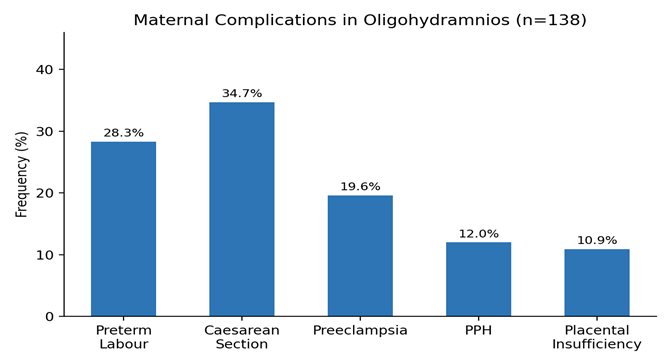
Figure 1. Maternal complications associated with Oligohydramnios (n=138).
Fetal outcomes are given in Table 3 and Figure 2. There were 60 live births (43.5%) with good clinical condition recorded. 28.3% (39/138) of the neonates required NICU admission. Intrauterine growth restriction was documented in 16.7% (23/138), stillbirth in 7.2% (10/138) and early neonatal death (within the first seven days of life) was recorded in 4.3% (6/138).
Table 3 Fetal Outcomes in Oligohydramnios (n=138).
|
Fetal Outcome |
Frequency |
Percentage |
|
Live Birth — Good Condition |
60 |
43.5% |
|
NICU Admission |
39 |
28.3% |
|
Intrauterine Growth Restriction (IUGR) |
23 |
16.7% |
|
Stillbirth |
10 |
7.2% |
|
Early Neonatal Death (within 7 days) |
6 |
4.3% |
DISCUSSION :
Caesarean section (34.7%) and preterm labour (28.3%) were the most frequent maternal complications in this study of 138 patients with confirmed oligohydramnios, and 56.5% of neonates had adverse fetal outcomes such as NICU admission, IUGR, stillbirth or early neonatal death. These findings are generally in keeping with previous international and local literature regarding consequences of oligohydramnios in mothers and neonates. In a systematic review of by Peipert and Donnenfeld, they determined that oligohydramnios had a significant association with adverse perinatal outcome in all gestational age groups and outcome severity was directly proportional to the degree and length of amniotic fluid reduction [1].
In this study, the high caesarean section rate of 34.7% is also similar to that reported by Gumus et al. [2] which also showed a significantly high caesarean delivery rate in a Turkish cohort of women with oligohydramnios at term, mainly due to non-reassuring fetal heart rate and failed induction of labour. Sherer et al. similarly showed that, oligohydramnios is an independent predictor of operative delivery, and the value of AFI at admission has an inverse relationship with the likelihood of successful vaginal delivery [3]. The preterm labour rate of 28.3% in the present study is similar to the Ali et al. study at Fatima Memorial Hospital Lahore that reported preterm delivery in nearly one-third of the cases of oligohydramnios mostly associated with preeclampsia and uteroplacental insufficiency [5].
Here, the prevalence of preeclampsia was 19.6%, and was consistent with the known pathophysiological relationship between decreasing renal perfusion to the fetus due to poor placental function, and decreasing fetal urinary output as a secondary manifestation of poor placental function or oligohydramnios. In their prospective cohort study of antenatal amniotic fluid assessment Magann et al. have shown the AFI and the DVP method were both reliable at identifying an oligohydramnios in the context of uteroplacental compromise, which further supports the usefulness of serial ultrasound surveillance for the identification and monitoring of high-risk pregnancies [10]. The proportion of postpartum haemorrhage in this study (12.0%) is slightly higher than the population average which may be attributed to the higher proportion of operative delivery and labour dystocia in the study population [5].
Regarding fetal prognosis, NICU admission (28.3%) is similar to that reported from similar South Asian tertiary centres dealing with oligohydramnios. A descriptive study conducted by Shazia et al. in a tertiary hospital in Pakistan showed that of the neonates born to mothers with oligohydramnios, 31.2% were admitted to NICU, with respiratory morbidity being the most common indication for admission, followed by birth asphyxia [7]. The IUGR rate in the present study (16.7%) is consistent with the known relationship between fetal growth restriction and oligohydramnios, as both have a common pathogenesis of placental insufficiency [8]. In a large Indian study, Padhi et al. reported that oligohydramnios is significantly correlated with IUGR, fetal distress and meconium-stained liquor which are known to be responsible for neonatal depression and NICU admissions [9].
The stillbirth rate (SBR) of 7.2% is higher than rates reported in high income country settings, but is similar to that found in South Asian tertiary care centres that are treating high risk obstetric populations. The systemic delay in the diagnosis of oligohydramnios in resource poor settings is further compounded by limited access to neonatal resuscitation and inadequate NICU capacity, which can all have a detrimental effect on the perinatal mortality associated with oligohydramnios [11]. Specifically, Locatelli et al. showed that the association of oligohydramnios and abnormal fetal Doppler velocimetry was significantly associated with perinatal mortality, highlighting the importance of performing an integrated antenatal surveillance, which includes evaluating both the amniotic fluid status and fetal well-being [12].
The early neonatal death rate in this study of 4.3% is low compared to the stillbirth rate, but nevertheless is a huge preventable burden of neonatal mortality. In a population-based cohort study, Rutherford et al., found that oligohydramnios, alone and in combination with cord compression, and birth asphyxia were independent risk factors for neonatal death in fetuses that were otherwise normal [13]. Initial diagnosis, timing of delivery and readiness for neonatal resuscitation are therefore important steps in the pathway of management of oligohydramnios in both term and preterm pregnancies.
Study Limitations
Despite the clinical significance of this study, it has some drawbacks. As this was a single-centre cross-sectional descriptive study, causal relationships cannot be inferred, or outcomes compared between management protocols. Sample selection, as it is done in a hospital, may overestimate adverse outcome rates compared to community estimates because complicated cases may be more likely to be selected for the sample. Outcomes according to aetiology were not analysed systematically as causes of oligohydramnios were not systematically sub-classified. Future prospective cohort studies with complete aetiology classification, serial amniotic fluid monitoring, Doppler surveillance data and longitudinal neonatal follow-up are needed to generate more compelling evidence for the development of locally appropriate management guidelines.
CONCLUSION :
Oligohydramnios is linked to significant neonatal mortality and morbidity due to intrauterine growth restriction, NICU admission and early neonatal death, and to significant maternal morbidity including caesarean delivery and preterm labour. To minimise preventable morbidity and mortality in this high-risk obstetric condition, timely ultrasonographic diagnosis, close fetal surveillance and active multidisciplinary management are essential.
CONFLICT OF INTEREST
None.
FUNDING
None.
ETHICAL APPROVAL
The study protocol was reviewed and approved by the Institutional Review Board and Ethics Committee of PNS SHIFA Hospital, Karachi, for the study duration spanning from from April 2025 to September 2025. All subjects provided informed written consent before entering the study and all patient data was kept confidential throughout.
REFERENCES:
1. Peipert JF, Donnenfeld AE: Oligohydramnios: a review. Obstet Gynecol Surv. 1991;46(6):325-39.
2. Gumus II, Koktener A, Turhan NO. Perinatal outcome of pregnancies with borderline and persistent oligohydramnios. Arch Gynecol Obstet. 2007;276(6):617-21.
3. Sherer DM, Langer O. Oligohydramnios: use and misuse in clinical management. Ultrasound Obstet Gynecol. 2001;18(4):411-9.
4. Odibo IN, Newville TM, Howard BC, Ounpraseuth ST, Owen J, Hinkle SN, et al. Amniotic fluid volume discordance and adverse outcomes in diamniotic-dichorionic twin gestations. J Ultrasound Med. 2017;36(10):2003-10.
5. Ali S, Abbasi RM, Noorani K. Feto-Maternal Outcome in Oligohydramnios. The Journal of Liaquat University – Medical Health Sciences. 2012;11(01):25-8.
6. Zhang J, Troendle J, Meikle S, Klebanoff MA, Rayburn WF. An isolated finding of oligohydramnios does not correlate with poor perinatal outcome. BJOG. 2004;111(3):220-5.
7. Shazia B, Naz A, Khan S. Maternal and fetal outcome in oligohydramnios. Pak J Med Health Sci. 2019;13(2):399-401.
8. Umber A, Chohan MA. Liquor amnii and fetal outcome: a study. Ann King Edward Med Univ. 2007;13(4):234-7.
9. Padhi SS, Panda S, Jnyanadeep S, Otta S. Maternal and fetal outcome in Oligohydramnios: an observational study. International Journal of Reproductive and Contraceptive Medicine and Obstetrics and Gynecology. 2018;7(5):1921-6.
10. Magann EF, Perry KG Jr, Chauhan SP, Anfanger PJ, Whitworth NS, Morrison JC. The accuracy of ultrasound assessment of amniotic fluid volume in singleton gestations: impact of operator experience and ultrasound interpretability. J Clin Ultrasound. 1997;25(5):249-53.
11. Sultana R, Shafiq M, Khurram M, Khanum I. Perinatal outcome of idiopathic oligohydramnios at term. Pak J Med Health Sci. 2020;14(3):1006-9.
12. Locatelli A, Vergani P, Toso L, Verderio M, Pezzullo JC, Ghidini A. Perinatal outcome associated with oligohydramnios in uncomplicated term pregnancies. Arch Gynecol Obstet. 2004;269(2):130-3.
13. Rutherford SE, Phelan JP, Smith CV, Jacobs N. Antepartum fetal heart rate testing: an adjunct to the four quadrant assessment of amniotic fluid volume. Obstet Gynecol. 1987;70(3):353-6.
14. Chauhan S P, Sanderson M, Hendrix N W, Magann E F, Devoe L D. Perinatal outcome and amniotic fluid index in the antepartum and intrapartum periods: a meta-analysis. Am Journal Obstet Gynecol. 1999;181(6):1473-8.
15. World Health Organization. WHO Sample Size Determination in Health Studies: A Practical Manual. Geneva: WHO; 1991.