Effectiveness of Local Anesthetic in Reducing Postoperative Pain at Port-Site after Laparoscopic Cholecystectomy
- Aziza Kiran , Resident General Surgery, Surgical Unit, CMH Lahore
- Muhammad Younus Awan , Surgical Specialist, Surgical Unit, CMH Lahore
- Sohail Raziq , Surgical Specialist, Surgical Unit, CMH Lahore
- Hafiz Khalid Pervaiz , Surgical Specialist, Surgical Unit, CMH Lahore
- Khaula Rafeeq Alam , Surgical Specialist, Surgical Unit, CMH Lahore
Article Information:
Abstract:
Objective:To determine the effectiveness of local anesthetic instillation in reducing postoperative port-site pain following elective laparoscopic cholecystectomy. Study Design: Prospective quasi-experimental study. Setting and Duration: Department of Surgery, Combined Military Hospital Lahore, from March 2024 to August 2024.Materials and Methods: This study included 114 patients aged 20–70 years undergoing elective laparoscopic cholecystectomy after ethical approval and informed consent. Patients were divided into two groups: Group A (control, n = 59) did not receive local anesthetic, while Group B (intervention, n = 55) received bupivacaine instillation at the port sites and gallbladder bed at the end of surgery. All procedures were performed under general anesthesia by a single surgical team. Postoperative port-site pain was assessed using the Visual Analogue Scale (VAS) at 6, 12, and 24 hours postoperatively. Secondary pain outcomes included abdominal and shoulder pain. Statistical analysis was performed using SPSS version 31.0, applying Student’s t-test with p < 0.05 considered statistically significant. Results: The mean age of the study population was 40.0 ± 8.9 years, with female predominance (65%). Port-site pain scores were significantly lower in the bupivacaine group compared to the control group at 6 hours (4.98 ± 1.89 vs 8.20 ± 1.04; p < 0.001), 12 hours (2.93 ± 1.54 vs 5.80 ± 1.10; p < 0.001), and 24 hours (0.75 ± 0.89 vs 2.75 ± 1.06; p < 0.001).Conclusion: Local anesthetic instillation at port sites significantly reduces postoperative port-site pain after laparoscopic cholecystectomy and should be routinely considered as part of multimodal analgesia.
Keywords:
Article :
INTRODUCTION:
Laparoscopic cholecystectomy is commonly regarded as the gold standard for the surgical treatment of symptomatic gallstone disease, with advantages such as less surgical trauma, a shorter hospital stay and faster recovery than open cholecystectomy. Despite less invasive procedures, postoperative pain remains a major concern for patient comfort, recovery, and total morbidity. After a laparoscopic cholecystectomy, pain is frequently multimodal, including referred shoulder pain that is mostly caused by diaphragmatic irritation from carbon dioxide insufflation, somatic discomfort at port sites and visceral pain from peritoneal and gallbladder bed manipulation.1
Port location and visceral nociceptive inputs have a considerable impact on postoperative discomfort. Traditional systemic opioid regimens may not address all pain modalities and involve the risk of side effects such as nausea, vomiting and respiratory depression. As a result, local anesthetic techniques have been studied as an adjuvant to increase postoperative analgesia, reduce opioid use and improve recovery profiles.2, 3
Bupivacaine, a long-acting local anesthetic, has been widely researched for its ability to reduce postoperative pain through local infiltration at port sites and instillation into the intraperitoneal space or gallbladder bed. Several randomized controlled trials have demonstrated that port site bupivacaine dramatically lowers pain scores in the early postoperative period.4 Similarly, intraperitoneal bupivacaine has been linked to reduced visceral and shoulder tip discomfort.5,6 Some research suggests that combining techniques (for example, port site infiltration and intraperitoneal injection) may improve analgesic efficacy.7
Despite encouraging results, the size and duration of analgesic effect vary between trials, and the best method, volume, and concentration of bupivacaine use are still contested.8 Given this background, the current study was designed to prospectively assess the effect of bupivacaine instillation at the gallbladder bed and port sites on postoperative pain compared to no local anesthetic application, using standardized visual analogue scores (VAS) up to 24 hours after laparoscopic cholecystectomy.
Materials and Methods:
This prospective Quasi Experimental study was done from March 2024 to August 2024 in the surgical department of Combined Military Hospital Lahore after seeking approval from the Ethical Review Board of the hospital (ERB letter No and date). 114 patients were enrolled in the study after obtaining informed written consent.
Inclusion Criteria:
· All the patients who had undergone elective laparoscopic cholecystectomy
· Both males and females.
· Patients with age ranging from 20 to 70 years
Exclusion criteria.
· Co-morbidity (Ischemic Heart disease, Diabetes mellitus, hypertension)
· Patients with per op complications such as iatrogenic biliary leak.
· Patients converted to open cholecystectomy.
· History of previous abdominal surgery
· Patients with Empyema Gall bladder or perforated Gall bladder.
The final study population consisted of 114 patients meeting inclusion and exclusion criteria who underwent Laparoscopic Cholecystectomy in our hospital from February 2024 to August 2024. The study population was divided into two groups namely Group A (59 patients) and Group B (55 patients). Patients in Group A (Control group) had undergone laparoscopic cholecystectomy without use of Bupivacaine at port site and gallbladder bed. Group B was given Bupivacaine in the gallbladder bed and at port site. All procedures were done under General Anaesthesia. All the surgeries were performed by consultant surgeons of a single surgical team. Adequate post operative analgesia was given to patient only as per their requirement. Post operatively all the patients were given Inj Ceftriaxone 1 g twice daily (2 doses). They were kept NPO for 6 hours and oral sips were started afterwards as per the hospital protocols. All the patients were discharged within 48 hours but after 24 hours of surgery. Patients were asked to score their pain at port site, abdomen and shoulder at 6 hours, 12 hours and 24 hours post operatively using Visual Analogue Score (VAS) for pain on a scale of 1-10 with 10 being most severe pain and 0 being no pain. A specially designed performa was used to record all the information which included demographic data of patients, group allotted, and VAS at 6, 12 and 24 hours post operatively.
Statistical Package for the Social Sciences Statistics for Windows (version 31.0; Armonk, NY: IBM Corp., USA) was used to analyze all the data. Quantitative variables were analyzed using Means and Standard Deviation (SD) such as age and VAS. Frequencies and percentages were used for qualitative variables such as gender. Keeping p-value significant at <0.05, both the groups were compared in terms of VAS at 6, 12 and 24 hours at all three sites (port site, abdomen and shoulder) using student t test.
Results::
A total of 114 patients were enrolled in the study after written informed consent. They were divided in two groups. Group A was control group whereas Group B had patients who were administered Bupivacaine locally. Group A had 59 patients and Group B had 55 patients. There were 40 (35%) males and 74 (65%) females in total. Out of 59 patients in Group A, 15 (25.42%) were males and 44 (74.58%) were females. Group B has 25 (45.45%) males and 30 (54.55%) females.
The mean age (years + SD) of study population was 40.0175 + 8.95711 years. The mean age in Control group was 38.8136 + 8.46590 years. In Bupivacaine group, the mean age was 41.3091 + 9.36082 years.
Six hours post-operatively: The overall mean Visual Analogue Score (VAS) for pain at port site after 6 hours was 6.6491 + 2.21012. Similarly, the overall mean VAS for pain at shoulder after 6 hours was 0.3070 + 59685. At abdomen, the mean overall VAS at six hours was 0.8158 + 1.21616.
In Group A VAS for pain at port site after 6 hours was 8.2034 + 1.04683, whereas in Group B it was 4.9818 + 1.89043 with a p value statistically significant at <0.001.
At abdomen, the mean VAS in control group after 6 hours was 1.4407 + 1.31662. However, in Bupivacaine group, the same was found to be 0.1455 + 0.59061 which was statistically significant with a p value = <0.001
At the shoulder, the pain VAS after 6 hours of surgery was noted to be 0.5254 + 0.70359 in the control group. VAS in Group B was 0.0727 + 0.32515 in the Bupivacaine group (statistically significant at P value= <0.001).
Twelve hours post operatively: The overall mean VAS for pain at port site after 12 hours was 4.4298 + 1.96864. The over mean VAS for pain at shoulder after 12 hours was 0. At abdomen, the mean overall VAS at 12 hours was 0.0351 + 0.18481.
In Group A, VAS at port site after 12 hours was 5.80305 + 1.10098, whereas in Group B it was 2.9273 + 1.53785 with a with a p value statistically significant at <0.001.
At abdomen, the mean VAS in control group after 12 hours was 0.508 + 0.22157. In Bupivacaine group, the same was found to be 0.0182 + 0.13484. However, the difference was not statistically significant (p value = 0.348)
At the shoulder, no pain was reported in both the groups after 12 hours of surgery.
24 hours post operatively: The overall mean VAS for pain at port site after 24 hours was 1.7807 + 1.40012. However, none of the patients reported any pain after 24 hours in abdomen or at shoulder.
In Group A, VAS at port site after 24 hours was 2.7458 + 1.06014, whereas in Group B it was 0.7455 + 0.88649 with a with a p value statistically significant at <0.001.
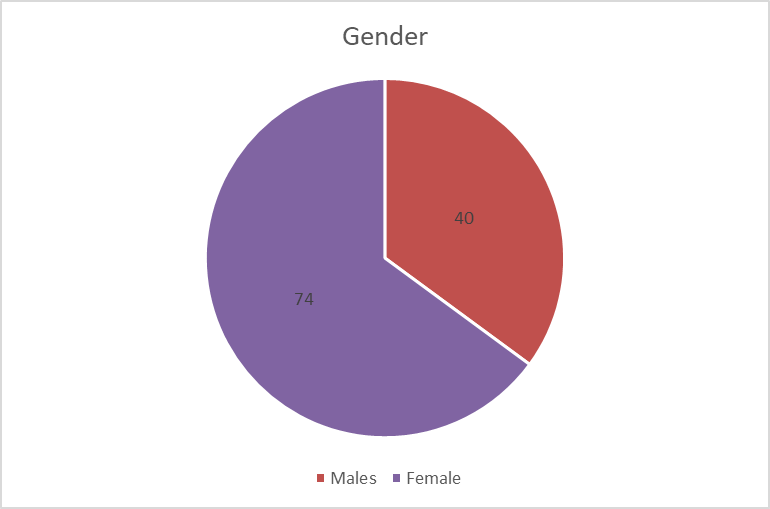
Fig 1: Gender distribution in study population
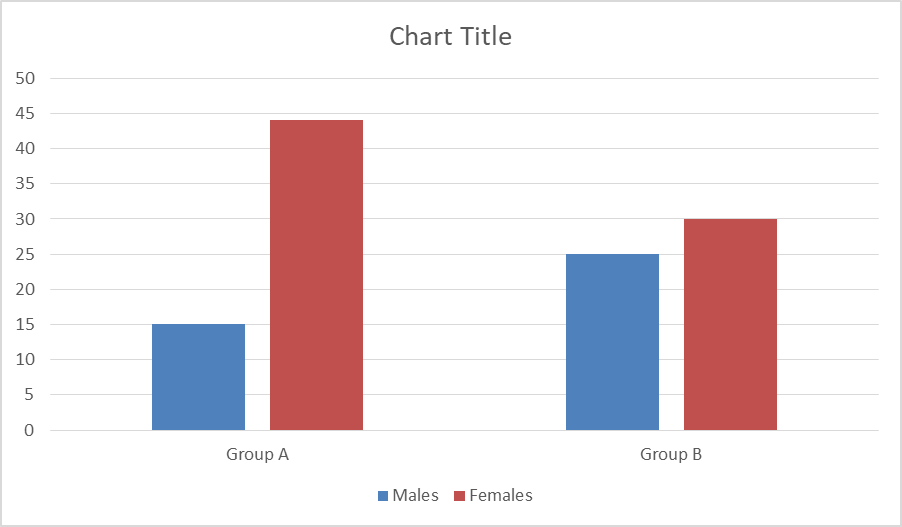
Fig 2: Gender distribution in Groups
Table 1: Visual Analogue Score for pain at Port site
|
Ser No |
Group |
6 hours |
12 hours |
24 hours |
|
1. |
Overall |
6.6491 + 2.21012 |
4.4298 + 1.96864 |
1.7807 + 1.40012 |
|
2. |
Group A |
8.2034 + 1.04683 |
5.80305 + 1.10098 |
2.7458 + 1.06014 |
|
3. |
Group B |
4.9818 + 1.89043 |
2.9273 + 1.53785 |
0.7455 + 0.88649 |
|
4. |
P Value |
<0.001 |
<0.001 |
<0.001 |
Table 2: Visual Analogue Score for pain at Shoulder
|
Ser No |
Group |
6 hours |
12 hours |
24 hours |
|
1. |
Overall |
0.3070 + 59685 |
0 |
0 |
|
2. |
Group A |
0.5254 + 0.70359 |
0 |
0 |
|
3. |
Group B |
0.0727 + 0.32515 |
0 |
0 |
|
4. |
P Value |
<0.001 |
- |
- |
Table 3: Visual Analogue Score for pain at abdomen
|
Ser No |
Group |
6 hours |
12 hours |
24 hours |
|
1. |
Overall |
0.8158 + 1.21616 |
0.0351 + 0.18481 |
0 |
|
2. |
Group A |
1.4407 + 1.31662 |
0.508 + 0.22157 |
0 |
|
3. |
Group B |
0.1455 + 0.59061 |
0.0182 + 0.13484 |
0 |
|
4. |
P Value |
<0.001 |
0.348 |
- |
DISCUSSION:
Even though laparoscopic cholecystectomy is a minimally invasive treatment, postoperative discomfort is still a clinically significant problem.9 Complex post-laparoscopic pain includes transferred shoulder discomfort from diaphragmatic irritation, deep intra-abdominal pain (visceral), and incisional pain (somatic).10 Our research showed that administering Bupivacaine at the gallbladder bed and port site together dramatically lowers pain intensity in all of these areas, especially in the early postoperative phase.
Our study's demographic profile revealed a mean age of 40 years and a female-to-male ratio of roughly 1.8:1, which is consistent with the conventional epidemiological "4Fs" (fat, female, fertile, forty) linked to cholelithiasis in the Pakistani population.11 In a research carried out in Pakistan showed similar gender distributions, confirming the high prevalence of gallstone disease among females in their fourth and fifth decades.12
In our investigation, the port location showed the most substantial reduction in discomfort. At 6 hours post-operatively, the Bupivacaine group (Group B) had a mean VAS of 4.98, compared to 8.20 in the control group (p < 0.001). This significant difference remained for 12 hours (2.92 vs 5.80) and 24 hours (0.74 vs 2.74), indicating that local infiltration promotes long-lasting somatic analgesia. These findings are congruent with the findings of Choi et al., who reported that pre-emptive bupivacaine infiltration considerably reduces the need for rescue analgesics by inhibiting the sensitivity of peripheral pain receptors.13
In our findings, visceral pain (measured by stomach pain) significantly decreased in the Bupivacaine group at 6 hours (0.14 vs. 1.44, p < 0.001) . This decrease is explained by the gallbladder bed's blocking of visceral afferent impulses, which are a significant cause of pain in the initial hours after organ retrieval. It's interesting to note that by 12 hours, the two groups' differences in stomach pain were statistically negligible (p = 0.348).14 According to this discovery, gallbladder bed infiltration is quite helpful for treating visceral pain right away, but once the inflammatory reaction stabilizes or the local anesthetic is metabolized, its effects diminish.
Group B experienced much less shoulder pain at 6 hours (0.07 vs. 0.52, p < 0.001), which is frequently brought on by the CO2 pneumoperitoneum irritating the phrenic nerve. According to our findings, shoulder pain was essentially nonexistent in both groups by 12 and 24 hours. This lends credence to the theory that the visceral component of pain plays a significant role in the feeling of referred shoulder pain, or that bupivacaine given to the gallbladder bed may track toward the diaphragm and offer a degree of phrenic nerve blockage. Intraperitoneal local anesthetics work best in the first 4–8 hours following laparoscopy, according to a meta-analysis by Malik et al.15
As seen in our study, the use of Bupivacaine also enables earlier mobility and possible discharge within 24 to 48 hours. A key component of Enhanced Recovery after Surgery (ERAS) procedures is reducing the physiological stress response to surgery by lowering the VAS score at 6 and 12 hours.16 Additionally, our study's absence of systemic side effects supports the safety profile of local Bupivacaine infiltration in elective surgical settings as reported in another study by Anil et al.17
Another study by Gamal et al. concludes that Incorporating bupivacaine at the port site during laparoscopic cholecystectomy reduced post-operative discomfort within 6 hours and delayed the need for rescue analgesia.18
While our study used a quasi-experimental design with a single surgical team to assure procedural consistency, the absence of a double-blind approach could be a drawback.19 The highly significant p-values (<0.001) for port site discomfort across all intervals support the normal use of this approach.20
CONCLUSION :
Local anesthetic instillation at port sites significantly reduces postoperative port-site pain after laparoscopic cholecystectomy and should be routinely considered as part of multimodal analgesia.
Conflict of Interest:
The authors declare no conflict of interest related to this study.
BIBLIOGRAPHY:
1. Samah. M. Elagili, Khaled Elgazwi, Hwuida Khattab, Ghada Hadia. (2022). Bupivacaine Irrigation at the Gall Bladder Bed for Postoperative Pain Relief after Laparoscopic Cholecystectomy. Journal of Clinical Surgery and Research, 3(5); DOI:10.31579/2768-2757/050
2. Ahmad, J., Khan, Z. A., & Khan, A. K. (2015). EFFICACY OF PORT-SITE AND INTRAPERITONEAL APPLICATION OF BUPIVACAINE IN REDUCING EARLY POST-LAPAROSCOPIC CHOLECYSTECTOMY PAIN: Post-Laparoscopic Cholecystectomy Pain. Pakistan Armed Forces Medical Journal, 65(2), 211-215. https://www.pafmj.org/PAFMJ/article/view/813
3. Bukhari S, Akbar I, Shoaib M. EFFECTIVENESS OF LOCAL ANAESTHETIC IN REDUCING POSTOPERATIVE PAIN AT PORT SITE AFTER LAPAROSCOPIC CHOLECYSTECTOMY. J Ayub Med Coll Abbottabad [Internet]. 2022 Jun. 24 [cited 2025 Dec. 20];34(3 (SUPPL 1). Available from: https://jamc.ayubmed.edu.pk/index.php/jamc/article/view/10213
4. Ali, S., Zarin, M., Jan, Z., & Maroof, A. (2018). Effect of Bupivacaine on Postoperative Pain after Laparoscopic Cholecystectomy. Journal of the College of Physicians and Surgeons--Pakistan : JCPSP, 28(9), 663–666. https://doi.org/10.29271/jcpsp.2018.09.663
5. Gharaibeh, K. I., & Al-Jaberi, T. M. (2000). Bupivacaine instillation into gallbladder bed after laparoscopic cholecystectomy: does it decrease shoulder pain?. Journal of laparoendoscopic & advanced surgical techniques. Part A, 10(3), 137–141. https://doi.org/10.1089/lap.2000.10.137
6. Ahmed, B. H., Ahmed, A., Tan, D., Awad, Z. T., Al-Aali, A. Y., Kilkenny, J., 3rd, Orlando, F. A., Al-Chalabi, A., Crass, R., & Alrawi, S. J. (2008). Post-laparoscopic cholecystectomy pain: effects of intraperitoneal local anesthetics on pain control--a randomized prospective double-blinded placebo-controlled trial. The American surgeon, 74(3), 201–209.
7. Ali Ghorbani-Abdehgah, Mehdi Jafari, Behnam Molavi, Abolfazl Shojaiefard, Shirzad Nasiri, Aidin Yaghoobi Notash Jr, Ali Mir and Ahmadreza Soroush (2017) “Postoperative Pain Relief Following Bupivacaine Injection in Sites & Intraperitoneal Spray of Laparoscopic Cholecystectomy”, Journal of Pharmaceutical Research International, 19(4), pp. 1–7. doi: 10.9734/JPRI/2017/36222.
8. Bano N, Hayat N, Saleem S, Javaid F, Rehman A, Mudassir. Comparison of intraincisional and intraperitoneal infiltration of local anaesthetic in laparoscopic cholecystectomy to control early postoperative pain. Professional Med J 2021; 28(2):192-196. https://doi.org/10.29309/TPMJ/2021.28.02.6013
9. Keus, F., de Jong, J. A., Gooszen, H. G., & van Laarhoven, C. J. (2006). Laparoscopic versus open cholecystectomy for patients with symptomatic cholecystolithiasis. The Cochrane database of systematic reviews, (4), CD006231. https://doi.org/10.1002/14651858.CD006231
10. Bisgaard T. (2006). Analgesic treatment after laparoscopic cholecystectomy: a critical assessment of the evidence. Anesthesiology, 104(4), 835–846. https://doi.org/10.1097/00000542-200604000-00030
11. Tazuma S. (2006). Gallstone disease: Epidemiology, pathogenesis, and classification of biliary stones (common bile duct and intrahepatic). Best practice & research. Clinical gastroenterology, 20(6), 1075–1083. https://doi.org/10.1016/j.bpg.2006.05.009
12. Alam R, Rai L, Kazim E, Jamali AH, Masood U, Saleem M. Distribution of gall stone disease by sex, age groups and severity in population of Nawabshah, Pakistan. Gomal J Med Sci 2022 Jul-Sep; 20(3):142-6. https:// doi.org/1046903/gjms/20.03.1229
13. Choi, G. J., Kang, H., Baek, C. W., Jung, Y. H., & Kim, D. R. (2015). Effect of intraperitoneal local anesthetic on pain characteristics after laparoscopic cholecystectomy. World journal of gastroenterology, 21(47), 13386–13395. https://doi.org/10.3748/wjg.v21.i47.13386
14. Nandini Dubey, Fiona Bellamy, Sameer Bhat, Wiremu MacFacter, Jeremy Rossaak,The impact of timing, type, and method of instillation of intraperitoneal local anaesthetic in laparoscopic abdominal surgery: a systematic review and network meta-analysis,British Journal of Anaesthesia,Volume 132, Issue 3,2024,Pages 562-574,ISSN 0007-0912,https://doi.org/10.1016/j.bja.2023.11.046.
15. Malik A, Butt UI, Khan MA. Effectiveness of intraperitoneal bupivacaine in laparoscopic cholecystectomy: A local perspective. Pak J Med Sci. 2022;38(4):901-906.
16. Istrate, A. M., Serban, D., Doran, H., Tudor, C., Bobirca, F., Davitoiu, D., Dumitrescu, D., Popescu, A., Cherecheanu, M. P., Tanasescu, C., & Motofei, I. (2024). Enhanced Recovery After Surgery in Laparoscopic Cholecystectomy - A Systematic Review. Chirurgia (Bucharest, Romania : 1990), 119(3), 318–329. https://doi.org/10.21614/chirurgia.2024.v.119.i.3.p.318
17. Anil Ergin, Mehmet Timuçin Aydin, Hüseyin Çiyiltepe, Aziz Bora Karip, Mehmet Mahir Fersahoğlu, Yetkin Özcabi, Birol Ağca, Ahmet Yalin İşcan, Yasin Güneş, Arzu Yildirim Ar, İksan Taşdelen, Kemal Memi̇şoğlu, Effectiveness of local anesthetic application methods in postoperative pain control in laparoscopic cholecystectomies; a randomised controlled trial, International Journal of Surgery,Volume 95,2021,106134,ISSN 1743-9191,https://doi.org/10.1016/j.ijsu.2021.106134.
18. Gamal Fouad Saleh Zaki, Asmaa Abobakr AbdAllah Mohamed, Mona Ahmed Ammar, Role of Local Anesthetic Infiltration of Port Sites in Laparoscopic Cholecystectomy in Reducing Postoperative Pain and Opioid Consumption, QJM: An International Journal of Medicine, Volume 116, Issue Supplement_1, June 2023, hcad069.026, https://doi.org/10.1093/qjmed/hcad069.026
19. Goldstein, A., Grimault, P., Henique, A., Keller, M., Fortin, A., & Darai, E. (2008, July 7). Local anesthetic infiltration for laparoscopic cholecystectomy: Bupivacaine vs Ropivacaine. https://doi.org/10.1111/j.1533-2500.2001.1011-17.x
20. Ali SM, Shuja H, Adil M, Bokhari S. Comparison of Bupivacaine injection versus normal saline in port sites & intraperitoneal spray for postoperative pain in laparoscopic cholecystectomy. Professional Med J 2021; 28(7):1028-1032. https://doi.org/10.29309/TPMJ/2021.28.07.6292