Comparison Of Oral glucose Tolerance test and HBA1C Test Results in diagnosing Gestational Diabetes Mellitus
- Meeran Shahzad , Department of Gynecology and Obstetrics, PNS SHIFA Hospital, Karachi, Pakistan.
- Shehla Baqai , Classified Gynaecologist Bahria University of Health Sciences/PNS SHIFA Hospital, Karachi, Pakistan.
- Nadia Arif , Department of Gynecology and Obstetrics, PNS SHIFA Hospital, Karachi, Pakistan.
- Sherdil Shahzad , Department of Medicine, Dow International Medical College, Dow University of Health Sciences, Karachi, Pakistan.
- Sidra tul Muntaha , Department of Gynecology and Obstetrics, PNS SHIFA Hospital, Karachi, Pakistan.
- Pashmina Dolly , Department of Gynecology and Obstetrics, PNS SHIFA Hospital, Karachi, Pakistan.
Article Information:
Abstract:
Objective: To ascertain the diagnostic accuracy of glycated hemoglobin (HbA1C) in the diagnosis of GDM in pregnant women based on oral glucose tolerance test (OGTT).Place & Duration of Study: Department of Obstetrics & Gynaecology, PNS Shifa Hospital Karachi from January 2025 to June 2025.Methodology: The subjects were 172 pregnant women aged 18-40 years with the gestational age of 24-28 weeks collected using non-probability consecutive sampling method. Venous sampling was performed at 0, 1 and 2 hours of a standard 75g 2 hour OGTT, along with fasting blood and HbA1C. GDM was diagnosed according to the following criteria: at OGTT using IADPSG criteria and at HbA1C with a cut-off of ≥ 5.6%. Sensitivity, specificity, positive predictive value (PPV), negative predictive value (NPV), and diagnostic accuracy of HbA1c in this study were calculated using a 2×2 contingency table, with the results of OGTT used for comparison. The SPSS program version 30.0 was used to analyze the data.Results: The mean age of the participants was 29.4 ± 4.8 years and the mean gestational age was 26.1 ± 1.4 weeks. GDM was diagnosed on OGTT in 30.2% (52/172) of patients. HbA1C at cut-off ≥ 5.6% had a sensitivity of 84.2%, a specificity of 87.6%, PPV of 74.6%, NPV of 92.9% and an overall diagnostic accuracy of 86.6%, when compared to OGTT.Conclusions: HbA1c has good diagnostic accuracy in comparison with OGTT and appeared to have high specificity and high negative predictive value making it a simple one sample screening or an adjunct test for diagnosis of GDM in pregnant women particularly in women who are unable to tolerate OGTT.
Keywords:
Article :
INTRODUCTION:
Gestational diabetes mellitus (GDM) is one of the most common medicaql complications of pregnancy and is the outcome of hormonal variations because of insulin resistance in the 2nd or 3rd trimester of pregnancy (1). A meta analysis has previously reported the prevalence of GDM in Pakistan as 16.7% with estimated prevalence of 13.2% in Sindh province (2). Obesity, parity and a positive family history are common risk factors of GDM (3). There are adverse fetomaternal outcomes associated with GDM: low birth weight (12.3%), stillbirth (7.2%), NICU admission (37%), preterm labor (26.8%), pregnancy induced hypertension (13.8%) and postpartum hemorrhage (10.9%) were reported in a cross sectional study in a local hospital setting (4).
75g oral glucose tolerance test (OGTT) has been recognized as the gold standard for diagnosing GDM but is inconvenient to some patients as it requires 8 hours or more of prior fasting, multiple venous blood samples with vomiting and nausea being common adverse reactions (8). This leads to the inability to complete OGTT in a proportion of patients of patients and thus to a delayed diagnosis (5). WHO has recommended glycated hemoglobin (HbA1C) as a tool for diagnosis of diabetes and its use in diagnosis of GDM is still limited; it reflects the blood glucose concentrations for the past 3 months and may be useful for diagnosis of GDM (7,9).
Hussain et al conducted a cross-sectional study on local population and the prevalence of the GDM on OGTT was reported 30.37% (8). In a study of diagnostic accuracy of HbA1C for GDM, Younas et al reported that the mean age of their patients was 29 ± 5 years, and at a cut-off of 5.6%, HbA1C had a sensitivity of 84.2%, a specificity of 87.6%, with a diagnostic accuracy of 87% (9). Khan et al. also took the statistical analysis of the HbA1C for the diagnosis of GDM in which the mean age of the cases was 28.26 ± 4.83 years, the prevalence of GDM was 17.85%, and sensitivity of HbA1C for diagnosing GDM was 70% and specificity was 84.78% (10).
Timely and accurate diagnosis of GDM is important for good foeto maternal outcome. Physiological change in the pregnant state has effect on the result OGTT, but it is well known gold standard for the diagnosis of GDM and some cannot tolerate the side effect. Although the test is simple and cheap, it requires only a single blood sample and no 8 hour prior fasting is required, HbA1C is a test of the blood glucose levels over the last 2 months and thus there is some controversy about its reliability in GDM as there is a marked increase in red cell turnover exacerbated by the dilutional anaemia of pregnancy. The purpose for this study was to see how accurate HbA1C is for GDM diagnosis in the local hospital setting, which could help to attain better and easier diagnosis of GDM.
MATERIALS AND METHODS :
Study Design and Setting
This cross-sectional study was conducted in the Department of Obstetrics & Gynaecology at PNS Shifa Hospital, Karachi. The study was initiated and carried out following formal institutional ethical approval. Written informed consent was obtained from all participating subjects prior to evaluation.
Sample Size
Sample size was determined using Dr. Lin Naing sample size calculator with parameters sensitivity of HbA1C (84.2%) (9), specificity of HbA1C (87.6%) (9), prevalence of GDM (30.37%) (8), desired precision (10%), confidence level (95%), which gave sample size of 172.
Sampling Technique
Non-probability consecutive sampling.
Inclusion Criteria
· Women between 18 and 40 years old who are pregnant,
· Gestational ages of 24–28 weeks.
· Any parity or gravidity, were included.
Exclusion Criteria
· Patients that have a history of prediabetes or hypoglycemic medication,
· Multiple gestation, hemoglobinopathies (e.g., thalassemia or sickle cell disease),
· Concomitant medical diseases (chronic liver diseases, chronic kidney diseases) were excluded.
Operational Definitions
GDM on HbA1C was considered to be an HbA1C of ≥ 5.6%. Diagnosis of GDM was made using IADPSG Criteria with any of the following on a 75g OGTT: Fasting blood glucose ≥ 92 mg/dL, 1-hour glucose ≥ 180 mg/dL, 2-hour glucose ≥ 153 mg/dL). A true positive was labelled when HbA1C was ≥ 5.6% and the patient was diagnosed with GDM on OGTT; a true negative when HbA1C was < 5.6% and the patient was not diagnosed with GDM on OGTT; a false positive when HbA1C was ≥ 5.6% but the patient was not diagnosed with GDM on OGTT; and a false negative when HbA1C was < 5.6% but the patient was diagnosed with GDM on OGTT.
Data Collection Procedure
Pregnant women in the 24th to 28th week of gestation presenting to the outpatient Department of Obstetrics & Gynaecology at PNS Shifa Hospital, Karachi for antenatal care were screened following formal institutional ethical approval. Out of the screened individuals, 172 patients who fulfilled the predefined inclusion criteria provided written informed consent to participate in the study. Maternal demographic and clinical data, including age, residence, parity, and gestational age, were systematically recorded on a structured proforma designed for this purpose. The blood sample was taken and Fasting Blood Glucose level and HbA1C level were noted. All patients were then asked to ingest 75g anhydrous glucose dissolved in 250 ml of water over 5 minutes and blood was taken at 1 hour, 2 hours, and the blood glucose level at each step recorded. GDM was diagnosed using the operational definition. Principal Investigator recorded the collected data in a predesigned proforma.
Data Analysis
These data were entered and analysed using SPSS 30.0. The data on quantitative variables were tested for normality with Shapiro-Wilk test. For age, gestational age, BMI, HbA1C and blood glucose levels these were expressed as mean ± SD or median with IQR as appropriate. Residence, parity and GDM status were expressed as frequencies and percentages. To evaluate the sensitivity, specificity, PPV, NPV and overall diagnostic accuracy, a 2×2 table was created using HbA1C values and the results of the OGTT. Stratification was done to control confounding variables, which included age, residence, gestational age and parity, and the resulting post-stratification diagnostic parameters were calculated, with a p ≤ 0.05 defined as the level of statistical significance
RESULTS:
There were 172 women enrolled in the study and all were pregnant. The average age of the participants was 29.4±4.8 years and the average gestational age was 26.1±1.4 weeks. Majority of patients were from urban areas (68.6%) and 54.7% were multiparous. Table 1 is an overview of the demographic parameters of the study population.
Table 1: shows the demographic characteristic of the population of the study.
|
Variable |
Frequency / Mean ± SD |
Percentage |
|
Mean age (years) |
29.4 ± 4.8 |
— |
|
Mean gestational age (weeks) |
26.1 ± 1.4 |
— |
|
Urban residence |
118 |
68.6% |
|
Rural residence |
54 |
31.4% |
|
Nulliparous |
44 |
25.6% |
|
Multiparous |
94 |
54.7% |
|
Primiparous |
34 |
19.7% |
GDM was diagnosed on OGTT, the gold standard, in 30.2% (52/172) of patients, as illustrated in Figure 1, consistent with the locally reported prevalence used for sample size estimation.
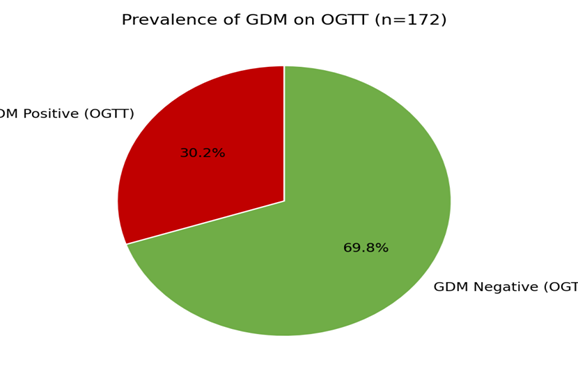
Figure 1. Prevalence of Gestational Diabetes Mellitus (n = 172) on OGTT
A 2×2 contingency analysis of HbA1C ≥ 5.6% (with respect to the gold standard of OGTT findings) is shown in Table 2.
Table 2: 2 × 2 Contingency Table of HbA1C and OGTT (n = 172).
|
HbA1C Result |
GDM Positive (OGTT) |
GDM Negative (OGTT) |
Total |
|
HbA1C ≥ 5.6% (Positive) |
44 (TP) |
15 (FP) |
59 |
|
HbA1C < 5.6% (Negative) |
8 (FN) |
105 (TN) |
113 |
|
Total |
52 |
120 |
172 |
Anti-glycation hemoglobin 1A1C (HbA1C) showed a sensitivity of 84.2%, specificity of 87.6%, PPV of 74.6%, NPV of 92.9%, and overall diagnostic accuracy of 86.6% for the diagnosis of GDM as summarized in the Table 3 and Figure 2.
Table 3: shows the diagnostic accuracy parameters of HbA1C as compared to OGTT.
|
Parameter |
Value |
|
Sensitivity |
84.2% |
|
Specificity |
87.6% |
|
Positive Predictive Value |
74.6% |
|
Negative Predictive Value |
92.9% |
|
Overall Diagnostic Accuracy |
86.6% |
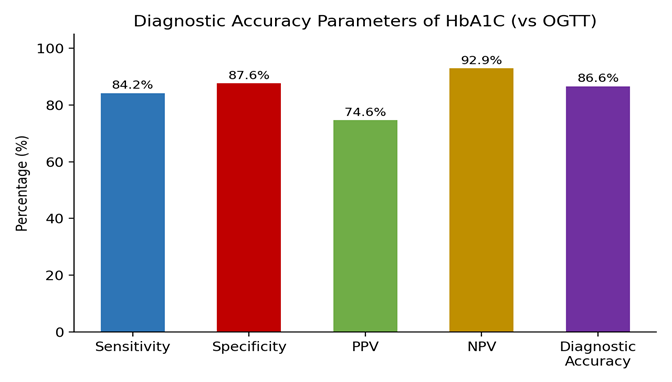
Figure 2. Diagnostic Accuracy Parameters of HbA1C (vs OGTT)
In stratified analysis, the diagnostic accuracy of HbA1C was fairly consistent across all strata, with no evidence of effect modification for any of these variables (p>0.05 for all strata).
DISCUSSION :
This cross-sectional study showed that, the sensitivity of HbA1C (at the cut off ≥ 5.6%) was 84.2%, specificity was 87.6%, and overall diagnostic accuracy of HbA1C was 86.6%. The results are also very similar to those reported by Younas et al., who reported in a similar local population, with a mean age of 29 ± 5 years, an HbA1C sensitivity of 84.2%, specificity of 87.6% with a diagnostic accuracy of 87% at a similar cut-off (9). The similarity between our findings and those of Younas et al. is not unexpected, as the sample size calculation for the present study was based on their reported sensitivity and specificity values.
Khan et al. reported slightly lower sensitivity (70%) and specificity (84.78%) for HbA1C in a population of slightly younger age group in comparison with the present study (10). This variation may partly reflect differences between study populations, each of which has its own unique characteristics, as well as differences in presentation for GDM testing by gestational age and potential ethnic differences in the kinetics of mean HbA1C levels in pregnancy, but also may reflect the prevalence of GDM in each group, which can significantly affect predictive values even if sensitivity and specificity are similar.
The prevalence of GDM in the present study was found to be 30.2%, which is quite comparable with findings of Hussain et al., who found the prevalence of GDM to be 30.37% based on OGTT in cross section study involving similar population in the local health care setting (8). Arbiol-Roca et al. used a similar approach to see if HbA1C could be used to screen for GDM, and also found it an inappropriate sole replacement for OGTT, but a highly specific and convenient adjunct screening method, especially when the completion of OGTT is suboptimal (7).
Elevated early (first trimester) HbA1C levels were correlated with subsequent diagnosis of GDM; a correlation that was explored by Valadan et al. who suggested a possible role for HbA1C as a third trimester tool in the diagnosis of GDM as well as a first trimester risk-stratification tool (6). Abbas et al. also reported good performance of the HbA1C when used as an early diagnostic test for GDM; the high negative predictive value of 92.9% found in this study, further strengthens the notion that HbA1C could be used to reasonably reduce the need for an OGTT and may be useful for triaging whom the test should be deferred or prioritized (5).
In a national systematic review and meta-analysis, Adnan et al., found an overall prevalence of GDM in Pakistan of 16.7%, which is lower than the prevalence seen in the present single-center cohort, possibly reflective of hypo-referral to a tertiary care obstetric centre where higher proportion of at-risk pregnancies are seen (2). Zafar et al. contrasted the fetal and maternal outcomes of pregestational vs gestational diabetes; and highlighted the need for timely detection to minimize any adverse outcome, thereby adding to the significance of the need for detection of a reliable well tolerated screening or adjunctive test like HbA1C (4).
There are some limitations with this study. This study was done at only one tertiary care facility, so generalizability to other obstetric populations may be limited. The relatively lower PPV compared with NPV indicates that a positive result of HbA1C should not be used to diagnose GDM on its own without confirmation by OGTT. Furthermore, especially in the present cross-section study, the induction of some variation in the measurements in physiological hemodilution and/or altered red cell turnover during pregnancy may not be controlled completely.
CONCLUSION:
When compared with the gold standard OGTT, HbA1C shows good diagnostic accuracy in particular with a high specificity and negative predictive value in the detection of GDM. As it does not require patients to fast and is a single sample test, HbA1C could be a useful adjunctive or screening test for GDM, particularly in those unable to undergo OGTT, but should be confirmed with OGTT when appropriate.
ACKNOWLEDGMENT
The authors wish to thank the Department of Obstetrics & Gynaecology, PNS Shifa Hospital, Karachi for providing institutional support in this paper.
CONFLICT OF INTEREST
None.
FUNDING
None.
REFERENCES:
1. Bibi I, Sultana R, Fareed S, Nizar Z. Fetal outcome in patients with GDM – Indus J Biosci, Res. 2025;3(4):992-6.
2. Adnan M, Aasim M. Prevalence of gestational diabetes mellitus in Pakistan: a systematic review and meta-analysis. BMC Pregnancy Childbirth. 2024;24(1):108.
3. Siddique E, Saddique H, Batool S. Prevalence of Gestational Diabetes, and associated maternal factors. Pak J Health Sci. 2023;4(5):253-8.
4. Zafar T, Masood T, Farooq A, Batool S, Ghani U. Fetal and Maternal outcome comparison of pregestational and gestational diabetes mellitus patients. Indus J Biosci Res. 2025;3(4):1097-101.
5. Abbas S, Khattak M, Hameed S, Saeed S, Shabir R HbA1c as an early diagnostic marker in gestational diabetes mellitus. Professional Med J. 2024;31(5):750-6.
6. Valadan M, Bahramnezhad Z, Golshahi F, Feizabad E. HbA1c levels in the first trimester as a screening tool for GD. BMC Pregnancy Childbirth. 2022;22(1):71.
7. Arbiol-Roca A, Perez-Hernandez EA, Aisa-Abdellaoui N, Valls-Guallar T, Galvez-Carmona F, Mariano-Serrano E, et al. HbA1c as screening biomarker to diagnose gestational diabetes mellitus. Clin Biochem. 2021;90:58-61.
8. Hussain M, Parveen S, Liaqat J, Saleem U, Tarar SH, Mudassir A. Validity of HbA1c as early pre-natal screening test in gestational diabetes mellitus: OGTT as gold standard. Pakistan Journal of Medical Sciences. 2023;19(4):491-5.
9. Younas M, Ali A, Khan MQ, Shaheen S, Ishtiaq A, Roghani M. Usefulness of glycated hemoglobin (HbA1c) in the diagnosis of GDM. Pak J Pathol. 2024;35(1):1-6.
10. Khan SH, Manzoor R, Baig AH, Tariq B, Ayub N, Sarwar S. HB A1c in the diagnosis of GDM. J Pak Med Assoc. 2020;70(10):1731-6.