Tranexamic Acid: Nebulization versus IV Route for Haemoptysis
- Laiba Qamar , Resident, Department of Thoracic Surgery, Services Institute of Medical Sciences Hospital, Lahore, Pakistan
- Muhammad Shoaib Nabi , Professor of Department of Thoracic Surgery, Services Institute of Medical Sciences Hospital, Lahore, Pakistan
- Rahab Naseer , Resident, Department of General Surgery, Services Institute of Medical Sciences Hospital, Lahore, Pakistan
- Ateeqa Azhar , Resident, Department of General Surgery, Services Institute of Medical Sciences Hospital, Lahore, Pakistan
- Muhammad Ahmad Shahid , Resident, Department of Thoracic Surgery, Services Institute of Medical Sciences Hospital, Lahore, Pakistan
- Ayesham Sitara , Resident, Department of Thoracic Surgery, Services Institute of Medical Sciences Hospital, Lahore, Pakistan
Article Information:
Abstract:
Hemoptysis manifests frequently as a symptom in patients with pulmonary tuberculosis and other chronic lung diseases. Methods: This was a single-center, parallel-group, randomized controlled trial conducted between 1st August 2025 till 31st October 2025, among adult patients aged 18 to 80 years with non-massive hemoptysis. A total of 172 participants were randomized. They were assigned to receive either nebulized tranexamic acid (n = 86) or intravenous tranexamic acid (n = 86) every 8 hours for 24 hours, corresponding to three scheduled doses in each group. Results: Bleeding cessation at 30 minutes was achieved in 73.3% of the nebulized group and 52.3% of the intravenous group. The odds ratio was 2.50 (95% CI 1.32–4.72; p = 0.005). At 12 hours, bleeding cessation occurred in 89.5% and 77.9% of patients, respectively. The odds ratio was 2.43 (95% CI 1.03–5.72; p = 0.039). Complete cessation at 24 hours was observed in 95.3% of the nebulized group and 86.0% of the intravenous group. Conclusions: Nebulized tranexamic acid was associated with earlier bleeding cessation in adults with mild-to-moderate (non-massive) hemoptysis when compared with intravenous tranexamic acid. Trial Registration: Clinical Trials.gov NCT07212452; registered on 7 October 2025
Keywords:
Article :
INTRODUCTION:
Expectoration of blood, or hemoptysis, through the respiratory tract is also a significant issue in chest medicine in Pakistan. Pakistan has traditionally been one of the high-burden nations for pulmonary tuberculosis (TB), which may lead to destruction of the lungs and subsequent airway hemorrhage [1]. Research in tertiary care settings in Pakistan has demonstrated that a significant proportion of patients with hemoptysis have TB-induced lung damage or bronchiectasis. In the low-resource environment, treatment may be restricted in terms of management tools. Delay in administration can augment the clinical risk [2].
Infection and chronic airway damage are also often related to hemoptysis across Asia. According to a recent series from the Middle East, the majority of cases were mild. The average age was lower than 40 years, and the most frequent cause was infection [3]. Tuberculosis in Southeast Asia continues to be a leading cause of hemoptysis even though treatment has improved [4]. Although non-infectious diseases like lung cancer and bronchiectasis are on the rise, the impact of TB on the lung disease burden continues to be high. This remains the case in most parts of the region [5].
Worldwide, hemoptysis is regarded as a potentially lethal symptom of most respiratory conditions [6]. It is estimated that 5% to 14% of patients who present with hemoptysis develop life-threatening bleeding. The mortality rate in this subgroup is about 9% to 38% [7]. The majority of episodes are mild and self-limited. More than 90% of episodes are of this kind [8]. In developed nations, lung cancer and bronchiectasis are more common causes than tuberculosis. The fundamental risk of bleeding because of damaged or swollen airways remains similar [9].
Pathophysiologically, hemoptysis is observed when airway blood vessels are destroyed and bleeding flows into the tracheobronchial tree [10]. The bronchial circulation, which is a high-pressure system, is the source of bleeding in the majority of cases. Risk factors often include cavitary lung lesions, tuberculosis, bronchiectasis, chronic infections, malignancy, and vascular abnormalities. Hemoptysis of clinical significance can lead to airway obstruction, blood aspiration, hypoxia, shock, or death. This can occur unless the bleeding is managed promptly
However, the focus has been on antifibrinolytic therapy, especially tranexamic acid (TXA), in the management of airway bleeding in recent years [11]. A recent pilot randomized controlled trial compared nebulized TXA with intravenous (IV) TXA in patients with hemoptysis. It reported higher bleeding cessation rates after 30 minutes in the nebulized group (72.7% vs 50.9%) [11]. A systematic review of inhaled TXA in pulmonary hemorrhage also indicated that nebulized TXA could decrease the duration of bleeding and the need for invasive interventions. However, it underlined that the existing studies are small and that prospective safety data are scarce [12].
The major aim was to identify the efficacy of nebulized TXA and IV TXA in achieving bleeding cessation in patients with mild-to-moderate (non-massive) hemoptysis. The secondary goals were to compare the time to achieve bleeding control and the volume of expectorated blood at specific time intervals. They also included the need for additional interventions. It was hypothesized that nebulized tranexamic acid would perform better than intravenous tranexamic acid in this group. This was in terms of faster and more complete bleeding control.
Methods::
2.1 Trial design and study setting
The research was carried out as a single-center, parallel-group, randomized controlled trial at the Department of Thoracic Surgery, Services Hospital, Lahore, Pakistan. Nebulized tranexamic acid was compared with intravenous tranexamic acid within a superiority framework. This was done to investigate early control of hemoptysis. The study used an allocation ratio of 1:1. Participant enrollment, recruitment, and treatment were conducted between August 1, 2025, and October 31, 2025. A 24-hour treatment period was recorded for each participant. Re-bleeding was followed up for 72 hours after the onset of treatment.
2.2 Trial registration, consent, and ethical approval.
The College of Physicians and Surgeons Pakistan approved the study synopsis. The Institutional Review Board of Services Institute of Medical Sciences, Lahore, Pakistan, granted ethical approval (Reference No. /IRB/2024/1323/SIMS). The research was conducted under the Declaration of Helsinki. Each participant provided written informed consent.
ClinicalTrials.gov was used to register the trial with the identifier NCT07212452. Registration was done on October 7, 2025. Recruitment had already started on August 1, 2025. This was retrospectively registered. This is also acknowledged in the manuscript for transparency.
2.3 Participant eligibility criteria
Adults between 18 and 80 years old who presented with non-massive hemoptysis were evaluated for eligibility. For study enrollment, non-massive hemoptysis was operationally defined as an estimated expectorated blood volume of less than 600 mL in the previous 24 hours. Hemoptysis severity was classified based on the estimated 24-hour expectorated blood volume. It was classified as mild (<30 mL), moderate (30 to 100 mL), severe (100 to 600 mL), and massive (>600 mL). Patients who had a massive amount of hemoptysis were not included.
Eligible patients were those who had hemoptysis due to infective lung disease, pulmonary tuberculosis, or pneumonia. Any patient with selected malignant lung pathology was also eligible, provided that he or she met the study criteria. Patients were excluded if they were taking antiplatelet medications like aspirin or clopidogrel. They were also excluded if they had bronchial asthma or hemoptysis due to penetrating lung injury. Patients without informed consent were not enrolled.
2.4 Recruitment, screening, and baseline assessment.
All potentially eligible patients who presented to the thoracic surgery service during the study period were screened sequentially. Eligibility was determined based on clinical history, estimated bleeding volume, physical examination, and review by the treating team. At admission, baseline demographic and clinical data were recorded. Baseline laboratory testing comprised hemoglobin level, platelet count, prothrombin time, international normalized ratio, and serum creatinine. All laboratory investigations were done according to the normal hospital practices of the institutional diagnostic laboratory. Baseline clinical assessment also included hemoptysis severity category, estimated bleeding volume within the preceding 24 hours, probable etiology of hemoptysis, baseline oxygen requirement, and the presence of initial hemodynamic instability where clinically relevant.
2.5 Randomization, allocation concealment, and participant flow
Randomization was done after informed consent was obtained and eligibility was confirmed. Before recruitment commenced, a computer-generated random allocation sequence was prepared. Allocation assignments were placed in opaque closed envelopes. They were opened sequentially after enrollment. A researcher who did not participate in bedside management of the participants prepared the random sequence. Through this, allocation concealment was preserved up to the time of randomization. The CONSORT flow diagram of the trial is shown in Figure 1.
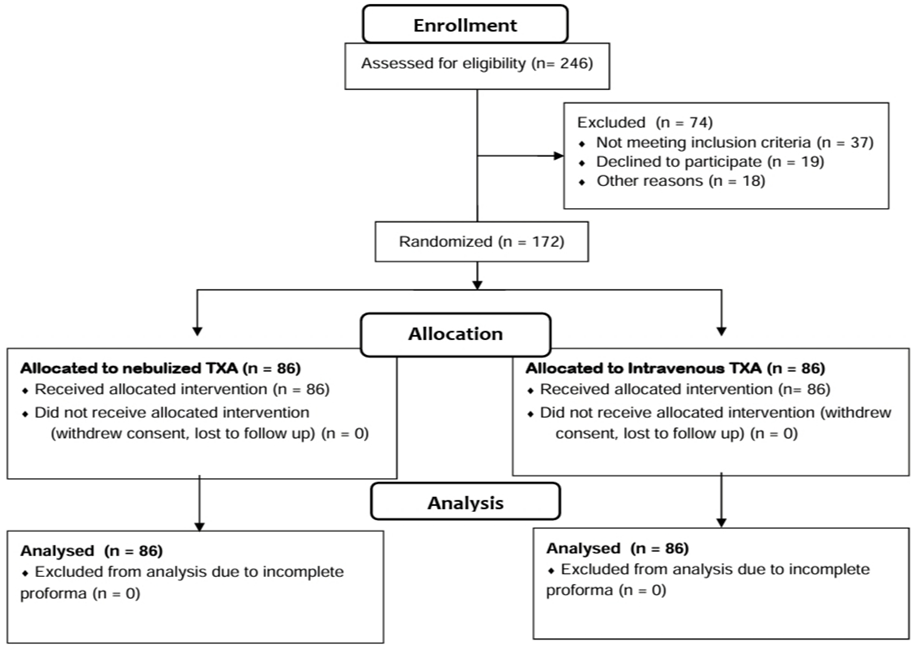
Figure 1: CONSORT 2010 Flow Diagram of the Included Participants in Both Groups
2.6 Blinding and methods used to reduce bias
Full blinding was not feasible because the two routes of administration were visibly different. Participants and treating clinicians were therefore aware of the assigned route of tranexamic acid administration. To reduce bias despite this limitation, several safeguards were used. The same eligibility criteria, supportive care pathway, dose schedule, observation intervals, and outcome measurement method were applied in both groups. Data were recorded prospectively on the same structured proforma for all participants.
2.7 Interventions and concomitant care
Participants in the experimental group were treated with 500 mg of nebulized tranexamic acid in 5 mL of distilled water every 8 hours for 24 hours. Participants in the comparator group were given intravenous tranexamic acid 500 mg every 8 hours for 24 hours. Both regimens were based on three doses scheduled within the first 24 hours. The selected dose of 500 mg every 8 hours was chosen according to previously published randomized and observational studies evaluating tranexamic acid for hemoptysis [12], as well as commonly applied clinical dosing practices in acute airway bleeding management.
Pre-, peri-, and post-administration supportive care was made as similar as possible across study treatment groups. Clinical monitoring was provided to all participants. Oxygen was administered when necessary. In both groups, management aimed at the cause of hemoptysis was permitted according to normal departmental practice. The route of administration of tranexamic acid was the only randomized difference between the groups. Any concomitant therapy considered necessary for the patient was allowed. It was then documented in the clinical record regardless of treatment assignment.
2.8 Measurement of bleeding volume and outcome assessment schedule
All subjects were asked to expectorate blood-streaked sputum into a clear bedside collection vessel throughout the observation period. Cumulative bloody expectorate volume was measured in milliliters from the time of treatment initiation up to each prespecified assessment point at 30 minutes, 6 hours, 12 hours, and 24 hours. Therefore, the recorded bleeding volumes at each assessment point represented cumulative rather than interval-specific bloody expectorate volumes.
The principal investigator recorded the measurements, which were cross-checked with the study supervisor to enhance uniformity. The measured volume did not represent chemically isolated blood but rather bloody expectorate, because formal bedside separation of pure blood and sputum was not possible. This limitation was accepted, although the same standardized method of assessment was applied to both groups. Outcome measures were therefore conducted in a quantifiable and repeatable form within the pragmatic limits of the clinical environment.
The treatment and assessment schedule of the randomized controlled trial is presented in Figure 2. Following enrollment and baseline assessment, participants were assigned to nebulized or intravenous tranexamic acid every 8 hours for 24 hours according to group allocation. Prespecified assessments were done at 30 minutes, 6 hours, 12 hours, and 24 hours. Re-bleeding was assessed at 72 hours. Adverse events during treatment administration and each corresponding scheduled clinical assessment were also actively observed. This is reflected in the figure.
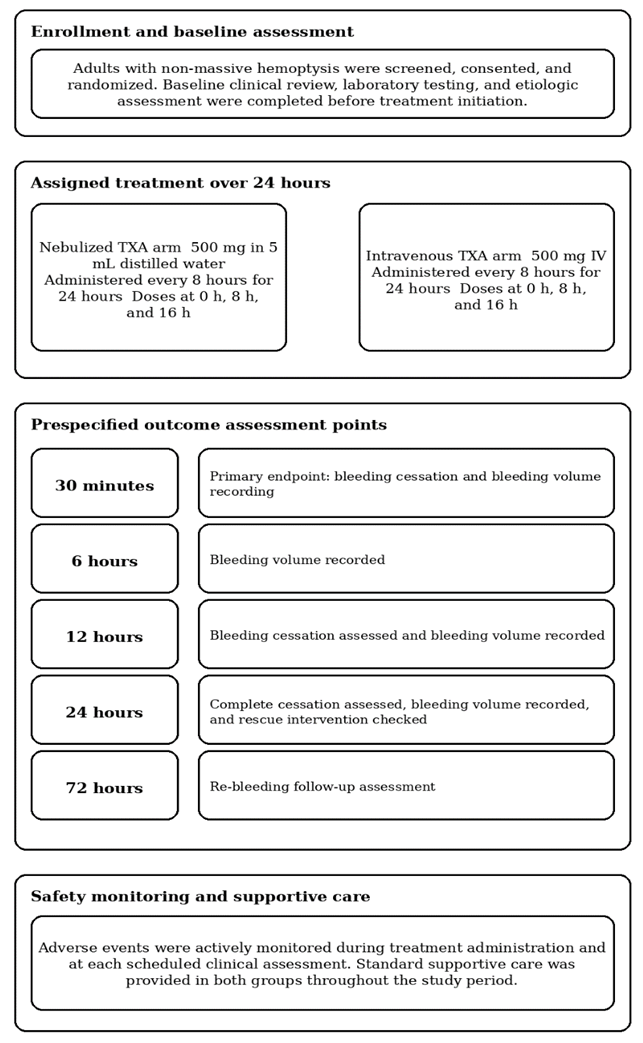
Figure 2: Treatment and assessment schedule showing three planned doses of tranexamic acid administered every 8 hours over 24 hours with predefined outcome assessment time points
2.9 Safety monitoring and adverse event reporting
Safety monitoring was conducted during both dose administration and each scheduled clinical assessment. An adverse event that occurred was documented. It was defined as any new symptom or sign that emerged temporally in relation to the study treatment and was recorded on the study proforma by the treating team or the principal investigator. Special consideration was given to respiratory intolerance during or after administration. This included cough and bronchospasm.
To ensure consistency in reporting, a minor adverse event was operationalized as a temporary symptom or sign. It was not associated with the need to stop treatment, proceed immediately with more intensive care, or take significant therapeutic action. A major adverse event was defined as an event with a clinically significant adverse outcome. It included study treatment discontinuation, immediate intervention, transfer to advanced care, thromboembolic event, or death. Adverse events were followed during the 24-hour treatment period. They were also followed during the short follow-up period in which re-bleeding was observed within 72 hours.
2.11 Sample size determination and data management
The WHO sample size calculator was used to compare two proportions in a randomized trial. An alpha value of 0.05 was applied on both sides, with a power of 80% and a ratio of 1:1. A previous randomized controlled trial by Gopinath et al. was the source of the proportions for the key endpoint of bleeding cessation at 30 minutes. It reported cessation in 72.72% of patients on nebulized tranexamic acid compared with 50.91% on intravenous tranexamic acid. After adding a 10% allowance for dropout, the final required sample size was 172 participants. This included 86 participants in each group.
2.12 Statistical analysis
The results were coded and processed using IBM SPSS version 26 (IBM Corp., Armonk, NY, USA). Normality of the continuous variables was assessed using the Shapiro-Wilk test. Age, hemoglobin level, and platelet count demonstrated approximately normal distribution and were analyzed using parametric methods. Variables that did not satisfy normality assumptions, including selected bleeding-volume measurements and other skewed continuous variables, were analyzed using non-parametric methods.
Bleeding cessation at 30 minutes was the primary endpoint. The chi-square test was applied, or Fisher exact test when cell-count assumptions were not met. Group event counts and % were presented for both treatment arms. The relative measure of effect was given as the odds ratio with a 95% confidence interval. The absolute measure of effect was given as the absolute risk difference between groups. A p-value lower than 0.05 was considered statistically significant.
RESULTS::
3.2 Demographic and admission baseline characteristics.
Table I provides an overview of baseline demographic and admission-related characteristics. The mean age of the study population was in the late forties. Males were more prevalent than females. The distributions of age, sex, and mode of admission were the same in the two randomized groups. There was no significant difference in baseline demographic or admission characteristics between the nebulized tranexamic acid group and the intravenous tranexamic acid group.
3.3 Baseline laboratory profile
Table I presents baseline laboratory variables measured at enrollment, showing that hemoglobin and platelet count were similar in the two groups. Overall, the initial laboratory profile did not show a significant difference between the randomized groups.
3.4 Primary outcome: bleeding cessation at 30 minutes
The primary outcome was bleeding cessation 30 minutes after commencing treatment. Bleeding cessation at 30 minutes occurred in 63 of 86 patients (73.3%) in the nebulized tranexamic acid group and in 45 of 86 patients (52.3%) in the intravenous tranexamic acid group (OR 2.50, 95% CI 1.32–4.72; p = 0.005). The complete group-wise outcomes, effect size, and confidence interval are available in Table 3.
3.5 Secondary bleeding control at 12 and 24 hours.
At 12 hours, bleeding cessation was observed in 77 of 86 patients (89.5%) in the nebulized tranexamic acid group and in 67 of 86 patients (77.9%) in the intravenous tranexamic acid group (OR 2.43, 95% CI 1.03–5.72; p = 0.039). At 24 hours, complete bleeding cessation occurred in 82 of 86 patients (95.3%) in the nebulized group and in 74 of 86 patients (86.0%) in the intravenous group (OR 3.32, 95% CI 1.03–10.76; p = 0.036). Detailed group-wise estimates and measures of precision are shown in Table 3.
3.6 Post-treatment bleeding volume
The calibrated bedside collection container was used to record post-treatment bleeding volume at predetermined assessment points. Lower post-treatment bleeding volumes were recorded in the nebulized tranexamic acid group during the early post-treatment observation period compared with the intravenous tranexamic acid group. This difference was statistically significant. Bleeding volume was measured at 30 minutes, 6 hours, 12 hours, and 24 hours according to the study time schedule.
3.7 Re-bleeding up to 72 hours and rescue intervention.
Re-bleeding within 72 hours occurred in 5 of 86 patients (5.8%) in the nebulized tranexamic acid group and in 11 of 86 patients (12.8%) in the intravenous tranexamic acid group (OR 0.42, 95% CI 0.14–1.27; p = 0.115). Rescue intervention for bleeding control was required in 6 of 86 patients (7.0%) in the nebulized group and in 12 of 86 patients (14.0%) in the intravenous group (OR 0.46, 95% CI 0.17–1.30; p = 0.135). However, no statistical significance was found in either of these between-group differences. Table 4 gives the full group-wise data, the effect estimates, and the confidence intervals.
3.8 Adverse events and safety outcomes
During the observation period, documented adverse events were noted in both study groups. Documented adverse events occurred in 14 of 86 patients (16.3%) in the nebulized tranexamic acid group and in 19 of 86 patients (22.1%) in the intravenous tranexamic acid group (OR 0.69, 95% CI 0.32–1.48; p = 0.333). The reported minor adverse events were cough and mild bronchospasm. Distinct event-specific frequencies for these minor adverse events were not maintained in the summarized data. Therefore, only the overall adverse-event rate was provided quantitatively. No significant adverse event was recorded during the study period.
Table 1. Baseline demographic, clinical severity, etiologic, admission-related, and laboratory characteristics of adults with non-massive hemoptysis randomized to nebulized versus intravenous tranexamic acid
|
Characteristic |
Nebulized TXA (n = 86) |
IV TXA (n = 86) |
Total (n = 172) |
|
Demographic characteristics |
|||
|
Age, years |
46.8 ± 14.2 |
47.9 ± 14.9 |
47.3 ± 14.6 |
|
Male sex |
52 (60.5) |
50 (58.1) |
102 (59.3) |
|
Female sex |
34 (39.5) |
36 (41.9) |
70 (40.7) |
|
Admission characteristics |
|||
|
Emergency admission |
55 (63.9) |
53 (61.6) |
108 (62.8) |
|
Non-emergency admission |
31 (36.1) |
33 (38.4) |
64 (37.2) |
|
Baseline oxygen requirement |
21 (24.4) |
24 (27.9) |
45 (26.2) |
|
Initial hemodynamic instability |
7 (8.1) |
9 (10.5) |
16 (9.3) |
|
Baseline hemoptysis severity |
|||
|
Mild (<30 mL/24 h) |
28 (32.6) |
26 (30.2) |
54 (31.4) |
|
Moderate (30–100 mL/24 h) |
39 (45.3) |
41 (47.7) |
80 (46.5) |
|
Severe non-massive (100–600 mL/24 h) |
19 (22.1) |
19 (22.1) |
38 (22.1) |
|
Estimated baseline bleeding volume, mL |
84.5 ± 46.2 |
87.1 ± 49.4 |
85.8 ± 47.8 |
|
Etiology of hemoptysis |
|||
|
Pulmonary tuberculosis/post-TB disease |
38 (44.2) |
36 (41.9) |
74 (43.0) |
|
Bronchiectasis |
19 (22.1) |
21 (24.4) |
40 (23.3) |
|
Pneumonia/infective lung disease |
17 (19.8) |
16 (18.6) |
33 (19.2) |
|
Malignancy-related hemoptysis |
12 (14.0) |
13 (15.1) |
25 (14.5) |
|
Baseline laboratory characteristics |
|||
|
Hemoglobin, g/dL |
11.6 ± 1.8 |
11.4 ± 1.9 |
11.5 ± 1.8 |
|
Platelet count, ×10³/µL |
237 ± 64 |
229 ± 68 |
233 ± 66 |
Table 2. Comparison of categorical baseline variables, bleeding-control outcomes, adverse events, and rescue interventions between nebulized and intravenous tranexamic acid groups
|
Variable |
Neb n (%) |
IV n (%) |
χ² |
p-value |
OR (95% CI) |
|
Gender (Male) |
52 (60.5) |
50 (58.1) |
0.096 |
0.756 |
1.11 (0.61–2.03) |
|
Mode of admission (Emergency) |
55 (63.9) |
53 (61.6) |
0.100 |
0.752 |
1.10 (0.61–1.98) |
|
Cessation at 30 min |
63 (73.3) |
45 (52.3) |
8.063 |
0.005 |
2.50 (1.32–4.72) |
|
Cessation at 12 h |
77 (89.5) |
67 (77.9) |
4.266 |
0.039 |
2.43 (1.03–5.72) |
|
Cessation at 24 h |
82 (95.3) |
74 (86.0) |
4.410 |
0.036 |
3.32 (1.03–10.76) |
|
Re-bleeding within 72 h |
5 (5.8) |
11 (12.8) |
2.481 |
0.115 |
0.42 (0.14–1.27) |
|
Adverse effects (any) |
14 (16.3) |
19 (22.1) |
0.937 |
0.333 |
0.69 (0.32–1.48) |
|
Additional intervention |
6 (7.0) |
12 (14.0) |
2.234 |
0.135 |
0.46 (0.17–1.30) |
Pearson’s chi-square; Effect size provided as odds ratio. Data shown as n (%); p-values from Pearson’s chi-square; significance: p < 0.05, p < 0.001.
The information on the main efficacy results is provided in tabular form in Table 3 within the CONSORT framework. Both binary endpoints for nebulized and intravenous tranexamic acid are presented as the number of events and %. Absolute and relative measures of effect are given to enhance clinical interpretation. Risk differences indicate the absolute differences between groups, and odds ratios with 95% confidence intervals reflect the relative effect. In this presentation, it is easier to evaluate statistical significance, as well as the magnitude and precision of the treatment effect.
Table 3. Primary and early secondary bleeding-control efficacy outcomes following nebulized versus intravenous tranexamic acid administration in adults with non-massive hemoptysis
|
Outcome |
Nebulized TXA n/N (%) |
IV TXA n/N (%) |
Absolute risk difference, % |
OR (95% CI) |
p-value |
|
Bleeding cessation at 30 min |
63/86 (73.3) |
45/86 (52.3) |
+21.0 |
2.50 (1.32–4.72) |
0.005 |
|
Bleeding cessation at 12 h |
77/86 (89.5) |
67/86 (77.9) |
+11.6 |
2.43 (1.03–5.72) |
0.039 |
|
Bleeding cessation at 24 h |
82/86 (95.3) |
74/86 (86.0) |
+9.3 |
3.32 (1.03–10.76) |
0.036 |
TXA = tranexamic acid; IV = intravenous; OR = odds ratio; CI = confidence interval.
Table 4. Secondary clinical outcomes, re-bleeding events, adverse events, and rescue intervention requirements following nebulized versus intravenous tranexamic acid treatment
|
Outcome |
Nebulized TXA n/N (%) |
IV TXA n/N (%) |
Absolute risk difference, % |
OR (95% CI) |
p-value |
|
Re-bleeding within 72 hours |
5/86 (5.8) |
11/86 (12.8) |
−7.0 |
0.42 (0.14–1.27) |
0.115 |
|
Patients with at least one documented adverse event |
14/86 (16.3) |
19/86 (22.1) |
−5.8 |
0.69 (0.32–1.48) |
0.333 |
|
Patients requiring rescue intervention for bleeding control |
6/86 (7.0) |
12/86 (14.0) |
−7.0 |
0.46 (0.17–1.30) |
0.135 |
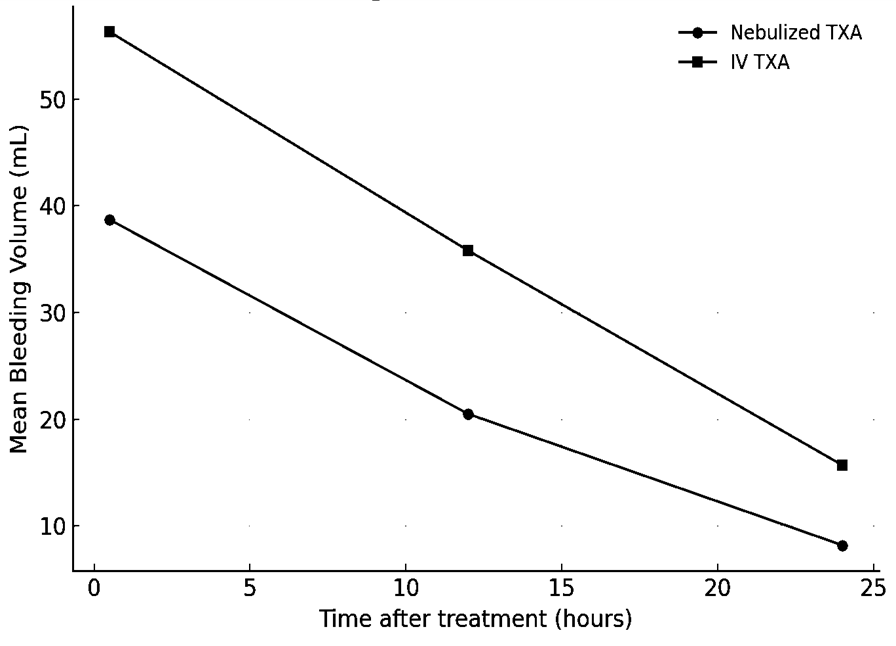
Figure 3: Line graph showing mean cumulative bloody expectorate volume measured at prespecified assessment points following nebulized and intravenous tranexamic acid administration
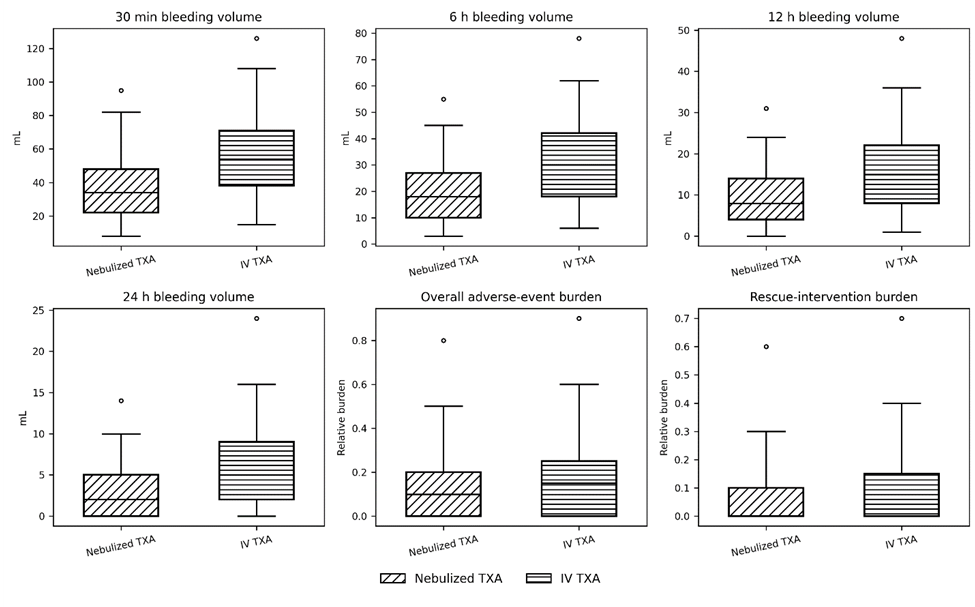
Figure 4: Box plots illustrating the distribution of cumulative bloody expectorate volumes, documented adverse events, and rescue intervention requirements in the nebulized and intravenous tranexamic acid groups
DISCUSSION :
The present randomized controlled trial demonstrated that nebulized tranexamic acid achieved significantly faster early bleeding control than intravenous tranexamic acid in adults with non-massive hemoptysis. Patients treated with nebulized tranexamic acid showed higher rates of bleeding cessation at 30 minutes, 12 hours, and 24 hours after treatment initiation. The absolute treatment effect was greatest at the earliest assessment point, where the nebulized group demonstrated a 21% higher bleeding cessation rate than the intravenous group. In addition, lower post-treatment bleeding volumes were observed in the nebulized group throughout the early observation period, suggesting a more rapid local hemostatic response.
4.2 Comparison with regional and international literature
The current results are consistent with the available regional data. Similar findings have been reported in South Africa, where inhaled tranexamic acid has been associated with a quicker hemostatic response in individuals with non-massive hemoptysis [14]. Gopinath and colleagues observed that bleeding cessation was greater at 30 minutes with nebulized tranexamic acid than with intravenous administration. Other regional reports have also suggested that the inhaled route may enable quicker local control of airway bleeding. The direction and strength of the effect observed in the current study were therefore broadly in line with previous South Asian experience [14].
The clinical utility of nebulized tranexamic acid has also been supported by international studies [15]. Wand and co-authors reported a lower volume of expectorated blood with inhaled therapy, and previous studies demonstrated that inhaled therapy caused earlier bleeding control than placebo or supportive care alone. Published reports have also indicated that local tranexamic acid may reduce the need for invasive procedures in a small proportion of the patient population. However, stronger evidence from larger studies is still needed [15]. Taken together, these findings suggest that nebulized tranexamic acid is a viable short-term local agent in the management of non-massive hemoptysis.
Variations among studies may be related to differences in patient populations, causes of hemoptysis, hospital resources, and study size [16,17]. In Pakistan and other South Asian settings, pulmonary tuberculosis and post-infectious airway disease remain frequent causes of hemoptysis. In contrast, malignancy is a more important contributor in many high-income settings. Such variations in etiology could affect the clinical nature of bleeding and the apparent effect of topical treatment [18].
4.3 Biological plausibility and interpretation of outcome pattern
The early advantage of nebulized tranexamic acid is biologically plausible [19]. Tranexamic acid works by blocking fibrinolysis through inhibition of plasminogen activation. Direct access to the tracheobronchial mucosa and bleeding surface can be achieved when the drug is administered by nebulization. This local exposure can enable quicker stabilization of clot at the bleeding site. This could enhance prompt hemostatic control [20].
Conversely, intravenous tranexamic acid is distributed throughout the body and subsequently reaches the airway mucosa. This wider distribution may partially dilute the concentration available at the bleeding site during the initial stages of therapy, although the drug remains pharmacologically active [21,22]. This route-specific difference in delivery could explain the better early bleeding cessation and lower early bleeding volume in the nebulized group in the current research.
4.4 Safety and clinical relevance
There was no significant difference in the overall rate of reported adverse events between the two treatment groups. The recorded minor adverse events included cough and mild bronchospasm. No major adverse event was reported during the observation period. However, separate event-specific frequencies for individual minor adverse events were not maintained. Therefore, only the overall adverse-event rate could be quantitatively compared between the two groups. This is now acknowledged in the limitations section as well. These findings are generally consistent with previous reports suggesting that nebulized tranexamic acid may have an acceptable short-term safety profile. However, the present trial was not specifically powered for definitive comparative safety assessment. [23].
4.5 Strengths, limitations, and implications for future research
The study has some strengths that should be noted. It was a randomized controlled study with equal allocation, and all patients enrolled in the study were able to complete it. The two groups were cared for and treated in the same hospital environment. They were also given the same general supportive measures. The sole randomized difference was the route of administration of tranexamic acid. Both groups received the same dosing frequency and treatment duration, which helped reduce treatment-related variability apart from the route of administration. Bleeding was measured at predetermined clinical time points by the same bedside collection method in both groups. These characteristics enhanced internal consistency and helped compare the two treatment approaches. Baseline severity of hemoptysis, estimated bleeding burden, and major etiologic categories were also comparatively balanced between the groups, which strengthened the validity of the randomized comparison.
Significant limitations should also be noted. The research was carried out in a single center, which can restrict generalization. Only adults with non-massive hemoptysis were selected. Therefore, the results cannot be generalized to pediatric patients or to massive hemoptysis. Bedside volume was measured from collected bloody expectorate. Separation of blood and sputum in the early phase was not possible. Therefore, some measurement error might have existed despite use of the same technique in the two groups. Blinding of subjects and clinicians could not be fully achieved because the administration routes were different. This might have created some performance or observer bias. Furthermore, the trial was registered retrospectively rather than prospectively, although ethical approval, predefined study procedures, informed consent, and prospective participant enrollment had already been implemented before recruitment began.
Despite these limitations, the results were consistent with the existing regional and international literature and were biologically relevant. The research contributes valuable data from a Pakistani tertiary care environment and supports the use of nebulized tranexamic acid as an effective first-line local therapy for managing non-massive hemoptysis. Future multicenter randomized trials with longer follow-up, improved harms reporting, and more detailed measurement of recurrence and intervention events may be required. These studies could clarify whether the early hemostatic benefit of nebulized tranexamic acid also results in wider long-term clinical benefit.
CONCLUSION :
Nebulized tranexamic acid was associated with earlier bleeding cessation and lower early post-treatment bleeding volume than intravenous tranexamic acid in adults with mild-to-moderate (non-massive) hemoptysis. Short-term tolerability appeared similar between groups. No major short-term safety signal was identified in either group based on the available overall adverse-event data, although comparative safety conclusions remain limited by the absence of detailed event-specific adverse-event reporting. The observed benefit was most evident during the early treatment period. However, no statistically significant differences were observed in re-bleeding within 72 hours or rescue intervention requirements between the groups. These findings suggest that nebulized tranexamic acid may serve as a useful bedside option for early bleeding control in non-massive hemoptysis, particularly in resource-limited clinical settings.
Funding Source: NONE
Conflict of Interest: The authors declare no conflicts of interest.
Consent to Participate: Written informed consent was obtained from all participants. Participation was voluntary.
Consent for Publication: Participants provided consent for publication of anonymized data.
Data Access Statement: All relevant data are within the paper. The datasets generated during and/or analyzed during the current study are available from the corresponding author on reasonable request. All the authors verify that they had access to the data and a role in writing the manuscript.
Ethical statement: Ethical approval was taken from the Institutional Review Board of the Hospital.
BIBLIOGRAPHY:
1. Schwalb A, Samad Z, Yaqoob A, Fatima R, Houben RMGJ. Subnational tuberculosis burden estimation for Pakistan. PLOS Glob Public Health. 2024;4(9):e0003653. doi:10.1371/journal.pgph.0003653.
2. Khan PY, Paracha MS, Grundy C, Madhani F, Saeed S, Maniar L, et al. Insights into tuberculosis burden in Karachi, Pakistan: A concurrent adult tuberculosis prevalence and child Mycobacterium tuberculosis infection survey. PLOS Glob Public Health. 2024;4(8):e0002155. doi:10.1371/journal.pgph.0002155.
3. Ahmed S, Hameed M, Al-Tikriti M, Elfert K, Hussein M, Albakri M, et al. Etiology, diagnostic modalities, and short-term outcomes of hemoptysis—a retrospective cross-sectional study from a tertiary care center in Qatar. J Thorac Dis. 2023;15(12):6634-6643. doi:10.21037/jtd-23-939.
4. Benjamin SR, Nair AA, Joel RK, Gnanamuthu BR, Rao VM, Andugala SS. An overview on the principles of management of haemoptysis. Indian J Thorac Cardiovasc Surg. 2023;39(5):505-515. doi:10.1007/s12055-023-01547-y.
5. Choi H, Xu JF, Chotirmall SH, Chalmers JD, Morgan LC, Dhar R. Bronchiectasis in Asia: a review of current status and challenges. Eur Respir Rev. 2024;33(173):240096. doi:10.1183/16000617.0096-2024.
6. Mahalingam S, Rajendran G, Ramkumar A, Elanjeran R, Krishnamoorthy Y, Vasudha D, et al. Effectiveness of Inhalational Tranexamic Acid in Patients with Nonmassive Hemoptysis—A Systematic Review and Meta-Analysis. Lung. 2025;203(1):19. doi:10.1007/s00408-024-00774-3.
7. Chandler JK, Reid MM, Pitts L, Postigo Jasahui MR. Evaluation & management of clinically significant hemoptysis—a clinical practice review. AME Med J. 2024;9:1. doi:10.21037/amj-23-99.
8. Walker CW, Hartman T, Hulsey B. Evaluation and management of hemoptysis. JAAPA. 2025;38(10):17-22. doi:10.1097/01.JAA.0000000000000252.
9. Karlafti E, Tsavdaris D, Kotzakioulafi E, Kougias L, Tagarakis G, Kaiafa G, et al. Which Is the Best Way to Treat Massive Hemoptysis? A Systematic Review and Meta-Analysis of Observational Studies. J Pers Med. 2023;13(12):1649. doi:10.3390/jpm13121649.
10. Shahid S, Irfan M. Clinical features, microbiology and lung function in post-TB bronchiectasis compared to other aetiologies. Int J Tuberc Lung Dis. 2022;26(10):992-994. doi:10.5588/ijtld.22.0251.
11. Ye M, Chen M, Wang C, Jiang Z, Luo H, Ren Y. Nebulized Tranexamic Acid in the Management of Hemoptysis: An Integrative Review. Lung. 2025;203(1):28. doi:10.1007/s00408-024-00780-5.
12. Gopinath B, Mishra PR, Aggarwal P, Nayaka R, Naik SR, Kappagantu V, et al. Nebulized versus intravenous tranexamic acid for hemoptysis: a pilot randomized controlled trial. Chest. 2023;163(5):1176–84. https://doi.org/10.1016/j.chest.2022.11.021
13. Cutshall DM, Inman BL, Myers M. Treatment of massive hemoptysis with repeated doses of nebulized tranexamic acid. Cureus. 2022;14(12):e29625. https://doi.org/10.7759/cureus.29625
14. Alkazemi A, Kovacevic M, Dube K, Lauffenburger JC, Smith A, Malinowski S, et al. Effectiveness of nebulized tranexamic acid in patients with moderate-to-massive hemoptysis at a tertiary academic medical center. J Aerosol Med Pulm Drug Deliv. 2023;36(5):309–15. https://doi.org/10.1089/jamp.2023.0013
15. Zhang P, Zheng J, Shan X, Zhou B. Advances in the study of nebulized tranexamic acid for pulmonary hemorrhage. Eur J Clin Pharmacol. 2025;81(2):237–46. https://doi.org/10.1007/s00228-024-03689-1
16. Mahalingam S, Rajendran G, Ramkumar A, Elanjeran R, Krishnamoorthy Y, Vasudha D, et al. Effectiveness of inhalational tranexamic acid in patients with nonmassive hemoptysis: a systematic review and meta-analysis. Lung. 2025;203(1):19. https://doi.org/10.1007/s00408-024-00774-3
17. Kinoshita T, Ohbe H, Matsui H, Fushimi K, Yasunaga H. Effect of tranexamic acid on mortality in patients with hemoptysis: a nationwide study. Crit Care. 2019;23(1):347. https://doi.org/10.1186/s13054-019-2620-5
18. Han K, Yoon KW, Kim JH, Kim GM. Bronchial artery embolization for hemoptysis in primary lung cancer: a retrospective review of 84 patients. J Vasc Interv Radiol. 2019;30(3):428–34. https://doi.org/10.1016/j.jvir.2018.10.021
19. Vanni S, Bianchi S, Bigiarini S, Niccoli G, Meini S, Campioni D, et al. Management of patients presenting with hemoptysis to a tertiary care Italian Emergency Department: the Florence Hemoptysis Score (FLHASc). Intern Emerg Med. 2018;13(3):397–404. https://doi.org/10.1007/s11739-017-1618-8
20. Marcelin C, Soussan J, Desmots F, Rocher L, Dartevelle S, Fallet V, et al. Outcomes of pulmonary artery embolization and stent graft placement for the treatment of hemoptysis caused by lung tumors. J Vasc Interv Radiol. 2018;29(7):975–80. https://doi.org/10.1016/j.jvir.2018.01.773
21. Springer DM. The effectiveness of bronchial artery embolisation in patients with hemoptysis. Adv Respir Med. 2018;86(5):220–6. https://doi.org/10.5603/ARM.2018.0035
22. Flight WG, Barry PJ, Bright-Thomas RJ, Raywood E, Sheikh S, Johal B, et al. Outcomes following bronchial artery embolisation for hemoptysis in cystic fibrosis. Cardiovasc Intervent Radiol. 2017;40(8):1164–8. https://doi.org/10.1007/s00270-017-1626-0