A Comprehensive Review on pharmacological importance of Phyto-constituents in rheumatoid arthritis and the potential of nano/micro-formulation for its efficient delivery
- Krishna Murari , PhD, Research scholar, Faculty of Pharmacy, Maulana Azad University, Jodhpur, Rajasthan, India
- Vimla Soni , Associate Professor, Faculty of Pharmacy, Maulana Azad University, Jodhpur, Rajasthan, India
- Mohamad Taleuzzaman , Professor, Faculty of Pharmacy, Maulana Azad University, Jodhpur, Rajasthan, India
- Neetu Singh , Professor, Rajiv Academy for Pharmacy, Mathura, Uttar Pradesh, India
Article Information:
Abstract:
Objectives: The therapeutic use of herbal remedies rheumatoid arthritis (RA) treatment of is examined in this review, along with how Nano/micro-formulation can be included in the range of its therapeutic administration in RA.Major Findings: The therapy of RA was found to be highly effective when bioactive substances such thymoquinone, polyphenols, hesperidin, resveratrol, celastrol, curcumin, and gambogic acid were included in a dose-specific way. Their capacity to target several mediators of inflammation, including as chemokines, nitric oxide, NF-kb, arachidonic acid, adhesion molecules, lipoxygenase, and cytokines, is the reason for this. Despite having many benefits, using these bioactives has several disadvantages, including low bioavailability as a result of increased first-pass metabolism after oral treatment and limited water solubility. Due to improvements in bioavailability, stability, and effectiveness, nano/ micro-formulation role in delivering these bioactives against RA has drawn increased interest.Conclusion: The use of nano/ micro-formulation carrier-dependent drug release technology can optimize the effectiveness of these herbal antirheumatic medications without causing any systemic side effect, despite the fact that phytoconstituents have enormous promise in RA pharmacotherapy.
Keywords:
Article :
INTRODUCTION:
Almost 1% of people worldwide suffer with Rheumatoid arthritis is a joint inflammatory autoimmune disease. It is focused on persistent polyarticular the articular cartilages and bones eventually degrade due to inflammation in the synovial tissues. [1] Genetic and environmental variables are among the many causal agents that contribute to the growth of Rheumatoid arthritis, since they modify the course of immunological processes. [2] Generally speaking, arthritis is one of the oldest known diseases that affects people of all ages. In India, over 20% of the population suffers from arthritis [3]. One long-term autoimmune condition is rheumatoid arthritis (RA) with an unknown etiology that is characterize by joint synovial inflammation along with progressive bone and cartilage degradation that gradually impairs movement [4]. It may have arrived in Europe around the 17th century, but it was initially discovered in the early Native American population many thousand years ago [5]. Interleukin, Tumor necrosis factor-α, and IL-6 are pro-inflammatory cytokines that have a important role in the development of the illness [6]. The inflammatory joint lining, or synovium, expands and erodes the articular cartilage and bone, resulting in joint deformity and gradual physical impairment. Arthritis often starts in the tiny joints of the hands and feet and progresses to the bigger joints. Nodules, pericarditis, pulmonary fibrosis, peripheral neuropathy, and amyloidosis are examples of extra-articular characteristics [7].
Present treatment option include glucocorticoids (GCs), Disease-modifying antirheumatic drugs (DMARDs) and Non-steroidal anti-inflammatory drugs (NSAIDs) and biological medicines that reduce joint pain and inflammation, such as IL-1 receptor antagonists (IL-1Ra) and TNF-a blockers. [8] This necessitates the advancement of RA treatment with sufficient safety and effectiveness to address unmet medical needs. Since the authorized medication therapy using cyclooxygenase-2 inhibitors was taken off the market due to serious cardiac toxicity, the difficulties in this field are thought to be greater.[9] Similarly, long-term use of medications permitted under DMARDs has been linked to side effects such TB, persistent fungal infections, lymphomas, liver damage, myelosuppression, and RA remission. [10]
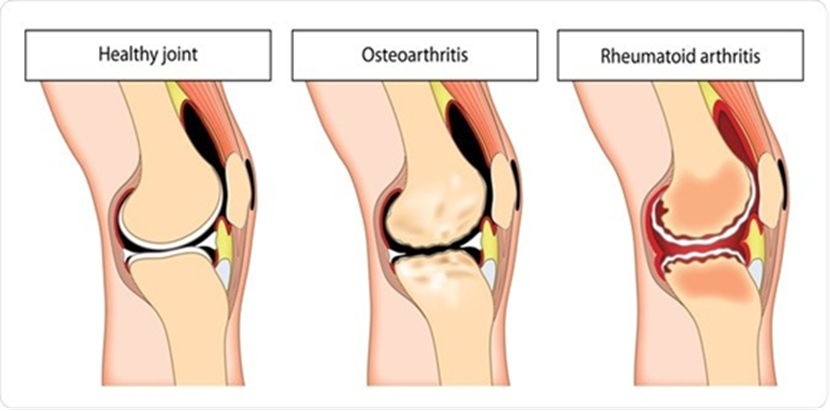
Figure 1: Comparing rheumatoid arthritis-affected and healthy joints
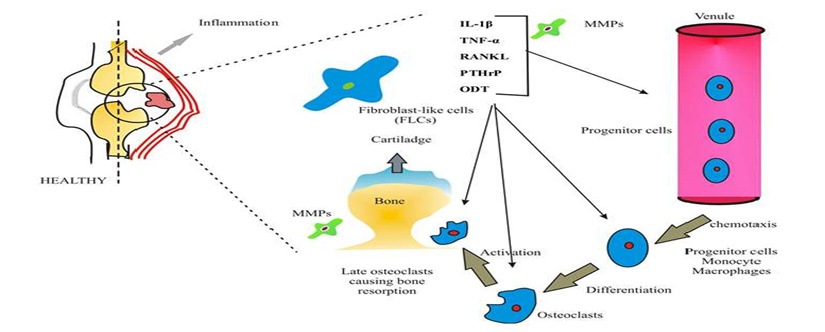
Figure 2 Numerous biochemical mediators are involved in the synovial joint inflammation process. Numerous variables, such as parathyroid hormone-related protein (PTHrP), TNF-a, receptor activator of nuclear factor kappa-B ligand, IL-1b, impact the genesis and development of osteoclasts. These might result in fibroblast-like cells and bone resorption, which would ultimately destroy cartilage. Rheumatoid arthritis is the result of a vicious cycle of degeneration caused by these occurrences.
Herbal medication for rheumatoid arthritis
One type of alternative medicine is Ayurveda. For generations, a variety of ailments have been treated with herbal treatments and it is not hyperbole to argue that their usage is as ancient as humanity [11–13]. For more than a century, generations of practicing physicians in the old medical system have developed herbal remedies based on their therapeutic experiences [14]. Due to the severe side effects of allopathic drugs, researchers are now very interested in medicinal substances derived from plants [15–17]. Allopathic drugs high toxicity and poor effectiveness, the American College of Rheumatology has strongly warned against using the current RA medications. Furthermore, between 60 and 90 percent of RA patients use complementary and alternative medicine derived from herbal sources because they are dissatisfied with the current therapies available.
Thus, it is evident that herbal medicines are safer and more effective than synthetic pharmaceuticals, as seen by the growing interest in them. Herbal remedies are traditional.
possessing vast structural diversity and enormous potential, which are uncommon in synthesized therapeutic molecules. As a result, the anti-RA properties of several phytoconstituents, including flavonoids, fatty acids, terpenoids, and steroids have been investigated. [18] Because they may target several inflammatory mediators such NF-kb, lipoxygenase (LOXs), nitric oxide, cytokines, adhesion molecules, arachidonic acid and chemokines they are said to be highly efficient for treating RA. The specifics of each distinct phytoconstituent have been covered in the sections that follow. [19]
Pomegranate extract (PE) is made from Punica granatum fruits. The inclusion of gallic acid, ellagitannins, quercetin, polyphenols, and ellagic acid makes it a very efficient oral medication for preventing cartilage degradation. [20] Furthermore, in rat models of arthritis, it has no harmful effects on chondrocytes. Additionally, it has downregulatory effect against NF-jB activity and JNK-MAPK, the main targets for medications in arthritis. In this context, c-Jun, activated JNK and Runx-2 genes control the production of collagen II by eliminating human MMP-13, are potently blocked by PE, and stop cartilage degradation. [21].
Thymoquinone (TQ), a bioflavonoid, is extracted from Nigella sativa seeds. In the Middle East and the Far East, traditional medicine has made extensive use of it to treat a wide range of illnesses. TQ has been found in numerous studies to be beneficial for a variety of inflammatory disorders. such as RA, IBD, and osteoarthritis. [22] When TQ was administered intraperitoneally to rats with adjuvant-induced arthritis (AIA), Tekeoglu et al. [23] found that the therapeutic effects were comparable to those of MTX. An additional study has shown that oral TQ treatment at a dosage of 5 mg/kg daily inhibits RA patients' blood levels of IL-1b and TNF-a. [24]
Resveratrol, a naturally occurring polyphenolic substance, is mostly extracted from grape (Vitis vinifera) skin. Numerous research have shown the various medical applications of resveratrol. [25] In addition to grape skin, Polygonum cuspidatum roots are utilized as traditional medicine in China and Japan. It has a high concentration of resveratrol. In animal models, resveratrol administered intra-articularly inhibits IL-1, LTB-4, PGE2, tumor protein (p53)- induced apoptosis, ROS and MPPs, therefore effectively combating arthritis. [26]
One citrus flavonoid known for its broad spectrum of pharmacological effect is hesperidin. Hesperidin's therapeutic advantages in an adjuvant rat arthritis model have been thoroughly studied. Hesperidin administered intragastrically at doses of 80, 160 mg/kg dramatically reduces secondary paw edema and decreases RA rat creation of TNF-a, IL-1, and IL-6. [27] Hesperidin affects the rat adjuvant arthritis model by significantly suppressing synoviocyte growth, according to another study. [28]
Phyto-Constituents used in rheumatoid arthritis: Berberine
Rheumatoid arthritis is a several autoimmune conditions for which berberine, an isoquinoline alkaloid, has demonstrated therapeutic efficacy. Because of its gut-dependent anti- arthritic activity, it was administered orally. Neuropeptides, hormones, and cytokines are secreted by the gut and are controlled by the herbal remedy berberine. By reducing bone loss in the joint and perhaps lowering blood levels of interleukin-17 and Th17 cells, it helps treat collagen-induced arthritis [14]. Berberine has a major impact on swelling paw edema when taken at a level of 200 mg/kg per day. This partially stopped bone erosion and decrease the level of immunoglobulin G and interleukin-17A [29]. The rhizome of Coptidis contains berberine, which has been utilized as an anti-inflammatory and anti-tumor agent. However, it is now demonstrating its benefits by treating fibroblast-like synoviocytes (RAFLSs) in rheumatoid arthritis and can also lower cyclin-dependent kinases 2, 4, and 6. According to an apoptosis test, berberine causes RAFLSs to undergo apoptosis [30].
Triptolide
One important extract from the Chinese plant Tripterygium wilfordii Hook F. is triptolide, which is chemically diterpene triepoxide. When used to treat rheumatoid arthritis, it demonstrated immunosuppressive action. Although it can prevent bone loss in joints, its low water solubility and multiorgan toxicity make it difficult to utilize in clinical settings. Despite this, its efficacy in treating rheumatoid arthritis is encouraging [31]. Triptolide damages a woman's ability to reproduce; a 4-hour exposure to doses of 50 and 100 mg/l resulted in spermatid depletion and inactivation. It causes a reduction in mitotic germ cells and oocytes and an increase in apoptotic cells after 24 or 48 hours of exposure. Triptolide is used to treat a number of conditions, including tumors, autoimmune diseases, rheumatism, and asthma. Organ transplantation also makes use of it [32]. Triptolide has a number of negative side effects, including myelosuppression, liver damage, and renal toxicity. A nano-drug carrier system was created to lessen its adverse effects. This technique used a poly-gamma-glutamic acid-grafted l- phenylalanine ethylester copolymer to load the medication, triptolide. Transmission electron microscopy and photon scattering correlation spectroscopy were used to investigate this nano- drug carrier system [33].
Norisoboldine
The primary chemical component of Lindera aggregata root is norisoboldine, an isoquinoline alkaloid. By activating the aryl hydrocarbon receptor (AhR), which aids in regulating unique cell differentiation, norisoboldine demonstrated anti-arthritic efficacy by inhibiting osteoclast formation and bone deterioration. Moreover, nuclear factor κB (NF-κB) was suppressed [34]. Ten days in a row, from day 14 to day 23, norisoboldine is administered orally to rats that have been immunized with adjuvant-induced arthritis. Norisoboldine stopped the degeneration of the joints in rats with adjuvant-induced arthritis (AIA) by reducing the synthesis of matrix metalloproteinase (MMP-13), prostaglandin E2 (PGE2), and interleukin 6 (IL-6) [35]. Verapamil raised the permeability coefficient (Peff) of norisoboldine by 88% in normal rats and 84% and 86% on days 5 and 10 in AIA rats, respectively, in a study comparing the intestinal absorption of norisoboldine in normal and AIA rats [36]. Through its pro-apoptotic pathway, norisoboldine shown effects on rats' adjuvant-induced arthritis [37].
Hesperidin
Citrus fruits contain hesperidin, a flavanone glycoside that is referred to as vitamin P. It decreased the expression of cyclooxigenase-2, prostaglandin E2, and nitric oxide in arthritic chondrocytes activated by interleukin 1β. Ultimately, it was utilized as a powerful medication for osteoarthritis sufferers by suppressing inflammatory reactions and activating the nuclear factor κB signaling pathway [38]. The ethanolic extract of Rosmarinus officinalis's aerial portions contained hesperidin. In general, many plants in the Lamiaceae and Rutaceae families contain a higher concentration of this bioflavonoid. When coupled with ketorolac, it significantly improves gout arthritis [39].
Madecassocide
A triterpenoid called madecassoside was discovered in Centella asiatica. The herb's active component, madecassoside, has an effective concentration of 10–30 μmol/l to produce its anti- arthritic effect, and it contains 3.10±4.58 mg in 1 ml. It decreased the transcription of matrix metalloproteinase-13 and prevented fibroblast-like synoviocyte invasion and migration. It inhibited NF-κB's phosphorylation and translocation [40]. When taken orally, madecassoside has a strong anti-rheumatoid action and a limited absorption. It has the ability to control interleukin- 10, an inflammatory cytokine. Since its anti-arthritic activity was intestine-dependent rather than blood-absorbed, it can only be administered orally and not interperitoneally [41].Gouty arthritis, a form of arthritis brought on by the deposition of monosodium urate crystals on joints, was significantly reduced, as was the pad swelling of monosodium urate-triggered mice and joint inflammation. Madecassoside also improved renal dysfunction and reduced monosodium urate- induced neutrophil cytosolic factor-1 and caspase-1 [42].
Hydroxy napthoquinone
The plant Arnebia euchroma produces plumbagin, a 5-hydroxy 2-methyl 1,4-napthoquinone, as a secondary metabolite. When administered daily for 12 to 32 days to a rat with collagen-induced arthritis, it significantly reduced inflammation and arthritis at doses of 2 and 6 mg/kg. Inhibiting proinflammatory cytokines and controlling the ratio of Th17 cells to regulatory T cells can stop arthritis from developing [43]. It demonstrated anti-arthritic action by reducing paw swelling in Freund's adjuvant arthritis and collagen-induced arthritis models, and it prevented joint degeneration by lowering the amount of interleukin-1β [44]. Lapachol, a different substance with a hydroxy napthoquinone group, likewise significantly affects autoimmune arthritis. It significantly slowed the development of both antigen-induced and collagen-induced arthritis. Because it inhibits dihydroorotate dehydrogenase, it has been considered as a possible treatment for rheumatoid arthritis [45].
Ginsenoside
After being broken down by intestinal bacteria, the molecule ginsenoside yields a byproduct called compound K. Chemically, 20-O-D-glucopyranosyl-20(S)-protopanaxadiol is chemical K. By inhibiting inflammatory cytokines and cyclooxigenase-2 such interleukin-2, interleukin-17, tumor necrosis factor-α, and interleukin-1β respectively, it demonstrated anti-inflammatory and anti-arthritic properties [46]. Certain cells implicated in rheumatoid arthritis, such as endothelial cells, fibroblast synoviosytes, etc., were controlled by compound K. It was shown to be a promising therapy for rheumatic disorders and was well tolerated because of its fewer adverse effects [47].
Cryptotanshinone
We extracted cryptotanshinone from the root of the Salvia miltiorrhiza plant. It reduced the synthesis and activity of matrix metalloproteinase 9 and blocked the effect of pro-inflammatory cytokines. Additionally, it inhibited nuclear factor κB signaling and osteoclast differentiation. In rats with rheumatoid arthritis, cryptotanshinone demonstrated its impact on collagen-induced arthritis. [48]. Rats with adjuvant-induced arthritis showed anti-arthritic effects from this chemical. When administered intragastrically at doses of 50 and 100 mg/kg, cryptotanshinone decreased subsequent inflammatory reactions. Additionally, it prevented interleukin-1 from being produced. Rat paw edema and polyarthritis index are treated with cryptotanshinone [49].
Thymoquinone
An active ingredient in Nigella sativa, Numerous ailments have been treated using thymoquinone. In the rat model of rheumatoid arthritis, it improved histological alterations and decreased paw weight. In pristine-induced arthritis, Thymoquinone substantially decreased the interleukin-1β, tumor necrosis factor α and clinical score as compared to methotrexate. Thymoquinone demonstrated anti-inflammatory and disease-modifying properties [50]. In Southern Asia, it is referred to as Kalonji; in Arabic, it is called Habat-ul-sauda, and in English, it is called black cumin. Although its effectiveness is modest, it avoided renal impairment, which is linked to rheumatoid arthritis. Both methotrexate and thymoquinone decreased blood urea, triglycerides, total cholesterol, total leukocyte count, serum creatinine and clinical grade inflammation. However, thymoquinone had reduced side effects and comparable efficacy to methotrexate [51]. At a dosage of 10 mg/kg/day, it demonstrated an anti-arthritic activity by reducing paw swelling in rats with Freund's Complete Adjuvant-induced arthritis. Additionally, it demonstrated its anti-inflammatory properties by inhibiting prostaglandins and leukotrienes. Hematological markers such hemoglobin concentration, neutrophils, monocytes, and lymphocytes were all returned to normal by thymoquinone. Interleukin- 1, Toll-like receptors 2, 4, tumor necrosis factor α and nuclear factor κB, all had their mRNA expression levels decreased. Rheumatoid arthritis may be treated with thymoquinone, an alternative disease- modifying anti-rheumatic medication. Thymoquinone has no nephrotoxic or hepatotoxic effects, according to blood levels of alanine transaminase, creatinine, aspartate aminotransferase, and urea following dosing [52].
Curcumin
Curcumin is a yellow, hydrophobic polyphenol chemical that comes from the herb Curcuma longa. It was employed in numerous chronic disorders, acting through tumor necrosis factor α, interleukin-1β, nuclear factor κB, metastasis, and suppression of cell proliferation. To investigate the impact on paw edema and inflammatory cytokines, an intravenous injection of curcumin was given to patients with adjuvant-induced arthritis. It was delivered by forming the medication into oil-water nanoemulsions with a diameter of around 150 nm because of its poor oral bioavailability. By reducing inflammatory mediators, it had an impact on rheumatoid arthritis [53]. At a dosage of 110 mg/ml/kg/day, curcumin extensively decreased rheumatoid arthritis in
28 and 48 days. Curcumin's remarkable pleiotropic activity and capacity to regulate several signaling pathways are attributed to its complex molecular structure. When taken orally as a supplement, it decreased joint inflammation by inhibiting soft tissue swelling, ankylosis, and erythema [54]. To find out how to boost curcumin's effects, an experiment was conducted. First, ghee and milk were combined with curcumin. After that, it was constantly given to rats orally for 21 days. Curcumin had a noteworthy impact on arthritic joint inflammation reduction [55].
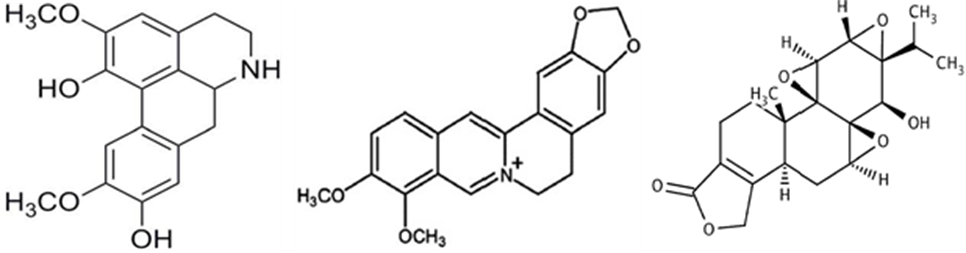 Norisoboldine Berberine Triptolidine
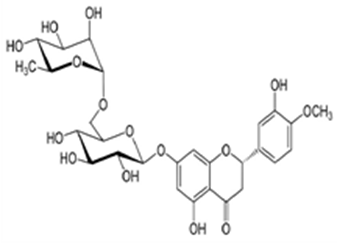
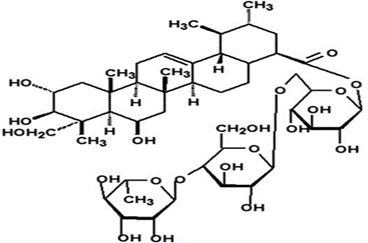
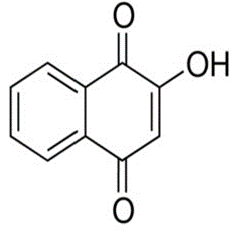 Hesperidine Madecassocide Hydroxy-Napthoquine
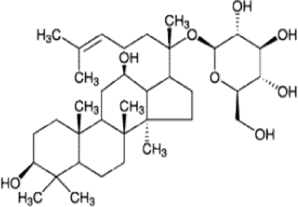
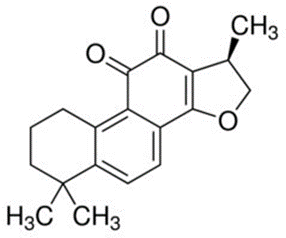
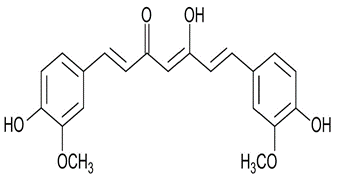
Ginsenoside Cryptotanshinone Curcumin
Use of herbal nano/submicro formulations in the treatment of rheumatoid arthritis
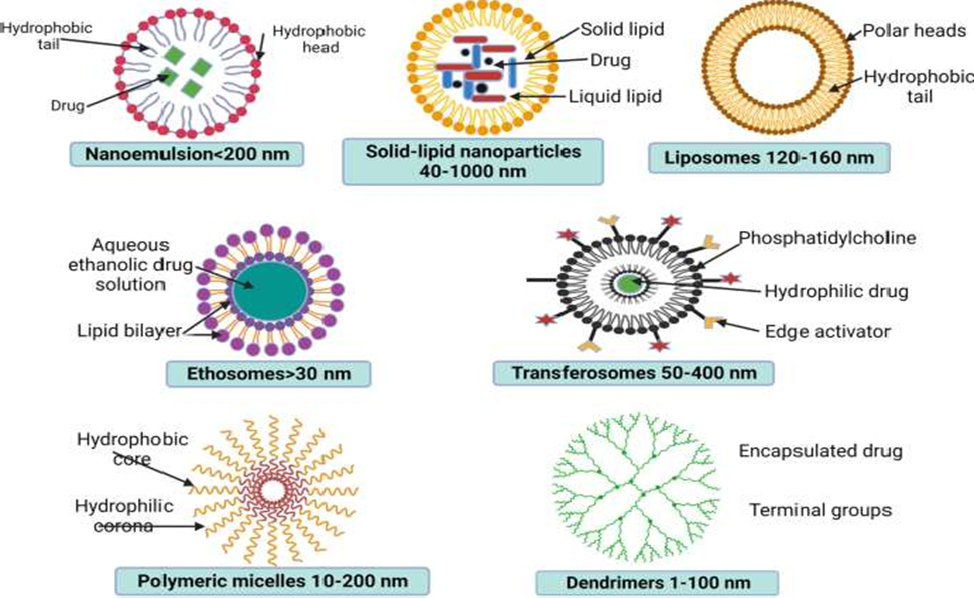
Figure-3 Advance Nanotechnology for treatment of rheumatoid arthritis
For drug absorption, the physiochemical characteristics of herbal medications and vehicles are thought to be extremely important. These elements limit the activity exclusive to a site and restricted penetration via the skin because to skin barriers and metabolic enzymes. [56]
Nowadays, nano/submicro formulations have been created to enhance the absorption of such bioactives in order to circumvent these drawbacks. [57,58] Figure 4 illustrates nano/submicromedicine, which comprises nanoemulsions, microspheres, liposomes, solid lipid nanoparticles and microemulsions with sizes ranging from 1 to 1000 nm. [59–60] These offer several benefits, including the the capacity to disperse both hydrophilic and hydrophobic drugs in regulated way, a high drug-carrying capacity and enhanced stability for topical and systemic medication delivery.
Additionally, nanomedicines significantly improve the biodistribution and pharmacokinetic characteristics of the therapeutic drugs at the intended site of action because of their increased surface area-to-volume ratio. [61–66] Possession of tiny size encourages the high skin contact and enhances skin penetration and prolong circulating time of drug molecules to the targeted spot via active targeting. [66–70] In RA, a variety of nano/submicrocarriers have been used to carry herbal medications.
In the sections above, each of the many restrictions on nanocarriers has been covered separately. For example, in order to get around curcumin's drawbacks, solid lipid Nanoparticles have been shown to be very successful in treating rat arthritis by significantly reducing paw volume through the down regulation of the immunomodulatory and oxide-inflammatory cascades.[81] The creation of curcumin-loaded proniosomes for transdermal administration has been shown in another study; it discovered increased skin penetration through rat skin. Another study has shown that curcumin-loaded proniosomes can be applied transdermally and that they have a higher skin penetration rate through rat skin [71]. Another study found that curcumin loaded into nanoemulsion gel has four times the skin penetration of curcumin solution in oil. Additionally, antiarthritic evaluation on Freund's complete adjuvant-induced rat model showed that curcumin nanogel significantly reduced arthritic symptoms with improved topical availability at the application site in Wistar rats [72]. Similarly, thymoquinone's therapeutic uses are limited by a number of drawbacks. With the aid of poly(lactide-co-glycolide) (PLGA), polymeric nanoparticles were created, and their 97.5% entrapment efficiency demonstrated more potency than thymoquinone by itself. [73] Sinomenine has a number of drawbacks as well, which microemulsion-based hydrogel can get around in Wistar rats with Freund's full adjuvant-induced arthritis. It had more positive effects, which included paw edema reduction through TNF-a, IL-1, and PGE2 suppression. [74].
Nanoemulsion as a System of Colloids
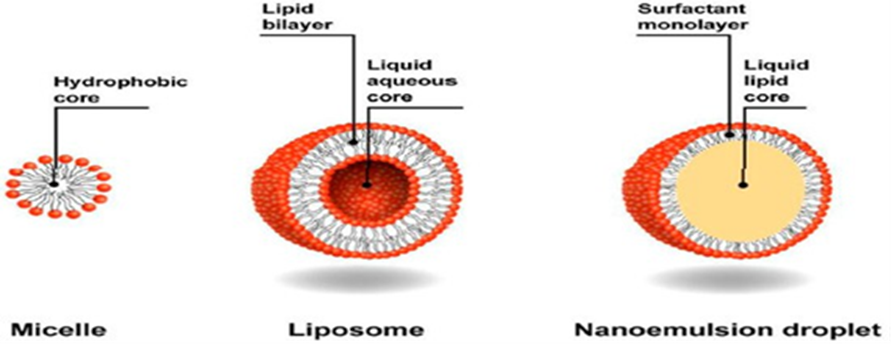
Figure-4 Micelle, liposome, and nanoemulsion droplet composition
Colloidal nanoformulations have garnered a lot of interest for usage in a variety of applications. The Pharmaceutical industry benefits greatly from these sophisticated nanoformulation technologies, which increase nano drug delivery systems [77,78] and enhance biological activity [75,76]. Colloid nanoformulations have made it possible to alter medication penetration and get the best possible results on the skin when added to cosmetic goods [79,80]. The food sector also uses this nanoformulation technique [81] to increase food's shelf life [82] and enhance its defense against biodeterioration [83].
Recent advances in pharmaceutical technologies have been made possible by the advantages of colloidal nanoformulation. Industrial Pharmaceutical claims that more than 70% of standard dosage forms are less effective since they require repeated use at higher dosages to reach full bio-efficiency, which has negative effects [84].
Here, we go over the technology, synthesis, physicochemical and biologic characterizations, and formulation of dosage form for Pharmaceutical usage using nanoemulsions. Each component's function in the formulation is explained in depth.[85] Furthermore, research on the in vitro and in vivo uses of the nanoemulsion for drug administration is discussed. Additionally, the active release of active Pharmaceutical chemicals based on nanoemulsions into live organisms and the paths by which they penetrate described. [86]
CONCLUSION:
Many antiarthritic medications have been created and are used to treat RA, but their effectiveness is limited by a number of issues. Nowadays, there is a lot of structural variation in herbal therapeutic techniques that is not typically observed in synthetic ones. More antiarthritic drugs have been used to treat RA, but they have a number of drawbacks, including inconsistent dosage, low absorption, and increased metabolism. Recent studies have demonstrated that phytomolecules may be transported via nano/submicrocarriers, resulting in remarkable RA therapeutic effects with reduced dosage and improved drug localization at the RA site. In order to establish in vitro and in vivo safety data and to distribute bioactives effectively, further research on nanocarriers is now needed. Nano/submicromedicine may soon emerge as the primary method for efficiently delivering bioactives for improved RA management.
REFERENCES :
1. Anderson KO et al. Rheumatoid arthri tis: review of psychological factors related to etiology, effects, and treat ment. Psychol Bull 1985; 98: 358–387.
2. Scrivo R et al. The immunology of rheumatoid arthritis. Ann N Y Acad Sci 2007; 1108: 312– 322.
3. Rahman M et al. Emergence of lipid based vesicular carriers as nanoscale pharmacotherapy in rheumatoid arthritis. Recent Pat Nanomed 2015; 5: 111–121.
4. Ismail HM et al. Interleukin-1 acts via the JNK-2 signaling pathway to induce aggrecan degradation by human chondrocytes. Arthritis Rheumatol 2015; 67:1826–1836.
5. Araki Y et al. Histone methylation and STAT3 differentially regulate IL 6-induced MMP gene activation in rheumatoid arthritis synovial fibrob lasts. Arthritis Rheumatol 2016; 68: 1111– 1123.
6. Firestein GS. Evolving concepts of rheumatoid arthritis. Nature 2003; 423: 356–361.
7. Smolen JS et al. Treating rheumatoid arthritis to target: 2014 update of the rec ommendations of an international task force. Ann Rheum Dis 2016; 75: 3–15.
8. Rahman M et al. Lipid-based vesicu lar nanocargoes as nanotherapeutic targets for the effective management of rheumatoid arthritis. Recent Pat Antiinfect Drug Discov 2016; 11: 3– 15.
9. Song F et al. Comparison of the effi cacy of bone marrow mononuclear cells and bone mesenchymal stem cells in the treatment of osteoarthritis in a sheep model. Int J Clin Exp Pathol 2014; 7: 1415–1426.
10. Cannon GW et al. Adverse events with disease modifying antirheumatic drugs (DMARD): a cohort study of lefluno mide compared with other DMARD. J Rheumatol 2004; 31: 1906–1911.
11. Marki-Zay J et al. MDR-ABC trans porters: biomarkers in rheumatoid arthritis. Clin Exp Rheumatol 2013; 31: 779–787.
12. Ghodke-Puranik Y et al. Folate meta bolic pathway single nucleotide polymor phisms: a predictive pharmacogenetic marker of methotrexate response in Indian (Asian) patients with rheumatoid arthritis. Pharmacogenomics 2015; 16: 2019–2034.
13. Edwards JC et al. Restricted expression of Fc gamma RIII (CD16) in synovium and dermis: implications for tissue tar geting in rheumatoid arthritis (RA). Clin Exp Immunol1997; 108:401– 406.
14. Watanabe A et al. Risk of developing active tuberculosis in rheumatoid arthritis patients on adalimumab in Japan. Int J Tuberc Lung Dis 2016; 20: 101–108.
15. Pineda C et al. Report on the first PANLAR rheumatology review course rheumatoid arthritis: challenges and solutions in Latin America. J Clin Rheumatol 2015; 21: 435–439. 23. Forero IM et al. Treatment of autoim mune diseases: a systems biology approach. Drug Discov Today Ther Strateg 2007; 4: 57–62.
16. Kumar V et al. Umbelliferone b-D galactopyranoside exerts an anti inflammatory effect by attenuating COX-1 and COX-2. Toxicol Res 2015; 4: 1072–1084.
17. Rasheed Z, Akhter NHT. Pomegranate extract inhibits the interleukins 1b- induced activation of MKK-3, p38 a-MAPK and transcription factor RUNX-2 in human osteoarthritis chon drocytes. Arthritis Res Ther 2010; 12: R195.
18. Umar S et al. Thymoquinone inhibits TNF-alpha-induced inflammation and cell adhesion in rheumatoid arthritis synovial fibroblasts by ASK1 regula tion. Toxicol Appl Pharmacol 2015; 287: 299–305.
19. Tekeoglu I et al. Effects of thymo quinone (volatile oil of black cumin) on rheumatoid arthritis in rat models. Phytother Res 2007; 21: 895–897.
20. Ahmed A et al. A review on therapeu tic potential of Nigella sativa: a mira cle herb. Asian Pac J Trop Biomed 2013; 3: 337–352.
21. Elmali N et al. Effects of resveratrol in inflammatory arthritis. Inflammation 2007; 30: 1–6.
22. Baur JA, Sinclair DA. Therapeutic potential of resveratrol: the in vivo evidence. Nat Rev Drug Discov 2006; 5: 493–506.
23. Umar S et al. Hespiridin inhibits col lagen induced arthritis possibly through suppression of free radical load and reduction in neutrophil acti vation and infiltration. Rheumatol Int 2013; 33: 657–663.
24. Yue M, Xia Y, Shi C, Guan C, Li Y, Liu R, et al. Berberine ameliorates collagen‐induced arthritis in rats by suppressing Th17 cell responses via inducing cortistatin in the gut. FEBS J 2017;284:2786-801.
25. Yue J, Xu J, Li H, Wang J, Zheng N, Yao H, et al. THU0078 berberine ameliorates bone erosions in collagen-induced arthritis rat models via suppressing the expression of il-17a. Ann Rheum Dis 2018;77(Suppl 2):262.2-262.
26. Wang XH, Jiang SM, Sun QW. Effects of berberine on human rheumatoid arthritis fibroblast-like synoviocytes. Exp Biol Med 2011;236:859-66.
27. Fan D, Guo Q, Shen J, Zheng K, Lu C, Zhang G, et al. The effect of triptolide in rheumatoid arthritis: from basic research towards clinical translation. Int J Mol Sci 2018;19:376.
28. Ruan Q, Xu Y, Xu R, Wang J, Hua Y, Wang M, et al. The adverse effects of triptolide on the reproductive system of caenorhabditis elegans: oogenesis impairment and decreased oocyte quality. Int J Mol Sci 2017;18:464.
29. Zhang L, Wang T, Li Q, Huang J, Xu H, Li J, et al. Fabrication of novel vesicles of triptolide for antirheumatoid activity with reduced toxicity in vitro and in vivo. Int J Nanomed 2016;11:2663.
30. Wei ZF, Lv Q, Xia Y, Yue MF, Shi C, Xia YF, et al. Norisoboldine, an anti-arthritis alkaloid isolated from radix linderae, attenuates osteoclast differentiation and inflammatory bone erosion in an aryl hydrocarbon receptor-dependent manner. Int J Biol Sci 2015;11:1113.
31. Wei ZF, Lv Q, Xia Y, Yue MF, Shi C, Xia YF, et al. Norisoboldine, an anti-arthritis alkaloid isolated from radix linderae, attenuates osteoclast differentiation and inflammatory bone erosion in an aryl hydrocarbon receptor-dependent manner. Int J Biol Sci 2015;11:1113.
32. Duan C, Guo JM, Dai Y, Xia YF. The absorption enhancement of norisoboldine in the duodenum of adjuvant‐induced arthritis rats involves the impairment of P‐glycoprotein. Biopharm Drug Dispos 2017;38:75-83.
33. Luo Y, Wei Z, Chou G, Wang Z, Xia Y, Dai Y. Norisoboldine induces apoptosis of fibroblast-like synoviocytes from adjuvant-induced arthritis rats. Int Iimmunopharmacol 2014;20:110-6.
34. Fu Z, Chen Z, Xie Q, Lei H, Xiang S. Hesperidin protects against IL-1β-induced inflammation in human osteoarthritis chondrocytes. Exp Ther Med 2018;16:3721-7.
35. Wrubel KM, Riha PD, Maldonado MA, McCollum D,Gonzalez Lima F. The brain metabolic enhancer methylene blue improves discrimination learning in rats. Pharmacol Biochem Behav 2007;86:712-7.
36. Wei Guang YU, Yong SH, Jian Zhong WU, Yan Bing GA, ZHANG LX. Madecassoside impedes invasion of rheumatoid fibroblast-like synoviocyte from adjuvant arthritis rats via inhibition of NF-κB-mediated matrix metalloproteinase-13 expression. Chinese J Nat Med 2018;16:330-8.
37. Wang T, Wei Z, Dou Y, Yang Y, Leng D, Kong L, et al. Intestinal interleukin-10 mobilization as a contributor to the anti-arthritis effect of orally administered madecassoside: a unique action mode of saponin compounds with poor bioavailability. Biochem Pharmacol 2015;94:30-8.
38. Lu X, Zeng R, Lin J, Hu J, Rong Z, Xu W, et al. Pharmacological basis for use of madecassoside in gouty arthritis: anti-inflammatory, anti-hyperuricemic, and NLRP3 inhibition. Immunopharm Immunot 2019;41:277-84.
39. Wang T, Qiao H, Zhai Z, Tang T. Plumbagin ameliorates collagen-induced arthritis by regulating Treg/Th17 cell imbalances and suppressing osteoclastogenesis. Osteoarthr Cartil 2017;25:S417.
40. Fan H, Yang M, Che X, Zhang Z, Xu H, Liu K, et al. Activity study of a hydroxynaphthoquinone fraction from Arnebia euchroma in experimental arthritis. Fitoterapia 2012;83:1226-37.
41. Peres RS, Santos GB, Cecilio NT, Jabor VA, Niehues M, Torres BG, et al. Lapachol, a compound targeting pyrimidine metabolism, ameliorates experimental autoimmune arthritis. Arthritis Res Thera 2017;19:47.
42. Chen J, Wang Q, Wu H, Liu K, Wu Y, Chang Y, et al. The ginsenoside metabolite compound K exerts its anti-inflammatory activity by downregulating memory B cell in adjuvant-induced arthritis. Pharm Biol 2016;54:1280-8.
43. Chen J, Wei W. Anti-arthritic effect and underlying mechanism of ginsenoside metabolite compound k. Clin Anti Inflamm Anti Allergy Drug 2015;2:47-51.
44. Zheng FL, Chang Y, Jia XY, Huang M, Wei W. Effects and mechanisms of cryptotanshinone on rats with adjuvant arthritis. Chinese Med J 2011;124:4293-8.
45. Wang Y, Wang S, Li Y, Jiang J, Zhou C, Li C, et al. Therapeutic effect of Cryptotanshinone on collagen-induced arthritis in rats via inhibiting nuclear factor kappa B signaling pathway. Transl Res 2015;165:704-16.
46. Yu Q, Wu J, Li Q, Jin L, Qu Y, Liang B, et al. Kirenol inhibit the function and inflammation of fibro-blast-like synoviocytes in rheumatoid arthritis in vitro and in vivo. Front Immunol 2019;10:1304.
47. Lu Y, Xiao J, Wu ZW, Wang ZM, Hu J, Fu HZ, et al. Kirenol exerts a potent anti-arthritic effect in collagen-induced arthritis by modifying the T cells balance. Phytomedicine 2012;19:882-9.
48. Lu Y, Xiao J, Wu Z, Wang Z, Fu H, Chen Y, et al. Effects of kirenol on bovine type II collagen-induced rat lymphocytes in vivo and in vitro. Nan Fang Yi Ke Da Xue Xue Bao 2012;32:1-6.
49. Faisal R, Ahmad N, Fahed YS, Chiragh S. Anti-arthritic effect of thymoquinone in comparison with methotrexate on pristane induced arthritis in female sprague dawley rats. J Ayub Med Coll Abbottabad 2018;30:3-7.
50. Faisal R, Shinwari L, Jehangir T. Comparison of the therapeutic effects of thymoquinone and methotrexate on renal injury in pristane induced arthritis in rats. J Coll Physicians Surg Pak 2015;25:597-601.
51. Arjumand S, Shahzad M, Shabbir A, Yousaf MZ. Thymoquinone attenuates rheumatoid arthritis by downregulating TLR2, TLR4, TNF-α, IL-1, and NFκB expression levels. Biomed Pharmacother 2019;111:958-63.
52. Fu X, Lyu X, Liu H, Zhong D, Xu Z, He F, et al. Chlorogenic acid inhibits BAFF expression in collagen-induced arthritis and human synoviocyte MH7A cells by modulating the activation of the NF-κB signaling pathway. J Immunol Res 2019. https://doi.org/10.1155/2019/8042097
53. Chen WP, Tang JL, Bao JP, Hu PF, Shi ZL, Wu LD. Anti-arthritic effects of chlorogenic acid in interleukin-1β-induced rabbit chondrocytes and a rabbit osteoarthritis model. Int Immunopharmacol 2011;11:23-8.
54. Chauhan PS, Satti NK, Sharma P, Sharma VK, Suri KA, Bani S. Differential effects of chlorogenic acid on various immunological parameters relevant to rheumatoid arthritis. Phytother Res 2012;26:1156-65.
55. Zheng Z, Sun Y, Liu Z, Zhang M, Li C, Cai H. The effect of curcumin and its nanoformulation on adjuvant-induced arthritis in rats. Drug Des Dev Ther 2015;9:4931.
56. Zahidah AF, Faizah O, Aqilah KN, Anna KT. Curcumin as an anti-arthritic agent in collagen-induced arthritic sprague-dawley rats. Sains Malays 2012;41:591-5.
57. Huang S, Chang WH. Advantages of nanotechnology-based Chinese herb drugs on biological activities. Curr Drug Metab 2009; 10: 905–913.
58. Aleksandrov AV et al. Prospects for using antigenic nanosystems in the diagnosis and treatment of inflamma tory rheumatic diseases. Ter Arkh 2009; 81: 48–51.
59. Aboalnaja KO et al. Utilization of nanoemulsions to enhance bioactivity of pharmaceuticals, supplements, and nutraceuticals: nanoemulsion delivery systems and nanoemulsion excipient systems. Expert Opin Drug Deliv 2016; 21: 1–10.
60. Adler M et al. Advances in colloid and interface science. Foreword.. Adv Colloid Interface Sci 2008; 137: 1.
61. Grigoriev DO et al. Mixed micelles as delivery systems for enhanced emulsi f ier adsorption at the air/water inter face: sodium stearoyl lactylate (SSL)/ Tween80 solutions. Colloids Surf A 2007; 301: 158–165.
62. M€uller RH et al. Development of industrially feasible concentrated 30% and 40% nanoemulsions for intra venous drug delivery. Drug Dev Ind Pharm 2012; 38: 420–430.
63. Sharipova AA et al. Polymer-surfactant complexes for microencapsulation of vitamin E and its release. Colloids Surf B Biointerfaces 2016; 137: 152–157.
64. Mitri K et al. Lipid nanocarriers for dermal delivery of lutein: preparation, characterization, stability and perfor mance. Int J Pharm 2011; 414: 267 275.
65. Solans C et al. Nano-emulsions. Curr Opin Colloid Interface Sci 2005; 10: 102–110.
66. Liu T et al. Effect of drug physico chemical properties on the efficiency of top-down process and characteriza tion of nanosuspension. Expert Opin Drug Deliv 2015; 12: 1741– 1754.
67. Da Silva Gündel, S.; Velho, M.C.; Diefenthaler, M.K.; Favarin, F.R.; Copetti, P.M.; de Oliveira Fogaça, A.; Klein, B.; Wagner, R.; Gündel, A.; Sagrillo, M.R.; et al. Basil oil- nanoemulsions: Development, cytotoxicity and evaluation of antioxidant and antimicrobial potential. J. Drug Deliv. Sci. Technol. 2018, 46, 378–383. [Google Scholar] [CrossRef]
68. Da Silva Gündel, S.; de Souza, M.E.; Quatrin, P.M.; Klein, B.; Wagner, R.; Gündel, A.; de Vaucher, R.A.; Santos, R.C.V.; Ourique, A.F. Nanoemulsions containing Cymbopogon flexuosus essential oil: Development, characterization, stability study and evaluation of antimicrobial and antibiofilm activities. Microb. Pathog. 2018, 118, 268–276. [Google Scholar] [CrossRef] [PubMed]
69. Gao, X.; Wang, B.; Wei, X.; Men, K.; Zheng, F.; Zhou, Y.; Zheng, Y.; Gou, M.; Huang, M.; Guo, G.; et al. Anticancer effect and mechanism of polymer micelle-encapsulated quercetin on ovarian cancer. Nanoscale 2012, 4, 7021–7030. [Google Scholar] [CrossRef] [PubMed]
70. Tong, T.C.; Chang, S.F.; Liu, C.Y.; Kao, W.W.-Y.; Huang, C.H.; Liaw, J. Eye drop delivery of nano-polymeric micelle formulated genes with cornea-specific promoters. J. Gene Med. 2012, 14, 44–53. [Google Scholar] [CrossRef]
71. De Azevedo Ribeiro, R.C.; Barreto, S.M.A.G.; Ostrosky, E.A.; Da Rocha-Filho, P.A.; Veríssimo, L.M.; Ferrari, M. Production and characterization of cosmetic nanoemulsions containing Opuntia ficus-indica (L.) Mill extract as moisturizing agent. Molecules 2015, 20, 2492–2509. [Google Scholar] [CrossRef] [Green Version]
72. Jacobus Berlitz, S.; De Villa, D.; Maschmann Inácio, L.A.; Davies, S.; Zatta, K.C.; Guterres, S.S.; Külkamp-Guerreiro, I.C. Azelaic acid-loaded nanoemulsion with hyaluronic acid–A new strategy to treat hyperpigmentary skin disorders. Drug Dev. Ind. Pharm. 2019, 45, 642–650. [Google Scholar] [CrossRef]
73. Jin, W.; Xu, W.; Liang, H.; Li, Y.; Liu, S.; Li, B. Nanoemulsions for food: Properties, production, characterization, and applications. In Emulsions; Academic Press: Cambridge, MA, USA, 2016; pp. 1–36. [Google Scholar] [CrossRef]
74. Chuesiang, P.; Sanguandeekul, R.; Siripatrawan, U. Phase inversion temperature-fabricated cinnamon oil nanoemulsion as a natural preservative for prolonging shelf-life of chilled Asian seabass (Lates calcarifer) fillets. LWT 2020, 125, 109122. [Google Scholar] [CrossRef]
75. Das, S.; Singh, V.K.; Dwivedy, A.K.; Chaudhari, A.K.; Upadhyay, N.; Singh, A.; Deepika; Dubey, N.K. Fabrication, characterization and practical efficacy of Myristica fragrans essential oil nanoemulsion delivery system against postharvest biodeterioration. Ecotoxicol. Environ. Saf. 2020, 189, 110000. [Google Scholar] [CrossRef]
76. Hazra, D.; Purkait, A. Role of pesticide formulations for sustainable crop protection and environment management: A review. J. Pharmacogn. Phytochem. 2019, 8, 686–693. [Google Scholar]
77. Pérez-Lucas, G.; Vela, N.; El Aatik, A.; Navarro, S. Environmental Risk of Groundwater Pollution by Pesticide Leaching through the Soil Profile. In Pesticides—Use and Misuse and Their Impact in the Environment; IntechOpen: London, UK, 2019; pp. 1–27. [Google Scholar]
78. Feng, J.; Zhang, Q.; Liu, Q.; Zhu, Z.; McClements, D.J.; Jafari, S.M. Application of nanoemulsions in formulation of pesticides. Appl. Nanoemulsions Formul. Pestic. 2018. [Google Scholar] [CrossRef]