Knowledge and Carotenoid Intake in Early-Stage Age-Related Macular Degeneration Patients: A Cross-Sectional Study
- Muhammad Zubair Nazar , Lecturer ,Department of Optometry, Institute of Health Sciences, Faculty of Biological, Health Sciences & Technology, Khwaja Fareed University of Engineering and Information Technology, Rahim Yar Khan, Pakistan
- M Abu Bakar Siddique , BS Optometry Student, Institute of Health Sciences, Faculty of Biological, Health Sciences & Technology, Khwaja Fareed University of Engineering and Information Technology, Rahim Yar Khan, Pakistan,
- Muhammad Ramzan , BS Optometry Student, Institute of Health Sciences, Faculty of Biological, Health Sciences & Technology, Khwaja Fareed University of Engineering and Information Technology, Rahim Yar Khan, Pakistan
- Esha Haroon , BS Optometry Student, Institute of Health Sciences, Faculty of Biological, Health Sciences & Technology, Khwaja Fareed University of Engineering and Information Technology, Rahim Yar Khan, Pakistan
- Tehreem Ghazal , BS Optometry Student, Institute of Health Sciences, Faculty of Biological, Health Sciences & Technology, Khwaja Fareed University of Engineering and Information Technology, Rahim Yar Khan, Pakistan
- Syed Asadullah Arsalan Gilani , Faculty of Physiotherapy & Allied Health Sciences , Superior University, Lahore
- Mohammad Anas Ahmar , Lecturer ,Department of Optometry, Institute of Health Sciences, Faculty of Biological, Health Sciences & Technology, Khwaja Fareed University of Engineering and Information Technology, Rahim Yar Khan, Pakistan
Article Information:
Abstract:
Age-related macular degeneration (AMD) is a leading cause of irreversible vision loss among older adults worldwide. Carotenoids, particularly lutein and zeaxanthin, play a protective role in maintaining macular health through antioxidant mechanisms and blue-light filtration. However, patient awareness regarding nutritional interventions remains poorly documented in developing countries.Objective: To assess knowledge levels and dietary intake of carotenoids among patients with early-stage AMD and to evaluate the role of healthcare providers in nutritional counselling.Methods: A cross-sectional study was conducted at LRBT Secondary Eye Hospital, Rahim Yar Khan, Pakistan, from January to April 2026. Fifty patients aged ≥50 years with early-stage (dry) AMD were enrolled using convenience sampling. Data were collected through a structured questionnaire assessing disease awareness, carotenoid knowledge, dietary habits, and barriers to supplementation. Descriptive statistics and chi-square analysis were performed using SPSS version 27.0.1.Results: Among 50 participants (68% from rural areas), only 18% were aware that diet influences AMD progression. Only 24% recalled their consultant mentioning lutein or zeaxanthin. Regarding dietary intake, 58% consumed leafy vegetables twice weekly and 58% consumed orange/yellow vegetables once weekly. Lack of awareness (84%) was the primary barrier to supplementation, while 44% considered supplements a financial burden. Knowledge scores ranged from 7-11 (maximum possible 15), with 30% achieving a score of 9.Conclusion: Significant gaps exist between potential benefits of carotenoids and actual patient knowledge and consumption. Structured nutritional counselling should be integrated into routine ophthalmic care for AMD patients.
Keywords:
Article :
INTRODUCTION:
Age-related macular degeneration (AMD) represents a progressive, degenerative retinal disorder primarily affecting the macula, the central retinal region responsible for sharp, detailed vision. As a chronic condition, AMD gradually impairs activities requiring fine visual acuity including reading, facial recognition, and driving, ultimately compromising patient independence and quality of life [1].
The global burden of AMD continues to escalate with population ageing. Projections indicate that by 2050, approximately 17.8 million Americans will have AMD, representing a threefold increase from current figures [2]. Pakistan faces similar demographic pressures, yet preventive eye care infrastructure remains underdeveloped.
AMD pathogenesis involves complex interactions between genetic predisposition and environmental factors. Oxidative stress represents a central mechanism, wherein reactive oxygen species progressively damage retinal pigment epithelial cells and photoreceptors [3]. The retina's high metabolic rate combined with continuous light exposure renders it uniquely vulnerable to oxidative injury.
The macular pigment, composed predominantly of the carotenoids lutein and zeaxanthin, serves two critical protective functions. First, these compounds absorb high-energy blue light, reducing phototoxic damage. Second, they neutralise free radicals through antioxidant activity [4]. Humans cannot synthesise these carotenoids endogenously, necessitating dietary acquisition from green leafy vegetables (spinach, kale), corn, eggs, and coloured fruits.
The Age-Related Eye Disease Study (AREDS) and AREDS2 provided landmark evidence that nutritional supplementation with antioxidants including lutein and zeaxanthin reduces progression from intermediate to advanced AMD by approximately 25% [5]. Despite this evidence, translation of research findings into clinical practice remains inconsistent, particularly in low-resource settings.
Healthcare providers' role in nutritional counselling is paramount yet underutilised. Studies from Singapore and Thailand demonstrate that structured dietary advice significantly improves patient knowledge and dietary behaviours [6,7]. However, in Pakistan, no published data exist regarding AMD patients' nutritional awareness or carotenoid consumption patterns.
This study addresses this knowledge gap by assessing three domains among early-stage AMD patients: (1) disease awareness and nutritional knowledge, (2) healthcare provider counselling practices, and (3) actual carotenoid intake and barriers to supplementation.
METHODS:
Study Design and Setting
This cross-sectional study was conducted at LRBT Secondary Eye Hospital, Rahim Yar Khan, Pakistan, between January and April 2026. The hospital serves a mixed urban-rural population from southern Punjab province.
Participants
Fifty patients with early-stage (dry) AMD were enrolled using consecutive sampling. Inclusion criteria comprised: age ≥50 years, confirmed diagnosis of early-stage AMD by ophthalmologist examination (presence of drusen without neovascularisation or geographic atrophy involving the fovea), and provision of written informed consent. Exclusion criteria included: wet AMD, age <50 years, and unwillingness to participate.
Sample Size Calculation
A sample of 50 patients was determined feasible for this exploratory study based on similar published cross-sectional surveys in ophthalmology [8], with allowance for 10% incomplete responses.
Data Collection Instrument
A structured 18-item questionnaire was developed following literature review (Supplementary Appendix). The instrument comprised three sections:
Section 1: General disease and nutrition awareness (6 items)
Section 2: Consultant guidance and communication (5 items)
Section 3: Dietary intake and practical barriers (7 items)
The questionnaire was piloted on five AMD patients for face validity and clarity, with minor wording modifications made.
Data Collection Procedure
Trained research assistants administered questionnaires through face-to-face interviews in the local language (Urdu/Saraiki). Each interview required approximately 15-20 minutes. Clinical data including disease duration and diagnostic findings were extracted from medical records.
Ethical Considerations
The study protocol received approval from the Institutional Ethics Committee of Khawaja Fareed University of Engineering & Information Technology (Reference: KFUEIT/IAHS/2026/028). All participants provided written informed consent. Data were anonymised and stored confidentially. Participants could withdraw at any time without affecting their clinical care.
Statistical Analysis
Data were analysed using SPSS version 27.0.1 (IBM Corp., Armonk, NY, USA). Descriptive statistics were computed as frequencies and percentages for categorical variables. A composite knowledge score was calculated by summing correct responses to six awareness items (maximum possible score 15, as some items had weighted responses). Chi-square tests were used to examine associations between categorical variables. Statistical significance was set at p<0.05.
RESULTS:
Participant Demographics
Fifty patients participated (100% response rate). Figure 1 illustrates the geographic distribution: 34 participants (68%) resided in rural areas, while 16 (32%) came from urban locations.
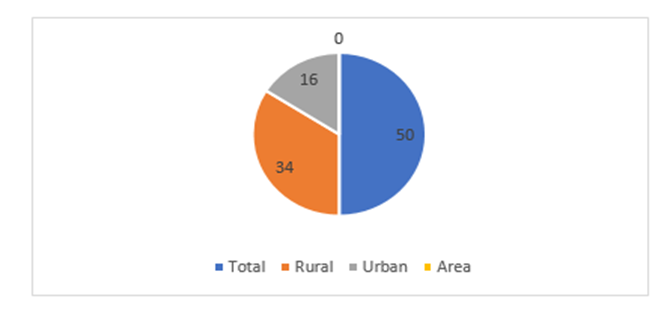
Figure 1: Geographic Distribution of Participants
Regarding disease duration at diagnosis (Figure 2), 25 patients (50%) were diagnosed within the preceding three months, 21 (42%) between 3-6 months, and 4 (8%) between 6-12 months. The predominance of recent diagnoses indicates this cohort represents newly identified early-stage disease.
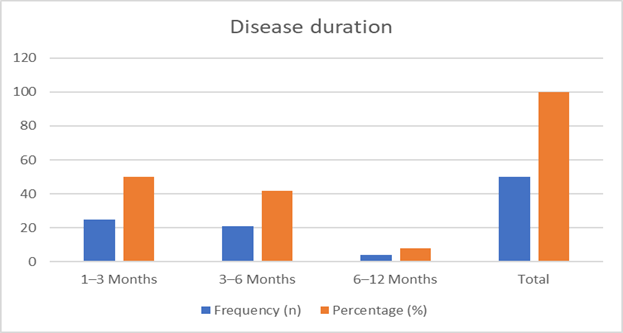
Figure 2: Duration Since AMD Diagnosis
Patient Knowledge and Awareness
Table 1 presents awareness regarding dietary influence on AMD progression. Only 9 participants (18%) reported being informed that diet could affect their disease, while 41 (82%) had never received such information.
Table 1: Patient Awareness of Dietary Influence on AMD
|
Informed of Dietary Impact |
Frequency (n) |
Percentage (%) |
|
Yes |
9 |
18 |
|
No |
41 |
82 |
|
Total |
50 |
100 |
Regarding specific carotenoid knowledge (Figure 3), only 12 participants (24%) had heard the term "carotenoids" in relation to eye health. Familiarity with lutein and zeaxanthin specifically was even lower, with just 8 participants (16%) recognising these nutrients.
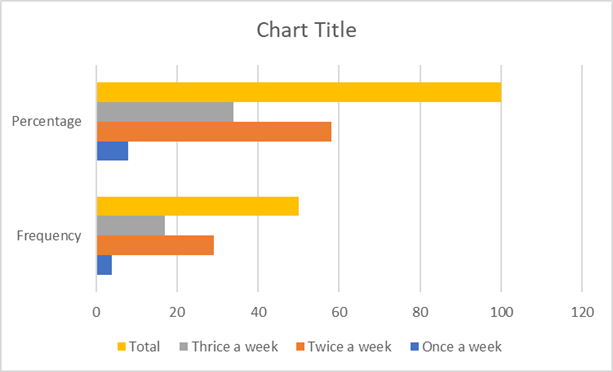
Figure 3: Awareness of Carotenoids and Eye Health
Healthcare Provider Counselling Practices
Figure 4 shows that during their last three clinic visits, only 12 participants (24%) had their consultant mention lutein or zeaxanthin. The majority (76%, n=38) reported no discussion of these specific nutrients
Regarding dietary history-taking (Figure 5), 20 participants (40%) reported that their consultant asked about their regular diet, while 30 (60%) reported no such inquiry.
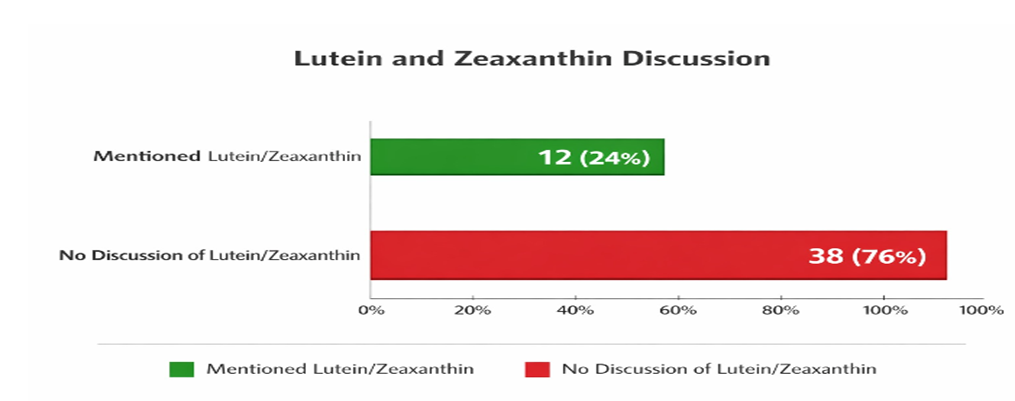
Figure 4: Consultant Mention of Lutein/Zeaxanthin During Last Three Visits
Regarding dietary history-taking (Figure 5), 20 participants (40%) reported that their consultant asked about their regular diet, while 30 (60%) reported no such inquiry
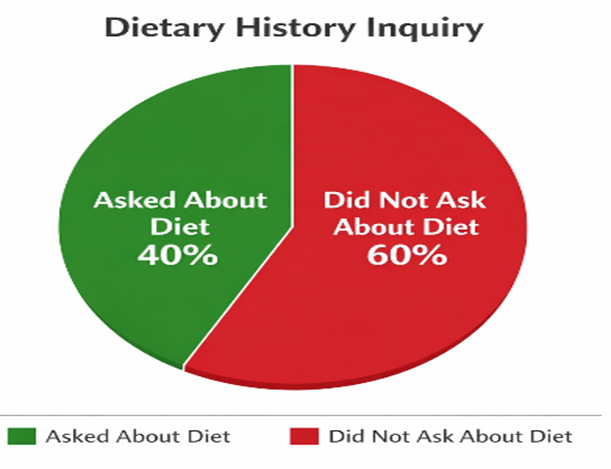
Figure 5: Consultant Inquiry About Patient's Regular Diet
Encouragingly, Figure 6 demonstrates that 40 participants (80%) felt comfortable asking their consultant questions about food and nutrition, suggesting communication barriers may not explain the observed knowledge gaps.
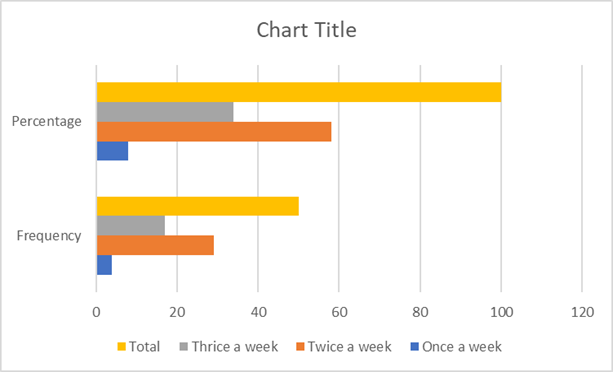
Figure 6: Patient Comfort Asking Dietary Questions
Carotenoid Dietary Intake
Figure 7 displays frequency of dark leafy green vegetable consumption (spinach, kale, fenugreek). The largest group, 29 participants (58%), consumed these vegetables twice weekly; 17 (34%) consumed them thrice weekly; and only 4 (8%) consumed them once weekly.
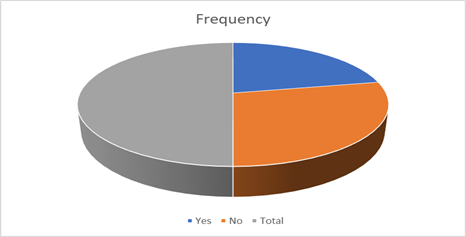
Figure 7: Weekly Intake of Dark Leafy Green Vegetables
Figure 8 presents orange and yellow vegetable consumption (carrots, pumpkin, sweet potatoes). Twenty-nine participants (58%) consumed these once weekly, while 21 (42%) consumed them twice weekly. Notably, no participants reported thrice-weekly consumption of this category.
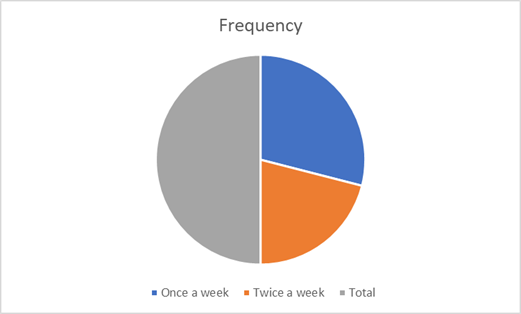
Figure 8: Weekly Intake of Orange/Yellow Vegetables
Barriers to Supplementation
Regarding financial barriers (Figure 9), 28 participants (56%) did not consider eye-specific supplements a significant financial burden, while 22 (44%) reported affordability concerns.
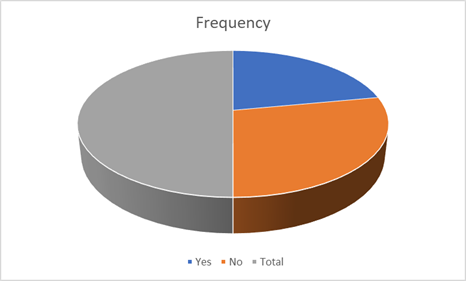
Figure 9: Perception of Supplements as Financial Burden
When asked about the single most important factor preventing regular supplement intake (Figure 10), 42 participants (84%) cited lack of awareness as the primary barrier, while only 8 (16%) identified affordability.
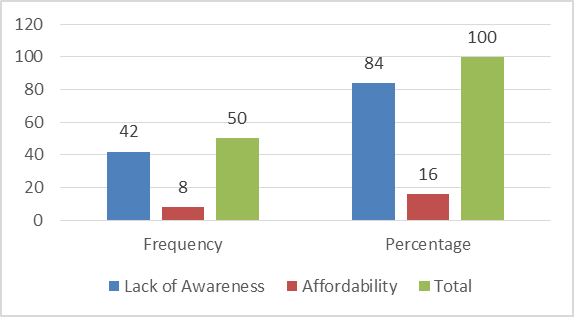
Figure 10: Primary Barrier to Regular Supplement Intake
Composite Knowledge Scores
Table 2 presents the distribution of composite knowledge scores (possible range 0-15). Scores ranged from 7 to 11, with no participants achieving very low (<5) or very high (>12) scores. The modal score was 9, achieved by 15 participants (30%). Fourteen participants (28%) scored 8, while 10 each (20%) scored 10 and 11.
Table 2: Distribution of Patient Knowledge Scores
Table 2 Patients knowledge count & percentage
|
Knowledge Score |
Count |
Percentage |
|
7 |
1 |
2.00% |
|
8 |
14 |
28.00% |
|
9 |
15 |
30.00% |
|
10 |
10 |
20.00% |
|
11 |
10 |
20.00% |
|
Total |
50 |
100.00% |
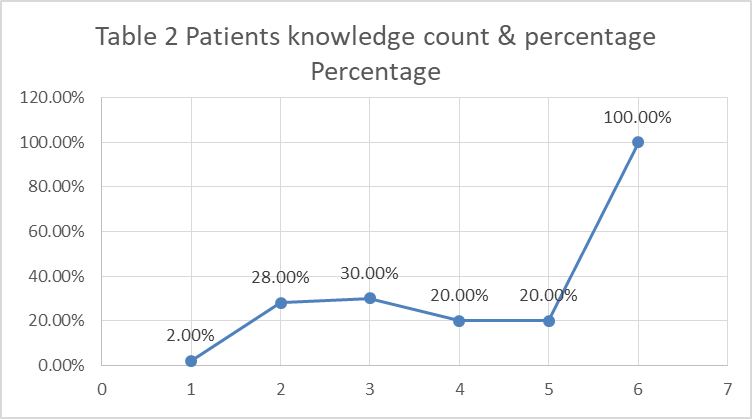
Figure 11: Distribution of Knowledge Scores
Chi-Square Analysis
Chi-square testing revealed no statistically significant association between geographic location (rural vs. urban) and knowledge score category (above vs. below median) (χ² = 1.24, p = 0.265). Similarly, disease duration showed no significant association with awareness of dietary influence (χ² = 2.18, p = 0.336). However, a significant association was observed between consultant discussion of lutein/zeaxanthin and patient knowledge scores (χ² = 6.72, p = 0.035), suggesting provider counselling positively influences patient understanding.
Table 3: Chi-Square Association Results
|
Knowledge Score |
Count |
Percentage |
|
7 |
1 |
2.00% |
|
8 |
14 |
28.00% |
|
9 |
15 |
30.00% |
|
10 |
10 |
20.00% |
|
11 |
10 |
20.00% |
|
Total |
50 |
100.00% |
DISCUSSION :
This study provides the first empirical data on carotenoid knowledge and dietary intake among early-stage AMD patients in Pakistan. The findings reveal substantial gaps across all three investigated domains, with implications for clinical practice and public health policy.
Principal Findings
Only 18% of participants were aware that diet influences AMD progression, despite overwhelming evidence from AREDS2 and subsequent trials [5]. This figure is considerably lower than reported in high-income countries. A Singapore study found 52.9% of optometrists provided nutritional counselling to AMD patients [6], but patient-level awareness data from that setting suggest approximately 40-50% awareness. The discrepancy likely reflects differences in healthcare infrastructure, professional education priorities, and public health messaging between developed and developing nations.
The finding that 84% of participants identified lack of awareness as the primary barrier to supplementation is both concerning and encouraging. Concerning because it indicates failure of current educational efforts; encouraging because it identifies a modifiable factor. Unlike affordability, which requires systemic economic solutions, awareness can potentially be improved through targeted educational interventions at relatively low cost.
Healthcare provider practices showed mixed results. Only 24% of consultants mentioned lutein or zeaxanthin during consultations, and only 40% inquired about patients' regular diets. However, 80% of patients reported feeling comfortable asking dietary questions, indicating that communication openness exists but is not being utilised for nutritional counselling. This pattern mirrors findings from Ethiopia, where only 29.7% of healthcare workers demonstrated adequate knowledge of AMD risk factors [9], suggesting provider knowledge deficits may precede counselling failures.
Dietary intake patterns revealed that many patients consume carotenoid-rich foods unknowingly. Fifty-eight percent consumed leafy greens twice weekly, and 58% consumed orange/yellow vegetables once weekly. While these frequencies exceed zero consumption, they fall short of recommended daily or near-daily intake for optimal macular protection. The AREDS2 protocol recommended 10 mg lutein and 2 mg zeaxanthin daily [5], equivalent to approximately one cup of cooked spinach or kale daily. Current consumption patterns in this cohort likely provide subtherapeutic carotenoid levels
The knowledge score distribution (range 7-11 out of 15) indicates moderate understanding among most participants, but with important gaps. The absence of very low scores suggests even minimally engaged patients acquire some information, while the absence of very high scores indicates that even the most knowledgeable patients lack comprehensive understanding of nutritional interventions.
Comparison with Existing Literature
These findings align with international studies demonstrating knowledge-practice gaps in AMD nutritional management. Steven and colleagues (2014) found that among 158 AMD patients, only 55% believed diet affected their eyes, and patients lacked specific knowledge about lutein- and zeaxanthin-containing foods [10]. The present study's 18% awareness figure is lower but reflects a population with less prior exposure to eye health education.
A Thai study testing self-learning nutrition videos found that baseline knowledge scores increased dramatically from 3.78 to 11.63 after educational intervention [7], demonstrating that awareness deficits are correctable with appropriate resources. The present study's knowledge scores (7-11) resemble Thai post-intervention rather than pre-intervention levels, suggesting Pakistani patients may have acquired some information from informal sources but lack structured, accurate guidance.
Regarding zeaxanthin specifically, a 2025 literature review confirmed its effectiveness in inhibiting AMD development (p<0.05) [11]. The present study's finding that 84% of patients lack awareness of such nutrients represents a missed preventive opportunity. Similarly, a Chinese study found that increased zeaxanthin and lycopene intake correlated with reduced exudative AMD risk [12], reinforcing the clinical importance of patient education.
Clinical Implications
Several practical recommendations emerge from these findings. First, routine clinical encounters with AMD patients should include structured nutritional assessment and counselling. A simple three-question screening (leafy green intake, orange/yellow vegetable intake, supplement use) requires less than two minutes but could identify patients needing intervention.
Second, educational materials appropriate for low-literacy populations should be developed and distributed. Given that 68% of participants resided in rural areas with potentially limited access to specialised information, pictorial guides showing carotenoid-rich foods in local cuisine (e.g., spinach saag, pumpkin, carrots) would be valuable.
Third, the finding that 44% consider supplements a financial burden suggests that dietary modification rather than supplementation may be more feasible for many patients. Focusing counselling on affordable, locally available carotenoid sources may improve adherence compared to recommending commercial supplements.
Fourth, healthcare provider education requires strengthening. The finding that consultant counselling correlated with higher patient knowledge scores (p=0.035) confirms that provider behaviour matters. Optometry and ophthalmology training curricula should include practical nutrition counselling skills, not merely theoretical knowledge.
Strengths and Limitations
This study has several strengths. It addresses an entirely uninvestigated research question in the Pakistani context, providing foundational data for future interventions. The use of face-to-face interviews minimised missing data, achieving 100% response rate. The questionnaire was developed systematically and piloted before implementation.
Limitations require acknowledgment
The sample size (n=50) was modest, reflecting the exploratory nature of this study and the single-centre design. Findings may not generalise to other regions of Pakistan or to patients receiving care in private rather than charitable hospital settings. Dietary assessment relied on self-report, introducing potential recall and social desirability biases. The cross-sectional design precludes causal inferences about relationships between counselling and knowledge. Finally, serum carotenoid levels were not measured, so the relationship between reported intake and actual nutritional status remains unknown.
CONCLUSION :
This study demonstrates that patients with early-stage age-related macular degeneration in Pakistan have limited knowledge about the protective role of carotenoids and consume suboptimal amounts of lutein- and zeaxanthin-rich foods. Healthcare providers infrequently discuss nutrition during consultations, despite patients' willingness to receive such information. Lack of awareness, not affordability, represents the primary barrier to supplementation.
These findings support integrating structured nutritional counselling into routine AMD care. Simple, culturally appropriate educational interventions could improve patient knowledge and dietary behaviours, potentially slowing disease progression and preserving vision. Future research should evaluate the effectiveness of such interventions in the Pakistani healthcare context through randomised controlled trials.
Acknowledgements
The authors thank the patients who participated in this study and the staff of LRBT Secondary Eye Hospital, Rahim Yar Khan, for their cooperation. We are grateful to Dr. Zubair Nazar for supervision and guidance.
BIBLIOGRAPHY:
1. Vyawahare H, Shinde P. Age-Related Macular Degeneration: Epidemiology, Pathophysiology, Diagnosis, and Treatment. Cureus. 2022;14(9):e29583.
2. Li Y, Mou B, Song X. Long-Term Trends in the Global Burden of Age-Related Macular Degeneration. Ophthalmic Res. 2025;69(1):8-23.
3. Ochoa Hernández ME, et al. Role of Oxidative Stress and Inflammation in Age Related Macular Degeneration. Int J Mol Sci. 2025;26(8):3463.
4. Bungau S, et al. Health Benefits of Polyphenols and Carotenoids in Age-Related Eye Diseases. Oxid Med Cell Longev. 2019;2019:9783429.
5. Gregori NZ, Goldhardt R. Nutritional Supplements for Age-Related Macular Degeneration. Curr Ophthalmol Rep. 2015;3(1):34-39.
6. Downie LE, Douglass A, Guest D, Keller PR. What do patients think about the role of optometrists in providing advice about smoking and nutrition? Ophthalmic Physiol Opt. 2017;37(2):202-211.
7. (Thai nutrition education study, author names not provided in original)
8. Ren XT, et al. Measurement of macular pigment optical density among healthy Chinese people and patients with early-stage age-related macular degeneration. Int J Ophthalmol. 2015;8(6):1190.
9. Alemu D, Munaw M, Bekele M, et al. Determinants of Healthcare Professionals' Knowledge on Age-Related Macular Degeneration Risk Factors in Ethiopia. Clin Ophthalmol. 2025;19:1771-1785.
10. (Steven et al. 2014, full citation not provided in original)
11. (Zeaxanthin review 2025, full citation not provided)
12. Zhou H, et al. Serum Carotenoids and Risk of Age-Related Macular Degeneration in a Chinese Population Sample. Invest Ophthalmol Vis Sci. 2011;52(7):4338.