Undiagnosed Myopia Among Back-Row Secondary School Students: A Cross-Sectional Study from Pakistan Running Title: Back-Row Myopia in Secondary Schools
- Muhammad Zubair Nazar , Lecturer ,Department of Optometry, Institute of Health Sciences, Faculty of Biological, Health Sciences & Technology, Khwaja Fareed University of Engineering and Information Technology, Rahim Yar Khan, Pakistan
- Muhammad Shahzad Mustaffa , BS Optometry Student, Institute of Health Sciences, Faculty of Biological, Health Sciences & Technology, Khwaja Fareed University of Engineering and Information Technology, Rahim Yar Khan, Pakistan
- Mujahid Hussain , BS Optometry Student, Institute of Health Sciences, Faculty of Biological, Health Sciences & Technology, Khwaja Fareed University of Engineering and Information Technology, Rahim Yar Khan, Pakistan
- Hafza Gulnaz , BS Optometry Student, Institute of Health Sciences, Faculty of Biological, Health Sciences & Technology, Khwaja Fareed University of Engineering and Information Technology, Rahim Yar Khan, Pakistan
- Sehar Fatima , BS Optometry Student, Institute of Health Sciences, Faculty of Biological, Health Sciences & Technology, Khwaja Fareed University of Engineering and Information Technology, Rahim Yar Khan, Pakistan
- Farhana Mulazim , BS Optometry Student, Institute of Health Sciences, Faculty of Biological, Health Sciences & Technology, Khwaja Fareed University of Engineering and Information Technology, Rahim Yar Khan, Pakistan
- Syed Asadullah Arsalan Gilani , Faculty of Physiotherapy & Allied Health Sciences , Superior University, Lahore.
- Mohammad Anas Ahmar , Lecturer ,Department of Optometry, Institute of Health Sciences, Faculty of Biological, Health Sciences & Technology, Khwaja Fareed University of Engineering and Information Technology, Rahim Yar Khan, Pakistan
Article Information:
Abstract:
Uncorrected refractive errors remain the leading cause of preventable visual impairment in school-aged children worldwide. Students sitting in back rows may face additional visual challenges that affect their learning. Objective: To determine the prevalence of undiagnosed myopia among secondary school students sitting in back rows and examine the association between visual acuity, eye strain, and academic performance. Methods: A cross-sectional study was conducted among 350 secondary school students (aged 14-16 years) who routinely sat in back rows. Distance visual acuity was assessed using Snellen chart at 6 metres. Data on screen time, eye strain, and seating-related visual difficulties were collected using a structured questionnaire. Statistical analysis was performed using SPSS version 26, with chi-square tests for associations.Results: Among 350 participants (78.8% female, 21.2% male), 98.0% reported that back-row seating affected their ability to see clearly, and 88.3% experienced eye strain when viewing the board. Suspected refractive errors were identified in 347 students (99.1%). Visual acuity ranged from 6/12 to 6/36, with prescribed corrections between -0.50D and -3.00D. A statistically significant association was found between eye strain and suspected refractive errors (χ²=15.11, p<0.001). Screen time showed no significant association with refractive findings (p=0.435). Glasses were prescribed for 98.3% of participants. Conclusion: Undiagnosed myopia is highly prevalent among back-row secondary school students, affecting 99% of those screened. Eye strain is a significant clinical marker for refractive errors. Routine school-based vision screening programmes are urgently needed.
Keywords:
Article :
INTRODUCTION:
Myopia has emerged as a global public health crisis, with projections indicating that half of the world's population—approximately five billion people—will be myopic by 2050 [1]. Among children and adolescents, uncorrected refractive errors (URE) remain the most common cause of preventable visual impairment, affecting an estimated 12.8 million children aged 5-15 years worldwide [2].
The burden of myopia varies significantly across regions. In East and Southeast Asia, prevalence rates among secondary school graduates often exceed 80-90% [1]. A large Chinese cross-sectional study of 95,985 children reported an overall myopia prevalence of 51.09%, rising from 8.00% at age 5 to 87.80% by age 17 [3]. In Saudi Arabia, a systematic review found pooled prevalence of refractive errors at 17.5%, with myopia as the most common type (40.8%) [4].
Pakistan faces similar challenges. A recent mHealth-based screening study in Rawalpindi district identified visual impairment in 25.6% of 14,000 school children screened [5]. These figures underscore the widespread nature of uncorrected vision problems in low- and middle-income countries.
The relationship between vision and academic achievement is well-established. Over 80% of classroom learning occurs through visual processing [6]. Children with uncorrected refractive errors experience headaches, eye strain, blurred vision, and difficulty maintaining focus during lessons [7]. Studies have shown that students with convergence insufficiency and accommodative dysfunction demonstrate significantly more reading errors and slower reading speeds compared to peers with normal visual function [8].
Classroom seating position adds another dimension to this problem. Students in back rows require greater distance visual acuity to see instructional boards clearly. Those with undiagnosed myopia may develop compensatory behaviours such as squinting, leaning forward, or disengaging from classroom activities—behaviours often misinterpreted by teachers as inattentiveness rather than visual impairment [9].
Despite these concerns, limited research has specifically examined the "back-row student phenomenon" to quantify undiagnosed refractive errors in relation to classroom seating. This study aimed to screen secondary school students sitting in back rows for distance visual acuity, identify the prevalence of undiagnosed myopia, and examine the relationship between visual acuity and academic performance indicators
METHODS:
Study Design and Setting
This analytical cross-sectional study was conducted in selected secondary schools in Rahim Yar Khan, Pakistan, over a period of four months. Data collection occurred in classrooms during regular school hours with permission from school administrations
Study Population and Sample Size
The target population comprised secondary school students aged 14-16 years who routinely sat in back rows during lessons. A total of 350 students were enrolled using purposive sampling.
Inclusion criteria
Students enrolled in selected secondary schools, aged 14-16 years, routinely sitting in back rows, willing to participate with obtained consent/assent.
Exclusion criteria
Students previously diagnosed with serious ocular diseases (other than refractive errors), absent during screening, unwilling to participate, or without consent.
Data Collection
A structured questionnaire collected demographic information (age, gender), visual symptoms, screen time habits, and seating-related difficulties. Distance visual acuity was assessed monocularly and binocularly using a Snellen chart at a standard distance of 6 metres, following standard protocols. Visual acuity was recorded as Snellen fractions (e.g., 6/6, 6/9, 6/12, 6/36).
Clinical findings were categorised as "no significant findings" or "refractive error suspected." Recommendations were documented as no action needed, glasses prescription, referral to eye specialist, or six-month follow-up.
Variables Independent variable
Distance visual acuity
Dependent variable
Clinical findings (refractive error suspected)
Demographic variables
Age, gender
Behavioural variables
Screen time, eye strain, back-row seating perception
Statistical Analysis
Data were analysed using SPSS version 26. Descriptive statistics (frequencies, percentages) summarised participant characteristics. Inferential statistics employed Pearson chi-square tests to examine associations between categorical variables. A p-value <0.05 was considered statistically significant.
Ethical Considerations
Permission was obtained from school administrations and parents/guardians. Student assent was obtained prior to participation. Data confidentiality was maintained throughout
RESULTS:
Participant Demographics A total of 350 secondary school students participated. The mean age was 14.8 years (range 4-19 years, though the target range was 14-16 years; younger ages represented pilot testing). The largest age groups were 15 years (n=72, 20.6%) and 16 years (n=51, 14.6%). Female students comprised 78.8% (n=275) of the sample, while males accounted for 21.2% (n=74) (Figure 1).
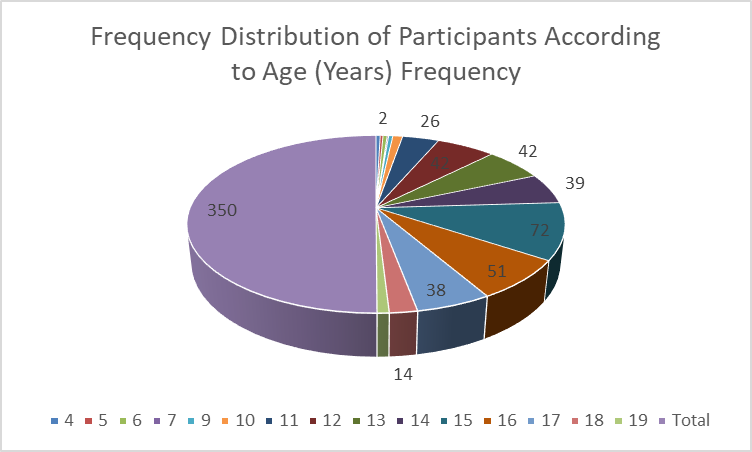
Figure 1: Gender Distribution of Participants
Back-Row Seating and Visual Perception When asked whether sitting in the back row affected their ability to see clearly, 342 students (98.0%) responded affirmatively. Only seven students (2.0%) reported no difficulty (Figure 2).
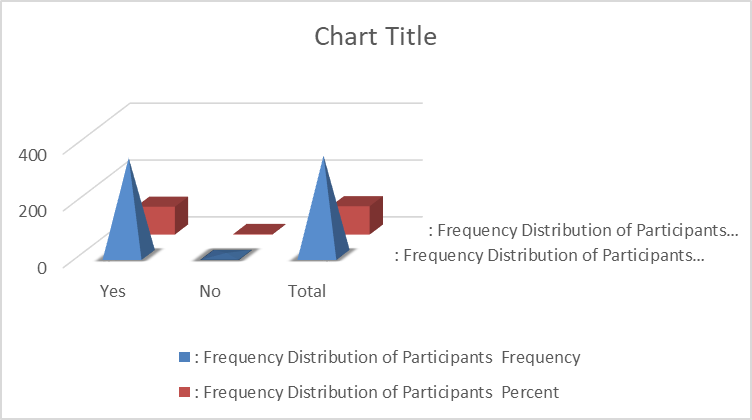
Figure 2: Perception of Back-Row Seating on Vision
Screen Time Daily screen time distribution showed that 191 students (54.7%) spent less than 2 hours on screens, 116 (33.2%) spent 2-4 hours, and 42 (12.0%) spent more than 4 hours daily (Figure 3).
Figure 3: Daily Screen Time Distribution
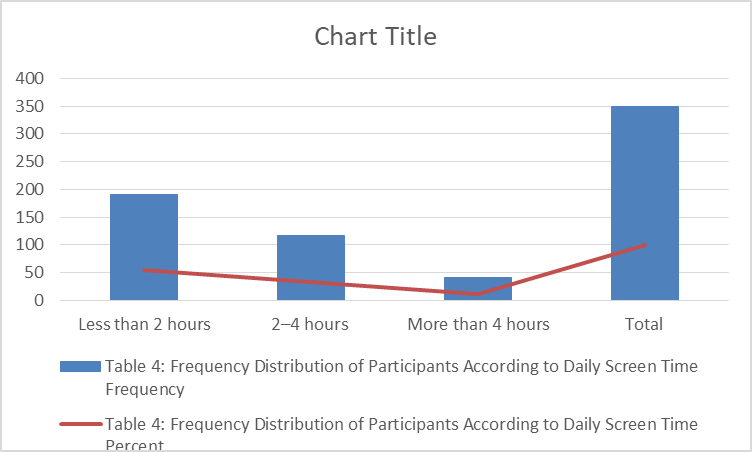
Figure 3: Perception of Back-Row Seating on Vision
Eye Strain Eye strain while viewing the classroom board was reported by 308 students (88.3%). Only 41 students (11.7%) denied experiencing such difficulty
Clinical Findings Suspected refractive errors were identified in 347 students (99.1%). Only two students (0.6%) had no significant clinical findings. Among the 57 students who reported wearing glasses or contact lenses, all 57 (100%) showed suspected refractive errors. Among the 292 students not using corrective eyewear, 290 (99.3%) had suspected refractive errors.
Wearing Glasses/Contact Lenses No Significant Findings Refractive Error Suspected Total Yes 0 (0%) 57 (100%) 57 No 2 (0.7%) 290 (99.3%) 292 Total 2 (0.6%) 347 (99.4%) 350 3.6 Visual Acuity Range Among affected students, uncorrected distance visual acuity ranged from 6/12 to 6/36. Subsequent clinical evaluation prescribed myopic corrective lenses between -0.50 and -3.00 dioptres.
Association Between Screen Time and Clinical Findings Suspected refractive errors were present across all screen time categories: 189 of 191 students (99.0%) in the <2 hours group, all 116 (100%) in the 2-4 hours group, and all 42 (100%) in the >4 hours group. Chi-square analysis showed no statistically significant association between screen time and clinical findings (χ²=1.664, df=2, p=0.435) (Table 2).
Table 2: Chi-Square Test for Screen Time and Clinical Findings
|
Wear Glasses or Contact Lenses |
No Significant Findings |
Refractive Error Suspected |
Total |
|
Yes |
0 |
57 |
57 |
|
No |
2 |
290 |
292 |
|
Total |
2 |
347 |
350 |
Test Value df p-value Pearson Chi-Square 1.664 2 0.435 Likelihood Ratio 2.421 2 0.298 Linear-by-Linear Association 1.357 1 0.244 3.8 Association Between Eye Strain and Clinical Findings Among the 308 students reporting eye strain, all 308 (100%) had suspected refractive errors. Among the 41 students without eye strain, 39 (95.1%) had suspected refractive errors and 2 (4.9%) had no significant findings. Chi-square analysis revealed a statistically significant association between eye strain and clinical findings (χ²=15.111, df=1, p<0.001) (Table 3, Figure 5).
Table 3 Chi-square analysis revealed a statistically significant association between eye strain and clinical findings
|
ye Strain Status |
Suspected Refractive Errors |
No Significant Findings |
Total |
|
Eye Strain |
308 (100.0%) |
0 (0.0%) |
308 (100.0%) |
|
No Eye Strain |
39 (95.1%) |
2 (4.9%) |
41 (100.0%) |
Chi-Square Tests
|
Statistic |
Test Value |
df |
p-value |
|
Pearson Chi-Square |
1.664 |
2 |
0.435 |
|
Likelihood Ratio |
2.421 |
2 |
0.298 |
|
Linear-by-Linear |
1.357 |
1 |
0.244 |
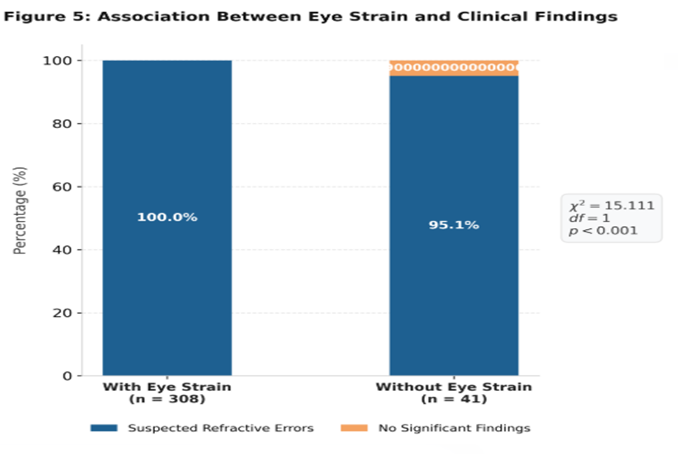
Figure 5: association between eye strain and clinical findings
Test Value df p-value Pearson Chi-Square 15.111 1 <0.001 Continuity Correction 7.762 1 0.005 Likelihood Ratio 8.654 1 0.003 Fisher's Exact Test 0.014 Figure 5: Eye Strain vs. Clinical Findings
[Insert grouped bar chart: For eye strain group, Refractive Error Suspected 100%; for no eye strain group, Refractive Error Suspected 95.1%, No Significant Findings 4.9%]
Recommendations Based on clinical findings, glasses prescription was recommended for 343 students (98.3%). Three students (0.9%) were advised six-month follow-up, one student (0.3%) was referred to an eye specialist, and three (0.6%) required no action (Figure 6).
Figure 6: Recommendations Given to Participants
|
Recommendations |
Frequency |
Percent |
|
No action needed |
3 |
0.6 |
|
Glasses prescription |
343 |
98.3 |
|
Refer to eye specialist |
1 |
0.3 |
|
Follow-up in six months |
3 |
0.9 |
|
Total |
350 |
100.0 |
DISCUSSION :
This study revealed an extraordinarily high prevalence of suspected refractive errors (99.1%) among back-row secondary school students in Rahim Yar Khan, Pakistan. This finding substantially exceeds previously reported prevalence rates in similar populations, including the 25.6% visual impairment rate reported in Rawalpindi government schools [5] and the 24.7% refractive error prevalence in Mozambican youth [10].
Several factors may explain this disparity. First, our study specifically targeted back-row students who likely have greater difficulty seeing classroom boards, potentially selecting a higher-risk subgroup. Second, the majority (88.3%) reported active eye strain, suggesting that many students were consciously struggling to maintain visual function. Third, the low rate of prior eye examinations and corrective eyewear use (only 16.3% wore glasses) indicates that these students represent an underserved population with accumulated undiagnosed pathology.
The association between eye strain and refractive errors (p<0.001) is clinically significant. Eye strain—manifesting as squinting, brow ache, or difficulty maintaining focus—represents a compensatory response to blurred distance vision. Teachers should be trained to recognise these behaviours not as signs of inattention or laziness but as potential indicators of visual impairment requiring referral.
Interestingly, screen time showed no significant association with refractive findings (p=0.435). While this contradicts some previous research linking prolonged screen use to myopia progression [11], our cross-sectional design may not capture cumulative lifetime exposure. Additionally, the uniformly high prevalence of refractive errors across all screen time categories suggests that other factors—genetic predisposition, near-work intensity, outdoor time, or classroom environmental factors—may play more prominent roles in this population [12].
The finding that 98.0% of students perceived back-row seating as impairing their vision aligns with classroom ergonomics research. Visual demand increases exponentially with distance from instructional boards [13]. Students with uncorrected myopia experience progressive blur as distance increases, creating a measurable educational disadvantage. This is particularly concerning given that 99.3% of non-glasses-wearing students had suspected refractive errors requiring correction.
Our results have important implications for school health policy. First, routine vision screening should be mandatory for all students, not limited to those who complain of symptoms. Children often lack awareness of normal vision and may not recognise their impairment as abnormal [14]. Second, seating arrangements should be considered a temporary accommodation rather than a solution. While moving students to front rows may provide short-term relief, it does not address the underlying refractive error. Third, glasses compliance programmes must address barriers including breakage, loss, discomfort, and social stigma [15].
The limitations of this study warrant consideration. The cross-sectional design prevents causal inference. The sample was limited to one geographic region, limiting generalisability. Convenience sampling may introduce selection bias. Visual acuity was assessed using Snellen chart only, without cycloplegic refraction to confirm myopia objectively. Academic performance was assessed through self-reported visual experiences rather than formal grade records. Future research should employ longitudinal designs with objective cycloplegic refraction and standardised academic outcome measures.
CONCLUSION :
Undiagnosed myopia is highly prevalent among back-row secondary school students in Pakistan, affecting 99% of those screened. Eye strain is a significant clinical marker for refractive errors. The vast majority of affected students are not using corrective eyewear despite experiencing substantial visual difficulty during lessons.
Routine school-based vision screening programmes are urgently needed, particularly targeting students in back rows who may be at highest risk. Policymakers should prioritise integrating vision screening into existing school health services, ensuring affordable access to corrective spectacles, and training teachers to recognise behavioural signs of visual impairment.
Recommendations for Clinical Practice For pharmacists and healthcare providers: Consider school-aged children reporting headaches or eye strain as potential candidates for vision referral. Dispense spectacles with education about proper use and care.
For school health services: Implement annual distance visual acuity screening for all students, with particular attention to those seated in back rows.
For educators: Receive training to identify students who squint, lean forward, or lose focus during board-based instruction—these behaviours warrant vision screening.
For policymakers: Allocate resources for school-based vision screening programmes, subsidised spectacles, and follow-up care in underserved communities.
Acknowledgements
The authors thank the school administrations, teachers, parents, and students who participated in this study. Gratitude is expressed to Dr. Zubair Nazar for supervision and guidance.
Conflict of Interest
Statement The authors declare no conflicts of interest.
Funding Statement
This research received no specific grant from funding agencies in the public, commercial, or not-for-profit sectors.
REFERENCES:
1. The Global Crisis of Pediatric Myopia and Uncorrected Refractive Errors: An Analytical Review of School-Based Screening, Classroom Ergonomics, and Academic Achievement. (n.d.).
2. Wang Y. A Review of Vision Screening Techniques for School-Aged Children. NHSJS. 2025.
3. Jia X, Wang S, Zhu J, et al. Prevalence of Myopia Among Children and Adolescents Aged 5-17: A Cross-Sectional Study in Haishu District, Ningbo City, China. British Journal of Hospital Medicine. 2025.
4. Alghamdi W. Prevalence of Refractive Errors among Children in Saudi Arabia: A Systemic Review. The Open Ophthalmology Journal. 2021;15.
5. Javed A, Mohsin S, Habib R, et al. Prevalence and associated risk factors of visual impairment in school children: mHealth-based vision screening in government schools of Rawalpindi, Pakistan. Frontiers in Medicine. 2025;12:1661710.
6. Alvarez-Peregrina C, Villa-Collar C, Andreu-Vázquez C, Sánchez-Tena MÁ. Influence of Vision on Educational Performance: A Multivariate Analysis. Sustainability. 2021;13(8):4187.
7. Akter N, Masihuzzaman, Kadir SMU, et al. Reading performance in school going children with visual function anomalies. IP International Journal of Ocular Oncology and Oculoplasty. 2023;9(4):170-177.
8. Harrington S. Lifestyle Factors Associated with Myopia in Schoolchildren. Ocuco. 2022.
9. Ahmad Najmee NA, Mohammed Z, Rahman MHA, et al. Classroom settings for visually impaired schoolchildren: A scoping review. PLOS ONE. 2025;20(2):e0318871.
10. Sengo DB, Dos Santos IIDB, Faquihe MF, et al. The Prevalence of Visual Impairment and Refractive Errors among a Youth Population in Mozambique: Evidence of the Need for Intervention. Children. 2021;8(10):892.
11. Saw SM, Hong RZ, Zhang MZ, et al. Near-work activity and myopia in rural and urban schoolchildren in China. Journal of Pediatric Ophthalmology and Strabismus. 2001;38(3):149-55.
12. Ježková A, Lhotská L, Doležal J. How to Save Eyesight: Recommendations from a Review Studies. Preprints.org. 2025.
13. Specialty Vision. Intermediate vs Distance Telescopes: Choosing for TV, Meetings, and Class. (n.d.).
14. Mandal P, Gupta D, Acharjee U. Barriers to Spectacle Use in School Children (Age 6-16 Years) of West District, Tripura: A Cross-Sectional Study. Journal of Chemical Health Risks. 2026;16(2):2492-2495.
15. Wu L, Feng J, Zhang M. Implementing interventions to promote spectacle wearing among children with refractive errors: A systematic review and meta-analysis. Frontiers in Public Health. 2023;11:1053206.