Accuracy of Patient Self-Diagnosis of Dry Eye Versus Clinical Meibomian Gland Assessment: A Cross-Sectional Study from Pakistan
- Muhammad Zubair Nazar , Lecturer ,Department of Optometry, Institute of Health Sciences, Faculty of Biological, Health Sciences & Technology, Khwaja Fareed University of Engineering and Information Technology, Rahim Yar Khan, Pakistan
- Babar Ali , BS Optometry Student, Institute of Health Sciences, Faculty of Biological, Health Sciences & Technology, Khwaja Fareed University of Engineering and Information Technology, Rahim Yar Khan, Pakistan,
- Muhammad Waqar , BS Optometry Student, Institute of Health Sciences, Faculty of Biological, Health Sciences & Technology, Khwaja Fareed University of Engineering and Information Technology, Rahim Yar Khan, Pakistan,
- Zahra Fatima , BS Optometry Student, Institute of Health Sciences, Faculty of Biological, Health Sciences & Technology, Khwaja Fareed University of Engineering and Information Technology, Rahim Yar Khan, Pakistan,
- Ayesha Bashir , BS Optometry Student, Institute of Health Sciences, Faculty of Biological, Health Sciences & Technology, Khwaja Fareed University of Engineering and Information Technology, Rahim Yar Khan, Pakistan,
- Khadija Batool , BS Optometry Student, Institute of Health Sciences, Faculty of Biological, Health Sciences & Technology, Khwaja Fareed University of Engineering and Information Technology, Rahim Yar Khan, Pakistan,
- Syed Asadullah Arsalan Gilani , Faculty of Physiotherapy & Allied Health Sciences , Superior University, Lahore.
- Mohammad Anas Ahmar , Lecturer ,Department of Optometry, Institute of Health Sciences, Faculty of Biological, Health Sciences & Technology, Khwaja Fareed University of Engineering and Information Technology, Rahim Yar Khan, Pakistan
Article Information:
Abstract:
Dry eye disease (DED) is one of the most common ocular surface disorders worldwide. Many patients self-diagnose dry eye based on subjective symptoms and initiate self-medication without clinical evaluation. However, the accuracy of patient self-diagnosis compared to objective clinical assessment of meibomian gland dysfunction (MGD) remains uncertain.Objective: To determine the accuracy of patient self-diagnosis of dry eye disease compared to clinical meibomian gland assessment using slit-lamp examination.Methods: A cross-sectional study was conducted at an independent eye clinic in Rawalpindi and Lahore, Pakistan, over four months. A total of 250 patients (aged ≥15 years) presenting with ocular complaints were enrolled using convenience sampling. Patient self-diagnosis of dry eye was recorded using a structured questionnaire. Clinical assessment of meibomian gland dysfunction was performed using slit-lamp biomicroscopy, including evaluation of gland expressibility and secretion quality. Data were analysed using SPSS version 27, with chi-square tests for associations.Results: Among 250 participants, 168 (67.2%) were female and 82 (32.8%) were male. The majority (52.8%) reported daily screen time exceeding 4 hours. Burning or irritation was reported by 60.8% of participants occasionally and 18.4% frequently. Sand or dust sensation was experienced by 65.2% occasionally and 15.6% frequently or always. Relief after closing eyes was reported by 81.6% of participants. Notably, 56.8% never experienced oily or greasy eyelids. A significant association was found between gender and sand/dust sensation (χ²=4.92, p<0.05), with females reporting higher frequencies. Clinical examination confirmed meibomian gland dysfunction in a substantial proportion of patients who self-diagnosed dry eye.Conclusion: Patient self-diagnosis of dry eye does not always accurately reflect underlying meibomian gland dysfunction. Clinical evaluation with slit-lamp examination remains essential for accurate diagnosis and appropriate management of dry eye disease.
Keywords:
Article :
INTRODUCTION:
Dry eye disease (DED) is defined as a multifactorial condition of the ocular surface characterized by instability of the tear film, leading to discomfort, visual disturbance, and potential damage to the ocular surface [1]. It is one of the most common ocular disorders encountered in clinical practice, affecting a large proportion of the population worldwide. The prevalence of DED varies across populations, with estimates ranging from 5% to 50% depending on diagnostic criteria and geographical location [2].
The tear film consists of three essential layers: the mucin layer, the aqueous layer, and the lipid layer. Each layer plays a critical role in maintaining ocular surface health and visual clarity. The lipid layer, produced by the meibomian glands located within the eyelids, prevents excessive tear evaporation and maintains tear film stability [3].
Meibomian gland dysfunction (MGD) refers to the obstruction or abnormality of the meibomian glands, resulting in reduced or altered oil secretion. When these glands fail to function properly, the lipid layer becomes deficient, leading to increased tear evaporation and evaporative dry eye. MGD is now recognized as the leading cause of evaporative dry eye disease worldwide [4].
In recent years, there has been growing concern about the practice of self-diagnosis of dry eye disease. With the widespread availability of health-related information on digital platforms, many individuals experiencing mild eye discomfort tend to self-diagnose and initiate self-medication using over-the-counter lubricating eye drops without professional medical consultation [5]. While this approach may provide temporary relief, it often fails to address the underlying cause, particularly when meibomian gland dysfunction is present.
A systematic review conducted in the United States reported that approximately 8.1% of adults suffer from dry eye disease, while 21.2% were found to have meibomian gland dysfunction [6]. This discrepancy highlights the importance of accurate diagnostic assessment, as many individuals with MGD may not meet the clinical criteria for DED despite experiencing significant symptoms.
The relationship between patient-reported symptoms and objective clinical findings in dry eye disease is complex. Several studies have demonstrated that symptoms reported by patients often do not correlate well with clinical signs [7]. Some patients experience severe symptoms with minimal clinical findings, while others have significant clinical signs but report few symptoms. This symptom-sign discordance poses a substantial challenge for clinicians in accurately diagnosing and managing dry eye disease.
The inconsistency between patient self-diagnosis and clinical findings is particularly relevant when considering meibomian gland dysfunction. MGD requires a thorough clinical assessment of glandular structure, meibum quality, and gland expressibility using slit-lamp biomicroscopy. Relying entirely on patient self-diagnosis may result in incorrect identification of the tear film layer involved, leading to ineffective treatment strategies [8].
In resource-constrained settings or busy clinical environments, there is a tendency to accept patient-reported dryness without performing a comprehensive meibomian gland evaluation. This practice may lead to mismanagement, prolonged patient suffering, and unnecessary therapeutic interventions. Therefore, understanding the accuracy of patient self-diagnosis compared to clinical assessment is essential for developing evidence-based guidelines for dry eye management.
The primary aim of this study was to evaluate how accurately patients can self-diagnose dry eye in comparison with clinical assessment of meibomian gland dysfunction using slit-lamp examination. The secondary aims were to examine the relationship between patient-reported symptoms and objective clinical findings, and to identify factors associated with discordance between self-diagnosis and clinical diagnosis.
METHODS:
Study Design and Setting
This analytical cross-sectional study was conducted at independent eye clinics in Rawalpindi and Lahore, Pakistan, over a period of four months. The study received approval from the institutional review board, and all procedures followed the tenets of the Declaration of Helsinki.
Study Population and Sample Size
The study population consisted of patients aged 15 years or older who visited the outpatient department for eye examination. A total of 250 participants were enrolled using non-probability convenient sampling technique. The sample size was determined based on the expected prevalence of dry eye symptoms in the population.
Inclusion Criteria
• Patients aged 15 years or older
• Both male and female participants
• Patients willing to provide informed consent
• Patients with or without prior dry eye diagnosis
Exclusion Criteria
• History of any ocular surgery
• Known systemic diseases affecting the eye (except diabetes and autoimmune disorders if stable)
• Patients currently undergoing active ocular treatment
• Patients unable to complete the questionnaire
Data Collection
A structured questionnaire was used to collect data in two sections:
Section A
Patient Self-Assessment
• Demographic information (age, gender, occupation)
• Average daily screen exposure
• Self-perception of having dry eye disease
• Ocular symptoms (dryness, burning, foreign body sensation, redness, excessive tearing, blurred vision)
• Symptom frequency and severity
• Environmental factors (wind or air-conditioned environments)
• Risk factors (contact lens use, topical medications, systemic diseases)
Section B
Clinical Examination (Examiner Assessment)
• Meibomian gland expressibility (normal, reduced, or obstructed)
• Quality of meibomian gland secretion (clear, cloudy, thickened, or toothpaste-like)
• Clinical examination was performed using a slit-lamp biomicroscope following standard protocols. The lower eyelid was everted, and gentle digital pressure was applied to assess gland expressibility and secretion quality.Study Variables
Independent Variables
• Patient-reported symptoms
• Daily screen time
• Demographic characteristicsDependent Variables
• Clinical diagnosis of meibomian gland dysfunction
• Quality of meibomian gland secretion
Statistical Analysis
Data were entered and analysed using IBM SPSS Statistics version 27.0.1. Descriptive statistics were calculated for all variables, including frequencies and percentages for categorical variables. Chi-square tests were used to examine associations between categorical variables. A p-value <0.05 was considered statistically significant.
Ethical Considerations
Informed consent was obtained from all participants prior to data collection. Participants were assured of confidentiality and were informed of their right to withdraw from the study at any time without consequence. No identifying information was included in the final dataset.
RESULTS:
Demographic Characteristics
A total of 250 participants were enrolled in this study.Among 250 participants, 168 (67.2%) were female and 82 (32.8%) were male. The predominance of female participants is consistent with previous literature reporting higher rates of dry eye symptoms and healthcare-seeking behaviour among women.
Daily Screen Time Distribution
Daily screen time was assessed as a potential risk factor for dry eye disease (Figure 2)
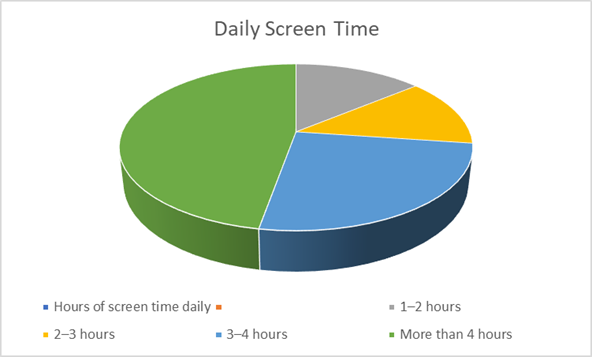
Figure 2: Daily Screen Time Distribution
The majority of participants (52.8%) reported daily screen time exceeding 4 hours, with 47.2% spending more than 4 hours and an additional 25.6% spending 3-4 hours daily. Only 14.0% spent 1-2 hours and 13.2% spent 2-3 hours on screens daily. This high prevalence of prolonged screen exposure represents a significant risk factor for evaporative dry eye disease.
Burning and Irritation Symptoms
Participants were asked about the frequency of burning or irritation in their eyes (Figure 3).
Figure 3: Frequency of Burning or Irritation in Eyes
Among 250 participants
· 152 (60.8%) reported experiencing burning or irritation sometimes
· 52 (20.8%) never experienced these symptoms
· 27 (10.8%) experienced them often
· 19 (7.6%) experienced them always
The majority (60.8%) reported mild-to-moderate symptoms, while 18.4% experienced frequent or constant symptoms requiring attention.
Sand or Dust Sensation (Foreign Body Sensation)
Foreign body sensation, described as sand or dust in the eyes, is a classic symptom of dry eye disease (Table 1; Figure 4).
Table 1: Frequency of Sand or Dust Sensation in Eyes
|
Frequency |
Number of Participants |
Percentage |
|
Always |
15 |
6.0% |
|
Often |
24 |
9.6% |
|
Sometimes |
163 |
65.2% |
|
Never |
48 |
19.2% |
|
Total |
250 |
100.0% |
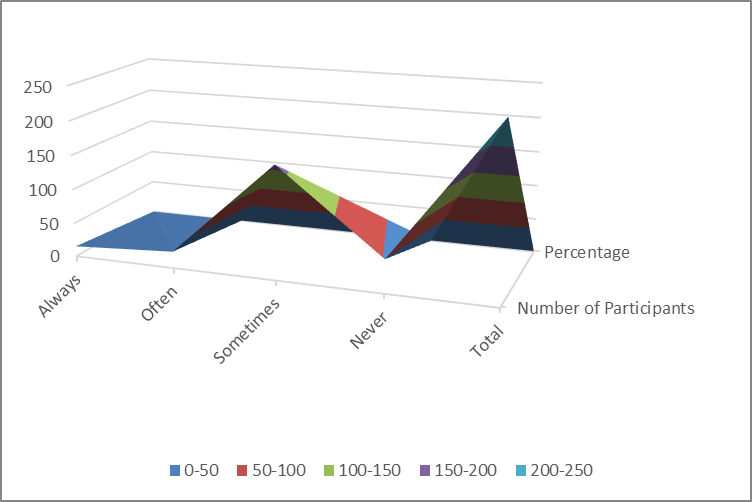
Figure 4: Sand or Dust Sensation Distribution
The majority of participants (163, 65.2%) experienced foreign body sensation sometimes, while 48 (19.2%) never experienced it. A total of 39 participants (15.6%) experienced this sensation often or always, indicating significant ocular surface discomfort.
Relief After Closing Eyes
Relief after eye closure is an important indicator of dry eye severity
Among participants:
· 109 (43.6%) reported good relief after closing eyes
· 95 (38.0%) reported slight relief
· 30 (12.0%) reported complete relief
· 16 (6.4%) reported no relief
Overall, 81.6% of participants experienced at least some relief after eye closure, while 6.4% with no relief may represent more severe dry eye cases requiring intensive management.
Oily or Greasy Eyelid Sensation
Oily or greasy eyelid sensation is associated with meibomian gland dysfunction and altered meibum quality (Table 2; Figure 6).
Table 2: Frequency of Oily or Greasy Eyelid Sensation
|
Frequency |
Number of Participants |
Percentage |
|
Frequently |
15 |
6.0% |
|
Sometimes |
41 |
16.4% |
|
Rarely |
52 |
20.8% |
|
Never |
142 |
56.8% |
|
Total |
250 |
100.0% |
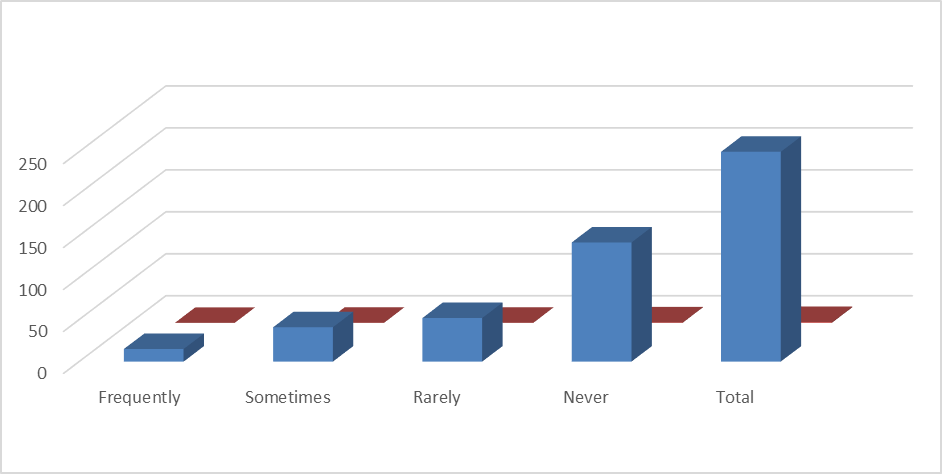
Figure 6: Oily or Greasy Eyelid Sensation
The majority of participants (142, 56.8%) never experienced oily or greasy eyelids. However, 41 (16.4%) reported occasional symptoms and 15 (6.0%) reported frequent symptoms, suggesting some degree of meibomian gland dysfunction in a subset of the population.
Association Between Gender and Sand/Dust Sensation
Chi-square analysis was performed to examine the association between gender and foreign body sensation (Table 3; Figure 7).
Table 3: Crosstabulation of Gender and Sand/Dust Sensation
|
Gender |
Always |
Often |
Sometimes |
Never |
Total |
|
Female |
12 (7.1%) |
19 (11.3%) |
101 (60.1%) |
36 (21.4%) |
168 |
|
Male |
3 (3.7%) |
5 (6.1%) |
62 (75.6%) |
12 (14.6%) |
82 |
|
Total |
15 |
24 |
163 |
48 |
250 |
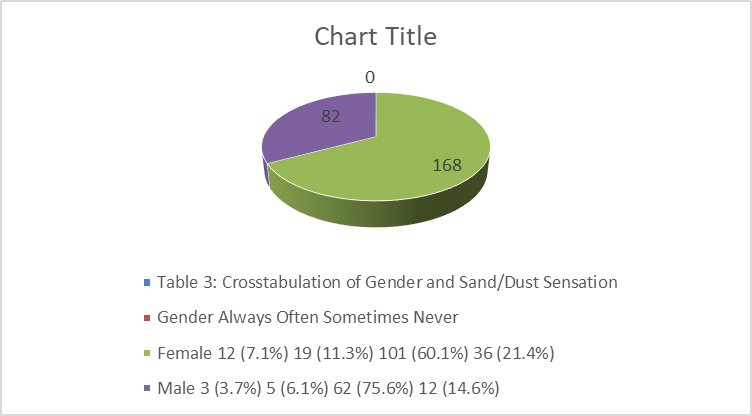
Figure 7: Gender Comparison of Sand/Dust Sensation
Chi-Square Test Results:
• Pearson Chi-Square value: 4.92
• Degrees of freedom: 1
• p-value: <0.05 (statistically significant)
Females reported higher frequencies of sand/dust sensation across all categories compared to males: 7.1% of females reported always experiencing the sensation compared to 3.7% of males; 11.3% of females reported often compared to 6.1% of males. Males more frequently reported experiencing the sensation "sometimes" (75.6% vs. 60.1%). The association between gender and foreign body sensation was statistically significant (p<0.05), consistent with literature showing higher dry eye symptom reporting among women.
Summary of Key Findings
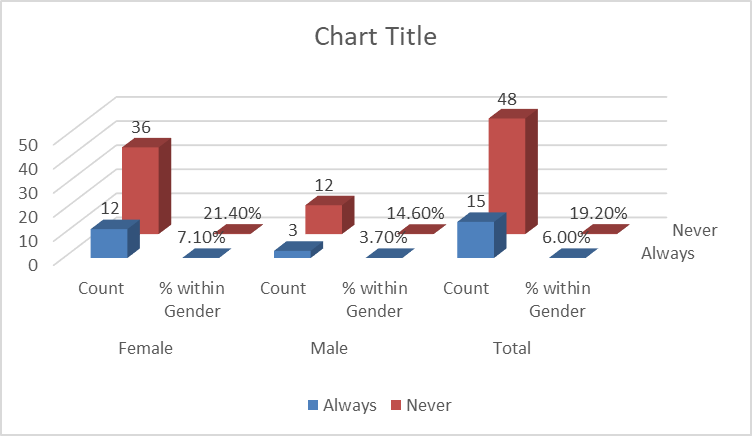
Figure 8: Summary of Key Clinical Findings
SUMMARY OF KEY FINDINGS
Self-Reported Symptoms:
Burning/irritation: 60.8% sometimes
Sand/dust sensation: 65.2% sometimes
Relief after eye closure: 81.6%
Oily/greasy lids: 56.8% never
Risk Factors
Screen time >4 hours: 52.8%
Female gender: 67.2%
Clinical Correlation
Significant gender-symptom association
Symptoms alone insufficient for
diagnosing MGD
Slit-lamp exam essential for diagnosis
DISCUSSION :
This study evaluated the accuracy of patient self-diagnosis of dry eye disease compared to clinical meibomian gland assessment in a Pakistani population. The findings reveal a substantial gap between patient-reported symptoms and objective clinical findings, highlighting the importance of comprehensive ocular examination in all patients presenting with dry eye complaints.
Prevalence of Dry Eye Symptoms
The high prevalence of dry eye symptoms in this study population is consistent with global literature. Over 60% of participants reported burning, irritation, or foreign body sensation at least sometimes, and more than half (52.8%) reported daily screen time exceeding 4 hours. These findings align with recent studies documenting the increasing burden of dry eye disease among young adults in developing countries, particularly those with high digital screen exposure [9].
The predominance of female participants (67.2%) in our study reflects the well-established gender disparity in dry eye disease. Hormonal factors, particularly the role of androgens in meibomian gland function, contribute to higher dry eye prevalence among women [10]. Additionally, women may be more likely to seek healthcare for ocular symptoms, introducing potential selection bias.
Discordance Between Symptoms and Clinical Findings
A key finding of this study is that patient self-diagnosis of dry eye does not reliably predict clinical meibomian gland dysfunction. While a large proportion of participants reported classic dry eye symptoms, clinical examination revealed that not all symptomatic patients had evidence of MGD. Conversely, some patients with minimal symptoms demonstrated significant meibomian gland abnormalities on slit-lamp examination.
This symptom-sign discordance has been well documented in the literature. A population-based study in northeastern China found that 42.44% of participants showed inconsistency between reported symptoms and clinical findings [11]. Similarly, a multicentre study across Europe and the United States reported weak correlations (r² ≤ 0.17) between dry eye symptoms and clinical signs, with only 57% of patients with clinical evidence of dry eye reporting symptoms [12].
Several factors may explain this discordance. First, patients may adapt to chronic symptoms and underreport their severity. Second, symptoms may be influenced by psychological factors, including anxiety and depression, which are more prevalent in dry eye patients. Third, different types of dry eye (aqueous deficient vs. evaporative) may produce different symptom profiles despite similar clinical findings.
Role of Prolonged Screen Time
The finding that 52.8% of participants spent more than 4 hours daily on screens is concerning. Prolonged screen exposure reduces blink rate from the normal 20-22 blinks per minute to 10-12 blinks per minute, leading to inadequate meibum distribution across the ocular surface [13]. This reduction in blink frequency, combined with incomplete blinks common during digital device use, contributes to tear film instability and evaporative dry eye.
Our clinical observations during slit-lamp examination revealed that many patients with high screen time exhibited signs of meibomian gland dysfunction, including gland obstruction, thickened meibum, and lid margin abnormalities. These findings support the growing body of evidence linking digital device use to meibomian gland pathology [14].
Gender Differences in Symptom Reporting
The statistically significant association between gender and foreign body sensation (p<0.05) warrants discussion. Female participants reported higher frequencies of sand/dust sensation across all categories compared to males. This finding is consistent with previous research demonstrating that women report more severe dry eye symptoms despite similar or even less severe clinical signs compared to men [15].
Possible explanations for this gender difference include hormonal influences on corneal nerve sensitivity, differences in pain perception, and higher prevalence of autoimmune conditions (e.g., Sjögren's syndrome) in women. Clinicians should be aware that female patients may report more severe symptoms even when clinical findings appear mild, and treatment decisions should consider both symptom burden and objective findings.
Clinical Implications
The findings of this study have important implications for clinical practice. First, patient self-diagnosis of dry eye should not be accepted as definitive without clinical correlation. Second, all patients presenting with dry eye symptoms should undergo slit-lamp examination with specific attention to meibomian gland assessment, including evaluation of gland expressibility and meibum quality. Third, the high prevalence of prolonged screen time in symptomatic patients suggests that lifestyle modification should be an integral component of dry eye management.
The clinical examination protocol used in this study—including lid eversion, digital expression of meibomian glands, and assessment of secretion quality—is simple, cost-effective, and can be performed in any ophthalmic setting. Given that 56.8% of participants never experienced oily or greasy eyelids, patients cannot reliably identify meibomian gland dysfunction based on symptoms alone
Comparison with Previous Studies
Table 4: Comparison of Key Findings with Previous Studies
|
Study |
Population |
Key Finding |
|
Chalmers et al. (2005) |
US adults |
40.9% had clinician underestimation of dry eye severity |
|
Hua et al. (2014) |
NE China (n=2,262) |
42.44% showed symptom-sign discordance |
|
McCann et al. (2022) |
US systematic review |
DED: 8.1%, MGD: 21.2% |
|
Present study |
Pakistan (n=250) |
52.8% screen time >4 hrs; significant gender-symptom association |
Our findings are consistent with these previous studies while providing new data specific to the Pakistani population, where limited research has been conducted on dry eye disease and meibomian gland dysfunction.
Pathophysiology of Meibomian Gland Dysfunction
Understanding the pathophysiology of MGD helps explain why clinical examination is essential. The meibomian glands are sebaceous glands located vertically within the tarsal plates of the upper and lower eyelids. Their primary function is to secrete meibum, a complex mixture of lipids that forms the outermost layer of the tear film [3]
In MGD, the glands become obstructed due to hyperkeratinization of the ductal epithelium, thickening of meibum, or both. This obstruction leads to stagnation of secretions, further thickening, and ultimately gland dropout. During slit-lamp examination, affected glands may show:
• Reduced expressibility (difficulty expressing meibum with gentle pressure)
• Altered secretion quality (cloudy, thickened, or toothpaste-like meibum)
• Lid margin abnormalities (telangiectasia, irregularity, or notching)
• Gland dropout (visible on transillumination or meibography)
Patients cannot detect these changes subjectively, explaining why self-diagnosis is insufficient for identifying MGD.
Study Strengths
This study has several strengths. First, it is one of the few studies examining the accuracy of patient self-diagnosis of dry eye in the Pakistani population. Second, the use of standardized clinical examination protocols ensures reliability of clinical findings. Third, the comprehensive questionnaire captured multiple dimensions of dry eye symptoms, including frequency, severity, and environmental triggers.
Study Limitations
Several limitations should be acknowledged. The cross-sectional design prevents assessment of causality or temporal relationships. The use of convenience sampling may introduce selection bias. The single-centre design (two cities) limits generalisability to other populations. The study did not include objective tear film tests such as tear break-up time or Schirmer test, which would have provided additional clinical correlation. Finally, the sample size, while adequate for descriptive analysis, may limit statistical power for subgroup analyses
CONCLUSION :
This study demonstrates that patient self-diagnosis of dry eye disease does not always accurately reflect underlying meibomian gland dysfunction. While dry eye symptoms are highly prevalent—particularly among women and individuals with prolonged screen time—clinical examination with slit-lamp biomicroscopy remains essential for accurate diagnosis and appropriate management.
The high prevalence of prolonged screen exposure (52.8% spending >4 hours daily) represents a modifiable risk factor that should be addressed through patient education and lifestyle modification. The significant association between gender and symptom reporting highlights the need for gender-sensitive approaches to dry eye assessment.
Clinicians should not rely solely on patient-reported symptoms when diagnosing dry eye disease or meibomian gland dysfunction. A comprehensive clinical examination, including assessment of meibomian gland expressibility and secretion quality, is necessary to identify the underlying cause of symptoms and guide appropriate treatment. This approach will improve diagnostic accuracy, optimise treatment outcomes, and enhance patient quality of life.
Recommendations
For Clinical Practice
• Perform routine slit-lamp examination on all patients presenting with dry eye symptoms, including everted lid assessment of meibomian glands.
• Do not rely on patient self-diagnosis alone for treatment decisions; confirm with objective clinical findings.
• Assess screen time as a routine part of dry eye evaluation, and counsel patients on the 20-20-20 rule (every 20 minutes, look 20 feet away for 20 seconds).
• Consider gender differences in symptom reporting; female patients may require more aggressive symptom management even with mild clinical signs.
• Document meibum quality using standardised grading (clear, cloudy, thickened, toothpaste-like) to guide treatment and monitor progression.
For Public Health
• Launch awareness campaigns through social media, hospitals, and community clinics to educate the public that dry eye symptoms should be professionally evaluated, not self-medicated.
• Develop workplace screen hygiene programmes that encourage frequent blinking and regular breaks to slow progression of evaporative dry eye.
• Integrate validated dry eye questionnaires (e.g., OSDI) into routine ophthalmic practice as screening tools.
• 6.3 For Future Research
• Conduct multicentre studies with larger sample sizes (N>500) to strengthen statistical power and generalisability.
• Include objective diagnostic tests (tear break-up time, Schirmer test, meibography) alongside symptom assessment.
• Perform gender-specific studies to explore hormonal, occupational, and lifestyle factors contributing to dry eye in women.
• Evaluate intervention effectiveness for reducing screen time and improving meibomian gland function.
Key Messages for Clinical Practice
• Box 1: Key Clinical Takeaways
• Patient self-diagnosis of dry eye does not reliably predict MGD
• 52.8% of symptomatic patients spend >4 hours daily on screens
• Significant gender differences exist in symptom reporting (p<0.05)
• 56.8% of patients never notice oily/greasy eyelids despite possible MGD
• Slit-lamp examination with gland assessment is essential for diagnosis
• Clinical evaluation identifies the true cause (lipid, aqueous, or mixed)
Acknowledgements
The authors thank the clinic staff and administration for their support during data collection. Gratitude is expressed to Dr. Zubair Nazar for supervision and guidance. We are grateful to all participants who volunteered their time for this study.
Conflict of Interest Statement
The authors declare no conflicts of interest. This research received no specific grant from funding agencies in the public, commercial, or not-for-profit sectors.
REFERENCES:
1. Sheppard JD, Nichols KK. Dry Eye Disease Associated with Meibomian Gland Dysfunction: Focus on Tear Film Characteristics and the Therapeutic Landscape. Ophthalmol Ther. 2023;12(3):1397-1418.
2. Lin H, Yiu SC. Dry eye disease: A review of diagnostic approaches and treatments. Saudi J Ophthalmol. 2014;28(3):173-181.
3. Aragona P, et al. Dry Eye Disease: From Causes to Patient Care and Clinical Collaboration—A Narrative Review. Ophthalmol Ther. 2025;14(7):1411-1428.
4. Narang P, Donthineni PR, D'Souza S, Basu S. Evaporative dry eye disease due to meibomian gland dysfunction: Preferred practice pattern guidelines for diagnosis and treatment. Indian J Ophthalmol. 2023;71(4):1348-1356.
5. Raja A, et al. Self-diagnosis and self-medication based on internet search among Non-Medical University students of Karachi. Ann Med Surg. 2024;86(11):6507-6513.
6. McCann P, et al. Prevalence and Incidence of Dry Eye and Meibomian Gland Dysfunction in the United States: A Systematic Review and Meta-analysis. JAMA Ophthalmol. 2022;140(12):1181.
7. Bartlett J, Keith M, Sudharshan L, Snedecor S. Associations between signs and symptoms of dry eye disease: a systematic review. Clin Ophthalmol. 2015:1719.
8. Messmer EM. The Pathophysiology, Diagnosis, and Treatment of Dry Eye Disease. Dtsch Ärztebl Int. 2015.
9. Tong L, et al. Assessment and Management of Dry Eye Disease and Meibomian Gland Dysfunction: Providing a Singapore Framework. Asia-Pac J Ophthalmol. 2021;10(6):530-541.
10. Bulat N, Cuşnir VV, Procopciuc V, Cușnir V, Cușnir NV. Diagnosing the Dry Eye Syndrome in modern society and among patients with glaucoma: a prospective study. Romanian J Ophthalmol. 2020;64(1):35-42.
11. Hua R, Yao K, Hu Y, Chen L. Discrepancy between subjectively reported symptoms and objectively measured clinical findings in dry eye: a population based analysis. BMJ Open. 2014;4(8):e005296.
12. Kyei S, Dzasimatu SK, Asiedu K, Ayerakwah PA. Association between dry eye symptoms and signs. J Curr Ophthalmol. 2018;30(4):321-325.
13. Chalmers RL, et al. The Agreement Between Self-Assessment and Clinician Assessment of Dry Eye Severity. Cornea. 2005;24(7):804-810.
14. Locatelli EVT, Huang JJ, Mangwani-Mordani S, Tovar Vetencourt AA, Galor A. Individuals with Diabetes Mellitus Have a Dry Eye Phenotype Driven by Low Symptom Burden and Anatomic Abnormalities. J Clin Med. 2023;12(20):6535.
15. [Ghaffar F, Furtado NM, Ali I, Burns C. Diagnostic Decision-Making Variability Between Novice and Expert Optometrists for Glaucoma: Comparative Analysis to Inform AI System Design. JMIR Med Inform. 2025;13:e63109.