KNOWLEDGE OF PELVIC FLOOR DYSFUNCTION AMONG PREGNANT WOMEN DURING THE THIRD TRIMESTER OF PREGNANCY
- javeria dawood , postgraduate trainee, mbbs, department of obstetrics & gynaecology, memon medical institute hospital karachi, pakistan.
- shagufta tahir , Consultant, supervisor, professor, fcps, department of obstetrics and gynaecology, memon medical institute hospital karachi, pakistan.
- Rabia hasan , Consultant, obstetrics and gynaecology, fcps, memon medical institute hospital karachi, pakistan.
- Tehzeeb kiran , Senior registrar, obstetrics and gynaecology, fcps, memon medical institute hospital karachi.
- Rumsha mallick , Senior registrar, fcps fellow, obstetric and gynecology fcps, memon medical institute hospital, karachi, pakistan.
- Maria yameen , Postgraduate trainee, mbbs, department of obstetrics & gynaecology, memon medical institute karachi, pakistan..
Article Information:
Abstract:
Objective: To assess the knowledge of pelvic floor dysfunction among women during the third trimester of pregnancy attending a tertiary care hospital in Karachi, Pakistan, and determine its association with selected demographic characteristics.Methods: This descriptive cross-sectional study was conducted at the Department of Obstetrics and Gynecology, Memon Medical Institute Hospital, Karachi, over six Months following approval from the Institutional Review Board and CPSP. A total of 140 pregnant women aged 18–45 years in the third trimester of pregnancy were enrolled through non-probability consecutive sampling. Data regarding age, parity, residence, educational status, and knowledge of pelvic floor dysfunction were collected using a validated 24-item questionnaire. Knowledge scores were calculated as the percentage of correct responses and categorized as adequate (≥60%) or inadequate (<60%). Data were analyzed using SPSS version 24. Associations between knowledge status and demographic variables were assessed using the Chi-square test.Results: The mean age of participants was 28.9 ± 5.4 years. The mean knowledge score was 58.7 ± 14.2%. Adequate knowledge regarding pelvic floor dysfunction was observed in 62 (44.3%) participants, while 78 (55.7%) demonstrated inadequate knowledge. Women with master's-level education or above had the highest proportion of adequate knowledge (62.5%), followed by those with education up to bachelor's level (42.9%) and below matriculation (23.3%). Educational status (p=0.003) and urban residence (p=0.021) were significantly associated with knowledge level. However, no significant association was observed between parity and knowledge status (p=0.218).Conclusion: Knowledge regarding pelvic floor dysfunction among pregnant women was generally inadequate. Higher educational attainment and urban residence were associated with better awareness. Incorporating structured pelvic floor health education into routine antenatal care may improve awareness, promote preventive practices, and facilitate early recognition of pelvic floor disorders.
Keywords:
Article :
INTRODUCTION:
Pelvic floor dysfunction (PFD) is a collection of disorders resulting from weakness or damage to the muscles, ligaments, and connective tissues that support pelvic organs (1). Urinary incontinence, fecal incontinence, pelvic organ prolapse, and sexual dysfunction are all well-known expressions of PFD, a complex mixture of anatomic and functional abnormalities. These conditions may adversely affect women's physical, psychological, and social well-being, leading to impaired quality of life. Pelvic floor disorders occur at all ages, but pregnancy and childbirth are important risk factors due to the major physiological and mechanical stress on the pelvic floor during pregnancy and delivery (2).
Pelvic floor disorders are a common public health issue throughout the world. Challenging, since almost 25% of women will have at least 1 pelvic floor disorder in their lifetime. At least one pelvic floor disorder symptom was reported in 23.7% of women: urinary incontinence (15.7%), fecal incontinence (9.0%), or pelvic organ prolapse (2.9%) in the United States. This prevalence results in over 400 million women affected worldwide, with urinary incontinence alone as the most common expression of pelvic floor dysfunction. With increasing maternal age, obesity, and life expectancy, the prevalence of these disorders will be further augmented (3).
Abnormal anatomy and hormonal changes during pregnancy constitute risk factors for pelvic floor dysfunction. Pelvic floor weakening due to the added intra-abdominal pressure, elongation of pelvic floor muscles, connective tissue remodeling, and the added weight of the growing uterus. Other risk factors are multiparity, obesity, delayed second stage of labour, and forceps or vacuum-assisted vaginal delivery. As a result, many women may experience symptoms either during pregnancy or in the postnatal period that may interfere with their daily life and mental health (4).
Studies performed in various countries have shown that pregnant women have insufficient knowledge regarding pelvic floor dysfunction. The range of knowledge scores in the 63 Singapore subjects was 35.3% to 46.2%, with the least awareness of pelvic organ prolapse. Estimates of knowledge concerning pelvic floor health report an average KAP score of just 45%, representing considerable deficiencies in understanding amongst third-trimester pregnant women in the United Kingdom. Although many of the pregnant women know that birth can cause UI, a lesser percentage know it can cause POP or preventative measures (5).
Pelvic floor health is largely an unexplored area of maternal health in Pakistan. Reported data, although underestimated, as many women suffer from urinary incontinence but don't seek medical consultation for worries about embarrassment, cultural concerns, or lack of knowledge, indicate that urinary incontinence arises in about 11-15% of women (6). Even though pelvic floor disorders are significant in terms of Quality of Life and may affect labour and delivery, antenatal counseling is primarily directed to maternal and fetal outcomes, and pelvic floor-specific discussions are not encouraged. Moreover, there is a paucity of local evidence on pregnant women's knowledge of pelvic floor dysfunction. Therefore, evaluating awareness during pregnancy to indicate knowledge gaps and shape further educational initiatives is needed. Higher awareness could promote preventive habits, lead to early diagnosis, and reduce the long-term burden of pelvic floor disorders in Pakistani women. Hence, this study was done to evaluate the knowledge regarding pelvic floor dysfunction among antenatal females of the third trimester attending a tertiary care hospital in Karachi, Pakistan.
METHODOLOGY:
After taking ethical approval from the respective Institutional Review Board, this was a descriptive cross-sectional study conducted in the Outpatient Department of Obstetrics and Gynecology, Memon Medical Institute Hospital, Karachi (IRB Ref. IRB approval example No. IRB/MMIH/2024/37 date 5th June 2024. The CPSP approved the research synopsis on 22nd February 2025, and data Collection from April 2025 to October 2025. The study procedures were conducted according to the ethical principles in the Declaration of Helsinki. All participants provided written informed consent before enrollment. Women were told about the study aims and methods before participation and assured that no personal information would be disclosed. All participation was voluntary, and all data were anonymized and analyzed only by the research team.
Sample size was calculated based on the lowest knowledge score regarding pelvic organ prolapse (35.3%) reported in a related study on pregnant women with 95% confidence level and 8% margin of error, using the World Health Organization (WHO) sample size calculator (7). The sample size calculated was 140 subjects. During the study periods, a non-probability consecutive sampling method was used to recruit the subjects who were eligible and present in the routine antenatal clinics. Inclusion criteria: Women who are 18–45 years of age, with pregnancy in the third trimester (gestational age ≥24 weeks) regardless of parity, were included. We refused to enter women who were unwilling to take part in the study.
A knowledge test consisting of 24 items related to urinary incontinence, fecal incontinence, and pelvic organ prolapse was used, which has been previously validated. Knowledge score: Knowledge score was considered an ordinal variable as it was measured in terms of the percentage of correct answers over the total number of questions. Adequate knowledge was defined as a knowledge score of ≥60%, and inadequate knowledge was defined as a knowledge score of <60%. Parity was assigned to either nulliparous or multiparous, residence as urban or rural, and educational status as below matriculation, from matriculation to bachelor’s level, or master’s degree and above.
Data Collection
The data were collected through a predesigned and pretested proforma. All participants were assessed for baseline demographic characteristics, such as age, parity, place of residence, and educational status. Pregnant women eligible to join the study were approached at routine antenatal visits, and enrolled after providing written informed consent. Each participant was given access to the validated questionnaire, and sufficient time was given to each participant to read and respond to each of the questions individually. Whenever required, needed help was given with Urdu translation and clarification of items in the questionnaire to make sure that the items were appropriately understood. Knowledge score was evaluated for each participant as number of correct responses according to the validated answer key, expressed as % age score. All data collection procedures were performed by the principal investigator under supervision to ensure consistency and minimize observer bias.
Data Analysis
We entered the data and conducted the analysis using IBM SPSS STATISTICS, version 24.0 (IBM Corp., Armonk, NY, USA). Quantitative variables such as age and percentage knowledge score were used for normality by the Shapiro-Wilk test and were presented as mean ± standard deviation or median with interquartile range, according to their nature. Age, parity, residence (rural and urban), educational status, and knowledge category (adequate/inadequate) were expressed as frequencies and as a percentage as qualitative variables. Level of knowledge was stratified by age group, parity, residence, and educational status. The Chi-square test or Fisher’s exact test was used to ascertain associations between categorical variables. Statistical significance was defined as a p-value ≤0.05.
RESULTS:
A total of 140 pregnant women in the third trimester were included in the study. The mean age of the participants was 28.9 ± 5.4 years. Most participants were multiparous (61.4%), resided in urban areas (65.0%), and had completed education up to matriculation or bachelor's level (50.0%). Detailed demographic characteristics are presented in Table 1.
Table 1. Baseline characteristics of study participants (n=140)
|
Baseline Demographics |
Frequency (n) |
Percentage (%) |
|
Age 18–25 years |
48 |
34.3 |
|
Age 26–35 years |
72 |
51.4 |
|
Age >35 years |
20 |
14.3 |
|
Nulliparous |
54 |
38.6 |
|
Multiparous |
86 |
61.4 |
|
Urban residence |
91 |
65.0 |
|
Rural residence |
49 |
35.0 |
|
Below matriculation |
30 |
21.4 |
|
Matriculation to Bachelor's |
70 |
50.0 |
|
Master's and above |
40 |
28.6 |
The mean knowledge score regarding pelvic floor dysfunction was 58.7 ± 14.2%. Overall, 62 (44.3%) participants demonstrated adequate knowledge, whereas 78 (55.7%) had inadequate knowledge. Urinary incontinence-related questions received the highest proportion of correct responses, while awareness regarding pelvic organ prolapse was comparatively lower. (Figure 1)
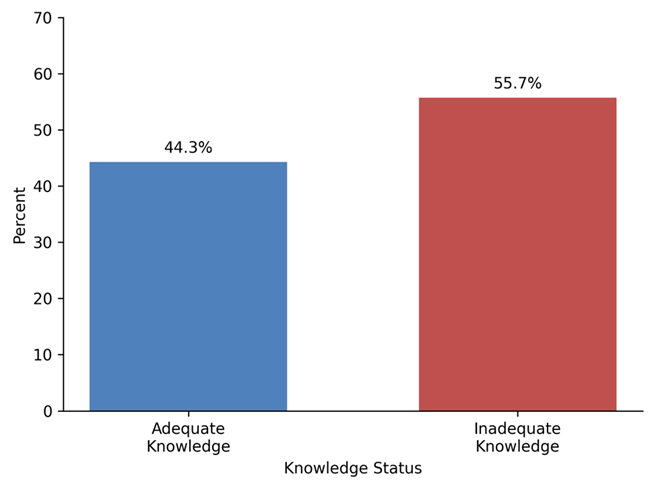
Figure 1. Distribution of knowledge status among participants
The relationship between participant characteristics and knowledge status is shown in Table 3. Adequate knowledge was significantly more common among women with higher educational attainment (p=0.003) and urban residence (p=0.021). No statistically significant association was observed between parity and knowledge status (p=0.218). (Table 2)
Table 2. Association of participant characteristics with knowledge status
|
Variable |
Adequate n (%) |
Inadequate n (%) |
p-value |
|
Nulliparous |
20 (37.0) |
34 (63.0) |
0.218 |
|
Multiparous |
42 (48.8) |
44 (51.2) |
|
|
Urban |
48 (52.7) |
43 (47.3) |
0.021 |
|
Rural |
14 (28.6) |
35 (71.4) |
|
|
Below matriculation |
7 (23.3) |
23 (76.7) |
0.003 |
|
Matriculation–Bachelor's |
30 (42.9) |
40 (57.1) |
|
|
Master's and above |
25 (62.5) |
15 (37.5) |
Participants with a master's degree or above demonstrated the highest proportion of adequate knowledge regarding pelvic floor dysfunction (62.5%), followed by those with matriculation to bachelor's education (42.9%). The lowest level of adequate knowledge was observed among women with education below matriculation (23.3%). Educational status showed a statistically significant association with knowledge level (p=0.003) (Figure 2).
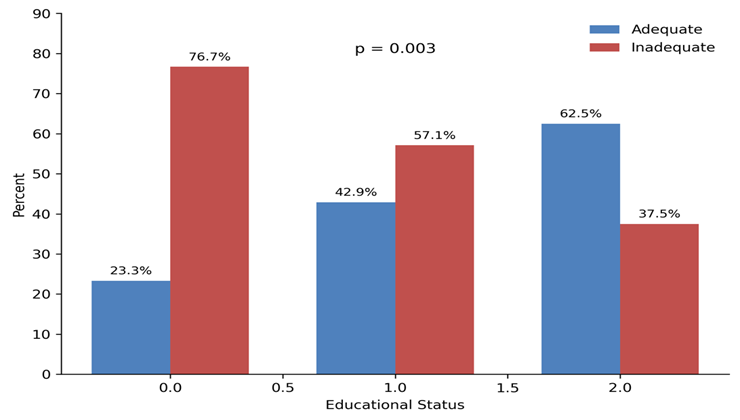
Figure 2. Adequate knowledge according to educational status
DISCUSSION :
The main aim of this study was to evaluate the awareness of pelvic floor dysfunction among women in the third trimester of pregnancy at a tertiary care center in Karachi, Pakistan. The results indicated that only 44.3% of participants had adequate knowledge, while 55.7% had inadequate knowledge of pelvic floor dysfunction. In addition, there were significant deficiencies in knowledge of urinary incontinence, pelvic organ prolapse, and preventive pelvic floor health practices, with a mean knowledge score of 58.7 ± 14.2%.
The results of the current study were similar to the findings in Singapore that showed pelvic floor disorder knowledge scores among pregnant women to be 35.3 and 46.2% (8). Likewise, a United Kingdom study showed an overall pelvic floor knowledge score of around 45%, similar to the percentage of women with adequate knowledge seen in this study (9). This may be because pelvic floor health is often neglected in standard antenatal consultations, and many women mistakenly believe that urinary leakage and other pelvic floor symptoms are normal consequences of pregnancy, which cannot be prevented or treated.
Pelvic floor dysfunction among pregnant women has also been poorly studied in studies conducted in Malaysia. A large proportion of women had poor knowledge about urinary incontinence (80.4%), while nearly half of the respondents (45.0%) were found to have inadequate knowledge about pelvic organ prolapse (10). Similarly, International studies have demonstrated that although many authors have heard of urinary incontinence, fewer are informed of the causes, prevention, and management of pelvic organ prolapse and other pelvic floor disorders. Higher awareness levels reported in developed countries probably stem from better health literacy, the presence of systematic prenatal education protocols, easier access to health information, and more established integration of pelvic floor counseling into antenatal care services (11, 12).
The data in this regard are limited from Pakistan, where available literature indicates a prevalence of urinary incontinence of 11–15% among women and pelvic floor dysfunction is reported in almost 41% of participants among pregnant women (13, 14). Local studies have shown that the awareness of pregnant women about pelvic floor muscle exercises was nil among 67%, and more than 90% of women who were aware of these exercises were not practicing them regularly. These data emphasize a significant discordance between the burden of pelvic floor disorders and knowledge about their prevention and treatment (15, 16). The level of knowledge seems to be no different than the trend that had been previously reported in the local population; thus, the insufficient knowledge noticed in the current study is not surprising.
Among such factors, one of the most important findings from this study was the relationship between educational status and knowledge level (p=0.003). The largest proportion of respondents with adequate knowledge (62.5%) was among women with master's-level education and above, followed by women with a bachelor's-level education (42.9%), and the smallest proportion among women with an education below matriculation (23.3%). In Saudi Arabia, tertiary-educated women had a higher awareness of both urinary incontinence and pelvic organ prolapse when compared to women with lower education levels (17). Similar findings were seen in a study conducted in the USA (18). This relationship may be attributed to the better health literacy, more access to healthcare information, and higher knowledge about antenatal counseling among educated women.
The current study also showed a significantly better knowledge in urban residents as compared to rural residents (52.7% vs 28.6%, p=0.021). Such urban-rural disparities have been reported in some developing countries, where women from urban areas tend to have better access to health resources, education and training, specialist facilities, and health awareness programs. On the contrary, women from rural centers frequently run against obstacles such as health services access, inadequate literacy, and exposure to health promotion activities (19, 20).
In the current study, parity had no significant association with knowledge level (p=0.218). Knowledge level was sufficient among the majority of multiparous (48.8%) women compared to nulliparous (37.0%) women, but this difference was not statistically significant. International studies have found similar results and suggest that even multiple pregnancy and childbirth experiences by themselves may not increase pelvic floor knowledge unless combined with education and counselling (21, 22). The point to be noted from this observation was that the higher level of breach awareness due to a varied experience in obstetrics was overshadowed by the association of more than a few hours of exposure to formal teaching in healthcare education, apart from just obstetric exposure itself.
CONCLUSION :
The present study demonstrated that knowledge regarding pelvic floor dysfunction among pregnant women was generally inadequate, with more than half of the participants lacking sufficient awareness. Higher educational attainment and urban residence were significantly associated with better knowledge levels, whereas parity showed no significant association. These findings highlight the need to incorporate structured pelvic floor health education and counseling into routine antenatal care to improve awareness, promote preventive practices, and facilitate early recognition of pelvic floor disorders among pregnant women.
Conflict of Interest: The authors declare no conflict of interest.
Funding: This research received no specific grant from any funding agency in the public, commercial, or not-for-profit sectors.
BIBLIOGRAPHY:
1. Pugliesi RA, Cannella R, Vernuccio F, Barberi MT, Roccella G, Brancatelli G, et al. Pelvic floor dysfunction: Anatomical characterization and functional imaging with MRI defecography. European Journal of Radiology. 202;196:112706.
2. Chen Y, Pang R. Pelvic Floor Dysfunction. 2024.
3. Al-Badr A, Saleem Z, Kaddour O, Almosaieed B, Dawood A, Al-Tannir M, et al. Prevalence of pelvic floor dysfunction: a Saudi national survey. BMC Women's Health. 2022;22(1):27.
4. Samenezhad S, Rafighi D. Urogynecology in Pregnancy: Challenges and solutions. Continence Reports. 202;17:100105.
5. Weinert K, Plappert CF. Pregnant Women's Knowledge of Pelvic Floor and Related Dysfunctions: A Scoping Review. Healthcare (Basel). 2025;13(8).
6. Abrar S, Mohsin R, Samad A. Female Urinary Incontinence: Frequency, Risk Factors, and Impact on the Quality of Life of Pregnant Pakistani Women. Pak J Med Sci. 2023;39(3):667-71.
7. Jokhio AH, Rizvi RM, MacArthur C. Prevalence of pelvic organ prolapse in women, associated factors and impact on quality of life in rural Pakistan: population-based study. BMC Womens Health. 2020;20(1):82.
8. Liu J, Tan SQ, Han HC. Knowledge of pelvic floor disorder in pregnancy. Int Urogynecol J. 2019;30(6):991-1001.
9. Weinert K, Plappert CF. Pregnant Women’s Knowledge of Pelvic Floor and Related Dysfunctions: A Scoping Review. Healthcare. 2025;13(8):847.
10. Nur Farihan M, Ng BK, Phon SE, Nor Azlin MI, Nur Azurah AG, Lim PS. Prevalence, Knowledge and Awareness of Pelvic Floor Disorder among Pregnant Women in a Tertiary Centre, Malaysia. Int J Environ Res Public Health. 2022;19(14).
11. Tunn R, Baessler K, Knüpfer S, Hampel C. Urinary Incontinence and Pelvic Organ Prolapse in Women. Dtsch Arztebl Int. 2023;120(5):71-80.
12. Saadia Z, Alharbi G, Almutlaq LY, Alsamel TA, Alkhomairi SA, Alharbi RM, et al. Awareness of Pelvic Floor Disorders Among Postpartum and Menopausal Women: A Cross-Sectional Study. Cureus. 2025;17(9):e92203.
13. Jokhio A, Rizvi R, Rizvi J, Macarthur C. Urinary Incontinence in women in rural Pakistan: Prevalence, severity, associated factors and impact on life. BJOG : an international journal of obstetrics and gynaecology. 2013;120:180-6.
14. Nur Farihan M, Ng BK, Phon SE, Nor Azlin MI, Nur Azurah AG, Lim PS. Prevalence, Knowledge and Awareness of Pelvic Floor Disorder among Pregnant Women in a Tertiary Centre, Malaysia. International Journal of Environmental Research and Public Health. 2022;19(14):8314.
15. Paracha H, Rasheed A, Hassan JA, Yamin F, Rehman Au, Anwar A. KNOWLEDGE AND BELIEFS TOWARDS PELVIC FLOOR MUSCLE TRAINING DURING PREGNANCY AND POSTPARTUM PERIOD; A CROSS-SECTIONAL OBSERVATIONAL STUDY IN THE URBAN POPULATION OF PAKISTAN. Pakistan Journal of Rehabilitation. 2024.
16. Keno BF, Hassen GA, Hiwot AY, Tirkena BB, Negesa MG, Mizana BA. Antenatal pelvic floor muscle exercises knowledge and practice in Ethiopia: a cross-sectional study in Jimma Zone public hospitals. BMC Pregnancy Childbirth. 202;2(1).
17. Sabi EM, Mujamammi AH, Alturki N, Alzaid T, Almutairi A, Algarni R, et al. Level of Knowledge and Awareness of Female Undergraduate Students and Determinants of Knowledge of Folic Acid and Supplementation. Medicina (Kaunas). 2022;58(8).
18. Qiu Y, Ding C, Zhang Y, Yuan F, Gong W, Zhou Y, et al. The Nutrition Knowledge Level and Influencing Factors among Chinese Women Aged 18–49 Years in 2021: Data from a Nationally Representative Survey. Nutrients. 2023;15(9):2034.
19. Manzotti A, Fumagalli S, Zanini S, Brembilla V, Alberti A, Magli I, et al. What is known about changes in pelvic floor muscle strength and tone in women during the childbirth pathway? A scoping review. European Journal of Midwifery. 2024;8(August):1-23.
20. O'Neill AT, Hockey J, O'Brien P, Williams A, Morris TP, Khan T, et al. Knowledge of pelvic floor problems: a study of third trimester, primiparous women. Int Urogynecol J. 2017;28(1):125-9.
21. Aynalem BY, Anteneh KT, Enyew MM. Knowledge, attitudes, and associated factors of cervical cancer screening among women in Debre Markos town, Northwest Ethiopia: a cross-sectional study. Sci Rep. 2025;15(1):34726.
22. Shahzad S, Ashraf M, Elkhouly M, Abusalem A, AlSharbatti S. The Level of Knowledge and Attitude Regarding Family Planning Methods Among Married Men and Women in the United Arab Emirates. Cureus. 202;18(3):e105232.