COMPARATIVE EVALUATION OF RETENTION EFFICACY BETWEEN ISPAGHOL HUSK AND FITTYDENT IN COMPLETE DENTURE WEARERS
- Javariya , Postgraduate resident (fcps), prosthodontics (dentistry), bds, institute of dentistry liaquat university of medical and health sciences jamshoro, hyderabad pakistan
- aamir mehmood butt , Professor, prosthodontics (dentistry), fcps, institute of dentistry liaquat university of medical and health sciences jamshoro, hyderabad pakistan
- Asma shams , Postgraduate resident (fcps), prosthodontics (dentistry) bds, institute of dentistry liaquat university of medical and health sciences jamshoro, hyderabad pakistan
- Duresameen , Postgraduate resident(msc), prosthodontics (dentistry), bds, institute of dentistry liaquat university of medical and health sciences jamshoro, hyderabad, pakistan
- Raj kumar , Postgraduate resident (fcps), prosthodontics (dentistry) bds, institute of dentistry, liaquat university of medical and health sciences jamshoro, hyderabad, Pakistan.
- Marvi abro , Postgraduate resident(fcps), prosthodontics, (dentistry), bds, institute of dentistry liaquat university of medical and health sciences jamshoro, hyderabad pakistan.
Article Information:
Abstract:
Complete dentures rely on denture retention as a crucial factor that directly affects patient comfort, functionality, and satisfaction. This is enhanced by the various denture adhesives that are applied to enhance retention such as synthetic denture adhesives like Fittydent and natural denture adhesives like ispaghul husk.Objective: To determine the retention efficacy of ispaghul husk and Fittydent powder in complete denture users.Methods: This quasi-experimental comparative study was done in the Department of Prosthodontics, the Institute of Dentistry, Liaquat University of Medical and Health Sciences, following approval from the Institutional Research Ethics Committee and CPSP between 25th June 2025 and 30th September 2025. Convenience sampling was used to select 176 participants who were split into two groups, namely Group A (ispaghul husk) and Group B (Fittydent), 88 participants each. The retention of the dentures was determined through the dislodgement force of the denture with a digital force gauge. An independent sample t-test was utilized to analyze data with p ≤ 0.05 as a level of significance.Results: The average retention force was much greater in the Fittydent group (10.42 ± 2.15 N) than in the ispaghul husk group (7.85 ± 1.90 N) and the difference is statistically significant (p < 0.001). Fittydent exhibited better retention in all age and gender groups.Conclusion: Fittydent is superior in terms of denture retention than ispaghul husk. Nonetheless, ispaghul husk is a natural substitute with a moderate level of effectiveness and can be a solution to the patients who are going to be biocompatible and affordable.
Keywords:
Article :
INTRODUCTION:
Full denture retention is a basic requirement of successful prosthodontic reconstruction especially on edentulous patients who depend on proper stability of mastication, speech and comfort. The use of denture adhesives to improve retention is an old practice, and both synthetic and natural denture adhesives are drawing interest in clinical practice (1). Various factors affect the retention efficacy such as saliva viscosity, residual ridge morphology, and physical properties of adhesive materials. In recent studies, it has been noted that differences in ridge anatomy have a great influence on adhesive performance and that comparative analysis of various adhesive agents is necessary (2). The concept of comfort and patient satisfaction is becoming the focus of patient-centered outcomes in modern prosthodontics. The emergence of herbal denture adhesives like ispaghul husk has shown the potential to replace conventional products because it is biocompatible and natural (3). Fittydent is a commercial denture adhesive that has proven to be reliable in terms of retention and patient satisfaction in clinical practice.
Nevertheless, the apprehensions about their long-term usage, cost, and potential adverse effects have contributed to the increased interest of safer and cheaper natural alternatives (4). Even the notion of retention is not limited to the field of dentistry and is a common field of study in biomedical sciences. Pharmacology comparative research indicates that retention and long-term effectiveness are vital parameters in the assessment of therapeutic agents and the similar assessments are necessary in dental materials (5). The issue of retention as a quantifiable learning outcome, be it in the acquisition of knowledge or material performance, is also highlighted in educational research. This comparison is important to note that the long-term efficacy is one of the major factors that should be considered when assessing any intervention, denture adhesives included (6). Comparative evaluation studies are critical in dental sciences in the establishment of clinical superiority of materials. An example of this is orthodontic research, which often compares retention devices to determine the stability in the long term, which can be methodologically compared to the study of denture adhesive (7).
Likewise, interdisciplinary researches have revealed that retention is strongly connected with performance outcomes, be it education or healthcare. Such results justify the need to establish comparative clinical assessments to identify the best treatment strategies (8). Comparative efficacy studies tend to inform evidence-based practice in clinical dentistry. Comparative studies on antimicrobial agents in endodontics illustrate the importance of controlled comparisons in disclosing important clinical outcome differences (9). The relevance of natural agents in dentistry is also developing, and research is assessing the use of plant-based products as antibacterial and therapeutic agents. These results offer scientific justification in investigating ispaghul husk as an alternative denture adhesive (10). Substances of plant origin have been widely investigated on their biological functionality, such as adhesive and protective qualities. These features imply the possible use in improving denture retention (11).
The comparative evaluation methods are common in the dental material science especially in the evaluation of viability and effectiveness of various treatment media. Such methods are also used to make sure that conclusions are founded on objective and reproducible data (12). Plant extracts and natural pigments have also been tested based on their functional characteristics, such as stability and retention, yet again looking at the use of herbal materials in dental practices (13). Conventional methods of oral care like miswak usage have shown to be equally effective as the contemporary chemical agents. This supports the clinical dentistry potential of natural products such as ispaghul husk (14). Bond strength and sealing capacity of materials are essential characteristics in restorative dentistry where adhesion and retention are considered important traits. These concepts can be directly applied in the evaluation of denture adhesives (15).
Research on sealants and restorative materials focuses on the fact that retention is the key to long-term clinical success. Adhesive solutions are required to prevent the loss of retention, which frequently causes treatment failure (16). The use of sealants in clinical trials also confirms that hydrophilic properties improve retention in the wet oral cavity, which is of significance in denture adhesive specifically (17). Surface properties are also important in the retention process with smooth surfaces potentially lowering adhesion and rougher textures potentially increasing mechanical interlocking. This factor is significant in the comparison of various adhesive materials (18). Moisture retention is also another important factor that affects adhesive performance. Research has determined that materials that can sustain hydration have the potential to enhance adhesion implying that ispaghul husk, which is hydrophilic in nature, can be used to achieve effective denture retention (19).
Objective: To compare the retention efficacy of ispaghul husk and Fittydent powder in complete denture wearers.
MATERIALS AND METHODS:
Study Design
Comparative quasi experimental study
Setting
Department of Prosthodontics, Institute Of Dentistry, Liaquat University of Medical and Health Sciences
Ethical Approval
The study was approved by the Institutional Research Ethics Committee (No.LUMHS/REC/-441 date 11-10-2024).
Duration Of Study
25th June 2025 and 30th September 2025
Sample Size
To compare the mean retention force of Fitty Dent Powder and Isapgol, the effect size based on the difference in the means and standard deviations 15 was used to determine the sample size required to compare the two. The data were calculated to give a Cohen d, which is a medium effect size of 0.37. According to this effect size, a power analysis was performed to ensure that the minimum required sample size would be 80% with a 5% significance level ( 0.05) when conducting a two-sample t-test. The analysis showed that the number of participants in each group to attain a meaningful difference is 88. As such, 176 subjects (88 in each group) would be required to be able to make reliable comparisons between the two groups, and the study is sufficiently powered to make any meaningful difference in the retention force.
Sampling Technique
Convenience Sampling
Inclusion Criteria
The patients of both genders between the ages of 40 and 60 years were fully edentulous and had maxillary complete dentures with a minimum of three months. The patients whose dentures fitted and had acceptable border extensions and who were willing to participate and give informed consent were only chosen. Participants who had sufficient neuromuscular control and normal salivary flow were also included to provide a reliable measure of denture retention.
Exclusion Criteria
Patients with systemic conditions with impact on salivary flow like xerostomia, Sjögren syndrome or taking medications that influence the production of saliva were excluded. Individuals with severely resorbed ridges, ill-fitting dentures, oral lesions, or mucosal pathologies were not included in the study. Students who had a history of allergy to denture adhesives and patients who had received denture relining or denture adjustments in the recent past were also ruled out to prevent bias in retention measurements.
Methods
In this study, each participant served as their own control to allow direct comparison of the retention efficacy of ispaghul husk and Fittydent powder. For every patient, two maxillary dentures (plates) were prepared under standardized conditions. Before application, dentures were thoroughly washed and dried. For the first measurement, a measured amount of ispaghul husk was uniformly applied to the intaglio surface of the denture after slight dampening. The denture was then placed in the patient’s mouth, and retention was measured after 30 minutes using a digital force gauge to record the vertical dislodgement force required to displace the denture. This measurement was repeated three times, and the average value was calculated. After an appropriate washout period and cleaning of the denture, the same procedure was repeated using Fittydent powder according to the manufacturer’s instructions. Again, three readings were taken for each patient, and the mean value was recorded. All measurements were performed by the same operator using the same standardized technique to ensure consistency and reduce measurement bias. The collected data were entered into statistical software and analyzed using a paired sample t-test, with a significance level set at p ≤ 0.05.
RESULTS:
One hundred and seventy six complete denture wearers participated in this study, and 88 people were in each group.An Isapgul husk is used in Group A and denture adhesives Fittydent powder was used as denture adhesives in Group B. Both groups had similar demographic characteristics of the participants, which provided homogeneity and reduced selection bias.
Table 1: Demographic Characteristics of Participants (n = 176)
|
Variable |
Group A (Ispaghul) n=88 |
Group B (Fittydent) n=88 |
|
Mean Age (years) |
58.4 ± 8.2 |
57.9 ± 7.6 |
|
Male |
46 (52.3%) |
44 (50.0%) |
|
Female |
42 (47.7%) |
44 (50.0%) |
Group A participants had an average age of 58.4 years, with a standard deviation of 8.2, and Group B had an average age of 57.9 years with a standard deviation of 7.6. The composition of gender was equal as well and there were no major differences in demographics between groups.
Denture retention force (in Newtons) was the main outcome measurement. The outcomes showed that the mean retention force was higher in the Fittydent group than the ispaghul husk group.
Table 2: Comparison of Mean Retention Force Between Groups
|
Group |
Mean Retention Force (N) |
Standard Deviation |
p-value |
|
Ispaghul Husk |
7.85 |
±1.90 |
|
|
Fittydent Powder |
10.42 |
±2.15 |
<0.001 |
Fittydent powder exhibited much higher retention than ispaghul husk (p < 0.001), which means better adhesive behavior.
Additional results were performed to determine the retention in various age groups.
Table 3: Retention Force by Age Groups
|
Age Group (years) |
Ispaghul (Mean ± SD) |
Fittydent (Mean ± SD) |
|
40–50 |
8.10 ± 1.75 |
10.60 ± 2.05 |
|
51–60 |
7.90 ± 1.85 |
10.45 ± 2.10 |
Across all age groups, Fittydent consistently demonstrated higher retention values compared to ispaghul husk.
Retention efficacy was also analyzed based on gender.
Table 4: Retention Force by Gender
|
Gender |
Ispaghul (Mean ± SD) |
Fittydent (Mean ± SD) |
|
Male |
7.95 ± 1.85 |
10.50 ± 2.10 |
|
Female |
7.75 ± 1.95 |
10.35 ± 2.20 |
Both male and female participants exhibited similar trends, with Fittydent outperforming ispaghul husk in terms of retention.
Retention Force (N)
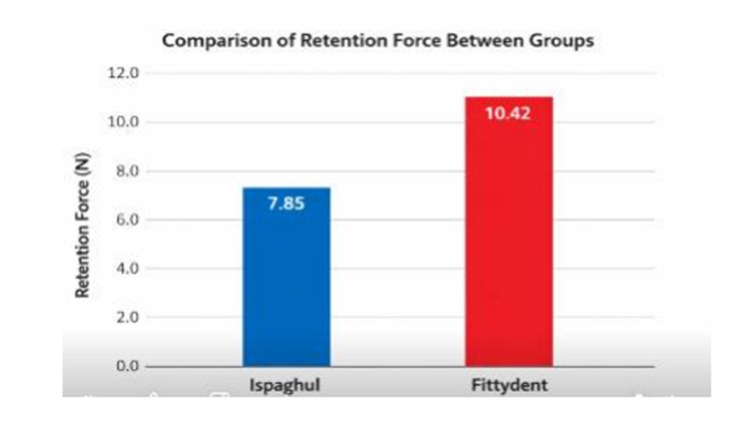
Graph 1: Comparison of Retention Force Between Groups
As shown by the graphical representation, it is clear that Fittydent powder gave a superior retention force than ispaghula husk. In general, the findings suggest that ispaghul husk had moderate retention capacity, but Fittydent powder had much better retention efficacy in complete denture wearers.
DISCUSSION :
The research hypothesis of the current paper was to comparatively assess the retention efficacy of ispaghul husk and Fittydent among complete denture wearers. The results revealed that Fittydent had a much greater retention force than ispaghul husk, but the naturally occurring adhesive also performed well. These findings are in line with other clinical studies that have underscored the relevance of denture adhesives in enhancing stability and patient comfort in complete denture therapy (1). The high performance of Fittydent that was recorded in this research could be explained by the fact that the chemical composition is specifically developed to increase the adhesion and cohesion of the material under the oral conditions. Synthetic denture adhesives are composed in such a way that they are used to ensure strong bonding with saliva and mucosal tissues, and increase retention. The same results have been indicated in recent researches that have shown that commercial adhesives showed superior retention especially in patients with different residual ridge morphologies (2).
Although Fittydent performed better, ispaghul husk showed moderate performance in the retention ability implying the possibility of its use as a natural substitute. Adhesives that are based on herbs have received growing popularity because of their biocompatibility, low cost, and few side effects. Past research demonstrated that vegan denture adhesives could greatly enhance patient comfort and satisfaction, despite having a potentially lesser retention strength than synthetic denture adhesives (3). Moreover, comparative trials on the differences between herbal and non-herbal denture adhesives have always found that synthetic denture adhesives have a greater mechanical retention but the natural denture adhesives have greater benefits of safety and preference by the patient. This highlights the importance of balancing efficacy with biocompatibility in clinical decision-making (4).
Retention efficacy is not limited to the dentistry field and is common in pharmacological studies, where the sustained release of drugs and the long-term effects of treatments are key to success in the treatment. Research comparing extended-release formulations focuses on the need to ensure effectiveness in the long-term, which is similar to the importance of consistent denture retention during daily life (5).
On the same note, studies in the education sciences have shown that retention is a vital measure of the long-term efficiency, either in terms of knowledge learning or material success. This comparison makes it clear that the capability of any denture adhesive to retain its effect with the course of time is equally significant to its original strength (6). Retention is a concept that is well developed in orthodontics to measure the long-term stability of the results of the treatment. The comparative analysis conducted on orthodontic retainers has revealed that material characteristics and design have a strong impact on retention that can be extended to denture adhesives where composition is a major factor (7). The relevance of retention as a measure of performance is also enhanced by interdisciplinary research. Research on cognitive and behavioral outcomes has demonstrated that retention has a direct effect on effectiveness and user satisfaction, which is why it is significant in clinical dentistry (8).
Clinical dental studies are often based on comparative analysis in order to identify the best modes of treatment. An example is the comparison studies of antimicrobial agents used in endodontics, which has shown that controlled comparisons are critical to determining the best clinical intervention, which can be applied directly to the research of denture adhesive (9). The importance of natural products in dentistry is ever-growing, and the recent studies have revealed the antibacterial and curative qualities of these products. Emblica officinalis is a plant-based substance that has demonstrated encouraging outcomes in enhancing oral health, and this factor indicates the possibility of using ispaghul husk as a denture adhesive (10). Moreover, compounds of plant origin have been widely investigated because of their biological properties, such as adhesive or protective properties. These properties can make them potentially effective in improving the retention of dentures, but additional clinical confirmation is needed (11).
The comparative evaluation methodologies applied in dental material science are designed in such a way that the differences in performance are measured and interpreted correctly. The viability of different treatment media has been assessed in studies that have shown the significance of standardized testing procedures that were also observed in the current study (12). Studies on natural pigments and plant extracts have revealed that these compounds have functional properties of stability and moisture retention which is critical to adhesive performance. These results justify the need to investigate ispaghul husk as an effective denture adhesive (13). Conventional oral cleaning methods, miswak, have proved to be as effective as the use of modern chemical agents. This also confirms the possibilities of natural alternatives in dental health such as denture adhesives (14).
Adhesion and retention are the key principles of restorative dentistry, where materials are judged on their bond strength and sealing capability. It has been demonstrated that the enhanced adhesion results in the enhanced clinical outcomes, which are directly applicable to the denture retention (15). Another important aspect in the success of preventive dental materials like sealants is retention. According to clinical analyses, materials that have a higher retention capacity have always had a high effectiveness in the long term (16). Hydrophilic functionality is useful in improving retention particularly in the wet oral cavity. Research has shown that hydrophilic compounds have a higher adhesive property and that can be the reason why ispaghul husk is moderately effective because it will absorb water (17).
Surface properties also affect the retention, since materials with the ability to form close to the surface of the tissue give better mechanical interlocking. Studies on the enamel surface properties emphasize the significance of the surface interactions in order to optimize adhesion (18). Another important factor in adhesive performance is moisture retention. It has been demonstrated that substances that have the ability to hold moisture improve adhesion and stability, which underpins the possible mechanism of action of ispaghul husk in denture retention (19). In general, the results of the current research indicate that, although Fittydent is still the best in the area of retention efficacy, ispaghul husk can be viewed as a promising solution that has a decent performance. Its application can be especially useful in patients who want to find cheaper and biocompatible alternatives, but more long-term clinical research is also advisable to confirm its usefulness.
CONCLUSION :
The current research arrives at a conclusion that ispaghul husk and Fittydent powder are both effective denture adhesives that can improve the retention among complete denture patients. Nevertheless, Fittydent showed much greater retention efficacy, with greater mean retention force values across the groups. This is an indication that synthetic adhesives are more credible to ensure optimal denture stability and functionality. However, ispaghul husk exhibited moderate but clinically acceptable retention, which means that it has the potential to become a natural, cost-effective, and biocompatible alternative. Its hydrophilicity can also lead to enhanced adhesion in the oral cavity, and it can be used by patients who are sensitive to commercial adhesives or prefer using herbal ones. When choosing denture adhesives, clinicians need to take into account patient preferences, affordability, and clinical needs. It is suggested that further studies, both long-term and large-scale, should be conducted to determine the long-term safety and effectiveness of ispaghul husk in general prosthodontics.
REFERENCES:
1. Yadav, B., Ritwal, P., Jha, B. K., Singh, K., & Malhotra, T. (2021). A clinical study to compare the efficacy of isabgol as a denture adhesive when compared with two commercially available denture adhesives in complete dentures. Annals of the Romanian Society for Cell Biology, 25(6), 77–88.
2. Ahmed, N., Abbasi, M. S., Salahuddin, A., Tariq, L., Siraj, S., Das, G., Suleman, G., Vohra, F., & Heboyan, A. (2025). Comparative analysis of adhesive retention and denture weight in different residual ridge morphologies: A cross‐over randomized‐controlled trial. Clinical and Experimental Dental Research, 11(1), e70118.
3. Chitlange, P., Kambala, S. R., Agrawal, S., Bhoyar, A., Pathak, V., & Agarwal, P. (2024). A comparative evaluation of the effects of herbal denture adhesives on patient comfort and satisfaction: Study protocol of a randomized controlled trial. Cureus, 16(8), e66276.
4. Chitlange, P., Sathe, S., Godbole, S., & Agrawal, A. (2025). A comparative evaluation of commercially available non-herbal denture adhesives and essential oil based herbal denture adhesives on patient comfort and satisfaction: A clinical trial. BMC Oral Health, 25(1), 1357.
5. Zhang, C. Q., Li, H. Y., Wan, Y., Bai, X. Y., Gan, L., Wang, J., & Sun, H. B. (2022). Efficacy, safety, and retention rate of extended-release divalproex versus conventional delayed-release divalproex: A meta-analysis of controlled clinical trials. Frontiers in Pharmacology, 13, 811017.
6. Pandey, S. B., Patel, B. N., Chourasia, R. S., & Kumar, R. (2024). A comparative study of traditional vs. modern anatomy teaching methods on student knowledge retention. Azerbaijan Pharmaceutical and Pharmacotherapy Journal, 23, 193–199.
7. Kartal, Y., Kaya, B., & Polat-Özsoy, Ö. (2021). Comparative evaluation of periodontal effects and survival rates of Memotain and five-stranded bonded retainers: A prospective short-term study. Journal of Orofacial Orthopedics, 82(1), 32–41.
8. Akinola, V. O., & Oladejo, A. I. (2025). Comparative evaluation of three activity-based approaches for improving cognitive competence, knowledge retention, and sustained interest among secondary school Biology students. Aminu Kano Academic Scholars Association Multidisciplinary Journal, 2(1), 185–205.
9. Botu, R. K., Rachuri, P., Raparla, M., Matilda, S., & Yemparla, S. (2023). Comparative evaluation of the efficacy of chlorhexidine, diode laser, and saline in reducing the microbial count in primary teeth root canals: An in vivo study. International Journal of Clinical Pediatric Dentistry, 16(3), 459–463.
10. Bane, S. P., Thosar, N. R., Rathi, N. V., Deshpande, M. A., & Deulkar, P. V. (2022). Comparative evaluation of antibacterial efficacy of emblica officinalis lollipop against Streptococcus mutans counts in institutionalized visually impaired children. Cureus, 14(8), e28207.
11. Baz, M. M., Hegazy, M. M., Khater, H. F., & El-Sayed, Y. A. Comparative evaluation of five oil-resin plant extracts against the mosquito larvae, Culex pipiens Say (Diptera: Culicidae).
12. James, N., Kini, S., Pai, S., Shenoy, N., & Kabekkodu, S. P. (2022). Comparative evaluation of corneal storage medias used as tooth avulsion medias in maintaining the viability of periodontal ligament cells using the cell counting Kit-8 assay. Clinical, Cosmetic and Investigational Dentistry, 87–94.
13. Gomez, S., Pathrose, B., & Kuruvila, B. (2022). Comparative evaluation of anthocyanin pigment yield and its attributes from Butterfly pea (Clitorea ternatea L.) flowers as prospective food colorant using different extraction methods. Future Foods, 6, 100199.
14. Al-Mahmood, S., & Sabea, D. W. (2021). Comparative evaluation of the effectiveness of 40% miswak mouthwash and 0.12% chlorhexidine mouthwash in treating gingivitis: A blinded, randomized clinical trial. Oral Health and Preventive Dentistry, 19(1), 229–233.
15. Nair, M., Rao, A., Kukkila, J., Natarajan, S., & Srikrishna, S. B. (2023). A comparative evaluation of micro shear bond strength and microleakage between resin-modified glass ionomer cement and residual dentin following excavation of carious dentin. F1000Research, 12, 332.
16. Devaraj, K., & Prathima, G. S. (2023). Evaluation of retention and sealing ability of pit and fissure sealant using stereomicroscope with and without SDF/KI pretreatment: In vitro study. World Journal of Dentistry, 14(6), 547–551.
17. Gyati, O., Jain, M., Sogi, S., Shahi, P., Sharma, P., & Ramesh, A. (2023). Clinical evaluation of retention of hydrophilic and hydrophobic pit and fissure sealants in permanent first molars: An 18-month follow-up randomized controlled trial. International Journal of Clinical Pediatric Dentistry, 16(2), 350–356.
18. I'udzuri, M. J. Comparative evaluation of enamel surface roughness after minimally invasive treatment of white spot lesions: An in vitro study.
19. Chen, H. J., Lee, P. Y., Chen, C. Y., Huang, S. L., Huang, B. W., Dai, F. J., Chau, C. F., Chen, C. S., & Lin, Y. S. (2022). Moisture retention of glycerin solutions with various concentrations: A comparative study. Scientific Reports, 12(1), 10232.