CLINICAL PRESENTATION OF METABOLIC SYNDROME IN WOMEN WITH POLYCYSTIC OVARIAN SYNDROME
- Baby faiza , postgraduate trainee, gynae and obs, mbbs, shaikh zyed women hospital, smbbmu, larkana, pakistan
- Tanweer akhtar , professor obstetrics and gynecology, fcps, mcps, shaikh zyed women hospital, smbbmu, larkana, pakistan
- shabnam naz , obstetrics and gynecology unit 3, fcps, mrcog, sheikh zayed women hospital
- Dr shabana , assistant professor, obstetrics and gynecology, fcps, shaikh zyed women hospital larkana, pakistan
- Saba rasool , postgraduate trainee, obstetrics and gynecology, mbbs, shaikh zaid women hospital unit 3, smbbmu, larkana pakistan
- Safi Ahmed Ali Mugheri , House Officer, Surgery, MBBS, CMCH, Larkana, Pakistan
Article Information:
Abstract:
Objective:To determine the frequency and clinical presentation of metabolic syndrome among women with polycystic ovarian syndrome (PCOS) presenting at a tertiary care hospital in Larkana and assess its association with demographic and clinical characteristics.Methods: This descriptive cross-sectional study was conducted at the Department of Obstetrics and Gynecology, Shaikh Zayed Women Hospital, Larkana, over three months following approval from the Institutional Ethical Review Committee and CPSP. A total of 200 women aged 16–40 years diagnosed with PCOS were enrolled through non-probability consecutive sampling. Demographic and clinical data, including age, BMI, lifestyle, dietary pattern, residence, and parameters of metabolic syndrome, were collected using a structured proforma. Metabolic syndrome was diagnosed according to the American Heart Association/National Heart, Lung, and Blood Institute criteria. Data were analyzed using SPSS version 26, and associations were assessed using the Chi-square test.Results: The mean age of participants was 27.8 ± 5.6 years, while the mean BMI was 29.3 ± 5.1 kg/m². Metabolic syndrome was identified in 89 (44.5%) women with PCOS. Central obesity (74.0%) was the most common clinical presentation, followed by low HDL cholesterol (48.0%), hypertriglyceridemia (40.5%), hypertension (28.5%), and elevated fasting plasma glucose (24.5%). Metabolic syndrome was significantly associated with advanced age, obesity, sedentary lifestyle, urban residence, and prolonged duration of PCOS (p≤0.05). Conclusion: Metabolic syndrome was highly prevalent among women with PCOS, with obesity and dyslipidemia being the most frequent clinical presentations. Early screening and lifestyle modification are essential to reduce the risk of future metabolic complications.
Keywords:
Article :
INTRODUCTION:
Polycystic ovary syndrome (PCOS) is a common endocrine and metabolic disorder worldwide that affects women of reproductive age. Polycystic ovary syndrome (PCOS) is a heterogeneous disorder, defined by ovulatory dysfunction, hyperandrogenism, and polycystic ovarian morphology and commonly linked with metabolic abnormalities such as obesity, insulin resistance, dyslipidemia, and hypertension. Such metabolic disturbances carry major consequences, leading to a dramatic increase in cardiovascular and endocrine long-term complications in affected individuals (1, 2).
The global prevalence of PCOS is estimated to be 6%-20%, depending on the definition used and the population studied. You see a higher prevalence among overweight or obese women and in some ethnic groups. The incidence of PCOS in reproductive-age girls has been estimated between 10–15% in the United States and European countries, whereas studies from the South Asian Countries have reported a high range prevalence due to increasing obesity, sedentary lifestyle behavior, and genetic predisposition. In India, the prevalence among females of reproductive age has been reported to range from 9% to 22%. Prevalence rates of 13% to 18% from the Middle East are also quite common and signify an important worldwide burden of the disease (3, 4).
Metabolic syndrome is defined as a constellation of metabolic derangements that include central obesity, hypertension, hyperglycemia, increased triglycerides, and low high-density lipoprotein (HDL) cholesterol. Because insulin resistance is a central feature in the pathophysiology of both PCOS and metabolic syndrome, women with PCOS are at greater risk for developing the latter condition. Hyperinsulinemia
METHODOLOGY:
with the consent of the ethical review committee of Shaikh Zayed Women Hospital, Larkana, and the College of Physicians and Surgeons Pakistan (CPSP) from 15th June 2025 to 30th September 2025. using a consecutive sampling technique. All methods were performed in accordance with the ethical standards of the Declaration of Helsinki. All participants provided written informed consent to participate in the study before enrolment. Prior to the commencement of the study, participants were informed about the aims and methods of the research, and that all personal information would be treated confidentially. All data were encoded numerically by the participant, and only the research team had access to the data.
Using the World Health Organization (WHO) sample size calculator, a sample size of 200 females was calculated using the proportion of metabolic syndrome in PCOS women from a previous local study done in Pakistan (7), taking frequency as 46.4%, with a confidence level of 95% and margin of error as 7%. Inclusion criteria included PCOS-diagnosed females aged 16–40 years (operational definition) who were willing to participate in the study, recruited through a non-probability, consecutive sampling methodology.
Polycystic ovarian syndrome was defined based on any two of the following: oligo/anovulation, hyperandrogenism, and/or ultrasound evidence for ≥12 follicles per ovary measuring 2–9 mm in diameter and/or ovarian volume >10mL. Metabolic syndrome was defined as having three or more of: (1) excessive abdominal obesity with female waist circumference ≥80 cm according to the WHO standards for Asian women; (2) elevated blood pressure, ti ‘hypertension’ identified 130 mmHg systolic or 85 mmHg diastolicro; (3) fasting plasma glucose ≥100 mg/dl(previously diagnosed T2DM);(4)) reduced levels of high-density lipoprotein cholesterol 150 mg/dLaccording to American Heart Association/National Heart, Lung, and Blood Institute criteria. Patients with abnormal liver function tests (ALT or AST >40 IU) in females, history of hepatitis B or C infection, renal dysfunction (creatinine >1.8 mg/dl or dialysis), previously diagnosed metabolic syndrome and patients receiving medications for the treatment of metabolic syndrome were excluded from this study.
Data Collection
A predesigned, pretested pro forma was used for data collection. Age, marital status, parity, duration of PCOS, body mass index (BMI), education, occupation, lifestyle pattern, dietary pattern, residence, and socioeconomic status were recorded as baseline demographic and clinical variables. The height was assessed without shoes with a stadiometer, and body weight was taken in kg, using a bathroom-calibrated weighing scale with participants wearing light clothing. BMI was obtained by dividing weight in kilograms by height in meters squared.
All clinical evaluations for metabolic syndrome were performed in accordance with the standard hospital protocols. We used a non-elastic measuring tape to measure waist circumference over this area between the lower margin of the last palpable rib and the upper border of the iliac crest. Blood pressure was determined with a standardized sphygmomanometer after an adequate rest. Fasting blood samples were collected to measure plasma glucose, triglycerides, and HDL cholesterol. Metabolic syndrome was diagnosed according to standard operational definitions. All assessments and data-collection procedures were conducted by the principal investigator under supervision to maintain uniformity and reduce observer bias.
Data Analysis
The statistical analyses were carried out using IBM SPSS Statistics version 26.0 (SPSS Inc., Chicago, IL, USA). Quantitative variables were evaluated for normality through the Shapiro-Wilk test. Quantitative variables, including age, duration of PCOS, and BMI, were reported as mean ± standard deviation or median with interquartile range, depending on the data distribution. The qualitative variables such as marital status, parity, education, occupation, lifestyle, dietary pattern, residence, and metabolic syndrome were expressed in terms of frequency and percentages. Assessment of metabolic syndrome in relation to variables. Stratification was done for age, BMI, duration of PCOS, marital status, parity, education, occupation, lifestyle, dietary pattern, residence, and socioeconomic status with metabolic syndrome. Inferential analysis was conducted using the Chi-square test or Fisher’s exact test, as needed. Statistical significance was defined as a p-value ≤0.05 or less.
RESULTS:
A total of 200 women diagnosed with polycystic ovarian syndrome (PCOS) were included in this study. The mean age of the participants was 27.8 ± 5.6 years, while the mean duration of PCOS was 3.9 ± 2.1 years. Most participants were aged 21–30 and from urban areas. The majority of women were married and led sedentary lifestyles. The mean body mass index (BMI) of the study population was 29.3 ± 5.1 kg/m². Table 1.
Table 1: Baseline demographic and clinical characteristics of study participants (n=200)
|
Baseline and demographic parameters |
Frequency (%) / Mean ± SD |
|
Age (years) |
27.8 ± 5.6 |
|
16–20 years |
34 (17.0%) |
|
21–30 years |
118 (59.0%) |
|
31–40 years |
48 (24.0%) |
|
Duration of PCOS (years) |
3.9 ± 2.1 |
|
<2 years |
52 (26.0%) |
|
2–5 years |
101 (50.5%) |
|
>5 years |
47 (23.5%) |
|
Residence |
|
|
Urban |
121 (60.5%) |
|
Rural |
52 (26.0%) |
|
Semi-urban |
27 (13.5%) |
|
BMI (kg/m²) |
29.3 ± 5.1 |
|
Normal weight |
39 (19.5%) |
|
Overweight |
86 (43.0%) |
|
Obese |
75 (37.5%) |
|
Marital status |
|
|
Married |
132 (66.0%) |
|
Unmarried |
61 (30.5%) |
|
Separated |
7 (3.5%) |
|
Lifestyle |
|
|
Active |
48 (24.0%) |
|
Sedentary |
126 (63.0%) |
|
Sports |
26 (13.0%) |
BMI = Body mass index
The most frequently observed clinical presentation of metabolic syndrome among women with PCOS was central obesity, followed by low HDL cholesterol, hypertriglyceridemia, hypertension, and elevated fasting plasma glucose. Metabolic syndrome was identified in 89 (44.5%) women with PCOS according to predefined operational criteria. Table 2.
Table 2: Clinical presentation of metabolic syndrome among women with PCOS (n=200)
|
Parameters |
Frequency (%) |
|
Central obesity (waist circumference ≥80 cm) |
148 (74.0%) |
|
Low HDL cholesterol (<50 mg/dl) |
96 (48.0%) |
|
Triglycerides >150 mg/dl |
81 (40.5%) |
|
Blood pressure ≥130/85 mmHg |
57 (28.5%) |
|
Fasting plasma glucose ≥100 mg/dl |
49 (24.5%) |
|
Metabolic syndrome present |
89 (44.5%) |
|
Metabolic syndrome absent |
111 (55.5%) |
Metabolic syndrome was present in 89 (44.5%) women, whereas 111 (55.5%) women did not fulfill the diagnostic criteria for metabolic syndrome. Figure 1.
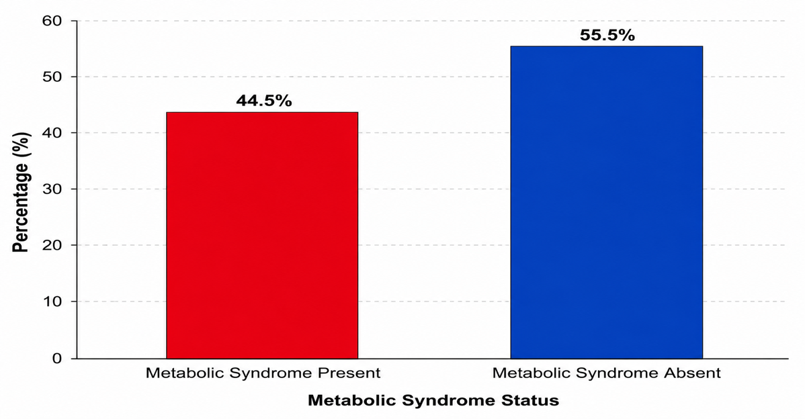
Figure 1 illustrates the frequency of metabolic syndrome among women diagnosed with PCOS.
Stratification analysis demonstrated that metabolic syndrome was more frequently observed among women aged above 30 years, obese participants, married women, and those with a sedentary lifestyle. Urban residence and prolonged duration of PCOS were also associated with relatively higher frequencies of metabolic syndrome. Table 3.
Table 3: Association of metabolic syndrome with demographic and clinical characteristics (n=200)
|
Parameters |
Metabolic Syndrome n (%) |
No Metabolic Syndrome n (%) |
p-value |
|
Age 16–20 years |
9 (26.5%) |
25 (73.5%) |
0.031* |
|
Age 21–30 years |
49 (41.5%) |
69 (58.5%) |
|
|
Age 31–40 years |
31 (64.6%) |
17 (35.4%) |
|
|
Urban residence |
61 (50.4%) |
60 (49.6%) |
0.042* |
|
Rural residence |
17 (32.7%) |
35 (67.3%) |
|
|
Semi-urban residence |
11 (40.7%) |
16 (59.3%) |
|
|
Obese BMI category |
49 (65.3%) |
26 (34.7%) |
<0.001* |
|
Sedentary lifestyle |
69 (54.8%) |
57 (45.2%) |
0.008* |
|
Duration of PCOS >5 years |
29 (61.7%) |
18 (38.3%) |
0.017* |
|
Married women |
67 (50.8%) |
65 (49.2%) |
0.049* |
*p-value ≤0.05 was considered statistically significant
DISCUSSION :
The main objective of the present study was to assess the prevalence and clinical features of metabolic syndrome in women with polycystic ovarian syndrome (PCOS). Metabolic syndrome was seen to be 44.5% in women with PCOS, reflecting the enormous metabolic distress among reproductive-aged females suffering from this common and distressing endocrine disorder. The findings are also in agreement with the study of Anjum et al., reported by Hallajzadeh J and colleagues from Karachi, Pakistan (7) and Iran (8), showing metabolic syndrome was prevalent in 46.4% of women with PCOS. Furthermore, studies from other parts of the world reported similar prevalence rates, ranging from 40% to 50% (9, 10). In contrast, Hudecova et al. reported a relatively lower prevalence of 23.8% from Sweden (11). The reason behind our finding of a higher percentage in developing countries is probably increasing obesity and sedentary lifestyle, unwholesome dietary habits, genetic factors of family history, and vagueness in diagnosing PCOS with thickness. Variations in ethnicity, lifestyle habits, socioeconomic factors, and diagnostic criteria can also account for differences in prevalence across populations.
The mean age of the individuals in the current study was 27.8 ± 5.6 years, and metabolic syndrome was significantly more prevalent in females aged 31-40 years. Similar observations have been reported in other countries, where an increase in insulin resistance documented in girls with PCOS has been described during maturation, together with worsening obesity status and cardiovascular risk factors (12, 13). We have shown that metabolic complications from biochemical hyperandrogenism increase progressively with age and are directly related to the duration of sustained hyperinsulinemia, androgen excess, or both in studies of adult women from both China (14) and Europe (15). Our higher prevalence of older women is likely related to longer disease duration and late lifestyle change.
The most frequent clinical presentation found in this study was obesity, which was present in 74.0% of women, and obese women had a higher frequency of metabolic syndrome. These findings have also been observed in Pakistani and various other studies done outside Pakistan. Anjum et al. Demou et al showed that >80% of the women had obesity, and Steiwiet, in a recent study from Iraq, also reported this result in patients with metabolic syndrome and PCOS (16). This is due to the association of obesity with insulin resistance, chronic inflammation, endothelial dysfunction, and disturbed lipid metabolism, which can lead to an elevated risk for metabolic syndrome. The higher-than-expected rate of obesity in our population may be reflective of changing dietary habits, decreased physical activity, and urbanization within the Pakistani community.
The second major clinical presentation shown in this study was dyslipidemia. Among women, 48.0% had low HDL, and 40.5% had elevated triglycerides. Similar results have been noted in other research done in Pakistan, India, and Iran. Insulin resistance is a key factor in lipid derangements, as it stimulates hepatic secretion of triglyceride-rich lipoproteins and decreases HDL-cholesterol levels. These lipid derangements increase the long-term risk of atherosclerosis and cardiovascular disease in PCOS women (17, 18).
Notably, hypertension and impaired fasting glucose were also prevalent in the present study. Hypertension was present in 28.5% of participants, and raised fasting plasma glucose was found in 24.5% of women. Similar results from South Asia and the Middle East. The pathophysiological mechanism might be insulin resistance, obesity, sympathetic nervous system overactivity, and endothelial dysfunction related to PCOS. The high incidence of glucose intolerance and hypertension once again highlights the importance of early metabolic screening in those with diagnoses of PCOS (19).
Metabolic syndrome was strongly associated with a sedentary lifestyle, long duration of PCOS, urban area residents, and being married. In previous studies, physical inactivity and urbanization have been associated with increased obesity and metabolic disorders (20). This sedentary behavior, coupled with calorie-dense diets that urban women are more likely to adopt, may exacerbate metabolic outcomes. Similarly, women who experience a longer duration of PCOS suffer from prolonged metabolic and hormonal derangements, rendering them susceptible to metabolic syndrome over time (21).
Limitations of the present study. The results cannot be generalized to the whole population because it is a single-center cross-sectional study. A further limitation of external validity is the small sample size and the use of non-probability sampling techniques. This was also an observational study, and therefore, causal relations between PCOS and the metabolic syndrome cannot be inferred. The authors recommend larger, longitudinal, multicenter studies to appropriately assess metabolic complications among PCOS women.
CONCLUSION:
Out of 150 women with polycystic ovarian syndrome, metabolic syndrome was found in the highest number, and obesity was the most common clinical presentation, followed by dyslipidemia, hypertension, and impaired fasting glucose. Metabolic syndrome was significantly associated with older age, obesity, sedentary activity, urban residential area, and late initiation of PCOS (Dn/Th). The practical implication of this review is that early screening and lifestyle modification strategies are required in order to decrease the wider significance of metabolic and cardiovascular complications for women with PCOS
REFERENCES:
1. Singh S, Pal N, Shubham S, Sarma DK, Verma V, Marotta F, et al. Polycystic Ovary Syndrome: Etiology, Current Management, and Future Therapeutics. J Clin Med. 2023;12(4).
2. Allahbadia GN, Merchant R. Polycystic ovary syndrome and impact on health. Middle East Fertility Society Journal. 2011;16(1):19-37.
3. Yasmin A, Roychoudhury S, Paul Choudhury A, Ahmed ABF, Dutta S, Mottola F, et al. Polycystic Ovary Syndrome: An Updated Overview Foregrounding Impacts of Ethnicities and Geographic Variations. Life (Basel). 2022;12(12).
4. Chai O, Feng X, Tang N, Cui D, Li H, Tian W, et al. Global and regional burden of polycystic ovary syndrome, 1990–2021: a systematic analysis of the global burden of disease study 2021. BMC Women's Health. 2025;25(1):437.
5. Farouk H. Metabolic syndrome: an extensive analysis of pathophysiology, clinical consequences, and treatment approaches. The Egyptian Journal of Internal Medicine. 2025;38(1):26.
6. Panidis D, Macut D, Tziomalos K, Papadakis E, Mikhailidis K, Kandaraki EA, et al. Prevalence of metabolic syndrome in women with polycystic ovary syndrome. Clin Endocrinol (Oxf). 2013;78(4):586-92.
7. Anjum S, Askari S, Riaz M, Basit A. Clinical Presentation and Frequency of Metabolic Syndrome in Women With Polycystic Ovary Syndrome: An Experience From a Tertiary Care Hospital in Pakistan. Cureus. 2020;12(12):e11860.
8. Hallajzadeh J, Khoramdad M, Karamzad N, Almasi-Hashiani A, Janati A, Ayubi E, et al. Metabolic syndrome and its components among women with polycystic ovary syndrome: a systematic review and meta-analysis. J Cardiovasc Thorac Res. 2018;10(2):56-69.
9. Zaeemzadeh N, Sadatmahalleh SJ, Ziaei S, Kazemnejad A, Mottaghi A, Mohamadzadeh N, et al. Prevalence of metabolic syndrome in four phenotypes of PCOS and its relationship with androgenic components among Iranian women: A cross-sectional study. Int J Reprod Biomed. 2020;18(4):253-64.
10. Louwers YV, Laven JSE. Characteristics of polycystic ovary syndrome throughout life. Therapeutic Advances in Reproductive Health. 2020;14:2633494120911038.
11. Hudecova M, Holte J, Olovsson M, Larsson A, Berne C, Sundstrom-Poromaa I. Prevalence of the metabolic syndrome in women with a previous diagnosis of polycystic ovary syndrome: long-term follow-up. Fertility and Sterility. 2011;96(5):1271-4.
12. Rigamonti AE, Cicolini S, Tamini S, Caroli D, Cella SG, Sartorio A. The Age-Dependent Increase of Metabolic Syndrome Requires More Extensive and Aggressive Non-Pharmacological and Pharmacological Interventions: A Cross-Sectional Study in an Italian Cohort of Obese Women. Int J Endocrinol. 2021;2021:5576286.
13. Noubiap JJ, Nansseu JR, Nyaga UF, Ndoadoumgue AL, Ngouo AT, Tounouga DN, et al. Worldwide trends in metabolic syndrome from 2000 to 2023: a systematic review and modelling analysis. Nature Communications. 2025;17(1):573.
14. Guo Z, Jin F, Chen S, Hu P, Hao Y, Yu Q. Correlation between biochemical and clinical hyperandrogenism parameter in polycystic ovary syndrome in relation to age. BMC Endocr Disord. 2023;23(1):89.
15. Elhassan YS, Hawley JM, Cussen L, Abbara A, Clarke SA, Kempegowda P, et al. Society for Endocrinology Clinical Practice Guideline for the Evaluation of Androgen Excess in Women. Clinical Endocrinology. 2025;103(4):540-66.
16. Ali NS, Khuwaja AK, Adnan Ur R, Nanji K. Retrospective analysis of metabolic syndrome: prevalence and distribution in executive population in urban pakistan. Int J Family Med. 2012;2012:649383.
17. Elkanawati RY, Sumiwi SA, Levita J. Impact of Lipids on Insulin Resistance: Insights from Human and Animal Studies. Drug Des Devel Ther. 2024;18:3337-60.
18. Alcover S, Ramos-Regalado L, Girón G, Muñoz-García N, Vilahur G. HDL-Cholesterol and Triglycerides Dynamics: Essential Players in Metabolic Syndrome. Antioxidants. 2025;14(4):434.
19. Vollmer J, Lacy ME, Christian WJ. Diabetes screening among women with Polycystic Ovary Syndrome: A descriptive study of commercial claims, 2011-2019. Res Sq. 2024.
20. Butt S, Farooq U, Butt T, Rai A, Anjum A. Prevalence and Risk Factors of Polycystic Ovary Syndrome Among Adolescent Girls in Urban and Rural Areas of Punjab, Pakistan: PCOS in Punjab: Prevalence and Risk Factors Among Adolescents. DEVELOPMENTAL MEDICO-LIFE-SCIENCES. 2025;2:21-6.
21. Kamboj S, Arora T, Amlin D, Jyoti A, Ahuja G, Banerjee S, et al. Diet and physical activity behaviors among women with polycystic ovary syndrome (PCOS): Are they different from healthy women? JBRA Assist Reprod. 2025;30(1):2-10.