Role of AI in Treatment Planning and Placement of Implants: Smart Dentistry (A Review)
- G. Rahul , Post Graduate Student, Department of Prosthodontics and Crown and Bridge, Mamata Dental College and Hospital, Khammam, Telangana, India
- Sujesh. M , Professor, Department of Prosthodontics and Crown and Bridge, Mamata Dental College and Hospital, Khammam, Telangana, India
- G. Harilal , Professor, Department of Prosthodontics and Crown and Bridge, Mamata Dental College and Hospital, Khammam, Telangana, India
- CH. Kavitha , Reader, Department of Prosthodontics and Crown and Bridge, Mamata Dental College and Hospital, Khammam, Telangana, India
- L. Sri Charitha5 , Senior Lecturer, Department of Prosthodontics and Crown and Bridge, Mamata Dental College and Hospital, Khammam, Telangana, India
- Keerthi Rohini , Senior Lecturer, Department of Prosthodontics and Crown and Bridge, Mamata Dental College and Hospital, Khammam, Telangana, India
Article Information:
Abstract:
The Fourth Industrial Revolution, or Industry 4.0, merges digital, physical, and biological realms, with Artificial Intelligence (AI) at its core. In dentistry, especially implantology, AI enhances early disease detection and enables advanced robotic surgeries, improving patient outcomes. Artificial intelligence is revolutionizing the field of implant dentistry through its sophisticated analysis of cone beam computed tomography (CBCT) scans. By evaluating these detailed images, AI identifies optimal locations for implant placements while also assessing the quality of the surrounding bone. This capability greatly enhances surgical planning, allowing for more precise and informed decisions. Furthermore, advanced machine learning models are utilized to predict the likelihood of successful osseointegration—the process by which the bone integrates with the implant—facilitating better decision-making that aims at improving surgical outcomes. Innovative technologies, such as smart implants equipped with biosensors, take patient care a step further by providing real-time monitoring during the recovery phase. This continuous feedback not only helps in managing post-operative care more effectively but also informs clinicians of any potential issues that may arise. Moreover, state-of-the-art software leverages 3D data to generate customized implant recommendations tailored to each patient’s unique anatomical needs. By integrating AI technologies into the surgical workflow, dentists are empowered to proactively tackle challenges, which lead to a higher level of safety, reliability, and personalization in patient care throughout the entire dental implant process.
Keywords:
Article :
INTRODUCTION:
The Fourth Industrial Revolution (4IR) marks a transformative era defined by the convergence of technologies that merge the physical, digital, and biological realms, with Artificial Intelligence (AI) at its core. AI plays a crucial role in 4IR by enabling self-monitoring, automation, and intelligent decision-making, extending its influence beyond traditional manufacturing into autonomous systems.1,2 Key elements of AI in this revolution include intelligent automation, which optimizes processes in real time by analyzing data to identify tasks that can be automated. Additionally, AI complements essential technologies such as the Internet of Things (IoT), robotics, 3D printing, and big data to promote the development of smart factories and enhance operational efficiency.3,4 The impact of AI extends across various sectors, with applications in precision agriculture, AI-driven healthcare initiatives like First Cancer Care, the creation of smart cities, and advancements in predictive maintenance. As 4IR evolves, it brings forth what is known as the "imagination age," where AI takes over routine tasks, thereby elevating the value of human creativity. However, the rapid integration of these technologies also presents several challenges, including concerns about data privacy, potential algorithmic bias in hiring practices, and the risk of job displacement.5,6 This review paper is a sincere attempt to summarize the imperative role of Ai in treatment planning and placement of implants with special focus on Ai based bony and nervous assessments.
Methods of Literature Search:
In this comprehensive literature review, various internet-based search engines, including Google, Google Scholar, and Yahoo, were utilised alongside scholarly bibliographic databases such as PubMed, PubMed Central, Medline Plus, Cochrane, Medknow, EBSCO, Science Direct, HINARI, INDMED, and Embase. The search was conducted with a focus on relevant medical subject headings (MeSH) and keywords specifically related to the fields of dentistry and oral surgery; these included terms like Artificial Intelligence, Sinus Lift Procedure, Machine Learning, Deep Learning, Dental Implants, and Implant Planning. To ensure a thorough examination, the review was systematically restricted to articles published in English, Chinese, Portuguese, Spanish, and Korean, among other languages. However, we specifically selected English-language articles spanning the last 15 years. The search focused on high-quality sources, including systematic reviews, meta-analyses, and clinical guidelines published in reputable dental journals. Initially, a total of 65 articles were identified. After further refinement, we narrowed this count down to 36 articles that met the inclusion criteria and were deemed relevant for analysis in the context of the review objectives. This refinement involved selecting only review articles and eliminating other types of studies, such as meta-analyses and original research.
HISTORY OF ARTIFICIAL INTELLIGENCE
Artificial intelligence (AI) has profoundly revolutionized the field of dentistry, transitioning from theoretical concepts to practical applications that significantly enhance diagnostic accuracy, treatment planning, and the complexities of implantology. By harnessing advanced technologies such as computer vision and machine learning, AI systems are capable of detecting 37% more dental diseases in radiographs than traditional methods, thereby streamlining intricate dental procedures and improving patient outcomes. The evolution of AI in healthcare started with the development of knowledge-based systems, which laid the groundwork for more sophisticated technologies. As computational processing power advanced and the digitalization of dentistry generated large volumes of data, the emphasis shifted towards data-driven, machine-learning algorithms. This shift enabled AI to transition from theoretical research and experimental settings to practical, real-world applications, effectively automating repetitive administrative tasks and enhancing clinical decision-making processes.7 One of the most significant advancements AI has brought to dentistry is its role in improving diagnostic capabilities, particularly through the precise analysis of dental imagery. By employing algorithms that can automatically highlight areas of concern within radiographs, AI helps to alleviate decision fatigue among dentists and increase the consistency of diagnoses. Studies have shown that when AI's analytical power is combined with the discerning expertise of human practitioners, the results yield far superior diagnostic outcomes, ultimately benefiting patients' overall care.8 In the specialized area of implant dentistry, AI has found numerous applications that streamline the identification of existing implants in radiographic images, which is crucial for effective treatment planning in restorative procedures. Moreover, AI tools assist in meticulously analyzing patient data, which helps optimize implant placement, predict potential complications, and ultimately enhance patient outcomes through sophisticated digital simulations and predictive modelling. Looking to the future, the integration of large, interconnected datasets will play a pivotal role in the development of more precise, AI-driven treatment strategies in implant dentistry, paving the way for innovations that could redefine patient care and procedural efficiency in the field.9,10
ARTIFICIAL INTELLIGENCE (AI)
Artificial Intelligence (AI) is a dynamic and rapidly evolving branch of computer science dedicated to creating systems capable of mimicking human intelligence. This encompasses a range of cognitive functions, including the abilities to learn from experiences, reason logically, solve complex problems, and even exhibit creativity. By analyzing and processing enormous datasets, AI systems are able to identify intricate patterns and generate insightful predictions. This technology underpins a wide array of applications, such as voice-activated personal assistants that enhance everyday tasks, recommendation algorithms that tailor content to individual preferences, and generative AI that creates original works in areas like art, music, and writing.11 In today's world, artificial intelligence (AI) refers to technology that mimics human cognitive skills, such as problem-solving. AI aims to create machines capable of learning from data to address various issues. Machine learning, a subset of AI, uses algorithms to predict outcomes based on datasets, allowing machines to resolve problems independently. Neural networks consist of algorithms that process signals through artificial neurons, designed to mimic human brain functions. Deep learning, a component of machine learning, involves networks with multiple layers that analyze input data, enhancing pattern recognition and feature detection as shown in12 (fig1).
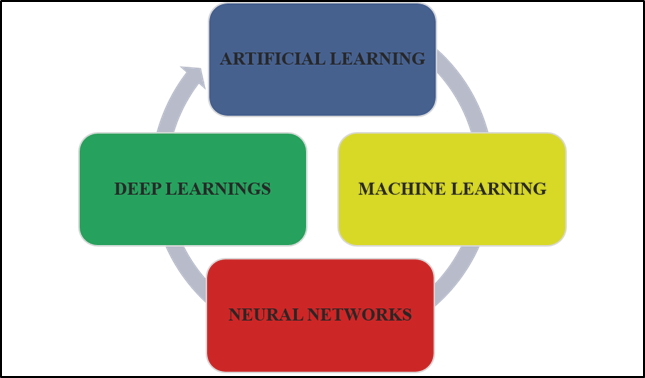
Figure 1: Fundamental components of artificial intelligence (AI)
AI IN DENTAL IMPLANTS
The integration of Artificial Intelligence (AI) in dental implants represents a groundbreaking shift in enhancing patient care. This technology significantly improves the precision, predictability, and efficiency of treatment planning processes. Advanced AI software like DTX is at the forefront of this transformation, automating complex tasks such as nerve mapping and the precise positioning of implants. With the capability of generating detailed 3D visualizations, this innovative approach facilitates faster and more accurate surgical planning, ultimately leading to improved patient outcomes and a more streamlined workflow for dental professionals.13
INTEGRATION OF AI IN TREATMENT PLANNING AND IMPLANT PLACEMENT
The integration of artificial intelligence (AI) in dental implant planning and placement has revolutionized the field by utilizing sophisticated automated software to significantly improve precision, efficiency, and predictability in procedures. Key applications of AI in this context include advanced nerve mapping, where AI algorithms analyze patient data to accurately identify critical anatomical structures, thereby minimizing the risk of nerve damage during implant placement. Additionally, AI facilitates the automated segmentation of anatomical features, allowing for precise delineation of bone, soft tissue, and other relevant structures from imaging data. This enhanced segmentation aids clinicians in visualizing the surgical site with unparalleled clarity. Another notable implementation is AI-powered "auto-planning," which synthesizes data from cone beam computed tomography (CBCT) scans and intraoral scans. This fusion of imaging modalities allows AI to determine the most optimal positions for implants, taking into account factors such as bone density, anatomical variations, and functional considerations. By streamlining these processes, AI not only enhances the overall workflow but also contributes to improved patient outcomes in dental implant procedures.14
UTILIZATION OF ARTIFICIAL INTELLIGENCE IN THE ASSESSMENT OF BONE QUALITY PARAMETERS
Artificial intelligence is revolutionizing the field of dental implantology by significantly improving the accuracy of bone quality evaluations. This advancement leads to safer and more predictable procedures for implant placement. Through the utilization of cutting-edge software, AI meticulously analyzes cone beam computed tomography (CBCT) DICOM X-rays and intraoral scans to create detailed representations of bone density and volume. This sophisticated analysis enables the automatic identification of vital anatomical features, including nerves and other critical structures, ensuring that dental professionals can make informed decisions during the implant process.15
ARTIFICIAL INTELLIGENCE IN NERVE LOCALIZATION FOR IMPLANT PLACEMENT
The incorporation of artificial intelligence (AI) into the field of dental implant placement has revolutionized the process of nerve detection. By automating the segmentation of essential anatomical structures, such as the inferior alveolar nerve (IAN) and the mandibular incisive canal, within three-dimensional cone-beam computed tomography (CBCT) scans, AI enhances both the precision and efficiency of this critical procedure. This advanced technology significantly reduces the time required for segmentation, allowing for a more streamlined workflow. As a result of this AI-driven analysis, surgeons can operate with increased confidence, armed with clearer visualizations of complex anatomical regions. This improved clarity not only facilitates more accurate implant placement but also plays a vital role in preventing iatrogenic nerve injuries, ultimately promoting better patient outcomes.16
"APPLICATION OF ARTIFICIAL INTELLIGENCE IN SINUS LIFT SURGICAL PROCEDURES FOR IMPLANTOLOGY"
The integration of artificial intelligence in sinus lift procedures revolutionizes the preoperative planning process by automating the analysis of CT and CBCT scans. This advanced technology boasts an impressive accuracy rate of 85–97% in detecting underlying pathologies, measuring bone height, and segmenting the anatomy of the sinuses. By accurately identifying patients who would benefit from sinus augmentation, AI not only streamlines the planning process but also enhances patient safety by predicting potential risks, such as mucosal perforation. This leads to more precise and personalized surgical strategies, ultimately improving outcomes and minimizing complications during the procedure.17,18
DISCUSSION :
Bali J et al reviewed in their study that the Fourth Industrial Revolution, commonly referred to as Industry 4.0, represents a significant transformation that intertwines digital, physical, and biological realms, with Artificial Intelligence (AI) serving as its fundamental component. This evolution marks a departure from previous industrial periods by introducing intelligent systems that possess the capabilities to learn, adapt, and make autonomous decisions.19,20 Hassoun A et al showed in their study that in the field of dentistry, particularly within the subfield of implantology, AI is revolutionizing clinical practices by acting as an "intelligent dental interpreter." Its integration facilitates early detection of various oral diseases and enables sophisticated robotic surgeries that improve patient outcomes. The applications of AI in dental implantology are crucial for achieving precision and ensuring the success of procedures.21,22 Kim GY et al showed in their study that during the preparatory phase of surgical interventions, AI systems analyze cone beam computed tomography (CBCT) scans to pinpoint optimal implant placement locations while also evaluating the quality of the surrounding bone. This technology helps in planning surgeries with a level of accuracy that was previously unattainable. Furthermore, robotic devices such as YOMI provide real-time assistance during the surgical process, offering guidance for precise implant placement, which minimizes human error and maximizes efficiency.23,24 Kim GY et al included in their study that the utilization of machine learning models is another critical aspect, as these models can predict the likelihood of osseointegration success—whereby the implant fuses with the jawbone—based on various patient-specific data. These predictive capabilities are invaluable, allowing practitioners to make informed decisions that enhance surgical outcomes. Looking ahead, innovations like smart implants equipped with biosensors offer exciting potential for monitoring the healing process and detecting inflammation in real-time, which could lead to better post-operative care and quicker interventions when complications arise.25,26 Dibart S et al reviewed in their study that AI can be categorized into different domains; for instance, Narrow AI is designed to perform specific tasks effectively, while theoretical concepts such as General AI and Super Intelligence consider broader applications of AI's capabilities. In addition, technologies like machine learning and natural language processing are at the forefront of these advancements, driving progress across multiple sectors by optimizing workflows and improving operational efficiencies.27,28 Kouri I et al reviewed in their study that in the field of implant dentistry, the advent of artificial intelligence (AI) has marked a transformative shift, significantly enhancing both the planning processes and the execution of dental procedures. This technological advancement has led to remarkable improvements in precision and the overall outcomes of dental treatments.29,30 Fatehi F et al reviewed in their study at the forefront of this revolution are advanced AI software programs, which utilize sophisticated algorithms to conduct in-depth analyses of three-dimensional (3D) patient data. These programs generate highly customized recommendations for implant specifications by meticulously assessing various facets of a patient’s unique anatomical structure. Factors such as the shape and density of the jawbone, the position of the sinus cavities, and the pathways of vital nerves are thoroughly considered, ensuring that each treatment plan is tailored to the individual needs of the patient.31,32 Sa Y, et al reviewed in their study that the sophistication of AI-driven analysis significantly enhances the accuracy of treatment planning in implant dentistry. With the ability to create detailed 3D models that depict the intricate anatomical features of the patient's mouth, dental professionals can visualize and manipulate these representations before any physical procedures are undertaken. This comprehensive mapping is especially critical when planning complex procedures, such as sinus lifts or bone grafts, which carry a higher risk of complications. For example, if a surgical intervention is not executed with precision, there is a significant risk of nerve injuries or damage to surrounding structures.33,34 Lin X et al included in their study that By utilizing AI tools, dental professionals can proactively address these potential challenges, framing strategies to circumvent complications and ensuring a smoother surgical experience. Furthermore, the integration of these AI tools not only bolsters planning accuracy but also instils a greater level of confidence in surgeons during procedure execution.35 Xi Y et al reviewed in their study that the visualisation capabilities provided by AI enable clinicians to prepare comprehensively for each case, considering variations in anatomy that could affect outcomes, thus transforming the landscape of implantology. This innovative approach is shifting the paradigms of how implantology is practised today. By facilitating more predictable and precise surgical outcomes, AI technologies contribute to enhancing patient safety and overall satisfaction. The focus on personalised care and the strategic planning capabilities afforded by these advancements signal a new era in which implant dentistry can achieve heightened effectiveness and reliability, ultimately redefining the patient experience in dental care.36
CONCLUSION:
In light of the review's constraints, the author explored the use of artificial intelligence in treatment planning and implant placement. This review highlighted that recent advancements in AI technology are significantly enhancing the efficiency and precision of dental procedures. As a result, these innovations not only boost patient safety and satisfaction but also elevate the overall quality of care provided in the field of implantology. By utilizing these cutting-edge tools, dental professionals are able to offer treatment options that not only meet, but often exceed, the expectations of their patients. However, it is imperative to note that there is a pressing need for further research and studies to continue advancing these methodologies and to fully understand their implications for the future of dental care.
BIBLIOGRAPHY:
1. Oosthuizen RM. The Fourth Industrial Revolution - Smart Technology, Artificial Intelligence, Robotics and Algorithms: Industrial Psychologists in Future Workplaces. Front Artif Intell. 2022;5(9)13-18.
2. Arawi T, El Bachour J, El Khansa T. The Fourth Industrial Revolution: Its Impact on Artificial Intelligence and Medicine in Developing Countries. Asian Bioeth Rev. 2024;16(3):513-526.
3. Stadlbauer A, Meyer-Bäse A. Artificial Intelligence in Oncology: A Topical Collection in 2022. Cancers (Basel). 2023;15(4):10-16.
4. Prado AS. The Fourth Industrial Revolution Tackles Plastic Surgeons. Plast Reconstr Surg. 2018;142(5):821e-822e.
5. Zhao K, Zhao Q, Zhou P, Liu B, Zhang Q, Yang M. Can Artificial Intelligence Be Applied to Diagnose Intracerebral Hemorrhage under the Background of the Fourth Industrial Revolution? A Novel Systemic Review and Meta-Analysis. Int J Clin Pract. 2022;9(4):30-37.
6. McMaster R. Is the Fourth Industrial Revolution relevant to you?. Nurs Health Sci. 2018;20(2):139-141.
7. Proshchenko A, Terekhov S, Vesova O, Kaminskyy V, Kryvosheieva a. utilization of artificial intelligence for predictive modeling in dental implantology. Georgian Med News. 2024;(350):6-15.
8. Vodanović M, Subašić M, Milošević D, Savić Pavičin I. Artificial Intelligence in Medicine and Dentistry. Acta Stomatol Croat. 2023;57(1):70-84.
9. Tandon D, Rajawat J. Present and future of artificial intelligence in dentistry. J Oral Biol Craniofac Res. 2020;10(4):391-396.
10. Thomas J, Tessler FN. Artificial Intelligence Applications in Thyroid Cancer Diagnosis: 2026 Update. Thyroid. 2026;36(2):133-140.
11. Sarkar C, Das B, Rawat VS, et al. Artificial Intelligence and Machine Learning Technology Driven Modern Drug Discovery and Development. Int J Mol Sci. 2023;24(3):20-26.
12. Rokaya D, Jaghsi AA, Jagtap R and Srimaneepong V. Artificial intelligence in dentistry and dental biomaterials. Front. Dent. Med 2024:15(2):55-56.
13. Wang J, Wang B, Liu YY, et al. Recent Advances in Digital Technology in Implant Dentistry. J Dent Res. 2024;103(8):787-799.
14. Chen F, Chen H, Hai D, et al. AI-assisted preoperative surgical planning for dental implant. J Transl Med. 2025;24(1):104-108.
15. Spin-Neto R, Marcantonio E Jr, Gotfredsen E, Wenzel A. Exploring CBCT-based DICOM files. A systematic review on the properties of images used to evaluate maxillofacial bone grafts. J Digit Imaging. 2011;24(6):959-966.
16. Ni FD, Xu ZN, Liu MQ, et al. Towards clinically applicable automated mandibular canal segmentation on CBCT. J Dent. 2024;14(4):10-19.
17. Deng Y, He Y, Liu C, et al. AI-Driven CBCT Analysis for Surgical Decision-Making and Mucosal Damage Prediction in Sinus Lift Surgery for patients with low RBH. Int Dent J. 2025;75(6):10-13.
18. Ma H, Wu Y, Bai H, et al. Preclinical Investigation of Artificial Intelligence-Assisted Implant Surgery Planning for Single Tooth Defects: A Case Series Study. J Oral Rehabil. 2025;52(8):1220-1227.
19. Bali J, Bali RT. India and the Fourth Industrial Revolution: How we should approach Artificial Intelligence in Healthcare and Biomedical Research?. J Assoc Physicians India. 2020;68(3):72-74.
20. Keenan L, Lorna Younger R, Race PR, Bawn M. Molecular life sciences in the era of the Fourth Industrial Revolution: sequencing, multi-omics and artificial intelligence. Emerg Top Life Sci. 2025;9(2):20-25.
21. Hassoun A, Aït-Kaddour A, Abu-Mahfouz AM, et al. The fourth industrial revolution in the food industry-Part I: Industry 4.0 technologies. Crit Rev Food Sci Nutr. 2023;63(23):6547-6563.
22. Hesso I, Kayyali R, Dolton DR, et al. Cancer care at the time of the fourth industrial revolution: an insight to healthcare professionals' perspectives on cancer care and artificial intelligence. Radiat Oncol. 2023;18(1):16-20.
23. Kim GY, Seo JS. A New Paradigm for Clinical Nutrition Services in the Era of the Fourth Industrial Revolution. Clin Nutr Res. 2021;10(2):95-106.
24. Dibart S, Kernitsky-Barnatan J, Di Battista M, Montesani L. Robot assisted implant surgery: Hype or hope?. J Stomatol Oral Maxillofac Surg. 2023;124(6):10-16.
25. Kumar S, Lim WM, Sivarajah U, Kaur J. Artificial Intelligence and Blockchain Integration in Business: Trends from a Bibliometric-Content Analysis. Inf Syst Front. 2023;25(2):871-896.
26. Liu C, Liu Y, Xie R, Li Z, Bai S, Zhao Y. The evolution of robotics: research and application progress of dental implant robotic systems. Int J Oral Sci. 2024 Apr 8;16(1):28-32.
27. Dibart S, Kernitsky-Barnatan J, Di Battista M, Montesani L. Robot assisted implant surgery: Hype or hope?. J Stomatol Oral Maxillofac Surg. 2023;124(6S):101612.
28. Park WJ, Park JB. History and application of artificial neural networks in dentistry. Eur J Dent. 2018;12(4):594-601.
29. Kouri I, Konstantinopoulou S. Artificial intelligence and sleep medicine. Respir Med. 2026;25(4):10-18.
30. Baessler B. Künstliche Intelligenz in der Radiologie – was kann sie, was kann sie nicht? [Artificial Intelligence in Radiology - Definition, Potential and Challenges]. Praxis (Bern 1994). 2021;110(1):48-53.
31. Fatehi F, Samadbeik M, Kazemi A. What is Digital Health? Review of Definitions. Stud Health Technol Inform. 2020;275:67-71.
32. Revilla-León M, Gómez-Polo M, Vyas S, et al. Artificial intelligence applications in implant dentistry: A systematic review. J Prosthet Dent. 2023;129(2):293-300.
33. Sa Y, Cai Y, Sun Y, Zhao M, Xia S. Hua Xi Kou Qiang Yi Xue Za Zhi. 2026;44(1):72-81.
34. Esmaeilyfard R, Samanipour A, Paknahad M. A cloud-fog software architecture for dental CBCT dose monitoring using the DICOM structured report: Automated establishment of DRL. Phys Med. 2021;8(9):147-150.
35. Lin X, Xin W, Huang J, et al. Accurate mandibular canal segmentation of dental CBCT using a two-stage 3D-UNet based segmentation framework. BMC Oral Health. 2023;23(1):551-556.
36. Xi Y, Li X, Wang Z, et al. Automated Segmentation of Graft Material in 1-Stage Sinus Lift Based on Artificial Intelligence: A Retrospective Study. Clin Implant Dent Relat Res. 2025;27(1):e13-16.