Antimicrobial resistance pattern in common pediatric pathogens
- Abbas Ali Khan , Registrar Pediatrics Medicine, MTI/ Mardan Medical Complex, Mardan
- Waheed Ali Mirbahar , Assistant Professor Department of chemistry Government Superior Science College Khairpur Mirs
- Misbah Munir , Department of Pediatrics, Teaching Hospital Turbat
- Codjo Laurent Azonvide , Laboratory of Biology and Molecular Typing in Microbiology, Department of Biochemistry and Cellular Biology, Faculty of Sciences and Techniques, University of Abomey-Calavi, 05 BP 1604 Cotonou, Benin
- Kamran Ali , Institute of Microbiology, University of Sindh Jamshoro
- Khalil Ahmad , Assistant Professor Pediatrics, Bacha Khan Medical College Mardan
Article Information:
Abstract:
Abstract: Background: Antimicrobial resistance (AMR) is a global problem that limits treatment options. Hence, it significantly influences the health of a population, medical expenses.Objective: The Objective of this study was to find out the antimicrobial resistance pattern in common pediatric pathogens.Material and method: The present retrospective study was carried out at the department of Pediatrics Medicine, MTI/ Mardan Medical Complex, Mardan from October 2024 to October 2025 after taking permission from the ethical committee of the institute. All positive bacterial cultures from children of both gender and age below 18 years old admitted to pediatric wards were included. Data was obtained from the hospital's clinical pathology record, which included samples taken from patients showing potential disease symptoms. Various samples were collected from the participants including sputum, wound, urine, blood, CSF and intravascular catheters and were processed at the laboratory of microbiology of the hospital. The isolated strains were identified and the resistance patterns were examined for the action of the recommended antibiotics using the Vitek 2 Compact system. Microsoft Excel (Microsoft Office 365) was used to input all of the collected data.Results: A total of 1000 samples were examined from pediatric patients out of these samples 500 (50%) were culture positive and were included in this study. Out of these 500 positive samples, 800 bacterial isolates were collected. Out of these isolated bacteria 56.25% were Gram-negative, 41.25% were Gram positive and 2.5% were other bacterial species. Among the isolates of gram negative bacteria the most prevalent was E.coli 36.6%, followed by the species of Klebsiella 33.3%, Pseudomonas species 17.7%, and Acinetobacter 12.22% respectively. Among Gram-positive bacteria the most common pathogen was S.aureus 57.1%, followed by Enterococcus species 28.5% and Streptococcus pneumoniae 14.2% respectively. Antibiotic resistant pattern of Gram positive bacteria revealed that S.aureus, Enterococcus species and Streptococcus pneumonia were highly resistant to penicillin, erythromycin, clarithromycin, and clindamycin and was sensitive to linezolid. Antibiogram of Gram negative bacteria explored that E.coli, Klebsiella spp, and Pseudomonas species were highly resistant to penicillin and cephalosporin group of antibiotics and were sensitive to imipem and meropenum. Out of all the isolates 290(36.25%) were multidrug resistant. Among these MDR 85(29%) Gram positive and 205(71%) were gram negative bacteria.Conclusion: The present study concluded that the most prevalent gram positive pathogens associated with pediatric infections are S.aureus, Enterococcus species and Streptococcus pneumoniae and the most common gram negative bacteria are E.coli. Klebsiella species and Pseudomonas species. These pathogens were highly resistant to the commonly prescribed antibiotics. So proper culturing must be done before prescription of these antibiotics.
Keywords:
Article :
INTRODUCTION:
Antimicrobial resistance (AMR) is a global problem that limits treatment options. Hence, it significantly influences the health of a population, medical expenses & overall domestically produced goods. On a global scale the burdens of illnesses with resistant microorganisms are increasing.1 According to a 2015 World Health Organization study, antimicrobial resistance is one of the most significant worldwide problems in the range of infectious diseases. Evidence from around the world has shown that the stock of antibiotics is becoming less effective and that microbial resistance to all first-line & last-resort medicines is increasing. Antibiotic resistance therefore has social, economic, and therapeutic effects.2-3 During their admission, stay in the intensive care unit, and inpatient ward, hospital patients get the infection.4 AMR has a huge impact; when new bacterial strains emerge, they will also have an influence on GDP, healthcare delivery, consumer income, and employment savings.5 Despite major advancements in infection control methodologies, infections associated with drug-resistant pathogens continue to be major causes of mortality and morbidity among patients in hospitals and in the community, impacting nations with advanced economies, middle-income countries, and sub-Saharan Africa. Infectious diseases with drug-resistant pathogens have a significant impact on both public health and the economic health of society’s worldwide, accounting for at least 25% of the 60 million annual deaths worldwide.6 The significant morbidity and death rates among children make bacterial infections of clinical significance. Antimicrobial treatments that work well for these illnesses are crucial and may lessen negative outcomes in this age range. The majority of current research on the antibiotic susceptibility of bacterial infections in children, especially in developing countries, has shown substantial rates of antibiotic resistance in medical facilities.7 Research on children Iranian children has also shown a notably high level of resistance to popular antibiotics, including amoxicillin, cloxacillin, vancomycin, and some cephalosporin subgroups.8 Furthermore, the frequency of antibiotic resistance in young children with bacterial has been proposed to be sharply rising and to vary across different geographic and regional regions as well as diverse socioeconomic situations.9 Prophylactic antibiotic usage, urethral anomalies, and past antibiotic exposure are some of the risk factors linked to increased antibiotic resistance.10 According to Naghavi, Mohsen et al., about 200,000 fatalities worldwide in 2021 were attributed to AMR in children under the age of five. The most common infections implicated in these fatalities were E. coli, Streptococcus pneumoniae, and Klebsiella pneumoniae. 11 Data about the effects of Antimicrobial resistance and the repercussions of infection with multidrug-resistant bacteria on children are few .therefore the present study was conducted to find out the antimicrobial resistance pattern in common pediatric pathogens
MATERIALS AND METHODS:
The present retrospective study was carried out at the department of Pediatrics Medicine, MTI/ Mardan Medical Complex, Mardan from October 2024 to October 2025 after taking permission from the ethical committee of the institute. All positive bacterial cultures from children of both gender and age below 18 years old admitted to pediatric wards were included individual with incomplete data were excluded from the study. Data was obtained from the hospital's clinical pathology record, which included samples taken from patients showing potential disease symptoms. Various samples were collected from the participants including sputum, wound, urine, blood, CSF and intravascular catheters and were processed at the laboratory of microbiology of the hospital. Blood samples were collected using specialized bottles that are routinely used for culture. For each individual two separate bottles was used one for aerobic and other for anaerobic bacteria. Resistance to at least three different antibiotic groups—aminoglycosides, cephalosporins, carbapenems, tetracyclines, and fluoroquinolones—was taken into consideration when analyzing multidrug resistance. An isolated pathogen was classified as a multidrug-resistant (MDR) pathogen if acquired non-susceptibility was demonstrated to at least one agent in three or more antimicrobial categories 12 The isolated strains were identified and the resistance patterns were examined for the action of the recommended antibiotics using the Vitek 2 Compact system .13 The Clinical Laboratory Standard Institute's (CLSI) recommendations were followed for conducting the antibiotic susceptibility test.14 Antimicrobial resistance pattern, sample type, infection location, age, sex, and hospital department were all recorded in the hospital's information system. Microsoft Excel (Microsoft Office 365) was used to input all of the collected data. Continuous variable like age was presented as mean ± STD (standard deviation). For all statistical studies, Epi Info software, version was used. A p-value of less than 0.05 was considered statistically significant
RESULTS:
A total of 1000 samples were examined from pediatric patients out of these samples 500 (50%) were culture positive and were included in this study. Out of these 500 positive samples, 200 (40%) were collected from Pediatric Intensive Care Unit (PICU), 150(30%) were from surgery ward and 150(30%) were from emergency department as shown in figure 1. Majority of the samples collected were urine 200(40%) followed by blood samples 100(20%) sputum, nasopharynx and CSF 50(10%) respiratory tract 30(6%) and central venous catheter 20(4%) respectively as presented in table 1. After excluding cases in which several isolates of the same pathogen were recovered from the same individual and infection site.A total of 800 bacterial isolates were obtained. Out of these isolated bacteria 450(56.25%) were Gram-negative, 330(41.25%) were Gram positive and 20(2.5%) were other bacterial species as presented in table 2. Among the isolates of gram negative bacteria the most prevalent was E.coli 165(36.6%) followed by the species of Klebsiella 150(33.3%) Pseudomonas species 80(17.7%), and Acinetobacter 55(12.22%) respectively. Among Gram-positive bacteria the most common pathogen was S.aureus 200(57.1%) followed by Enterococcus species 100(28.5%) and Streptococcus pneumoniae 50(14.2%) respectively as presented in table 3. Antibiotic resistant pattern of Gram positive bacteria revealed that S.aureus isolated from pus/wound and respiratory tract was highly resistant to penicillin (82.18%), erythromycin (76.42%), clarithromycin (67.50%), and clindamycin (65.49%). Nearly 51% of the strains were not susceptible to oxacillin. There were no strains resistant to linezolid. From urine and pus/wound swabs Enterococcus species were isolated and 60% of these isolates were resistant to penicillin, levofloxacin and ciprofloxacin but lowest level of resistance was found in the cases vancomycin (7.3%) and linezolid (2.3%).Streptococcus pneumonia was 85% resistant to penicillin while its strains were sensitive to rifampicin vancomycin and linezolid.as shown in table 4. Antibiogram of Gram negative bacteria explored that E.coli isolated from urine and pus was highly resistant to moxicillin/clavulanic acid (65.12%), cefuroxime (62.1%) and were not resistant e to imipem and meropenum. Klebsiella spp were collected from respiratory tract and urine were highly resistant to cefuroxime (74.10%), cefazolin (71.92%), ceftazidime(65.73%), ceftriaxone (63.63%), cefepime (60.8%), piperacillin/tazobactam (59.10%), and gentamicin (57.1%).Pseudomonas species were resistant to cefazolin (85%), ceftriaxone(70.44%), and ceftazidime 59.89%. while low level of resistance was showed against amikacin(19%) Aztreonam(15%) as shown in table 5. Out of all the isolates 290(36.25%) were multidrug resistant .Among these MDR 85(29%) Gram positve and 205(71%) were gram negative bacteria.
Table 1.Specimen distribution from pediatric patients n= 500
|
Specimen type |
Frequency /percentage |
|
Urine |
200(40%) |
|
Blood |
100(20%) |
|
Sputum |
50(10%) |
|
Nose/pharynx |
50(10%) |
|
Cerebrospinal fluid |
50(10%) |
|
Respiratory tract |
30(6%) |
|
Central venous catheter |
20(4%) |
Table 2.Distribution of isolated pathogens by Gram-positive and Gram-negative
|
Bacterial isolates |
Frequency /percentage |
|
Gram negative |
450(56.25%) |
|
Gram positive |
330(41.25% |
|
Other bacterial species |
20(2.5%) |
|
Total |
800(100%) |
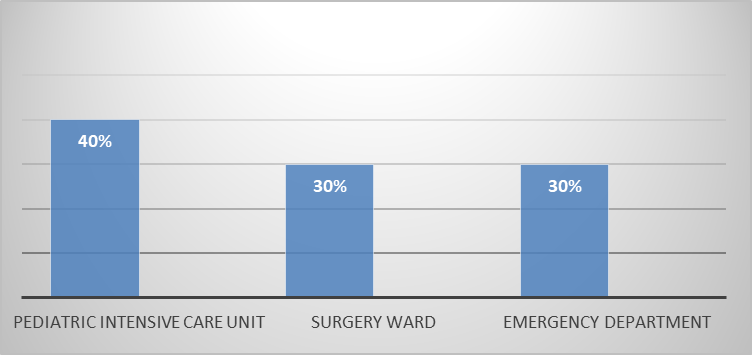
Figure 1.Distribution of samples collected from diffrent locations
Table 3.Pathogens Isolated from Pediatric patients n=800
|
Isolated bacteria |
N% |
|
Gram negative |
|
|
E.coli |
165(36.6%) |
|
Klebsiella species |
150(33.3%) |
|
Pseudomonas species |
80(17.7%), |
|
Acinetobacter species |
55(12.22%) |
|
Gram positive bacteria |
|
|
S.aureus |
200(57.1%) |
|
Enterococcus species |
100(28.5%) |
|
Streptococcus pneumoniae |
50(14.2%) |
Table 4.Antibiotic resistant pattern of Gram positive bacteria isolated from pediatric patients
|
Antibiotics |
S.aureus n=200 |
S. pneumonia n=100 |
Enterococcus spp n=50 |
|
Penicillin |
82.18% |
85% |
60% |
|
Erythromycin |
76.42% |
30.1% |
- |
|
Clarithromycin |
67.50% |
30.5% |
- |
|
Clindamycin |
65.49% |
15% |
- |
|
Oxacillin |
51% |
- |
- |
|
Linezolid |
0% |
3% |
2.3 |
|
ciprofloxacin |
28.2% |
- |
60% |
|
Levofloxacin |
16.2% |
22.7% |
60% |
|
Vancomycin |
10% |
5% |
7.3% |
|
rifampicin |
51.95% |
0% |
- |
|
Doxycycline |
26.41% |
18.15% |
45.32% |
|
Teicoplanin |
25.92% |
- |
25.41% |
|
Moxifloxacin |
16.6% |
7.32% |
- |
means not tested Percentage of each column was determined by dividing the resistance strains to the tested strains
Table 5.Antibiotic resistant pattern of Gram negative bacteria isolated from pediatric patients
|
Antibiotics |
E.coli n=165 |
Klebsiella species n=150 |
Pseudomonas species n=80 |
|
Amoxicillin/clavulanic acid |
65.12% |
70.0% |
- |
|
Ceftriaxone |
|
63.3% |
70.44% |
|
Ceftazidime |
39.7% |
65.73% |
42.5% |
|
Cefuroxime |
62.1% |
74.10% |
59.89% |
|
Cefazolin |
41.9% |
71.92% |
85% |
|
Meropenem |
0% |
19.2% |
26.1% |
|
Colistin |
25.9% |
23.2% |
7.1% |
|
Aztreonam |
42% |
27% |
15% |
|
Amikacin |
28% |
39% |
19% |
|
Gentamicin |
33% |
57.1% |
23% |
|
Piperacillin/tazobactam |
46.92% |
59.10% |
29.2% |
|
Levofloxacin |
17.0% |
17.2% |
25.8% |
|
Ciprofloxacin |
33% |
38% |
15% |
|
Imipenem |
0% |
19.0% |
30.2% |
|
Cefepime |
31% |
60.8% |
38.2% |
means not tested Percentage of each column was determined by dividing the resistance strains to the tested strains
DISCUSSION:
Antimicrobial agents, also referred to as medicines, are compounds that may kill or prevent the growth of pathogenic bacteria.15 Understanding a particular bacteria's sensitivity to an antibiotic enables you to manage the individual empirically before the culture result is produced. The findings of the culture are then used to choose the antibiotics.16 Unintentional and improper use of antibiotics leads to the development of drug-resistant bacteria, which causes prolonged hospitalization, a large financial loss, and major health issues. 17 A patient may transfer drug-resistant bacteria to other patients, relatives, or even medical staff during a prolonged hospital stay.18 These organisms' sensitivity to antibiotics in a particular environment varies as time passes as bacteria change and as patterns of antibiotic usage and misuse fluctuate. The emergence of pathogenic microorganisms resistant to antibiotics is seen to pose a serious threat to public health worldwide.19 The present study was carried out investigate the common pediatric pathogens and their antimicrobial resistance. A total of 1000 samples were examined from pediatric patients out of these samples 50% were culture positive and were included in this study. A total of 800 bacterial isolates were obtained. Out of these isolated bacteria 450(56.25%) were Gram-negative, 330(41.25%) were Gram positive and 20(2.5%) were other bacterial species. our study findings are similar to the study conducted by Golli et al., in their study Gram-negative were most prevalent in the samples collected from pediatric patents.20 Study from Iran also revealed a significant prevalence of bacteremia caused by Gram-negative bacteria in children.21 In our study among the isolates of gram negative bacteria the most prevalent was E.coli 36.6% followed by the species of Klebsiella 33.3% Pseudomonas species 17.7%. Our study's findings are comparable to those of a study conducted in Saudi Arabia by Alsubaie et al., where the most frequently isolated pathogen was Escherichia coli (54.5 percent), followed by Klebsiella pneumoniae (20.6%), Pseudomonas aeruginosa (7.5%), and Enterococcus spp. (5.7%).22 Our study revealed that Among Gram-positive bacteria the most common pathogen was S.aureus 57.1% followed by Enterococcus species 28.5% and Streptococcus pneumoniae 14.2%) respectively these results comparable to the previous study.21
.Antibiotic resistant pattern of Gram positive bacteria revealed that S.aureus, Enterococcus species and Streptococcus pneumonia were highly resistant to penicillin, erythromycin, clarithromycin, and clindamycin and was sensitive to linezolid. Similar type of antibiotic susceptibility profile were reported from the study of Golli et al.20 and Alsubaie et al.22 This means that infections by these agents pose a serious risk to children's survival in this area and other developing nations. Empirical antibiotic treatment for bacterial infections in the pediatric age group should be unit-specific and based on the common range of etiological agents and their pattern of antibiotic sensitivity. Antibiogram of Gram negative bacteria explored that E.coli was highly resistant to moxicillin/clavulanic acid, cefuroxime and were not sensitive to imipem and meropenum. A. The results of our research are comparable to those of Afsharpaiman et al.'s study, which found that imipenem was the best and most effective treatment for isolates of E. coli.23 Klebsiella spp and Pseudomonas species was highly resistant cehalospones, piperacillin/tazobactam, and gentamicin. These results are similar to the previous study .20 the present study explored that , lowering the prescription of a certain antibiotic and educating patients about proper medication administration might reduce the resistance of common bacteria that cause infections in children to different antibacterial agents.
CONCLUSION:
The present study concluded that the most prevalent gram positive pathogens associated with pediatric infections were S.aureus, Enterococcus species and Streptococcus pneumoniae and the most common gram negative bacteria were E.coli. Klebsiella species and Pseudomonas species. These pathogens were highly resistant to the commonly prescribed antibiotics. So proper culturing must be done before prescription of these antibiotics.
REFERENCE:
1. Naylor NR, Atun R, Zhu N, et al. Estimating the burden of antimicrobial resistance: a systematic literature review. Antimicrob Resist Infect Control. 2018;7(1):58.
2. Aftab F Antibiotics as controlled medicines; 2016. [cited September 21, 2020]. Available from: https://www.duo.uio.no/handle/10852/55030. Accessed May20, 2021.
3. Tanwar J, Das S, Fatima Z, et al. Multidrug resistance: an emerging crisis. Interdiscip Perspect Infect Dis. 2014;2014:2014.
4. Ventola CL. The antibiotic resistance crisis: part 1: causes and threats. Pharm Ther. 2015;40(4):277.
5. Mazel D, Mobashery S. Antibiotics as physiological stress inducers and bacterial response to the challenge. Curr Opin Microbiol. 2012.
6. Stone GS, Mitton J, Kenney J, et al. Global Health Informatics: Principles of eHealth and mHealth to Improve Quality of Care. MIT Press; 2017.
7. Al-Mardeni RI, Batarseh A, Omaish L, Shraideh M, Batarseh B, Unis N. Empirical treatment for pediatric urinary tract infection and resistance patterns of uropathogens, in Queen Alia hospital and prince A’Isha military center--Jordan. Saudi J Kidney Dis Transpl. 2009;20(1):135-9
8. Modarres S, Oskoii NN. Bacterial etiologic agents of urinary tract infection in children in the Islamic Republic of Iran. East Mediterr Health. 2023;3:290-5
9. Farrell DJ, Morrissey I, De Rubeis D, Robbins M, Felmingham D. A UK multicentre study of the antimicrobial susceptibility of bacterial pathogens causing urinary tract infection. J Infect. 2003;46(2):94-100.
10. shkenazi S, Even-Tov S, Samra Z, Dinari G. Uropathogens of various childhood populations and their antibiotic susceptibility. Pediatr Infect Dis J. 2022;10(10):742-6
11. GBD 2021 Antimicrobial Resistance Collaborators. Global burden of bacterial antimicrobial resistance 1990–2021: A systematic analysis with forecasts to 2050. Lancet 2024, 404, 1199–1226.
12. Magiorakos, A.P.; Srinivasan, A.; Carey, R.B.; Carmeli, Y.; Falagas, M.E.; Giske, C.G.; Harbarth, S.; Hindler, J.F.; Kahlmeter, G.;
13. Olsson-Liljequist, B.; et al. Multidrug-resistant, extensively drug-resistant and pandrug-resistant bacteria: An international expertproposal for interim standard definitions for acquired resistance. Clin. Microbiol. Infect. 2012, 18, 268–281
14. CLSI. Performance Standards for Antimicrobial Susceptibility Testing, 30th ed.; CLSI Supplement, M100; CLSI: Berwyn, PA, USA, 2020.
15. Huda N, Yusuf A, Sultana H, Hossain M, Andalib S. Antimicrobial sensitivity pattern of bacteria isolated from pus sample collected from a private diagnostic laboratory in Rangpur district ofBangladesh. Bangladesh J Infect Dis 2021;8(02):64–7
16. Singh A, Verma V, Singh R. Antibiotic sensitivity pattern of pathogens isolated from pus culture- A tertiary care hospital based study.Journal of Nepalgunj Medical College. 2019;17(02):70–74
17. Moussa AA, Abdi AA, Awale MA, Garba B. Occurrence and phenotypic characterization of multidrug-resistant bacterial pathogen isolated from patients in a public hospital in Mogadishu, Somalia. Infect Drug Resist 2021;14:825–832
18. Mengesha RE, Kasa BG, Saravanan M, Berhe DF, Wasihun AG. Aerobic bacteria in post-surgical wound infections and pattern of their antimicrobial susceptibility in Ayder teaching and referral hospital, Mekelle, Ethiopia. BMC Res Notes 2014;7:575–580
19. Khanam RA, Islam R, Sharif A, Rezina P, Sharmin I, Yusuf A. Bacteriological profiles of pus with antimicrobial sensitivity pattern at a teaching hospital in Dhaka City. Bangladesh J Infection Dis 2018;5(01):10–14
20. Golli, A. L., Popa, S. G., Cara, M. L., Stoica, G. A., Fortofoiu, D., & Stoica, M. (2024). Antibiotic resistance pattern of pathogens isolated from pediatric patients during and after the COVID-19 pandemic. Antibiotics, 13(10), 966.
21. Tehrani, N.A.; Alebouyeh, M.; Azimi, L.; Jabbari, S.; Bayekolaei, R.M.; Azimi, T.; Ghandchi, G.; Maham, S.; Fallah, F. Bacteremia with Multi-drug Resistant Gram-negative Bacteria in Pediatrics and Its Correlation with COVID-19. Arch. Clin. Infect. Dis. 2023, 18, e136159
22. Alsubaie, M. A., Alsuheili, A. Z., Aljehani, M. N., Alothman, A. A., Alzahrani, A. S., Mohammedfadel, H. A., ... & Alnajjar, A. A. (2023). Antibiotic resistance patterns of pediatric community-acquired urinary tract infections in a tertiary care center in Jeddah, Saudi Arabia. The Journal of Infection in Developing Countries, 17(10), 1430-1435.
23. Afsharpaiman, S., Bairaghdar, F., Torkaman, M., Kavehmanesh, Z., Amirsalari, S., Moradi, M., & Safavimirmahalleh, M. (2012). Bacterial pathogens and resistance patterns in children with community-acquired urinary tract infection: a cross sectional study. Journal of Comprehensive Pediatrics, 3(1), 16-20