FREQUENCY OF CERVICAL SPINE INJURY IN CASES OF SEVERE TRAUMATIC BRAIN INJURY
- Sana Ajaz Khan , Registrar, Neurosurgery, MRCS Edinburgh, Cork, University Hospital, Cork, Ireland
- Jibran Tariq , Assistant Professor, Neurosurgery, MS (Neurosurgery), Pak International Medical College, Peshawar, Pakistan
- Lal Rehman , Professor, Neurosurgery, FRCS, Pakistan Institute of Medical Sciences, Islamabad, Pakistan
- Chris Lim , Consultant, Neurosurgery, FRCS (Neurosurgery), Cork University Hospital, Cork, Ireland.
Article Information:
Abstract:
Objective: To determine the frequency of cervical spine injury among patients presenting with severe traumatic brain injury at a tertiary care hospital and assess its association with demographic and clinical characteristics.Methods: This descriptive cross-sectional study was conducted at the Department of Neurosurgery, Pakistan Institute of Medical Sciences, over six months following ethical approval from the cc A total of 120 patients aged 15–65 years with severe traumatic brain injury were enrolled through non-probability consecutive sampling. Severe traumatic brain injury was defined as a Glasgow Coma Scale (GCS) score of ≤8 within 48 hours of trauma. Patients with penetrating injuries, associated major systemic trauma, previous cervical spine pathology, or prior cervical injuries were excluded. Data regarding demographic and clinical characteristics were collected using a structured proforma. All patients underwent plain cervical spine radiography followed by a CT scan and an MRI for evaluation of cervical spine injury. Data were analyzed using SPSS version 25.0, and associations were assessed using the Chi-square test. Results: The mean age of participants was 39.13 ± 8.80 years, and 76 (63.33%) patients were male. Road traffic accidents were the most common mode of trauma, accounting for 81 (67.50%) cases. Cervical spine injury was identified in 17 (14.17%) patients with severe traumatic brain injury. Cervical spine injury was more frequent among patients aged 41–65 years (16.67%), males (17.11%), patients with GCS ≤5 (18.97%), and fall-related trauma (21.74%), although these associations were not statistically significant (p>0.05).Conclusion: Cervical spine injury was frequently observed among patients with severe traumatic brain injury. Early cervical spine immobilization and prompt radiological evaluation are essential to reduce associated morbidity and mortality.
Keywords:
Article :
INTRODUCTION:
Traumatic brain injury (TBI) is a major public health concern worldwide, and remains one of the leading causes of morbidity, mortality, and long-term disability affecting particularly young adults and age groups that are economically most productive. Millions of people suffer from traumatic brain injuries (TBIs) each year, according to the Global Burden of Disease Study, and road traffic accidents (RTAs), falls, interpersonal violence, and sports-related trauma are the leading causes. Severe TBI leads to substantial disability and prolonged stays in acute and rehabilitation facilities with high associated health costs, particularly in LMIC, where trauma care systems lag considerably. In patients with major head trauma, concurrent injuries to the cervical spine are common and can significantly detract from clinical outcomes if overlooked (1, 2).
The importance of concomitant cervical spine injury in patients with traumatic brain injury has come increasingly to the international literature. The incidence of cervical spine injury in TBI patients has been reported from 4% to 13%, with higher rates in patients with significant head injuries and low GCS (3). Pandrich and Demetriades performed a systematic review and meta-analysis that found concomitant traumatic spinal injuries of TBI occur in almost 13% of cases, with cervical spine injuries contributing just under half of these (4). Similarly, Holly et al. reported a strong correlation between moderate-to-severe head injury and injuries to the cervical spine, recommending routine immobilization of these patients' necks and appropriate imaging studies. Due to its various anatomical and biomechanical properties, the most susceptible area of spinal injury is the upper cervical region, which is one of these vital areas, especially between the occiput and C3 vertebrae (5).
Traumatic brain injury has become a burden of healthcare in Pakistan, where the increasing trends of road traffic accidents, poor implementation of law and order for the human safety regulations in every working setting, occupationally hazardous jobs with no job safety measures, taking subsequently causing falls from height are driving this condition to grow (6). There was one large trauma surveillance study from Pakistan that reported almost a third of trauma victims had TBI, about 10% with moderate to severe injuries needing urgent neurosurgery. The limited availability of prehospital care facilities, longer time before reaching specialized hospitals in case of trauma, and the absence of standardized trauma protocols are responsible for poor outcomes of these patients. Although trauma-related injuries are common, local data on the current epidemiology of associated cervical spine injury in patients with severe TBI are lacking (7).
Cervical spine injury in the absence of severe traumatic brain injury is a potentially catastrophic condition that, if unrecognised on initial assessment, may result in respiratory compromise, neurological deterioration, paralysis, or death (8). Early recognition and management are therefore important for prognosis in decreasing morbidity and mortality. Nevertheless, because of their impaired consciousness and instability, these patients are seldom diagnosed as victims of cervical spine injury. Further differences in trauma mechanisms, healthcare infrastructures, and patterns of direct mortality within populations call for regionally specific evidence. Hence, this study was performed to find out the prevalence of cervical spine injury in patients presenting with severe traumatic brain injury at a tertiary care centre in Pakistan. The information gleaned from this study may not only better local trauma evaluation algorithms and inform early diagnostic strategies but also improve clinical outcomes for the later-phase management of those truly in need.
METHODOLOGY:
This was a descriptive cross-sectional study carried out in the Department of Neurosurgery, Pakistan Institute of Medical Sciences, over six months from 30th January to 29th July, 2024 following the consent of the synopsis of the research by the College of Physicians and Surgeons Pakistan (CPSP). The study is conducted under the consent of the Ethical Review Board of the, Shaheed Zulfiqar Ali Bhutto Medical University, Islamabad with approval no: [No-F, 3-12-2022/ERB/SZABMU/NS3) date 15-November-2023, Performed according to the ethical principles of the Declaration of Helsinki. Because many patients with severe traumatic brain injury were unable to provide consent, written informed consent was obtained from the attendants or legal guardians of the patients before enrolment. The aim, benefit, and procedure of this study were explained to the participants and their attendants, and confidentiality of patient information was maintained throughout the study. The data were coded numerically and were completely password-protected and accessible only by the principal investigator (PI) and any members of the research team.
We derived the sample size by using the WHO sample size calculator; taking an estimated frequency of cervical spine injury in patients with severe traumatic brain injury to be 12.7% (9), we used a confidence interval of 95% & margin of error of 6%, giving us a required sample size of 120 patients. Patient recruitment was done using a non-probability consecutive sampling technique.
Inclusion criteria were either gender, age ranging from 15 to 65 years, and patients having a severe traumatic brain injury. Severe TBI was defined operationally as a drop to a Glasgow Coma Scale (GCS) score of eight or less within 48 hours postinjury that lasted at least six hours. For the purpose of reducing confounding variables that may interfere with assessing the cervical spine, patients were excluded from the study if they had associated chest, abdominal, or orthopedic trauma; penetrating brain injuries; soft tissue injury overlying the cervical region; previous cervical spine trauma; or known malignancy or Pott's disease in their cervical spine.
Data collection
A structured, predesigned, and pretested proforma was used to collect data. At presentation, baseline demographic and clinical characteristics such as age, gender, duration of trauma, mechanism of injury (MOI), and admission GCS score were documented. Trauma mechanisms were classified into RTAs, falls from height, and violence-related injuries. After stabilization, all patients were evaluated in detail according to institutional trauma management protocols with a thorough history and clinical examination.
Every enrolled patient has plain radiographs of the cervical spine obtained initially and after a computed tomography (CT) scan, and magnetic resonance imaging (MRI) of the cervical spine evaluation for cervical spine injury. Cervical spine injury was defined as tenderness or pain on palpation of the posterior cervical midline or cervical spinous processes with a VAS >3, wedge-shaped vertebral deformity with loss of vertebral height on plain radiograph, severe degenerative changes including disc herniation, facetal hypertrophy and spinal stenosis (as opposed to mild degenerative change that typically does not lead to symptomatic injury), marked narrowing (>50%) of either neuroforaminal spaces or intervertebral disc spaces on CT scan hyperintense lesions (high/low intensity) on T2-weighted MRI images indicative of/consistent with cervical spinal injury.
MRI on Achieva 1.5T Philips Medical Systems, 2003 (1.5 Tesla whole-body magnet). The patient was prescreened so that all metal objects and accessories were removed from the clothing before imaging, as per MRI safety guidelines. Whenever needed, the female patients were accompanied by a female attendant or nursing staff during the procedure. All imaging was performed with the patient in a predominantly supine position and included axial and sagittal T1-weighted, T2-weighted, and T2 fat-suppressed sequences. Imaging findings on MRI were read by the principal investigator and subsequently revised (to minimize observer bias) by a senior consultant radiologist with at least 5 years of experience in spinal imaging to provide assurance of high-level diagnostic accuracy.
Data analysis
The data was analysed using IBM SPSS Statistics version 25.0. Continuous variables were assessed for normality using the Shapiro–Wilk test. To identify potential confounders, continuous variables (age, duration of trauma, and GCS score) were presented as mean ± standard deviation or median with interquartile range as appropriate according to data distribution. Categorical variables like gender, mode of trauma, and cervical spine injury were also summarized as frequencies and percentages. Stratified analysis was done based on age, gender, duration of trauma, admission GCS score, and mode of injury to see their possible effect on cervical spine injury frequency. Post-stratifications Chi-square test or Fisher's exact test were applied where appropriate. Statistical significance was defined as a p-value ≤ 0.05
RESULTS:
A total of 120 patients with severe traumatic brain injury were enrolled in this study. The mean age of the participants was 39.13 ± 8.80 years, and most patients belonged to the 15–40 years age group (55.0%). Male patients were predominant, accounting for 63.33% of the study population, with a male-to-female ratio of 1.7:1. The majority of the participants belonged to urban areas (60.0%) and lower socioeconomic class (48.33%). The mean duration of trauma was 23.10 ± 8.61 hours, whilemean Glasgow Coma Scale (GCS) score at presentation was 5.70 ± 1.41. Road traffic accidents were identified as the most common mode of trauma, observed in 67.50% of patients. Table 1.
Table I: Baseline demographic and clinical characteristics of study participants (n=120)
|
Baseline and clinical characteristics |
Frequency / Mean ± SD |
Percentage |
|
Age (years) |
39.13 ± 8.80 |
— |
|
15–40 |
66 |
55.0 |
|
41–65 |
54 |
45.0 |
|
Gender |
||
|
Male |
76 |
63.33 |
|
Female |
44 |
36.67 |
|
Area of residence |
||
|
Urban |
72 |
60.0 |
|
Rural |
48 |
40.0 |
|
Socioeconomic class |
||
|
Lower |
58 |
48.33 |
|
Middle |
46 |
38.33 |
|
Upper |
16 |
13.33 |
|
Duration of trauma (hours) |
23.10 ± 8.61 |
— |
|
≤24 |
70 |
58.33 |
|
>24 |
50 |
41.67 |
|
GCS score |
5.70 ± 1.41 |
— |
|
≤5 |
58 |
48.33 |
|
6–8 |
62 |
51.67 |
|
Mode of trauma |
||
|
RTA |
81 |
67.50 |
|
Fall |
23 |
19.17 |
|
Assault |
16 |
13.33 |
The frequency of cervical spine injury among patients with severe traumatic brain injury was found in 17 (14.17%) patients, whereas 103 (85.83%) patients did not have cervical spine injury on radiological evaluation. Graph 1.
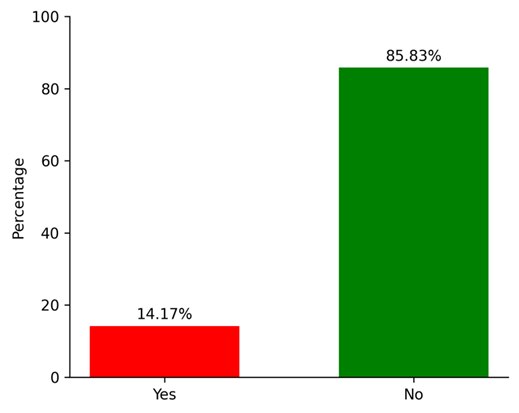
Graph I: Frequency of cervical spine injury among patients with severe traumatic brain injury
Stratified analysis demonstrated that cervical spine injury was more frequent among patients aged 41–65 years (16.67%), male patients (17.11%), patients presenting after 24 hours of trauma (18.0%), and patients with GCS ≤5 (18.97%). Fall-related trauma showed the highest proportion of cervical spine injury (21.74%) compared to road traffic accidents and assault-related injuries. However, no statistically significant association was observed between cervical spine injury and age, gender, duration of trauma, GCS score, or mode of trauma (p>0.05).
Table 2: Stratification of cervical spine injury with respect to study variables (n=120)
|
Variables |
Cervical Spine Injury n (%) |
No Cervical Spine Injury n (%) |
P-value |
|
Age (years) |
0.478 |
||
|
15–40 |
08 (12.12%) |
58 (87.88%) |
|
|
41–65 |
09 (16.67%) |
45 (83.33%) |
|
|
Gender |
0.225 |
||
|
Male |
13 (17.11%) |
63 (82.89%) |
|
|
Female |
04 (9.09%) |
40 (90.91%) |
|
|
Duration of trauma (hours) |
0.309 |
||
|
≤24 |
08 (11.43%) |
62 (88.57%) |
|
|
>24 |
09 (18.0%) |
41 (82.0%) |
|
|
GCS score |
0.145 |
||
|
≤5 |
11 (18.97%) |
47 (81.03%) |
|
|
6–8 |
06 (9.68%) |
56 (90.32%) |
|
|
Mode of trauma |
0.153 |
||
|
RTA |
12 (14.81%) |
69 (85.19%) |
|
|
Fall |
05 (21.74%) |
18 (78.26%) |
|
|
Assault |
00 (0.0%) |
16 (100.0%) |
DISCUSSION :
This study was performed to assess the incidence of cervical spine injury in patients presenting with severe traumatic brain injuries at a tertiary care center. Among patients with severe traumatic brain injury, cervical spine injury was found in 14.17% of the final study. These results are in agreement with the data reported by Hlwatika and Hardcastle, who found 12.7% of patients with severe traumatic brain injury have cervical spine injury (9). In a systematic review and meta-analysis by Pandrich et al., the authors found that 13% of patients with traumatic brain injury had associated traumatic spinal injuries, and nearly half had cervical spine injuries (4). Because our findings are consistent with international literature, they further corroborate the need for an active search for cervical spine injury in most patients with severe head trauma at the first evaluation. The higher frequency for other studies might be due to delayed transport systems, inadequate prehospital immobilisation, poor trauma awareness, and fewer emergency care facilities in developing countries like Pakistan.
The average age of the participants in this study was 39.13 ± 8.80 years, and a majority (55.0%) of the patients were within the age group 15–40 years in this study. Similar results were demonstrated by Fujii T et al., who found that traumatic brain injury combined with cervical spine injuries was more prevalent among young and middle-aged adults, increased outdoor activity, occupational exposure, and larger involvement in road traffic accidents. Injuries due to trauma are more common in younger patients, perhaps because of increased levels of physical activity and mobility, as well as risk-taking behavior related to driving habits or occupational exposure (10). However, in our study, cervical spine injury was more common among the patients aged 41–65 years (16.67%), possibly because increased susceptibility to degenerative cervical changes and lower spinal mobility make elderly individuals more prone to spinal trauma by even low-impact mechanisms.
The present study observed a male predominance, with 63.33% of the patients being male (male: female = 1.7:1). Similar research was conducted on both a national and an international basis. Riemann L and colleagues observed a higher proportion of male patients with traumatic brain injury (11), while Paiva et al. also reported a predominance of males in patients with concomitant spinal injuries (12). The higher prevalence of this condition among males may be due to more disturbance of men in outdoor work and driving tractors, high-risk positions, while getting injured, and independent violence against other people, or even increased exposure to traffic accidents. In the present study, male patients also had a higher frequency of cervical spine injury (17.11%) than females (9.09%), but the association was not statistically significant.
In the present study, road traffic accidents were demonstrated to be the predominant mechanism of injury (67.50%). Similar observations were reported in the previous Pakistani and international studies, where RTAs were identified as the most common cause of traumatic brain injury and cervical spine trauma (13-15). In the last 10 years, motor vehicle use in Pakistan has started to rise rapidly, but poor traffic law enforcement and road engineering, excessive speed limits, and shortcomings in helmet/seatbelt wearing turnover have led to high trauma rates. Previously, fall-related injuries had the highest proportion of cervical spine injury in our study (21.74%), with RTAs accounting for 14.81%. This is likely due to the fact that falls, especially from a height, can generate axial loading forces that directly impact the cervical spine (16). However, there was no significant association between mode of trauma and cervical spine injury.
The Glasgow Coma Scale (GCS) score in our study was GCS 5.70 ± 1.41, denoting a significant neurological deficit on admission in the majority of patients. Cervical spine injury was more common in patients with a GCS score of ≤5 (18.97%) compared with those with scores between 6 and 8 (9.68%). These observations are further supported by previously conducted studies where the risk of cervical spine injury increases with a more severe traumatic brain injury and lower GCS scores (17, 18). In most high-energy mechanisms of injury, the risk of spinal trauma correlates with that of severe head trauma.
In the current study, most of the participants were from an urban background (60.0%) and lower socio-economic class (48.33%). This may capture the anthropometric impact of upstream processes such as urban traffic congestion, overcrowding, occupational hazards, and poor adherence to traffic safety regulations among lower-income populations. In addition, people with low socioeconomic levels have been seen to reach healthcare destinations later and do not know about preventive measures from a safety perspective, which could translate into higher trauma severity and worse results (19, 20).
The present study highlights the need for routine cervical spine evaluation in any patient with severe TBI. Missed or late diagnosis of the cervical spine injury can have catastrophic sequelae on neurologic function, with paralysis, respiratory compromise, and ultimately death. Thus, proper cervical immobilization, early imaging, and multi-disciplinary trauma management protocols should take precedence in managing these critically injured patients to reduce morbidity and improve outcomes.
The present study has a few limitations. First, this study had a single-center retrospective design with relatively few patients, which may limit generalizability. Second, follow-up of long-term neurological outcomes post-discharge was not possible. Moreover, some important confounders, such as comorbidities, helmet use, seatbelt compliance, and injury severity scores, were not evaluated. However, despite the inherent limitations of this study, it provides important local data about the incidence of cervical spine injury in our population with severe TBI..
CONCLUSION :
The present study demonstrated that cervical spine injury is relatively common among patients presenting with severe traumatic brain injury, with a frequency of 14.17%. Cervical spine injuries were more frequently observed in males, patients with lower GCS scores, and trauma related to falls and road traffic accidents. These findings highlight the importance of early cervical spine immobilization, prompt radiological evaluation, and careful multidisciplinary management in patients with severe head injury to reduce associated morbidity and mortality.
Conflict of Interest: The authors declare no conflict of interest.
Funding: This research received no specific grant from any funding agency in the public, commercial, or not-for-profit sectors.
REFERENCES:
1. Karaboue MAA, Ministeri F, Sessa F, Nannola C, Chisari MG, Cocimano G, et al. Traumatic Brain Injury as a Public Health Issue: Epidemiology, Prognostic Factors and Useful Data from Forensic Practice. Healthcare (Basel). 2024;12(22).
2. Shah RN, Roka YB, Thapa AJ, Jha A, Sah CN. Epidemiology and Outcome of Traumatic Brain Injuries: A Retrospective Study in a Tertiary Care Center. Cureus. 2025;17(8):e90510.
3. Marchesini N, Demetriades AK, Peul WC, Tommasi N, Zanatta P, Pinna G, et al. Concomitant trauma of brain and upper cervical spine: lessons in injury patterns and outcomes. Eur J Trauma Emerg Surg. 2024;50(5):2345-55.
4. Pandrich MJ, Demetriades AK. Prevalence of concomitant traumatic cranio-spinal injury: a systematic review and meta-analysis. Neurosurg Rev. 2020;43(1):69-77.
5. Holly LT, Kelly DF, Counelis GJ, Blinman T, McArthur DL, Cryer HG. Cervical spine trauma associated with moderate and severe head injury: incidence, risk factors, and injury characteristics. J Neurosurg. 2002;96(3 Suppl):285-91.
6. Hyder A, Razzak J. The challenges of injuries and trauma in Pakistan: An opportunity for concerted action. Public health. 2013;127.
7. Bhatti J, Stevens K, Mir M, Hyder AA, Razzak J. Emergency care of traumatic brain injuries in Pakistan: a multicenter study. BMC Emerg Med. 2015;15 Suppl 2(Suppl 2):S12.
8. Hoh DJ, Mercier LM, Hussey SP, Lane MA. Respiration following spinal cord injury: evidence for human neuroplasticity. Respir Physiol Neurobiol. 2013;189(2):450-64.
9. Hlwatika P, Hardcastle TC. Concurrent cranial and cervical spine injuries by associated injury mechanisms in traumatic brain injury patients. SA J Radiol. 2022;26(1):2321.
10. Fujii T, Faul M, Sasser S. Risk factors for cervical spine injury among patients with traumatic brain injury. J Emerg Trauma Shock. 2013;6(4):252-8.
11. Riemann L, Alhalabi OT, Unterberg AW, Younsi A. Concomitant spine trauma in patients with traumatic brain injury: Patient characteristics and outcomes. Front Neurol. 2022;13:861688.
12. Paiva WS, Oliveira AM, Andrade AF, Amorim RL, Lourenço LJ, Teixeira MJ. Spinal cord injury and its association with blunt head trauma. Int J Gen Med. 2011;4:613-5.
13. Ullah S, Khalid SY, Iftikhar SMS. Frequency and Causes of Traumatic and Non-traumatic Spinal Injury Reported at Two Major Tertiary Care Hospitals of Khyber Pakhtunkhwa. Cureus. 2023;15(1):e33230.
14. Nazir M, Khan S, Raja R, Bhatti S, Ahmed E. Cervical spinal injuries in moderate to severe head injuries. Journal of Ayub Medical College, Abbottabad : JAMC. 2014;24:100-2.
15. Alghamdi FA, Alghamdi GA, Almatrafi WS, Alghamdi RF, Kelantan SR, Abdulsamad FF, et al. Public Awareness Levels Regarding Cervical Spine Injury and the Suitable First Aid Response Among Adults in Makkah, Saudi Arabia. Int J Gen Med. 2024;17:6253-67.
16. Chadha M, Arora R, Jain AK. Cervical Spine Injury: A Historical Perspective. Indian Spine Journal. 2022;5(1):1-3.
17. Clayton JL, Harris MB, Weintraub SL, Marr AB, Timmer J, Stuke LE, et al. Risk factors for cervical spine injury. Injury. 2012;43(4):431-5.
18. Phankhongsab A, Limwattananon P, Kitkhuandee A, Wannasarnmetha M. Risk Factors for Cervical Spine Injury in an Obtunded Blunt Trauma Patient. Journal of the Medical Association of Thailand = Chotmaihet thangphaet. 2022;104.
19. Jain V, Agrawal M, Dabas V, Kashyap A, Sural S, Dhal A. Dupatta (scarf): A unique cause of cervical spine injury in females. Injury. 2008;39(3):334-8.
20. Bibi N, Aslam N. Epidemiology and functional dependence of spinal cord injury survivors in Pakistan: A prospective study. J Pak Med Assoc. 2025;75(11):1743-6.