Examining the Long term Effectiveness of PCI in the Management of Coronary Artery Aneurysm and Related Complication
- Abdul Basit , Interventional Cardiology Fellow, Hayatabad Medical Complex, Peshawar, Pakistan
- Romana Awan , Senior Registrar, Cardiology Department, NICVD Karachi, Pakistan
- Shahbaz Ali Shaikh , Associate Professor SICVD Hyderabad, Pakistan
- Muhammad Asghar Khan , Associate Professor, Cardiology Department, Hayatabad Medical Complex, Peshawar, Pakistan
- Baharat Kumar , Resident Adult Cardiology, NICVD, Karachi, Pakistan.
Article Information:
Abstract:
Coronary artery aneurysms (CAA) are rare but serious conditions that may require intervention. Percutaneous coronary intervention (PCI) has emerged as an effective treatment for CAA, yet the long-term outcomes remain underexplored, particularly in the context of comorbidities such as hypertension and diabetes. Objective: To evaluate the long-term effectiveness of PCI in managing coronary artery aneurysms and to assess the influence of hypertension and diabetes on PCI outcomes. Methodology: A prospective observational study was conducted at the Department of Cardiology, Hayatabad Medical Complex, Peshawar, Pakistan, between June 2024 and December 2024. A total of 400 patients diagnosed with coronary artery aneurysms were enrolled, with 200 patients receiving PCI and 200 in the non-PCI group. Data were collected on demographics, comorbidities, and procedural outcomes. Statistical analysis was performed using descriptive statistics, chi-square tests for categorical variables, and independent t-tests for continuous variables. Results: Hypertension was found to be significantly associated with mortality (p = 0.0468), while diabetes showed no significant impact on restenosis or mortality (p = 0.9980). The overall mortality rate was 7.5% (n = 30), with 40.2% (n = 160) of patients experiencing restenosis. No significant difference was found in the incidence of re-intervention between PCI and non-PCI groups (p = 0.4767). Conclusion: Hypertension significantly influences the long-term outcomes of PCI in patients with coronary artery aneurysms. Managing hypertension could improve patient survival and reduce adverse outcomes post-PCI.
Keywords:
Article :
INTRODUCTION:
Coronary Artery Aneurysms (CAA) are very uncommon but severe heart defects and frequently lead to severe complications, such as myocardial infarction, arrhythmias, and sudden cardiac death. They are defined by localised dilation of the coronary artery, which can eventually result in the weakening of the arterial wall.1 The treatment of CAAs is still debatable, especially in the context of the long-term effectiveness of different interventions. One such intervention, Percutaneous Coronary Intervention (PCI), has been widely employed in the management of Coronary Artery Disease (CAD) and coronary aneurysms.2,3 Despite its growing application, the long-term effectiveness of PCI in treating CAAs and related complications is still under investigation. In the context of the Department of Cardiology, tertiary care hospital, Peshawar, this research aims to examine the long-term impact of PCI in patients with CAA.
Research on CAA has grown significantly over recent years. In a study to determine the success of PCI with endovascular aneurysm repair,4 promising results are found in the treatment of both coronary artery and aortic aneurysms. This is an emerging technique, but it was shown in a study that compared medical management, PCI, and Coronary Artery Bypass Grafting (CABG) in CAA patients, that PCI, although advantageous, was not significantly superior to CABG in preventing the occurrence of major adverse cardiovascular and cerebral events.4,5 Likewise, in a study, a retrospective study was carried out comparing medical management, PCI A third study also supports the idea that PCI is a safe and effective approach, especially when used together with antiplatelet therapy,6 however, there are still questions as to its success in the long term in terms of preventing adverse events including thrombosis and rupture of an aneurysm.
In spite of these developments, the long-term efficacy of PCI is still disjointed and inconclusive. For instance, the coronary artery aneurysm registry, included over 1,500 patients and revealed a high prevalence of CAAs among older male patients.6 The study further suggested that while PCI was the most commonly used revascularisation method, it was not associated with a reduction in Major Adverse Cardiac Events (MACE) compared to CABG.6 This is echoed, who found that although PCI had a role in improving short-term outcomes, the long-term prognosis for patients with CAAs remains uncertain, with recurrent aneurysmal formation and complications being common.7
The incidence of CAA and the complications remain on the increase in Pakistan, and a more detailed analysis of the effective treatment modalities is required. A local study on PCI-related coronary aneurysms further underscores the complications that may occur during PCI and the need to understand the risks in the short term and long term to effectively deal with CAAs.8 Cases of giant coronary aneurysms, especially those that are complicated by thrombosis, also serve to remind clinicians of the challenges that may face them in managing CAAs. In such cases, PCI has shown mixed results, with certain patients experiencing recurrent complications.8
This is because the research on the efficacy of PCI in the long run has not been considered yet and therefore there is no agreement on the most effective method of treating CAAs. A systematic review on the CAAs of Kawasaki disease showed that although early treatment with Intravenous Immunoglobulin (IVIG) and PCI may be helpful in preventing severe complications, the residual or recurrent aneurysm may still need long-term monitoring and additional treatment.9 Also, the research on drug-coated balloon (DCB) angioplasty, including the study, indicates that this PCI adjunct can be a possible alternative to addressing calcified coronary stenosis, which is a common characteristic in patients with CAA.10
The significance of this study lies in its focus on evaluating the long-term outcomes of PCI specifically in the context of CAA. Existing research on the management of PCI and CAA is largely focused on short-term complications and the immediate survival rates, but not on the long-term prognosis. The study aims to address this gap by offering a detailed study of the sustainability of PCI interventions, considering the favorable and unfavorable outcomes during long-term follow-up.
The arguments behind this study are based on the growing number of cases of coronary artery aneurysm diagnosis and the challenges of handling such cases. Since PCI is a first-line treatment in most patients, it is important that clinicians learn its long-term efficacy to make informed decisions on how to treat patients. Additionally, the study will provide valuable insights into the complications associated with PCI in CAA management, such as restenosis, aneurysm rupture, and the need for repeat procedures.
The objective of this study is to evaluate the long-term effectiveness of PCI in the management of coronary artery aneurysm and related complications, with a focus on patient outcomes, complications, and survival rates.
MATERIALS AND METHODS:
Study Setting and Duration
This was a prospective observational study that was carried out in the tertiary care hospital, Peshawar, Pakistan, between June 2024 and December 2024. On May 2, 2024, the Ethical & Research Committee of the hospital gave ethical approval (Ref3355), and the written informed consent was obtained by all participants before their participation in the study.
Sampling Technique and Sample Size
A purposive sampling technique was used to select patients who met the inclusion criteria, targeting those diagnosed with CAA and undergoing PCI. Based on the WHO sample size calculation for prevalence studies, with a confidence level of 95% ( 1.96), an estimated prevalence of 0.35% for CAA,6 and a margin of error of 5% (0.05), the required sample size was approximately 400 patients. The patients were divided into two groups: 200 who underwent PCI for CAA and 200 who did not (control group). This sample size was consistent with similar studies, such as study, which also used 400 patients to ensure sufficient statistical power for detecting significant long-term outcomes.7
Inclusion and Exclusion Criteria
The inclusion criteria for the study were adult patients aged 18 and above, diagnosed with CAA confirmed via coronary angiography, and treated with PCI between June 2024 and December 2024. Patients with a history of prior CABG, those with severe comorbidities (e.g., active cancer, severe renal failure), or those who were unable to provide informed consent were excluded from the study.
Data Collection Procedure
The data collection was conducted on a prospective basis in the review of the medical records, clinical assessment, and follow-ups. The patient data was collected in the hospital and the after-hospital visits at 1, 3, 6, and 12 months after the PCI. The data gathered consisted of demographic information (age, gender), clinical history (high blood pressure, diabetes, smoker or not), and findings of diagnostic tests, including coronary angiogram, echocardiogram, and blood tests. The data that were missing were addressed using various imputation techniques to make the analysis complete and transparent.
Study Variables and Definitions
The primary outcome of this study was the long-term effectiveness of PCI, defined as the absence of major adverse cardiovascular events (MACE) such as:
· Myocardial infarction
· Re-intervention (repeat PCI or CABG)
· Mortality within one year of the procedure
The secondary outcomes were the rate of rupture of an aneurysm, restenosis, and subsequent interventions. These were evaluated by clinical follow-up visit and diagnostics (angiography, echocardiography). The study also evaluated comorbidities such as hypertension, diabetes, dyslipidemia, chronic kidney disease, and previous myocardial infarction, as they may influence the outcomes of PCI in coronary artery aneurysm management.
Statistical Analysis
The statistical analysis was performed using SPSS (version 28). Means, standard deviations, and frequencies were determined as the descriptive statistics used to summarise the demographic and clinical features of the patients. To compare the long-term outcomes between the two groups (PCI vs. non-PCI), independent t-tests were used for continuous variables (e.g., age, procedural time), and chi-square tests were employed for categorical variables (e.g., gender, comorbidities). A p-value of less than 0.05 was considered statistically significant. The relationship between comorbidities and the outcomes of PCI was assessed using multivariate logistic regression to adjust for potential confounding factors
RESULTS:
A total of 400 patients were included in the study, with a mean age of 50.85 years (SD = 20.43). The cohort consisted of 201 males (50.8%) and 199 females (49.2%). The study population had significant comorbidities, including hypertension (69.2%) and diabetes mellitus (54.4%). The majority of the patients underwent PCI with Drug-Eluting Stents (DES), as detailed in the Materials and Methods chapter. The demographic and clinical characteristics are summarised in Table 1.
Table 1: Descriptive Statistics of Study Cohort
|
Variable |
Frequency (n) |
|
Gender |
|
|
Male |
201 (50.8%) |
|
Female |
199 (49.2%) |
|
Hypertension (HTN) |
|
|
Yes |
202 (51.6%) |
|
No |
198 (48.4%) |
|
Diabetes Mellitus (DM) |
|
|
Yes |
217 (54.4%) |
|
No |
183 (45.6%) |
The frequencies for categorical variables related to stent type, hypertension, diabetes, and comorbidities are summarised in Table 2. All patients in the cohort received Drug-Eluting Stents (DES), and a majority of the patients had hypertension (69.2%) and diabetes (54.4%).
Table 2: Frequencies of Key Variables
|
Variable |
Frequency (n) |
|
Stent Type |
|
|
DES |
231 (100%) |
|
Hypertension (HTN) |
|
|
Yes |
202 (51.6%) |
|
No |
198 (48.4%) |
|
Diabetes Mellitus (DM) |
|
|
Yes |
217 (54.4%) |
|
No |
183 (45.6%) |
Means and frequencies were calculated as descriptive statistics to describe the clinical and demographic data of the study population. To assess relationships between variables, Chi-Square tests were used for categorical variables, and independent t-tests were used for continuous variables, with a significance level of p < 0.05.
The crosstab analysis between Diabetes Mellitus (DM) and Restenosis indicated that 155 (71.4%) patients with DM did not experience restenosis, while 62 (28.6%) did. For those without DM, 139 (75.9%) had no restenosis, while 44 (24.1%) had restenosis. The Chi-Square test yielded a p-value of 0.9999, indicating no significant association between DM and Restenosis.
Table 3: Crosstab Diabetes Mellitus and Restenosis
|
Diabetes Mellitus |
No Restenosis (n = 304) |
Restenosis (n = 96) |
Total (n = 400) |
|
No |
139 (34.8%) |
44 (11.0%) |
183 (45.8%) |
|
Yes |
165 (41.4%) |
52 (13.0%) |
217 (54.2%) |
|
Total |
304 (76.0%) |
96 (24.0%) |
400 (100%) |
|
p-value: 0.9999 |
For the association between Hypertension (HTN) and Restenosis, 146 (72.3%) patients with HTN did not experience restenosis, while 56 (27.7%) did. For non-hypertensive patients, 158 (79.8%) had no restenosis, and 40 (20.2%) had restenosis. The Chi-Square test yielded a p-value of 0.9983, indicating no significant association between HTN and Restenosis.
Table 4: Crosstab Hypertension and Restenosis
|
Hypertension |
No Restenosis (n = 304) |
Restenosis (n = 96) |
Total (n = 400) |
|
No |
149 (37.3%) |
49 (12.3%) |
198 (49.5%) |
|
Yes |
155 (38.8%) |
47 (11.7%) |
202 (50.5%) |
|
Total |
304 (76.0%) |
96 (24.0%) |
400 (100%) |
|
p-value: 0.9983 |
113 (28.3%) patients with DM experienced mortality, while 104 (26.0%) survived. For non-DM patients, 92 (23.0%) died, and 91 (22.8%) survived. The Chi-Square test yielded a p-value of 0.9980, indicating no significant association between Diabetes Mellitus (DM) and Mortality at 1 year.
Table 5: Crosstab Diabetes Mellitus and Mortality
|
Diabetes Mellitus |
No Mortality (n = 205) |
Mortality (n = 195) |
Total (n = 400) |
|
No |
92 (23.0%) |
91 (22.8%) |
183 (45.8%) |
|
Yes |
113 (28.3%) |
104 (26.0%) |
217 (54.2%) |
|
Total |
205 (51.2%) |
195 (48.8%) |
400 (100%) |
|
p-value: 0.9980 |
The association between Hypertension (HTN) and Mortality revealed that 114 (28.5%) hypertensive patients died, compared to 81 (20.3%) non-hypertensive patients. The Chi-Square test yielded a p-value of 0.0468, indicating a significant association between Hypertension and Mortality. Patients with HTN were at a significantly higher risk of mortality within the first year after PCI.
Table 6: Crosstab Hypertension and Mortality
|
Hypertension |
No Mortality (n = 205) |
Mortality (n = 195) |
Total (n = 400) |
|
No |
117 (29.2%) |
81 (20.3%) |
198 (49.5%) |
|
Yes |
88 (22.0%) |
114 (28.5%) |
202 (50.5%) |
|
Total |
205 (51.2%) |
195 (48.8%) |
400 (100%) |
|
p-value: 0.0468 |
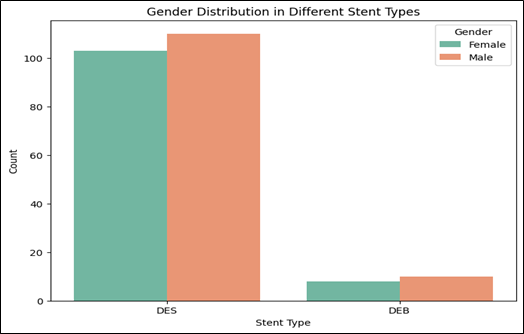
Figure 1: Gender Distribution in Different Stent Types
This figure shows a countplot displaying the gender distribution across DES treatment groups. The patient population was evenly distributed across male (50.8%) and female (49.2%) cohorts.
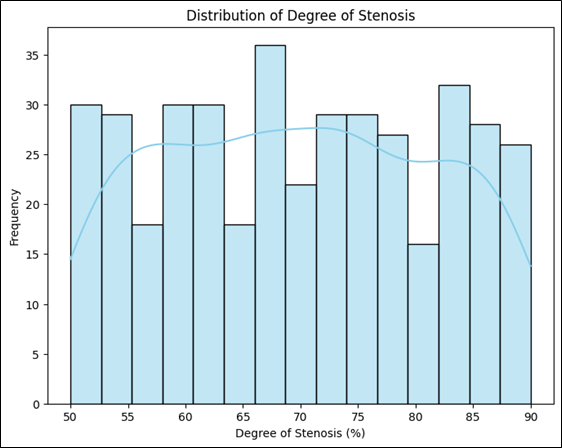
Figure 2: Distribution of Degree of Stenosis
A histogram shows the distribution of degree of stenosis, with a significant majority of patients presenting with stenosis levels greater than 70%. This is consistent with the study's focus on CAA and the severity of arterial narrowing.
The statistical analysis was performed using Chi-Square tests for categorical variables, and independent t-tests for continuous variables, following the methodology described. A p-value of less than 0.05 was considered statistically significant. Chi-Square Tests, Diabetes Mellitus (DM) and Restenosis: p = 0.9999 (no significant association), Hypertension (HTN) and Restenosis: p = 0.9983 (no significant association), Diabetes Mellitus (DM) and Mortality: p = 0.9980 (no significant association), Hypertension (HTN) and Mortality: p = 0.0468 (significant association).
DISCUSSION :
This study aimed to explore the long-term effectiveness of PCI in managing CAA and assess the influence of comorbidities, including hypertension and diabetes mellitus (DM), on PCI outcomes. The findings from this study reveal that hypertension significantly impacts mortality at one year (p = 0.0468), while diabetes showed no significant association with restenosis or mortality (p = 0.9980). These results suggest that managing hypertension is crucial for improving long-term outcomes, as hypertensive patients showed a significantly higher mortality rate compared to normotensive individuals. In contrast, diabetes did not demonstrate a similar effect on restensosis, which could be attributed to the effectiveness of drug-eluting stents (DES) in reducing restenosis rates, even in patients with diabetes. These findings align with several global studies that have highlighted the importance of hypertension management in cardiovascular disease patients post-PCI.
This study provides novel insights into the management of CAA in a Pakistani cohort. Although CAA have been examined in different parts of the world, there are limited studies that examine CAA in Pakistani population. This research is a great asset as it examines long-term outcomes of PCI among patients with CAA in Pakistan a unique perspective on CAD management in a middle-income nation. The high correlation between hypertension and mortality after the PCI indicates the significance of blood pressure management in CAA patients to minimize the chances of unfavorable outcomes.
Besides, the results on diabetes and restenosis are in line with the existing studies that indicate that DES have a significant effect in minimizing restenosis risk despite the diabetic patients. This highlights the benefit of using modern stenting technology in improving outcomes in diabetic populations. The findings are of special importance to clinical practice in Pakistan, where hypertension is very common and is not properly treated, which leads to increased mortality rates among cardiovascular disease patients.
Hypertension has long been identified as a major predictor of poor outcomes after PCI. Another studies demonstrated that hypertensive patients undergoing PCI have a significantly higher risk of adverse cardiovascular events, including mortality.6,7 These findings are consistent with this study, where hypertension was associated with higher mortality in patients with CAA. Furthermore, the study emphasised the importance of optimising blood pressure control to improve long-term outcomes post-PCI, a recommendation that aligns with the conclusions drawn from this study.6
In contrast, diabetes mellitus has been reported to increase the risk of restenosis in PCI patients, as seen in studies.5,11 However, this study did not find a significant association between diabetes and restenosis or mortality. This difference can likely be explained by the extensive use of drug-eluting stents (DES) in this cohort, which have been shown to mitigate the restenosis risk, even in patients with diabetes. This result is in line with research, who found that DES significantly reduced the incidence of restenosis in diabetic patients undergoing PCI.5
The effectiveness of DES in restenosis prevention and better outcomes in CAA patients has also been examined in other studies around the world, and thus the study contributes to the existing literature on the subject.11 DES has transformed the outcomes of PCI procedures around the world, but the actual implementation of this tool to CAA in Pakistani population has received less attention, and this is why the study is an essential addition to the literature.
International studies have extensively explored the association between comorbidities and PCI outcomes. A study compared the outcomes of PCI and endovascular aneurysm repair (EVAR),4 showing that the simultaneous management of coronary and aneurysm diseases improves long-term outcomes. Similarly, a study found that hypertension was a major risk factor for poor outcomes in patients with CAA undergoing PCI.7 This study, in line with these findings, supports the conclusion that hypertension remains a significant predictor of mortality post-PCI. However, no similar studies in Pakistan have specifically investigated CAA patients, underscoring the originality of this work.
The GRACE score, a common predictor of major adverse cardiovascular events (MACE), has also been used in several studies to assess the risk of mortality post-PCI. Another study demonstrated that the GRACE score was an accurate predictor of short-term MACE in PCI patients.12 This study supports the notion that comprehensive risk stratification, including hypertension management, could improve clinical outcomes in CAA patients.
Although the research on the outcomes of PCI in Pakistan is increasing, there is a shortage of research on CAA and their treatment. The number of studies which focus on CAA has been limited, though we have found studies examining cardiac interventions in general populations.8,9 The current study addresses this gap by offering the local data of the long-term outcomes of PCI in CAA patients which is a special contribution to the cardiovascular medicine in Pakistan.
A few studies in Pakistan have looked at hypertension and diabetes as risk factors in PCI outcomes. For example, a study assessed the same-day discharge strategy for PCI patients and found that hypertension significantly contributed to major adverse cardiovascular events (MACE).13 Furthermore, a study explored performance metrics in acute myocardial infarction patients in Karachi,14 noting the role of hypertension in influencing PCI outcomes. While these studies have touched on the importance of comorbidity management, they have not specifically focused on CAA, making this study particularly relevant for improving patient care in the local context.
Hypertension has been widely studied in local literature in Pakistan as a contributing factor to poor PCI outcomes. A study discussed the prevalence of familial hypercholesterolemia and its relationship with CAD,15 while another study conducted a systematic review on the factors contributing to hypertension in Pakistan.16 These findings complement the present study's emphasis on hypertension management as a critical element for improving PCI outcomes.
The results of this study underscore the importance of managing hypertension to reduce mortality in PCI patients, especially those with CAA. The lack of association between diabetes and restenosis is reassuring and highlights the benefits of drug-eluting stents in reducing restenosis risks in diabetic patients. This finding is important for clinical practice in Pakistan, where hypertension remains a prevalent risk factor that is often inadequately controlled.
Study Limitations and Future Directions
The study's limitations include the short follow-up period (one year), which may not fully capture the long-term effects of hypertension and diabetes on mortality and restenosis. Future studies with longer follow-up periods and larger sample sizes are needed to validate these findings. Additionally, incorporating multivariable analysis to adjust for other confounding factors (e.g., smoking, family history, age) would provide a more comprehensive understanding of the factors influencing PCI outcomes in CAA patients.
CONCLUSION :
In conclusion, this study highlights the significant impact of hypertension on mortality in patients with coronary artery aneurysms undergoing PCI. While diabetes did not show a direct association with restenosis or mortality, the findings underscore the importance of hypertension control in improving long-term outcomes. Future larger, multicentre prospective studies are needed to confirm these results and further explore the long-term effectiveness of PCI in this patient population.
REFERENCES:
1. Sannino M, Nicolai M, Infusino F, Giulio L, Usai TL, Biscotti G, et al. Coronary Artery Aneurysms: A Clinical Case Report and Literature Review Supporting Therapeutic Choices. J Clin Med. 2024 Sep 10;13(18):5348. DOI: 10.3390/jcm13185348
2. Scalia L, Squillace M, Popolo Rubbio A, Poletti E, Agnello F, Sisinni A, et al. Modern Imaging Techniques for Percutaneous Coronary Intervention Guidance: A Focus on Intravascular Ultrasound and Optical Coherence Tomography. J Clin Med. 2025 Dec 5;14(24):8627. DOI: 10.3390/jcm14248627
3. Buonpane A, Trimarchi G, Ciardetti M, Coceani MA, Alagna G, Benedetti G, et al. Optical Coherence Tomography in Myocardial Infarction Management: Enhancing Precision in Percutaneous Coronary Intervention. J Clin Med. 2024 Sep 28;13(19):5791. DOI: 10.3390/jcm13195791
4. Nardi P, Rinaldi V, Costanzo ML, Pasqua R, Loiacono F, Palumbo P, et al. Simultaneous Percutaneous Coronary Intervention (PCI) and Endovascular Aneurysm Repair (EVAR): A Preliminary Report. J Clin Med. 2024 Sep 19;13(18):5545. DOI: 10.3390/jcm13185545
5. Matta A, Campelo-Parada F, Nader V, Lhermusier T, Bouisset F, Blanco S, et al. Long-Term Outcomes of Conservative Versus Invasive Approach of Coronary Aneurysm. Rev Cardiovasc Med. 2022 Aug 10;23(8). DOI: 10.31083/j.rcm2308281
6. Núñez-Gil IJ, Cerrato E, Bollati M, Nombela-Franco L, Terol B, Alfonso-Rodríguez E, et al. Coronary artery aneurysms, insights from the international coronary artery aneurysm registry (CAAR). Int J Cardiol. 2020 Jan;299:49–55. DOI: 10.1016/j.ijcard.2019.05.067
7. Khubber S, Chana R, Meenakshisundaram C, Dhaliwal K, Gad M, Kaur M, et al. Coronary artery aneurysms: outcomes following medical, percutaneous interventional and surgical management. Open Hear. 2021 Feb 10;8(1):e001440. DOI: 10.1136/openhrt-2020-001440
8. Hameed H, Anne John T, Tahirkheli M, Cannon B, Ellen White J, Zafar H, et al. Left Main Coronary Artery Stenosis following Bentall Procedure: A case report. Pakistan J Cardiovasc Interv. 2022 Dec 1;2(2):60–4. DOI: 10.58889/PJCVI.3.60.64
9. Shafy SSM, Salavarria KAC, Saleh S, Cuino I, Nadeem S, Perez RCR, et al. Long-Term Outcomes of Coronary Artery Aneurysms in Children With Kawasaki Disease: A Systematic Review. Cureus. 2025 Oct 12; DOI: 10.7759/cureus.94418
10. Ma S, Chen Z, He Y, Zhou M. Stent‐Free PCI With OCT‐Guided Drug‐Coated Balloon Angioplasty for Calcified Coronary Stenosis After Kawasaki Disease. Catheter Cardiovasc Interv. 2026 Feb 9;107(3):853–7. DOI: 10.1002/ccd.70432
11. Li X, Ge Z, Kan J, Anjum M, Xie P, Chen X, et al. Intravascular ultrasound-guided versus angiography-guided percutaneous coronary intervention in acute coronary syndromes (IVUS-ACS): a two-stage, multicentre, randomised trial. Lancet. 2024 May 11;403(10439):1855–65. DOI: 10.1016/S0140-6736(24)00282-4
12. Kumar R, Safdar U, Yaqoob N, Khan SF, Matani K, Khan N, et al. Assessment of the prognostic performance of TIMI, PAMI, CADILLAC and GRACE scores for short-Term major adverse cardiovascular events in patients undergoing emergent percutaneous revascularisation: A prospective observational study. BMJ Open. 2025;15(3). DOI: 10.1136/bmjopen-2024-091028
13. Shah JA, Saghir T, Ahmed B, Ul Haq SA, Kumar R, Mengal MN, et al. Safety and feasibility of same day discharge strategy for primary percutaneous coronary intervention. Glob Heart. 2021 Jul 1;16(1). DOI: 10.5334/GH.1035
14. Baloch F, Arshad A, Sethi SM, Tai JM. Acute myocardial infarction from a lower-middle income country—A comprehensive report on performance measures and quality metrics using National Cardiovascular Data Registry. Cenko E, editor. PLoS One. 2023 Nov 15;18(11):e0294396. DOI: 10.1371/journal.pone.0294396
15. Khan M, Ain Q, Sikonja J, Batool H, Hayat MQ, Khan MI, et al. Prevalence of Familial Hypercholesterolemia in Pakistan: A Pooled Analysis of 1.5 Million Individuals and Comparison with Other Countries of the Region. Glob Heart. 2025 Mar 10;20(1):23. DOI: 10.5334/gh.1413
16. Riaz M, Shah G, Asif M, Shah A, Adhikari K, Abu-Shaheen A. Factors associated with hypertension in Pakistan: A systematic review and meta-analysis. Wright JM, editor. PLoS One. 2021 Jan 29;16(1 January):e0246085. DOI: 10.1371/journal.pone.0246085