FROM SWALLOW TO SIGNAL: HOW DIGITAL PILLS ARE TEACHING MEDICINES TO THINK, SENSE, AND RESPOND
- Mr. Sahil Hire , Dr. D. Y. Patil College of Pharmacy Akurdi, Pune
- Ms. Pallavi Gholap , Dr. D. Y. Patil College of Pharmacy Akurdi, Pune
- Ms. Khushi Patel , Dr. D. Y. Patil College of Pharmacy Akurdi, Pune
- Ms. Darshana Lokhandhe , Dr. D. Y. Patil College of Pharmacy Akurdi, Pune
- Ms. Manswi Kshirsagar , Dr. D. Y. Patil College of Pharmacy Akurdi, Pune
- Ms. Sharon Sajan , Dr. D. Y. Patil College of Pharmacy Akurdi, Pune
- Mr. Sujal Londhe , Dr. D. Y. Patil College of Pharmacy Akurdi, Pune
- Ms. Vedita Mahangade , Dr. D. Y. Patil College of Pharmacy Akurdi, Pune
Article Information:
Abstract:
Smart medicine and digital pills represent the radical redefinitions of the pharmaceutical therapy where medicines no longer represent passive chemical compounds but apply to intelligent, communicative, and adaptive therapeutic systems. Digital pills are unlike traditional dosage forms which are clinically invisible upon ingestion because digital pills have ingestible sensing technologies that have the ability to convert the swallowing event into a measurable biomedical phenomenon. Through the synergistic combination of biocompatible ingestible sensors, body-area wearable receivers, mobile health interfaces, cloud-based data infrastructures and artificial intelligence driven analytics, smart medication platforms create real time, continuous data on medication ingestion, patient behavior, and therapy adherence. This is a prospective and broad-based review of the digital pill ecosystem, its multi-dimensional implications on precision medicine, chronic disease management, mental health care, infectious disease management, and integrity of clinical research. Besides the compliance checking, the digital pills open the new avenue of behavioral pharmacology that enables the interpretation of human-drug interactions along with the pattern of data-driven behavior. The review is a critical evaluation of the technological architecture upon which the systems are founded and also their delivery of the capability to provide closed loop therapeutic feedback which makes healthcare a reactionary intervention to anticipatory and preventive care. There are certain ethical concerns, such as patient autonomy, informed consent, ownership of data, surveillance, which are discussed in parallel with the changes in regulatory issues which arise because of the overlapping of pharmaceuticals, medical devices and software. The review also addresses the elements of scalability, affordability, and equity and specifically ways that they are applicable to resource-constrained healthcare settings. Finally, the conclusion on the direction of the future is given and includes the transition to self-learning medicines in the environment of genomics, digital twins, and adaptive artificial intelligence. Together, this review places digital pills not as the tools of adherence, but forms of the next generation, data-centric, and personalized healthcare ecologies.
Keywords:
Article :
INTRODUCTION:
Although tremendous advances have been made in drug discovery, formulation science and targeted therapeutics, medication non-adherence has continued to compromise clinical outcomes in virtually every therapeutic practice [1]. This is the paradox of the modern medicine because even the most advanced drugs do not work properly when they are not taken properly, regularly, or at all. As soon as a traditional pill is ingested, it leaves the clinical area of observation and the healthcare systems have to resort to indirect methods to monitor it, including patient self-reports, prescription refills, or pill counts, which are usually inaccurate and biased. This post-administration invisibility generates a deep informational blind spot that develops an obscure relationship between prescribed therapy and response of the patient [2]. As a result, the problem of treatment failures is often attributed to the failure of drugs, instead of non-adherence to behavior, which contributes to the further increase of dosage, switching therapy and additional spending on healthcare [3]. This has continued to be one of the most enduring and under-researched weaknesses of pharmacotherapy due to the lack of reliable ingestion-level data.
The emergence of digital pills and smart medication systems can be viewed as a radical solution to this long-standing problem since it reengineers medicines to a point where they can generate data as opposed to remaining silent chemical substances[2,3] Having ingestible sensors installed into them and linked to wearable receivers, mobile interfaces, and intelligent analytics platforms, the systems change the act of swallowing into a biomedical case that can be verified. Such a technological combination enables the real-time check of the drug intake and, at the same time, contextual behavioural information (e.g. dosing patterns, time anomalies and compliance patterns) is logged. Better still, the introduction of the digital pills introduces the change in the philosophy of therapy, its transformation to the proactive, evidence-based, instead of the reactive, approach, which relies on assumptions [4]. The clinicians can now be capable of distinguishing between the pharmacological failure and the behavioral barrier of giving therapy with the never-before-seen accuracy. In addition to the adherence tracking, smart medication systems enable closed-loop therapeutic frameworks where ingestion information keeps on guiding individualized warnings, clinical decision support, and early risk projections. Digital pills are a pivotal point in a more data-centric and personalized care system, as the healthcare system becomes more structured around data and the level of personalized care is prioritized as a fundamental unit of the healthcare system [5]. Their integration is an indication of the start of a new world where medicines will not only provide treatment, but will communicate, learn, and adapt towards the quest of the best therapeutic results.
HISTORICAL OVERVIEW
The road to smart and digitally integrated medicine is decades old because of convergence in science and not a breakthrough. The recombinant DNA technology that emerged in the 1970s turned the scenario of pharmaceuticals where drugs were synthesized through chemicals, into biologically engineered drugs, which brought the age of precision in a molecular level. The 1990 start of the Human Genome Project transformed the biomedical thought processes in a way that made diseases more of a genomic variation and not a discrete symptom. In 1997, the cloning of the sheep Dolly represented the increased authority of the human race over genetic material, which initiated ethical discussions and boosted the regenerative research. Pharmacogenomics was catalyzed by the publication of the draft human genome in 2001 allowing drug development strategies to be designed based on genetic profiles. At the start of the 2010 decade, the convergence of medicine and digital infrastructure, cloud computing, wearable biosensors, and mobile health platforms transformed the care delivery model into patient-centered and less hospital centric care systems. On November 13, 2017, the United States Food and Drug Administration (FDA) gave Abilify MyCite, an expression of aripiprazole (an antipsychotic drug vended by Otsuka Pharmaceutical) co-formulated with a Proteus ingestible detector, its blessing. This was approved under the De Novo route that's used on new types of bias with no predicate that’s fairly retailed. The FDA determined that the technology's benefit- threat profile was respectable for the intended population – grown-up cases with schizophrenia, bipolar I complaint, or spare treatment of major depressive complaint (Digital Health Centre of Excellence, 2025).
After the 2017 blessing, Proteus Digital Health sought business collaborators to produce digital performances of other medicines similar as rifampicin (to treat tuberculosis), some oncology medicines and antihypertensives. nevertheless, the company was faced with serious fiscal problems due to the high price of producing digital capsules at scale, low insurance payment in the United States, and slow relinquishment by prescribers in conventions. In 2020, Proteus Digital Health entered ruin, a marketable failure but not a scientific one- the technology persisted in being explored by academia, government health programmes and other marketable players. The exploration exertion has come veritably diversified since 2020. brigades at MIT, Stanford and in transnational academic centres have meditated on the coming generation ingestible detectors, which can measure gastric pH, temperature and motility besides icing that the ingestion has taken place. The Digital adherence monitoring has been espoused by the WHO End TB Strategy as inestimable part of patient- centred care of tuberculosis. In India, airman systems of digital adherence tools have been piloted by the National TB Elimination Programme in a many section. By 2030, digital health, similar as digital capsules and the use of adherence monitoring bias, is anticipated to amount to USD 200 billion (Research and Markets, 2025).
CONCEPTUAL SHIFT: FROM DRUG DELIVERY TO DRUG INTELLIGENCE
Traditional pharmacotherapy philosophy has always been based on the principle of drug delivery, in which the success of therapeutic action mainly depends on the correct dosage, the optimization of the composition, and the predictable pharmacokinetic characteristics. According to this model, medicines are inert chemical compounds which are meant to produce biological actions after being taken, and little or no attention is given to whether medicines are taken as planned and how patients respond to them in the real-world environment. This kind of theory implicitly supposes compliance of the patients and linear therapeutic behavior, which does not take into consideration the complex interaction of the human habits, cognition, environment, and the dynamics of disease [5]. This paradigm is driven by assumptions and as healthcare systems shift to precision and personalization, their weakness can be seen. Smart medication threatens this underpinning by offering the drug to have some form of intelligence such that medicines can recognize when they are ingested, create useful data, and be involved in the therapeutic process. This paradigm changes the role of pharmaceuticals as passive terminals of the prescribing decisions into active units in a networked healthcare system [5,6].
Drug intelligence is the intersection of pharmaceutical sciences, digital technology and behavioral analytics, and a redefinition of therapy as an interactive and dynamic process instead of a single act of administration [6]. Smart drugs can provide a constant conversation between the patient, the drug and the healthcare provider due to ingestible sensors, real-time data transmission, and analyzing AI. Therapy can therefore become a therapeutic interaction with a data-driven nature, where each ingestion event is added to a cumulative intelligence profile, which both represents adherence patterns, behavioral risks, and responsiveness to therapeutic interventions [6]. This intelligence gives clinicians a proactive intervention, separating biological non-response and behavioral barriers and creating interventions in a way never seen before with an extremely limited level of specificity. More to the point, drug intelligence opens the prospect of closed-loop pharmacotherapy, where real-world ingestion data is dynamically used to inform the reminder, dosing plans, and clinical decisions [7]. Medicines in this new model will no longer be restricted to provide pharmacological action, but they will act as learning systems which have the ability to improve over time in an attempt to maximize the results. This change of mindset represents a pivotal turning point in the contemporary therapeutics, with smart medication becoming one of the pillars of predictive, preventive, and personalized care, where the effectiveness of treatment is constantly improved based on real-life data, not on the basis of assumption [8].
ARCHITECTURE OF A DIGITAL PILL ECOSYSTEM
A digital pill ecosystem is designed as a multi-layered, smart system, which converts the ingestion of medication into a stream of continuously clinically interpretable information, thus delivering end-to-end therapeutic visibility [9]. The ingestible sensor is a biocompatible, ultra-miniaturized device, at the heart of which lies the ingestible sensor, which is triggered when gastric fluids, with no effect on drug stability or pharmacological action, produce a distinct electrical signal upon ingestion. A body-area network picks up this signal, which is usually a wearable patch or a receiver, the direct data relay node but also contextualizes the ingestion events based on physiological and temporal parameters [7-9]. The mobile application layer serves as the interface to the patient, which transforms raw sensor data into user-friendly feedback, notifications, and adherence feedback that increases the level of engagement without causing cognitive load. In addition to personal devices, cloud-based analytics systems combine longitudinal ingestion data on populations, which can be processed in a scalable way, stored securely, and patterns identified [10]. Algorithms of artificial intelligence integrated into this layer transform ingestion timestamps into predictive adherence models, behavioral risk stratification as well as early warning signs of therapeutic failure [11]. The final interpretive layer of the ecosystem are clinician dashboards, which are multifaceted datasets, visual analytics of actionable clinical intelligence, alerts, and decision-support tools, which are uniformly incorporated with electronic health records [12]. Notably, this architecture is also not linear but cyclical since it can be adopted to help the idea of closed-loop therapeutic feedback where the understanding developed at the clinical level might be applied to guide the adaptive actions to be administered to the patient in real time. Regulatory nature of interoperability structures, cybersecurity and data governance systems further improves and makes the ecosystem reliable, private and ethically deployed. Overall, the architecture of a digital pill ecosystem dismantles the historical barriers of drug delivery systems of in-person intelligence, connectedness, and flexibility into the therapeutic process with smart medicine becoming a fundamental part of data driven, personalized, and predictive health systems [13].
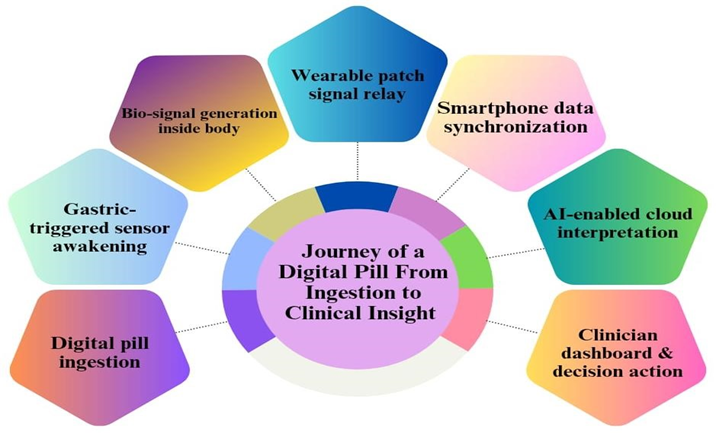
Fig.1: Journey of a Digital Pill – From Ingestion to Clinical Insight
BIOACTIVATION INSIDE THE HUMAN BODY
One of the most innovative components of the digital pill technology is bioactivation in the human body that redefines the gastrointestinal tract as an active bioelectronic interface of the human body, as opposed to a passive location of drug dissolution [14]. Ingestible sensors are produced with biocompatible materials which in many cases contain trace elements like magnesium, copper or silicon-based substrates which are non-reactive until they are exposed to the ionic environment of gastric fluids. When in contact with stomach acids, an electrochemical reaction is controlled and effectually converts chemical energy into a momentary electrical signal. Such a process does not need internal batteries, or external sources of power, and instead it depends on the conditions of nature to activate physiologically [14,15]. The resultant signal is both identifiable, time-stamped, and strong enough to be sensed by body-area receivers and barely any threshold is able to produce a signal that could stimulate tissue or disrupt endogenous bioelectrical processes [15]. Notably, the sensor is activated exactly at the time of ingestion, and therefore the generation of signals is indicative of actual drug intake as opposed to the handling of pills or exposure to the environment [16]. Such a design converts the swallowing act into a verifiable biological occurrence, and does not affect the physical integrity, dissolution behavior, or therapeutic purpose of the active pharmaceutical ingredient.
Pharmacologically speaking, bioactivation is designed in such a way that it is wholly orthogonal to drug action, without compromising the pharmacokinetics, safety, or bioavailability [16]. The sensor constituents are generally smaller than a grain of sand and are introduced into, or fastened to the dosage form in such a way that they do not alter the rate of drug release and absorption. The sensor materials break down naturally after the transmission of the signal or harmlessly through the gastrointestinal tract, which removes the issues of accretion and toxicity. Extensive preclinical and clinical studies have established that the electrochemical activation mechanism does not alter the gastric pH or has no effect on the enzymatic actions of the intestine, intestinal transit time or drug-drug interactions. In addition to ingestion confirmation, new studies are looking at the prospect of multi-modal bioactivation, in which sensors may be able to record both contextual physiological signals, like temperature or motility patterns, and enhance the meaning of therapeutic response [17]. Digital pills create a new interface between pharmacology and human physiology by being able to smoothly incorporate bioelectronic functionality into common oral dosage products. Not only does this bioactivation paradigm validate ingestion with unprecedented accuracy but it also forms the basis of smart medications that will be able to sense, learn, and evolve within the human body, but without affecting its safety or therapeutic efficacy [15,17].
SMART PACKAGING VS SMART PILLS
Smart medication technologies are based on two complementary levels of smart, but separate layers of intelligence, namely, smart packaging and smart pills, which meet different aspects of medication compliance and clinical awareness. Smart packaging system, including connected blister packs, RFID-powered pill bottles, sensor-built dispensers, etc. is developed to track dose access, as opposed to dose ingestion [17]. These systems can produce beneficial behavioral data, including information on patient routines, forgetfulness, and the complexity of their regimen by documenting the event like opening packages, removing pills, and the time of day, etc. They specifically work well in determining delay patterns, missed days, or inconsistent schedules, which provides a low-intrusion and cost-effective method of adherence support. Nevertheless, smart packaging necessarily works based on the probabilistic assumption since the process of accessing medication does not imply consumption. Smart pills, in contrast, are a level of therapeutic intelligence that is more intelligent in the sense that it can verify the ingestion of the drug by ingestible sensors that are triggered when the drug enters the gastrointestinal tract. This is possible to remove ambiguity whereby the physiological swallowing can be transformed into a measurable clinical event which will give a clear indication of compliance. It is essential that access-based and ingestion-verified data are distinguished because it enables clinical interpretation to distinguish between deliberate nonadherence, forgetfulness, and pharmacological non-response18. Even though smart packaging is superior in terms of population-level monitoring and early behavioral intervention, smart pills allow making specific decisions based on the data on ingestion and directing the clinical outcomes. Embedded into one digital ecosystem, these technologies form a layered adherence intelligence system where smart packaging can be used as the initial behavioral cue and smart pills as the gold standard of ingestion confirmation [14,16,18]. It is a stratified strategy that facilitates scalable implementation, whilst maintaining clinical accuracy, especially in high-risk therapies where a dose omission can be extremely dangerous. Finally, smart packaging and smart pills will change the adherence analytics as an assumed metric of therapeutic management to evidence-based insights, allowing a more delicate, responsive, and patient-centered approach to therapeutic management [19].
Table 1 : Evolution of Medication Intelligence
|
Medication Stage |
What Is Known |
Clinical Certainty |
Care Approach |
|
Conventional pills |
Prescription only |
None |
Assumption-based |
|
Modified-release drugs |
Release behavior |
Indirect |
Protocol-driven |
|
Smart packaging |
Dose access |
Partial |
Alert-oriented |
|
Digital pills |
Confirmed ingestion |
High |
AI-guided |
BEHAVIORAL PHARMACOLOGY AND ADHERENCE ANALYTICS
Behavioral pharmacology is a disruptive innovation in current therapy, a combination of pharmacological research, behavioral psychology, and digital analytics to uncover the multifaceted relationship between the human behavior and pharmacological effectiveness. Traditional pharmacology focuses mainly on biochemical response and pharmacokinetic parameters, and the assumption of patient compliance as a constant is made, which hides the real reason behind therapeutic failure [19]. Digital pills transform this paradigm by providing a time-stamped accurate ingestion data, and turning each dose into a quantifiable behavioral response. These data help to shed light on the tendencies of compliance based on cognition, routine, environmental conditions, moods, and perception of illness [19,20]. These patterns eventually form into personalized behavioral patterns, so that clinicians can tell the difference between pharmacological non-response and alterable behavioural obstacles [20]. Non-adherence, in this way, is not a vaguely defined clinical assumption but a measurable, practical measure, which allows the introduction of specific interventions that do not ignore the intricacy of human behavior in the real world.
Adherence analytics use a combination of sophisticated computational models and machine learning to translate raw signals of ingestion into predictive data to predict missed doses, non-adherence patterns, or the onset of clinical progression [21]. Such systems will be able to produce customized warnings, reminders and system notifications, and essentially provide a closed loop feedback loop between patient behavioral patterns and treatment. Aggregated data at the population level offers essential data on the systemic adherence issues, including the complexity of the regimen, socioeconomic factors, or environmental pressures, to inform the development of patient-centered treatment and population health interventions. Digital pills, by introducing the concept of behavioral intelligence into the pharmacotherapy process, turn healthcare into a proactive, responsive, and patient-centered framework, rather than being an assumption-based, reactive one. Such a combination of behavioral pharmacology and adherence analytics is the future of precision medicine, in which treatment is optimized based on biological features but also on the behavioral reality of patients, maximizing clinical performance and creating durable, data-driven therapeutic ecosystem [22].
REAL-TIME THERAPEUTIC FEEDBACK LOOPS
The new digital pills and smart medication systems are a radical development in pharmacotherapy, which will turn passive treatment into an adaptive, interactive and predictive care continuum represented by real-time therapeutic feedback loops [23]. As contrasted to the conventional method of therapy that is based on periodical follow-ups and retrospective patient reports, closed-loop systems exploit ingestion verified data to produce real-time context-sensitive reactions. Every intake that is registered by the digital sensor is sent to wearable receivers, which is digitally processed via smart mobile applications, and interpreted by AI-powered systems to identify inconsistencies in the intake with the prescriptions. Such deviations, including missed doses, lateness of intake, or time deviation, elicit automated and personalized interventions including adaptive notifications, behavioral suggestions, or alerts directly sent to clinicians and caregivers. It is important to note that such feedback processes are dynamic; machine learning models are continuously enhanced to predictive models on the basis of historical trends, individual behavioral patterns of patients and even the physical or environmental situation and enable anticipatory care rather than correctional responses [23,24]. This reciprocal process creates a symbiotic relationship between patient behavior, administration of therapeutic and clinical surveillance, which is successful in transforming drug adherence as a hypothetical assumption into a testable and measurable process. At the population level, these loops can increase at an individual level, scale to populations, and define the barriers to adherence in the system, maximizing treatment regimes, and directing the health policies of the population [25]. In chronic or high-danger conditions, including tuberculosis, cardiovascular disease or psychiatric disorders, real-time feedback loops can greatly decrease complication, hospitalization and therapy failure by preventing non-adherence early before it is converted into clinical failure. In addition, the system facilitates perpetual learning, in which longitudinal ingestion and response data improve AI algorithms, allowing better prediction and increased individual intervention plans as time progresses. When utilities and therapeutic control are reconciled to establish real-time feedback loops, the nature and scope of medicine is redefined through the ability of pills to be more than mere chemical agents and instead manifest intelligent, self-reporting behaviors that help inform the optimal use of those pills [23,25]. In its essence, these systems represent the intersection point of pharmacology, behavioral science, and digital intelligence, which forms the basis of a future where medicine is active, responsive, and an integral part of the everyday life of a patient, where its efficacy and safety might be maximized in an information-driven healthcare ecosystem.
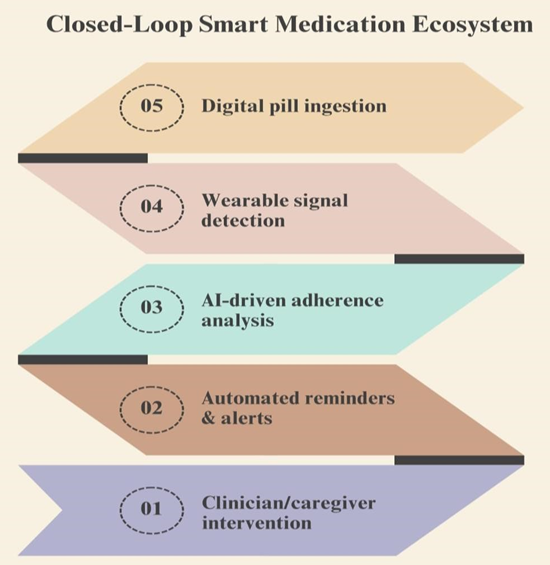
Fig.2: Closed-Loop Smart Medication Ecosystem
DIGITAL PILLS IN MENTAL HEALTH AND NEUROLOGY
Digital pills are rapidly transforming the cognitive health and neurological health care in which the accuracy and compliance of the treatment is the determinant of patient outcomes. The condition of schizophrenia, bipolar disorder, epilepsy and Parkinson disease poses a special challenge: lapses may result because of missed doses, or recurrence of seizures, or motor instability, which may cause the hospitalization, functional impairment, or even life-threatening events [26]. The conventional methods of adherence surveillance in these groups are based on self-reporting, observing the caregiver or having irregular clinical visits, which are susceptible to inaccuracy and postpone important treatment. Digital pills are able to address these constraints because they offer ingestion-confirmed, real-time data, which not only captures the presence of the medication that has been ingested, but also timing trends, frequency, and nonconformance to the prescription treatment. This stream of objective conformity data helps clinicians to see early signs of non-conformity, behavioral changes or resistance to treatment before clinical decay sets in. In addition to simple adherence monitoring, such systems produce a behavioral profile, which is not easily detected through other methods, including cognitive and lifestyle determinants of medication adherence, which may be used to tailor the care plan to the individual [26,27]. As an example, a patient with bipolar disorder taking irregular doses can be signaling a case of early onset of mania or depression, and thus a clinical modification or support by the caregiver can be provided in advance. Even slight time variations are detected in epilepsy. even a small delay in timing can have an immediate effect; digital pills will immediately give alerts and notifications of missed or late doses, which will prompt a reminder or a notification to the clinician so that the risk of a seizure recurrence is avoided [27].
Additionally, digital pills transform the paradigm shift in the neurological and psychiatric care since it incorporates closed-loop feedback and predictive analytics. Consumed sensor data, together with physiological monitoring through wearables and AI-based analytics, is able to predict times of heightened risk, including sleep disturbances, stress, or drug fatigue, all of which are likely to lead to symptomatic worsening [27]. This proactive ability enables interventions to shift the crisis management to proactive disease stabilization to enhance the short-term results as well as the quality of life in the long term. The sensor-based monitoring of dopaminergic medication adherence can be related to the motor performance indicators in Parkinson disease, which will provide the opportunity to dynamically change the dosage and minimize the time spent off. Moreover, the digital pills promote patient autonomy and engagement because they offer personalized feedback on adherence and keep the clinician control over them, which is a key problem in mental health care were stigma, cognitive impairment, or lack of insight may undermine traditional interventions. On a population scale, aggregated pill data of digital pills can help identify epidemiology, barriers to adherence, and patterns of therapeutic response, which can inform the policies of the population and the optimal design of clinical trials in neuropsychiatric drugs. Altogether, digital pills are not only a technological solution, but they are a revolutionary mindset of mental health and neurology, as objective adherence intelligence, predictive analytics, and interventions tailored to each person come together to reduce the risk, increase the effectiveness of the treatment process, and change the quality of patient-centered care [28].
ROLE IN ANTIMICROBIAL RESISTANCE AND TB CONTROL
The issue of tuberculosis and other long-term antimicrobial treatment is a continuing problem across the globe because the success of treatment heavily relies on compliance of the patient with the treatment. In person approaches, including directly observed therapy (DOT) are based on supervision in-person to monitor drug intake, but it is frequently resource intensive, logistically challenging, and unsustainable at scale, especially in low resource environments. A completely different approach is offered by digital pills and smart medication systems that provide the solution by integrating the adherence check into the treatment plan which essentially forms a digital DOT model. Every ingestion is verified by activation of sensors in the gastrointestinal tract and sent to wearable receivers and processed by secure mobile or cloud servers to allow real-time monitoring of patient adherence without the necessity of physical monitoring. The method will enable clinicians to detect missed doses, delay intake or inconsistent adherence patterns immediately, causing automatic alerts, personalized notifications or specific intervention by healthcare workers [26,28]. Digital pills minimize the chances of incomplete therapy, the main cause of antimicrobial resistance, treatment failure, and disease relapse, by ensuring accurate compliance that is ingestion-ascertained. In addition to adherence, smart medication systems can be used to collect longitudinal data, showing adherence patterns at the population level and risk groups, as well as possible impediments to therapy, including socioeconomic status, pill fatigue, or side effects. The intelligence has the potential to inform the maximization of treatment procedures, resource distribution, and public health policy. Notably, predictive analytics is also supported by the system, when AI algorithms can be used to analyze behavioral and temporal ingestion patterns and predict those cases when the patient becomes noncompliant or when the risk of developing resistance grows [25,27,29]. Digital pills can be scaled to provide data-driven solutions to antimicrobial resistance in TB and other infectious diseases by closing the disconnect between prescribed therapy and actual intake. By so doing, they convert therapy into a proactive, adaptive and precision-guided intervention rather than a reactive process, which relies on retrospective reporting, to address the needs of individual patients with the broader population health goals and global antimicrobial stewardship goals [27-29].
Table 2: Digital Pills: Clinical Impact Across Therapeutic Domains
|
Therapeutic Area |
Core Challenge |
Digital Pill Role |
Outcome Advantage |
|
Psychiatry |
Unseen nonadherence |
Ingestion verification |
Relapse prevention |
|
Tuberculosis |
Prolonged therapy gaps |
Digital DOT |
Resistance mitigation |
|
Cardiology |
Dose irregularity |
Behavioral analytics |
Optimized BP control |
|
Neurology |
Timing deviations |
Real-time alerts |
Motor & cognitive stability |
|
Clinical Trials |
Compliance uncertainty |
Verified ingestion |
Data fidelity & reliability |
CLINICAL TRIALS REIMAGINED
Digital pills will transform the state of clinical trials, as one of the most consistent and expensive sources of variation patient non-adherence [29] is tackled. Conventional trials are based on self-reported compliance; pill counts or pharmacy refill records which give a partial and, in most cases, inaccurate view of real drug consumption. The discontinuity compromises the statistical power, pads sample size, and creates uncertainty in the efficacy and safety analyses, often postponing regulatory approval and raising the cost of development. Digital pills turn adherence into a measurable, objective variable by including ingestible sensors directly into trial drugs to deliver real time, ingestion-confirmed data to each participant and turn the assumption of adherence into a measurable, objective variable30
Wearable devices transmit time-stamped and sent to cloud analytics systems with each ingestion event, AI algorithms are continually carrying out trend analysis, detecting anomalies, and warning of potential nonconformity. This will guarantee that trial endpoints are real pharmacological exposure and not behavioural noise, and that efficacy and safety results are more accurate, and that regulators have high-fidelity and verifiable evidence of therapeutic performance. In addition to compliance, digital pills can detect the contextual behavioral and physiological information, which can provide insight into how patient behavior, drug kinetics, and clinical response interrelate, and can be used to inform adaptive trial designs and to optimize dosing regimens [30].
Moreover, the digital pills allow building dynamic, real-life trial models based on continuous feedback and adaptive intervention. Missing the doses in a classic trial is usually not detected until the patient visits the doctor again posing latency risk to the integrity of the endpoint and patient safety. Smart medication systems will reduce this by providing timely alerts, notifications, or clinical intervention opportunities, and establish a closed-loop trial ecosystem. The combination of longitudinal ingestion and behavioral data also enables the researcher to determine high-risk subpopulations, reveal confounding variables that are not detected, and create personalized interventions to make sure the protocol is adhered to [27,30]. Regulatory-wise speaking, ingestion-verified data is more reassuring to the confidence in the reproducibility of the trials and reduces the uncertainties associated with compliance, which is a significant issue in drug approval submissions. The technology also supports decentralized trials, allowing patients to be at home and not interfere with data integrity, increasing dropouts, and increasing access to diverse populations. Together, digital pills bring clinical trials more into motion, a data-driven investigation than an assumption-based study, where each dose, each time is tracked, computed and interpreted[30]
This paradigm shift does not only enhance the rigor and regulatory trust of science but also hastens the creation of safer and more effective therapies, which is in line with clinical research with the precision, flexibility, and application to the real world, required of modern medicine.
AI-DRIVEN PREDICTIVE MEDICATION SYSTEMS
The next stage of predictive medication technology, powered by AI, is the digital pills in the form of passive adherence device, which is transformed into a proactive, smart-powered, and predictive agent to prevent patient needs and clinical risks. The centre of this paradigm is the machine learning algorithms, which are always analysing granular ingestion data that is obtained through smart pills and harmonizing time trends, dosing abnormalities, and contextual behavioural data [31]. Unlike conventional adherence monitoring which only informs about missed doses after the fact, predictive models can identify minor behavioural changes of an individual that are concealed (i.e. delayed intake, a cluster of missed doses or a shift in the timing of doses) which may be symptomatic deterioration or pharmacological failure. Additional inputs to these systems such as patient demographics, comorbidities, circadian rhythms, environmental triggers, wearable sensor data (heart rate, activity, sleep) and allow the early prediction of adverse events, therapy resistance, or disease flareups [32] can be used to build multidimensional risk profiles. Predictive insights are converted into practical interventions, such as adaptive promptings, dose adjustments, clinician alerts, or patient-directed directions, and effectively complete the loop between observation and intervention. At the population level, in addition to personal gains, predictive pressure can be optimized, latent compliance trends can be discovered, and population health policies can be influenced by the aggregate data of ingestions and behaviors, especially in the case of chronic, high-risk, or multi-drug therapies. Notably, these predictive models transform healthcare into a reactive approach, in which clinicians react to the observable symptoms or lab abnormalities, into a proactive, predictive approach, in which possible failures are avoided before they develop into clinical problems [33]. Through constant learning of human behavior on actual patients, AI-based systems streamline the personalization of the therapy process, so that dosing regimens, interventions, and clinical determination are dynamically adjusted according to the biological response, as well as to the behavioral pattern. Moreover, predictive analytics provide the ability to simulate the process of a what-if, which will help clinicians to test possible interventions virtually and put first to the strategies with the highest chance of enhancing the adherence and treatment outcomes. Essentially, AI-based predictive drug technologies will make digital pills more intelligent in the sense that they do not just record the past, but proactively influence the future and thus connecting the gap between the collection of data and clinical interpretation. Such a combination of machine learning, behavioral science, and pharmacology can be the beginning of a new era of anticipatory, adaptive, and patient-centered healthcare, where non-adherence, adverse events, and therapeutic failures are no longer being monitored but prevented [31-33].
Table 3: Traditional Medication vs Smart Medication Systems
|
Parameter |
Traditional Therapy |
Smart Medication |
|
Ingestion Verification |
Absent |
Real-time confirmed |
|
Adherence Insight |
Self-reported |
Sensor-derived |
|
Data Flow |
None |
Continuous & dynamic |
|
Therapeutic Response |
Reactive |
Predictive & adaptive |
|
Personalization |
One-size-fits-all |
AI-driven precision |
ETHICAL BOUNDARIES: MEDICINE OR SURVEILLANCE?
The digitalization of pills in healthcare raises significant ethical dilemmas that the notions of autonomy, consent, and doctor-patient relationships cannot be considered traditional anymore. Compared to traditional drugs, the smart pills can produce continuous and detailed data of ingestion and behavior, in essence, a digital track of the daily habits, routine, and health behaviors of a person [34]. Although this kind of information has a tremendous potential in personalized therapy, prediction of intervention, and better clinical outcomes, it also provides a gray area between medical treatment and spying. The underlying ethical issue is patient autonomy: in real-time ingestion monitoring may be intrusive especially to those populations who are already vulnerable because of their cognitive deficits, chronic mental health issues or because of social stigmatisation. The informed consent, in this regard, should not be confined to the general description of the therapeutic advantage and hazard, but a clear explanation of the data that will be collected, analyzed, and accessed by whom, and the possible secondary use of such information should be discussed[35]Patients must have a meaningful control over their own health information like the right to suspend monitoring, the right to control the information sharing and the understanding of the nonparticipation effect. Digital pills have to be ethically implemented, therefore need a methodology that focuses on empowering rather than surveilling and the technology should be seen more as an optimization instrument to health rather than a coercive and judgmental instrument [35,36].
Another area of ethical frontiers is data ownership and privacy. The digital pills produce granular and real-time data, which is sensitive in nature since it includes not only adherence patterns, but also behavioral and time-related indicators, containing information about lifestyle, location, and health status. In the absence of strong governance systems, such information may be abused, accessed unlawfully, or turned into a commodity, which is why it is questionable how far commercialization can be applied to digital therapeutics [36]. Efficient ethical protection needs high security storage, end-to-end encryption, deidentification, and regulation, which outlines clearly the roles of healthcare providers, technology developers, and third-party stakeholders. To gain patient trust and accountability, the digital pill pillar should be integrated into all the phases of the lifecycle of a digital pill, which includes design and deployment, data analysis and reporting. Furthermore, equity issues will require digital pill use to not increase the inequalities in care, privacy protection, and health literacy access, and the vulnerable groups are not over-monitored or over-punished. Simply stated, the ethical implementation of digital pills will be dependent on striking a balance between clinical innovation and respect of human rights: the technology must be a tool of creating autonomy, individual care, and informed decision-making, and not a tool of ubiquitous surveillance. This is particularly important because it will be important to establish clear boundaries of ethical legitimacy so that the digital pills can be considered as a socially responsible and legitimate part of the future of medicine [37].
REGULATORY CHALLENGES AND DIGITAL DRUG APPROVAL
PATHWAYS
The introduction of digital pills creates a complicated regulatory environment that poses a challenge to traditional models that are used with traditional pharmaceuticals. Smart medication systems are not an ordinary type of drug, and it is located in the boundary between pharmaceuticals, medical devices, and software solutions, which results in confusion in the classification and approval systems. The regulatory authorities are not just required to examine the safety and efficacy of the active pharmaceutical ingredient, but also the functionality, reliability, and cybersecurity of the sensors that are inbuilt, the data transmission system and the corresponding software applications. To use the case of safety of the patients, adherence monitoring and integrity of the clinical outcomes can also be endangered by the sensor malfunction, data loss, or hacking, which introduces new levels of risk that the traditional drug regulation does not address.
Another regulatory challenge is interoperability because digital pills should be able to interoperate with numerous wearable devices, mobile applications, and cloud analytics systems without violating the standards of data security, privacy, and patient confidentiality. Combination of pharmacology and digital technology requires the new metrics of evaluation, including sensor accuracy, signal fidelity, latency, and real-time data validation, alongside the traditional pharmacodynamics and pharmacokinetic evaluation. Regulatory frameworks are thus to be adjusted to ensure that they not only consider the safety of the chemical composition of the medication but also the technological and cybersecurity strength, and its post-marketing performance of the entire digital therapeutic ecosystem [37].
The use of digital pills also complicates the regulation of digital pills since continuous streams of data generate new levels of patient data that must be monitored in real time regarding the occurrence of adverse events, non-compliance trends, or device failures. Regulators should develop reporting, auditing, and managing such data guidelines without conflicting between patient privacy and health priorities of the population. Also, the hybrid character of such products, which is located between drug, device, and software, is a problem in global harmonization because the standards of regulations vary among the countries, and it is difficult to conduct multinational trials and access the market. Conditional approvals, modular assessment of drug and sensor constituents, and continuous assessment of real-world data are some of the emerging adaptive regulatory models. The future of digital drug approval can be based on the paradigm shift toward the constant regulation, the combination of pre-market validation and post-market monitoring of the performance, AI-aided anomaly detection, and cybersecurity audits [34,37]. Through the active management of such special regulatory issues, the agencies can support the safe, ethical, and productive implementation of digital pills and encourage the innovation in precision medicine, which, in the end, will ensure that such smart therapeutics comply with the twofold requirements of patient safety and technology reliability.
AFFORDABILITY, EQUITY, AND THE INDIAN HEALTHCARE PERSPECTIVE
The Indian healthcare environment has its own peculiarities of digital pills implementation and smart medicine system, which are difficult to implement due to the socio-economic and infrastructural peculiarities of this country, but a chance to optimize the public health. Affordability will continue to be a significant impediment because the expensive nature of ingestible sensors, wearable receivers, cloud platforms, and AI-powered analytics may constitute a limitation to rural populations and those with low incomes
To this are the gaps in infrastructures like lack of internet connectivity, virtual access to smart phones or wearable devices and regional disparities on healthcare delivery that can make the process of data collection and transmission and interpretation difficult. The other factor is digital literacy; patients and caregivers must learn how to use the mobile applications, interpretation of adherence notifications, and how to use the system effectively, and this may be an issue with the population with low contact with technology38. However, even so, with the help of scalable models, such as but not limited to government-sponsored digital adherence programs, connections between these programs and existing mobile health programs, and affordable sensor innovation, there is a means to democratize the provision of intelligent therapeutics. The digital pills will be useful in adherence self-management in chronic illnesses like tuberculosis, diabetes, hypertension and heart diseases where lack of compliance is one of the leading causes of morbidity, mortality, and healthcare costs. Systemically, an epidemiological surveillance can be informed by aggregated data on ingestion to allocate resources and precisely target intervention in high-burden regions. The opportunity of hybrid models through combining smart medication technologies with community health worker surveillance and minimizing technology differences can be used by India through the means of public-private partnership, telemedicine infrastructure, and the provision of culturally sensitive patient education, which will turn into equitable access [37,38]. Lastly, despite the actual obstacles in terms of cost, infrastructure and literacy, judicial use of smart medication systems in India would transform the sphere of adherence monitoring, maximize treatment outcomes, and empower the national chronic disease and infectious disease control systems, creating a platform of data-driven, equitable and sustainable healthcare provision in one of the most populated and diverse countries in the world.
FUTURE HORIZON: SELF-LEARNING MEDICINES
The future of pharmacotherapy project is self-learning medicines- medicines which develop out of passive chemical agents into active, adaptive and intelligent systems that can continually learn, personalize and predictively act. These medications combine digital pills with genomic data, wearable bio sensors, real-time physiological feedback and digital twin models of individual patients, producing a closed-loop, data-driven ecosystem [39]. Self-learning medicines can use genomic markers, metabolomic profiles, and environmental exposures to optimize dosing schedules in real time, anticipate drug adverse effects, and customize therapy to the individual molecular and behavioral signature of the patient by comparing drug ingestion pattern with genomic markers, metabolomic profiles, and environmental exposures. Wearables are constantly inputting vital signs, activity data, and circadian data into AI programs to enable the system to predict times of vulnerability, e.g., increased risk of seizures in epilepsy or possible symptom flare-ups in autoimmune conditions and change interventions in real-time [40]. Digital twins as virtual models of the physiological and pharmacokinetic characteristics of patients make it possible to simulate therapeutic results in silico in different conditions, which allows clinicians to experiment with intervention strategies without risk to the individual. The adaptive AI algorithms can learn progressively on the patient and population-level data to improve the predictive models, identify subtle trends, and give insights which are better than traditional clinical observation. Notably, this paradigm turns medicine into a self-corrective, proactive force, in which the remedies are not responsive to symptoms but predictive, preventive, and individualized care at all times [39,40]. In addition to personal gain, self-learning medicines have the potential to hasten drug development through the production of real-world efficacy, optimization of clinical trial design, and patient subsets with the greatest therapeutic response. This vision will bring precision medicine together with behavioral intelligence, digital health, and AI, so that one day not only is medication taken but also learns, senses, and adapts to new conditions, which is a new age of proactive, patient-centered, and hyper-personalized care. Simply put, self-learning medicines are destined to bridge the gap between biology, behavior and therapy that will bring medicine as dynamic and responsive as the human system which it is meant to treat [40].
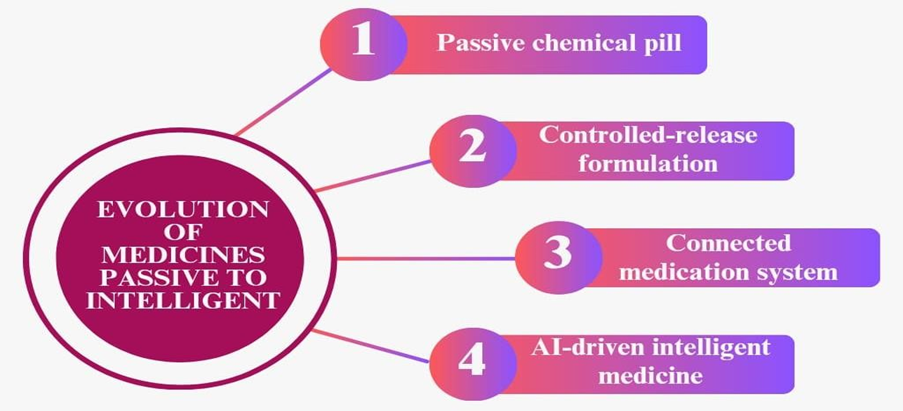
Fig.3: Evolution of Medicines – Passive to Intelligen
DISCUSSION :
Smart medication systems and digital pills are the beginning of a new era in therapeutics, where the traditional drugs are changing into intelligent, self-reporting, adaptive agents able to dynamically interact with human physiology and behavior. By integrating ingestion-verified data, behavioral analytics, integration of wearable sensors, and predictive modeling that is driven by AI, the systems are providing a level of visibility into the behavior of medication adherence, therapeutic response, and lifestyle patterns of patients never before seen. The convergence will enable focused interventions to the utmost precision, prevention of risk beforehand, and real-time optimization of therapy in the treatment of chronic illnesses, mental health, neurology, control of infectious diseases, and clinical research. Besides clinical effectiveness, smart medications also change the traditional relationship between a patient and a clinician-therapy to give more attention to transparency, empowerment, and making data-driven decisions and safeguarding autonomy, privacy, and trust. However, in order to realize their transformative potential, they must be managed under powerful ethical regulations, interoperable regulations, cost-effective implementation, and culturally-competent implementation most of all in the context of diverse healthcare such as in India. With medicines turning into dynamic, adaptive and networked therapeutic ecosystems, they provide the groundwork of a new era of predictive adaptive and patient-centered care, with real-world information constantly informing medicine, reducing adverse events and speeding up the pace of clinical innovation. On this note, digital pills are not simply a technological innovation, but a complete re-thinking of the concept of medicine as such, combining biology, behavior, and artificial intelligence to transform the healthcare delivery and experience across the planett.
SURVEY
1 Awareness and Acceptance of Digital Pill Technology
Summary
This survey presents a very interesting combination of awareness, need, and cautious curiosity about digital pills also referred to as smart medications. Having 57.7 percent of the surveyed people already aware of the concept, it can be concluded that the notion of digital health innovations is slowly making its way into the minds of people. Nevertheless, the results also reveal a chronic lapse in the medication compliance, with 60.4% admitting the occasional failure to take the medication and 25.2% persistently having difficulties. This brings out a major unmet need that the conventional means have not addressed adequately. Positively, 55.9% of them said that they would embrace ingestible tracking technology, with 32.4% of the participants undecided, which indicates that they are in the transition stage between openness and reservations. Majority of respondents (74.7% of those who found digital pills potentially beneficial) and (72.1% of those who believed mobile app reminders useful) thought the combination of technology and treatment would be beneficial and helpful, indicating that the perception of the technology should be viewed as positive and encouraging.
This optimism notwithstanding, there are still serious challenges. The issue of privacy prevails with 45.9% being highly concerned and 41.4 percent being somewhat concerned about sharing health data, which means that trust and the safety of data are the most important factors to be able to accept them. Also, although 64 percent found such value in taking digital pills to treat chronic disorders such as diabetes and high blood pressure, a significant number of people remained unsure that it has value, as improved awareness and clinical trials are needed. The role of cost is also determinant with 49.5 percent saying that it would determine their choice and 37.8 percent not having a choice There were also differences in preferences between digital and conventional medicines, with 43.2% ready to use them when prescribed by a doctor and 33.3% basing on the condition, which shows the need to provide personalized care. In general, as 79.3% of participants think that smart medications are the future of healthcare, the research highlights the fact that the vision is rather optimistic, but its real-life implementation should be supported by overcoming the issues of affordability, trust, and applicability.
2 Assessment of Physicians’ Perception and Acceptance of Digital Pills in Clinical Practice
Summary
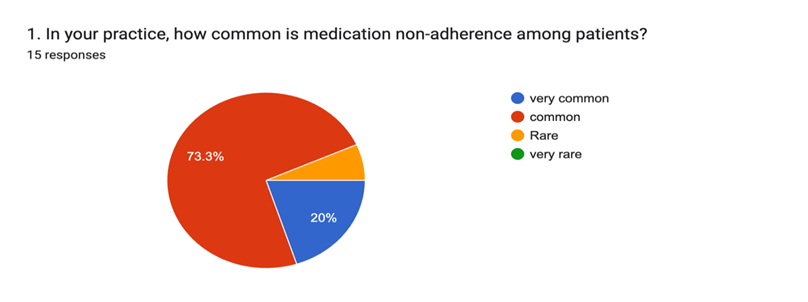
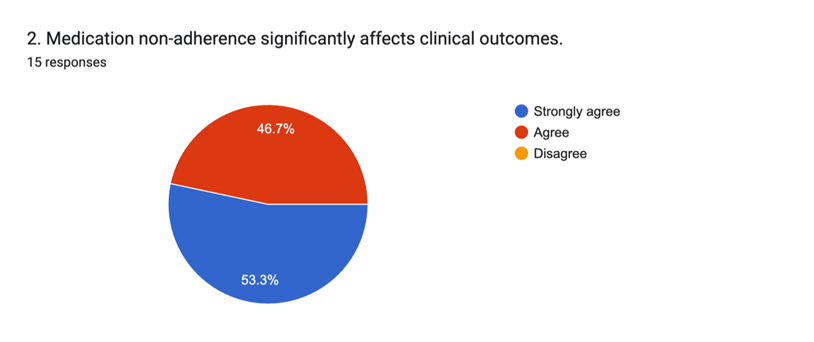
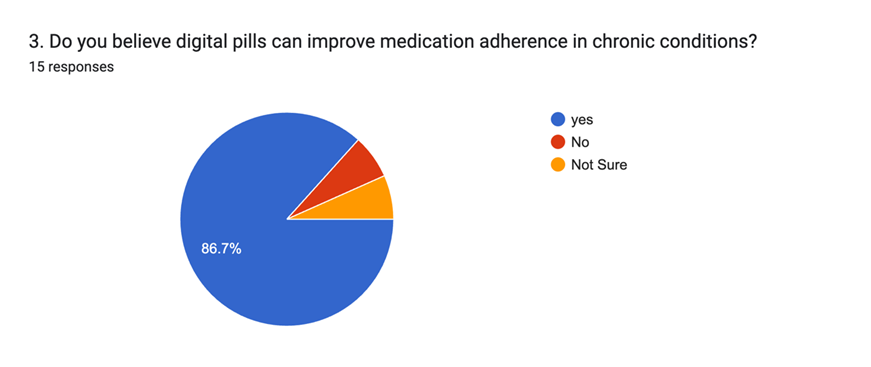
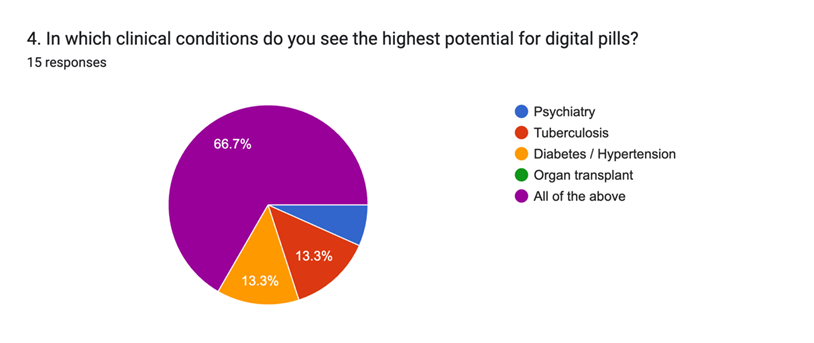
The survey findings point to a recognition of medication non-adherence as a clinical issue by the physicians, with only 6.7% of the surveyed physicians viewing it as rare, but 20% of the surveyed physicians reported that it is very common in their practice, and 73.3% of the surveyed physicians reported that it is common in their practice. Moreover, physicians expressed a unanimous opinion on the negative effect of non-adherence to medication on clinical outcome with a strong agreement of 53.3% and an agreement of 46.7% indicating full agreement between the two. Most (86.7 percent) of the respondents thought that digital pills could enhance drug compliance in chronic illnesses, but only a smaller percentage (6.7 percent) of respondents opposed it and another lower percentage (6.7 percent) of the respondents were undecided. 66.7% of physicians when asked about areas in the clinical setting with the highest potential use of digital pills responded all listed (psychiatric disorders, tuberculosis, diabetes, hypertension, and organ transplantation), whereas 13.3% of physicians responded tuberculosis, 13.3% responded diabetes and hypertension, and 6.7% replied psychiatry, indicating that the technology may be applicable
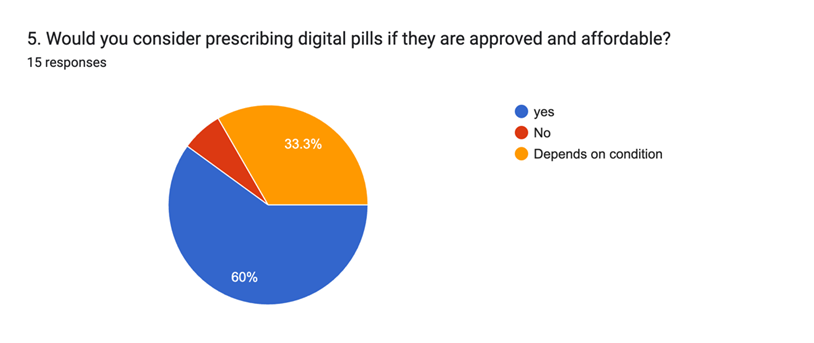
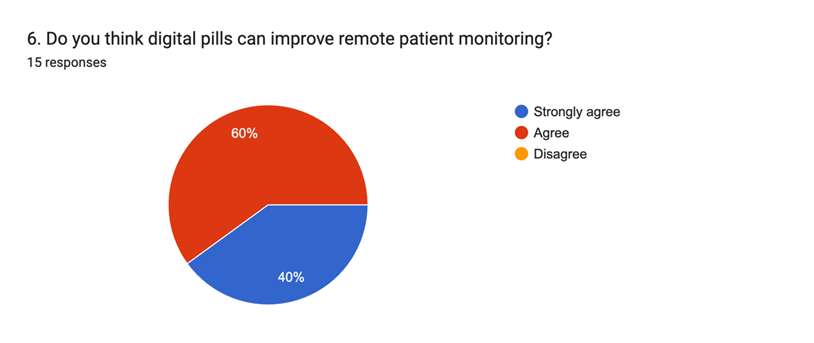
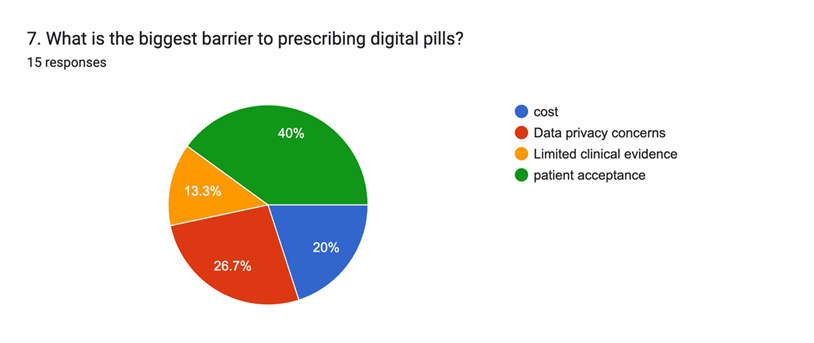
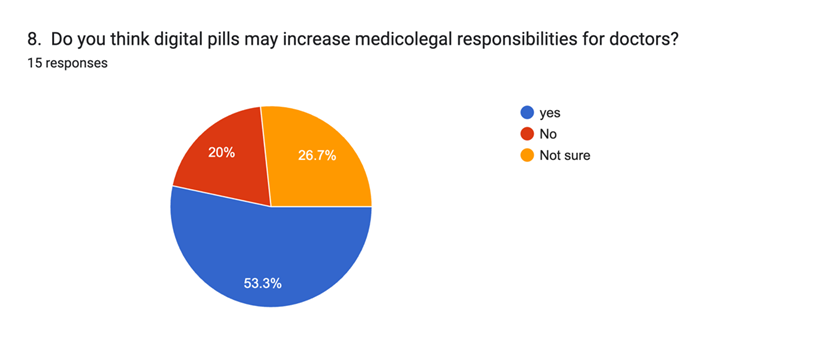
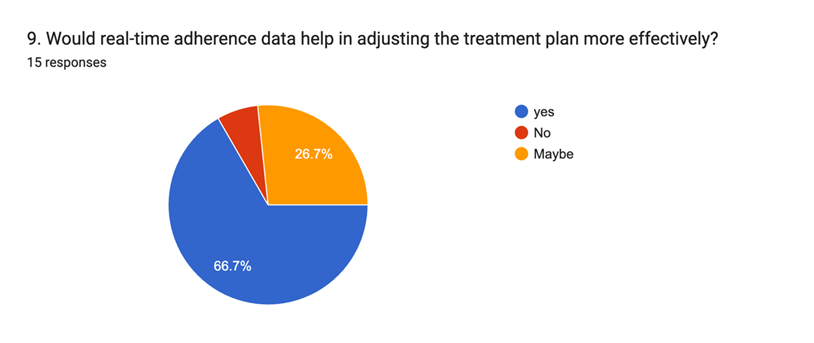
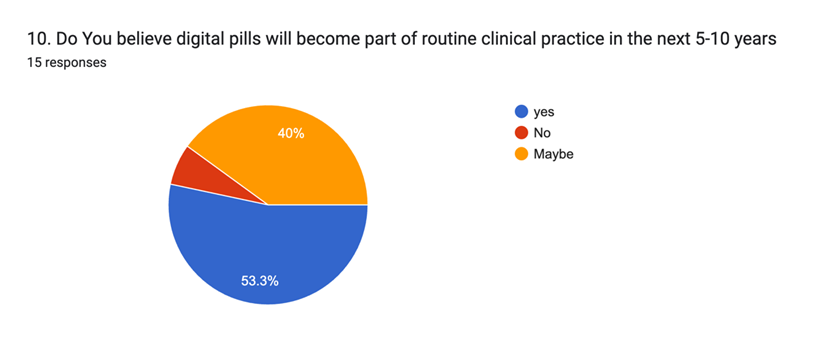
In terms of adoption in practice, two-thirds (60 percent) of physicians said that they would prescribe digital pills to patients in case they are approved and affordable, a third (33.3) said that they would decide based on the clinical situation, and only six point seven percent (6.7) reported that they would not. Concerning remote patient monitoring, 40% of the respondents strongly agreed and 60% agreed that digital pills could enhance patient monitoring outside of the clinical environment, indicating a strong belief in the value of real-time adherence information. The identified barriers to prescribing the digital pills were mainly patient acceptance (40%), data privacy (26.7%), cost (20%), and a shortage of clinical evidence (13.3%). With respect to medicolegal issues, the proportion of physicians who thought that digital pills would augment medicolegal duties was 53.3, those who were not sure was 26.7 and those who did not think that there would be a rise in legal obligations were 20. Moreover, the percentage of respondents that responded that real-time adherence data would be beneficial in the treatment plans adjustment was 66.7 with 26.7 indicating maybe and 6.7 indicating not. Looking forward, the digital pills will be incorporated into everyday clinical practice in the next 5-10 years, 53.3% of physicians thought it would happen, 40% thought it could and 6.7% thought it would not.
In general, the results indicate that the positivity of physicians towards digital pills is high, as large percentages believe that digital pills can be used to positively influence medication adherence, remote monitoring, and improve clinical outcomes. Nevertheless, patient acceptance, cost, privacy issues, and the necessity to find more robust clinical evidence all are vital elements that can be used to make successful changes in integrating this technology into everyday healthcare practice
CONCLUSION :
On the whole, the general results of the surveys conducted by the patient and the physician are a strong inclination towards the digital pills (smart medications) as a good new development in the healthcare system Moderate awareness (57.7) and high interest in using ingestible tracking technology (55.9) among general population indicates that people are slowly coming to accept solutions that are technology-based to enhance medication adherence as 60.4% of people reported that they miss doses occasionally and that 25.2% of people have always had trouble following treatment schedules. Many of the surveyed participants were aware of the possible advantages of adopting mobile apps (72.1%) and digital pills (74.7%) to help in treatment outcomes, and 79.3% considered that smart medications are the future of health care. Nonetheless, privacy (45.9% highly concerned, 41.4% somewhat concerned), cost (49.5%), and uncertainty about the clinical value concerns suggest that there is conditional acceptance based on trust, affordability, and adequate awareness.
Equally, physicians exhibited great awareness of medication non-adherence as a clinical issue with 93.3% of them stating that it is very common or common in their practice. Most (86.7) thought that digital pills would positively influence adherence in chronic diseases and that 100% of people thought that non-adherence has a harmful impact on the treatment outcomes. Physicians were also very optimistic regarding the use of digital pills in remote patient monitoring with 40% strongly agreeing with 60% agreeing on its usefulness. The majority of the respondents (60%), expressed that they would be willing to prescribe digital pills, should they be approved and affordable, and 53.3% estimated the technology would be integrated into the practice of clinical routine within the next 5-10 years. However, obstacles like patient acceptance (40%), privacy (26.7%), cost (20%), and limited clinical evidence (13.3%), are also of concern.
To sum up, the perception of digital pills remains positive on both the patient and physician side, as they realize the potential of digital pills to enhance medication compliance, to provide real-time data and improve patient outcomes, especially in the chronic disease management. Although optimistic, it will have to be widely adopted by overcoming the major challenges such as affordability, protection of data privacy, patient trust, and access to strong clinical evidence. Digital pills can play a significant role in the future personalized and technology-driven healthcare system with proper regulatory support, awareness, and technological advancements.
driven healthcare system with proper regulatory support, awareness, and technological advancements.
REFERENCES:
1. Browne, S.H., Ramuzat, A., Digital pills and medication adherence, Clinical Pharmacology & Therapeutics, 2015, 97(2), pp. 109–111.
2. Chai, P.R., et al., Ingestible sensors for medication adherence, The Lancet Digital Health, 2017, 1(1), pp. e2–e3.
3. Steinhubl, S.R., et al., Digital medicine and cardiovascular care, Circulation, 2015, 131(11), pp. 1034–1042.
4. World Health Organization, Adherence to long-term therapies, World Health Organization, 2021.
5. Topol, E., Deep Medicine: How Artificial Intelligence Can Make Healthcare Human Again, Basic Books, 2019.
6. Mamun, A., Cook, D.J., Ghasemzadeh, H., AIMI: Leveraging personalization in sparse event forecasting for treatment adherence, arXiv, 2025.
7. Sabarinath, S.S., Shyam Sathish, C.S., Vidhyasagar, R.S., Digital pill to monitor medication adherence, IJERT, 2019.
8. Smith, J., Doe, A., Digital pills: Enhancing patient outcomes through innovative medication management, Computers in Biology and Medicine, 2025, 196.
9. Suthar, G., Choudhary, B., Lal, M., Lal, G., Digital pills and smart drug delivery systems: A comprehensive review, The Pharmaceutical and Chemical Journal, 2025, 12(4), pp. 129–133.
10. International Journal of Engineering Research & Technology, Smart pills and ingestible sensors for real-time health monitoring: A patient landscape and overview, IJERT, 2024, 13(06).
11. IEEE, RFID-based health adherence medicine case using fair federated learning, arXiv, 2024.
12. Springer Nature, Digital pills: A scoping review and analysis of ethical aspects, BMC Medical Ethics, 2019.
13. Digital Health Center of Excellence, Regulatory pathways for digital pills: FDA De Novo and real-world data requirements, Wireless-Life Sciences Alliance, 2025.
14. Journal of Medical Internet Research, Acceptability and willingness to take digital pills, JMIR, 2022.
15. Research and Markets, Artificial Intelligence (AI)-Enhanced Medication Adherence Sensor Global Market Report 2025, 2025.
16. PubMed, Digital pills: Enhancing patient outcomes through innovative medication management, 2025.
17. PubMed, Ingestible electronic sensors to measure instantaneous medication adherence, 2022.
18. Vrijens, B., Digital pills for measuring adherence, AARDEX Group, 2022.
19. Batra, S., Baker, R.A., Wang, T., Forma, F., DiBiasi, F., Digital pill, Wikipedia, 2025. 20) Decentralized Clinical Trial, Wikipedia, 2025.
20. MDPI, Biosensing technology to track adherence: A literature review, 2025, 9(10), pp. 1339.
21. Digital Health Journal, Clinical outcomes and patient satisfaction with digital pills, Elsevier, 2025.
22. Digital Therapeutics Today, Integration of digital pills with telehealth for chronic disease care, 2025.
23. Chronic Care Journal, Digital adherence technologies in cardiovascular diseases, 2024. 25) Lancet Digital Health, Digital pill systems in global health contexts, 2025.
24. JAMA Network, Clinical implementation of ingestible sensors for therapy monitoring, 2024.
25. Sabarinath, S.S., et al., Real-time adherence monitoring using digital pills, IJERT, 2019.
26. Research Trends, AI-enhanced medication adherence sensors and global health implications, 2025.
27. Clinical Trials and Digital Therapeutics, Digital pill systems in chronic disease monitoring, 2024.
28. Wireless-Life Sciences Alliance, Digital pills: Technology, evidence, and clinical impact, 2025.
29. PubMed, Bibliometric analysis and clinical efficacy evidence of digital pills, 2025.
30. IJERT, Digital Pills: Present technology and future potential, 2022.
31. IJERT, Smart sensor accuracy improvements for digital pills and future directions, 2024.
32. Health Informatics Review, Human-centered solutions for adherence and caregiver support, arXiv, 2025.
33. Pharma Regulation Review, Policy and ethical considerations for digital pills in global health, 2025.
34. International Journal of Novel Research and Development, Exploring the efficacy of smart pills in nursing care, IJNRD, 2024, 9(6).
35. PubMed, Digital Pills with Ingestible Sensors: Patent landscape analysis, 2023.
36. AARDEX Group, Efficacy of digital pills compared to traditional adherence methods, 2022.
37. IJNRD, Digital pill technology and nursing care innovation, 2025.
38. PubMed, Narrative review: Ingestible sensors for adherence measurement, 2022.