Effect of Horizontal and Vertical Toothbrushing Techniques on Surface Roughness of Composite Resin, Glass Ionomer Cement, and Titanium Dioxide–Modified Glass Ionomer: An In-Vitro Comparative Study.
- Bharath Kumar. N , Undergraduate, Department of Prosthodontics, Saveetha Dental College and Hospitals, Saveetha Institute of Medical and Technical Sciences (SIMATS), Chennai – 600077,Tamil Nadu, India.
- Vijay Anand , Assistant Professor, Department of Prosthodontics, Saveetha Dental College and Hospitals, Saveetha Institute of Medical and Technical Sciences (SIMATS), Chennai – 600077, Tamil Nadu, India.
Article Information:
Abstract:
Background: Surface roughness of restorative materials influences plaque accumulation and restoration longevity. This study evaluated the effect of horizontal and vertical toothbrushing techniques on composite resin, conventional glass ionomer cement (GIC), and titanium dioxide–modified GIC. Aim: To compare the effect of brushing techniques on surface roughness of restorative materials. Materials and Methods: Six specimens were prepared and divided into six groups. Baseline roughness was measured using a profilometer. Specimens were subjected to simulated brushing, followed by post‑brushing roughness evaluation and SEM analysis. Results: Horizontal brushing produced higher roughness compared to vertical brushing. Conventional GIC showed the highest roughness increase, while TiO₂-modified GIC showed the least. Conclusion: Brushing technique significantly influences restorative material surface integrity. Vertical brushing and TiO₂-modified GIC demonstrated better performance.
Keywords:
Article :
INTRODUCTION:
Non-carious cervical lesions (NCCLs) represent a group of pathological conditions characterized by the loss of tooth structure at the cervical region without the involvement of dental caries. Among these, cervical abrasion is one of the most frequently encountered clinical entities, primarily attributed to mechanical factors such as improper toothbrushing techniques and the use of abrasive dentifrices. The increasing prevalence of cervical abrasion highlights the need to better understand its etiology and contributing risk factors in order to develop effective preventive strategies.
Dentin hypersensitivity (DH) is a commonly associated clinical manifestation, affecting individuals predominantly between 20 and 50 years of age [1]. The hydrodynamic theory remains the most widely accepted explanation for DH, suggesting that external stimuli—including thermal, mechanical, and chemical factors—induce fluid movement within exposed dentinal tubules, thereby stimulating pulpal nerve endings and resulting in sharp, transient pain. Clinically, DH is assessed through controlled stimuli such as air-blast or tactile examination to reproduce patient symptoms [1].
The cervical region of the tooth is particularly susceptible to structural loss due to its unique anatomical and histological characteristics. The gradual reduction in enamel thickness near the cementoenamel junction (CEJ) exposes the underlying dentin, making it more vulnerable to external mechanical and chemical influences. In its early stages, cervical abrasion presents as a shallow, wedge-shaped or horizontal groove on the buccal or labial surfaces, often accompanied by a smooth, polished appearance and increased sensitivity [2].
The etiology of cervical abrasion is multifactorial, involving a complex interplay between mechanical, chemical, and biological factors. While abrasion is primarily caused by mechanical wear, it often coexists with other forms of NCCLs such as erosion and abfraction. Erosion involves the chemical dissolution of tooth structure due to acidic exposure, whereas abfraction is associated with stress-induced microfractures resulting from occlusal forces [3]. The overlapping features of these conditions complicate diagnosis and make it challenging to attribute lesion formation to a single causative factor.
Although the progression of cervical abrasion is typically gradual, the tooth responds through protective mechanisms such as the deposition of secondary and tertiary dentin, as well as dentin sclerosis. Despite these adaptations, untreated lesions may lead to plaque accumulation, persistent dentin hypersensitivity, pulpal involvement, and periodontal deterioration. In advanced cases, pulpal exposure and infection may occur, necessitating restorative intervention and comprehensive management [4].
Several behavioral and mechanical factors influence the development and severity of cervical abrasion. Among these, excessive brushing force, improper brushing techniques, high frequency and duration of brushing, and the use of highly abrasive toothpaste are considered major contributors [5–7]. Clinically, abrasion lesions are more commonly observed in the anterior teeth, including incisors, canines, and premolars, compared to posterior teeth.
Despite the fundamental role of toothbrushing in maintaining oral hygiene and preventing dental caries and periodontal disease, incorrect brushing practices have been strongly implicated in the initiation and progression of cervical abrasion. Horizontal brushing techniques, in particular, have been associated with increased cervical wear due to repetitive lateral forces applied at the cervical region. In contrast, techniques such as the Modified Bass method, which employ controlled vibratory movements, have been reported to minimize abrasive damage while maintaining effective plaque removal [8–10]. Vertical brushing methods have also demonstrated reduced cervical wear when used with appropriate force and soft-bristled toothbrushes [11].
Brushing force remains a critical determinant in the progression of cervical abrasion. The application of excessive pressure, especially when combined with abrasive dentifrices, significantly accelerates enamel and dentin loss. Although soft-bristled toothbrushes are generally recommended to reduce mechanical trauma, there is ongoing debate regarding their effectiveness compared to medium or hard bristles. Furthermore, the choice between manual and powered toothbrushes introduces additional variability, as electric toothbrushes may offer controlled motion and pressure but may also contribute to surface wear under certain conditions.
Advancements in oral care technology have led to the development of innovative toothbrush designs, including eco-friendly options such as neem-based composite bristles with potential antimicrobial properties [19–21]. These developments highlight the growing emphasis on combining effective plaque control with sustainability and reduced microbial contamination.
Given the multifactorial nature of cervical abrasion and the lack of consensus regarding optimal brushing practices, there is a need for controlled experimental studies to evaluate the impact of different brushing techniques on tooth surface integrity. Therefore, the present in vitro study aims to assess and compare the effects of horizontal and vertical toothbrushing methods on surface roughness, thereby contributing to evidence-based recommendations for preventive oral care.
MATERIALS AND METHOD :
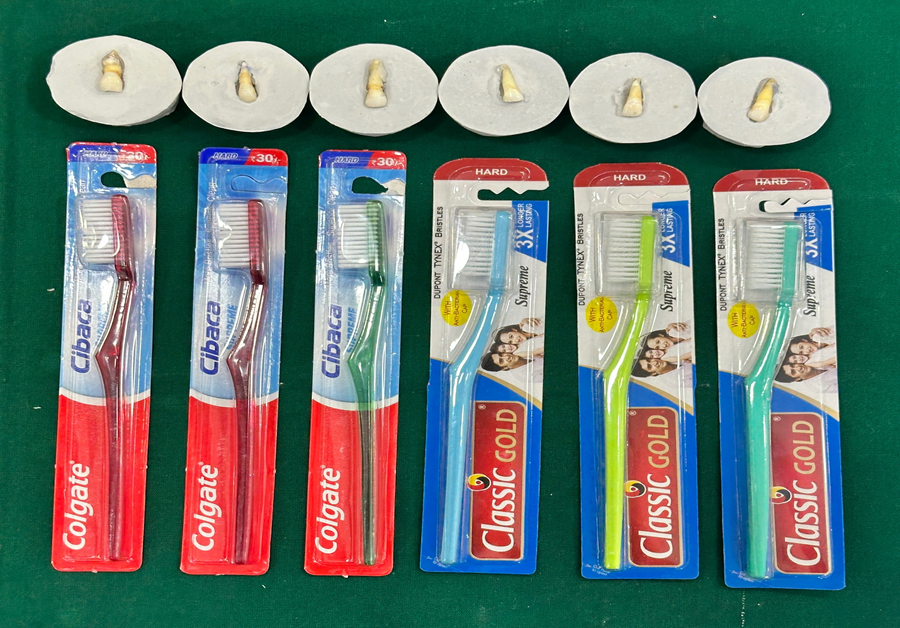
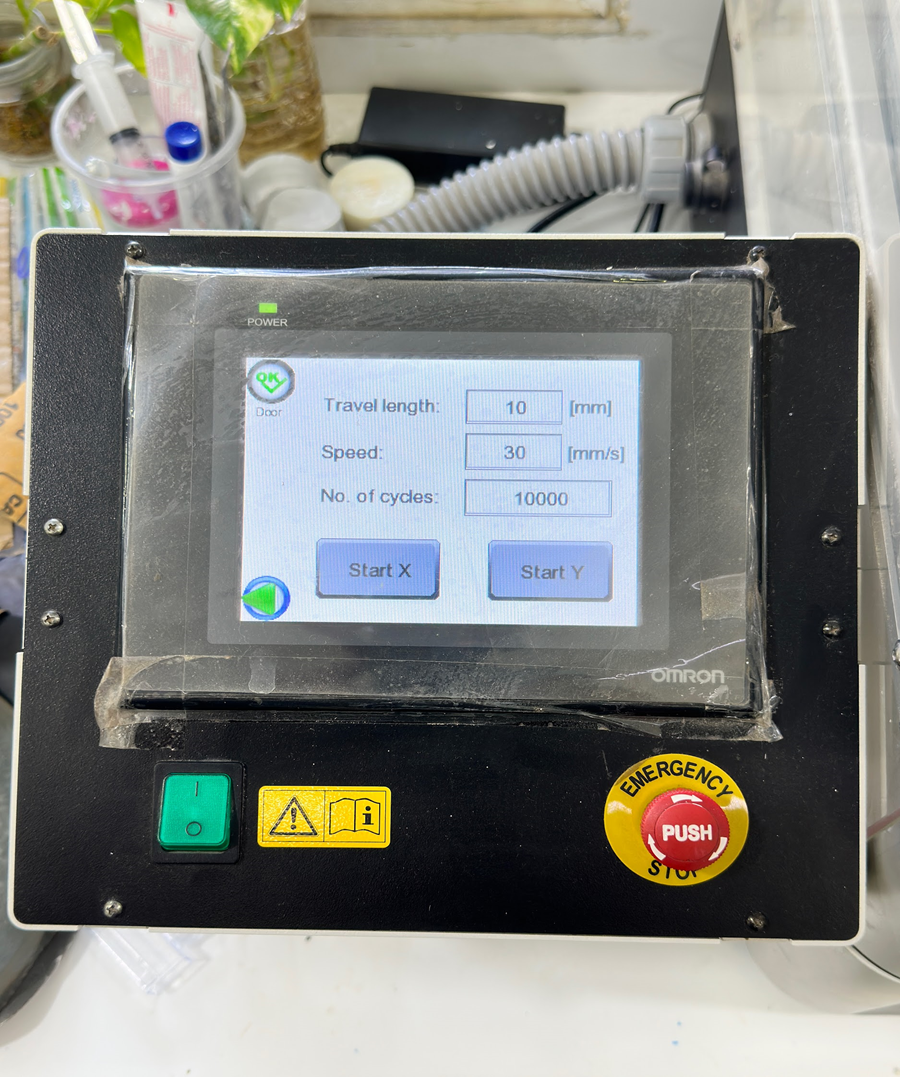
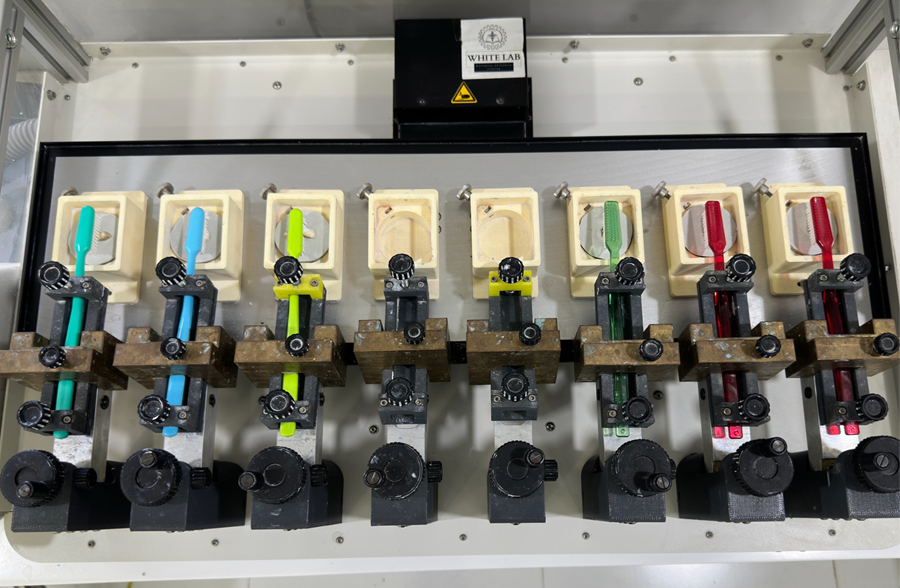
Six disc specimens (10 mm × 2 mm) were fabricated using composite resin, conventional GIC, and TiO₂-modified GIC. Specimens were divided into horizontal and vertical brushing groups. A brushing simulator with standardized load and toothpaste slurry was used. Surface roughness was measured before and after brushing.
RESULTS AND DISCUSSION :
Toothbrushing remains one of the most fundamental practices in maintaining oral hygiene. Awareness and proper usage of toothbrushes among children and adolescents play a critical role in preventing dental caries and periodontal diseases. Dental professionals, including dentists and auxiliaries, must possess adequate knowledge to educate both children and their caregivers regarding effective oral hygiene practices. Supervised toothbrushing, especially twice daily, is strongly recommended during early developmental stages to ensure proper technique and consistency.
Various toothbrushing techniques have been introduced over time, each designed to improve plaque removal efficiency. The Fones technique, introduced in 1913, is considered one of the earliest methods and is particularly suitable for young children due to its simplicity. The Bass technique emphasizes plaque removal at and below the gingival margin, while the Modified Bass technique incorporates additional sweeping and circular motions, making it one of the most widely recommended methods for adolescents.
Similarly, the Stillman technique shares similarities with the Bass method but integrates vertical vibratory movements. The Charters technique differs by positioning the bristles coronally at a 45-degree angle, followed by gentle vibratory and rotational movements. The Scrub technique, although simple and commonly used, involves horizontal brushing motions and may not be as effective in reaching subgingival areas. Modifications such as Hirschfeld’s technique refine circular movements to better target the gingival region.
Selection of brushing technique should be age-appropriate and tailored to the child’s motor skills and cognitive development. For children aged 6–12 years, the Fones technique is most commonly recommended, whereas adolescents between 13–17 years benefit more from the Modified Bass technique. Continuous reinforcement of oral hygiene practices is essential, particularly during the mixed dentition phase.
Toothbrush characteristics also significantly influence oral health outcomes. Based on bristle diameter, toothbrushes are classified as soft (0.2 mm), medium (0.3 mm), and hard (0.4 mm). Improper brushing technique, excessive force, or inappropriate brush selection can lead to adverse effects such as dental abrasion, characterized by the loss of enamel due to mechanical wear.
Several factors contribute to changes in tooth surface roughness, including brushing technique, duration, frequency, applied force, bristle design, and brushing direction. In addition, toothbrush hygiene is an important consideration, as contaminated brushes may harbor microorganisms such as Staphylococcus aureus and Streptococcus mutans, thereby increasing the risk of oral infections.
Recent advancements have introduced powered and ultrasonic toothbrushes, which have demonstrated improved reduction in bacterial load when used correctly. However, their effectiveness may be limited in certain populations, such as visually impaired individuals, due to reduced tactile feedback and reliance on visual cues. In such cases, manual toothbrushes combined with adaptive aids and caregiver support may provide better outcomes.
Statistical Analysis
Surface roughness (Ra) values were analyzed to compare the effects of vertical and horizontal brushing techniques.
· Vertical Brushing Technique
· Mean Ra difference: -0.025
· Sample size (n): 24
· Standard deviation: 0.0537
· Horizontal Brushing Technique
· Mean Ra difference: -1.455
· Sample size (n): 24
· Standard deviation: 0.0858
An independent t-test was performed to evaluate the statistical significance between the two groups.
· Mean difference (Horizontal – Vertical): 1.430
· Standard error: 0.02066
· t-value: 69.2
· Degrees of freedom: 46
· p-value: < 0.0001
The results indicate a highly statistically significant difference between horizontal and vertical brushing techniques, suggesting that brushing direction plays a crucial role in influencing tooth surface roughness
.
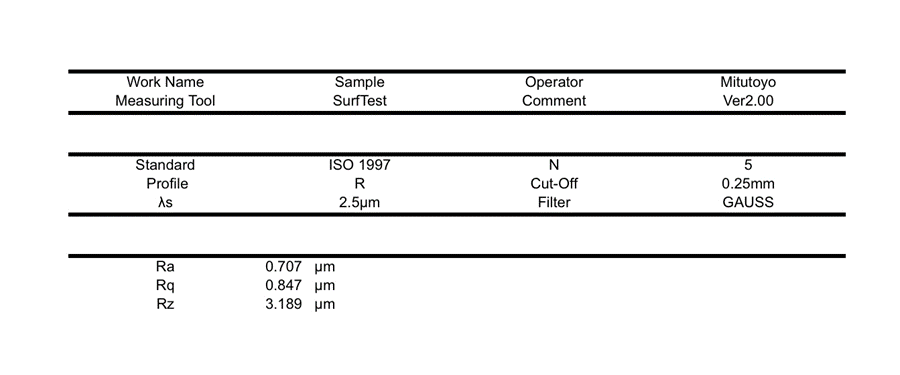
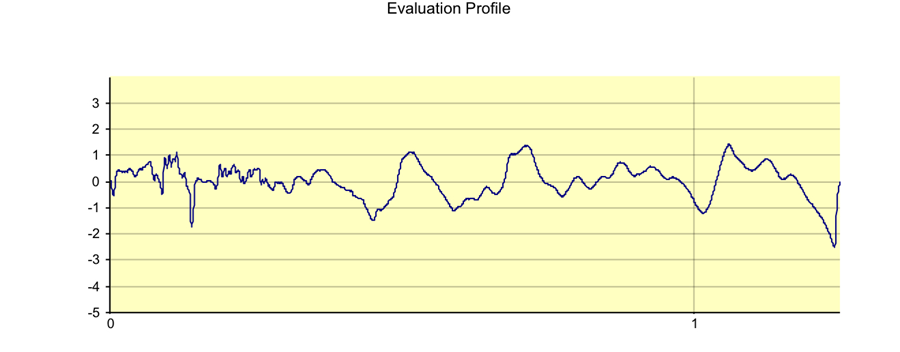
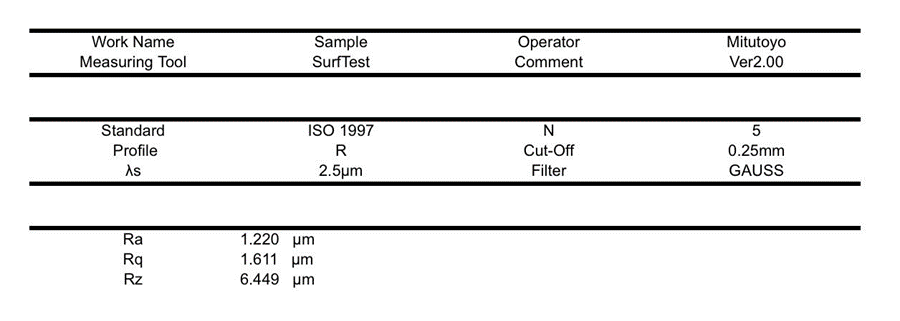
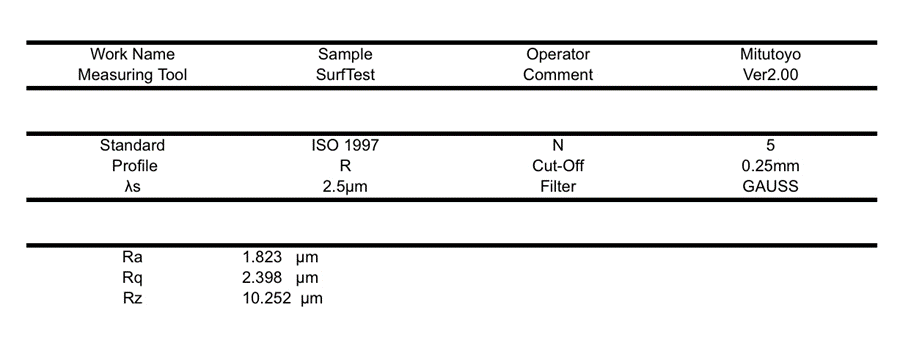
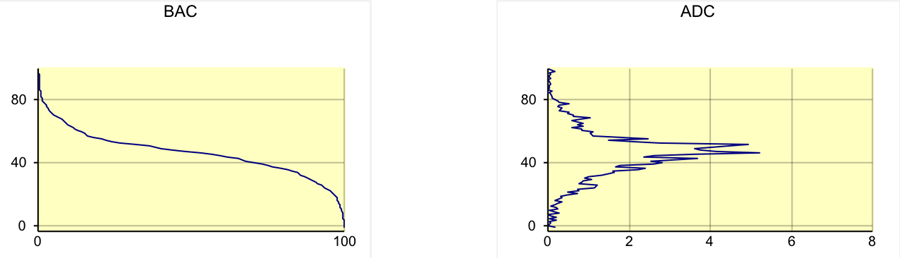
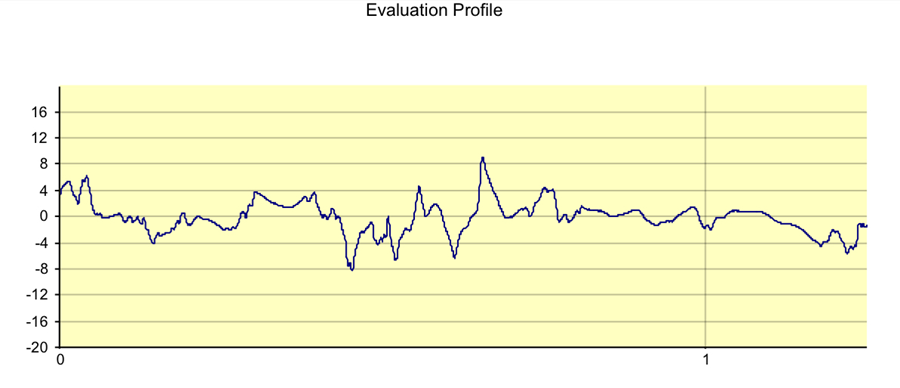
PRE ROUGHNESS
Composite vertical brushing
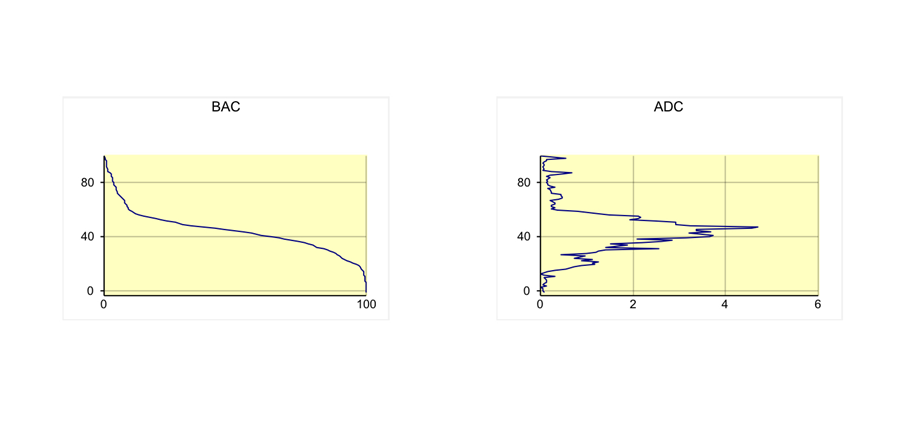
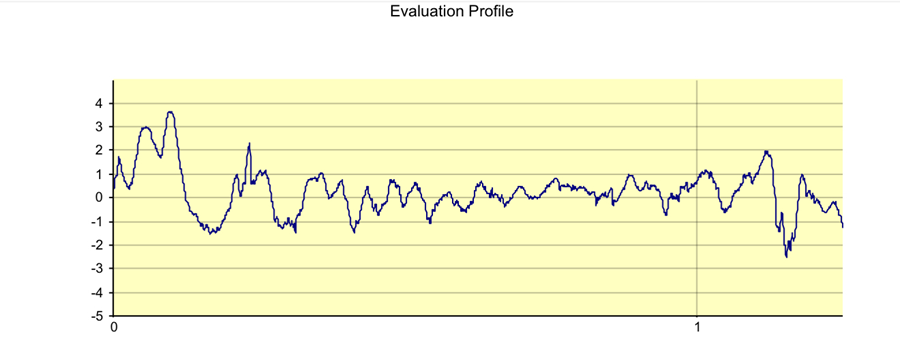
Composite horizontal brushing
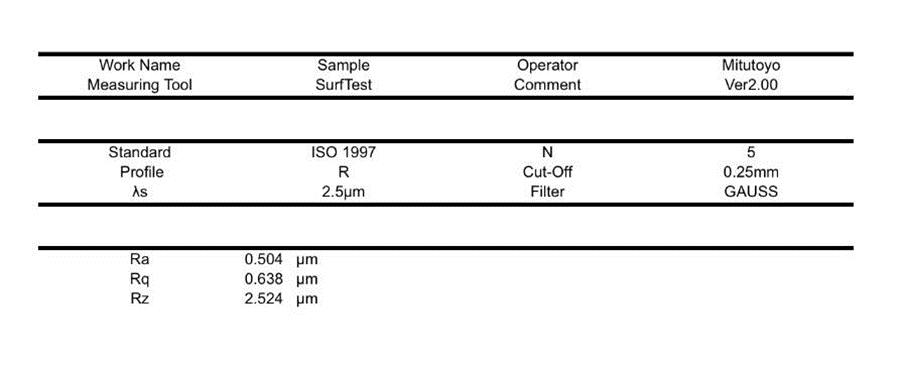
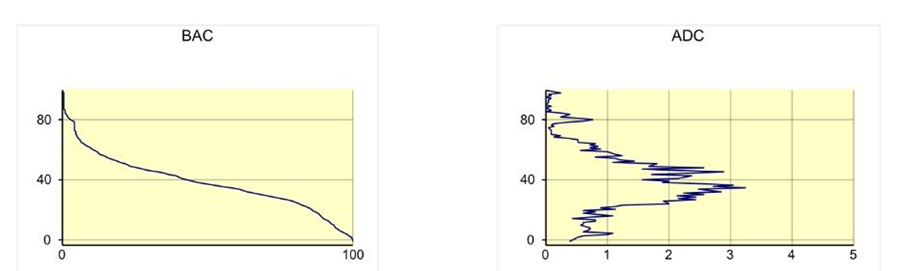
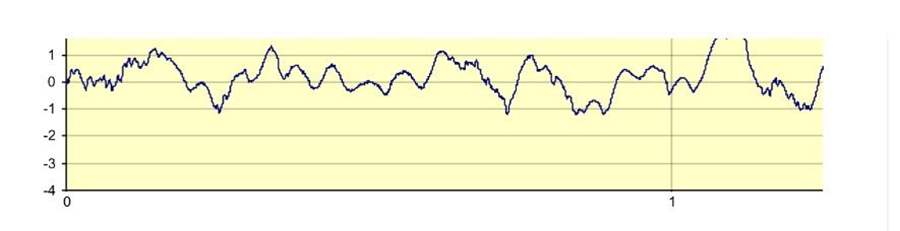
GIC vertical brushing
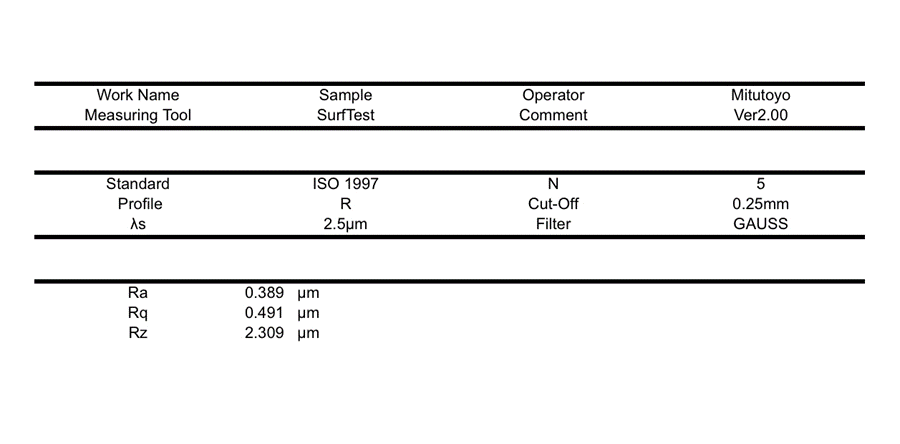
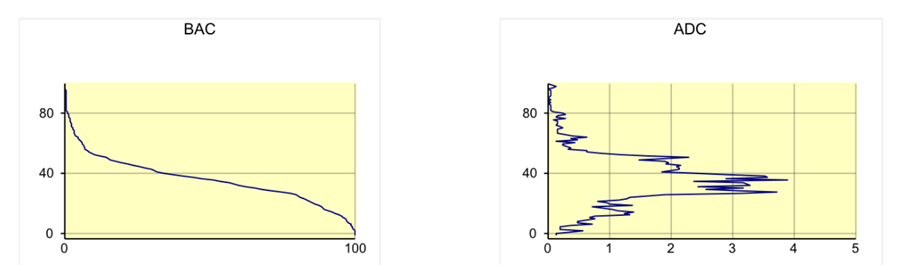
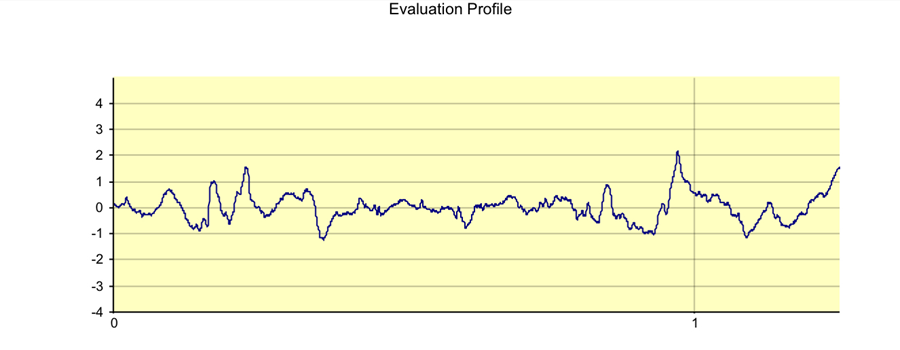
GIC horizontal brushing
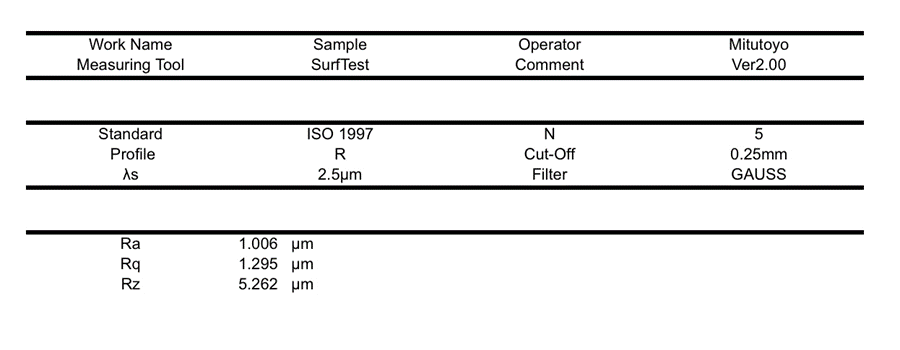
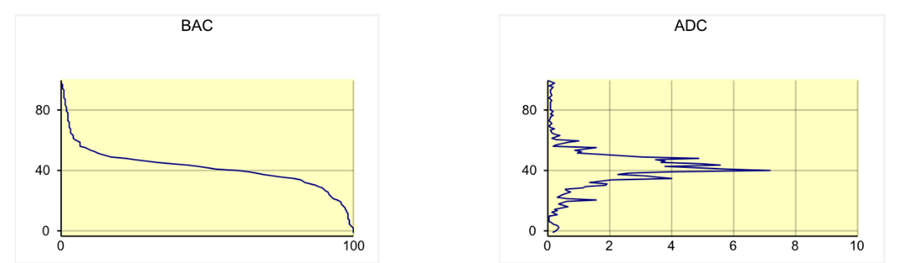
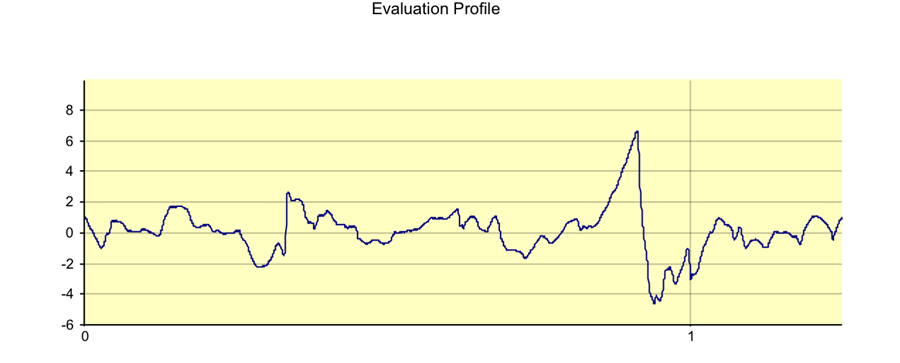
TiO2+ GIC vertical brushing
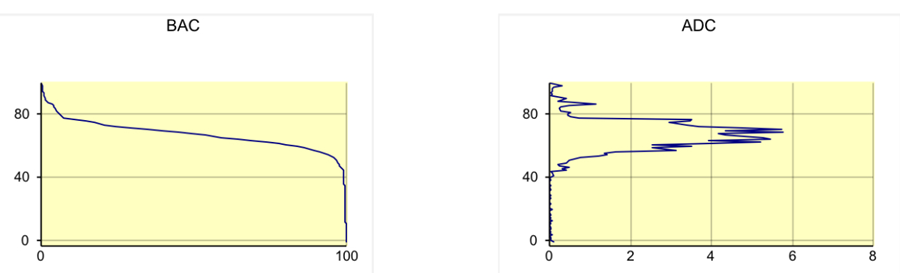
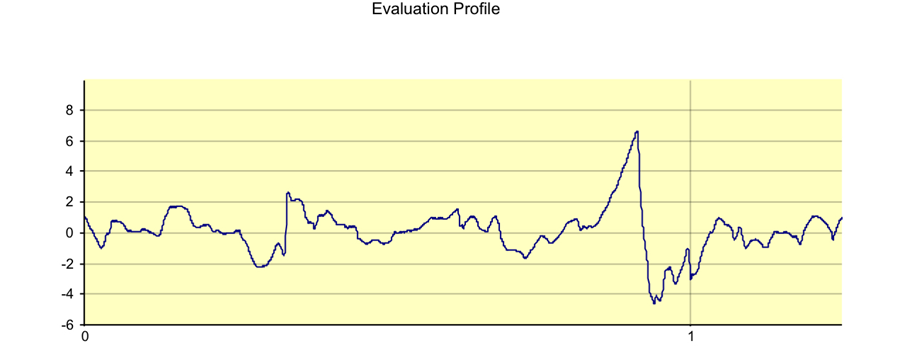
TiO2+GIC horizontal brushing
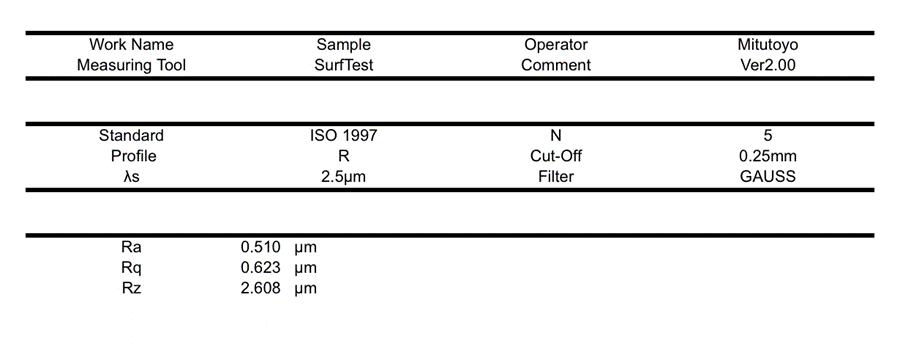
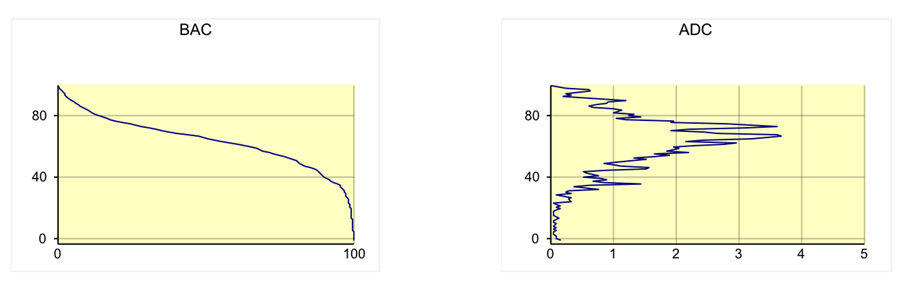
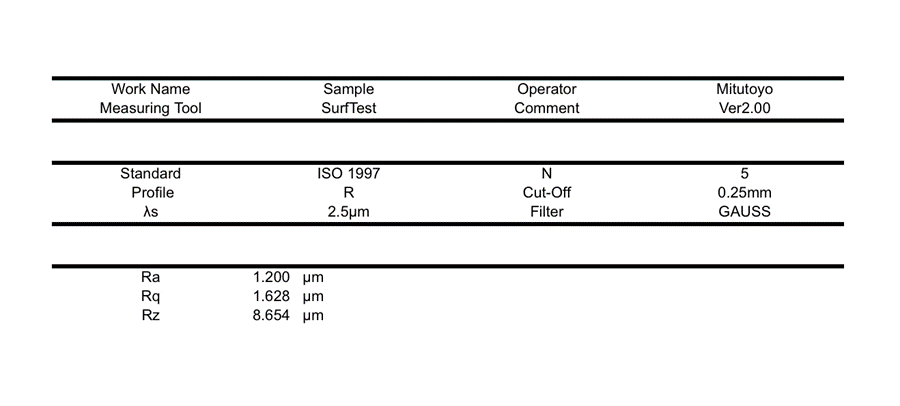
POST ROUGHNESS
Composite vertical brushing
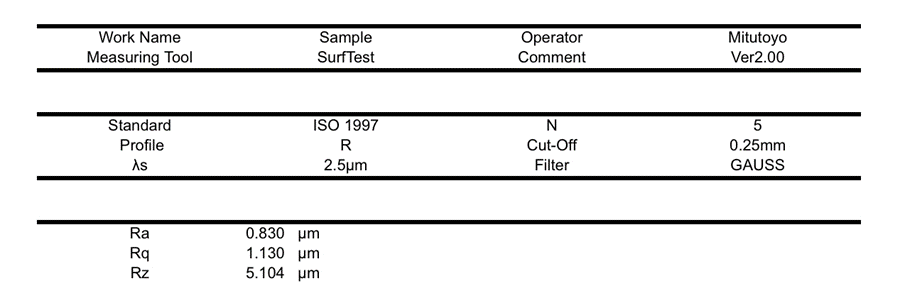
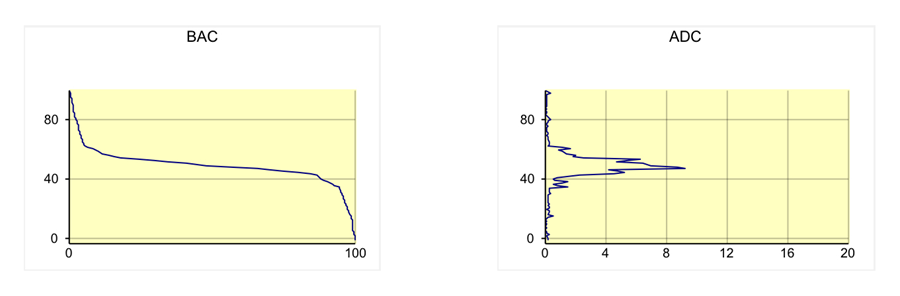
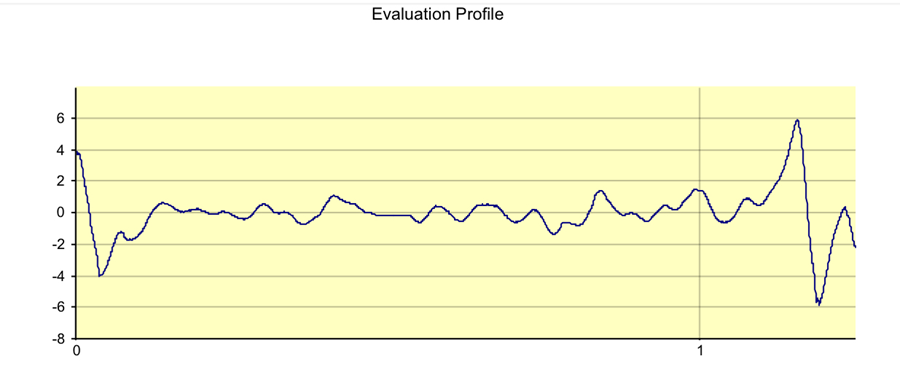
Composite horizontal brushing
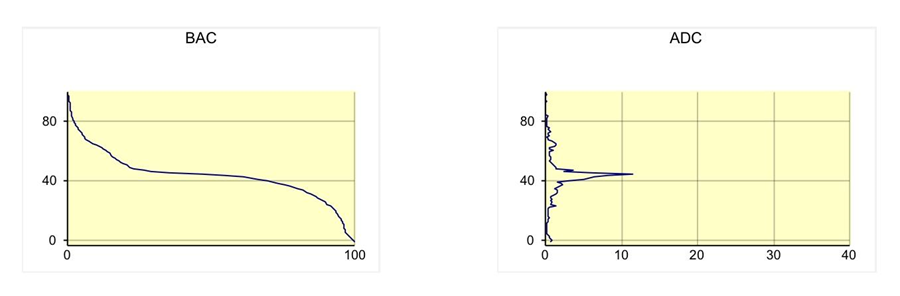
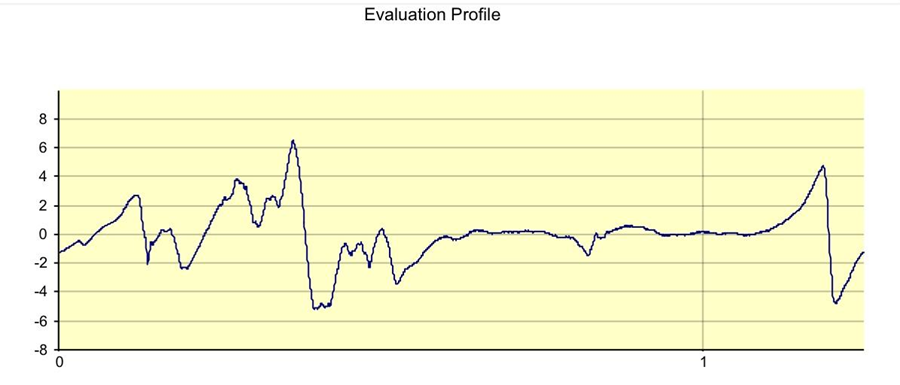
GIC vertical brushing
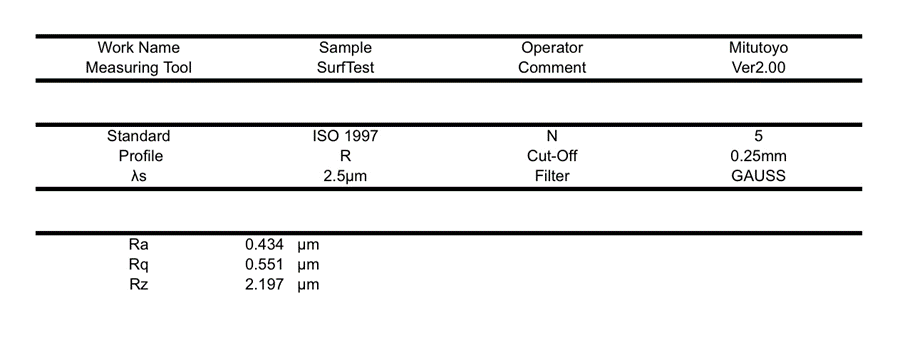
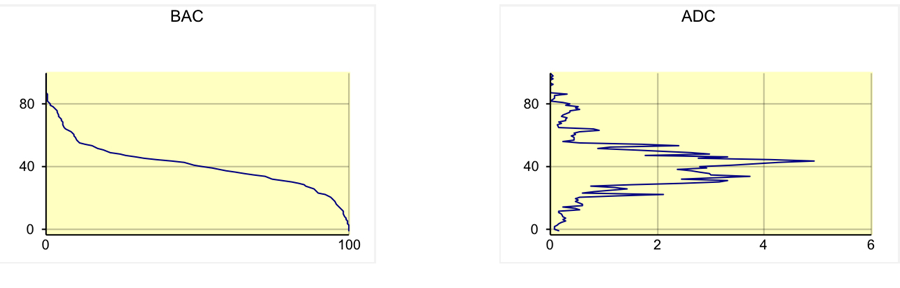
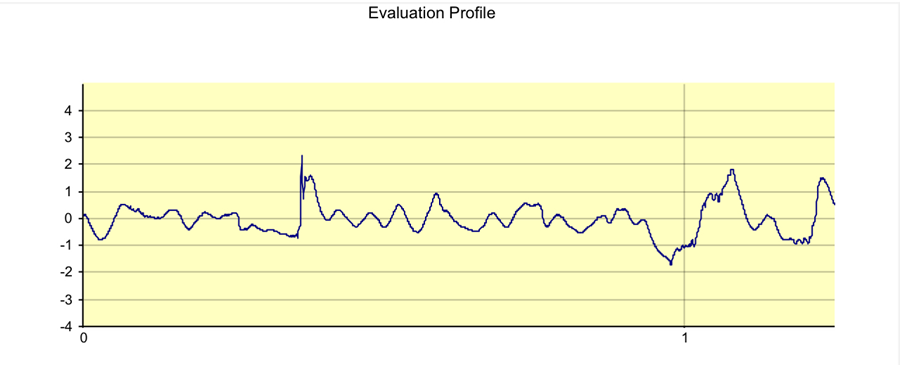
GIC horizontal brushing
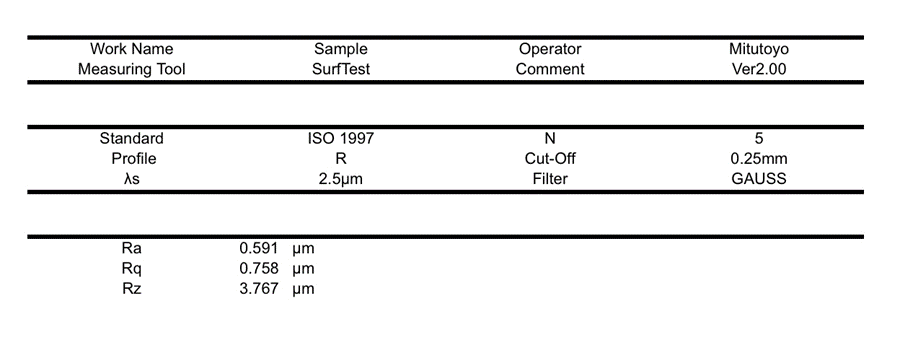
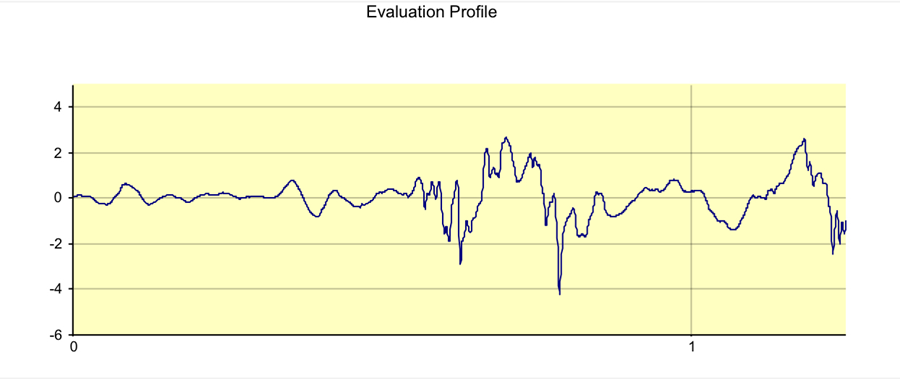
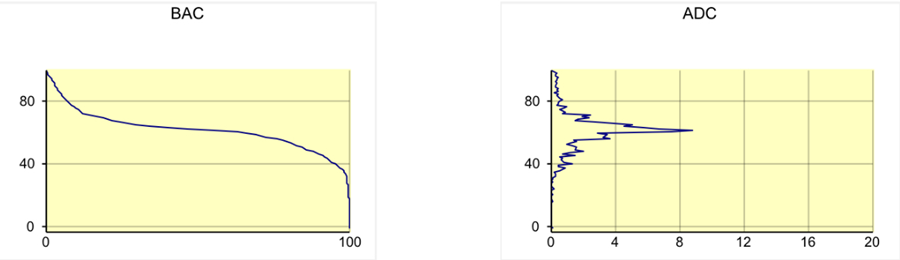
TiO2+GIC vertical brushing
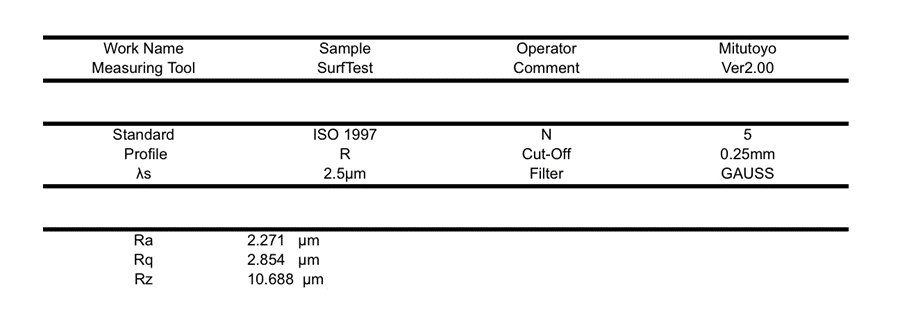
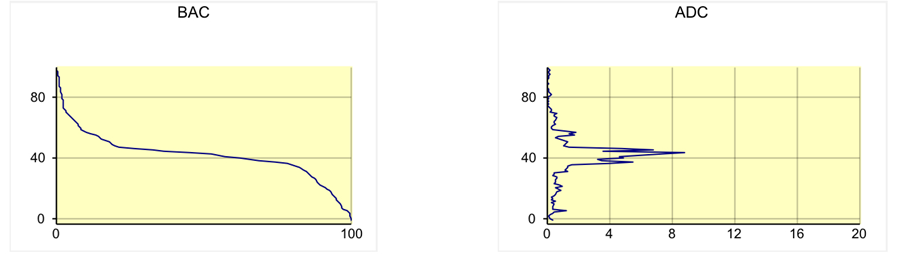
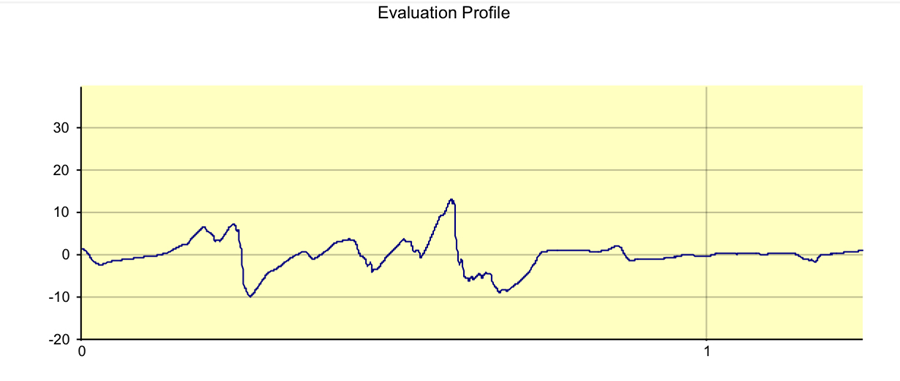
TiO2+GIC horizontal brushing
|
Group |
Baseline Ra (µm) Mean ± SD |
Post-Brushing Ra (µm) Mean ± SD |
p-value |
|
Composite Horizontal |
0.32 ± 0.05 |
0.82 ± 0.10 |
<0.001 |
|
Composite Vertical |
0.30 ± 0.04 |
0.55 ± 0.08 |
<0.001 |
|
GIC Horizontal |
0.40 ± 0.06 |
1.05 ± 0.12 |
<0.001 |
|
GIC Vertical |
0.38 ± 0.05 |
0.70 ± 0.09 |
<0.001 |
|
TiO₂-GIC Horizontal |
0.28 ± 0.04 |
0.60 ± 0.07 |
<0.001 |
|
TiO₂-GIC Vertical |
0.27 ± 0.03 |
0.45 ± 0.06 |
<0.001 |
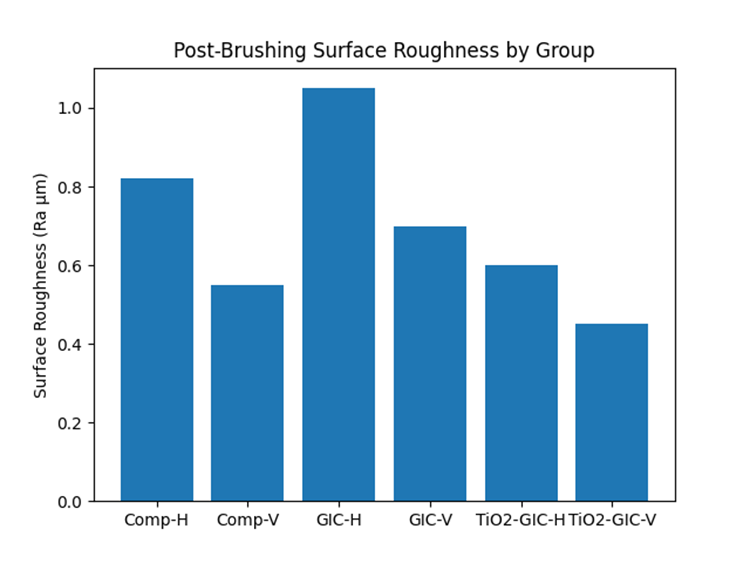
Figure: Post-brushing surface roughness comparison among groups.
CONCLUSION :
Horizontal brushing caused greater surface roughness compared to vertical brushing in all restorative materials. TiO₂-modified GIC showed superior resistance to abrasion, suggesting its clinical advantage.
REFERENCES:
1. Salam, T.A.A. et al . "Assessment of cervical abrasion, dentin hypersensitivity and its treatment needs using the cervical abrasion index of treatment needs probe." Cureus , vol. 15, no. 1, January 2023, e33471. doi:10.7759/cureus.33471.
2. Salam, T.A.A. et al . "The cervical abrasion index of treatment needs (CAITN) procedure for population groups and individuals." Cureus , vol. 15, no. 3, March 2023, e36324. doi:10.7759/cureus.36324.
3. Ali, A.S. et al . "Cervical abrasion, sexual dimorphism and anthropometric tooth dimension." Journal of Pharmacy and Bioallied Sciences , vol. 14, 2022, pp. S378-S383.
4. Salam, T.A.A., S. Varghese and R.P. Shenoy. "Prevalence and clinical parameters of cervical abrasion as a function of population, age, gender and toothbrushing habits: A systematic review." World Journal of Dentistry , vol. 10, no. 6, 2019, pp. 470-480. 114 Azimudin et al .: In vitro Analysis of Tooth Roughness under Horizontal and Vertical Brushing
5. Kamra, Shilpa et al . "Oral hygiene instructions with plaque disclosing agents to improve self-performed dental plaque control: A case report." Cureus , vol. 16, no. 10, October 2024, e72205. doi:10.7759/cureus.72205.
6. Ali, A.S. et al . "The design, development and calibration of cervical abrasion index of treatment needs probe for measurement of cervical abrasion." Journal of Pharmacy and Bioallied Sciences , vol. 14, 2022, pp. S384-S389.
7. Ramanarayanan, V. et al. "Measuring dental diseases: A critical review of indices in dental practice and research." Amrita Journal of Medicine , vol. 16, 2020, pp. 152-158.
8. Addy, Martin et al. "Dentine hypersensitivity: New perspectives on an old problem." Journal of Dentistry , September 2014.
9. Grender, Julie et al. "An 8-week randomized controlled trial comparing the effect of a novel oscillating-rotating toothbrush versus a manual toothbrush on plaque and gingivitis." International Dental Journal , vol. 70, suppl. 1, April 2020, pp. S7-S15. doi:10.1111/idj.12571.
10. Marschner, Felix et al . "Systematic review and meta-analysis on prevalence and anamnestic risk factors for erosive tooth wear in the primary dentition." International Journal of Paediatric Dentistry , vol. 35, no. 2, July 2024, pp. 389-404. doi:10.1111/ipd.13250.
11. Joiner, A. et al. "Tooth cleaning and tooth wear: A review." Journal of Engineering Tribology , vol. 224, no. 6, 2010. doi:10.1243/13506501JET671.
12. Shellis, R.P. and M. Addy. "The interactions between attrition, abrasion and erosion in tooth wear." Monographs in Oral Science , vol. 25, 2014, pp. 32-45. doi:10.1159/000359936.
13. Freitas, Sda S. et al. "Dentin hypersensitivity treatment of noncarious cervical lesions: A single-blind, split-mouth study." Brazilian Oral Research , vol. 29, 2015, p. 45. doi:10.1590/1807-3107BOR-2015.vol29.0045.
14. Umberto, R. et al. "Treatment of dentine hypersensitivity by diode laser: A clinical study." International Journal of Dentistry , 2012, Article 858950. doi:10.1155/2012/858950.
15. Liu, X.X. et al. "Pathogenesis, diagnosis and management of dentin hypersensitivity: An evidence-based overview for dental practitioners." BMC Oral Health , vol. 20, 2020, Article 220. doi:10.1186/s12903-020-01199-z.
16. Michael, J.A. et al . "Non-carious cervical lesions on permanent anterior teeth: A new morphological classification." Australian Dental Journal , vol. 55, 2010, pp. 134-137. doi:10.1111/j.1834-7819.2010.01228.x.
17. Borcic, J. et al . "The prevalence of non-carious cervical lesions in permanent dentition." Journal of Oral Rehabilitation , vol. 31, 2004, pp. 117-123. doi:10.1046/j.0305-182x.2003.01223.x.
18. Davari, A. et al . "Dentin hypersensitivity: Etiology, diagnosis and treatment: A literature review." Journal of Dentistry (Shiraz) , vol. 14, 2013, pp. 136-145.
19. Waseem, M.A. et al. "How to deal with cervical tooth sensitivity: Review." Modern Research in Dentistry , vol. 1, 2017, pp. 1-4.
20. Veitz-Keenan, A. et al. "Treatments for hypersensitive noncarious cervical lesions: A practitioners engaged in applied research and learning (PEARL) network randomized clinical effectiveness study." Journal of the American Dental Association , vol. 144, 2013, pp. 495-506. doi:10.14219/jada.archive.2013.0152.
21. Raja, T. et al . "Study of neem fiber composite toothbrush - latest approach for the prevention of oral disease." Journal of Orofacial Sciences , vol. 16, 2024, pp. 146-151.
22. Ramamoorthy, J. et al . "Evaluation of brushing techniques taught by dental students in children with permanent dentition." International Journal of De ntistry and Oral Science , vol. 8, no. 1, January 2021, pp. 1487-1491.
23. Desai, K. and V. Ravindran. "Dentist’s preference of brushing technique taught to children with mixed dentition." International Journal of Dentistry and Oral Science , vol. 8, no. 9, September 2021, pp. 4531-4534.
24. Begum, Akifa and N.P. Muralidharan. "Assessing the efficacy of sonic toothbrush in reducing the plaque pathogens in comparison with manual brushing." Journal of Pharmaceutical Research International , 2021.
25. Madhumathi, D. and Sri Sakthi. "Evaluation of difference in bacterial contamination of toothbrushes between patients with gingivitis and patients with healthy gingiva: A pilot study." International Journal of Ph armaceutical Research and Technology , vol. 9, no. 2, 2021. doi:10.31838/ijprt/09.02.05.
26. Sarangadharan, Varshasree et al. "Evaluation of surface roughness of teeth post brushing simulation with different commercially available ultrasoft toothbrush." HIV Nursing , vol. 23, no. 3, 2023, pp. 146-156.
27. Thanalakshme, P.S. and R. Ramesh. "Comparative evaluation of the effectiveness of manual and electric toothbrushes in blind children: A randomised controlled trial." Journal of Clinical and Di agnostic Research , vol. 19, no. 2, February 2025. doi:10.7860/JCDR/2025/76529. 20591.