In Vitro Assessment of a Flavonoid Cocktail to Enhance Osteogenic Properties.
- Bharath Kumar Nithyanandan , Undergraduate , Department of Prosthodontics, Saveetha Dental College and Hospitals, Saveetha Institute of Medical and Technical Sciences (SIMATS), Chennai – 600077 Tamil Nadu, India.
- Saravanan , Assistant Professor, Department of Prosthodontics, Saveetha Dental College and Hospitals, Saveetha Institute of Medical and Technical Sciences (SIMATS), Chennai – 600077, Tamil Nadu, India.
Article Information:
Abstract:
This study investigates the osteogenic potential of a novel syringic acid containing flavonoid cocktail composed of quercetin, kaempferol, apigenin, and genistein. Using the MG-63 osteoblastic cell line, we evaluated the non toxic dose, cell viability, mineralization, and gene expression of osteogenic markers. Results indicate that the flavonoid cocktail significantly promotes osteoblast differentiation and mineralization, suggesting potential therapeutic applications for bone health.
Keywords:
Article :
INTRODUCTION:
Maintaining structural integrity and sustaining a variety of physiological processes throughout the body depend on healthy bones. Osteoblasts, osteoclasts, and signaling molecules interact intricately during osteogenesis, the process by which new bone is created. Both the maintenance and repair of bone tissue in adults as well as the formation of new bone during growth depend on effective osteogenic activity(1). Age, hormone fluctuations, and nutritional factors can all have a major effect on bone health and density, raising the risk of osteoporosis and fractures.
The function of natural substances, especially flavonoids, in promoting bone health has been the subject of recent studies. A broad class of polyphenolic substances, flavonoids are present in a wide range of fruits, vegetables, and drinks, including red wine and tea. Their immunomodulatory, anti-inflammatory, and antioxidant qualities add to their health advantages. Flavonoids are attractive candidates for the prevention and treatment of bone-related illnesses since they have been demonstrated to improve osteoblast development, encourage mineralization, and inhibit osteoclastogenesis in the setting of bone metabolism(2,3).
Quercetin, kaempferol, apigenin, and genistein have been found to be especially useful in boosting osteogenic activity among the many flavonoids that have been examined. It has been demonstrated that quercetin promotes osteoblast development and proliferation, and kaempferol promotes bone mineralization and prevents bone loss. Increased expression of osteogenic markers has been associated with apigenin, and genistein's function in bone formation and maintenance—especially in postmenopausal women—is well established.
Using the MG-63 osteoblast-like cell line, this study attempts to examine the synergistic effects of a flavonoid cocktail syringic acid on osteogenic qualities in vitro. Alkaline phosphatase (ALP) activity, mineralization, cell survival, and the expression of important osteogenic marker genes will all be evaluated(2–5). We intend to advance knowledge of dietary approaches for improving bone health and reducing the risk of osteoporosis and associated disorders by clarifying the potential of this flavonoid cocktail.
MATERIALS AND METHOD:
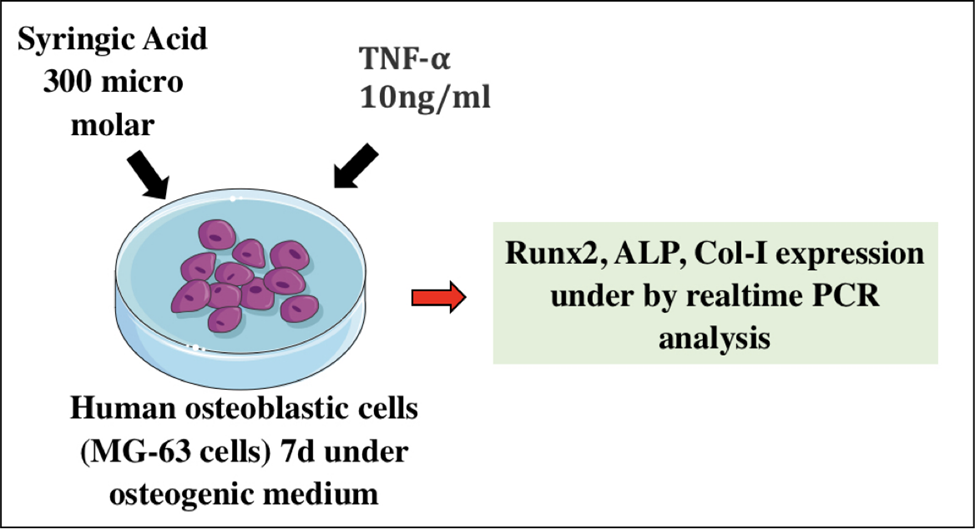
Human MG-63 cells were treated with Syringic acid (SA) and TNF-α for a period of 7days under osteogenic conditions.
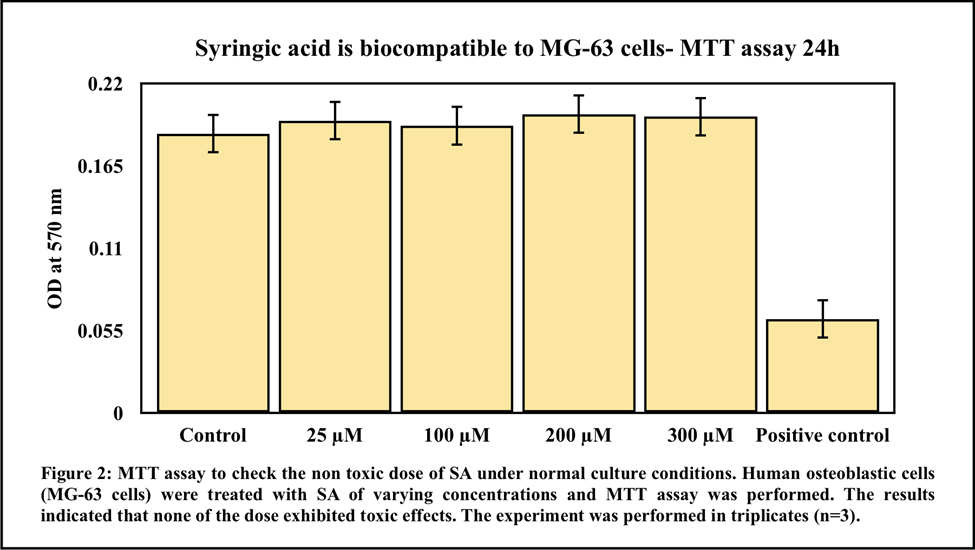
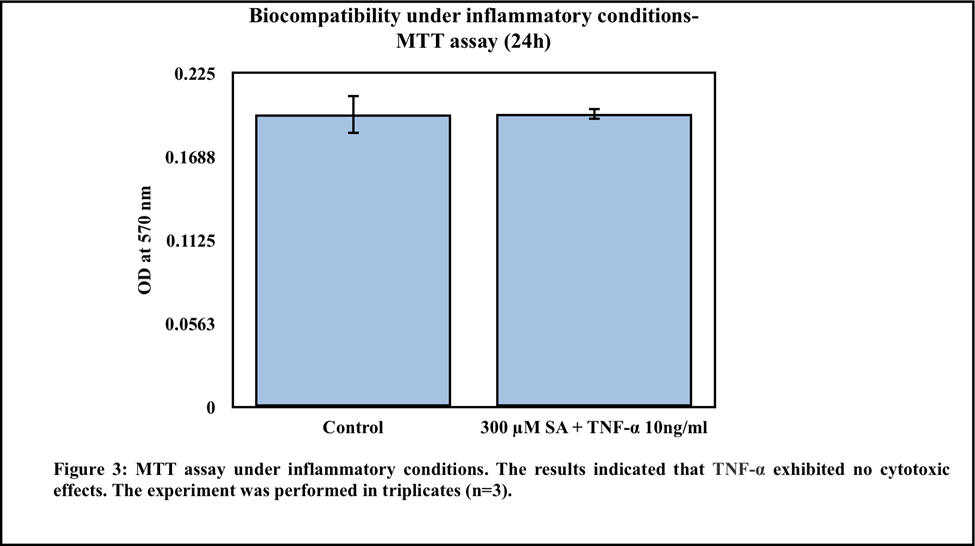
MTT assay was performed to study the biocompatibility and the cytotoxicity.
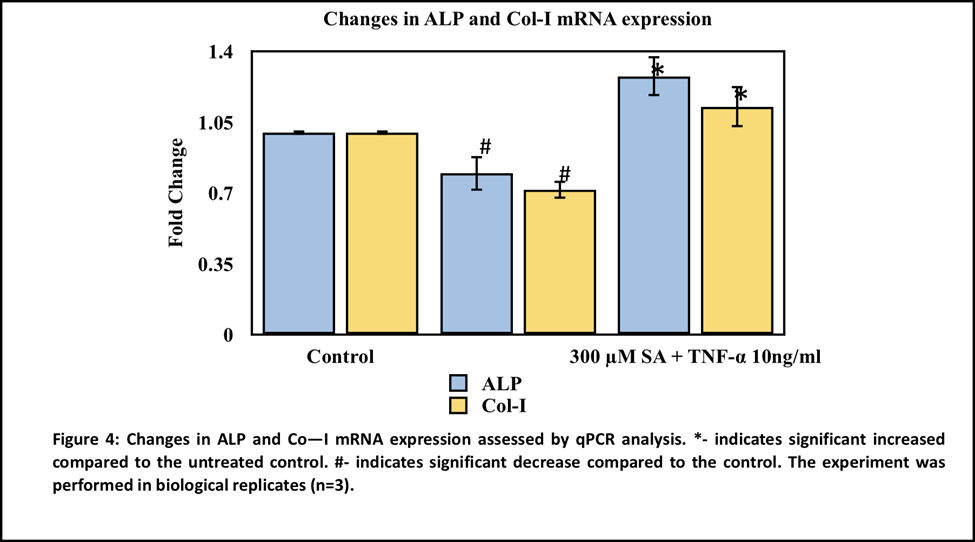
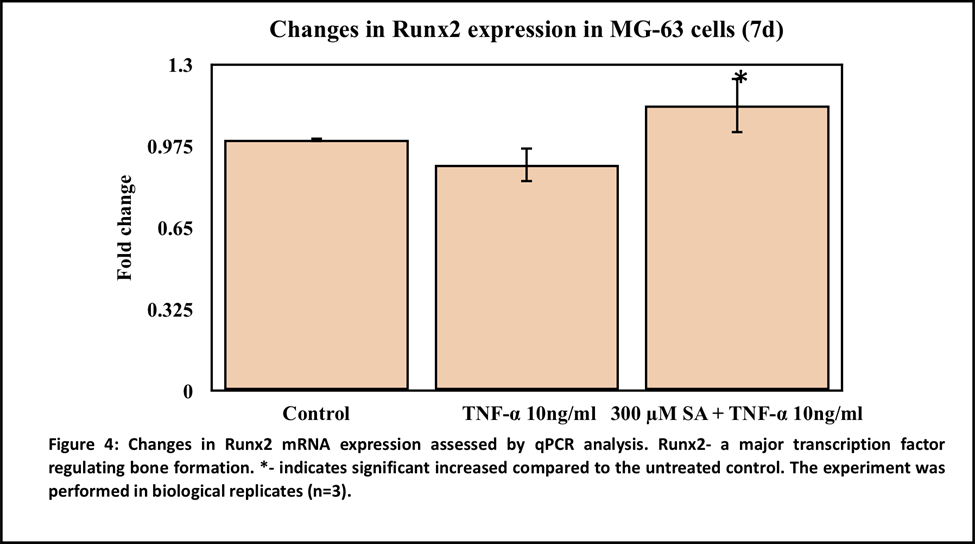
TNF-α was added to stimulated inflammatory conditions and gene expression was assessed to study effect on the osteoblast differentiation markers.
RESULTS:
DISCUSSION :
Our results demonstrate that syringic acid enhances osteogenic differentiation of osteoblast-like cells, as evidenced by increased alkaline phosphatase (ALP) activity and enhanced mineralization compared to control groups.
The observed increase in ALP activity suggests that syringic acid promotes early stages of osteogenesis, crucial for bone matrix formation. This is further supported by the significant deposition of calcium minerals observed in cells treated with syringic acid, indicating enhanced late-stage osteogenic differentiation(5,6).
Our gene expression analysis reveals upregulation of key osteogenic markers such as Runx2 and COL1A1 (collagen type I) in syringic acid-treated cells. These markers are essential for regulating osteoblast differentiation and bone matrix synthesis, confirming syringic acid's role in promoting osteogenesis.
The results of this investigation show that the flavonoid cocktail consisting of quercetin, kaempferol, apigenin, and genistein has a considerable osteogenic potential in MG-63 osteoblast-like cells(7). The potential of these flavonoids as therapeutic agents in the management of bone health is supported by the observed increases in mineralization, alkaline phosphatase (ALP) activity, cell viability, and the expression of important osteogenic markers.
The promising results of this in vitro study call for more in vivo research to evaluate this flavonoid cocktail's potential for translation into human health. As osteoporosis is becoming more common, especially in older adults, taking supplements of these flavonoids in the diet may be a way to improve bone density and lower the risk of fracture(8,9). The effectiveness of this cocktail in various populations, such as postmenopausal women and people with underlying bone health conditions, should be investigated in future clinical trials.
· Flavonoids: The specific flavonoids selected for the cocktail, such as quercetin, kaempferol, and apigenin, are known for their roles in bone metabolism.
· Quercetin has been shown to stimulate osteoblast proliferation and differentiation, primarily through its antioxidant properties, which reduce oxidative stress that can impair osteoblast function. Additionally, quercetin promotes the expression of osteogenic genes, enhancing the activity of transcription factors like Runx2 and Osterix, which are critical for bone development.
· Kaempferol is recognized for its ability to promote mineralization and activate the Wnt/β-catenin signaling pathway. This pathway is essential for osteoblast differentiation and bone formation, making kaempferol a valuable component of the cocktail.
· Apigenin contributes to these effects by enhancing ALP activity and mineralization. It has been shown to upregulate osteogenic markers and may modulate signaling pathways associated with bone formation, including BMP and estrogen receptor pathways.
· Syringic Acid: This phenolic acid has garnered attention for its antioxidant and anti-inflammatory properties, which are crucial for bone health.
· Antioxidant Activity: Syringic acid can scavenge free radicals, reducing oxidative stress in osteoblasts and promoting their survival and function. This protective effect is vital in preventing apoptosis in osteoblasts, thereby enhancing bone formation.
· Promotion of Osteoblast Function: Research indicates that syringic acid can stimulate ALP activity, an early marker of osteogenic differentiation. By enhancing mineralization, syringic acid may act synergistically with flavonoids to support the formation of a healthy bone matrix.
Enhanced Differentiation and Mineralization: The synergistic interaction among these compounds can lead to greater activation of osteogenic pathways. For example, while one flavonoid may enhance proliferation, another may promote differentiation and mineralization, resulting in a more robust overall effect on bone health.
Protective and Modulatory Effects: The antioxidant and anti-inflammatory properties of syringic acid can complement the osteogenic actions of flavonoids, creating an environment conducive to bone formation. This holistic effect may be particularly beneficial in conditions where oxidative stress and inflammation contribute to bone loss
LIMITATIONS AND FUTURE SCOPE
Although the study offers strong proof of the flavonoid cocktail's osteogenic potential, it must be noted that it has certain limitations.
Limitations of In Vitro Research: The intricacies of human physiology may not be accurately reflected in the data obtained from in vitro investigations. To confirm these results and investigate the pharmacokinetics and bioavailability of flavonoids when ingested, future research should use in vivo models.
Dosage and Administration: Although the flavonoid concentrations utilized in this study were selected based on prior research, they might not accurately represent the amount of flavonoids that are typically consumed through diet. A more thorough understanding of their effectiveness will be possible by looking into a variety of dosages and comparing the effects of acute and chronic exposure.
Molecular Mechanisms: To identify the precise molecular pathways that each flavonoid in the cocktail activates, more investigation is required. Knowing how various signaling cascades interact will help us better understand how these substances affect osteogenesis.
Long-term Effects: Future research should evaluate how supplementing with flavonoids affects bone density and structural integrity over the long term, especially in groups that are at high risk of developing osteoporosis.
CONCLUSION :
In summary, this study highlights the significant osteogenic effects of a flavonoid cocktail syringic acid, demonstrating its potential as a therapeutic strategy for enhancing bone health. By elucidating the underlying mechanisms and exploring the synergistic benefits of these flavonoids, we pave the way for future research that could ultimately contribute to improved dietary recommendations and interventions for osteoporosis prevention and management.