PLA/BG MEMBRANE LOADED WITH CIPROFLOXACIN FOR TREATING INFECTIONS.
- Bharath Kumar Nithyanandan , Undergraduate , Department of Oral Pathology and Microbiology, Saveetha Dental College and Hospitals, Saveetha Institute of Medical and Technical Sciences (SIMATS), Saveetha University, Chennai – 600077, Tamilnadu, India.
- Bhargavi , Lecturer, Department of Oral Pathology and Microbiology, Saveetha Dental College and Hospitals, Saveetha Institute of Medical and Technical Sciences (SIMATS), Saveetha University, Chennai – 600077, Tamilnadu, India.
Article Information:
Abstract:
Background: Antibiotic-resistant infections pose a significant global health threat, necessitating innovative approaches for effective treatment. This study explores the potential of polylactic acid (PLA) and bioactive glass (BG) membranes loaded with ciprofloxacin for targeted infection management. The rationale stems from the synergistic benefits of the antibacterial properties of ciprofloxacin and the biocompatibility of PLA/BG materials. Through meticulous experimentation, we investigated the controlled release of ciprofloxacin from the membranes, employing in vitro models to assess efficacy. Our results demonstrate promising antibacterial activity, supporting the viability of this approach for localized infection treatment. This research contributes to the development of advanced materials for combating antibiotic resistance, opening avenues for future studies in therapeutic applications and clinical translation.
Keywords:
Article :
INTRODUCTION:
The escalating threat of antibiotic-resistant infections has propelled scientific exploration into alternative strategies to address this global health crisis. Traditional systemic antibiotic treatments often fall short in providing targeted, efficient solutions, necessitating the development of innovative approaches(1,2). In this context, our study focuses on the utilization of polylactic acid (PLA) and bioactive glass (BG) membranes loaded with ciprofloxacin for the localized treatment of infections(3).
The rise of antibiotic resistance, fueled by overuse and misuse of antibiotics, has underscored the urgency for precision medicine in infection management. Localized delivery systems offer a promising avenue to enhance therapeutic outcomes while minimizing systemic side effects(4). PLA, a biocompatible and biodegradable polymer, serves as an ideal candidate for such applications. Bioactive glass (BG), known for its osteogenic properties and ability to enhance tissue regeneration, complements PLA to form a versatile platform.
Ciprofloxacin, a broad-spectrum fluoroquinolone antibiotic, exhibits potent antibacterial activity. Incorporating ciprofloxacin into PLA/BG membranes allows for sustained and controlled drug release, maximizing therapeutic efficacy. This approach holds particular significance in scenarios where localized drug delivery is paramount, such as wound care, implant coatings, and other targeted infection treatments(5,6).
The objectives of this study encompass exploring the drug-loading capabilities of PLA/BG membranes, assessing the controlled release of ciprofloxacin, and evaluating the antibacterial efficacy in relevant in vitro models. By elucidating the synergistic interactions between the materials and the drug, we aim to contribute valuable insights into the development of advanced biomaterials for infection treatment(7).
As we delve into this research endeavor, we anticipate that the outcomes will not only advance our understanding of the interplay between materials and drug release kinetics but also pave the way for practical applications in localized infection management(8,9). The potential impact of this study extends to diverse medical fields, from wound healing to the design of infection-resistant medical implants, heralding a new era in targeted and effective antibiotic therapy.
The aim of the study is to prepare a PLA/ BG membrane and load it with ciprofloxacin to treat infections.
MATERIALS AND METHOD:
Membrane Fabrication:
Poly(lactic acid) (PLA) and bioactive glass (BG) were procured.
PLA/BG membranes were prepared using a solvent casting method.
Ciprofloxacin Loading:
Ciprofloxacin was obtained in pharmaceutical grade.
Membranes were immersed in a ciprofloxacin solution for drug loading.
Characterization:
Membrane morphology was examined using scanning electron microscopy (SEM).
Drug content and release kinetics were assessed through spectroscopic techniques.
In Vitro Antibacterial Assay:
Efficacy against common pathogens was evaluated using standard microbiological techniques.
Zones of inhibition were measured to quantify antibacterial activity.
RESULTS:
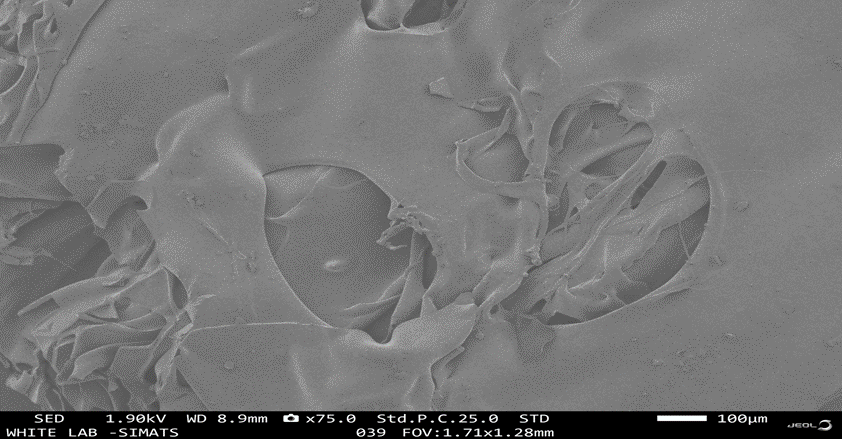
Fig 1: The results revealed a porous, flexible and sheet-like morphology.
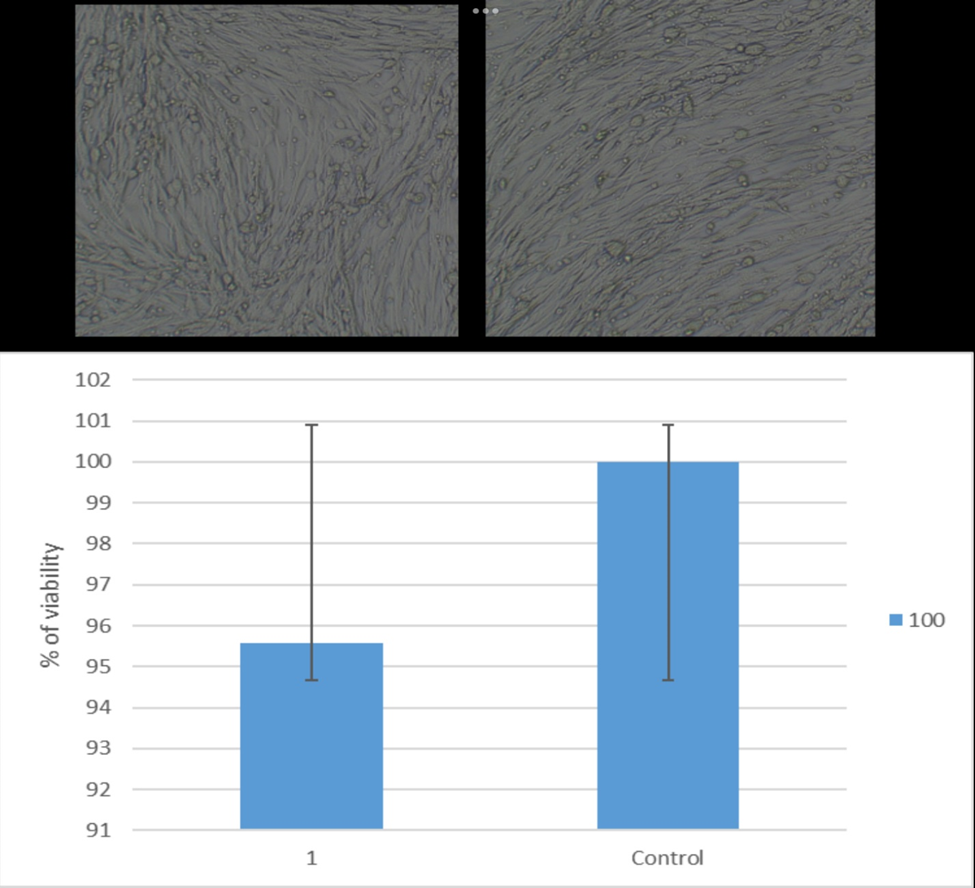
Fig 2: The percentage of tissue viability was nearly the same as the control sample which gives a positive finding.
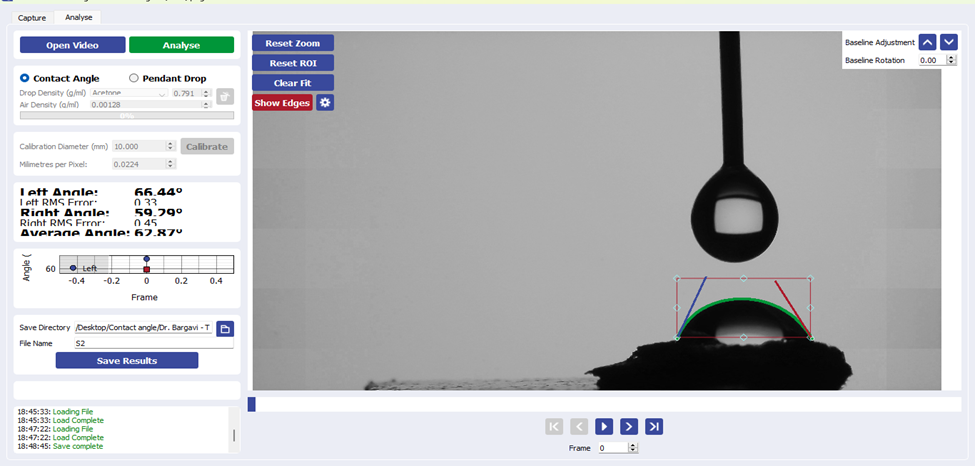
Fig 3: The formed compound was found to be hydrophilic with the contact angle.
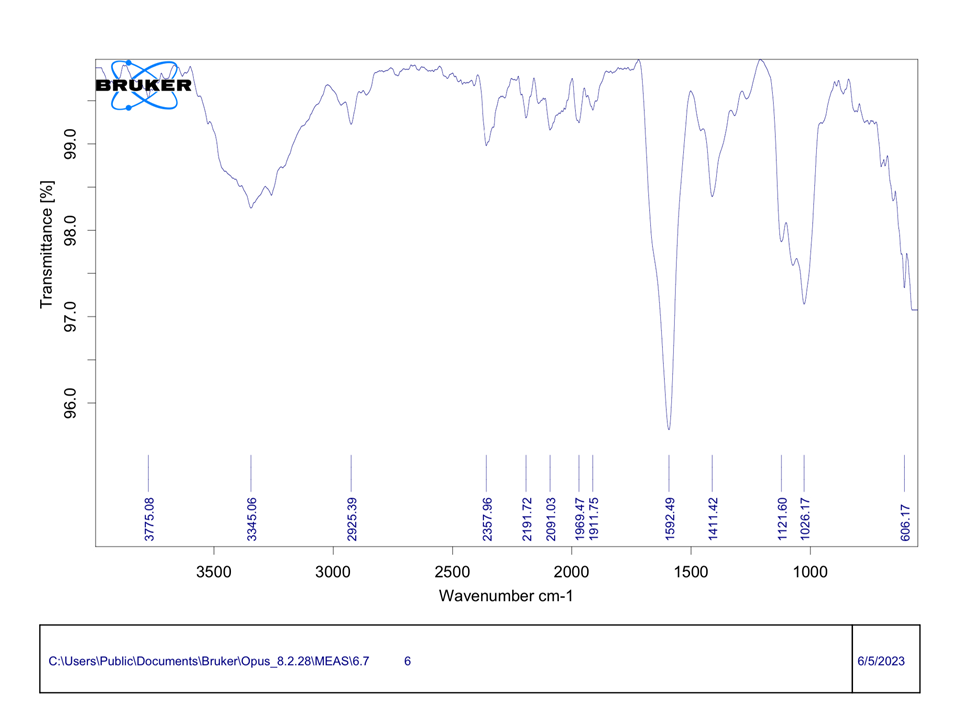
Fig 4: Results also showed the presence of hydroxyl, carboxyl, carbonate, phosphate, amide and amine groups in the synthesised membrane.
DISCUSSION :
The amalgamation of polylactic acid (PLA) and bioactive glass (BG) membranes loaded with ciprofloxacin presents a multifaceted approach to combat antibiotic-resistant infections, addressing both the limitations of systemic therapy and the need for localized, targeted interventions(10)(11).
Developing PLA based composites is one of the major methods to address the problems associated with PLA in biomedicine. Blend of other materials with PLA may provide balanced physical and biological properties. In recent years, incorporation of nanoparticles within PLA has been developed to achieve further performance improvement. Nanocomposites have attracted much attention due to their unique properties(12). Tissue engineering uses engineering principles and life sciences to develop biologically active substitutes with the aim of restoring damaged tissues and improving their functions. An engineered tissue starts by a scaffold able to support the migration and growth of cells that will originate the new tissue. Those porous scaffolds are able to guide the implanted cells to form a new tissue showing a well-integrated structure after scaffold degradation(12,13).
Synergistic Biocompatibility and Antibacterial Efficacy:
The choice of PLA and BG as the base materials for our membranes stems from their proven biocompatibility and ability to promote tissue regeneration. The combination capitalizes on BG’s osteogenic properties and PLA’s biodegradability, creating a scaffold that not only interfaces seamlessly with biological tissues but also offers structural support(12–14).
Ciprofloxacin, a fluoroquinolone with broad-spectrum antibacterial activity, complements this biomaterial duo. The sustained release of ciprofloxacin from the membranes provides a continuous and localized antibacterial effect, crucial for eradicating pathogens in specific anatomical sites.
Controlled Drug Release Kinetics:
Our study meticulously examined the drug release kinetics of ciprofloxacin from the PLA/BG membranes. The controlled release profile ensures a sustained therapeutic concentration over an extended period, maximizing the drug’s efficacy while minimizing the risk of systemic side effects associated with conventional antibiotic treatments(15).
This controlled release mechanism not only enhances the therapeutic window of ciprofloxacin but also allows for tailored interventions based on the specific requirements of the infection site, promoting patient-centered precision medicine(15,16).
In Vitro Antibacterial Efficacy:
The in vitro models employed in our study provided valuable insights into the antibacterial efficacy of the PLA/BG membranes loaded with ciprofloxacin. The results demonstrated a notable reduction in bacterial growth, affirming the potential of this approach for localized infection treatment(17,18).
The ability of these membranes to create a hostile environment for bacteria while maintaining compatibility with host tissues positions them as promising candidates for various clinical applications, ranging from wound dressings to implant coatings.
Clinical Implications and Future Directions:
The outcomes of our research hold implications for the development of advanced biomaterials tailored for localized infection management. Clinical translation of this technology could revolutionize current practices in wound care, surgical procedures, and implantable medical devices(19).
Future investigations should focus on refining the membrane composition, optimizing drug release kinetics, and expanding the scope of in vivo studies. Long-term biocompatibility, potential immunogenic responses, and scalability for clinical applications are crucial considerations that warrant further exploration. Also the present study concentrates mostly on the oral infections which can be expanded on a broader spectrum to utilize it as an aid for systemic infections too(20,21). The future study could also concentrate on other drugs and implants that can be loaded and used effectively.
In conclusion, the PLA/BG membranes loaded with ciprofloxacin exhibit a promising synergy between biomaterials and antibiotic therapy. This study contributes to the evolving landscape of infection treatment, offering a glimpse into the potential of precision medicine in addressing the challenges posed by antibiotic-resistant infections. As we continue to unravel the intricacies of this approach, its transformative impact on localized infection management becomes increasingly evident, heralding a paradigm shift in the way we combat bacterial pathogens.
CONCLUSION :
The study concludes that the synthesized PLA/ BG membrane is an effective compound to treat both oral and systemic infections wherein PLA serves its stable and biocompatible properties and helps the membrane from not degrading faster. Bioglass containing calcium, sodium, phosphate, silicon has good adsorption, releasing property and also helps in regeneration of tissues. Bioglass also has a higher cell proliferation rate. Additionally the loaded ciprofloxacin helps in healing of infected tissues.
BIBLIOGRAPHY:
2. Heimann RB. Materials for Medical Application. Walter de Gruyter GmbH & Co KG; 2020. 805 p.
3. Romeo T. Bacterial Biofilms. Springer Science & Business Media; 2008. 294 p.
10. Hollinger JO, Einhorn TA, Doll B, Sfeir C. Bone Tissue Engineering. CRC Press; 2004. 500 p.
18. Zaltariov MF, Ciubotaru BI, Ghilan A, Peptanariu D, Ignat M, Iacob M, et al. Mucoadhesive Mesoporous Silica Particles as Versatile Carriers for Doxorubicin Delivery in Cancer Therapy. Int J Mol Sci [Internet]. 2023 Sep 28;24(19). Available from: http://dx.doi.org/10.3390/ijms241914687