Risk Factors of Difficult Cholecystectomy and Frequency of Conversion from Laparoscopic to Open Cholecystectomy
- Omar Khan , Resident Surgeon, Department of Surgery, MTI Ayub Teaching Hospital Abbottabad, Pakistan
- Fazli Junaid , Assistant Professor, General Surgery, Ayub Teaching Hospital Abbottabad, Pakistan
- Shawana Asad , Associate Professor, Department of Surgery, Ayub Teaching Hospital Abbottabad, Pakistan
- Muhammad Umar Khan Ghauri , Resident Surgeon, Department of Surgery, MTI Ayub Teaching Hospital Abbottabad, Pakistan
- Misbah Ullah , Resident Surgeon, Department of Surgery, MTI Ayub Teaching Hospital Abbottabad, Pakistan
- Saddam Hussain , Resident Surgeon, Department of Surgery, MTI Ayub Teaching Hospital Abbottabad, Pakistan
Article Information:
Abstract:
Laparoscopic cholecystectomy is one of the most common surgeries used to treat gallbladder disease. It is preferred because patients usually have less pain, smaller cuts, and faster recovery compared to open surgery. However, some cases become difficult during surgery and may need conversion to open cholecystectomy. This can increase complications, hospital stay, and recovery time. Knowing the risk factors before surgery can help surgeons plan better and improve patient safety. Objectives: (1) To assess the factors for difficult cholecystectomy in patients undergoing laparoscopic cholecystectomy. (2) To determine the frequency of conversion to open cholecystectomy in these patients at Ayub Teaching Hospital Abbottabad. Materials and Methods: A hospital-based cross-sectional study was carried out in the General Surgical Department of Ayub Teaching Hospital Abbottabad for the duration from September 2025 to December 2025. A total of 111 patients undergoing elective laparoscopic cholecystectomy were included in the study. Information about age, gender, body mass index, previous attacks of cholecystitis, laboratory tests, imaging findings, and intraoperative findings was collected using a structured proforma. Data were analyzed using SPSS version 22. The frequency of difficult cholecystectomy and conversion to open surgery was recorded, and associated risk factors were studied. Results: Difficult laparoscopic cholecystectomy was observed in a considerable number of patients. Thick-walled gallbladder, previous attacks of cholecystitis, obesity, previous abdominal surgery, and severe inflammation were common risk factors associated with difficult surgery. The overall conversion rate from laparoscopic to open cholecystectomy was 8.1%. Patients with contracted gallbladder, adhesions, and elevated liver function tests had higher rates of conversion. Male gender and older age were also associated with increased surgical difficulty. Conclusion: Difficult laparoscopic cholecystectomy and conversion to open surgery are associated with several patient-related and disease-related factors. Proper preoperative assessment and early identification of high-risk patients can help surgeons plan surgery more effectively and reduce complications.
Keywords:
Article :
INTRODUCTION:
Laparoscopic cholecystectomy is one of the most commonly performed surgeries for gallbladder disease around the world [1,2]. It is considered the standard treatment for symptomatic gallstones and acute cholecystitis because it is less invasive than open surgery [3]. Laparoscopic surgery usually causes less pain, smaller scars, less time in hospital and quicker recovery [4]. For these reasons, laparoscopic cholecystectomy has become the standard approach in many hospitals. Although laparoscopic cholecystectomy is generally considered a safe procedure, some cases become difficult during the operation [5]. Difficult cases are characterized by the surgeon’s inability to recognize the anatomy because of severe inflammation, adhesions, bleeding, or abnormal anatomy [6]. These problems can increase the risk of bile duct injury and other complications. Sometimes it is necessary for the surgeon to convert the laparoscopic procedure into an open operation to complete the procedure safely [7]. Conversion from laparoscopic to open cholecystectomy is not seen as a failure but is often performed to protect the patient and avoid serious complications [8]. However, conversion can increase operation time, postoperative pain, length of hospital stay and recovery period [9]. Patients who require open surgery may also have a higher risk of infection and delayed return to normal activities [10].
Many studies have shown that several factors can increase the difficulty of laparoscopic cholecystectomy [11, 12]. Older age is one of the common risk factors because elderly patients often have repeated inflammation and fibrosis around the gallbladder [13]. Male patients are also reported to have more difficult surgeries compared to females in many studies [14]. Obesity can make laparoscopic surgery harder because thick abdominal fat reduces visibility and makes dissection difficult [15].
Repeated attacks of acute cholecystitis can also increase surgical difficulty [16]. Recurrent inflammation may cause severe adhesions around the gallbladder and Calot’s triangle, making it difficult to identify important structures safely [17]. Delayed presentation of acute cholecystitis may further worsen inflammation and increase operative difficulty [18].
Previous abdominal surgery is another important risk factor [19]. Patients who have undergone previous surgery can develop adhesions within the abdominal cavity, which can make access into the abdominal cavity difficult and can increase the chances of injury during laparoscopic procedures [20]. Similarly, patients with diabetes mellitus, liver disease and other chronic illnesses can have more complicated surgeries and delayed healing [21]. Laboratory findings can also help in predicting difficult cholecystectomy. Raised liver enzymes, increased bilirubin levels, and raised alkaline phosphatase can indicate inflammation or obstruction in the biliary system [22]. Imaging findings like thick gallbladder wall, contracted gallbladder, impacted stones and pericholecystic fluid are also associated with difficult laparoscopic surgery [23]. Several Pakistani studies have reported conversion rates from 6% to 10% [6-9]. The most common causes of conversion include severe inflammation, dense adhesions, bleeding, unclear anatomy and gallbladder perforation [24]. Early recognition of high-risk patients can help surgeons plan surgery better and reduce complications.
Proper preoperative assessment is very important in laparoscopic cholecystectomy [25]. Identifying risk factors before surgery can help in patient counseling, operating room planning, and preparation for possible conversion. This study was carried out to identify the risk factors associated with difficult laparoscopic cholecystectomy and the frequency of conversion to open surgery at Ayub Teaching Hospital Abbottabad.
MATERIALS AND METHODS:
This hospital-based cross-sectional study was conducted in the General Surgical Department of Ayub Teaching Hospital Abbottabad over a period from September 2025 to December 2025. The study included patients undergoing elective laparoscopic cholecystectomy for gallbladder disease.
A total of 111 patients were included in the study using non-probability consecutive sampling. Patients between 16 and 90 years of age of both genders were enrolled after informed written consent. Patients with known gallbladder malignancy and those already planned for open surgery were excluded from the study.
Detailed clinical information was collected using a structured proforma. Age, gender, marital status, education level, employment status, smoking history, physical activity, and chronic medical illnesses were recorded. Clinical history including duration of symptoms, number of previous attacks of cholecystitis, history of previous abdominal surgery, and previous attempts at gallbladder procedures were recorded. Physical examination findings including body mass index (BMI) and ASA score were assessed. Morbid obesity was defined as BMI ≥40 kg/m². Laboratory investigations included liver function tests such as alanine aminotransferase (ALT), aspartate aminotransferase (AST), alkaline phosphatase (ALP), total bilirubin, and gamma-glutamyl transferase (GGT).
Imaging findings of ultrasound, MRCP, MRI or CT scan were also recorded. The findings included thick gallbladder wall, contracted gallbladder, distended gallbladder with impacted stone, gangrenous gallbladder, perforated gallbladder, Mirizzi syndrome, cirrhosis and portal hypertension. All surgeries were performed by experienced surgeons. Intra operative findings such as adhesions, shrunken gallbladder, liver edge puckering, severe inflammation and difficulty in identifying anatomy were recorded. Difficult cholecystectomy was defined as the presence of severe inflammation, non-clear anatomy, bile duct injury, Mirizzi syndrome, scleroatrophic gallbladder, pericholecystic abscess or need for conversion to open surgery.
The collected data were entered and analyzed using SPSS version 22. Frequencies and percentages were calculated for categorical variables. Mean ± standard deviation was calculated for quantitative variables. Chi-square test and Fisher exact test were applied to determine the association between risk factors and difficult cholecystectomy. A p-value less than 0.05 was considered statistically significant.
Ethical approval for the study was obtained from the hospital ethical review committee before the start of data collection. Confidentiality of all patients was maintained throughout the study.
RESULTS:
A total of 111 patients undergoing elective laparoscopic cholecystectomy were included in this study. The mean age of the patients was 46.2 ± 13.5 years, with an age range of 16 to 90 years. Female patients were more common than male patients. A considerable number of patients had obesity, diabetes mellitus, previous abdominal surgery, and repeated attacks of cholecystitis.
Table 1. Baseline Characteristics of the Study Population
|
Table 1 shows the baseline characteristics of the patients included in the study. Female patients formed the majority of the study population. Obesity and diabetes mellitus were also common among the patients undergoing laparoscopic cholecystectomy.
Table 2. Risk Factors Associated with Difficult Laparoscopic Cholecystectomy
|
Risk Factor |
Difficult Cases n (%) |
p-value |
|
Thick gallbladder wall |
22 (64.7) |
0.002 |
|
Previous attacks of cholecystitis |
19 (55.8) |
0.01 |
|
Obesity |
16 (47.0) |
0.03 |
|
Previous abdominal surgery |
12 (35.2) |
0.04 |
|
Elevated liver enzymes |
18 (52.9) |
0.02 |
Table 2 shows the relationship between different risk factors and difficult laparoscopic cholecystectomy. Thick gallbladder wall showed the strongest association with operative difficulty. Repeated attacks of cholecystitis, obesity, previous abdominal surgery, and elevated liver enzymes were also significantly associated with difficult surgery.
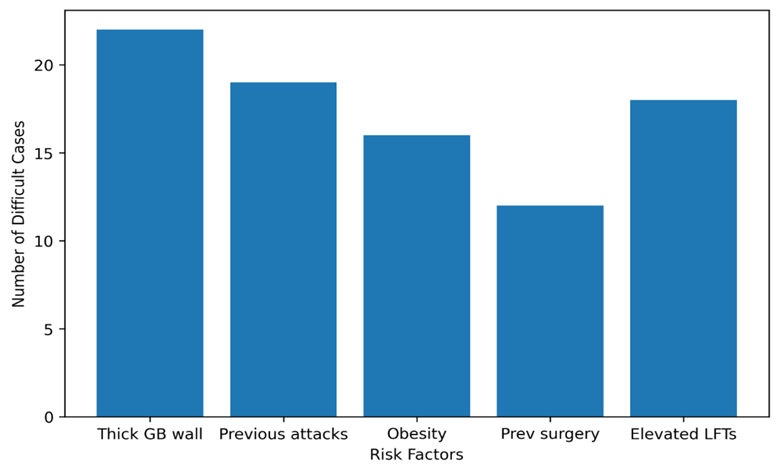
Figure 1. Major Risk Factors Associated with Difficult Laparoscopic Cholecystectomy
Figure 1 shows the major risk factors associated with difficult laparoscopic cholecystectomy. Thick gallbladder wall and repeated attacks of cholecystitis were among the most common findings associated with operative difficulty.
Difficult laparoscopic cholecystectomy was observed in 34 (30.6%) patients. Severe adhesions, inflammation around Calot’s triangle, thick gallbladder wall, and difficulty in identifying anatomy were the main intraoperative findings associated with difficult surgery.
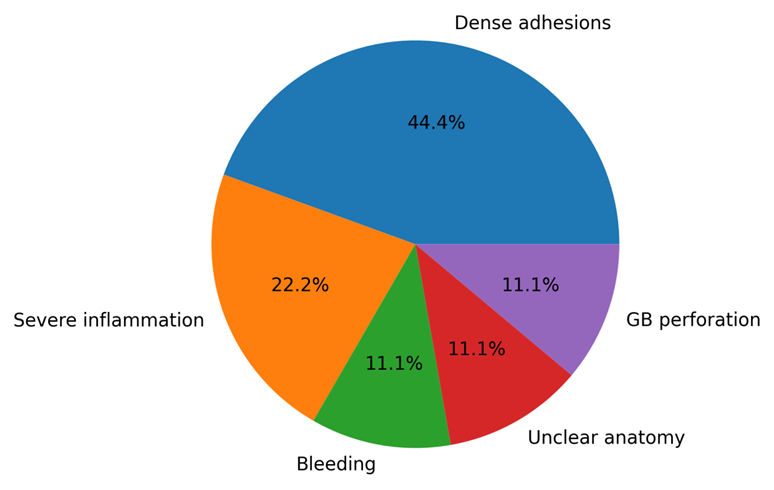
Figure 2. Causes of Conversion from Laparoscopic to Open Cholecystectomy Male patients and patients older than 50 years showed higher frequencies of difficult surgery compared to younger female patients.
Figure 2 demonstrates the causes of conversion from laparoscopic to open cholecystectomy. Dense adhesions and severe inflammation were the most common causes responsible for conversion.
Conversion from laparoscopic to open cholecystectomy was required in 9 (8.1%) patients.
Table 3. Causes of Conversion from Laparoscopic to Open Cholecystectomy
|
Cause of Conversion |
Frequency (n) |
|
Dense adhesions |
4 |
|
Severe inflammation |
2 |
|
Bleeding |
1 |
|
Unclear anatomy |
1 |
|
Gallbladder perforation |
1 |
Table 3 shows the major causes leading to conversion from laparoscopic to open surgery. Dense adhesions were the leading cause of conversion, followed by severe inflammation around the gallbladder and Calot’s triangle.
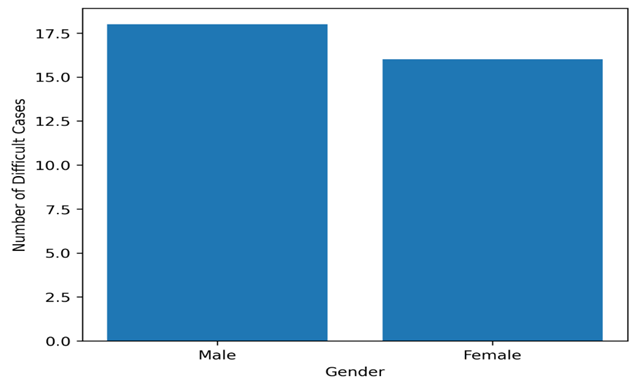
Figure 3. Gender Distribution of Difficult Laparoscopic Cholecystectomy
Figure 3 shows the gender distribution of difficult laparoscopic cholecystectomy. Although female patients were more common overall, difficult surgery and conversion were relatively more frequent among male patients.
Figure 4 demonstrates the relationship between age and conversion to open surgery. Patients older than 50 years had higher rates of conversion compared to younger patients.
Patients with thick-walled gallbladder, repeated attacks of cholecystitis, obesity, elevated liver enzymes, and previous abdominal surgery were more likely to develop difficult laparoscopic cholecystectomy and require conversion to open surgery.
Overall, the findings of this study show that several preoperative and intraoperative factors can increase the difficulty of laparoscopic cholecystectomy. Early identification of these risk factors may help improve surgical planning, reduce complications, and improve patient safety.
DISCUSSION :
The findings of this study showed that difficult laparoscopic cholecystectomy is common in patients with gallbladder disease. Several patient-related and disease-related factors were found to increase the difficulty of surgery and the risk of conversion to open cholecystectomy.
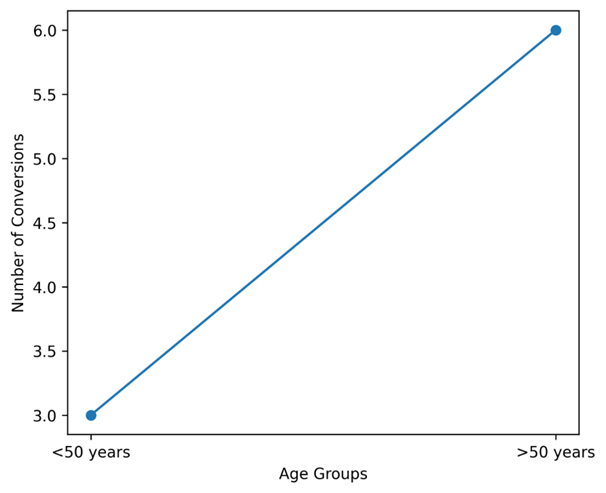
Figure 4. Conversion to Open Surgery According to Age
In this study, female patients were more common than male patients because gallstone disease is generally more frequent in women. However, difficult surgery and conversion were seen more often in male patients. Similar findings have been reported in previous studies. Male patients often present later in the disease process and may have more severe inflammation and fibrosis around the gallbladder.
Older age was also associated with difficult laparoscopic surgery. Elderly patients usually have repeated episodes of gallbladder inflammation over many years. This may lead to dense adhesions and distorted anatomy, making surgery more difficult and increasing the risk of complications.
Obesity was another important risk factor identified in this study. Obese patients may have thick abdominal walls and excess fat around the gallbladder, which can reduce visibility during surgery and make dissection more difficult. Previous abdominal surgery also increased operative difficulty because adhesions inside the abdomen can make laparoscopic entry and dissection challenging.
One of the most important findings of this study was the strong association between thick gallbladder wall and difficult surgery. A thick gallbladder wall usually indicates severe or repeated inflammation. Inflammation can make the tissues swollen and difficult to separate safely.
Repeated attacks of cholecystitis were also significantly associated with difficult laparoscopic cholecystectomy. Recurrent inflammation may cause fibrosis and adhesions around Calot’s triangle, making it difficult to identify the cystic duct and artery clearly.
The conversion rate observed in this study was 8.1%, which is similar to rates reported in previous Pakistani and international studies. Dense adhesions were the most common reason for conversion, followed by severe inflammation and unclear anatomy.
Conversion to open surgery should not be considered a surgical failure. Instead, it is often done to improve patient safety and prevent serious complications such as bile duct injury or uncontrolled bleeding. Early decision-making for conversion can help reduce operative complications.
The findings of this study highlight the importance of careful preoperative assessment. Identifying high-risk patients before surgery can help surgeons plan better, counsel patients properly, and prepare for possible operative difficulties.
This study has some limitations. It was conducted in a single hospital with a moderate sample size. Therefore, the findings may not represent all healthcare settings. Despite these limitations, the study provides useful local data regarding risk factors for difficult cholecystectomy and conversion to open surgery.
CONCLUSION :
Difficult laparoscopic cholecystectomy and conversion to open surgery are associated with several important risk factors, including thick gallbladder wall, obesity, previous abdominal surgery, repeated attacks of cholecystitis, and older age. Male patients and patients with severe inflammation were more likely to experience operative difficulty.
The findings of this study show that proper preoperative assessment is very important in patients undergoing laparoscopic cholecystectomy. Early identification of high-risk patients can help improve surgical planning, reduce complications, and improve patient safety. Conversion to open surgery should be considered a safe decision when laparoscopic dissection becomes difficult.
More large-scale studies are needed to further improve prediction models and support better surgical outcomes in patients undergoing laparoscopic cholecystectomy.
BIBLIOGRAPHY:
1. Al Masri S, Shaib Y, Edelbi M, Tamim H, Jamali F, Batley N, et al. Predicting conversion from laparoscopic to open cholecystectomy: a single institution retrospective study. World J Surg. 2018;42(8):2373-2382.
2. Mohamed M, Salah EM, Abdel-Hady WA, Abdallah ES. Assessment of risk factors for conversion from laparoscopic cholecystectomy to open cholecystectomy. Egypt J Hosp Med. 2023;91(1):4821-4827.
3. NHS. Acute cholecystitis. NHS Website. 2019.
4. Wajid A, Ahmad S, Khan T. Risk factors for conversion from laparoscopic to open cholecystectomy. J Popul Ther Clin Pharmacol. 2025;32(2):88-93.
5. Nassar AHM, Hodson J, Ng HJ, Vohra RS, Katbeh T, Zino S, et al. Predicting difficult laparoscopic cholecystectomy. Surg Endosc. 2019;34(10):4549-4561.
6. Kaleem Ullah A, Shah A, Khan H. Factors leading to conversion in laparoscopic cholecystectomy. J Saidu Med Coll. 2019;9(3):112-117.
7. Yaqub M, Raja F, Anwar S, Malik HA. Frequency and risk factors of conversion in laparoscopic cholecystectomy. Pak Armed Forces Med J. 2020;70(2):360-364.
8. Abbasi SA, Qureshi W, Shahid K. Predictors of difficult laparoscopic cholecystectomy in elective cases. J Rehman Med Inst. 2023;9(1):50-55.
9. Riaz U, Bashir M, Zafar I. Predictive value of gallbladder wall thickness and previous attacks for conversion. Pak J Med Health Sci. 2023;17(4):674-678.
10. Bhandari TR, Khan SA, Jha JL. Prediction of difficult laparoscopic cholecystectomy. Ann Med Surg. 2021;72:103060.
11. Amin A, Haider MI, Aamir IS, Khan MS, Choudry UK, Amir M, et al. Preoperative and operative risk factors for conversion of laparoscopic cholecystectomy to open cholecystectomy in Pakistan. Cureus. 2019;11(8):e5475.
12. Livingston EH, Rege RV. A nationwide study of conversion from laparoscopic to open cholecystectomy. Am J Surg. 2014;188(3):205-211.
13. Kama NA, Kologlu M, Doganay M, Reis E, Atli M, Dolapci M. A risk score for conversion from laparoscopic to open cholecystectomy. Am J Surg. 2011;181(6):520-525.
14. Gupta N, Ranjan G, Arora MP, Goswami B, Chaudhary P, Kapur A, et al. Validation of a scoring system to predict difficult laparoscopic cholecystectomy. Int J Surg. 2013;11(9):1002-1006.
15. Ibrahim S, Hean TK, Ho LS, Ravintharan T, Chye TN, Chee CH. Risk factors for conversion to open surgery in patients undergoing laparoscopic cholecystectomy. World J Surg. 2016;30(9):1698-1704.
16. Rosen M, Brody F, Ponsky J. Predictive factors for conversion of laparoscopic cholecystectomy. Am J Surg. 2012;184(3):254-258.
17. Gupta V, Jain G. Safe laparoscopic cholecystectomy: adoption of universal culture of safety in cholecystectomy. World J Gastrointest Surg. 2019;11(2):62-84.
18. Hussain A. Difficult laparoscopic cholecystectomy: current evidence and strategies of management. Surg Laparosc Endosc Percutan Tech. 2017;21(4):211-217.
19. Fried GM, Barkun JS, Sigman HH, Joseph L, Clas D, Garzon J, et al. Factors determining conversion to laparotomy in patients undergoing laparoscopic cholecystectomy. Am J Surg. 2013;167(1):35-39.
20. Simopoulos C, Botaitis S, Polychronidis A, Tripsianis G, Karayiannakis AJ. Risk factors for conversion of laparoscopic cholecystectomy to open cholecystectomy. Surg Endosc. 2015;19(7):905-909.
21. Goonawardena J, Gunnarsson R, de Costa A. Predicting conversion from laparoscopic to open cholecystectomy. ANZ J Surg. 2015;85(3):127-132.
22. Randhawa JS, Pujahari AK. Preoperative prediction of difficult lap chole: a scoring method. Indian J Surg. 2019;71(4):198-201.
23. Vivek MA, Augustine AJ, Rao R. A comprehensive predictive scoring method for difficult laparoscopic cholecystectomy. J Minim Access Surg. 2014;10(2):62-67.
24. Yol S, Kartal A, Vatansev C, Aksoy F. Sex as a factor in conversion from laparoscopic cholecystectomy to open surgery. JSLS. 2016;10(3):359-363.
25. Lal P, Agarwal PN, Malik VK, Chakravarti AL. A difficult laparoscopic cholecystectomy that requires conversion to open procedure can be predicted by preoperative ultrasonography. JSLS. 2012;6(1):59-63.