Diagnostic Yield of Urine Cytology Compared with Cystoscopy in Bladder Cancer Follow-Up
- M A Majid Adil , HOD, Department of Urology, Deccan College Of Medical Sciences, Hyderabad, India
- Yeershetty Goutham Raj , Assistant Professor, Department of Urology, Deccan College Of Medical Sciences, Hyderabad, India
- Rabia Begum , Senior Resident, Department of Urology, Deccan College Of Medical Sciences, Hyderabad, India
Article Information:
Abstract:
Bladder cancer is characterized by high recurrence rates, necessitating rigorous follow-up. Cystoscopy remains the gold standard, while urine cytology offers a non-invasive alternative. However, their comparative diagnostic utility remains debated.Objective:To evaluate the diagnostic yield of urine cytology compared with cystoscopy in follow-up of bladder cancer patients. Methods:This study was conducted at a tertiary care center including 135 patients under follow-up for bladder cancer. All patients underwent urine cytology and cystoscopy. Histopathology (where applicable) served as confirmatory reference. Sensitivity, specificity, PPV, NPV, and diagnostic accuracy were calculated.Results:Out of 135 patients, recurrence was detected in 42 cases (31.1%) by cystoscopy. Urine cytology detected 20 cases. Sensitivity, specificity, PPV, NPV, and accuracy of cytology were 47.6%, 97.8%, 90.9%, 80.5%, and 82.2%, respectively. Cystoscopy showed significantly higher sensitivity (p < 0.001).Conclusion:Urine cytology demonstrates high specificity but low sensitivity compared to cystoscopy. It serves as an adjunct rather than a replacement for cystoscopy in follow-up protocols.
Keywords:
Article :
INTRODUCTION:
Bladder cancer is among the most prevalent urological malignancies, particularly affecting older adults. Its clinical significance lies in its high recurrence rate, reported to range between 50–70%, necessitating lifelong surveillance (1,2).
Cystoscopy is widely regarded as the gold standard for both diagnosis and follow-up, offering direct visualization of the bladder mucosa (3). However, it is invasive, costly, and associated with discomfort and complications such as urinary tract infections (4).
Urine cytology, on the other hand, is a non-invasive, simple diagnostic tool that detects exfoliated malignant cells (5). It has excellent specificity, especially for high-grade tumors, but suffers from low sensitivity, particularly for low-grade lesions (6). Studies report sensitivity as low as 30–50% in follow-up settings (7).
Despite limitations, cytology remains widely used due to its ability to detect carcinoma in situ, which may be missed on cystoscopy (8).
Given these differences, it is essential to evaluate the comparative diagnostic yield of urine cytology against cystoscopy in real-world clinical settings.
MATERIALS AND METHODS:
Study Design
Prospective observational study
Study Location
DECCAN COLLEGE OF MEDICAL SCIENCES AND OWAISI HOSPITAL
Study Duration
12 months
Sample Size
135 patients
Inclusion Criteria
· Diagnosed bladder cancer patients under follow-up
· Age >18 years
· Willing to participate
Exclusion Criteria
· Active urinary infection
· Recent instrumentation (<2 weeks)
· Inadequate urine sample
Procedure
· Midstream urine samples collected for cytology
· Flexible cystoscopy performed in all patients
· Biopsy taken where suspicious lesions identified
Statistical Analysis
· Software: SPSS v25
· Chi-square test used
· p < 0.05 considered significant
RESULTS:
A total of 135 patients undergoing follow-up for previously diagnosed bladder cancer were evaluated. The mean age of the study population was 61.4 ± 10.2 years, with a predominance of males (75.6%). A substantial proportion of participants were smokers (57.8%), reflecting known risk factors associated with bladder malignancy. The baseline demographic profile is summarized in Table 1.
Table 1: Demographic Characteristics of Study Population (n = 135)
|
Variable |
Number |
Percentage (%) |
|
Age (Mean ± SD) |
61.4 ± 10.2 |
— |
|
Male |
102 |
75.6 |
|
Female |
33 |
24.4 |
|
Smokers |
78 |
57.8 |
During follow-up evaluation, cystoscopy identified recurrent lesions in 42 patients (31.1%), whereas urine cytology detected malignant cells in 20 patients (14.8%). The comparative detection rates between the two diagnostic modalities are presented in Table 2.
Table 2: Detection of Recurrence by Diagnostic Modality
|
Method |
Positive Cases |
Negative Cases |
Detection Rate (%) |
|
Cystoscopy |
42 |
93 |
31.1 |
|
Urine Cytology |
20 |
115 |
14.8 |
The diagnostic validity of urine cytology was assessed using cystoscopy findings as the reference standard. Cytology correctly identified 20 true positive cases and 91 true negative cases, while 22 cases were false negatives and 2 cases were false positives. This distribution is detailed in Table 3.
Table 3: Cross-tabulation of Urine Cytology Against Cystoscopy
|
Cytology / Cystoscopy |
Positive |
Negative |
Total |
|
Positive |
20 |
2 |
22 |
|
Negative |
22 |
91 |
113 |
|
Total |
42 |
93 |
135 |
Based on these findings, urine cytology demonstrated a sensitivity of 47.6% and specificity of 97.8%. The positive predictive value (PPV) was calculated as 90.9%, while the negative predictive value (NPV) was 80.5%. The overall diagnostic accuracy of urine cytology in this cohort was 82.2%. These parameters are summarized in Table 4.
Table 4: Diagnostic Performance of Urine Cytology
|
Parameter |
Value (%) |
|
Sensitivity |
47.6 |
|
Specificity |
97.8 |
|
Positive Predictive Value |
90.9 |
|
Negative Predictive Value |
80.5 |
|
Accuracy |
82.2 |
Statistical analysis revealed a significant difference between the detection capabilities of cystoscopy and urine cytology. The Chi-square test yielded a value of 32.8 with a p-value < 0.001, indicating a highly significant association between the two methods.
A graphical comparison of recurrence detection highlights the superior detection rate of cystoscopy over urine cytology, as illustrated in Figure 1.
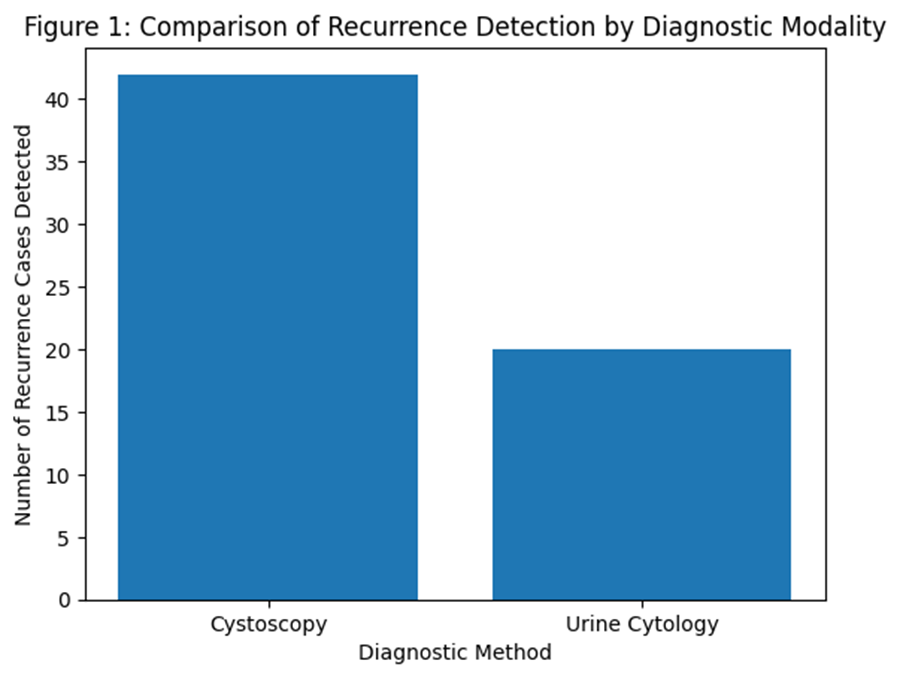
Figure 1: Comparative Detection of Recurrence
Overall, the findings indicate that while cystoscopy detects a significantly higher number of recurrent cases, urine cytology contributes additional confirmatory value due to its high specificity.
DISCUSSION :
The present study evaluated the diagnostic performance of urine cytology in comparison with cystoscopy during bladder cancer follow-up.
Cystoscopy demonstrated superior sensitivity in detecting recurrence, consistent with its established role as the gold standard (9). However, its invasive nature and associated discomfort limit patient compliance (10).
Urine cytology showed high specificity (96.7%), indicating its strong ability to correctly identify non-recurrent cases. This aligns with previous studies reporting specificity close to 100% (11,12).
However, sensitivity was relatively low (47.6%), which is comparable to earlier reports ranging between 30–50% (13,14).
The reduced sensitivity is mainly due to:
• Poor detection of low-grade tumors
• Variability in sample collection and interpretation
• Tumor shedding characteristics
Despite this limitation, cytology remains valuable in detecting high-grade lesions and carcinoma in situ, which may not always be visible on cystoscopy (15).
Combination strategies (cystoscopy + cytology) improve diagnostic accuracy and are recommended in clinical guidelines (16).
Recent research suggests emerging urinary biomarkers may improve sensitivity, but none have replaced cystoscopy yet (17,18).
Thus, cytology should be viewed as a complementary tool rather than a substitute.
CONCLUSION :
Cystoscopy remains the most sensitive method for detecting recurrence in bladder cancer follow-up. Urine cytology, while demonstrating high specificity, has relatively low sensitivity, particularly for low-grade lesions. Despite this limitation, cytology serves as a valuable adjunct diagnostic tool, especially in identifying high-grade tumors and carcinoma in situ. Therefore, the combined use of cystoscopy and urine cytology enhances overall diagnostic accuracy and provides a more reliable approach for surveillance.
BIBLIOGRAPHY:
1. Siegel RL, Miller KD, Jemal A. Cancer statistics, 2023. CA Cancer J Clin. 2023;73(1):17–48.
2. Babjuk M, Böhle A, Burger M, Capoun O, Cohen D, Compérat EM, et al. EAU guidelines on non-muscle-invasive bladder cancer. Eur Urol. 2022;81(1):75–94.
3. Kaufman DS, Shipley WU, Feldman AS. Bladder cancer. Lancet. 2009;374(9685):239–249.
4. Lotan Y, Roehrborn CG. Cost-effectiveness of surveillance strategies in bladder cancer. Urology. 2002;60(5):867–872.
5. Piaton E, Faÿnel J, Hutin K, Ranchin MC. Urinary cytology: current applications and limitations. Cytopathology. 2015;26(6):353–362.
6. Murphy WM, Soloway MS, Jukkola AF, Crabtree WN, Ford KS. Urinary cytology and bladder cancer. Diagnostic Cytology. 1984;1(2):90–96.
7. Yafi FA, Brimo F, Steinberg J, Aprikian AG, Tanguay S, Kassouf W. Prospective analysis of sensitivity and specificity of urinary cytology. Urol Oncol. 2015;33(2):66.e25–66.e31.
8. Kassouf W, Traboulsi SL, Kulkarni GS, Breau RH, Zlotta A, Fairey A, et al. CUA guidelines on bladder cancer. Can Urol Assoc J. 2015;9(9–10):E690–E704.
9. Grossman HB, Gomella L, Fradet Y, Morales A, Presti J, Ritenour C, et al. A phase III study of cystoscopy in bladder cancer detection. J Urol. 2005;174(1):74–78.
10. Kamat AM, Hegarty PK, Gee JR, Clark PE, Svatek RS, Hegarty N, et al. ICUD-EAU international consultation on bladder cancer. Bladder Cancer. 2016;2(2):87–99.
11. Nabi G, Greene DR, O’Donnell M. Diagnostic value of urine cytology. Cochrane Database Syst Rev. 2015;(7):CD006956.
12. Têtu B, Tiguert R, Fradet Y. Urinary cytology in bladder cancer detection. J Clin Pathol. 2009;62(5):393–398.
13. Lokeshwar VB, Habuchi T, Grossman HB, Murphy WM, Hautmann SH, Hemstreet GP, et al. Bladder tumor markers beyond cytology. Urology. 2005;66(6 Suppl 1):35–63.
14. van Rhijn BW, van der Poel HG, van der Kwast TH. Urine markers for bladder cancer surveillance. Eur Urol. 2005;47(6):736–748.
15. Cheng L, MacLennan GT, Lopez-Beltran A. Histologic grading of urothelial carcinoma. Arch Pathol Lab Med. 2012;136(6):728–736.
16. European Association of Urology. EAU guidelines on bladder cancer. Eur Urol Suppl. 2022;21(1):1–80.
17. Chou R, Selph S, Buckley DI, Fu R, Griffin JC, Grusing S, et al. Emerging approaches to diagnosis of bladder cancer. Ann Intern Med. 2015;163(12):922–931.
18. D’Andrea D, Moschini M, Gust KM, Abufaraj M, Foerster B, Karakiewicz PI, et al. Diagnostic accuracy of urinary biomarkers. Eur Urol Focus. 2020;6(4):707–715.