Prevalence of Needle Stick and Sharps Injuries Among Healthcare Workers and Assessment of Knowledge Regarding Post-Exposure Prophylaxis in Tertiary Care Hospitals. A community based cross sectional study
- Dr Asif ur Rehman , MBBS, MCPS, MPH, Lecturer Community Medicine, Nowshera Medical College, Pakistan.
- Dr Maria Islam , MBBS (Wah Medical College), Resident Medicine (POF Hospital Wah Cantt), Pakistan
- Dr Abdul Rehman Shahid , MBBS (Wah Medical College), House Officer (POF Hospital Wah Cantt), Pakistan
- Dr Adil Khaliq , Assistant Professor, Department of Pharmacy, Vertex Institute of Science and Technology, Mardan
- Dr Hafiz Sajid Akbar , Associate Professor, Department of Pharmacy, Vertex Institute of Science and Technology, Mardan
- Dr Muhammad Sarwar Khan , Assistant Professor, Pathology Department, Liaqat institute of medical and Health Sciences, Thatta
- Dr Aamir Ramzan , Assistant Professor, Pathology Department, Liaqat institute of medical and Health Sciences, Thatta
Article Information:
Abstract:
Background: Needle stick and sharps injuries (NSSIs) are major occupational hazards among healthcare workers (HCWs), exposing them to blood-borne infections such as HIV, HBV, and HCV. Adequate knowledge regarding post-exposure prophylaxis (PEP) is essential for timely management following occupational exposure.Objective: To determine the prevalence of needle stick and sharps injuries and assess knowledge regarding post-exposure prophylaxis among healthcare workers at Pakistan Ordnance Factories Hospital.Methodology: A community-based cross-sectional study was conducted from January to June 2026 among 422 healthcare workers selected through stratified random sampling. Data were collected using a structured self-administered questionnaire assessing occupational exposure history and knowledge regarding PEP. Data analysis was performed using Statistical Package for the Social Sciences version 26.0.Results: Among the participants, 189 (44.8%) reported at least one needle stick or sharps injury during the previous year. Nurses were the most affected group. Injection administration and blood sampling were the most common causes of injury. Nearly half of the injuries were not formally reported. Adequate knowledge regarding PEP was observed in 67.8% of healthcare workers, while infection control training was significantly associated with better knowledge levels (p <0.001).Conclusion: The prevalence of needle stick and sharps injuries among healthcare workers was high despite satisfactory overall awareness regarding post-exposure prophylaxis. Strengthening infection control training, reporting systems, and occupational safety measures is essential to reduce occupational exposure risks.
Keywords:
Article :
INTRODUCTION :
Needle stick and sharps injuries (NSSIs) are among the most significant occupational hazards faced by healthcare workers (HCWs) worldwide. These injuries expose healthcare personnel to blood-borne pathogens, including human immunodeficiency virus (HIV), hepatitis B virus (HBV), and hepatitis C virus (HCV), resulting in considerable physical, psychological, social, and economic consequences.[1] Healthcare workers frequently encounter needles, scalpels, lancets, intravenous cannulas, and other sharp medical devices during routine patient care activities, making them particularly vulnerable to accidental injuries and subsequent infections. Occupational exposure to contaminated sharps remains a major challenge, especially in developing countries where infection control practices, reporting systems, and preventive strategies may be inadequate.[2]
The World Health Organization (WHO) estimates that millions of healthcare workers experience percutaneous exposure to infectious materials annually, leading to a substantial burden of occupational disease.[3] Among healthcare workers, nurses, physicians, laboratory personnel, surgeons, and housekeeping staff are particularly at risk because of their close and repeated contact with patients and contaminated instruments. In many healthcare facilities, heavy workload, understaffing, inadequate disposal systems, insufficient training, fatigue, and non-compliance with standard precautions further contribute to the occurrence of needle stick and sharps injuries.[4]
Globally, the prevalence of occupational exposure to needle stick injuries remains alarmingly high. A recent systematic review and meta-analysis reported that the worldwide pooled prevalence of needle stick injuries among healthcare workers was substantial, with developing countries demonstrating particularly elevated rates due to limited occupational safety measures and lack of surveillance systems.[5] Another global review identified hollow-bore needles as the most common cause of injuries, particularly during injection administration, blood sampling, suturing, and recapping procedures.[6] These injuries not only increase the risk of acquiring serious infections but also contribute to anxiety, emotional distress, reduced job satisfaction, and decreased work productivity among healthcare professionals.
The risk of transmission of blood-borne pathogens after needle stick injury depends on multiple factors, including the depth of injury, type of device involved, amount of blood exposure, viral load of the source patient, and promptness of preventive interventions. Studies have demonstrated that the risk of HBV transmission following percutaneous exposure can be as high as 30% in non-immunized individuals, while the estimated risk for HCV is approximately 3%, and for HIV around 0.3%.[7] Although the probability of HIV transmission is relatively lower compared to HBV, the fear associated with occupational exposure and the lifelong implications of infection create considerable psychological stress among affected healthcare workers.Post-exposure prophylaxis (PEP) is an important preventive strategy for minimizing the risk of infection following occupational exposure to contaminated blood and body fluids. PEP refers to the immediate management and administration of prophylactic treatment after potential exposure to infectious agents, particularly HIV and HBV.[8] Timely initiation of PEP significantly reduces the likelihood of seroconversion following exposure. International guidelines recommend initiating HIV PEP preferably within hours and not later than 72 hours after exposure, followed by a complete 28-day course of antiretroviral therapy.[9] Similarly, hepatitis B immunoglobulin and vaccination are recommended for susceptible individuals exposed to HBV-positive sources.
Despite the availability of effective preventive measures and international guidelines, knowledge and utilization of post-exposure prophylaxis among healthcare workers remain inadequate in many healthcare settings. Several studies conducted in low- and middle-income countries have demonstrated poor awareness regarding PEP protocols, delayed reporting of injuries, lack of adherence to standard precautions, and inadequate institutional support systems.[10] Under-reporting of needle stick injuries is another major concern, as many healthcare workers fail to report incidents due to fear of stigma, workload pressures, lack of awareness, or assumptions that the injury is insignificant.[11] Consequently, many exposed individuals do not receive appropriate evaluation, counseling, laboratory testing, or prophylactic treatment in a timely manner.
In Pakistan, needle stick and sharps injuries continue to represent a serious occupational health problem among healthcare professionals. The healthcare system in Pakistan faces numerous challenges including limited resources, overcrowded hospitals, inadequate infection control infrastructure, and insufficient occupational safety training. These factors increase the likelihood of accidental occupational exposures among healthcare workers.[12] Previous studies conducted in different regions of Pakistan have reported varying prevalence rates of needle stick injuries, indicating that the issue remains widespread and inadequately addressed. A recent study conducted in tertiary care hospitals of Punjab, Pakistan reported a high prevalence of needle stick injuries among healthcare personnel, with poor reporting practices and suboptimal post-exposure prophylaxis utilization.[13]
Nurses and junior healthcare workers appear to be particularly vulnerable to occupational injuries due to frequent patient interactions, administration of injections, blood collection procedures, and prolonged duty hours. Moreover, recapping of needles, improper disposal of sharps, lack of personal protective equipment, and insufficient infection control training remain common practices in many healthcare facilities.[14] Such unsafe practices substantially increase the risk of exposure to contaminated sharps and subsequent transmission of infectious diseases.
Knowledge regarding post-exposure prophylaxis plays a critical role in ensuring timely and effective management following occupational exposure. Healthcare workers with adequate awareness regarding standard precautions, reporting mechanisms, and PEP protocols are more likely to adopt preventive behaviors and seek prompt medical care after injury. Conversely, inadequate knowledge can result in delayed treatment initiation, increased anxiety, poor compliance with prophylaxis, and higher risk of infection transmission.[15] Therefore, assessment of healthcare workers’ knowledge regarding PEP is essential for identifying educational gaps and implementing targeted interventions aimed at improving occupational safety.Tertiary care hospitals are particularly important settings for studying occupational exposures because they handle a large number of patients, including those with infectious diseases requiring invasive diagnostic and therapeutic procedures. Healthcare workers in tertiary care centers are frequently exposed to emergency situations, surgical procedures, intensive care interventions, and laboratory handling of biological specimens, all of which increase the risk of accidental injuries. Understanding the prevalence, patterns, and associated factors of needle stick and sharps injuries within these settings is necessary for designing effective preventive strategies and institutional policies.
Pakistan Ordnance Factories Hospital is a major tertiary care healthcare institution serving military personnel, civilians, and surrounding communities. Due to the high patient burden and involvement of diverse healthcare professionals in invasive clinical procedures, occupational exposure to sharps injuries remains an important concern within the hospital environment. However, limited local data are available regarding the prevalence of needle stick injuries and the level of awareness regarding post-exposure prophylaxis among healthcare workers in this setting. The absence of adequate epidemiological data may hinder the development of evidence-based occupational safety policies and infection prevention programs.
This study was therefore conducted to determine the prevalence of needle stick and sharps injuries among healthcare workers and to assess their knowledge regarding post-exposure prophylaxis in a tertiary care hospital setting. The study aimed to identify the frequency and circumstances of occupational injuries, evaluate reporting practices, and assess healthcare workers’ awareness regarding preventive and post-exposure management strategies. The findings of this study may contribute to the development of effective educational programs, infection control policies, and occupational safety interventions aimed at reducing the burden of occupational exposures among healthcare workers in Pakistan.
MATERIALS AND METHODS:
Study Design and Setting
This study was designed as a community-based cross-sectional study conducted at Pakistan Ordnance Factories Hospital, a tertiary care teaching hospital providing healthcare services to a large population of military personnel, civilians, and surrounding communities. The study was carried out over a period of six months from January 2025 to June 2025.
Study Population
The study population comprised healthcare workers (HCWs) employed at POF Hospital, including doctors, nurses, laboratory technicians, operation theater staff, dental staff, ward attendants, and housekeeping personnel who were directly involved in patient care or handling sharps and needles during routine clinical practice.
Inclusion Criteria
The following healthcare workers were included in the study:
Doctors, nurses, laboratory technicians, and paramedical staff working at POF Hospital.
Healthcare workers with at least six months of working experience in the hospital.
Individuals willing to participate and provide informed consent.
Exclusion Criteria
The following individuals were excluded from the study:
Administrative staff not directly involved in patient care.
Newly recruited healthcare workers with less than six months of experience.
Healthcare workers absent during the data collection period.
Participants unwilling to provide informed consent.
Sample Size Determination
The sample size was calculated using the WHO sample size formula for prevalence studies:
n=Z2 P(1-P)/d2
Where:
n= required sample size
Z= standard normal deviate at 95% confidence interval (1.96)
P= anticipated prevalence of needle stick and sharps injuries among healthcare workers (taken as 50% due to variable reported prevalence in previous studies)
d= margin of error (5%)
The calculated minimum sample size was 384 participants. After adding 10% for non-response rate, the final sample size was increased to 422 healthcare workers.
Sampling Technique
A stratified random sampling technique was employed to ensure adequate representation of different categories of healthcare workers. The hospital departments were divided into strata based on profession, including doctors, nurses, laboratory staff, and allied healthcare workers. Participants from each stratum were selected proportionately using simple random sampling.
Data Collection Tool
Data were collected using a structured, self-administered questionnaire developed after extensive literature review and adaptation from previously validated studies. The questionnaire consisted of four sections:
Socio-demographic characteristics
Age
Gender
Profession
Years of experience
Department/unit of work
Occupational exposure information
History of needle stick or sharps injury
Frequency and circumstances of injury
Type of instrument involved
Reporting practices after injury
Knowledge regarding post-exposure prophylaxis (PEP)
Awareness regarding PEP protocols
Timing of initiation of PEP
Duration of PEP treatment
Diseases prevented through PEP
Availability of hospital guidelines
Preventive practices and training
Use of personal protective equipment
Hepatitis B vaccination status
Attendance in infection control training sessions
The questionnaire was prepared in English and explained in Urdu where necessary to facilitate understanding.
Pilot Testing
A pilot study was conducted on 20 healthcare workers from another tertiary care hospital to assess clarity, reliability, and validity of the questionnaire. Necessary modifications were made based on participant feedback. Data from the pilot study were excluded from final analysis.
Data Collection Procedure
After obtaining permission from hospital administration and ethical review authorities, eligible healthcare workers were approached during duty hours. The purpose of the study was explained, and written informed consent was obtained before participation.
Questionnaires were distributed personally by the principal investigator and trained data collectors. Participants were given adequate time to complete the questionnaire confidentially. Completed questionnaires were collected on the same day to minimize non-response and incomplete data.
Study Variables
Dependent Variables
Prevalence of needle stick and sharps injuries
Knowledge score regarding post-exposure prophylaxis
Independent Variables
Age
Gender
Occupation
Work experience
Department
Training regarding infection control
Hepatitis B vaccination status
Operational Definitions
Needle Stick Injury
An accidental skin-penetrating wound caused by a needle contaminated with blood or body fluids during healthcare procedures.
Sharps Injury
Any injury caused by sharp medical instruments such as scalpels, lancets, broken ampoules, or surgical instruments.
Adequate Knowledge Regarding PEP
Participants scoring ≥70% on knowledge-related questions were considered to have adequate knowledge regarding post-exposure prophylaxis.
Data Management and Statistical Analysis
Data were entered and analyzed using Statistical Package for the Social Sciences version 26.0.
Descriptive statistics were used to summarize demographic variables. Frequencies and percentages were calculated for categorical variables, while mean and standard deviation were computed for continuous variables.
The prevalence of needle stick and sharps injuries was calculated as a percentage of healthcare workers reporting at least one injury during the previous 12 months
Chi-square test was applied to assess associations between categorical variables such as profession, training status, and occurrence of injuries. Independent t-test was used for comparison of continuous variables where applicable. A p-value of less than 0.05 was considered statistically significant
RESULTS :
A total of 422 healthcare workers from Pakistan Ordnance Factories Hospital participated in the study, yielding a response rate of 96.3%. The mean age of the participants was 31.8 ± 7.6 years, with ages ranging from 22 to 58 years. Among the participants, 238 (56.4%) were females and 184 (43.6%) were males. Nurses constituted the largest professional group with 168 (39.8%) participants, followed by doctors 112 (26.5%), laboratory technicians 54 (12.8%), operation theater staff 38 (9.0%), ward attendants 30 (7.1%), and housekeeping staff 20 (4.7%). The mean duration of professional experience among healthcare workers was 7.4 ± 5.2 years. Most participants, 246 (58.3%), were working in high-risk clinical areas including emergency departments, surgical wards, operation theaters, and intensive care units.
Out of the total participants, 189 healthcare workers reported experiencing at least one needle stick or sharps injury during the previous 12 months, giving an overall prevalence of 44.8%. Among those affected, 112 (59.3%) reported one episode of injury, while 54 (28.6%) experienced two episodes and 23 (12.1%) reported three or more injuries during the study period. Needle stick injuries were more common than other sharps injuries and accounted for 137 (72.5%) of all incidents, whereas injuries due to surgical blades, broken glass ampoules, and other sharp instruments accounted for 52 (27.5%) cases.
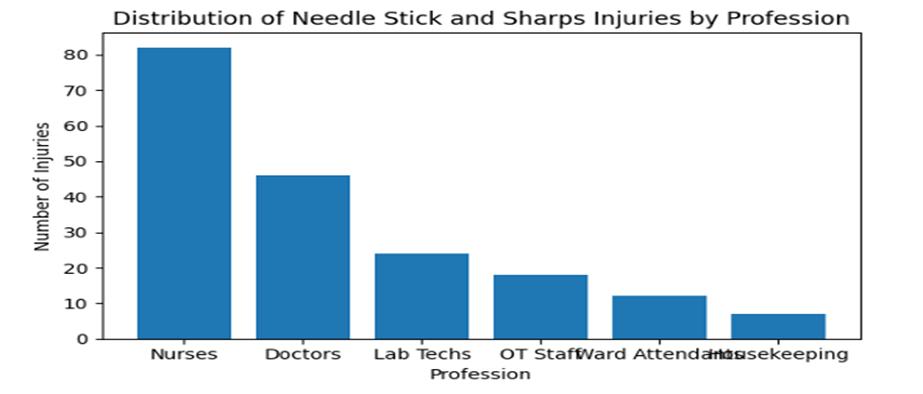
The highest frequency of injuries was observed among nurses, with 82 (43.4%) injured participants belonging to the nursing profession, followed by doctors 46 (24.3%), laboratory technicians 24 (12.7%), operation theater staff 18 (9.5%), ward attendants 12 (6.3%), and housekeeping staff 7 (3.7%). A statistically significant association was observed between profession and occurrence of needle stick and sharps injuries (p = 0.002). Healthcare workers with less than five years of professional experience showed a significantly higher prevalence of injuries compared to those with longer experience (52.6% vs 37.1%, p = 0.01).
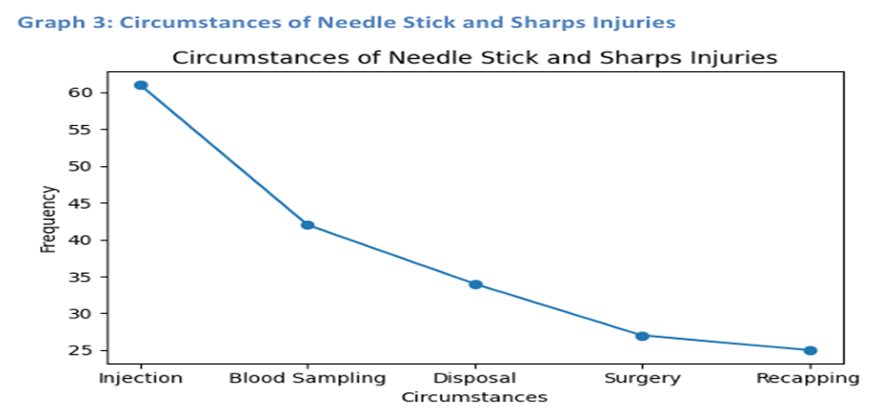
Analysis of circumstances surrounding the injuries revealed that 61 (32.3%) injuries occurred during administration of injections, 42 (22.2%) during blood sampling procedures, 34 (18.0%) during disposal of used sharps, 27 (14.3%) during surgical procedures, and 25 (13.2%) during recapping of needles. Hollow-bore needles were responsible for the majority of injuries, accounting for 118 (62.4%) cases. Most incidents occurred during morning duty shifts, representing 104 (55.0%) injuries, while evening and night shifts accounted for 56 (29.6%) and 29 (15.3%) injuries respectively.
Regarding reporting practices, only 97 (51.3%) injured healthcare workers formally reported the incident to the hospital infection control department or immediate supervisor, whereas 92 (48.7%) did not report the exposure. The most commonly cited reasons for non-reporting included lack of time 34 (37.0%), perception that the injury was minor 28 (30.4%), fear of stigma or blame 17 (18.5%), and lack of awareness regarding reporting protocols 13 (14.1%).
Assessment of hepatitis B vaccination status showed that 356 (84.4%) participants had received complete vaccination, 38 (9.0%) were partially vaccinated, and 28 (6.6%) had never received hepatitis B vaccination. Healthcare workers who were unvaccinated or partially vaccinated demonstrated a significantly higher frequency of occupational injuries compared to fully vaccinated workers (p = 0.03).
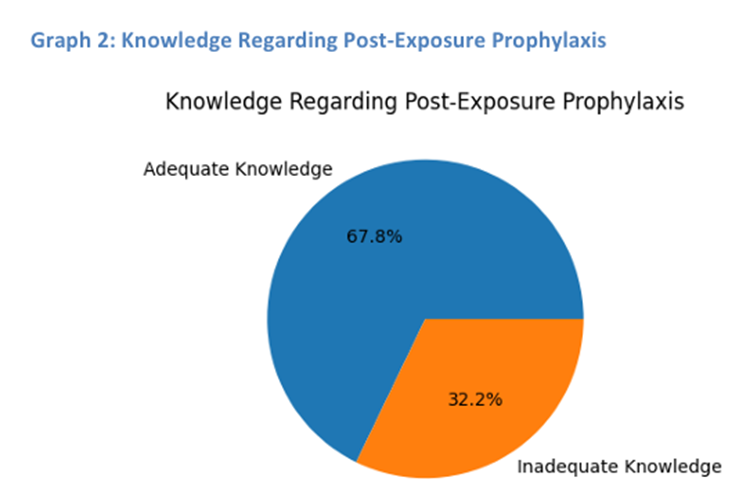
Knowledge regarding post-exposure prophylaxis was assessed through a series of structured questions. Overall, 286 (67.8%) healthcare workers demonstrated adequate knowledge regarding post-exposure prophylaxis, while 136 (32.2%) had inadequate knowledge scores. Most participants, 338 (80.1%), were aware that post-exposure prophylaxis should ideally be initiated within hours following occupational exposure. However, only 241 (57.1%) correctly identified the recommended maximum initiation period of 72 hours. Knowledge regarding the duration of HIV post-exposure prophylaxis therapy was correctly answered by 228 (54.0%) participants.
Awareness regarding diseases preventable through post-exposure prophylaxis varied among participants. A total of 352 (83.4%) participants recognized HIV as a major indication for PEP, whereas awareness regarding hepatitis B prophylaxis was identified by 296 (70.1%) participants. Only 124 (29.4%) participants incorrectly believed that effective post-exposure prophylaxis existed for hepatitis C infection. Furthermore, 278 (65.9%) healthcare workers were aware of the existence of hospital protocols and guidelines for management of occupational exposure injuries.
Healthcare workers who had attended infection prevention and control training sessions within the last two years showed significantly better knowledge regarding post-exposure prophylaxis compared to those without training (78.9% vs 51.6%, p < 0.001). Similarly, doctors and nurses demonstrated higher mean knowledge scores compared to housekeeping staff and ward attendants (p = 0.004).
Use of personal protective equipment during routine clinical procedures was reported by 341 (80.8%) participants, although consistent glove use during all invasive procedures was reported by only 276 (65.4%). Recapping of needles after use, despite being discouraged by standard precautions, was still practiced by 146 (34.6%) healthcare workers. Participants who reported recapping practices had significantly greater occurrence of needle stick injuries compared to those who avoided recapping (p = 0.001).
Overall, the findings demonstrated a high prevalence of needle stick and sharps injuries among healthcare workers at Pakistan Ordnance Factories Hospital, with nurses and less experienced staff being the most affected groups. Although general awareness regarding post-exposure prophylaxis was satisfactory among a majority of participants, important gaps remained regarding reporting practices, timing of prophylaxis initiation, and preventive measures against occupational exposure.
Table 1: Socio-demographic Characteristics of Participants
|
Variable |
Frequency (n) |
Percentage / Mean ± SD |
|
Age (years) |
422 |
31.8 ± 7.6 |
|
Female |
238 |
56.4% |
|
Male |
184 |
43.6% |
|
Doctors |
112 |
26.5% |
|
Nurses |
168 |
39.8% |
|
Lab Technicians |
54 |
12.8% |
|
OT Staff |
38 |
9.0% |
Table 2: Prevalence and Characteristics of Needle Stick and Sharps Injuries
|
Injury Characteristic |
Frequency (n) |
Percentage (%) |
|
Overall NSI prevalence |
189 |
44.8 |
|
Needle stick injuries |
137 |
72.5 |
|
Other sharps injuries |
52 |
27.5 |
|
Injuries during injections |
61 |
32.3 |
|
Blood sampling injuries |
42 |
22.2 |
|
Injuries during disposal |
34 |
18.0 |
|
Recapping-related injuries |
25 |
13.2 |
Table 3: Knowledge and Preventive Practices Regarding PEP
|
Knowledge and Practices |
Frequency (n) |
Percentage (%) |
|
Adequate PEP knowledge |
286 |
67.8 |
|
Aware of HIV PEP |
352 |
83.4 |
|
Aware of HBV prophylaxis |
296 |
70.1 |
|
Consistent glove use |
276 |
65.4 |
|
Needle recapping practiced |
146 |
34.6 |
|
Completed HBV vaccination |
356 |
84.4 |
|
Reported injuries formally |
97 |
51.3 |
Graph 1: Distribution of Injuries by Profession
DISCUSSION:
The present study evaluated the prevalence of needle stick and sharps injuries (NSSIs) among healthcare workers and assessed their knowledge regarding post-exposure prophylaxis (PEP) at Pakistan Ordnance Factories Hospital. Occupational exposure to blood and body fluids remains one of the most important occupational hazards encountered by healthcare workers worldwide, particularly in developing countries where healthcare systems often face limitations in infection prevention resources, reporting mechanisms, and staff training. The findings of this study demonstrated a high prevalence of occupational injuries among healthcare workers, with significant gaps in reporting practices and post-exposure prophylaxis awareness despite generally satisfactory knowledge levels.
The prevalence of needle stick and sharps injuries observed in this study was 44.8%, indicating that nearly half of the participating healthcare workers experienced at least one occupational injury during the previous year. This prevalence is consistent with findings reported in several regional and international studies, emphasizing that occupational exposure to contaminated sharps continues to be a major healthcare concern.[16] Similar prevalence rates have been documented among healthcare workers in tertiary care hospitals of South Asia, the Middle East, and African countries where healthcare systems often encounter overcrowding, staff shortages, inadequate disposal systems, and insufficient infection control practices.[17] The relatively high prevalence identified in the present study may reflect the demanding clinical environment of tertiary care hospitals, where healthcare workers are frequently exposed to invasive procedures, emergency interventions, and handling of contaminated instruments.
Nurses constituted the professional group most frequently affected by needle stick and sharps injuries in this study. This observation is supported by previous literature showing that nurses are particularly vulnerable because they perform a large proportion of invasive procedures including injections, intravenous cannulation, blood sampling, medication administration, and bedside patient care.[18] Their prolonged patient contact and high procedural workload increase the likelihood of accidental exposure to contaminated sharps. Doctors also represented a significant proportion of injured healthcare workers, particularly those involved in surgical procedures and emergency care settings. Similar patterns have been reported by studies conducted in teaching hospitals where residents, interns, and junior physicians are more susceptible to occupational injuries due to fatigue, prolonged working hours, and limited procedural experience.[19]
The present study further demonstrated that healthcare workers with less than five years of professional experience had a significantly higher frequency of occupational injuries compared to more experienced staff members. This finding aligns with previous studies suggesting that younger and less experienced healthcare workers are at increased risk because of inadequate procedural skills, unfamiliarity with infection prevention protocols, and reduced confidence during clinical procedures.[20] Inexperienced staff may also face difficulties managing stressful clinical situations, particularly during emergency procedures where rapid interventions are required. Furthermore, newly employed healthcare workers may not receive adequate orientation or structured occupational safety training before beginning clinical duties.
Among the different circumstances associated with occupational injuries, administration of injections and blood sampling procedures were identified as the leading causes in this study. Similar observations have been consistently reported in earlier research, where hollow-bore needles were found to be the most common devices responsible for percutaneous injuries.[21] Hollow-bore needles contain residual blood after use and therefore carry a higher risk of transmitting blood-borne pathogens. Recapping of needles also remained an important contributor to injuries despite international recommendations discouraging this practice. The continued occurrence of recapping-related injuries highlights persistent deficiencies in compliance with standard precautions and infection control guidelines within healthcare settings.
The majority of injuries in this study occurred during morning shifts, which may be attributed to increased patient load, higher procedural activity, and greater workload during daytime hours. Similar trends have been documented in studies conducted in tertiary care institutions where peak clinical activity occurs during morning duty periods.[22] Increased workload and time pressure may contribute to lapses in concentration and adherence to infection control practices, thereby increasing the likelihood of accidental injuries.
Under-reporting of occupational injuries remains a major concern globally, and the findings of the present study demonstrated that nearly half of the injured healthcare workers failed to formally report their exposure incidents. This finding is consistent with previous research indicating that reporting rates for needle stick injuries remain suboptimal among healthcare workers.[23] Several reasons for under-reporting were identified, including lack of time, perception that the injury was insignificant, fear of blame or stigma, and inadequate awareness regarding reporting protocols. Failure to report occupational injuries can result in delayed or absent medical evaluation, missed opportunities for post-exposure prophylaxis, and inadequate surveillance of occupational hazards within healthcare institutions.The psychological impact associated with needle stick injuries should also be considered. Healthcare workers exposed to contaminated sharps frequently experience anxiety, emotional stress, fear of infection, and concerns regarding professional and social consequences.[24] Even when laboratory investigations ultimately prove negative, the period of uncertainty following exposure can adversely affect mental well-being and job performance. Therefore, healthcare institutions must not only ensure availability of post-exposure prophylaxis services but also provide counseling and psychological support for exposed personnel.
The current study found that hepatitis B vaccination coverage among healthcare workers was relatively high, with more than four-fifths of participants reporting complete vaccination status. This finding is encouraging because hepatitis B remains one of the most transmissible occupational infections associated with needle stick injuries.[25] Vaccination represents one of the most effective preventive strategies against occupational HBV transmission. Nevertheless, a small proportion of participants remained either partially vaccinated or unvaccinated, highlighting the need for mandatory vaccination policies and regular immunization monitoring within healthcare institutions.
Knowledge assessment regarding post-exposure prophylaxis revealed that approximately two-thirds of healthcare workers possessed adequate awareness regarding PEP protocols. This finding is comparable to studies conducted in similar healthcare settings where moderate levels of awareness were reported among healthcare professionals.[26] Most participants correctly recognized HIV as an indication for post-exposure prophylaxis and were aware that prophylaxis should ideally be initiated promptly following exposure. However, important deficiencies remained regarding the maximum recommended initiation period, duration of therapy, and management of hepatitis-related exposures.
Inadequate knowledge regarding post-exposure prophylaxis can significantly compromise occupational safety because delays in initiation of therapy reduce the effectiveness of preventive interventions.[27] International guidelines recommend initiation of HIV PEP as early as possible, preferably within hours of exposure, with a maximum recommended window of 72 hours. Delayed reporting and insufficient awareness may therefore contribute to missed opportunities for effective prophylaxis and increased risk of seroconversion. The present study also demonstrated that healthcare workers who attended infection prevention and control training sessions exhibited significantly better knowledge regarding post-exposure prophylaxis compared to those without formal training. This observation emphasizes the importance of regular educational interventions in improving occupational safety practices among healthcare workers.[28] Continuous professional education programs focusing on standard precautions, safe handling of sharps, reporting mechanisms, and post-exposure management should therefore be integrated into hospital infection control policies .Another important finding of this study was the persistence of unsafe practices such as recapping of needles and inconsistent use of personal protective equipment. Although a majority of participants reported using gloves during invasive procedures, consistent adherence to standard precautions was not universal. Previous studies have similarly shown that healthcare workers often fail to comply fully with infection control measures because of workload pressures, inadequate availability of protective equipment, or complacency developed through repeated exposure to clinical procedures.[29] Strengthening institutional infection control culture and ensuring continuous availability of protective supplies are therefore essential for reducing occupational exposure risks.
The findings of this study have important implications for healthcare policy and occupational safety programs in tertiary care hospitals. Healthcare institutions should establish comprehensive surveillance systems for occupational injuries and encourage prompt reporting through non-punitive reporting policies. Availability of occupational health units, accessible post-exposure prophylaxis services, and regular monitoring of compliance with infection prevention guidelines are crucial for protecting healthcare workers from occupational infections. In addition, periodic workshops and simulation-based training sessions should be organized to reinforce safe injection practices and standard precautions among all categories of healthcare staff.
This study possesses several strengths, including inclusion of multiple professional groups and assessment of both prevalence and knowledge-related aspects of occupational exposure. However, certain limitations should also be acknowledged. The cross-sectional design limits establishment of causal relationships between variables. Self-reported data may have introduced recall bias or under-reporting of injuries. Furthermore, the study was conducted at a single tertiary care institution, which may limit generalizability of findings to other healthcare settings. Despite these limitations, the study provides valuable insight into occupational exposure risks and knowledge regarding post-exposure prophylaxis among healthcare workers in Pakistan.
Overall, the present study demonstrated that needle stick and sharps injuries remain highly prevalent among healthcare workers in tertiary care hospital settings. Nurses, junior healthcare workers, and individuals practicing unsafe handling techniques were identified as particularly vulnerable groups. Although awareness regarding post-exposure prophylaxis was generally satisfactory, substantial gaps persisted regarding reporting practices, preventive behaviors, and specific aspects of PEP management. These findings highlight the urgent need for strengthened infection prevention strategies, mandatory occupational safety training, effective reporting systems, and institutional policies aimed at reducing occupational exposures and improving healthcare worker safety.
CONCLUSION:
The present study demonstrated a high prevalence of needle stick and sharps injuries among healthcare workers at Pakistan Ordnance Factories Hospital, with nurses and less experienced staff being the most affected groups. Although the majority of participants showed adequate knowledge regarding post-exposure prophylaxis, significant gaps remained in injury reporting practices, adherence to standard precautions, and awareness of specific PEP guidelines. The findings highlight the need for regular infection control training, strict implementation of occupational safety protocols, effective reporting systems, and continuous monitoring to reduce occupational exposure risks and improve healthcare worker safety in tertiary care settings.
REFERENCES:
1. Prüss-Üstün A, Rapiti E, Hutin Y. Estimation of the global burden of disease attributable to contaminated sharps injuries among health-care workers. Am J Ind Med. 2005;48(6):482-490. DOI: 10.1002/ajim.20230
2. Wilburn SQ, Eijkemans G. Preventing needlestick injuries among healthcare workers: a WHO-ICN collaboration. Int J Occup Environ Health. 2004;10(4):451-456. DOI: 10.1179/oeh.2004.10.4.451
3. World Health Organization. The world health report: reducing risks, promoting healthy life. Geneva: WHO; 2002.
4. Alfulayw KH, Al-Otaibi ST, Alqahtani HA. Factors associated with needlestick injuries among healthcare workers: implications for prevention. BMC Health Serv Res. 2021;21:1074. DOI: 10.1186/s12913-021-07110-y
5. Mengistu DA, Tolera ST, Demmu YM. Worldwide prevalence of occupational exposure to needle stick injury among healthcare workers: a systematic review and meta-analysis. Can J Infect Dis Med Microbiol. 2021;2021:9019534. DOI: 10.1155/2021/9019534
6. Bouya S, Balouchi A, Rafiemanesh H, et al. Global prevalence and device related causes of needle stick injuries among healthcare workers: a systematic review and meta-analysis. Ann Glob Health. 2020;86(1):35. DOI: 10.5334/aogh.2698
7. Beltrami EM, Williams IT, Shapiro CN, Chamberland ME. Risk and management of blood-borne infections in healthcare workers. Clin Microbiol Rev. 2000;13(3):385-407. DOI: 10.1128/CMR.13.3.385
8. Kuhar DT, Henderson DK, Struble KA, et al. Updated US Public Health Service guidelines for the management of occupational exposures to HIV and recommendations for postexposure prophylaxis. Infect Control Hosp Epidemiol. 2013;34(9):875-892. DOI: 10.1086/672271
9. Ford N, Irvine C, Shubber Z, et al. Adherence to HIV post-exposure prophylaxis: a systematic review and meta-analysis. AIDS. 2014;28(18):2721-2727. DOI: 10.1097/QAD.0000000000000505
10. Sahiledengle B, Tekalegn Y, Woldeyohannes D, et al. Occupational exposures to blood and body fluids and associated factors among healthcare workers in Ethiopia. J Environ Public Health. 2020;2020:9483587. DOI: 10.1155/2020/9483587
11. Azadi A, Anoosheh M, Delpisheh A. Frequency and barriers of underreported needlestick injuries among healthcare workers. J Clin Nurs. 2011;20(3-4):488-493. DOI: 10.1111/j.1365-2702.2009.02952.x
12. Mujeeb SA, Khatri Y, Khanani R. Frequency of parenteral exposure and seroprevalence of HBV, HCV, and HIV among operation room personnel. J Hosp Infect. 1998;38(2):133-137. DOI: 10.1016/S0195-6701(98)90010-2
13. Kiddeer M, Basit A, Ahmad T, Masood I. Needle stick injuries and post-exposure prophylaxis practices among healthcare personnel working at tertiary care hospitals in Punjab, Pakistan. Int J Risk Saf Med. 2024. DOI: 10.3233/JRS-240010
14. Alam M, Qureshi HU, Aslam R, et al. Prevalence and response to needle stick injuries. Pak J Med Health Sci. 2023;17(1):127. DOI: 10.53350/pjmhs2023171127
15. Tarantola A, Abiteboul D, Rachline A. Infection risks following accidental exposure to blood or body fluids in healthcare workers: a review of pathogens transmitted in published cases. Am J Infect Control. 2006;34(6):367-375. DOI: 10.1016/j.ajic.2004.11.011
16. Deisenhammer S, Radon K, Nowak D, Reichert J. Needlestick injuries during medical training. J Hosp Infect. 2006;63(3):263-267. DOI: 10.1016/j.jhin.2006.01.019
17. Mbaisi EM, Ng'ang'a Z, Wanzala P, Omolo J. Prevalence and factors associated with percutaneous injuries and splash exposures among healthcare workers. East Afr J Public Health. 2013;10(1):24-30. DOI: 10.4314/eajph.v10i1.86992
18. Smith DR, Leggat PA. Needlestick and sharps injuries among nursing students. J Adv Nurs. 2005;51(5):449-455. DOI: 10.1111/j.1365-2648.2005.03526.x
19. Sharma R, Rasania SK, Verma A, Singh S. Study of prevalence and response to needle stick injuries among healthcare workers in a tertiary care hospital in Delhi, India. Indian J Community Med. 2010;35(1):74-77. DOI: 10.4103/0970-0218.62565
20. .Hanafi MI, Mohamed AM, Kassem MS, Shawki M. Needlestick injuries among healthcare workers of University of Alexandria hospitals. East Mediterr Health J. 2011;17(1):26-35. DOI: 10.26719/2011.17.1.26
21. Tarigan LH, Cifuentes M, Quinn M, Kriebel D. Prevention of needle-stick injuries in healthcare facilities: a meta-analysis. Infect Control Hosp Epidemiol. 2015;36(7):823-829. DOI: 10.1017/ice.2015.50
22. Auta A, Adewuyi EO, Tor-Anyiin A, et al. Health-care workers’ occupational exposures to body fluids in 21 countries in Africa: systematic review and meta-analysis. Bull World Health Organ. 2017;95(12):831-841F. DOI: 10.2471/BLT.17.195735
23. Wicker S, Jung J, Allwinn R, Gottschalk R, Rabenau HF. Prevalence and prevention of needlestick injuries among healthcare workers in a German university hospital. Int Arch Occup Environ Health. 2008;81(3):347-354. DOI: 10.1007/s00420-007-0219-7
24. Green B, Griffiths EC. Psychiatric consequences of needlestick injury. Occup Med (Lond). 2013;63(3):183-188. DOI: 10.1093/occmed/kqt006
25. Singhal V, Bora D, Singh S. Hepatitis B in healthcare workers: Indian scenario. J Lab Physicians. 2009;1(2):41-48. DOI: 10.4103/0974-2727.59697
26. Mathewos B, Birhan W, Kinfe S, et al. Assessment of knowledge, attitude and practice toward post exposure prophylaxis for HIV among healthcare workers. BMC Public Health. 2013;13:508. DOI: 10.1186/1471-2458-13-508
27. ppolito G, Puro V, De Carli G. The risk of occupational human immunodeficiency virus infection in healthcare workers. Arch Intern Med. 1993;153(12):1451-1458. DOI: 10.1001/archinte.1993.00410120035005
28. Norsayani MY, Noor Hassim I. Study on incidence of needle stick injury and factors associated with this problem among medical students. J Occup Health. 2003;45(3):172-178. DOI: 10.1539/joh.45.172
29. Reda AA, Fisseha S, Mengistie B, Vandeweerd JM. Standard precautions: occupational exposure and behavior of health care workers in Ethiopia. PLoS One. 2010;5(12):e14420. DOI: 10.1371/journal.pone.0014420
30. Lee JM, Botteman MF, Xanthakos N, Nicklasson L. Needlestick injuries in the United States: epidemiologic, economic, and quality of life issues. AAOHN J. 2005;53(3):117-133. DOI: 10.1177/216507990505300303