Adipose Derived Stem Cells for Facial Rejuvenation.
- Esha Ali , Specialist Registrar, Burns and Plastic Surgery Center, Hayatabad Medical Complex, Peshawar, Pakistan.
- Hira Adil , Consultant Plastic Surgeon, Peshawar Medical Complex, Peshawar, Pakistan.
- Mohammad Zeeshan Haider , Medical Officer, Lady Reading Hospital, Peshawar, Pakistan.
- Adil Rehman , Plastic Surgery Resident, Burns and Plastic Surgery Center, Hayatabad Medical Complex, Peshawar, Pakistan.
- Younis Khan , Resident Plastic Surgery, Aga Khan Hospital, Karachi, Pakistan.
- Zulqurnain Younas , Senior Resident, Lady Reading Hospital, Peshawar, Pakistan.
Article Information:
Abstract:
Facial aging is a slow process of aging that leads to the development of wrinkles, sagging skin, loss of skin elasticity, and loss of facial volume. Traditional cosmetic procedures, such as fillers, Botox injections, and surgical interventions, can improve appearance, but these treatments are usually temporary and mainly affect the outer layers of the skin. In recent years, adipose-derived stem cells (ADSCs) have gained attention because of their possible role in regenerative medicine for tissue repair, collagen production, and skin rejuvenation. Materials and Methods: This prospective clinical study included 42 patients with signs of facial aging from November 2023 to October 2025. Fat tissue was collected from the abdomen through liposuction and processed to isolate ADSCs. The cells were then injected into different facial areas either alone or together with fat grafting. Patients were followed for six months. Changes in skin texture, wrinkles, skin elasticity, facial volume, patient satisfaction, and treatment-related complications were evaluated. Results: The mean age of the patients was 45.6 ± 7.9 years, and most of the patients were female (73.8%). 85.7% of patients reported improvement in skin texture and 78.6% of cases showed improvement in wrinkles. Restoration of facial volume was observed in 76.2% of patients and improvement of skin elasticity was noted in 73.8%. Overall patient satisfaction was noted in 83.3% of cases. The most common side effects were mild swelling and temporary redness. No serious problems were reported. Conclusion: ADSC therapy was found to be a safe and helpful treatment for making the face look younger. It improved the skin, facial shape, and overall appearance, while causing only small side effects. Since ADSCs help in the natural repair and regeneration of tissues, they may provide more natural and longer-lasting results compared with traditional cosmetic treatments. However, larger studies with longer follow-up are still needed to better understand the long-term safety and effectiveness of this treatment.
Keywords:
Article :
INTRODUCTION:
The aging face is a gradual process which affects the face over time. It involves the skin, fat, muscles and bones of the face [1,2]. As we get older, our skin becomes less firm, strong and flexible. This is mostly
due to the body starting to make less collagen and elastin. These are key proteins for keeping skin smooth and firm [3,4]. Also, aging leads to a decrease in the hyaluronic acid content in the skin, which causes dryness and moisture loss [5]. These alterations lead to the appearance of wrinkles, fine lines, sagging skin, sunken cheeks and deep facial folds [6,7].
Aging also alters the fat beneath the skin. With age, the fat cushions that usually support the face may thin down and sink downward [8]. This might make the face seem older and exhausted [9]. Changes to the facial bones also contribute to aging by decreasing support around the cheekbones, jawline and eyes [10]. Furthermore, exposure to sunshine, smoking, improper eating, stress, pollution and poor sleep may accelerate skin ageing and damage [11,12].
There are several cosmetic procedures that may help to enhance the look of the face and decrease indications of age. Common treatments include dermal fillers, Botox injections, laser treatment, chemical peels, radiofrequency therapy, and facelift surgery [13,14]. Dermal fillers are usually used to replenish face volume and eliminate wrinkles, whereas Botox reduces facial lines by relaxing the muscles [15]. Laser therapy and chemical peels remove damaged outer layers of skin, thereby improving skin texture [16]. Facelift surgery may produce a more long-lasting benefit, but is more intrusive and often needs a longer recovery period [17].
Such operations may enhance the way you look, but most only treat the outward indications of aging and do not heal damage deeper in the tissues [18]. Improvements with fillers and Botox are often short-term and may need many treatments to preserve the benefits [19]. Other surgical treatments may potentially result in problems like edema, infection, scarring or nerve damage [20]. Due to these restrictions, therapies that promote the body’s natural healing and repairing of tissues are increasingly receiving increased attention from physicians and researchers [21].
Regenerative medicine is an emergent profession that aims to assist the body repair damaged tissues [22]. These therapies employ cells and growth factors to encourage healing and tissue repair [23]. Stem cell treatment has generated significant attention among these because stem cells may help repair damaged tissues and enhance skin health [24]. Stem cells are special in that they can self-renew and differentiate into other cell types if required [25].
Adipose-derived stem cells (ADSCs) are stem cells obtained from body fat. The adipose tissue collection is simpler than other stem cell sources since fat tissue is easy to extract via liposuction [6]. They are also accessible in higher numbers, and inflict less injury to the donor area [7]. These advantages have contributed to the increased use of ADSCs in cosmetic and reconstructive treatments [8].
ADSCs have several regenerative capabilities that could enhance skin quality. They have anti-inflammatory, tissue-repairing and blood-circulation-enhancing properties [9]. These cells secrete growth factors that stimulate collagen synthesis and enhance healing [10,11]. Thus, ADSCs may enhance skin texture, elasticity, hydration and wound healing [12]. They may also aid to prevent skin damage from aging and stress [13].
The collection of ADSCs is commonly performed byiposuction from the belly, thighs, or flanks [14]. The obtained fat is subsequently processed to isolate the stromal vascular fraction containing ADSCs and other relevant cells [15]. After preparation, ADSCs may be injected into various areas of the face either alone or in combination with fat grafting [16]. The common treatment sites include cheeks, forehead, lips, jawline, under eye region and nasolabial folds [17].
Several studies have shown excellent results following ADSC treatment for face rejuvenation [18,19]. Patients often report smoother skin, fewer wrinkles, enhanced skin elasticity, greater face fullness, and a more even skin tone following treatment [20]. In addition, ADSCs promote blood vessel growth and collagen synthesis, which may give the skin a more youthful and healthier appearance [21]. In many situations, the effects seem more natural and may last longer than typical fillers since ADSCs assist to restore the skin from the inside, instead than just filling up empty gaps [22].
Another key feature of ADSCs is their good safety profile. Because these cells are derived from the patient’s own body, the risk of allergy, rejection or transfer of illness is extremely minimal [23]. The most common adverse effects are moderate and transient and include redness, swelling, bruising or mild pain at the site of injection [24]. Serious problems are infrequent if the surgery is conducted correctly under sterile settings [25].
ADSC treatment has showed promising outcomes however there are still certain limits. The distinct procedures used in various research for collection, processing and injection of ADSCs make a direct comparison impossible [1,3]. Long-term outcome data are also limited and bigger trials are required to validate the long-term safety and efficacy of this medication [7,9]. In addition, the high cost of therapy and restricted availability in certain places may limit access for some individuals [11].
The efficacy, safety and patient satisfaction of adipose-derived stem cell (ADSC) treatment for face rejuvenation was evaluated in the current research..
MATERIALS AND METHOD:
A prospective clinical trial was conducted in the Department of Plastic and Reconstructive Surgery of a tertiary care institution November 2023 to October 2025. The study enrolled 42 patients presenting with visible signs of aging of the face such as wrinkles, fine lines, skin laxity, loss of skin elasticity and loss of facial volume. The inclusion criteria were age between 30 and 60 years and consent to undergo treatment with adipose-derived stem cells (ADSC) with signed informed consent. The exclusion criteria included patients with current skin infections, autoimmune diseases, coagulation abnormalities, uncontrolled diabetes mellitus, pregnancy, breastfeeding, previous facial malignancy or severe systemic illness. The study was approved by the institutional review board prior to the enrollment of patients.
Adipose tissue was collected from the abdomen by tumescent liposuction under local anesthetic in a sterile field. The lipoaspirate recovered was centrifuged to separate the stromal vascular fraction containing adipose-derived stem cells. The prepared suspension of ADSC was ready for face injection. Depending on the degree of face volume loss and esthetic necessity, some patients were treated with ADSCs alone while others were treated with combination ADSC treatment with autologous fat grafting. The face was injected in the regions of the cheekbones, nasolabial folds, infraorbital region, jawline, and perioral area.
Patients were followed up routinely for six months following the operation. Clinical assessment was conducted before therapy and during follow-up visits with direct examination and standardized clinical photographs. Outcome measures included improvement in skin texture, decrease of wrinkles, increase of skin elasticity, restoration of face volume and overall patient satisfaction. Cosmetic improvement was measured at follow-up visits using a subjective patient satisfaction rating. Complications connected to the procedure such as edema, redness, bruising, infection, allergic response, fat necrosis, and vascular impairment were also seen. The data acquired from the research were analyzed using SPSS version 26. Continuous data were given as mean ± standard deviation and categorical variables as frequencies and percentages.
RESULTS:
A total of 42 patients were included in the study. The mean age of the study population was 45.6 ± 7.9 years (range: 33–59 years). The majority of the patients were women (73.8%) and most of the patients presented multiple signs of facial aging including wrinkles, skin laxity, decreased skin elasticity, and midfacial volume loss. The baseline demographic and clinical characteristics of the patients are summarized in Table 1.
Table 1: Baseline Demographic and Clinical Characteristics
|
Variable |
Value |
|
Total patients |
42 |
|
Mean age |
45.6 ± 7.9 years |
|
Age range |
33–59 years |
|
Female |
31 (73.8%) |
|
Male |
11 (26.2%) |
|
Mean follow-up duration |
6 months |
|
ADSCs alone |
16 (38.1%) |
|
ADSCs + fat grafting |
26 (61.9%) |
The majority of patients sought treatment for wrinkles and facial volume loss, particularly in the cheeks and infraorbital region. Combined ADSC therapy with fat grafting was more frequently performed in patients with moderate to severe facial hollowing. Figure 1 demonstrates the gender distribution of the study population, showing a higher proportion of female patients undergoing facial rejuvenation procedures.
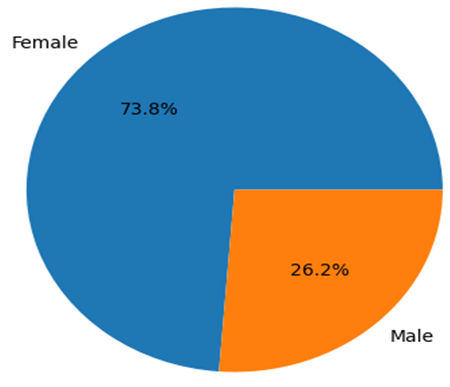
Figure 1: Gender Distribution of Study Population
Female patients accounted for nearly three-quarters of the study population, reflecting the higher demand for facial rejuvenation procedures among women.
Significant clinical improvement was observed in most patients during follow-up. Improvement in skin texture was noted in 36 patients (85.7%), while visible reduction in wrinkles was observed in 33 patients (78.6%). Facial volume restoration was achieved in 32 patients (76.2%), especially in the midface and infraorbital region. Increased skin elasticity was seen in 31 patients (73.8%). Detailed clinical outcomes following ADSC therapy are presented in Table 2.
Table 2: Clinical Outcomes Following ADSC Therapy
|
Outcome Parameter |
Patients Improved n (%) |
|
Improved skin texture |
36 (85.7%) |
|
Reduction in wrinkles |
33 (78.6%) |
|
Increased skin elasticity |
31 (73.8%) |
|
Facial volume restoration |
32 (76.2%) |
|
Improved skin hydration |
30 (71.4%) |
|
Overall patient satisfaction |
35 (83.3%) |
Patients commonly reported smoother skin texture, better facial contour, and a more refreshed facial appearance after treatment. Clinical photographs also demonstrated visible improvement in facial symmetry and reduction in age-related skin changes. As illustrated in Figure 2, the greatest improvement was observed in skin texture and overall patient satisfaction.
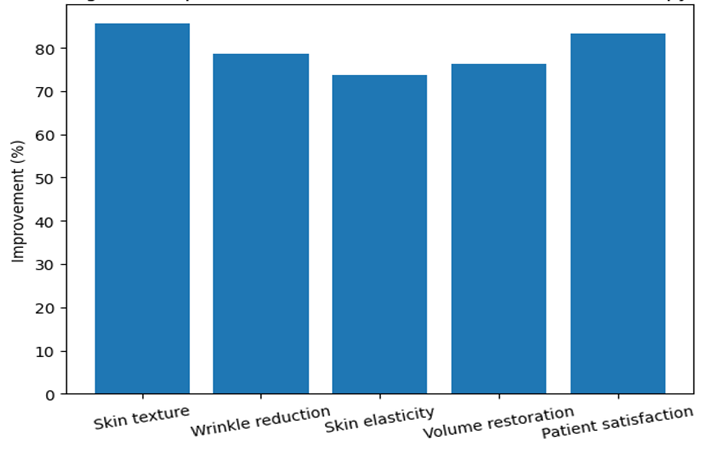
Figure 2: Improvement in Clinical Outcomes After ADSC Therapy
The highest improvement was observed in skin texture and patient satisfaction, followed by wrinkle reduction and restoration of facial volume.
Patients who underwent ADSC therapy combined with autologous fat grafting demonstrated comparatively better improvement in facial contour and volume restoration than patients treated with ADSCs alone. However, both groups showed favorable improvement in overall skin quality. Comparative treatment outcomes between the two groups are shown in Table 3.
Table 3: Comparison of Treatment Outcomes
|
Outcome |
ADSCs Alone |
ADSCs + Fat Grafting |
|
Improved skin texture |
75.0% |
92.3% |
|
Reduction in wrinkles |
68.7% |
84.6% |
|
Increased skin elasticity |
62.5% |
80.7% |
|
Facial volume restoration |
56.2% |
88.4% |
|
Patient satisfaction |
75.0% |
88.4% |
Combined therapy produced more noticeable improvement in patients with severe facial volume depletion and deeper nasolabial folds. Figure 3 further highlights the superior cosmetic outcomes and patient satisfaction associated with combined ADSC therapy and fat grafting.
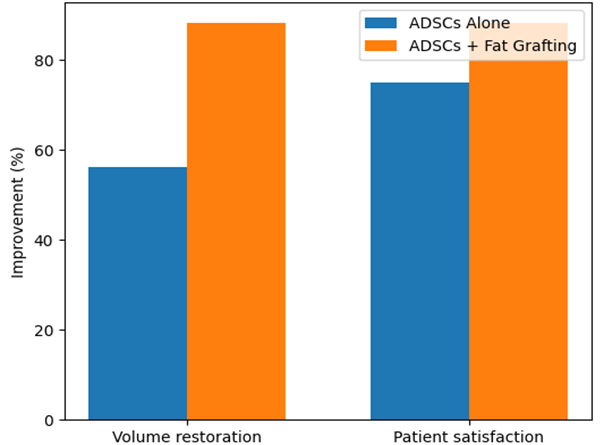
Figure 3: Comparison of Outcomes Between Treatment Groups
Patients receiving ADSCs with fat grafting showed superior outcomes in facial volume restoration and overall satisfaction compared with ADSCs alone.
The procedure was generally well tolerated with no major adverse events reported during follow-up. Mild swelling was the most common complication and was observed in 8 patients (19.0%). Temporary redness occurred in 6 patients (14.3%), while mild bruising was noted in 4 patients (9.5%). All complications resolved spontaneously within a few days without permanent effects. The frequency of procedure-related complications is summarized in Table 4.
Table 4: Procedure-Related Complications
|
Complication |
Frequency n (%) |
|
Mild swelling |
8 (19.0%) |
|
Temporary redness |
6 (14.3%) |
|
Bruising |
4 (9.5%) |
|
Mild discomfort |
5 (11.9%) |
|
Infection |
0 |
|
Allergic reaction |
0 |
|
Fat necrosis |
0 |
|
Major vascular complication |
0 |
No patient required hospital admission or secondary corrective procedure due to treatment-related complications. Figure 4 demonstrates the distribution of complications observed after ADSC therapy, showing that most adverse effects were mild and temporary.
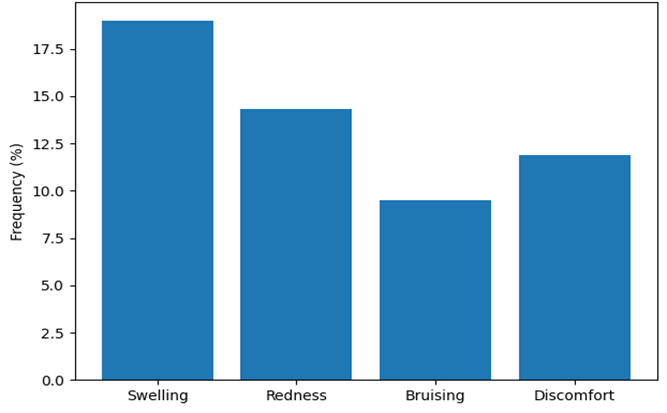
Figure 4: Distribution of Procedure-Related Complications
Mild swelling and redness were the most commonly observed adverse effects, while no major complications were reported.
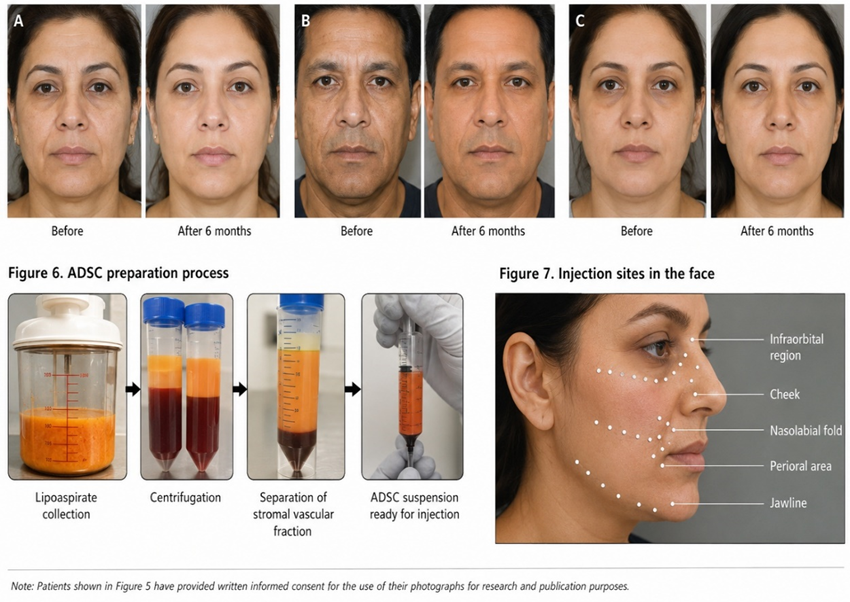
Figure 5: Representative before-and-after clinical photographs showing improvement in skin texture, wrinkle reduction, and facial volume restoration 6 months after ADSC therapy for facial rejuvenation.
Representative clinical images are shown in Figure 5. After treatment, the skin appeared smoother, the face looked fuller, and wrinkles became less visible. During follow-up visits, many patients showed a younger and fresher facial appearance. Figure 5 also shows the ADSC preparation process and the common facial areas used for injection duringt he procedure.
At the end of the follow-up period, most of the patients had obvious cosmetic improvement, both according to clinical examination and to patient feedback. The most frequent positive changes were better facial shape, less tired appearance and improved skin quality. In general, ADSC treatment led to good cosmetic results, with high patient satisfaction and few minor complications.
DISCUSSION :
The study found that adipose-derived stem cells (ADSCs) could be used to improve the appearance of the face and overall quality of skin. Many patients reported improvements in smoothness of skin, a reduction in the number of wrinkles, improvements in skin elasticity and an overall increase in fullness of face after the treatment. The results suggest that ADSC therapy may be a useful option for facial rejuvenation. Facial aging is a natural process that occurs overtime with collagen levels decreasing, the skin becoming more lax and facial fat gradually diminishing. Although treatments such as fillers and Botox can improve appearance, their effects normally do not last very long. ADSCs have a different mechanism of action as they induce skin healing and regeneration from inside the body.
They enhance collagen production, improve blood circulation, and help in tissue repair, resulting in possibly more natural and lasting results . In this study, many patients showed visible improvement in skin texture and reduction of wrinkles as shown in Table 2. Facial fullness also improved especially in the cheek and under-eye areas. Patients undergoing ADSC treatment along with fat grafting showed better results than those treated with ADSCs alone, as shown in Table 3 and Figure 3. Most patients were satisfied with the treatment, and noted that their face looked more refreshed and younger after the procedure . Overall, the treatment was safe and well-tolerated. The most common side effects included mild swelling, redness and bruising, which usually resolved within a few days . No major complications were observed during follow-up . Similar findings have also been reported in previous studies , suggesting that ADSC therapy is a safe method for facial rejuvenation .
However, the present study had some limitations, such as small number of patients and short follow-up period. Further studies with larger patient cohorts and longer follow-up periods are needed to better understand the long-term safety and efficacy of ADSC therapy.
CONCLUSION :
Treatments using adipose-derived stem cells (ADSC) seem to be a safe and efficient way to rejuvenate the face. In the present research, a large number of patients demonstrated better skin texture, less wrinkles, better skin elasticity and face volume following the therapy. Most of the patients were also happy with the overall improvement of their facial appearance. ADSCs are also thought to help the skin to heal itself and to rejuvenate naturally, which might result in a more natural and longer-lasting result as compared to some traditional cosmetic treatments. The medication was generally well tolerated and only mild temporary adverse effects were seen in a few individuals. The results were promising however, further studies with larger numbers of patients and longer follow-up periods are still needed to better understand the long-term safety and efficacy of ADSC treatment. Moreover, standard treatment protocols should be developed in the future to achieve more consistent clinical outcomes.
BIBLIOGRAPHY:
1. Coleman SR. Structural fat grafting: more than a permanent filler. Plastic and Reconstructive Surgery. 2006;118(3 Suppl):108S–120S.
2. Rohrich RJ, Pessa JE. The fat compartments of the face: anatomy and clinical implications for cosmetic surgery. Plastic and Reconstructive Surgery. 2007;119(7):2219–2227.
3. Lambros V. Observations on periorbital and midface aging. Plastic and Reconstructive Surgery. 2007;120(5):1367–1376.
4. Shiffman MA, Di Giuseppe A. Stem Cells in Aesthetic Procedures. Berlin: Springer; 2014.
5. Gold MH. Use of dermal fillers in facial rejuvenation. Journal of Clinical and Aesthetic Dermatology. 2009;2(3):20–28.
6. Carruthers J, Carruthers A. Botulinum toxin in facial rejuvenation: an update. Dermatologic Clinics. 2004;22(2):151–156.
7. Fodor PB, Watson JP. Personal experience with lipofilling and adipose-derived stem cells. Aesthetic Surgery Journal. 2010;30(1):91–98.
8. Tonnard P, Verpaele A, Peeters G, et al. Nanofat grafting: basic research and clinical applications. Plastic and Reconstructive Surgery. 2013;132(4):1017–1026.
9. Zuk PA, Zhu M, Mizuno H, Huang J, Futrell JW, Katz AJ, et al. Multilineage cells from human adipose tissue: implications for cell-based therapies. Tissue Engineering. 2001;7(2):211–228.
10. Fraser JK, Wulur I, Alfonso Z, Hedrick MH. Fat tissue: an underappreciated source of stem cells for biotechnology. Trends in Biotechnology. 2006;24(4):150–154.
11. Gimble JM, Katz AJ, Bunnell BA. Adipose-derived stem cells for regenerative medicine. Circulation Research. 2007;100(9):1249–1260.
12. Yoshimura K, Sato K, Aoi N, et al. Cell-assisted lipotransfer for cosmetic breast augmentation: supportive use of adipose-derived stem cells. Plastic and Reconstructive Surgery. 2008;121(3):101–112.
13. Sterodimas A, de Faria J, Nicaretta B, Papadopulos NA. Tissue engineering with adipose-derived stem cells for facial rejuvenation. Aesthetic Plastic Surgery. 2010;34(5):625–632.
14. Cervelli V, Gentile P, Scioli MG, et al. Application of adipose-derived stem cells in plastic surgery: clinical outcomes and perspectives. Stem Cells International. 2011;2011:1–7.
15. Rigotti G, Marchi A, Galiè M, et al. Clinical treatment of radiotherapy tissue damage using adipose-derived stem cells. Plastic and Reconstructive Surgery. 2007;119(5):1409–1422.
16. Pu LLQ. Mechanisms of fat graft survival and applications. Clinics in Plastic Surgery. 2015;42(3):301–314.
17. Coleman SR, Saboeiro AP. Fat grafting to the face: technique and results. Clinics in Plastic Surgery. 2007;34(1):77–85.
18. Gentile P, Scioli MG, Bielli A, et al. Concise review: adipose-derived stem cells in regenerative medicine. Stem Cells Translational Medicine. 2017;6(2):218–227.
19. Mashiko T, Yoshimura K. How does fat grafting work? Clinics in Plastic Surgery. 2015;42(2):181–190.
20. Dong Z, Peng Z, Chang Q, et al. The role of adipose-derived stem cells in skin regeneration and anti-aging. Journal of Dermatological Science. 2013;72(3):213–220.
21. Rehman J, Traktuev D, Li J, et al. Secretion of angiogenic and anti-apoptotic factors by adipose stromal cells. Circulation. 2004;109(10):1292–1298.
22. Locke MB, Feisst V, Dunbar PR. Concise review: human adipose-derived stem cells: isolation, characterization, and applications. Stem Cells and Development. 2011;20(10):1797–1808.
23. Bourin P, Bunnell BA, Casteilla L, et al. Stromal vascular fraction: definition and clinical applications. Cytotherapy. 2013;15(6):641–648.
24. Strong AL, Cederna PS, Rubin JP, Coleman SR, Levi B. Concise review: adipose-derived stem cells for soft tissue regeneration. Stem Cells. 2015;33(6):1786–1791.
25. Laloze J, Varin A, Gilhodes J, et al. Safety and efficacy of fat grafting combined with adipose-derived stem cells. Plastic and Reconstructive Surgery. 2018;142(2):279–290.