Prehabilitation Before Hip and Knee Arthroplasty: Frailty, Postoperative Complications, and Recovery Trajectories
- Sun Yue , Faculty of Medicine, Dentistry, and Health Sciences, Prima Indonesia University
- Chrismis Novalinda Ginting , Faculty of Medicine, Dentistry, and Health Sciences, Prima Indonesia University
- Liena , Faculty of Medicine, Dentistry, and Health Sciences, Prima Indonesia University
Article Information:
Abstract:
Abstract: This paper is a critical review of prehabilitation prior to hip and knee arthroplasty, focusing on frailty, postoperative outcomes, and recovery patterns. A secondary research design was adopted, although the evidence base was intentionally split: the literature review was informed by secondary reviews and theory papers, whereas only primary studies were coded in the results section. The review relied on 23 primary studies that comprised randomised trials, pilot trials and cohort studies. Thematic analysis identified four themes: frailty as a recovery modifier rather than a reason to adopt therapeutic nihilism; the greater impact of exercise prehabilitation on preoperative readiness than on long-term outcomes; the promise and implementation challenges of multimodal or tele-prehabilitation; and uncertainty about complications and length of stay. The synthesis demonstrates that more positive results are found in smaller, older trials, whereas more recent postoperative trials with larger sample sizes indicate weaker effects. Frailty-stratified, multimodal and implementation-oriented pathways are thus more justifiable than a universal exercise prescription. Future trials should report adherence, treatment fidelity, frames of frailty, complications, home days, discharge destination, and patient workload
Keywords:
Article :
INTRODUCTION:
Hip and knee replacements are two of the most successful orthopaedic procedures, but are being performed on an ageing, more medically complex population. Osteoarthritis has been rising, from approximately 256 million cases in 1990 to approximately 595 million by 2020, and is projected to reach one billion cases by 2050 (Steinmetz et al., 2023). The surgery exposure scale is also documented in registries; for example, the American Joint Replacement Registry recorded over 4.4 million hip and knee arthroplasty procedures (American Joint Replacement Registry, 2025). Such numbers render preoperative optimisation a clinically relevant consideration, not because every patient requires an intensive programme, but because of decreased physiological reserve and the likelihood that frail patients will respond differently to more fit patients (Clegg et al., 2013; Fried et al., 2001).
Prehabilitation can be defined as organized preoperative interventions aimed at enhancing functional capacity, nutrition, psychological preparations and self-management before the stressful event of surgery (Carli & Scheede-Bergdahl, 2015). The prospects for it in arthroplasty are appealing, since preoperative pain, muscle weakness, low gait speed, poor balance, and low confidence are likely predictors of postoperative recovery. Nevertheless, the evidence is lopsided. Trial results indicate improved strength, range of motion or timely functioning, whereas larger and stronger, methodologically rigorous trials tend to detect small variations following surgery (Nguyen et al., 2022; Svinoy et al., 2025). The article thus posits a narrow question: how does pre-procedure hip and knee arthroplasty interact with frailty, post-operative morbidity, and recovery curves?.
METHODS:
The research design used in this article was a critical narrative synthesis and thematic analysis based on secondary research. The literature review relied on secondary papers, guidelines and theory papers to frame concepts such as frailty phenotype theory, deficit accumulation theory, enhanced recovery, behaviour change and minimally disruptive medicine. To satisfy design separation, these secondary sources were not coded as findings. Results were derived from primary intervention trials and primary outcome studies, including observational studies in hip or knee arthroplasty.
A selective search strategy was used to focus on peer-reviewed literature on prehabilitation, preoperative exercise, tele-prehabilitation, multimodal frailty prehabilitation and frailty outcomes in the context of total hip or total knee arthroplasty. Primary papers, to be eligible, had to report functional recovery, complications, length of stay, patient-reported outcomes, or frailty-related risk. The use of protocols, systematic reviews, and opinion papers informed the background. Thematic analysis followed Braun and Clarke's (2006) approach: familiarisation with the purpose and results of the research; coding of intervention material and output signals; grouping into themes; comparison with theory; and critical interpretation. Due to heterogeneity in designs, interventions, definitions of frailty, and time points, a meta-analysis was not conducted. Figure 1 shows a thematic map which informed the synthesis
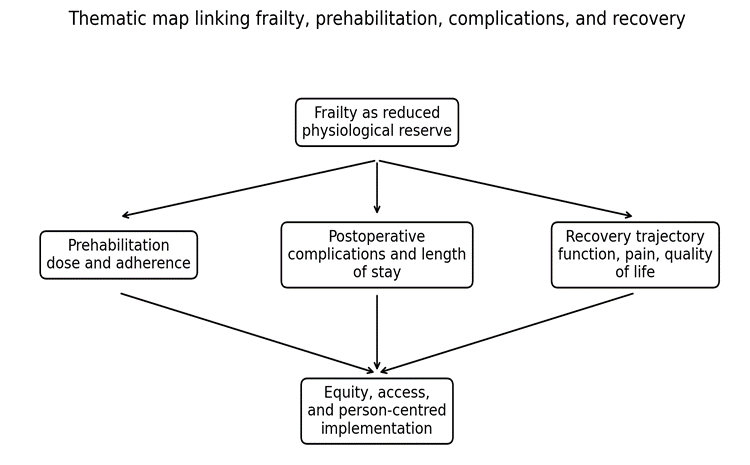
Figure 1. A thematic map is used to guide the thematic analysis of primary findings
Literature Review and Theoretical Position
The literature review situated frailty within the context of a phenotype and a construct of accumulated deficits. Conceptualisation Fried et al. (2001) conceptualise frailty as weight loss, exhaustion, weakness, slowness, and low activity. Rockwood et al. (2005), however, view frailty as the accumulation of health losses that diminish resilience. The significance of these theories is that two patients may differ not only in their chronological age and indicators of implantation, but also in their ability to withstand inflammation, pain, immobilisation, sleep disturbance and changes in medication. Enhanced recovery theory also contends that outcome measures in surgery rely on minimising stress and accelerating recovery (Kehlet & Wilmore, 2008). This encourages extending the model upstream to prehabilitation; however, it also reveals a contradiction: when the preoperative period is jam-packed with painful experiences, frail patients might not achieve high-dose training, which should be anticipated.
Secondary reviews are more conducive to some optimism than to certainty. Previous reviews proposed potential functional advantages but reported small sample sizes and mixed results (Ackerman & Bennell, 2004; Wallis & Taylor, 2011). In more recent reviews, heterogeneity is characterized by dose, supervision, intervention elements, and timing of outcomes (Konnyu et al., 2023; Moyer et al., 2017; Wang et al., 2016). Home-based and telerehabilitation reviews further suggest that access may increase, yet digital literacy and adherence remain unresolved (de Klerk et al., 2023; Widmer et al., 2022). The behaviour change theory helps explain the following outcome: prehabilitation is not an exercise prescription alone but a capability, opportunity and motivation issue (Michie et al., 2011). The least disruptive medicine also notes that introducing appointments on top of existing patients' workloads may not be beneficial unless the programmes are designed to meet their needs (May et al., 2009). Table 1 lists the secondary sources referred to solely in this theoretical framing.
Table 1. Secondary sources
|
Source |
Design or type |
Contribution to literature review |
Use in the article |
|
Fried et al. (2001). |
Primary theory paper |
Defined frailty phenotype and reserve loss. |
Theory only |
|
Rockwood et al. (2005). |
Primary theory paper |
Explained deficit accumulation and graded vulnerability. |
Theory only |
|
Carli & Scheede-Bergdahl (2015). |
Conceptual review |
Defined prehabilitation as preoperative capacity building. |
LR only |
|
Kehlet & Wilmore (2008). |
Enhanced recovery review |
Explained surgical stress reduction and early mobilisation. |
LR only |
|
Michie et al. (2011). |
Behaviour change framework |
Framed adherence through capability, opportunity, and motivation. |
LR only |
|
Moyer et al. (2017). |
Systematic review |
Summarised heterogeneous prehab effects before TJA. |
LR only |
|
Konnyu et al. (2023). |
Systematic review |
Updated evidence appraisal for hip and knee arthroplasty prehab. |
LR only |
|
De Klerk et al. (2023). Widmer et al. (2022) |
Systematic reviews |
Informed home-based and THA-specific evidence context. |
LR only |
Table 2. Primary studies
|
Study |
Design and sample |
Intervention or exposure |
Finding signal |
Critical appraisal |
|
Weidenhielm et al. (1993). |
Primary trial, knee arthroplasty |
Preoperative physiotherapy |
Early exploration of readiness before knee arthroplasty. |
Older design; limited contemporary applicability. |
|
Rodgers et al. (1998). |
Small primary TKA study, n = 10 |
Brief preoperative physical therapy |
Suggested feasibility rather than definitive effect. |
Very underpowered and vulnerable to selection bias. |
|
Wang et al. (2002). |
RCT, THA, n = 28 |
Home-based exercise |
Reported better function around THA. |
A small sample size and limited blinding reduce certainty. |
|
Crowe & Henderson (2003). |
RCT, complex THA/TKA needs, n = 133 |
Preoperative occupational therapy and rehabilitation planning |
Improved discharge-oriented preparation. |
Complex intervention makes the active component unclear. |
|
Gilbey et al. (2003). |
Prospective randomised THA trial |
Exercise before and after THA |
Supported perioperative functional training. |
Small study and historical usual care comparator. |
|
Beaupre et al. (2004). |
RCT, TKA, n = 131 |
Four-week exercise and education |
No consistent large postoperative advantage. |
Useful sample, but programme dose may be modest. |
|
Gocen et al. (2004). |
RCT, THA, n = 60 |
Preoperative exercise |
Reported benefits in physical performance. |
Single-centre and short-term outcomes. |
|
Rooks et al. (2006). |
RCT, THA/TKA, n = 108 |
Six-week exercise programme |
Improved preoperative function and some readiness outcomes. |
Mixed procedures and limited power by subgroup. |
|
Topp et al. (2009). |
RCT, TKA, n = 54 |
Resistance, flexibility, and step training |
Improved preoperative function. |
PEDro limitations include blinding and allocation issues. |
|
Swank et al. (2011). |
RCT, severe knee OA, n = 71 |
Exercise plus usual care |
Increased strength and function before TKA. |
Outcome improvements may not translate to long-term recovery. |
|
McKay et al. (2012). |
Pilot RCT, TKA, n = 22 |
Six-week prehabilitation |
Feasibility and functional signals. |
Pilot design and small sample. |
|
Brown et al. (2012). |
Pilot RCT, TKA, n = 18 |
Eight-week exercise |
Explored quality of life effects. |
Low power and risk of Type II error. |
|
Huang et al. (2012). |
Primary TKA clinical study |
Preoperative rehabilitation education |
Reported better postoperative recovery and possible LOS benefit. |
Education effects are difficult to separate from expectations and discharge planning. |
|
Matassi et al. (2014). |
RCT, TKA, n = 122 |
Preoperative home exercises |
Showed limited but clinically relevant early outcomes. |
Home adherence measurement was limited. |
|
Cavill et al. (2016). |
Pilot RCT, THA/TKA, n = 64 |
Twice-weekly exercise and education |
Feasible with assessor blinding and ITT. |
Pilot trial not powered for complications. |
|
Calatayud et al. (2017). |
RCT, TKA |
High-intensity strength training |
Improved early postoperative physical recovery. |
Intensity may limit use among frail patients. |
|
Doiron-Cadrin et al. (2020). |
Pilot RCT, THA/TKA, n = 34 |
In-person versus tele-prehab versus usual care |
Feasible and acceptable. |
Not powered for effectiveness or complications. |
|
An et al. (2021) |
Single-blind RCT, bilateral TKA, n = 60 |
Three-week intensive prehab plus education |
Improved strength, ROM, TUG, and WOMAC domains. |
An all-female sample limits generalisability. |
|
Nguyen et al. (2022). |
Multicentre RCT, TKA, n = 262 |
Multidisciplinary prehabilitation |
No significant gain in functional independence or WOMAC trajectory. |
Strong design, but adherence and missing data limited power. |
|
Cook et al. (2022). |
Linked cohort, THA/TKA |
Electronic frailty index exposure |
Success declined with severe frailty, but most still improved. |
Observational confounding cannot prove causal mechanisms. |
|
Wall et al. (2024). |
Cohort, elective THA/TKA |
Clinical Frailty Scale exposure |
Frailty predicted complications and resource needs. |
Frailty scoring may vary by assessor and setting. |
|
Okpara et al. (2025). |
Pilot RCT, frail THA/TKA, n = 69 |
Exercise, protein, vitamin D and medication review |
Feasible; OKS signal at 6 months, adherence variable. |
Underpowered for complications and durability. |
|
Svinoy et al. (2025). |
RCT, older THA, n = 98 |
Exercise and education |
Preoperative gait and HOOS quality-of-life gains, no postoperative difference. |
Strong contemporary test, but usual care may dilute the effect. |
Methodological Quality and Critical Appraisal
The primary studies had a significant variation in the quality of their methods. The best designs were randomised, with blinded assessment, intention-to-treat analysis, and open reporting of missing data, as observed more clearly in larger or more recent trials, e.g., Nguyen et al. (2022), Cavill et al. (2016), An et al. (2021), and Svinoy et al. (2025). By comparison, some of the positive initial studies were small, single-centre and recruited, lacked explicit allocation concealment and were under-blinded. These restrictions are not mere technical trifles, as exercise outcomes are highly susceptible to the influence of expectations, the therapist's eagerness, and biased compliance. The frail patient who converts into a volunteer prehabilitator might be more motivated, less socially inhibited, and safer to train than a frail non-adherent patient.
Outcome selection also limited the comparison. Trials involved the use of WOMAC, HOOS, OKS, gait speed, TUG, range of motion, quadriceps torque, length of stay and time points. Such heterogeneity did not permit a pooled statistical estimate, and thematic interpretation was more suitable than meta-analysis. Very few studies have made direct measurements of frailty, and even fewer have addressed whether frail patients will respond differently from robust children. The outcomes of complications were presented chronologically, were inadequately powered, or were not properly extracted. Thus, the review considers functional gains to be more reliable than statements about reduced complications. The most justifiable point of view is that prehabilitation can enhance readiness. However, its power to alter hard postoperative outcomes is determined by the target, fidelity, and baseline, which improve the quality of preoperative care.
Findings: Thematic Analysis of Primary Evidence
Frailty as a Prognostic Risk Factor, Not a Marker of Therapeutic Futility
Frailty predicts recovery, but it is not to be considered as futile treatment. Primary outcome studies reveal that worse preoperative status is correlated with worse postoperative outcomes. Fortin et al. (1999) showed that preoperative functioning predicted post-surgical pain and functioning after hip and knee replacement. More recently, Cook et al. (2022) found that patient-reported success following hip and knee arthroplasty decreased from 97% and 93% in fit patients to 90% and 83% in severely frail patients. This contrast is of clinical significance: frailty exacerbates the likelihood, but even most frail patients recover. The article by Wall et al. (2024) further underscores the importance of a simple Clinical Frailty Scale in predicting complications, discharge location, and resource utilisation. Importantly, these cohort studies are effective for prognosis but not for inference about interventions, since frailty is correlated with comorbidity, social support, baseline pain, and access to surgery.
Exercise-Based Prehabilitation Enhances Readiness More Reliably Than Long-Term Recovery
Exercise prehabilitation is more effective at enhancing preoperative readiness than at improving long-term postoperative outcomes. In preliminary investigations, Wang et al. (2002), Gocen et al. (2004), Rooks et al. (2006), Topp et al. (2009), Swank et al. (2011), and Calatayud et al. (2017) indicate improvements in strength, gait, range of motion, or early functionality. These are biologically plausible findings, especially quadriceps strength before knee arthroplasty. Nevertheless, numerous small, single-centre studies were inadequately blinded or did not use attention-matched control conditions. The strongest opposing argument is Nguyen et al. (2022), a multicentre trial involving 262 patients undergoing total knee replacement that did not find any control effect on short-term functional independence or the WOMAC trajectory. Figure 2 shows that small groups of larger trials numerically dominate the evidence base; pilot or moderate-sized studies provide many positive signs.
Multimodal Prehabilitation May Benefit Frail Patients but Requires Better Integration into Care Pathways
Multimodal and accessible prehabilitation may be successful among frail patients, but the greatest weakness lies in implementation. Doiron-Cadrin et al. demonstrated that face-to-face and remote prehabilitation were feasible, and An et al. reported improvements following a brief intensive prehabilitation programme prior to bilateral knee arthroplasty. In frail older adults, Fit-Joints, a pilot trial, involved exercises, nutrition, vitamin D, and medication review, and demonstrated acceptable feasibility, with 81% retention but inconsistent adherence across components (Okpara et al., 2025). This is in line with the frailty concept of theory, which holds that reserve is multidimensional. Nevertheless, the evidence on complications remains underpowered, and adherence data suggest that multimodal care can become cumbersome when not integrated into routine pathways.
Evidence for Reduced Complications and Length of Stay Remains Mixed
Uncertain about the outcomes in terms of complications and length of stay. Other initial clinical research indicates reduced length of stay or enhanced readiness for discharge after education and exercise, as reported by Crowe and Henderson (2003), Huang et al. (2012), and Cavill et al. (2016). Conversely, this has not been true in larger contemporary trials, where postoperative outcomes frequently improve when recovery pathways are enhanced and standardised rehabilitation options are available (Nguyen et al., 2022; Svinoy et al., 2025). This pattern is depicted in Figure 3: preoperative functioning has a meritorious indication, whereas complications and long-term healing are largely ambiguous or dubious. It does not mean that prehabilitation does not work, but maybe traditional trials are measuring the wrong thing. There can be a decrease in the delays, increased confidence, safer discharge planning, or less deconditioning, which are not necessarily measured solely by WOMAC or HOOS
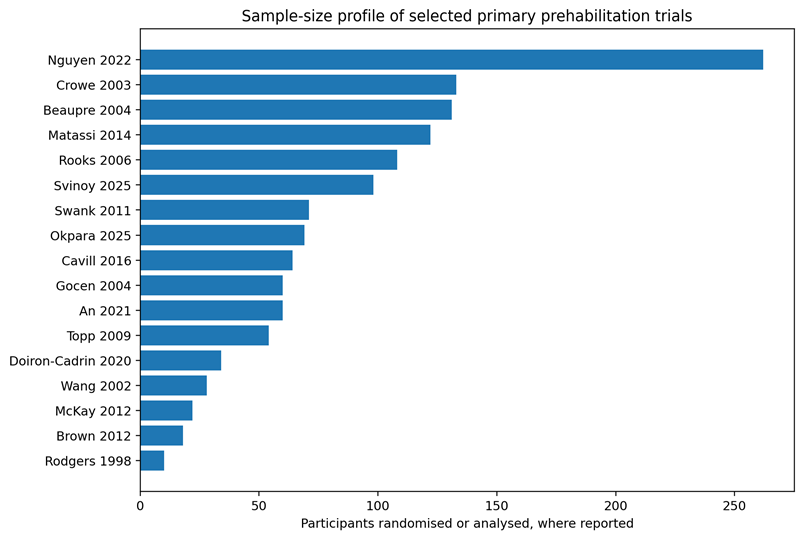
Figure 2. Sample-size profile of selected primary prehabilitation trials with reported sample sizes
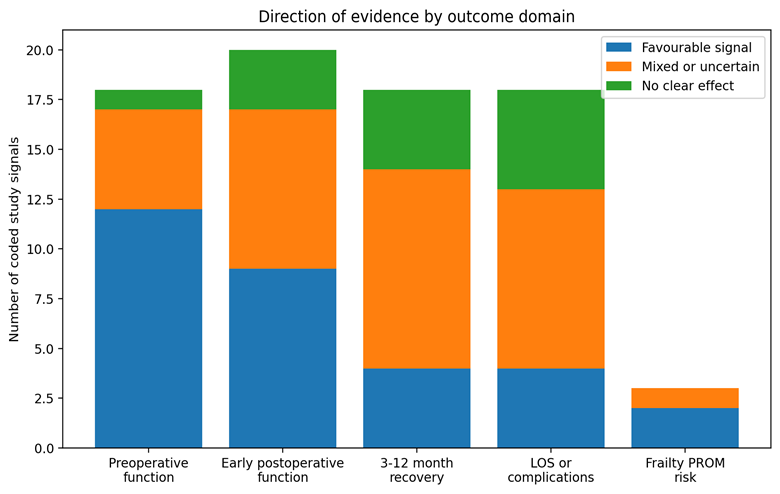
Figure 3. Direction of evidence by outcome domain from thematic coding of primary study signals.
DISCUSSION :
The results partially confirm and, in some respects, refute the findings reported in the literature review. The frailty phenotype and deficit accumulation theories predict that low reserve will influence recovery, a pattern borne out by primary cohort data (Cook et al., 2022; Fortin et al., 1999; Wall et al., 2024). Nonetheless, the frailty theory suggests that a one-only exercise-based programme might not be enough to address the patients whose frailty is nutritional, cognitive, social, or pharmacological. This is how multimodal trials like the Fit-Joints are more aligned with theory than many older exercise-only trials, despite their relatively small sample sizes, which imply they are too small to provide definitive clinical guidance (Okpara et al., 2025).
Enhanced recovery theory is complicated by the evidence, as well. Should standard perioperative treatment already hasten mobilisation, prehabilitation should yield results beyond a robust baseline trial. This could be the reason why Nguyen et al. (2022) and Svinoy et al. (2025) discovered preoperative gains or feasibility but low postoperative separation. Reported trials were more favourable but were small, had less rigorous concealment, or used measures taken very near surgery. Thus, the age-related difference between older positive and newer neutral trials might be due in part to shifts in usual care rather than to the inefficacy of interventions.
A second explanation is based on behaviour change theory. Ability, opportunity and motivation are ability, necessity and need to prehabilitate (Michie et al., 2011). Weak candidates for arthroplasty can experience pain, transportation challenges, a lack of digitality (confidence), and conflicting medical necessities. Tele-prehabilitation reduces travel burden but may be digitally inaccessible to disadvantaged patients. Intensive programmes that involve high intensity can enhance strength, but can also be less intensive. This poses an equity issue: the most likely to benefit patients may be the least able to stick with it. Future studies need stratification by frailty level; core outcome sets must be recorded; adherence and fidelity of treatment must be assessed against TIDieR principles; and adaptive pathways should be tested rather than a single one-size-fits-all prescription (Hoffmann et al., 2014).
To practice, a safe conclusion is directed at practice rather than universal prehabilitation. Gait speed, Clinical Frailty Scale, nutritional risk, and baseline patient-reported function can be used as screening variables to identify patients who require more preparation. Non-frail patients could be taught and empowered to strengthen themselves. In the case of a weak patient, a multidisciplinary package that includes physiotherapy, protein management, drug prescription review, assistance with anaemia or vitamin D, falls-prevention planning, and discharge should be considered, as it is more theoretically aligned. Average WOMAC change should not be the only measure for evaluating such programmes; complications, readmissions, discharge destination, days at home, confidence, and recovery trajectory should also be taken into account..
CONCLUSION :
There is a plausible rationale, but less compelling clinical evidence, for prehabilitation before hip and knee arthroplasty. Primary research indicates the greatest benefits for the preoperative process and early preparedness, but inconsistent effects on complications, length of stay, and long-term recovery. Frailty transforms the meaning of such evidence: it is a risk factor, a modulator of recovery, and a reason to develop more individual programmes. Future research needs to transition towards the next-generation, frailty-stratified, multimodal, implementation-based trials that quantify recovery progress and patient workload alongside conventional functional scales.
REFERENCES:
1. Ackerman, I. N., & Bennell, K. L. (2004). Does pre-operative physiotherapy improve outcomes from lower limb joint replacement surgery? A systematic review. Australian Journal of Physiotherapy, 50(1), 25–30.
2. American Joint Replacement Registry. (2025). The American Joint Replacement Registry annual report. American Academy of Orthopaedic Surgeons.
3. An, J., Ryu, H. K., Lyu, S. J., Yi, H. J., & Lee, B. H. (2021). Effects of preoperative telerehabilitation on muscle strength, range of motion, and functional outcomes in candidates for total knee arthroplasty. International Journal of Environmental Research and Public Health, 18(11), 6071. https://doi.org/10.3390/ijerph18116071
4. Arden, N. K., Perry, T. A., Bannuru, R. R., Bruyere, O., Cooper, C., Haugen, I. K., Hochberg, M. C., McAlindon, T. E., Mobasheri, A., Reginster, J. Y., & others. (2021). Non-surgical management of knee osteoarthritis: Comparison of ESCEO and OARSI guidelines. Nature Reviews Rheumatology, 17(1), 59-66.
5. Bannuru, R. R., Osani, M. C., Vaysbrot, E. E., Arden, N. K., Bennell, K., Bierma-Zeinstra, S. M. A., Kraus, V. B., Lohmander, L. S., Abbott, J. H., Bhandari, M., Blanco, F. J., Espinosa, R., Haugen, I. K., Lin, J., Mandl, L. A., Moilanen, E., Nakamura, N., Snyder-Mackler, L., Trojian, T., Underwood, M., & McAlindon, T. E. (2019). OARSI guidelines for the non-surgical management of knee, hip, and polyarticular osteoarthritis. Osteoarthritis and Cartilage, 27(11), 1578-1589.
6. Beaupre, L. A., Lier, D., Davies, D. M., & Johnston, D. B. C. (2004). The effect of a preoperative exercise and education program on functional recovery, health related quality of life, and health service utilization following primary total knee arthroplasty. Journal of Rheumatology, 31(6), 1166-1173.
7. Braun, V., & Clarke, V. (2006). Using thematic analysis in psychology. Qualitative Research in Psychology, 3(2), 77-101. https://doi.org/10.1191/1478088706qp063oa
8. Brown, K., Swank, A. M., Quesada, P. M., Nyland, J., & Malkani, A. (2012). Prehabilitation versus usual care before total knee arthroplasty: A pilot study. Perceptual and Motor Skills, 115(3), 765-774. https://doi.org/10.2466/15.06.10.PMS.115.6.765-774
9. Calatayud, J., Casaña, J., Ezzatvar, Y., Jakobsen, M. D., Sundstrup, E., & Andersen, L. L. (2017). High-intensity preoperative training improves physical and functional recovery in the early post-operative periods after total knee arthroplasty. Knee Surgery, Sports Traumatology, Arthroscopy, 25(9), 2864-2872. https://doi.org/10.1007/s00167-016-3985-5
10. Carli, F., & Scheede-Bergdahl, C. (2015). Prehabilitation to enhance perioperative care. Anesthesiology Clinics, 33(1), 17-33.
11. Cavill, S., McKenzie, K., Munro, A., McKeever, J., Whelan, L., Biggs, L., McCormick, W., & Gummerson, N. (2016). The effect of prehabilitation on the range of motion and functional outcomes in patients following the total knee or hip arthroplasty: A pilot randomized trial. Physiotherapy Theory and Practice, 32(4), 262-270. https://doi.org/10.3109/09593985.2016.1138174
12. Clegg, A., Young, J., Iliffe, S., Rikkert, M. O., & Rockwood, K. (2013). Frailty in elderly people. The Lancet, 381(9868), 752-762.
13. Cook, M. J., Lunt, M., Ashcroft, D. M., Board, T. N., & O'Neill, T. W. (2022). The impact of frailty on patient-reported outcomes following hip and knee arthroplasty. Age and Ageing, 51(12), afac288. https://doi.org/10.1093/ageing/afac288
14. Coudeyre, E., Jardin, C., Givron, P., Ribinik, P., Revel, M., & Rannou, F. (2007). Could preoperative rehabilitation modify postoperative outcomes after total hip and knee arthroplasty? Elaboration of French clinical practice guidelines. Annales de Readaptation et de Medecine Physique, 50(3), 189-197.
15. Crowe, J., & Henderson, J. (2003). Pre-arthroplasty rehabilitation is effective in reducing hospital stay. Canadian Journal of Occupational Therapy, 70(2), 88-96. https://doi.org/10.1177/000841740307000204
16. de Klerk, M., van Dijk, G. M., Dekker, J., & others. (2023). Home-based prehabilitation before total hip or knee arthroplasty: A systematic review. Disability and Rehabilitation.
17. Doiron-Cadrin, P., Kairy, D., Vendittoli, P. A., Lowry, V., Poitras, S., Desmeules, F., & others. (2020). Feasibility and preliminary effects of a tele-prehabilitation program and an in-person prehabilitation program compared to usual care for total hip or knee arthroplasty candidates: A pilot randomized controlled trial. Disability and Rehabilitation, 42(7), 989-998. https://doi.org/10.1080/09638288.2018.1515992
18. Fortin, P. R., Clarke, A. E., Joseph, L., Liang, M. H., Tanzer, M., Ferland, D., Phillips, C., Partridge, A. J., Belisle, P., Fossel, A. H., Mahomed, N., Sledge, C. B., & Katz, J. N. (1999). Outcomes of total hip and knee replacement: Preoperative functional status predicts outcomes at six months after surgery. Arthritis and Rheumatism, 42(8), 1722-1728.
19. Fried, L. P., Tangen, C. M., Walston, J., Newman, A. B., Hirsch, C., Gottdiener, J., Seeman, T., Tracy, R., Kop, W. J., Burke, G., & McBurnie, M. A. (2001). Frailty in older adults: Evidence for a phenotype. Journals of Gerontology: Series A, 56(3), M146-M156.
20. Gilbey, H. J., Ackland, T. R., Wang, A. W., Morton, A. R., Trouchet, T., & Tapper, J. (2003). Exercise improves early functional recovery after total hip arthroplasty. Clinical Orthopaedics and Related Research, 408, 193-200. https://doi.org/10.1097/00003086-200303000-00025
21. Gocen, Z., Sen, A., Unver, B., Karatosun, V., & Gunal, I. (2004). The effect of preoperative physiotherapy and education on the outcome of total hip replacement: A prospective randomized controlled trial. Clinical Rehabilitation, 18(4), 353-358. https://doi.org/10.1191/0269215504cr758OA
22. Granicher, P., Stadelmann, P., Zingg, P. O., & others. (2024). Exercise and education-based prehabilitation before total knee arthroplasty: A pilot study. Journal of Rehabilitation Medicine.
23. Hoffmann, T. C., Glasziou, P. P., Boutron, I., Milne, R., Perera, R., Moher, D., Altman, D. G., Barbour, V., Macdonald, H., Johnston, M., Lamb, S. E., Dixon-Woods, M., McCulloch, P., Wyatt, J. C., Chan, A. W., & Michie, S. (2014). Better reporting of interventions: Template for intervention description and replication. BMJ, 348, g1687. https://doi.org/10.1136/bmj.g1687
24. Huang, S. W., Chen, P. H., Chou, Y. H., & others. (2012). Effects of a preoperative simplified home rehabilitation education program on length of stay of total knee arthroplasty patients. Orthopaedics and Traumatology: Surgery and Research, 98(3), 259-264. https://doi.org/10.1016/j.otsr.2011.12.004
25. Kehlet, H., & Wilmore, D. W. (2008). Evidence-based surgical care and the evolution of fast-track surgery. Annals of Surgery, 248(2), 189-198.
26. Konnyu, K. J., Thoma, L. M., Cao, W., Aaron, R. K., Panagiotou, O. A., Bhuma, M. R., Adam, G. P., Balk, E. M., & others. (2023). Prehabilitation for total hip and total knee arthroplasty: A systematic review. Journal of Orthopaedic and Sports Physical Therapy.
27. Kwok, I. H. Y., Paton, B., & Haddad, F. S. (2015). Does pre-operative physiotherapy improve outcomes in primary total knee arthroplasty? A systematic review. Journal of Arthroplasty, 30(9), 1657-1663.
28. Matassi, F., Duerinckx, J., Vandenneucker, H., & Bellemans, J. (2014). Range of motion after total knee arthroplasty: The effect of a preoperative home exercise program. Knee Surgery, Sports Traumatology, Arthroscopy, 22(3), 703-709. https://doi.org/10.1007/s00167-012-2349-z
29. May, C., Montori, V. M., & Mair, F. S. (2009). We need minimally disruptive medicine. BMJ, 339, b2803.
30. McKay, C., Prapavessis, H., & Doherty, T. (2012). The effect of a prehabilitation exercise program on quadriceps strength for patients undergoing total knee arthroplasty: A randomized controlled pilot study. PM&R, 4(9), 647-656. https://doi.org/10.1016/j.pmrj.2012.04.012
31. Michie, S., van Stralen, M. M., & West, R. (2011). The behaviour change wheel: A new method for characterising and designing behaviour change interventions. Implementation Science, 6, 42. https://doi.org/10.1186/1748-5908-6-42
32. Moyer, R., Ikert, K., Long, K., & Marsh, J. (2017). The value of preoperative exercise and education for patients undergoing total hip and knee arthroplasty: A systematic review and meta-analysis. JBJS Reviews, 5(12), e2.
33. Nguyen, C., Boutron, I., Roren, A., Sanchez, K., Pouchot, J., Taieb, S., & others. (2022). Effect of prehabilitation before total knee replacement for knee osteoarthritis on functional outcomes: A randomized clinical trial. JAMA Network Open, 5(3), e221462. https://doi.org/10.1001/jamanetworkopen.2022.1462
34. Okpara, C., Dalzell, M. A., Sibley, K. M., Garland, S. J., Beaupre, L. A., Szekeres, M., & others. (2025). Feasibility of a multimodal prehabilitation program for older adults with frailty awaiting joint replacement: The Fit-Joints pilot randomized controlled trial. Journal of Frailty and Aging, 14(2), 100028. https://doi.org/10.1016/j.tjfa.2025.100028
35. Page, M. J., McKenzie, J. E., Bossuyt, P. M., Boutron, I., Hoffmann, T. C., Mulrow, C. D., Shamseer, L., Tetzlaff, J. M., Akl, E. A., Brennan, S. E., Chou, R., Glanville, J., Grimshaw, J. M., Hrobjartsson, A., Lalu, M. M., Li, T., Loder, E. W., Mayo-Wilson, E., McDonald, S., Moher, D., & others. (2021). The PRISMA 2020 statement: An updated guideline for reporting systematic reviews. BMJ, 372, n71.
36. Rodgers, J. A., Garvin, K. L., Walker, C. W., Morford, D., Urban, J., & Bedard, J. (1998). Preoperative physical therapy in primary total knee arthroplasty. Journal of Arthroplasty, 13(4), 414-421. https://doi.org/10.1016/S0883-5403(98)90007-9
37. Rockwood, K., Song, X., MacKnight, C., Bergman, H., Hogan, D. B., McDowell, I., & Mitnitski, A. (2005). A global clinical measure of fitness and frailty in elderly people. Canadian Medical Association Journal, 173(5), 489-495.
38. Rooks, D. S., Huang, J., Bierbaum, B. E., Bolus, S. A., Rubano, J., Connolly, C. E., Alpert, S., Iversen, M. D., & Katz, J. N. (2006). Effect of preoperative exercise on measures of functional status in men and women undergoing total hip and knee arthroplasty. Arthritis and Rheumatism, 55(5), 700-708. https://doi.org/10.1002/art.22223
39. Schmucker, A. M., Hupert, N., Mandl, L. A., & Goodman, S. M. (2019). Frailty as a predictor of adverse outcomes after total hip and knee arthroplasty: A systematic review. BMC Geriatrics.
40. Steinmetz, J. D., Culbreth, G. T., Haile, L. M., Rafferty, Q., Lo, J., Fukutaki, K. G., Smith, A. E., & others. (2023). Global, regional, and national burden of osteoarthritis, 1990-2020 and projections to 2050: A systematic analysis for the Global Burden of Disease Study 2021. The Lancet Rheumatology, 5(9), e508-e522.
41. Svinoy, O. E., Nordbo, J. V., Pripp, A. H., & others. (2025). The effect of prehabilitation for older patients awaiting total hip replacement: A randomized controlled trial with long-term follow up. BMC Musculoskeletal Disorders, 26, 227. https://doi.org/10.1186/s12891-025-08468-4
42. Swank, A. M., Kachelman, J. B., Bibeau, W., Quesada, P. M., Nyland, J., Malkani, A., & Topp, R. V. (2011). Prehabilitation before total knee arthroplasty increases strength and function in older adults with severe osteoarthritis. Journal of Strength and Conditioning Research, 25(2), 318-325. https://doi.org/10.1519/JSC.0b013e318202e431
43. Topp, R., Swank, A. M., Quesada, P. M., Nyland, J., & Malkani, A. (2009). The effect of prehabilitation exercise on strength and functioning after total knee arthroplasty. PM&R, 1(8), 729-735. https://doi.org/10.1016/j.pmrj.2009.06.003
44. Wall, B. J., Wittauer, M., Dillon, K., Seymour, H., Yates, P. J., & Jones, C. W. (2024). The Clinical Frailty Scale predicts outcomes following total joint arthroplasty. European Geriatric Medicine. https://doi.org/10.1186/s42836-024-00294-8
45. Wallis, J. A., & Taylor, N. F. (2011). Pre-operative interventions, including exercise, for patients undergoing total knee or hip arthroplasty. Cochrane Database of Systematic Reviews, 2011(1), CD007058.
46. Wang, A. W., Gilbey, H. J., & Ackland, T. R. (2002). Perioperative exercise programs improve early return of ambulatory function after total hip arthroplasty: A randomized, controlled trial. American Journal of Physical Medicine and Rehabilitation, 81(11), 801-806.
47. Wang, L., Lee, M., Zhang, Z., Moodie, J., Cheng, D., & Martin, J. (2016). Does preoperative rehabilitation for patients planning to undergo joint replacement surgery improve outcomes? A systematic review and meta-analysis of randomised controlled trials. BMJ Open, 6(2), e009857.
48. Weidenhielm, L., Mattsson, E., Brostrom, L. A., & Wersall-Robertsson, E. (1993). Effect of preoperative physiotherapy in unicompartmental prosthetic knee replacement. Scandinavian Journal of Rehabilitation Medicine, 25(1), 33-39.
49. Widmer, M., Oesch, P., & Bachmann, S. (2022). Effect of prehabilitation in patients undergoing total hip arthroplasty: A systematic review. Journal of Clinical Medicine, 11(14), 4044