Complications of Transurethral Pneumatic Lithotripsy among Children with Bladder Stone Disease
- Naeemud Din , PGR, Armed Forces Institute of Urology Rawalpindi, Pakistan
- Qamar Zia , Consultant Urologist, Armed Forces Institute of Urology Rawalpindi, Pakistan
- Nizam Uddin , Associate Professor, Urology Ward Saidu Group of Teaching Hospital Swat, Pakistan
- Saifullah , PGR Urology, Saidu Group of teaching Hospitals, Swat, Pakistan
- Irshad Khan , PGR, Armed Forces Institute of Urology Rawalpindi, Pakistan
Article Information:
Abstract:
Bladder stone disease is a common urological problem in children, especially in developing countries. It can lead to symptoms such as dysuria, urinary retention, urinary urgency, and lower abdominal discomfort. Transurethral pneumatic lithotripsy is a minimally invasive technique used for the management of bladder stones in pediatric patients. Although this procedure is considered effective and safe, certain postoperative complications may still occur. Limited local data are available regarding the frequency of these complications in children undergoing this procedure. Materials and Methods: This descriptive study was conducted in the Department of Urology over a period from August 2025 to November 2025, after approval of the synopsis from CPSP. A total of 108 children aged 4–15 years with bladder stone disease were included using consecutive non-probability sampling. Children with urinary tract infection, small caliber urethra, previous bladder surgery, or known bleeding disorders were excluded. All patients underwent transurethral pneumatic lithotripsy under general anesthesia using a pediatric cystoscope and lithoclast. Patients were observed for 72 hours after the procedure for complications including bladder perforation, hematuria, acute urinary retention, and fever. Data were analyzed using SPSS version 25. Results; The mean age of the patients was 8.7 ± 3.2 years. Male children were more commonly affected than females. Hematuria was the most frequent complication observed after the procedure, followed by fever and acute urinary retention. Bladder perforation was observed in a small number of cases. Most complications were mild and managed conservatively without major intervention. The frequency of complications was higher in children with larger stone size and hard stone consistency. Conclusion: Transurethral pneumatic lithotripsy is an effective and minimally invasive treatment option for bladder stone disease in children. Although postoperative complications may occur, most are mild and manageable. Early recognition and proper postoperative care can help reduce morbidity and improve treatment outcomes.
Keywords:
Article :
INTRODUCTION:
Bladder stone disease is a common urinary tract problem in children, especially in developing countries where poor nutrition, dehydration, and repeated urinary infections are common [1,2]. Urinary stones may develop in different parts of the urinary tract including the kidneys, ureters, bladder, and urethra [3]. Among these, bladder stones are frequently reported in children living in low-resource regions and may lead to serious urinary symptoms if they are not diagnosed and treated early [4].
Bladder stones are formed due to the accumulation of minerals and salts inside the urinary bladder. In children, these stones may develop because of low fluid intake, poor dietary habits, recurrent infections, urinary stasis, bladder outlet obstruction, and metabolic abnormalities [5,6]. Nutritional deficiency remains one of the major contributing factors in many developing countries where children have limited access to balanced diets and clean drinking water [7]. Hot climate and dehydration can also increase the concentration of minerals in urine that may promote stone formation [8]. Children with bladder stone disease usually present with symptoms such as painful urination, urinary urgency, interrupted urinary stream, difficulty in passing urine, lower abdominal pain and urinary retention [9]. Some children may also complain of hematuria, crying during urination, recurrent urinary tract infections or restlessness [10]. In severe cases, long-standing bladder stones can lead to obstruction, recurrent infections, bladder damage and a reduced quality of life [11]. The incidence of urinary stone disease in children has increased over the past few decades in many parts of the world [12]. The increase is attributed to improved diagnostic facilities and changing dietary habits [13]. Management of pediatric stone disease is a challenge due to the delicate urinary tract anatomy and the susceptibility of children to procedural complications compared to adults [14]. Thus the treatment modalities should ensure complete stone clearance with minimal trauma and preserve the urinary tract function [15].
There are several treatment options for bladder stones in children. These include open cystolithotomy, extracorporeal shock wave lithotripsy, laser lithotripsy, percutaneous cystolithotripsy, and transurethral pneumatic lithotripsy [16]. In the past, open surgery was commonly performed but nowadays minimally invasive procedures are preferred due to less pain, shorter hospital stay, smaller scars and faster recovery [17]. In some complicated cases open surgery is still used. Among the minimally invasive procedures, transurethral pneumatic lithotripsy has become a commonly used technique in the field of pediatric urology [18]. This procedure involves the insertion of a pediatric cystoscope through the urethra into the bladder. Then, a lithoclast device is used to break the stone into smaller fragments that are removed using grasping forceps or irrigation [19]. The procedure is usually performed under general anesthesia and has shown good success rates in children [20].
Among the main advantages of transurethral pneumatic lithotripsy is that it is not accompanied by large surgical incisions and has less postoperative morbidity [21]. Most children recover quickly after the procedure and can return to normal activities within a short time [22]. The procedure also permits direct visualization of the bladder and complete stone fragmentation in many cases [23]. However, transurethral pneumatic lithotripsy may still be associated with some complications [24]. Common complications reported in previous studies include hematuria, fever, dysuria, urinary tract infection, bladder perforation and acute urinary retention [25]. The severity and frequency of these complications may vary depending on the size and consistency of the stone, duration of surgery, surgeon experience, and condition of the urinary tract [26].
One of the frequent complications after lithotripsy procedures is hematuria. Mild bleeding is self-limiting and resolves within a short period of time, while severe hematuria may require prolonged catheterization or other management [8]. Fever may be due to postoperative inflammation or infection and should be closely monitored in pediatric patients [9]. Acute urinary retention may be due to postoperative edema, blood clots or urethral irritation [18]. Management of the majority of cases involves supportive measures and temporary catheterization however early diagnosis is important in order to prevent further complications and discomfort [20]. Bladder perforation is a rare but serious complication of transurethral procedures [24]. Small perforations can be treated successfully with catheter drainage, whereas large perforations may necessitate surgical repair [25]. Careful instrumentation and proper surgical technique are important to avoid these complications. However, there is limited local data on complications of transurethral pneumatic lithotripsy in children. Understanding the frequency and pattern of these complications is important for improving patient safety, counseling parents, and developing better treatment protocols.
Therefore, this study was conducted to determine the frequency of complications following transurethral pneumatic lithotripsy among children with bladder stone disease.
MATERIALS AND METHODS:
This descriptive study was conducted in the Department of Urology over a period of six months after approval from CPSP and the institutional ethical review committee. Children diagnosed with bladder stone disease presenting to the outpatient department were included in the study. Written informed consent was obtained from the parents or guardians before enrollment.
A total of 108 children aged 4–15 years were selected using consecutive non-probability sampling. Diagnosis of bladder stone disease was confirmed on ultrasound along with symptoms such as dysuria, urinary retention, or urinary urgency.
Children with urinary tract infection, small calibre urethra, previous bladder surgery, bleeding disorders, or severe systemic illness were excluded from the study.
Prior to treatment, detailed history, clinical examination and ultrasound assessment were performed. Data including age, gender, residence, size of stone, bladder anomaly and stone consistency were recorded on proforma.
All procedures were performed under general anesthesia using sterile techniques by experienced urologists. Transurethral pneumatic lithotripsy was performed with pediatric cystoscope and lithoclast device, with stone fragments removed by forceps and irrigation. Urethral catheterization was performed in selected patients when indicated.
All patients were observed for 72 hours after the procedure for complications such as hematuria, fever, acute urinary retention and bladder perforation. Postoperative assessment was performed under consultant supervision.
Data were analyzed using SPSS version 25. Numerical variables were expressed as mean ± standard deviation, while categorical variables were presented as frequencies and percentages. Chi-square test or Fisher’s exact test was used where appropriate, and p ≤0.05 was considered statistically significant.
RESULTS:
A total of 108 children with bladder stone disease were included in this study, and all patients completed the follow-up period successfully. The age of the patients ranged from 4 to 15 years, with a mean age of 8.7 ± 3.2 years. Most of the children presented with symptoms of dysuria, urgency, intermittent stream, suprapubic discomfort and difficulty with voiding.
The demographic and clinical characteristics of the patients are shown in Table 1. Male children were more commonly affected than female children. Out of 108 patients, 82 (75.9%) were males while 26 (24.1%) were females. Most patients belonged to rural areas. Stones larger than 6 mm were observed in 69 (63.9%) children, while hard stone consistency was found in 74 (68.5%) patients. A small number of children also had associated bladder abnormalities on ultrasound examination.
Table 1 demonstrates that bladder stone disease was more common among male children and children living in rural areas. Larger stones and hard stone consistency were also observed more frequently among the patients included in the study. These findings suggest that stone size and consistency may play an important role in the development of postoperative complications.
Figure 1 demonstrates the gender distribution of patients included in the study. Male children showed a significantly higher frequency of bladder stone disease compared to female children.
Transurethral pneumatic lithotripsy was successfully performed in all children under general anesthesia using a pediatric cystoscope and lithoclast device. Most procedures were completed without major intraoperative problems. Urethral catheterization was required in selected patients with larger stones and mild mucosal trauma following stone fragmentation.
Postoperative complications were carefully assessed during the first 72 hours after the procedure. The frequency of postoperative complications is shown in Table 2. Hematuria was the most common complication observed in the study and was seen in 15 (13.9%) children. Complication of fever was observed in 11 (10.2%) patients and acute urinary retention in 5 (4.6%) children. The least common complication was bladder perforation, seen in only 3 (2.8%) patients.
Table 2 shows that the majority of complications following transurethral pneumatic lithotripsy were mild and temporary. Hematuria was the most common complication while bladder perforation was seen in only a few cases. These findings suggest that the procedure is generally safe and associated with acceptable postoperative morbidity in pediatric patients.
Figure 2: Frequency of post-operative complications after transurethral pneumatic lithotripsy. Hematuria was the commonest complication seen followed by fever, acute urinary retention and bladder perforation. Most cases of hematuria were mild and resolved with conservative management including hydration and short-term catheterization. Fever was managed successfully with antibiotics and antipyretic medications. Acute urinary retention resolved after temporary catheterization while cases of bladder perforation were managed conservatively with close observation without open surgical intervention.
Table 3 shows the association of stone size and postoperative complications. The frequency of complications was higher in the children with stones larger than 6 mm than the smaller stones. Hematuria was more common in the patients with larger stones and the all the cases of bladder perforation were seen in the children with stones larger than 6 mm. Table 3 shows the increase in the postoperative complications with increasing stone size. The larger stones required more fragmentation and longer operative time which may have led to more mucosal irritation and postoperative complications. All the cases of bladder perforation were in the children with stones larger than 6 mm which suggest that the larger stones may increase the procedural difficulty and risk of trauma.
Figure 3 demonstrates the comparison of complications according to stone size. The figure clearly shows that larger stones were associated with increased postoperative complications following transurethral pneumatic lithotripsy.
Stone consistency was also evaluated among the patients included in the study. Hard stones were more frequently observed than soft stones. Figure 4 shows the distribution of stone consistency where 68.5% of the cases are hard stones and 31.5% are soft stones. The higher prevalence of hard stones might be the reason behind the higher rate of fragmentation during the procedure along with slightly increased complication rates in a few patients. Figure 5 shows representative clinical and procedural images related to transurethral pneumatic lithotripsy and postoperative complications encountered in pediatric patients. The figure shows cystoscopic visualization of bladder stones, stone fragmentation with pneumatic lithotripsy, and images showing stone fragments after the procedure. It also shows important postoperative findings, such as hematuria, bladder perforation, acute urinary retention, and postoperative fever. These images provide a realistic clinical overview of the procedure and its associated postoperative findings.
Overall, transurethral pneumatic lithotripsy showed good clinical outcomes in children with bladder stone disease. Most complications observed during the study were mild, temporary, and managed successfully with conservative treatment.
Table 1: Demographic and Clinical Characteristics of Patients (n = 108)
|
Variable |
Frequency |
Percentage |
|
Male |
82 |
75.9% |
|
Female |
26 |
24.1% |
|
Rural Residence |
71 |
65.7% |
|
Urban Residence |
37 |
34.3% |
|
Stone Size >6 mm |
69 |
63.9% |
|
Stone Size ≤6 mm |
39 |
36.1% |
|
Hard Stone Consistency |
74 |
68.5% |
|
Soft Stone Consistency |
34 |
31.5% |
|
Bladder Anomaly Present |
12 |
11.1% |
|
Bladder Anomaly Absent |
96 |
88.9% |
Table 2: Frequency of Postoperative Complications (n = 108)
|
Complication |
Frequency |
Percentage |
|
Hematuria |
15 |
13.9% |
|
Fever |
11 |
10.2% |
|
Acute Urinary Retention |
5 |
4.6% |
|
Bladder Perforation |
3 |
2.8% |
Table 3: Association of Stone Size with Complications
|
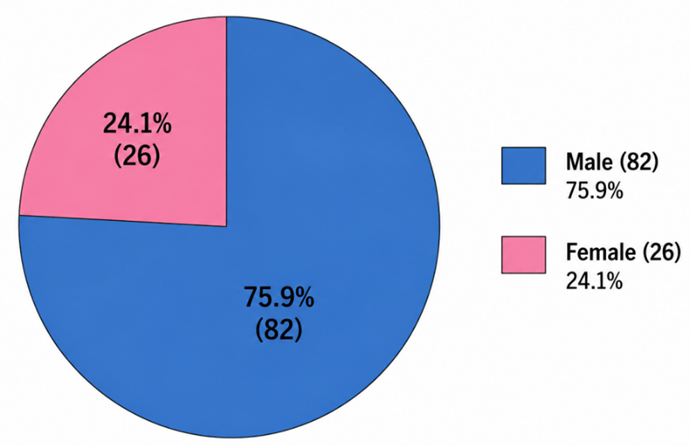
Figure 1: Gender distribution of children included in the study showing a
higher frequency of bladder stone disease among male patients.
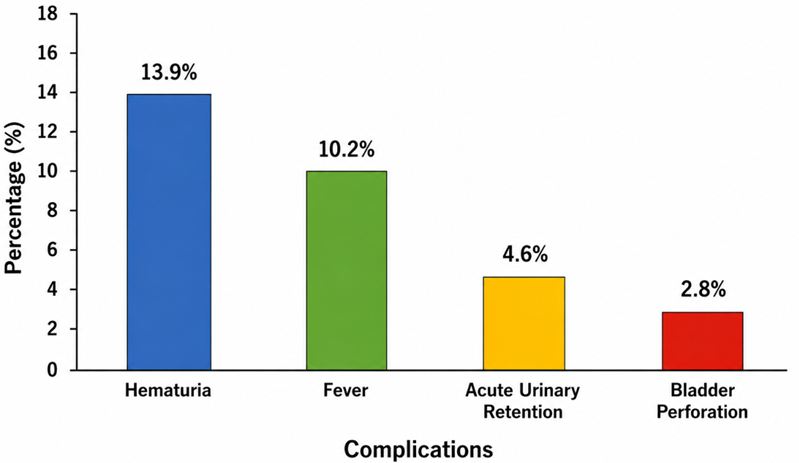
Figure 2: Frequency of postoperative complications observed after transurethral pneumatic lithotripsy
among children with bladder stone disease.
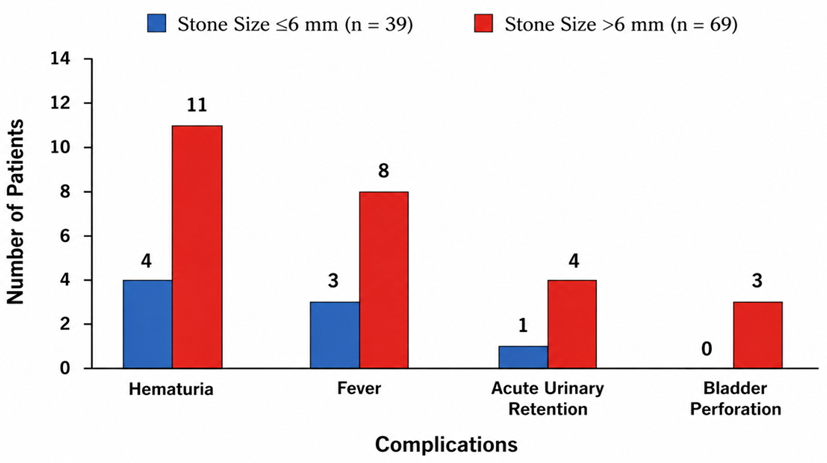
Figure 3: Comparison of postoperative complications according to stone size among children undergoing transurethral pneumatic lithotripsy.
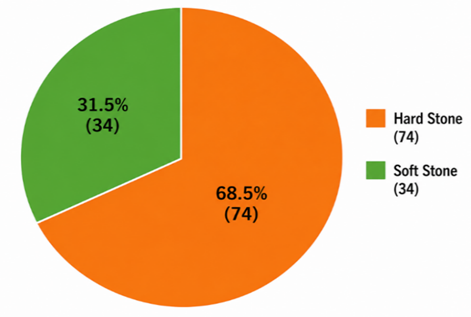
Figure 4: Distribution of stone consistency among pediatric patients with bladder stone disease included in the study.
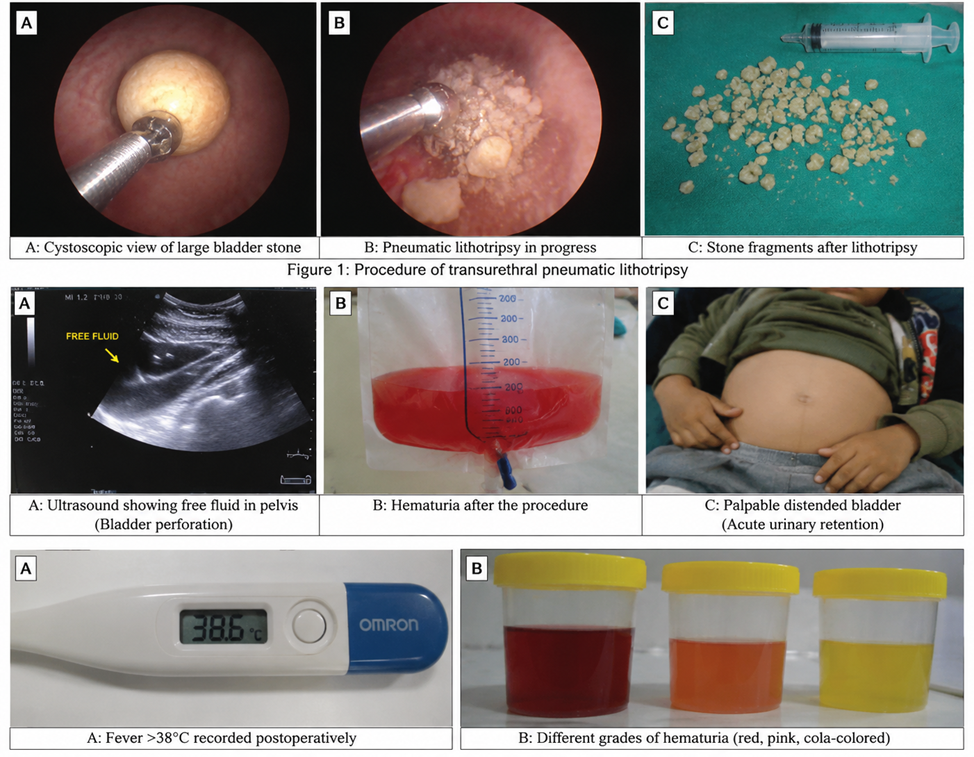
Figure 5: Representative clinical and procedural images showing transurethral pneumatic lithotripsy, stone fragmentation, and postoperative complications observed in pediatric patients.
DISCUSSION :
Bladder stone disease is still a major health problem among children in developing countries. Poor nutrition, dehydration, recurrent urinary infections, and limited healthcare facilities are important factors contributing to stone formation. In recent years, minimally invasive procedures have become more common because they cause less pain, shorter hospital stay, and faster recovery.
In the present study, transurethral pneumatic lithotripsy showed good clinical outcomes in children with bladder stone disease. The procedure was successfully completed in all patients using a pediatric cystoscope and lithoclast device. Most children recovered without major complications, supporting the safety and effectiveness of this minimally invasive technique.
Most patients in this study were male children and belonged to rural areas. Similar findings have been reported in previous studies. This may be related to dietary habits, dehydration, poor nutrition, and differences in urinary tract anatomy.
Hematuria was the most common complication observed after the procedure. Most cases were mild and improved with hydration and short-term catheterization. Fever was the second most common complication and responded well to antibiotics and antipyretic treatment. Acute urinary retention was observed in a few patients and improved after temporary catheterization.
Bladder perforation was the least common complication. Although rare, it is considered a serious complication of endoscopic procedures. In this study, all affected patients were treated conservatively without open surgery. Proper surgical technique and careful handling of instruments are important to reduce this risk.
The study also showed that complications were more common in children with larger stones and hard stone consistency. Larger stones may require longer operative time and repeated fragmentation, increasing the risk of mucosal injury and postoperative irritation.
One strength of this study was that all procedures were performed using the same surgical technique under experienced supervision, which helped maintain consistency. However, the study had some limitations including short follow-up duration and single-center design. Long-term complications and recurrence rates were not evaluated.
Overall, the findings of this study support transurethral pneumatic lithotripsy as a safe and effective minimally invasive treatment option for bladder stone disease in children.
CONCLUSION :
Transurethral pneumatic lithotripsy is an effective and minimally invasive treatment option for children with bladder stone disease. The procedure showed good stone clearance rates with acceptable postoperative complications.
Hematuria was the most common complication observed after the procedure, followed by fever and acute urinary retention, while bladder perforation was seen in only a few cases. Most complications were mild and managed successfully with conservative treatment.
The study findings suggest that transurethral pneumatic lithotripsy is a safe procedure in pediatric patients when performed with proper surgical technique and postoperative care. Early recognition and management of complications can help improve patient outcomes and reduce postoperative morbidity.
Further studies with larger sample size and longer follow-up are recommended to evaluate long-term outcomes and recurrence rates in children undergoing this procedure.
BIBLIOGRAPHY:
1. Jones P, Hawary A, Beck R, Somani BK. Role of mini-percutaneous nephrolithotomy in the management of pediatric stone disease: a systematic review of literature. J Endourol. 2021;35(5):728-35.
2. Güzel R, Yildirim Ü, Sarica K. Contemporary minimally invasive surgical management of stones in children. Asian J Urol. 2023;10(3):239-45.
3. Raja A, Wood F, Joshi HB. The impact of urinary stone disease and their treatment on patients’ quality of life: a qualitative study. Urolithiasis. 2020;48(3):227-34.
4. Zhu C, Wang DQ, Zi H, Huang Q, Gu JM, Li LY, et al. Epidemiological trends of urinary tract infections, urolithiasis and benign prostatic hyperplasia in 203 countries and territories from 1990 to 2019. Mil Med Res. 2021;8(1):1-12.
5. Armbruster CE, Mobley HL, Pearson MM. Pathogenesis of Proteus mirabilis infection. EcoSal Plus. 2018;8(1):10-128.
6. Okeke CJ, Obi AO, Odoemene CA, Ojewola RW, Afogu EN, Odo C, et al. Urological emergencies in a Nigerian teaching hospital: Epidemiology and treatment. Niger J Clin Pract. 2021;24(3):400-5.
7. Dönger U, İncekaş C, Gülleroğlu KS, Baskın E. Pediatric urinary stone disease: a 10-year single-center experience from Türkiye. Turk Arch Pediatr. 2025;60(1):29-33.
8. Ullah F, Gazder T, Therani S, Ali I, Akhtar H, Qamar U, et al. Frequency of complications of transurethral pneumatic lithotripsy in pediatric bladder stone disease. Int J Endorsing Health Sci Res. 2023;11(3):149-53.
9. Akhtar Z, Allahyani H, Rahman S. Common complications of transurethral pneumatic lithotripsy in children with bladder stone disease at a tertiary care hospital HMC Peshawar. Pakistan J Urol. 2023;2(2):37-40.
10. Bansal SS, Pawar PW, Sawant AS. Pediatric urolithiasis: current management strategies and outcomes. Indian J Urol. 2022;38(4):275-82.
11. Tasian GE, Ross ME, Song L, et al. Annual incidence of nephrolithiasis among children and adults in South Carolina from 1997 to 2012. Clin J Am Soc Nephrol. 2016;11(3):488-96.
12. Dogan HS, Tekgul S. Management of pediatric stone disease. Curr Urol Rep. 2020;21(2):8-15.
13. Skolarikos A, Straub M, Knoll T, et al. Metabolic evaluation and recurrence prevention for urinary stone patients. Eur Urol. 2015;67(4):750-63.
14. Desai MR, Kukreja RA, Patel SH, Bapat SD. Percutaneous cystolithotripsy in pediatric patients. J Endourol. 2004;18(6):534-7.
15. Sofer M, Kaver I, Greenstein A, et al. Refinements in treatment of large bladder calculi in children. Urology. 2004;64(4):651-5.
16. Aron M, Goel R, Gautam G, et al. Percutaneous versus transurethral cystolithotripsy in children. BJU Int. 2005;95(6):859-61.
17. Salah MA, Holman E, Toth C. Percutaneous suprapubic cystolithotripsy for pediatric bladder stones. Eur Urol. 2001;40(5):585-8.
18. El-Nahas AR, Elshal AM, El-Tabey NA, et al. Urethral complications after transurethral procedures in children. J Pediatr Urol. 2014;10(3):456-60.
19. Onal B, Citgez S, Tansu N, et al. What changed in the management of pediatric stones? Urology. 2013;81(5):1037-42.
20. Rizvi SAH, Sultan S, Zafar MN, et al. Evaluation of children with urolithiasis. Indian J Urol. 2007;23(4):420-7.
21. Muslumanoglu AY, Binbay M, Yuruk E, et al. Updated management of pediatric urolithiasis. Urol Res. 2011;39(4):253-67.
22. Al-Marhoon MS, Shareef O, Venkiteswaran KP. Complications of endourological treatment for pediatric stones. Arab J Urol. 2012;10(3):282-6.
23. Routh JC, Graham DA, Nelson CP. Epidemiological trends in pediatric urolithiasis. J Urol. 2010;183(4):1730-4.
24. Celik O, Ilbey YO, Ozbek E, Simsek A. Complications of cystoscopic procedures in children. Urol J. 2015;12(3):2198-202.
25. Smaldone MC, Docimo SG, Ost MC. Contemporary surgical management of pediatric urolithiasis. Urol Clin North Am. 2010;37(2):253-67.
26. Türk C, Petřík A, Sarica K, et al. EAU guidelines on diagnosis and conservative management of urolithiasis. Eur Urol. 2016;69(3):468-74.